Lawsuit Seeks 34 Billion Rubles from Tanker Owners for Black Sea Spill Damage
Russian authorities have filed a lawsuit seeking over 34 billion rubles in environmental damages from the owners of tankers that sank in the Black Sea in December 2024, causing a catastrophic spill.
Apr 19, 2026 0
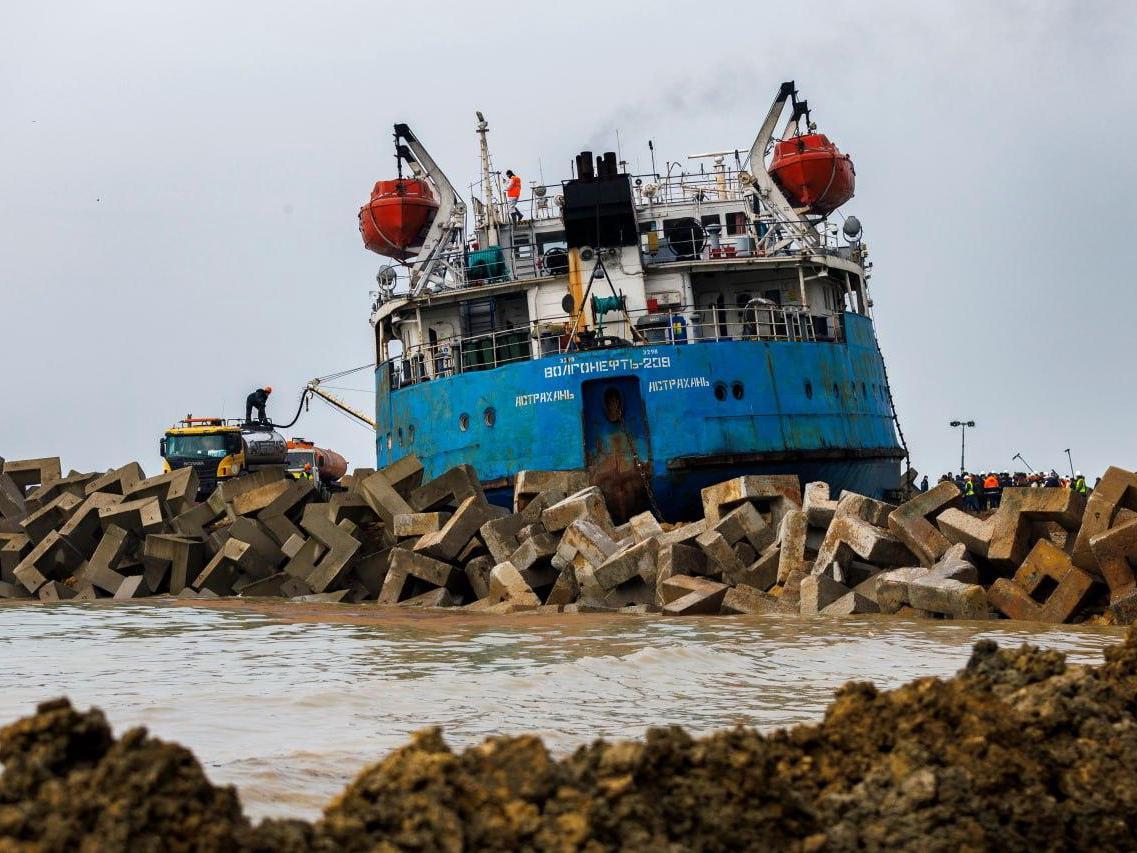

The tanker «Volgoneft-212» was one of two vessels that sank in the Black Sea, leading to a significant environmental disaster.
Source:
On February 2, the operational headquarters reported that the Ministry of Natural Resources of Kuban filed a lawsuit to recover losses after a fuel oil spill from the wreck of the tankers «Volgoneft-239» and «Volgoneft-212». The department is demanding 30.7 million rubles (approximately $341,000 at current rates) from the owners and operator of the vessels as losses, and 34 billion 219 million rubles (approximately $380 million at current rates) for environmental damage.
«As third parties in this case, the General Prosecutor»s Office of the Russian Federation, the Regional Center for Geological Information, Monitoring of the Geological Environment and Mineral Resources «Kubangeologiya», and Kuban State University have been involved,« added the operational headquarters.
According to Rosprirodnadzor (the Federal Service for Supervision of Natural Resources), the total damage from the catastrophe amounted to almost 85 billion rubles (approximately $940 million at current rates). It was this amount that was previously planned to be recovered through the court from the owners and charterers of the tankers.
Recall that on December 15, 2024, in the waters of the Black Sea near the Kerch Strait, two tankers simultaneously sank, carrying over 8,500 tons of fuel oil. The coast of Anapa and the Temryuk district suffered the most from the spill of petroleum products. As a result, the resort season officially never took place, and the tourism business is still incurring huge losses. All that is known about the environmental catastrophe more than a year later is gathered in this article.
Read more