Court Upholds Donenergo Employees' Convictions in Rostov Fire
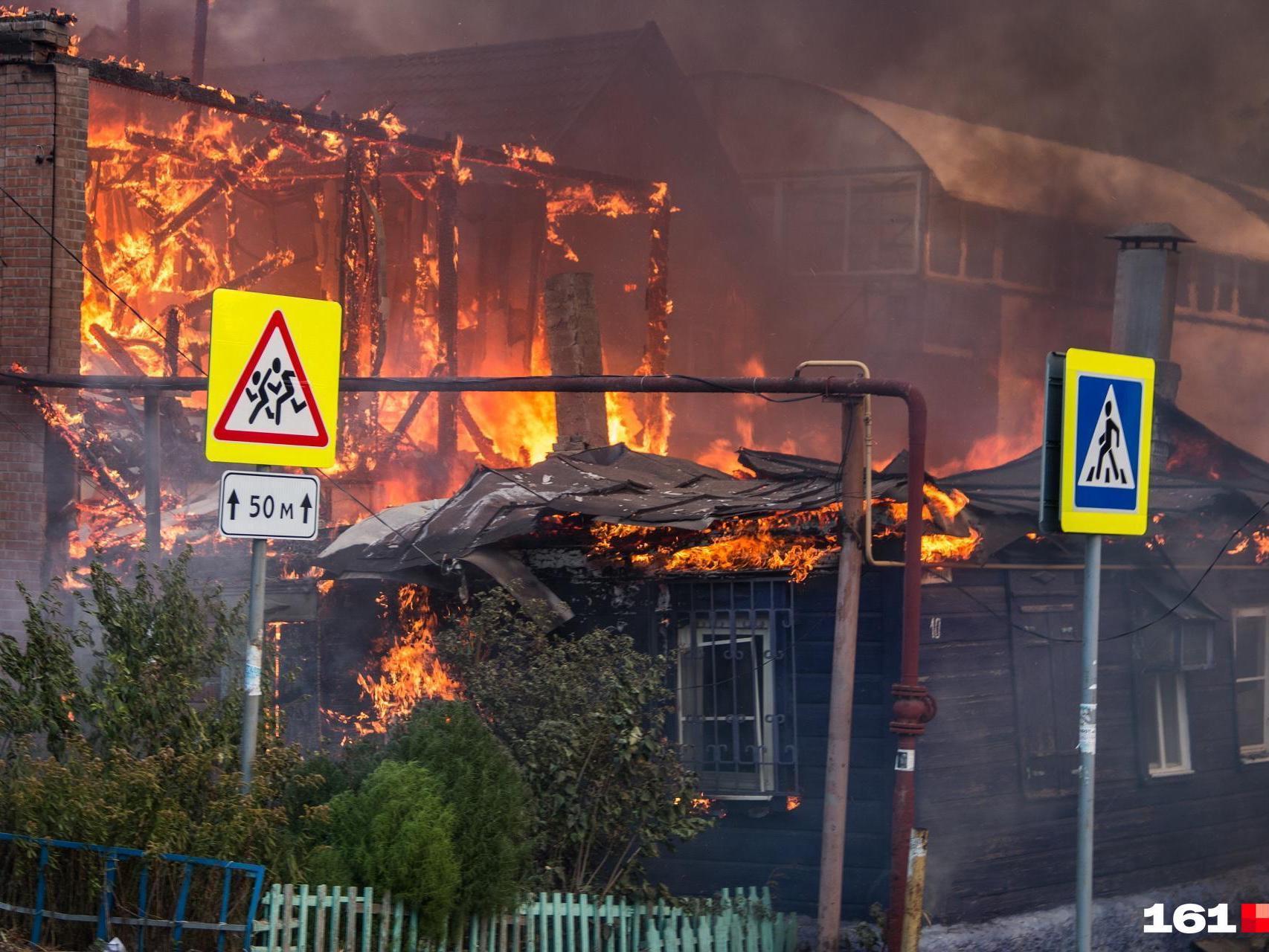

The Fourth Cassation Court of General Jurisdiction did not satisfy the complaints in the case of the 2017 fire in Rostov-on-Don on Teatralny Spusk, according to the court«s press service. The verdict for Donenergo employees, issued in October 2024 in the Proletarsky District Court of the city, was left unchanged. They were accused of causing death by negligence and destruction or damage to property.
The fire started on 21 August 2017 — from an abandoned house on Nizhegorodskaya Street. Initially, it was considered the source of the ignition, but then the investigation pointed to another house in Chuvashsky Lane. However, eyewitnesses insisted that the fire started in several places at once. Its area was about 10,000 square meters.
In the fire, a disabled pensioner who was unable to escape from the house died. Dozens of people sought medical help. The family of the deceased in the fire was paid 1.5 million rubles ($15,000 at current rates) from the budget in a lump sum. For those who lost their homes, the situation with compensation was more complicated. Some fire victims believed that the authorities began to look for loopholes in the legislation to deny help to those who lost all documents in the fire or were not registered at their place of residence.
The fire started due to a short circuit in the electrical wiring, the examination concluded. The head of the Eastern District Electrical Network (RES) Pavel Trunov received 2 years and 2 months of restriction of freedom, but he was released due to the expiration of the statute of limitations. The senior site foreman Igor Bezzemelny died, and he was released from liability. A case was also initiated against former deputy Marina Belyaeva: she was accused of negligence. But the case was discontinued due to the expiration of the statute of limitations after her petition.
Trunov did not admit guilt and, together with his lawyer and Bezzemelny«s lawyer, attempted to challenge the decision. His appellate complaint was left unsatisfied. The cassation court also found no grounds to overturn the decisions.
«In the cassation court, the complainants insisted on the unproven guilt, denied the version of the short circuit, and questioned the reliability of the damage established by the courts,» according to the agency«s message.