T2 installed 6,500 base stations in Moscow last year

The telecommunications operator reported a 60% increase in data transfer speeds over the past year.
In 2025, T2 launched VoWiFi technology in the capital, increased data transfer speeds by 60%, began rolling out the new LTE2300 frequency band in the metro, and ended the year with zero priority-one technical failures. The operator also ensured indoor coverage at key capital facilities and installed necessary equipment for the opening of new Moscow Metro stations.
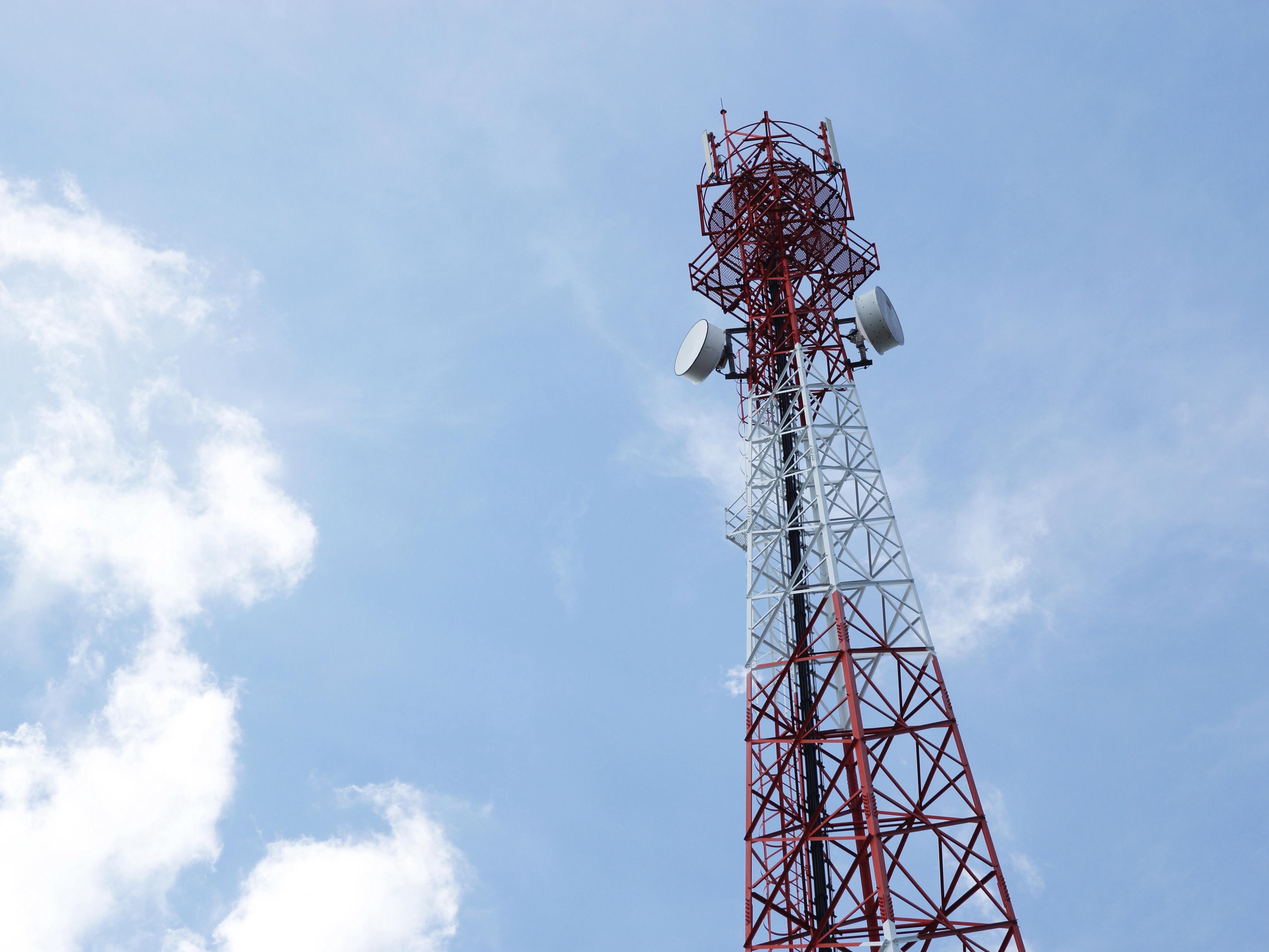
Over the year, T2«s portfolio of capital equipment grew by more than 6,500 base stations—a 20% increase compared to the 2024 figure. The number of sites—locations for placing base stations—increased by 1,000, corresponding to a 30% year-over-year growth rate in construction. Key performance indicators for voice calls and data transfer remained at target levels—99.78% and 98.32%, respectively. T2 ended the year without any priority-one technical failures.
One of the most important launches in the capital last year was VoWiFi—this technology is automatically available to all users whose devices support Wi-Fi calling. This type of call is particularly relevant for use in office buildings, storage rooms, and other areas with limited signal reception. Meanwhile, VoLTE metrics showed unprecedented growth—67% by year-end compared to January. The popularity of calls over the LTE network was influenced by restrictions on calls in messengers and an increase in the number of subscriber devices supporting the technology.
The focus of technical development in 2025 was on increasing internet speeds. Over the year, average speed indicators grew by 60% thanks to active modernization of base stations and the use of the LTE2300 frequency band. The growth in downloaded traffic for the year was 20%—a level that has been maintained since the pandemic.
T2 actively expanded its indoor coverage zone. Over the year, the number of buildings equipped with specialized communications equipment increased by over 50 more facilities. The most important launches covered the Moscow International House of Music, the L. M. Roshal Children«s Scientific and Clinical Center, the Avenue Sever shopping mall, and the Live Arena, which hosted the Intervision-2025 international music competition. Work also continued on providing network coverage for major residential complexes in Moscow and the Moscow region.
Simultaneously, T2 installed new equipment in areas where its subscribers live—over the year, the network was improved in 325 residential districts of the capital. Network modernization also affected major highways. Among the new routes with quality operator coverage are the Kievskoye, Yaroslavskoye, Kaluzhskoye, and Dmitrovskoye highways, as well as the M-11 «Neva» and M-4 «Don» motorways, among others. The total number of completed works on highways exceeded 90.
Work on another important project—increasing speeds in the metro by deploying the LTE2300 band—also showed significant results. The band has been launched on over three hundred base stations providing coverage for platforms and tunnels of the underground railway. LTE speeds in the metro more than doubled over the year. Furthermore, all new metro stations—«ZIL», «Krymskaya», «Akademicheskaya», and «Vavilovskaya»—were provided with stable voice calls and quality internet connections from the moment the first passenger arrived.
The technical department also provided communications for major Moscow lifestyle and business events. Thanks to the operator«s mobile base stations, residents and guests of the capital remained connected during VK Fest, the IT Picnic, the »Proektsiya« and »Nashi v Gorode« festivals, the graduation ceremony at VDNKh, the Startup Summit, and during events dedicated to the opening of the »Moscow Shipyard«.
«The Moscow region has always been and remains a focus for the technical directorate. Capital residents are accustomed to comfort and ubiquitous network availability, and our task is to ensure the convenience of using online services in every part of Moscow. Key achievements in 2025 include improved connection quality, expansion of the network coverage area, and increased speeds in the region. This result was backed by extensive work on building new base stations and modernizing the network. The plans of the technical directorate are to maintain high network development rates and implement more innovative projects,» said Andrey Makhankov, Technical Director of the «Moscow» macro-region.