Psychologist: Causes of a Child's Cruelty Lie at Home, Not Online
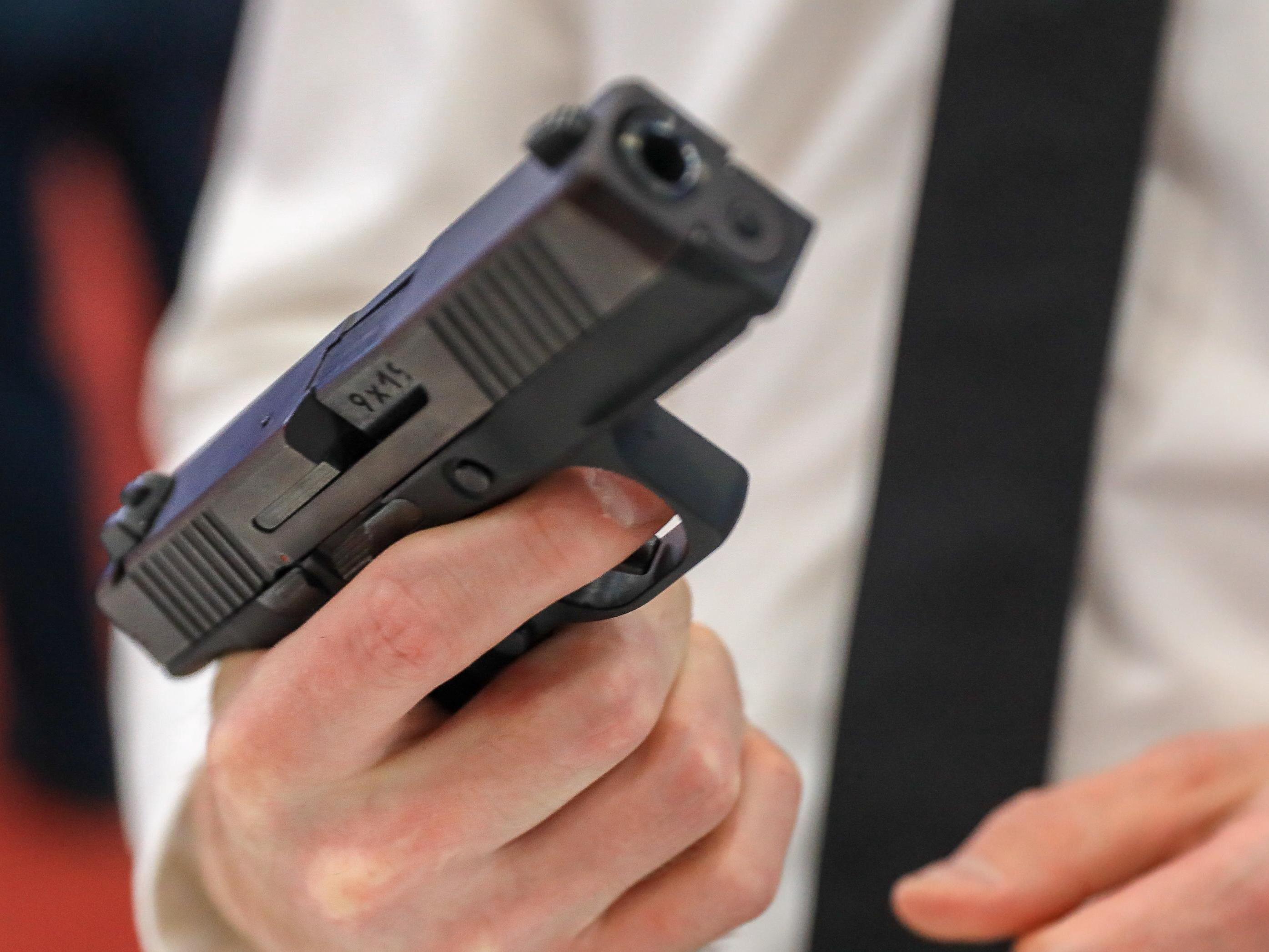

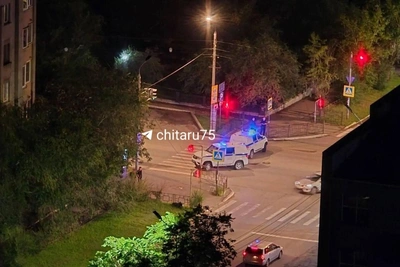
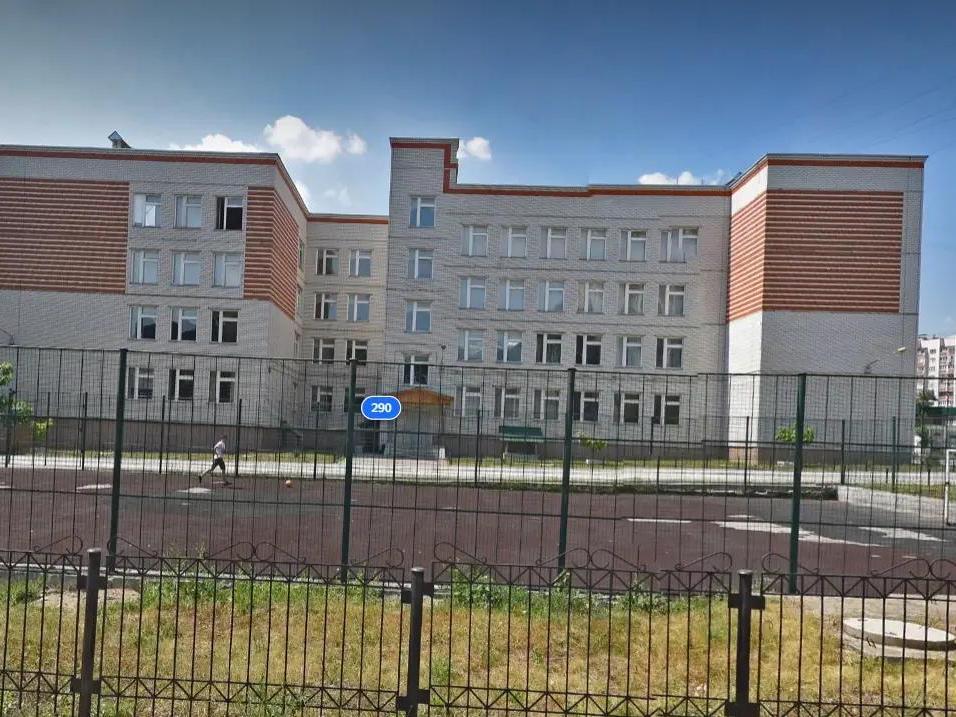
The story of a seventh-grader who shot a gas pistol at the face of his peer«s father—a boy who was reportedly the target of his bullying—raises questions not only about how the weapon got into the child»s hands. Not only about how this «hero» was monitored by the juvenile affairs police, where he was supposedly registered. And «where the school was looking» is also, in fact, secondary. Although, I will remind you, it all happened near School No. 98, where both young conflict participants study. But here are two more recent stories. During the New Year holidays in the Sverdlovsk region settlement of Gornouralsky, a 15-year-old teenager stabbed a mother of three to death. On 22 January in Nizhnekamsk (Tatarstan), a 13-year-old schoolboy burst into a lyceum with a knife and wounded a female employee.
One of the key questions here is: why have children stopped… Not being afraid—fear always implies an element of psychological pressure from the side that causes it. Why have children stopped respecting adults and observing a healthy subordination? A weapon is a critical line. But even everyday rudeness—in response to a remark like «give up your seat to your grandmother,» «don»t swear«—is not simply bad manners and rudeness. It is cynicism and moral cruelty, which can easily metastasize into physical cruelty.
So where does the root of the evil lie? Is it all computer shooters? The cult of force and vulgarity on TV? Has the environment ground them down, and is that minor with a gun at school—a modern-day Dostoevsky hero?
I would also answer—in Dostoevsky«s words: »It«s high time we stopped apathetically complaining about the environment, that it has ground us down. It is true, let»s assume, that it grinds down a lot in us, but not everything, and often some cunning and understanding scoundrel very slyly covers up and justifies not just one of his weaknesses by the influence of this environment, but often simply meanness, especially if he knows how to speak and write eloquently.« One of my favorite quotes: from Notes from a Dead House (16+)—about the psychology of criminals and the Russian system of their correction.
— And what do you think? — I ask family psychologist Artyom Sazykin.
Artyom works a lot with children, including—he has extensive experience working in children«s institutions, even of a special closed type. And he himself is a father.
«Trouble Is Not About Money»
— Why do children stop respecting adults to the point of showing cruelty? — Artyom repeats my question and answers without hesitation, as something absolutely obvious: «First of all, this, as a rule, happens with children who live in families where there is no proper upbringing. And most often these are troubled families—where no one takes care of the children, where they constantly see violence, some kind of anger towards themselves, towards other people. Where, for example, the father does not respect the mother. Where this anarchy, disorder constantly reigns, when people cannot communicate normally within the family—it all starts from here, first and foremost.»
— Marginalized people? But you know… I see now—the simplest gas pistol in Voronezh costs about seven thousand rubles (about $78 at current rates).
— «Troubled family» does not always—far from always!—mean marginalized, and that they have little money. It can also be a family with a high income, where such behavior—as I described above—is encouraged. Where, for example, the father behaves this way. And in my practice, I encounter many cases where people from fairly high strata of society, possessing large financial resources, high positions—their families have such a situation. In the upper strata of society, things sometimes happen that are more characteristic—in the everyday view—of asocial elements. And a moral outcast can be raised both by a low-income family—where there is drunkenness, alcoholism, disrespect for each other, and a rich one—but with an «asocial» way of life. It«s primarily about upbringing. And the problem of child cruelty, I believe, is exclusively related to the family.
— What about the notorious internet, the general cultural background? You know yourself who some teenagers idolize, and at the sight of some modern toys, grandmothers cross themselves.
— You know, one can stretch the point and say that now it«s computer games, violence there. That»s all true, and there is a lot of it—the internet, violent games. And there are many teenage groups in messengers on similar topics, where children, for example, post videos of them beating homeless people. Some post, others watch, some of the «viewers» eventually get drawn in too, and at some point, such destructive behavior becomes the norm. A «prank.» I often encounter this in my practice, but here the question is of a different order—how to combat these groups, and it should be resolved at the state level. However, the root of child cruelty is not the internet and not «scary» toys. Why? Because if a child lives in a normal family, where there are certain rules, normal relationships with each other—where there is respect, love, and all those other things that are signs of a normal family… A child will never behave like that, even if he plays some violent game. This will not happen when he is raised in a healthy moral and psychological atmosphere.
«We Need to Change the Approach to the Education and Punishment System»
— The notorious system is also not to blame, the school«s task is to »provide educational services«: is that your view?
— Not entirely. The «system»—in the case of children, the school, where they spend a huge part of the day—is the second stage. The school, if you will, should «educate» the whole family. Conduct comprehensive work both with the child himself, whose behavior has crossed the line, and with his parents or legal guardians. Otherwise, there will be no result. Take that boy who shot the man. The fact that he took a pistol—he already assumed that something like that could happen. He was already in agreement and настроен on it, quite consciously went for this act. Understood that he would be ready to use that weapon. We don«t know how long ago this happened, but I doubt it was that very day.
— Tell that to our legislators, for whom he is an innocent, simple-minded child who has not reached the age of criminal and administrative responsibility.
— Yes, I agree regarding the age—it«s long been time to change the approach, in my opinion. But here»s the thing: didn«t the school notice this boy»s tendencies? Didn«t they see that the child clearly had problems and didn»t understand that they all stem from the family? I will never believe that there was not a single signal that he could behave this way. As a rule, such children quickly give themselves away. By the time of transition to middle school in elementary school, it«s already clear which side a person leans towards. I in no way want to accuse anyone without knowing the specifics of this particular case, let the investigators figure it out. But in every such situation, complex, extensive work by teachers and a psychologist is needed. And here arises the problem of Russian school education as a whole. From overworked teachers, buried under a pile of unnecessary paperwork, senseless checks by officials—to the shortage and low qualification of psychologists.
— And also airing dirty laundry…
— Of course. So that no one in the education department finds out anything, otherwise they might get fired. And if the department found out—so that no one else finds out: in the police, in a higher department… Because a scandal—and the officials themselves might fly out of their warm seats. In my opinion, we need to change the approach to the school education system and the system of criminal and administrative responsibility for minors at the federal level. If, of course, we want to preserve a morally healthy society. A child who can allow himself to shoot at an adult man—what will he be capable of next? If he doesn«t face any punishment now, the situation will repeat—I»d give 99.9 out of 100. And the tragedy is that this seventh-grader, who might get off with a «preventive conversation,»—he will spin this situation for himself as something that makes him «cool.» Like, I managed to shoot at an adult guy, look at me. I quite admit such a risk. And unfortunately, it may have the effect that he gains authority in the eyes of both his peers and older people—who view offenses positively. How this situation is resolved will determine the life and fate of the child—what kind of person he will grow up to be, which path he will take.