Nizhny Novgorod region reports birth rate rise as data releases stop
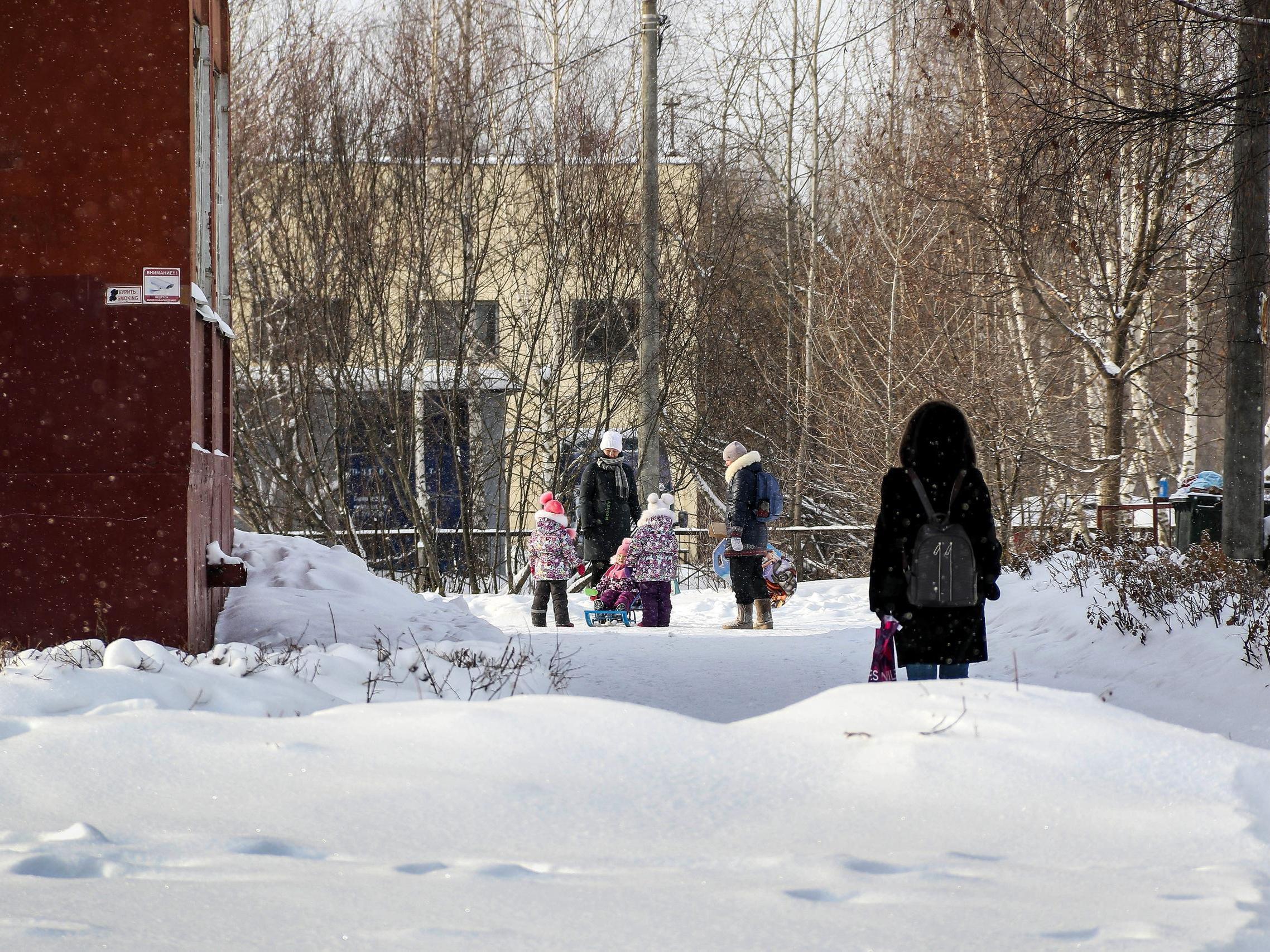

In 2025, the total fertility rate in the Nizhny Novgorod region increased, and the region now leads the Volga Federal District in this indicator, the Institute of Demographic Development reported.
The total fertility rate is the average number of children born to one woman during her reproductive period. In January of last year it was 1.275, and in December, after the introduction of new family support measures, it was 1.307.
«This is not a coincidence but a logical result we achieved thanks to the launch of the Nizhny Novgorod life project ‘OSNOVA’ and the implementation of the national project ‘Family’. Nine months have passed since the announcement of the new support measures, the implementation of which became an important argument for many families in favor of having a child», Governor Gleb Nikitin noted.
The head of the region added that the highest growth was recorded in October—the number of registered births increased by 10% compared to the same period in 2024. At that time, 1.9 thousand children were born in the region.
Data on births, deaths, and migration flows are published by Rosstat (Russia«s Federal State Statistics Service). Since spring 2025, the agency and a number of its regional divisions have stopped updating statistics on demographic indicators. Demographers, the media, and representatives of some political parties have noted this.
Denis Bulanov, a deputy of the Saratov Regional Duma from the Communist Party of the Russian Federation (CPRF), requested clarification from Saratovstat. They responded that, by a decision of the Russian government, «the provision and dissemination of operational monthly data on population statistics for 2025 and annual data for 2024 have been temporarily suspended».
A similar answer was received by our colleagues from the Trans-Ural region from Sverdlovskstat.
What is happening with demography in the Nizhny Novgorod region was previously discussed by NN.RU with the head of the «Demographic Platform of the Russian Federation» project. Details can be read in a separate article.