Exhibition showcases lost album of Road of Life photos

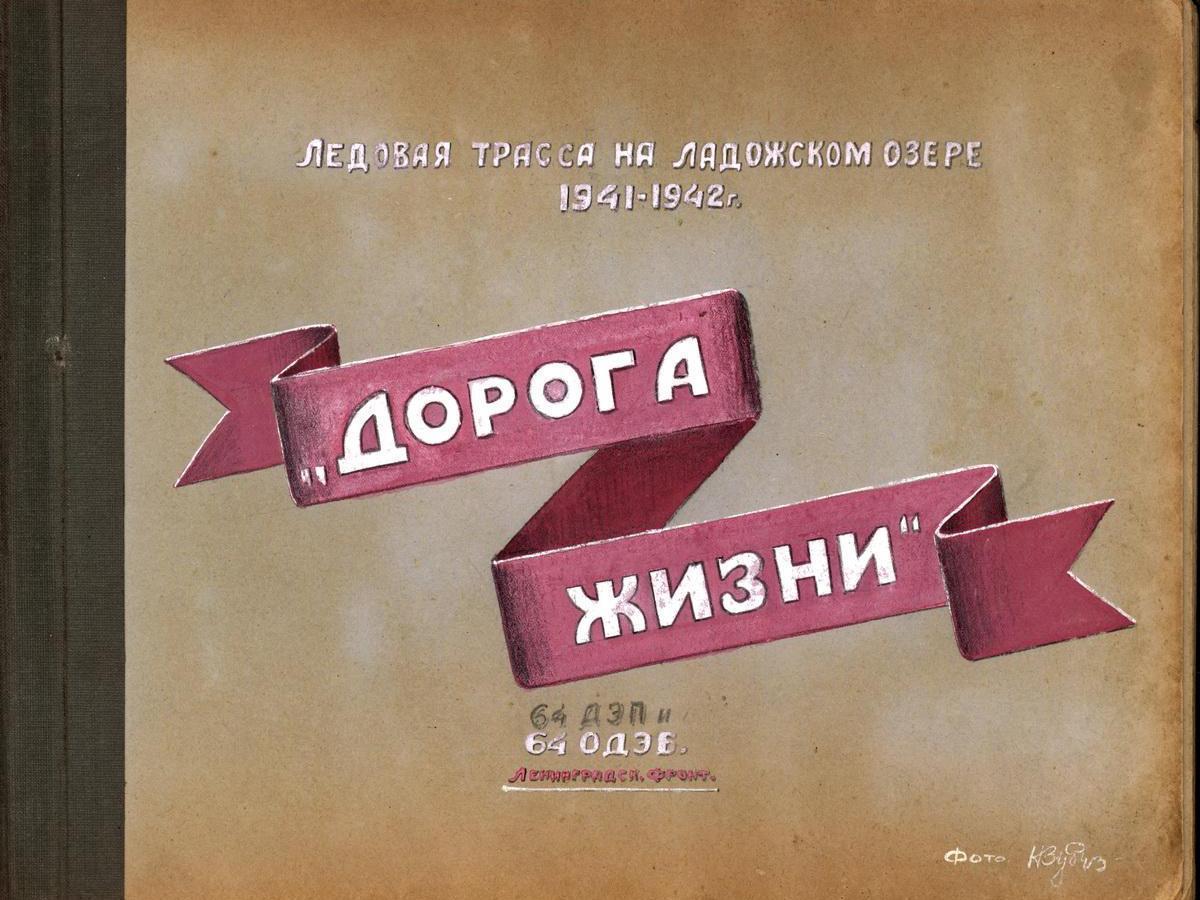
The exhibition «Road of Life. The Lost Album» opened on 27 January, the day of the 79th anniversary of the complete lifting of the Siege of Leningrad. It is being held at Bus Depot No. 1 on Dnepropetrovskaya Street.
The opening ceremony was attended by St. Petersburg Vice-Governor Kirill Polyakov and acting chairman of the transport committee Dmitry Vanchkov. The exhibition includes photographs and documents from the found album.
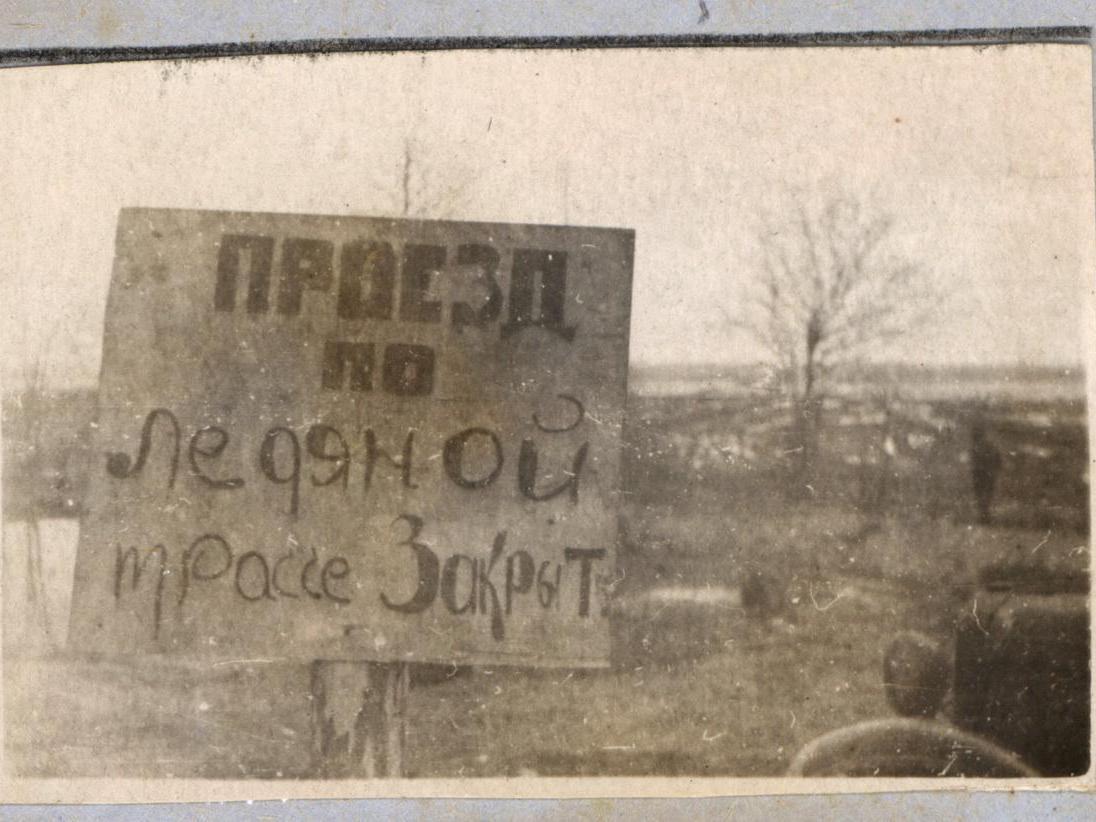
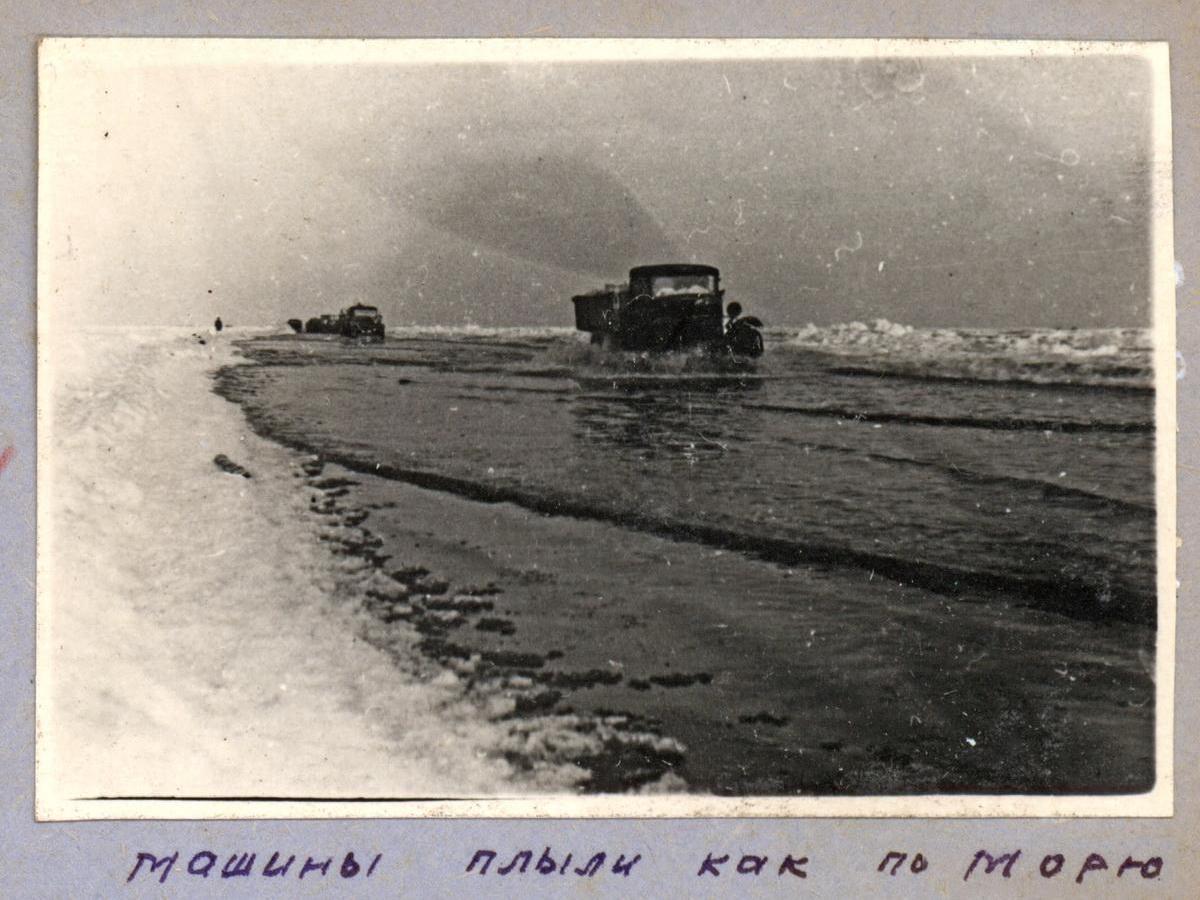
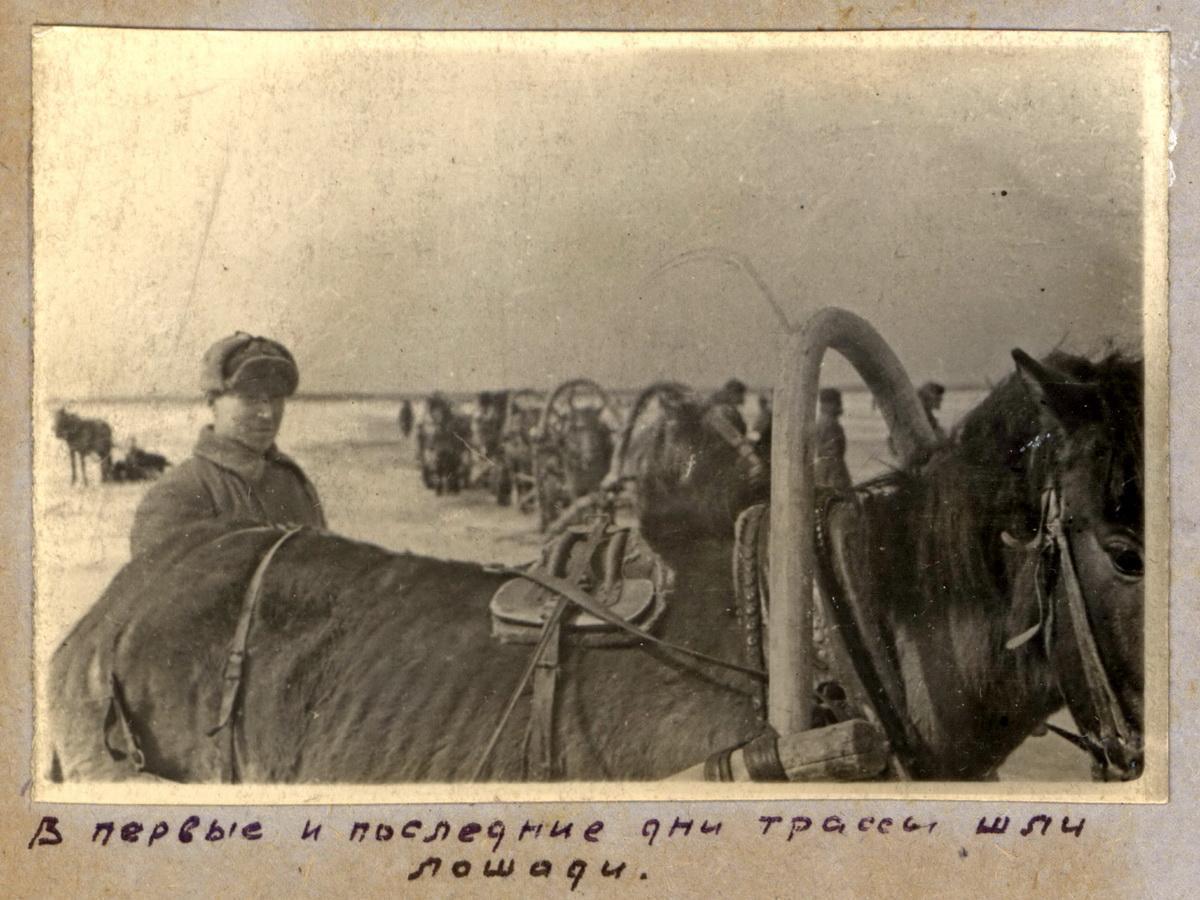
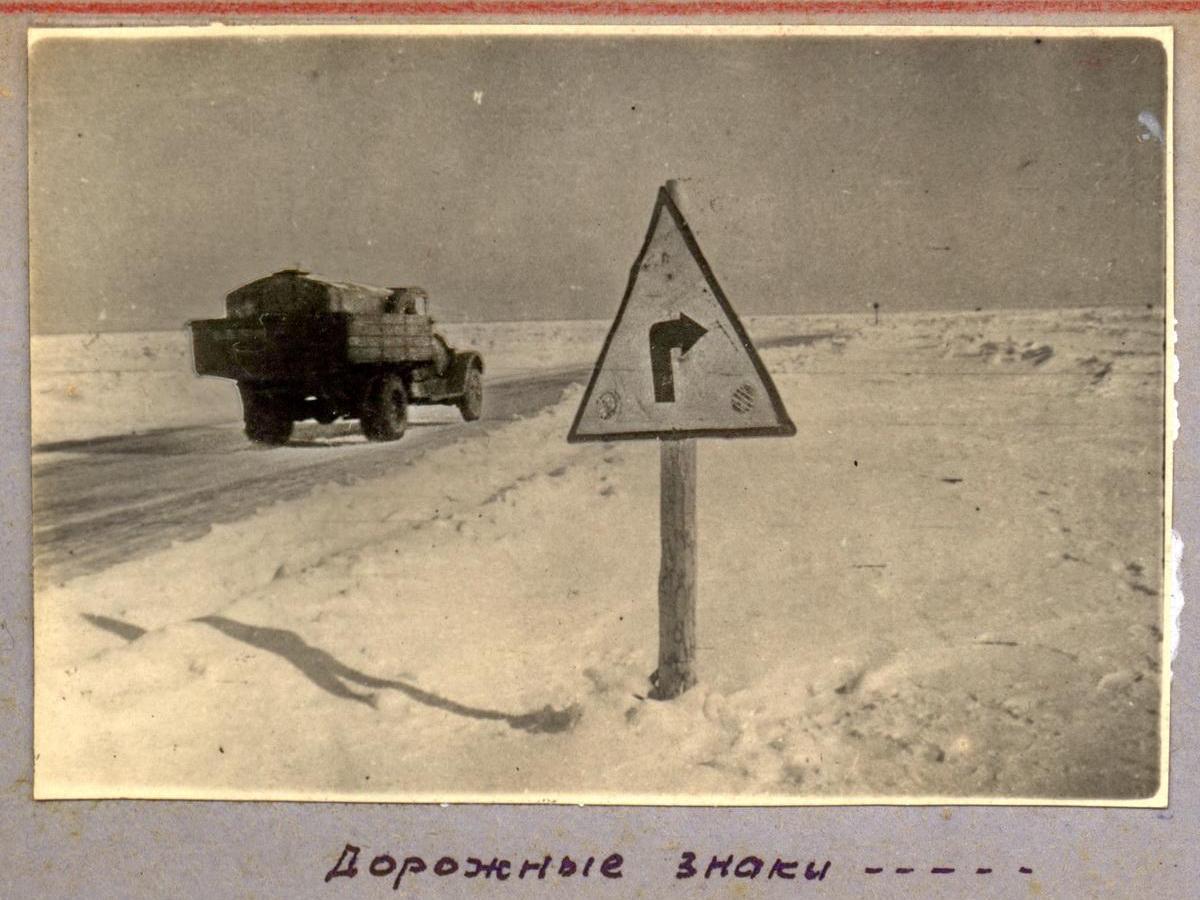
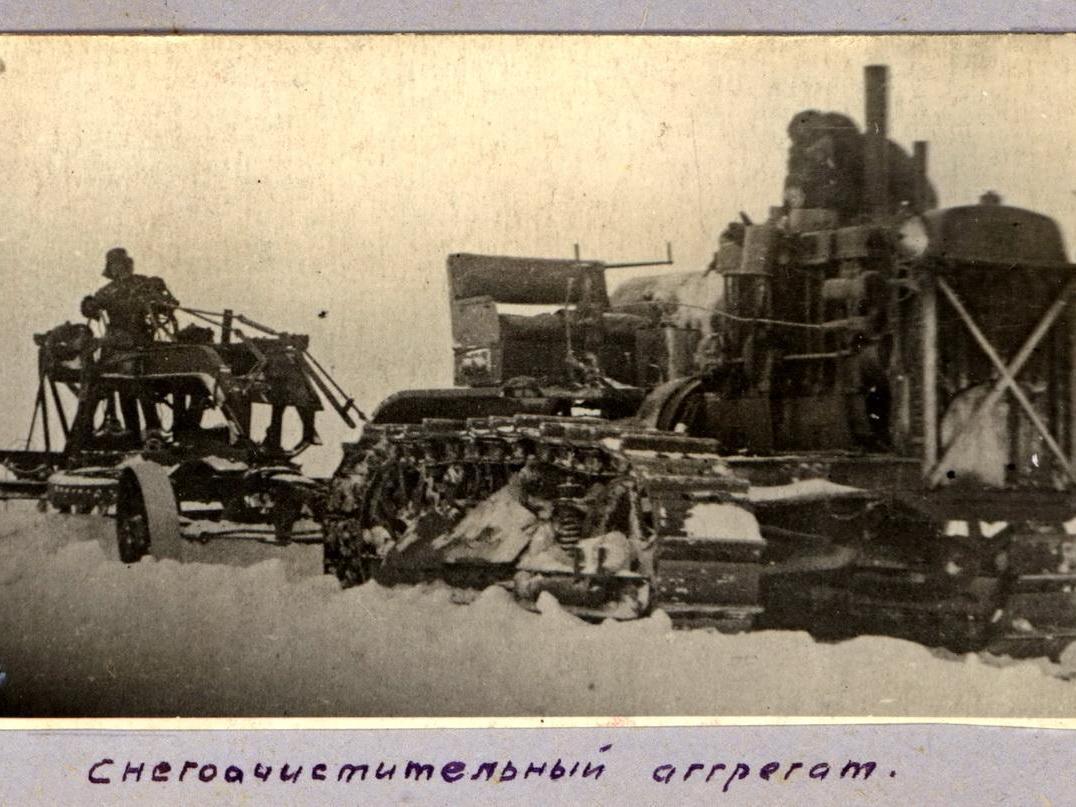
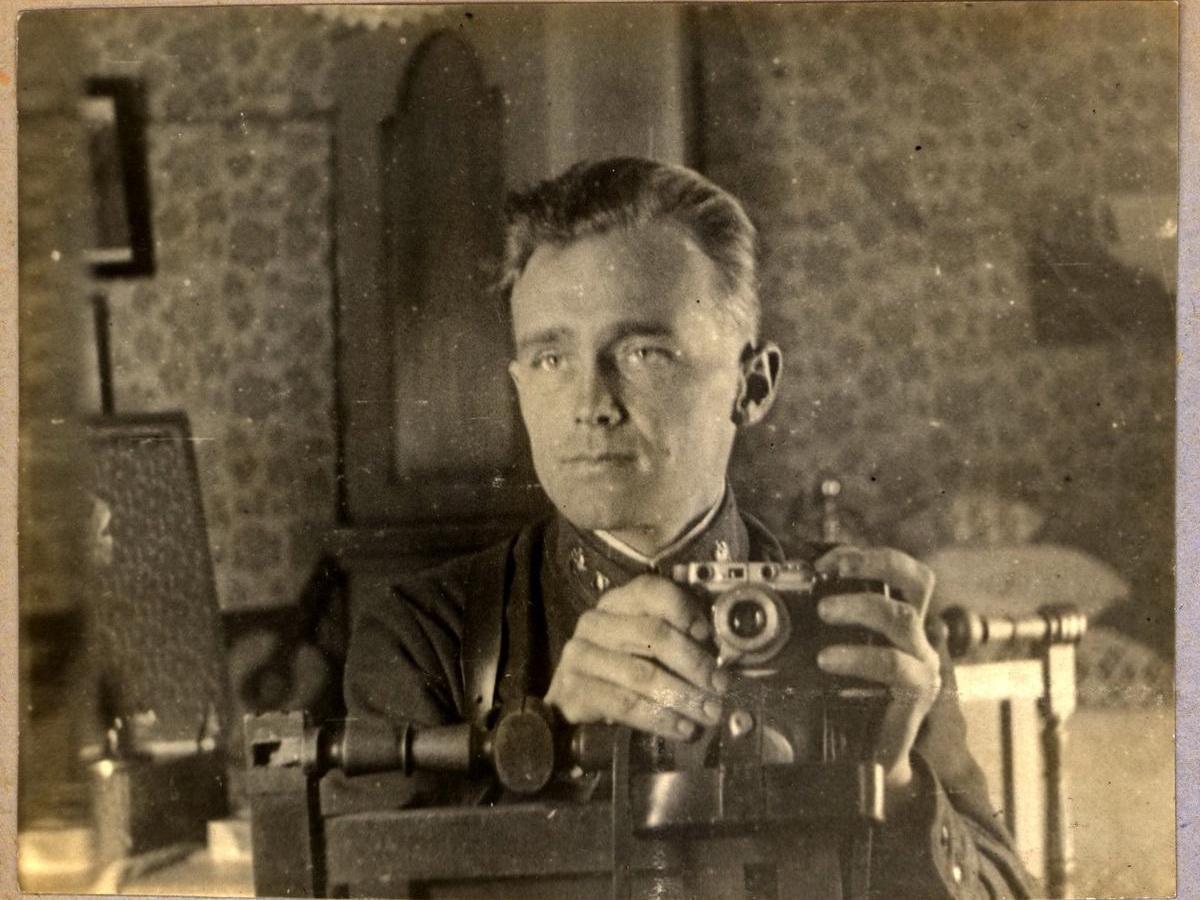
More than 50 photos were taken by platoon commander Zubtsov of the 64th Road Maintenance Battalion from late 1941 to April 1942. The album was considered lost, but over 80 years later, it was found in a storage space by collector Andrey Shabanov.
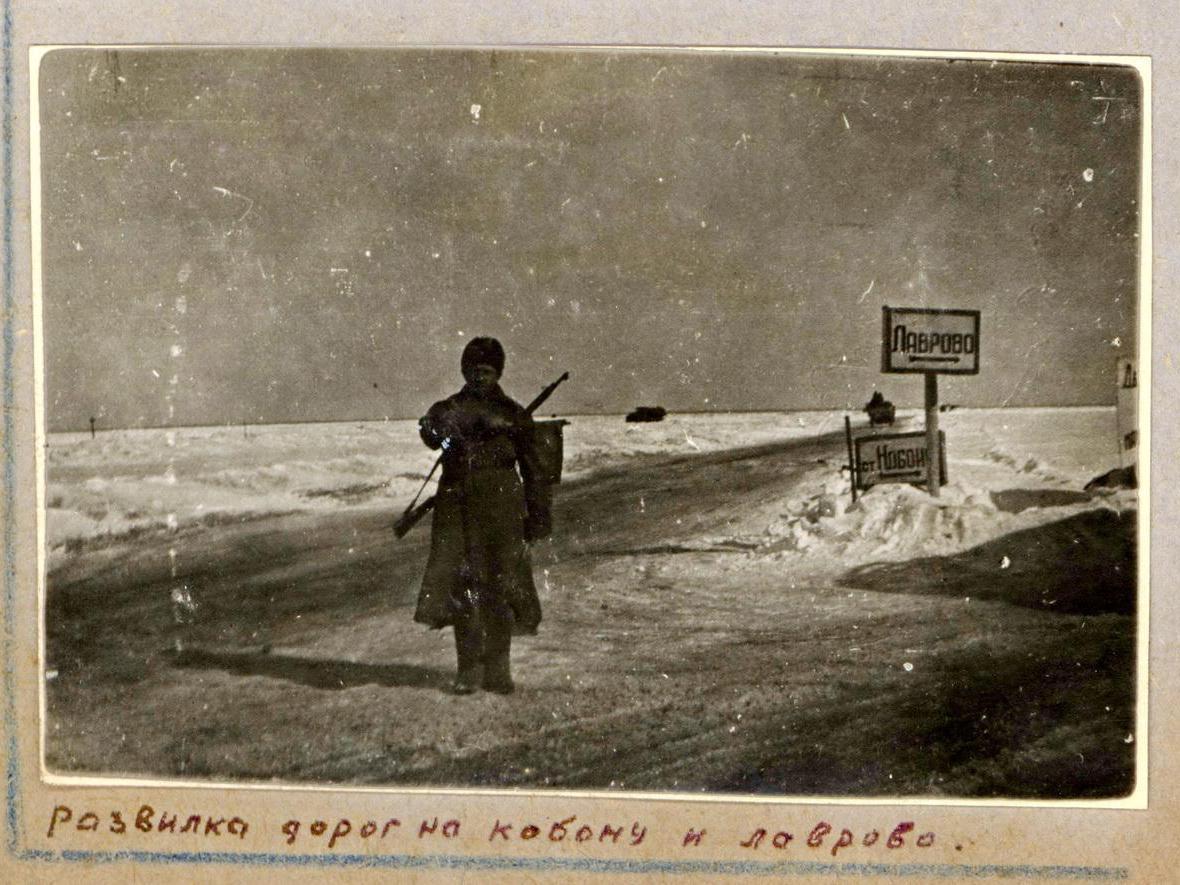
The exhibition is housed in the Exposition and Educational Center of Leningrad Automotive Transport History on the grounds of the Passenger Auto Transport park. It was from here that buses departed during the siege to evacuate people via the Road of Life. Over 84 days of the route«s operation, more than 500,000 people were evacuated.
In addition to photographs, excerpts from the diary of the ice section of the Leningrad Front Military Automotive Road, serviced by the 64th Road Maintenance Regiment, are presented. Below are verbatim entries:
19 November 1941
Along the newly organized ice route from the western to the eastern shore, 40 empty carts passed. The crossing went successfully. A horse from the 1st Road Commandant Company went ahead. The intensifying frost increased ice thickness to 10–17 cm. In places, the ice noticeably sagged under passing carts.
24 December 1941
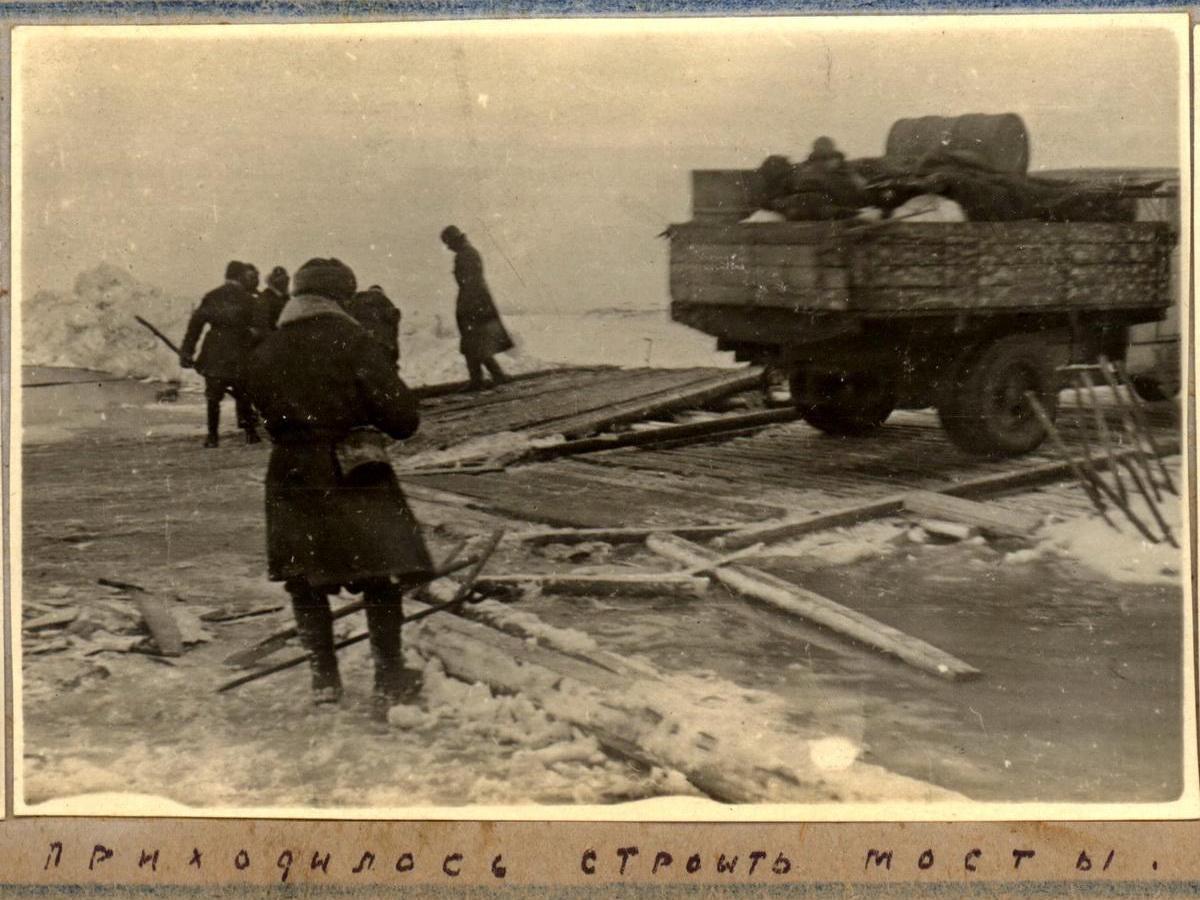
The ice road was bombed from 9:00 to 15:00. The road was partially destroyed at the 4–6 kilometer mark. Sections were completely disabled: 10–12, 14–16, and 19–20 kilometers. The road was heavily damaged at 20–23 kilometers and 28 kilometers. A large crack formed from bomb explosions. Traffic from destroyed sections was diverted to bypasses. A bridge at 9 kilometers was destroyed but quickly restored.
One junior commander was killed, Filatov from the 2nd Road Commandant Company of the 1st Road Maintenance Regiment; three Red Army soldiers were wounded. There are killed from other units and civilians. Red Army soldier traffic controller Rastopchin, who was at a post at 19 kilometers, went missing.
1 January 1942
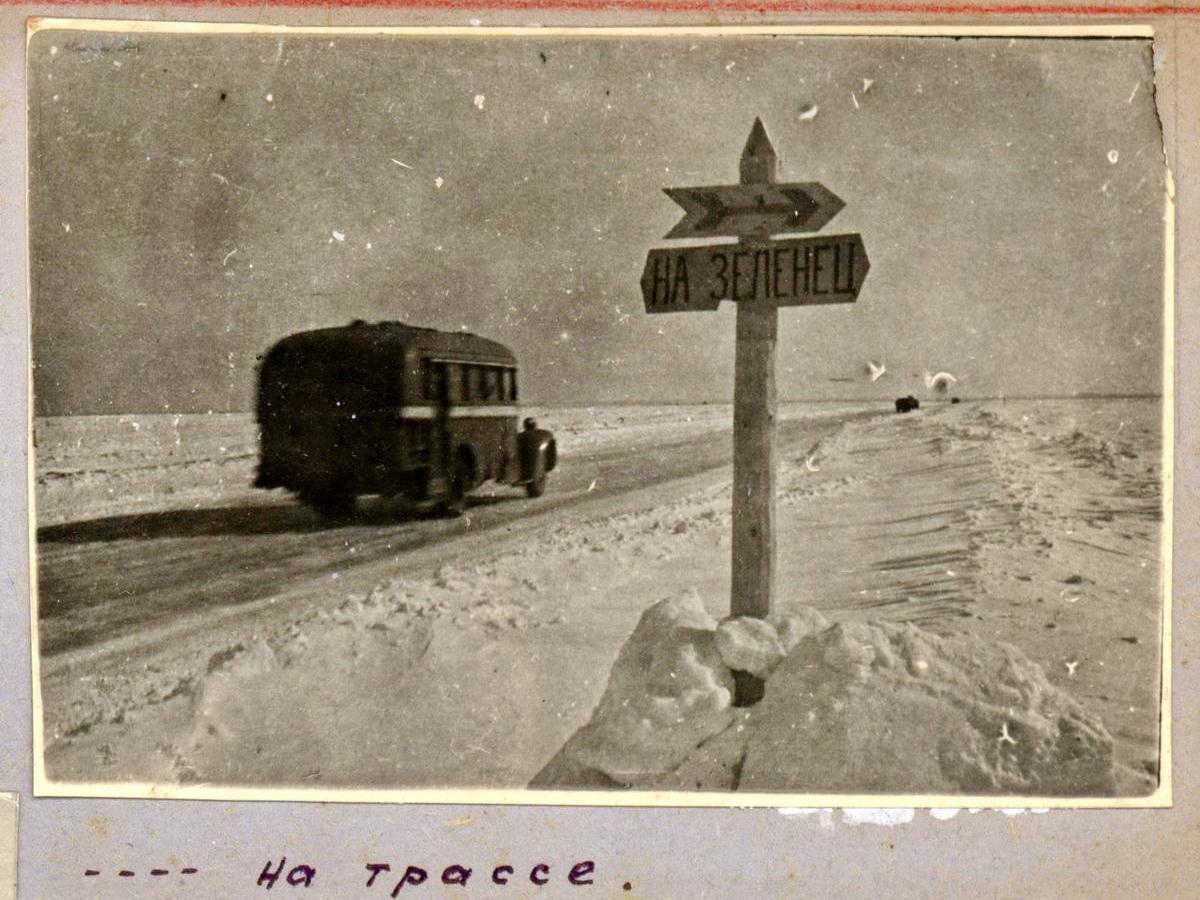
Clear sunny weather from morning. Temperature about -17°C (1°F). Wind weak. The outlines of the eastern shore are visible. The route condition is quite satisfactory. Vehicle traffic is normal. From 11:00 to 16:30, an air battle occurred between our fighters and an enemy fighter in the 0–20 kilometer area.
The number of aircraft involved in the battle reached 30 from both sides. One of our aircraft burned at 5 kilometers. Both pilots survived. One of our aircraft fell and went under the ice at 9 kilometers. The pilot parachuted down. One of our aircraft was shot down in the area of Zelenets Island. The pilot is alive. At the 23rd kilometer, one of our aircraft was shot down. At the 30th kilometer, one of our aircraft was shot down. The fate of the pilots is unknown. At the 18th kilometer, one Messerschmitt was shot down. The pilot was killed. Individual enemy aircraft strafed the route from low altitude. No casualties. Soldiers received New Year«s gifts from the workers of Leningrad.
5 January 1942
From 5 a.m., ice hummocking began at 9 kilometers. At 9:00, the ice cracked. Water appeared on top of the ice. Depth up to 20 cm. About 80 vehicles accumulated. Traffic was temporarily interrupted. Urgent measures were taken to set up bridges. At 11:30, a telephone message was received: «Traffic at 9 kilometers via the temporary crossing is proceeding normally.»
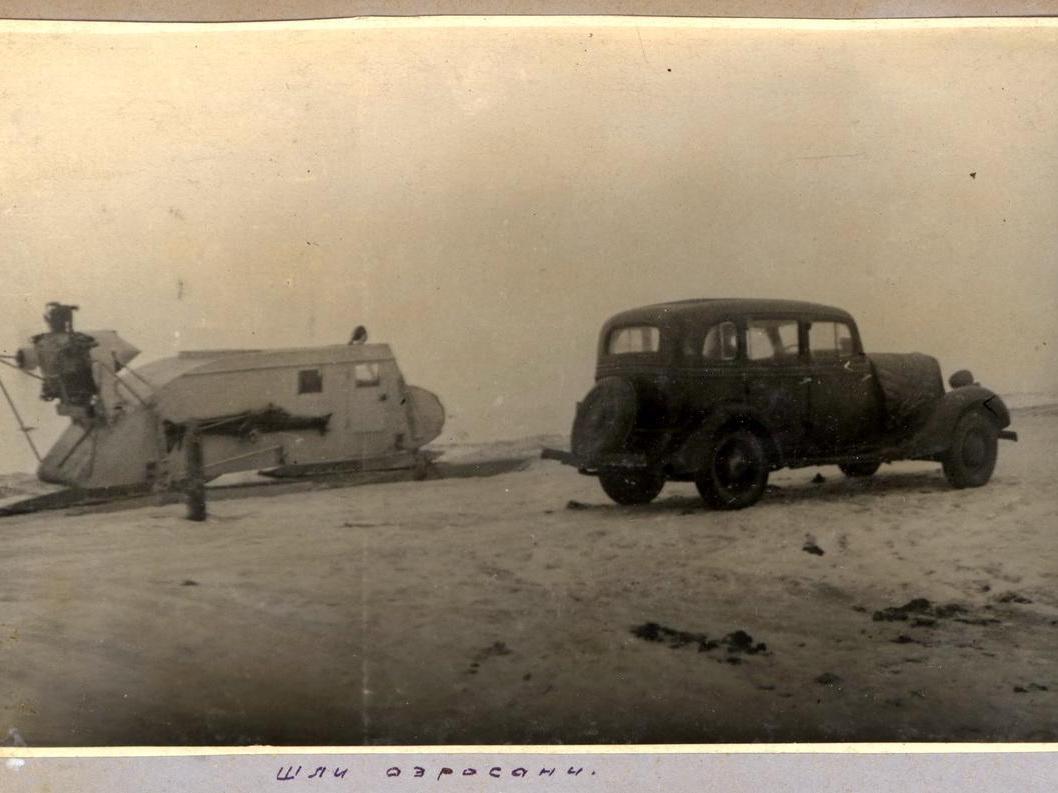
Wind weak. Snowing. There are medium snowdrifts on the road. Movement occurs at reduced speeds. On the route, 5 NATI tractors with triangles, 1 Diesel tractor with a grader, 1 ZIS-6, and 286 people with shovels are working. A duty platoon of 46 people and 1 tractor patrol for towing stuck vehicles. No enemy air raids.
9 January 1942
At night, 4 vehicles fell through at 14–18–20 kilometers. Through taken measures, the vehicles were saved. On the 20–30 kilometer section, many longitudinal cracks formed. The road condition is dangerous for movement. A ChTZ tractor and grader fell through with their rear wheels.
Movement continues with great difficulty, using bypasses. By the end of the day, the entire route is in cracks. Many are very dangerous for traffic. Movement mainly occurs via bypasses. During the day, 17 vehicles fell through. Of these, 1 repair vehicle—the fate of the crew is unknown—and 2 vehicles went under the ice—the drivers survived.
On the route, there are 48 traffic regulators. Road workers: 329 people and 6 tractors. Cargo from sunken vehicles was reloaded by the regiment«s forces and sent to Ladoga Lake station. No air raids.
11 January 1942
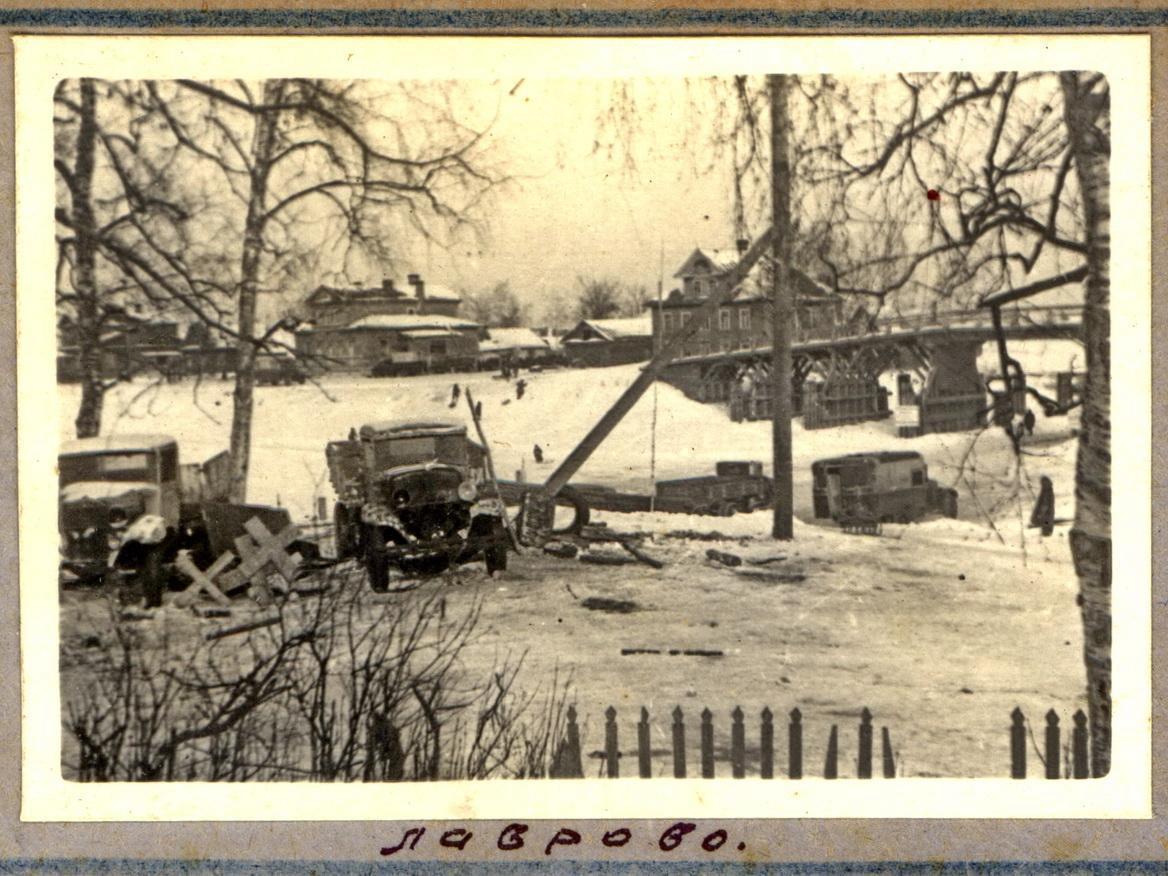
In accordance with the order, relocated to Kokkorevo from Lavrovo: 1 road company and from Voybokala: 2nd road commandant company. The Kobona-Lavrovo-Voybokala section to the 71st Road Maintenance Regiment. Today, the regiment has no fuel. Five days ago, 5 vehicles left for fuel in Tikhvin, but they have not yet returned. On the road, mechanisms did not work due to lack of fuel. People: 350.
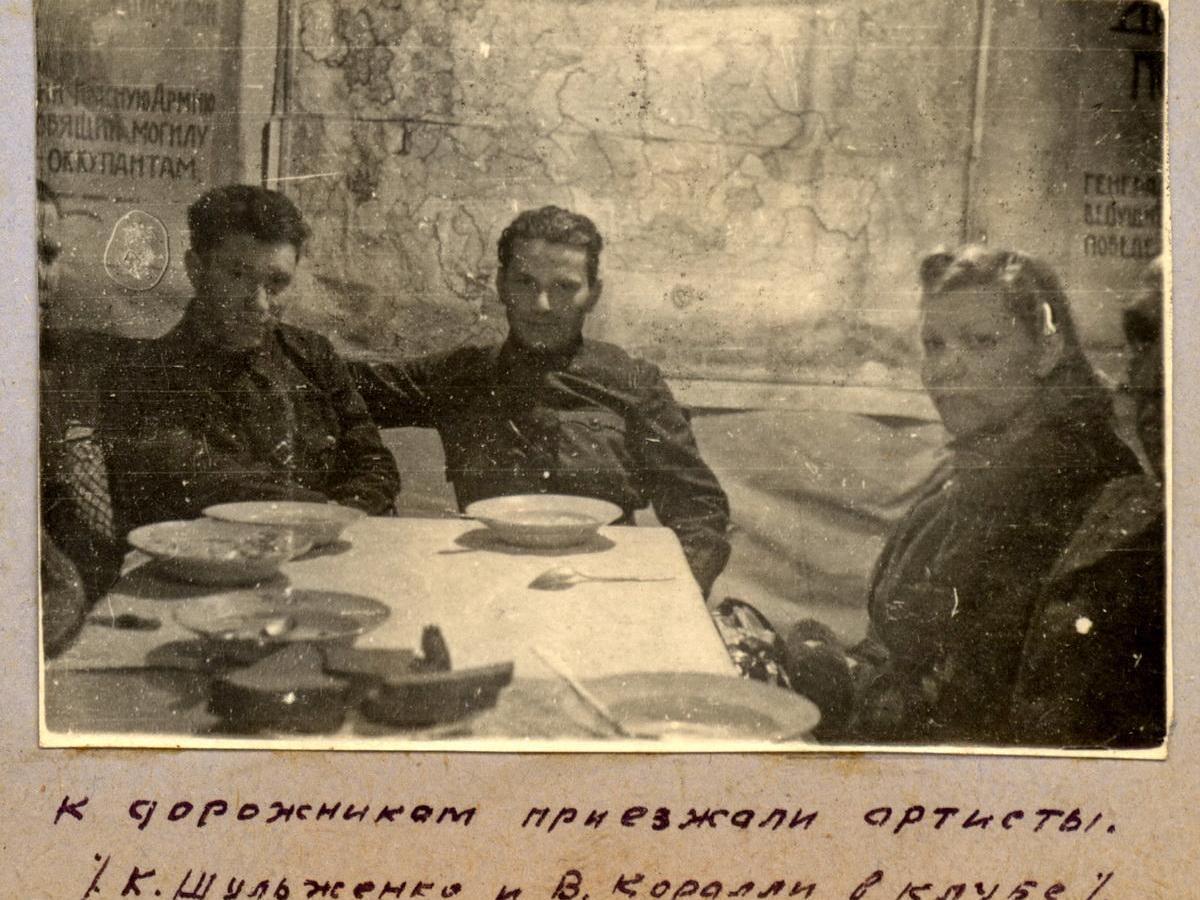
12 January 1942
At night, a ground blizzard began. No snowdrifts. Route condition good. Lane width 8–10 meters. Two-way traffic. There are reserve empty lanes 6 m wide. Road capacity used at 15–20%. On the route, 3 tractors, 2 graders, and 445 people are working. Around 11:00, the route was strafed at 20 kilometers from an aircraft. One Red Army soldier wounded. One killed. No accidents. In the evening, there was intensive artillery shelling of Zelenets Island from the Shlisselburg side. Shells fell 100 meters from the dugouts of the 2nd Road Company. No casualties.
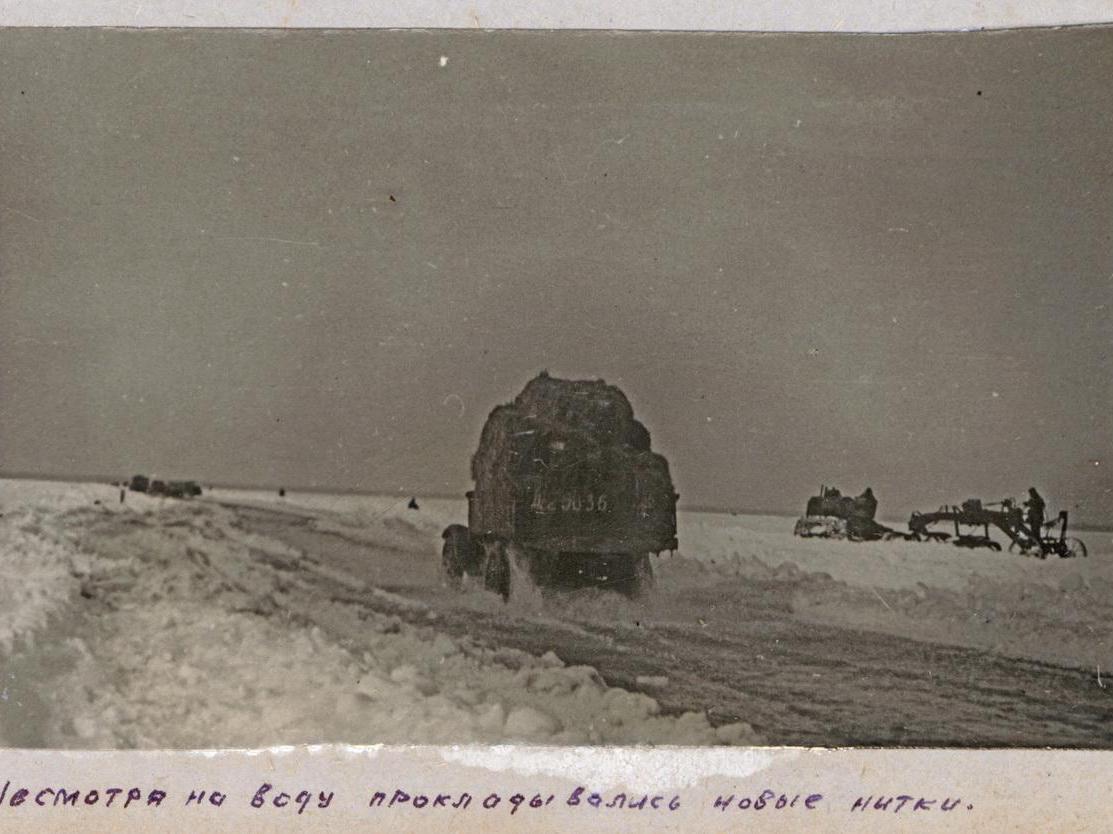
1 February 1942
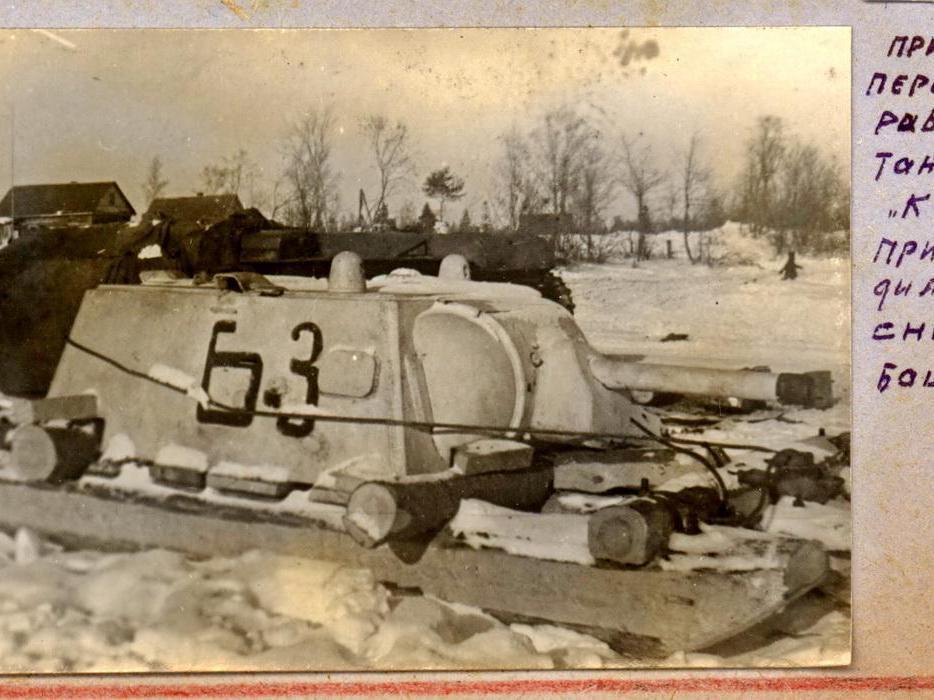
On the route, 670 people, 5 tractors with graders and triangles worked. The Lavrovo section is being put in order. Along a specially laid road, the crossing of heavy tanks began. The road is laid 1000 meters south of the cargo route. Before crossing, the turret is removed from the tank and placed on sleds, which the tank pulls behind at a distance of 50 meters.
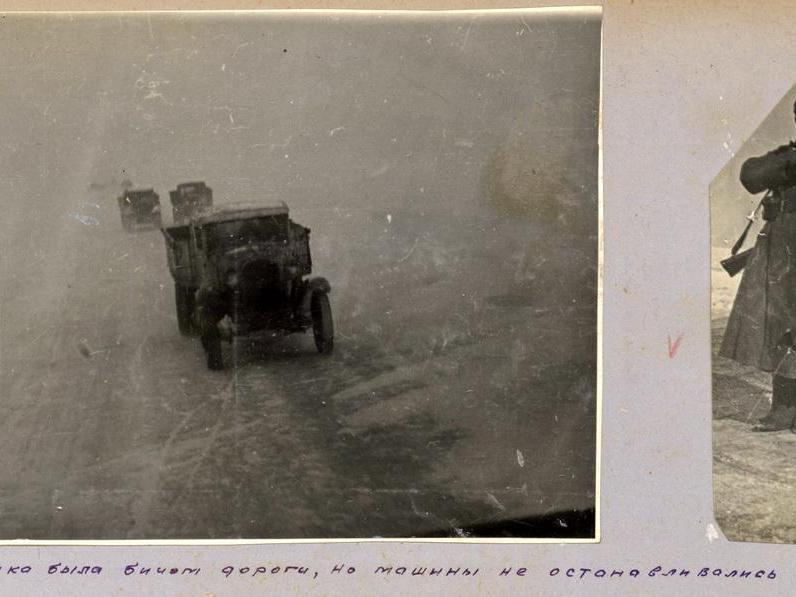
10 February 1942
On the lake, a strong blizzard. All personnel of the regiment thrown onto the route. Vehicles are conducted in columns accompanied by road workers. 7 tractors with angles and graders are working. Movement slowed. In places, traffic jams. Measures are taken to disperse them. The road chief and regiment commander went to the route. At 22:00, the blizzard subsided. Movement is normal. In both directions, 2100 vehicles passed per day.
27 February 1942
From morning, a strong blizzard. On individual sections of the route, traffic jams. Measures are taken to restore normal movement. On the route, 170 people and 10 tractors are working.
At 6:00, at 25 kilometers, our tractor was strafed from an enemy aircraft. Radiator damaged. No casualties. At 18:00, the 9th kilometer was subjected to artillery shelling. Six shells fired. No casualties.
28 February 1942
Soldiers and the battalion commander watched with great interest the film «The Defeat of the Germans Near Moscow». The film was viewed by all units. After the cinema, soldiers shared impressions, admired the deeds of the heroic warriors of our Red Army, fearlessly going on the assault, and expressed their hatred for the fascist invaders, marauders, and murderers. Route work is normal. Weather good. No shelling of the route. Our aircraft patrolled over the lake. Fascist vultures did not appear.