Armenian Modernist School in Krasnodar Renovated for 110 Million Rubles
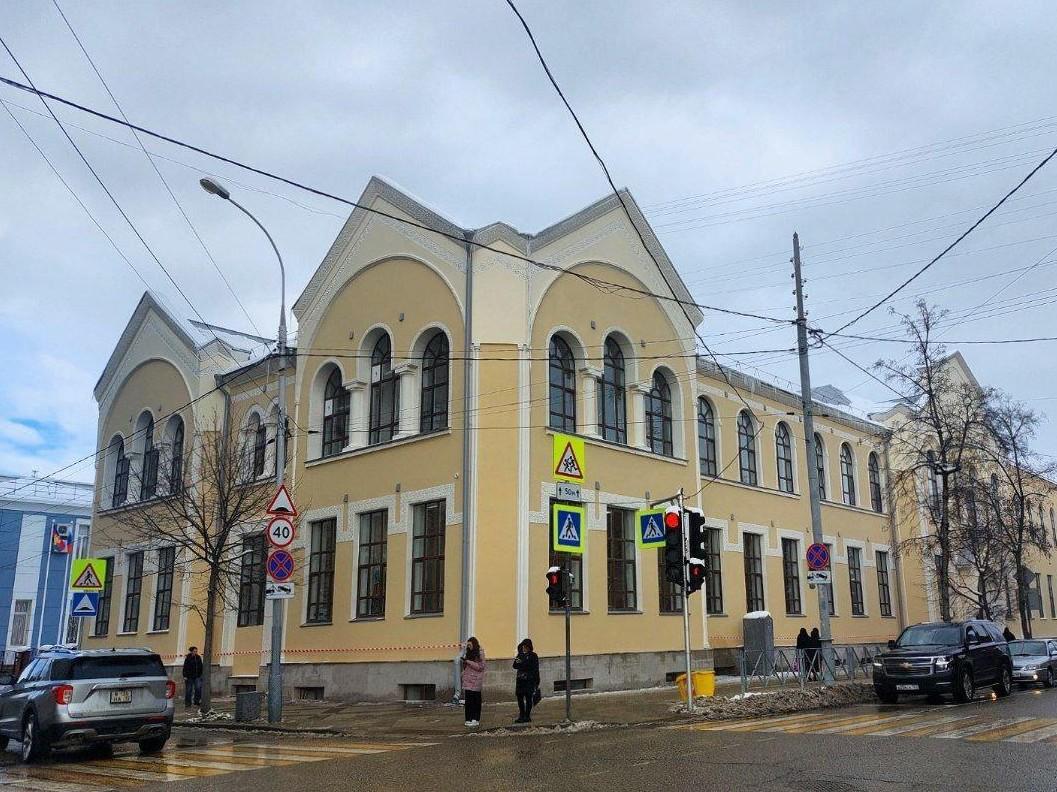

In the center of Krasnodar, the renovation of School No. 8 on Krasnoarmeyskaya Street has been completed. The building was constructed at the beginning of the last century and is an architectural monument. Work lasted a year and a half, during which time the facade and doors were restored, classrooms underwent major repairs, and utility networks were replaced. 93.RU reviewed the contracts and calculated that it all cost 110.7 million rubles (about $1.1 million at current rates).
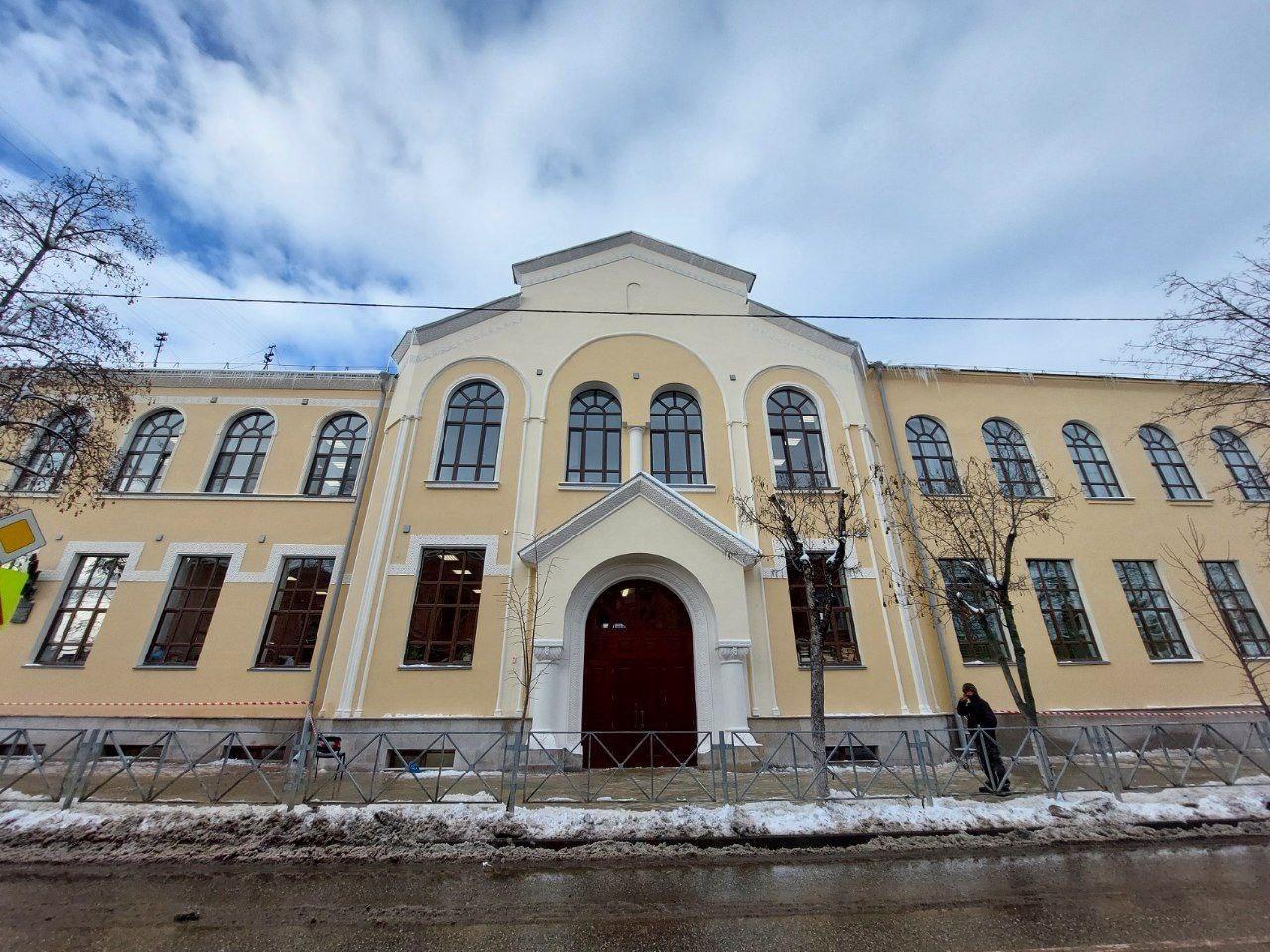
The first major repair in the school was conducted back in 1986, then there were repair works in the 1990s, and in 2013–2015 the roof was replaced, the building facade was updated, and the school yard was put in order. But such large-scale work as now has never been done in the building.
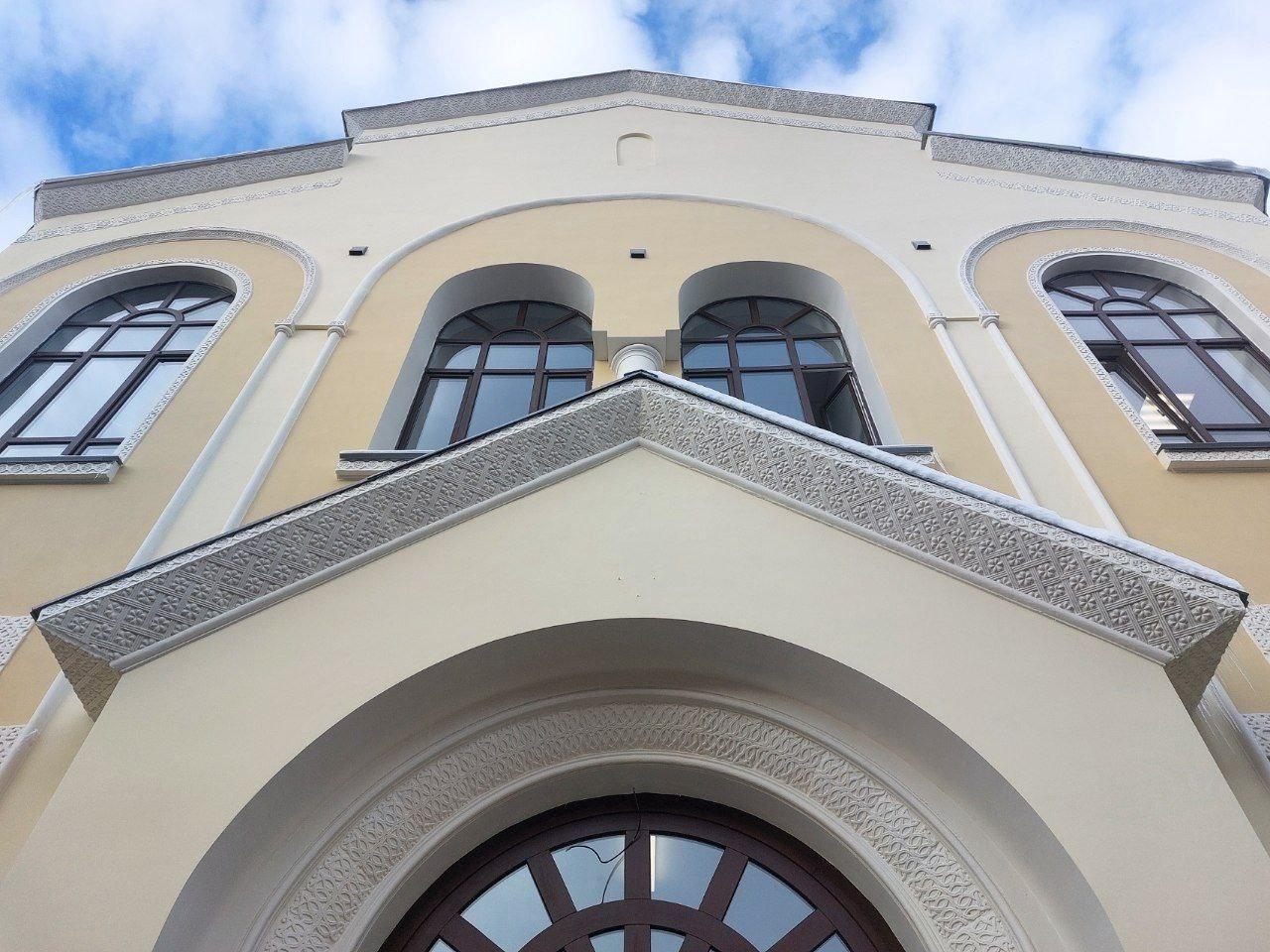
As told by the Krasnodar administration, first the basement and first floor were repaired. Specialists restored the parquet, erected new partitions between classrooms, and installed wooden doors restored based on historical sketches. Moreover, restoration affected the wrought-iron staircase, which is separately under state protection.
«Masters removed numerous layers of paint from the railing and added new elements, leveled worn steps and covered them with tiles,» the Krasnodar city hall said.
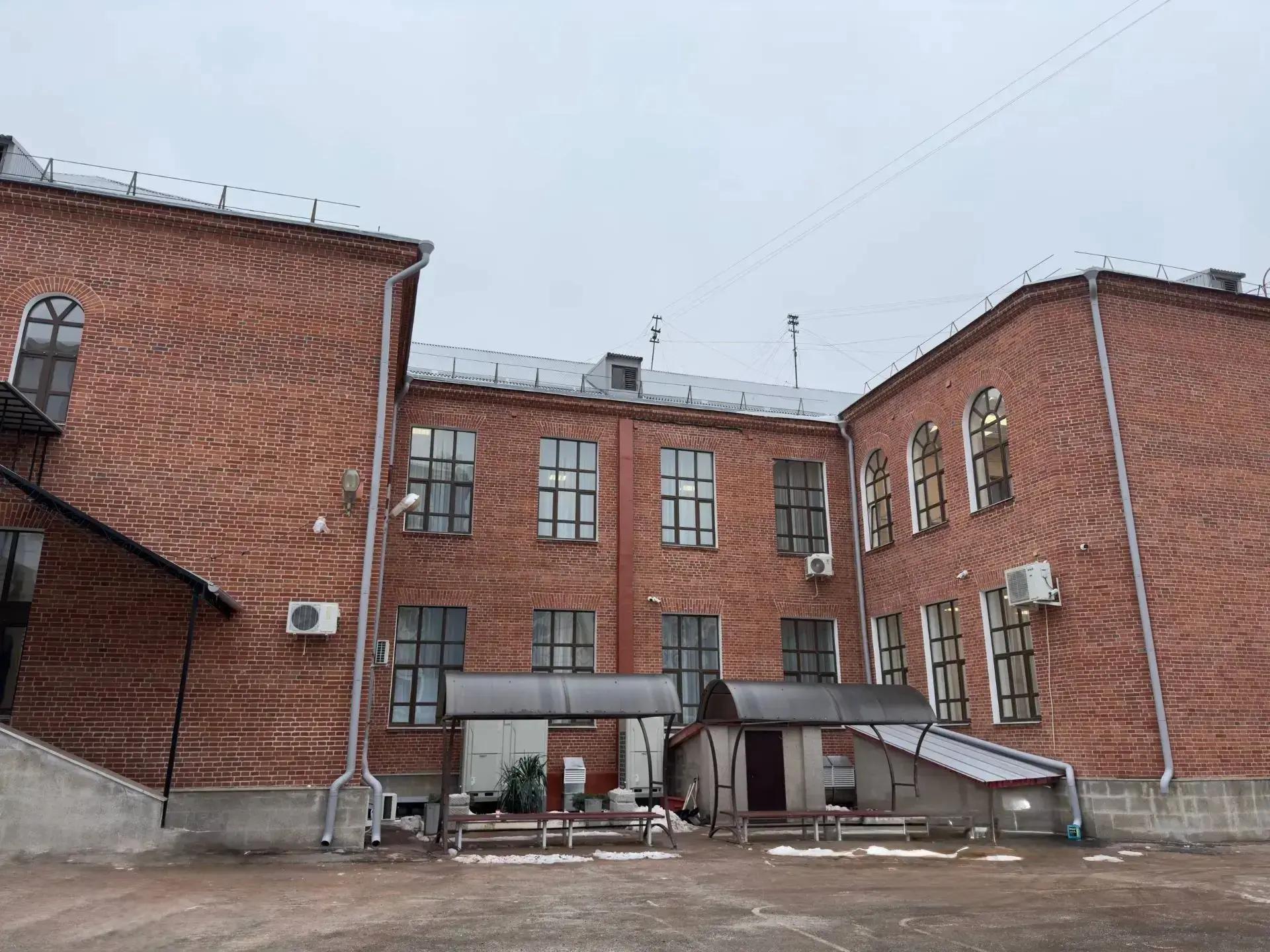
Facade work was carried out both from the roadside side and in the yard, where century-old brickwork was exposed by removing layers of paint.
According to public procurement data, the work was handled by LLC «Svet-Line». The company was established in 2008 and is registered in Crimea. The main type of activity is the construction of other engineering structures. The founder is Svetlana Semenova. Over all time, state contracts worth a billion rubles (about $10 million) have been concluded with the firm. In Krasnodar, the company also renovated the auditorium in the Palace of Culture in the settlement of Yelizavetinskaya. According to «Kontur.Focus», «Svet-Line» ended 2024 with a profit of 5.2 million rubles (about $52,000) on revenue of 168.9 million rubles (about $1.7 million).
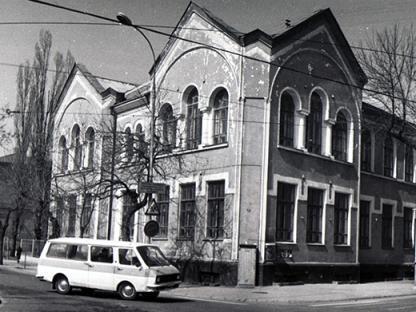
What is known about the building«s history?
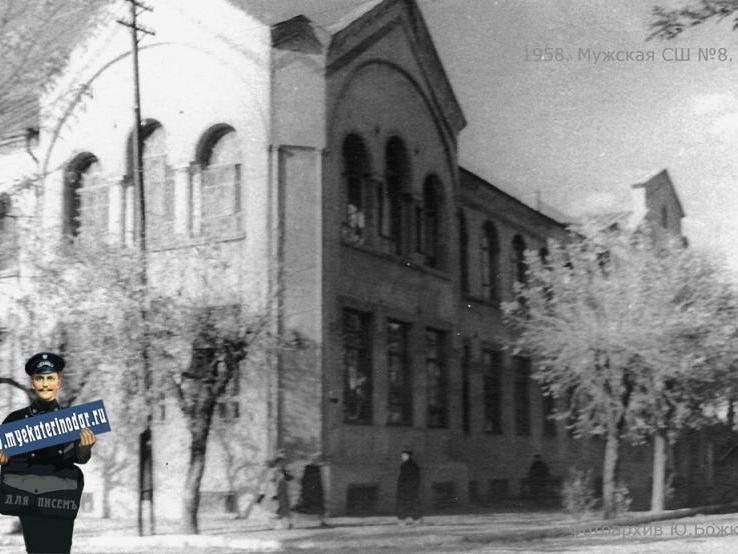
The house in the style of Armenian modernism was erected in 1913 on the corner of Grafskaya Street (now Sovetskaya) and Bursakovskaya Street (now Krasnoarmeyskaya) according to the project of the famous Yekaterinodar architect Kozo-Polyansky. This is a two-story mansion with stucco plant and geometric ornaments on the triangular upper parts of the house. Kozo-Polyansky also participated in the construction of the neighboring building, where the prosecutor«s office is now located.
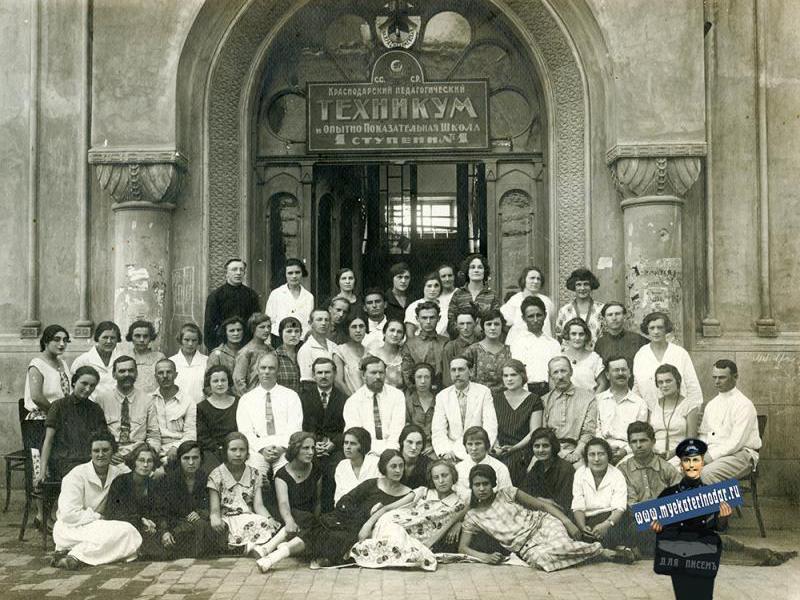
Initially, the house was intended for the Armenian church parish trusteeship. But from 1915, the building was leased for a women«s gymnasium. Girls from 8 to 16 years old from bourgeois and noble families studied here. With the advent of Soviet power, a pedagogical technical college was located in the house, and from the mid-1930s to the present day — School No. 8.
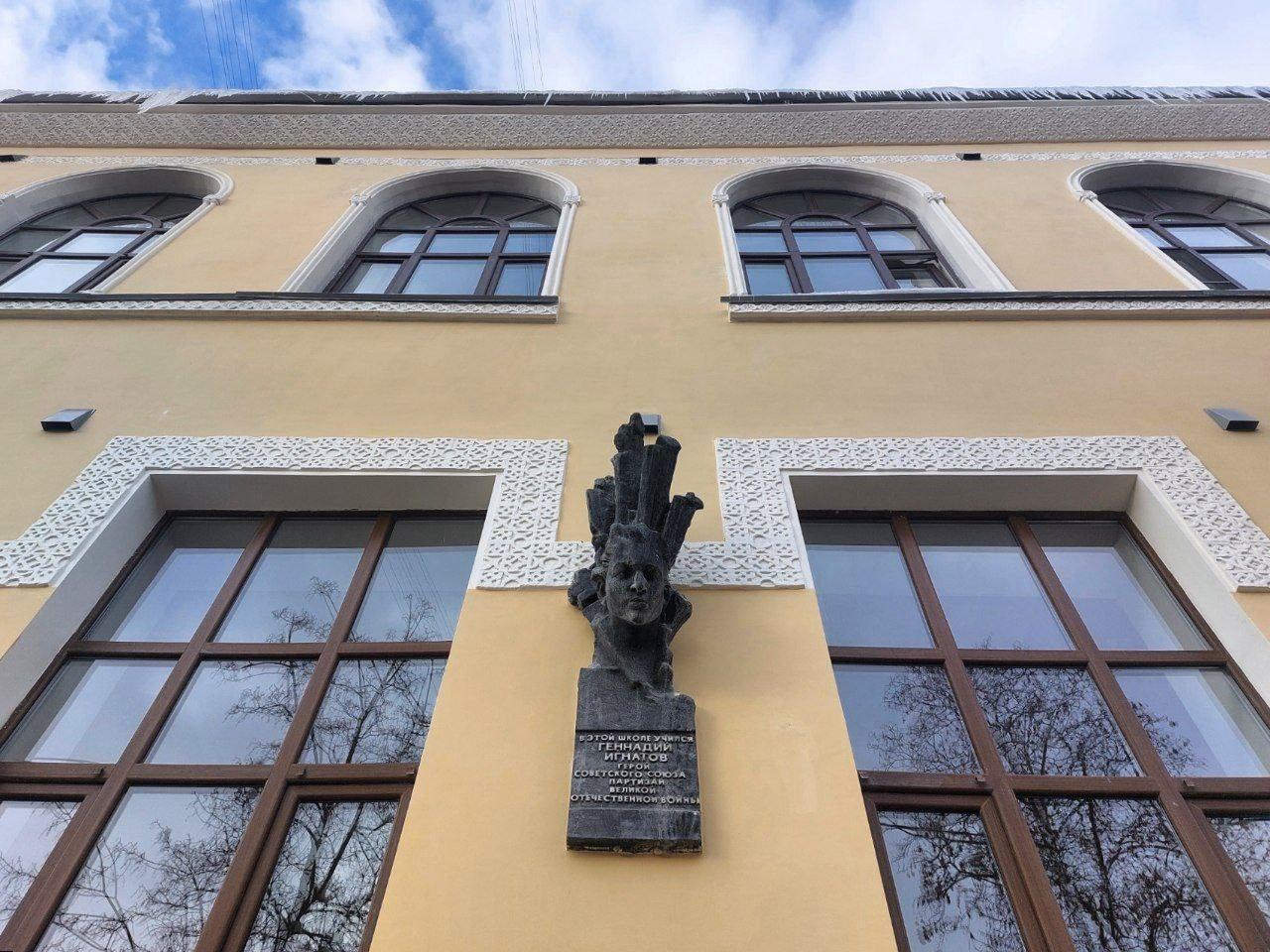
It was in this school that Hero of the Soviet Union, partisan Gennady (another variant of the name — Geniy) Ignatov studied. He, together with his brother Yevgeny, died on October 10, 1942, by blowing up a German train on the Krasnodar–Novorossiysk railway. They rushed with mines and anti-tank grenades under the train when the pin jammed on the planted explosive, which was supposed to detonate remotely. In the explosion, the train, which carried over 400 Hitlerite soldiers and officers, derailed. The Ignatovs themselves died in front of their father.
Since 1943, the school has borne the name of Gennady Ignatov. During the Great Patriotic War, like many architectural monuments, the school suffered — an aerial bomb hit the building. In the restoration of the educational institution, the director and teachers participated, and by 1948 the work was completed. And in the 1970s, a three-story building was added to the house, which housed classrooms, an assembly hall, and a sports hall.
Over more than 100 years, the school has graduated over 7000 children. Among them, for example, bronze medalist of the 2012 Paralympic Games, international-class master of sports in powerlifting Vladimir Krivulya, writer Vladimir Vasilyev, sports commentator Sergei Cheskidov, builder of nuclear power plants Alexander Nechaev, famous physiologist and professor Vladimir Pokrovsky.