2026: More Money, Digital Services for SVO Veterans
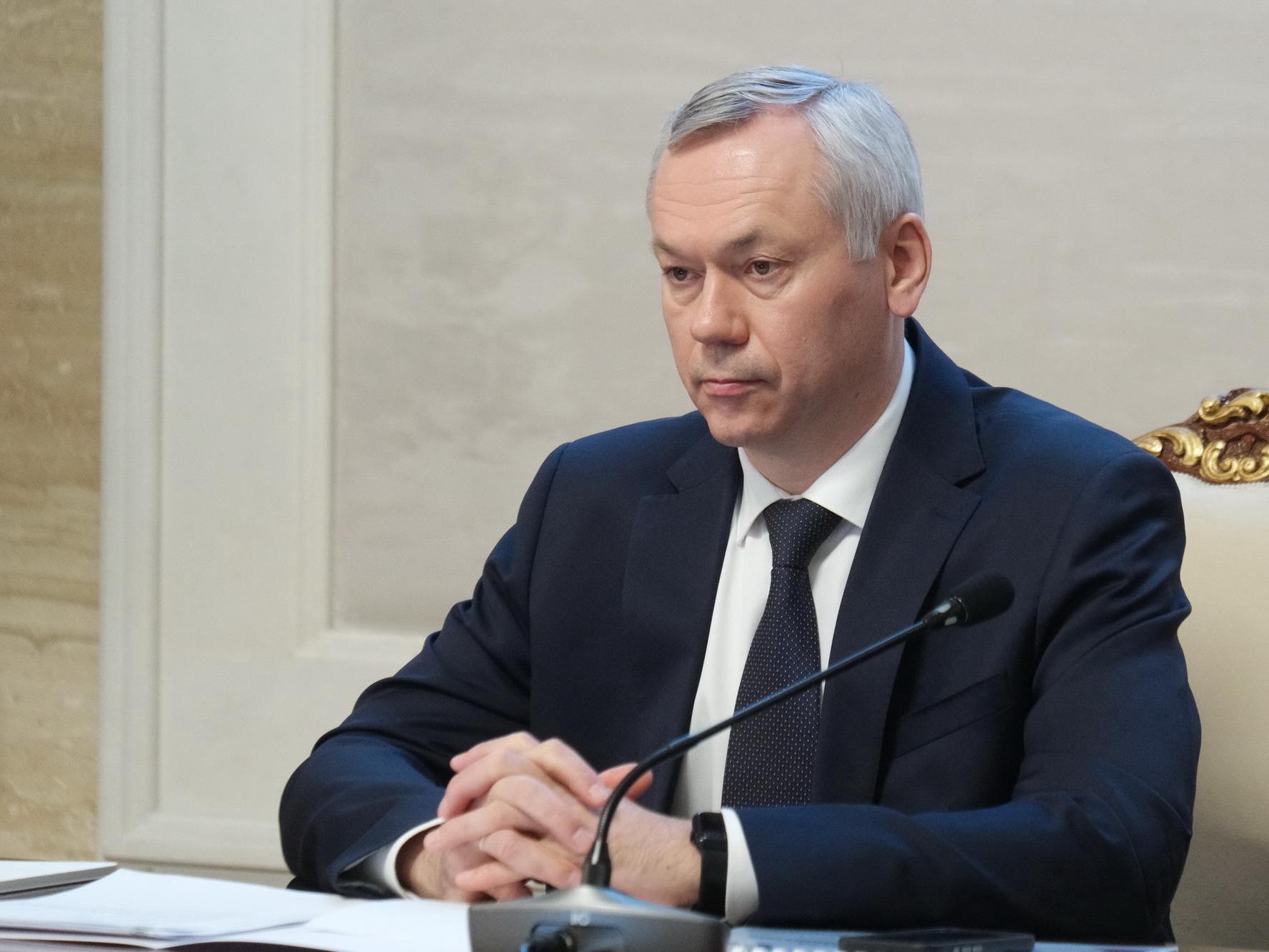

Support for families and aid to SVO participants, digital services, and demography — these areas will be key for Novosibirsk Region in 2026. This was stated by Governor Andrei Travnikov at an expanded meeting of the board of the Ministry of Labor and Social Development.
According to the authorities, the region is already among the leaders in building a support system for SVO participants and their families. It«s not just about the number of measures, but also how they work in practice — from interagency cooperation to resolving specific life situations.
There are 72 assistance measures for SVO participants and their families in the region, most of which are financial. At the same time, the emphasis is shifting towards targeting and a proactive approach, emphasized Andrei Travnikov.
In 2025, Novosibirsk Region became a pilot region for the digitalization of such services and was the first in the country to implement the proactive provision of three support measures — without applications. Over several months, more than 10,000 notifications were sent to residents, the regional government reported. This experience was recognized as successful and recommended for implementation in other regions of Russia. In 2026, it is planned to launch three more proactive services.
A key priority will be the return of SVO participants to peaceful life. The focus is on employment for veterans. For them, personal career paths are being formed, with individual support, training, and retraining organized.
Additionally, starting from 2026, a separate type of social contract is being introduced in the region for SVO participants who want to start their own business. It can be concluded regardless of the family«s income level.
The governor emphasized: the task for the near future is to make the support system even more understandable and accessible. For this, agencies need to exchange data more actively, inform people in advance about the benefits they are entitled to, and scale successful solutions to areas of child protection and family well-being.
Moreover, another area that the region needs to boost in 2026 is demography. According to Andrei Travnikov, new approaches are needed that actually work and have a long-term effect.
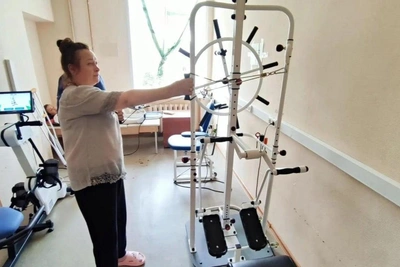
Minister of Labor and Social Development of Novosibirsk Region Elena Bakharova provided a report on social work in the region in numbers. According to her, the ministries and subordinate institutions work on more than 200 state initiatives and provide 74 types of services. They are responsible for dozens of areas — from payments and benefits to care for the elderly and people with disabilities. In the region, 174,000 residents receive social assistance. About 5,500 of them live in special institutions, and more than 21,000 receive support at home.
In 2026, the social sector budget has been increased by another 5 billion rubles (approximately $55.6 million at current rates), the head of the region reported. In 2025, 65.5 billion rubles (approximately $727.8 million at current rates) were invested in it.