Mechanical Helpers: 15 Inventions Over Five Centuries

Since ancient times, humans have dreamed of creating mechanical helpers capable of taking on heavy labor. Some ideas remained on paper, while others were realized in amazing devices that impress even in the 21st century. From the first automata to complex androids, this history spans five centuries of innovation, with each era adding its masterpieces.

Leonardo«s »Soldier«
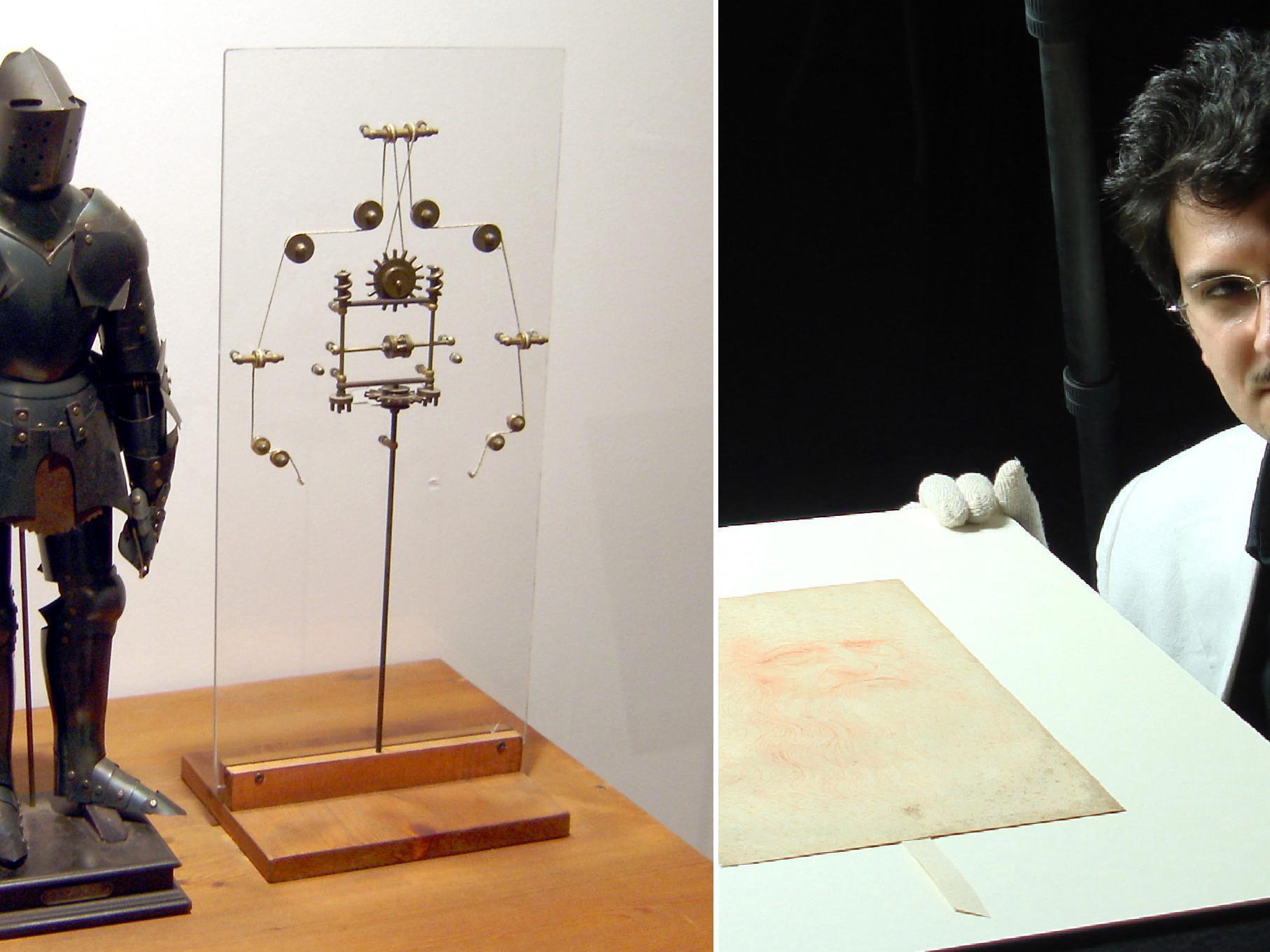
In the 16th century in Italy, Leonardo da Vinci developed blueprints for a mechanical knight. It is unknown if it was built during the genius«s lifetime, but in the 2000s, designer Mario Taddei recreated the robot based on these sketches for the Leonardo Museum in Milan. The basis was taken from armor created by Leonardo for Duke Sforza, adding historical authenticity.
Karakuri Ningyo
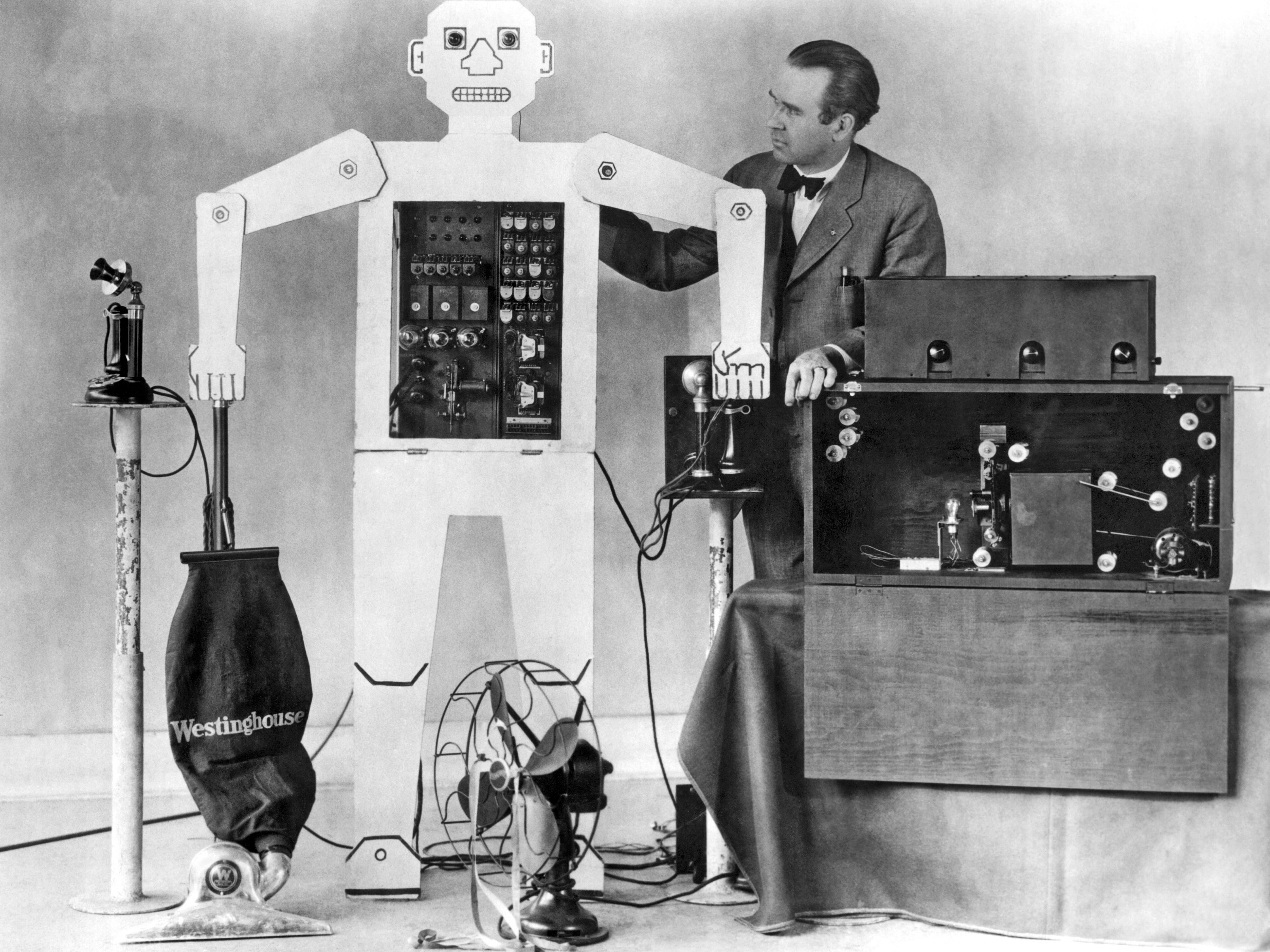
In Japan during the 17th to 19th centuries, skilled craftsmen created karakuri ningyo — wind-up doll automata. They were used for tea ceremonies, theatrical performances, and demonstrations of archery. Mechanisms hidden under the clothing allowed the dolls to move smoothly and naturally, astonishing viewers. This art became a precursor to modern Japanese robotics, known for its attention to detail and aesthetics.
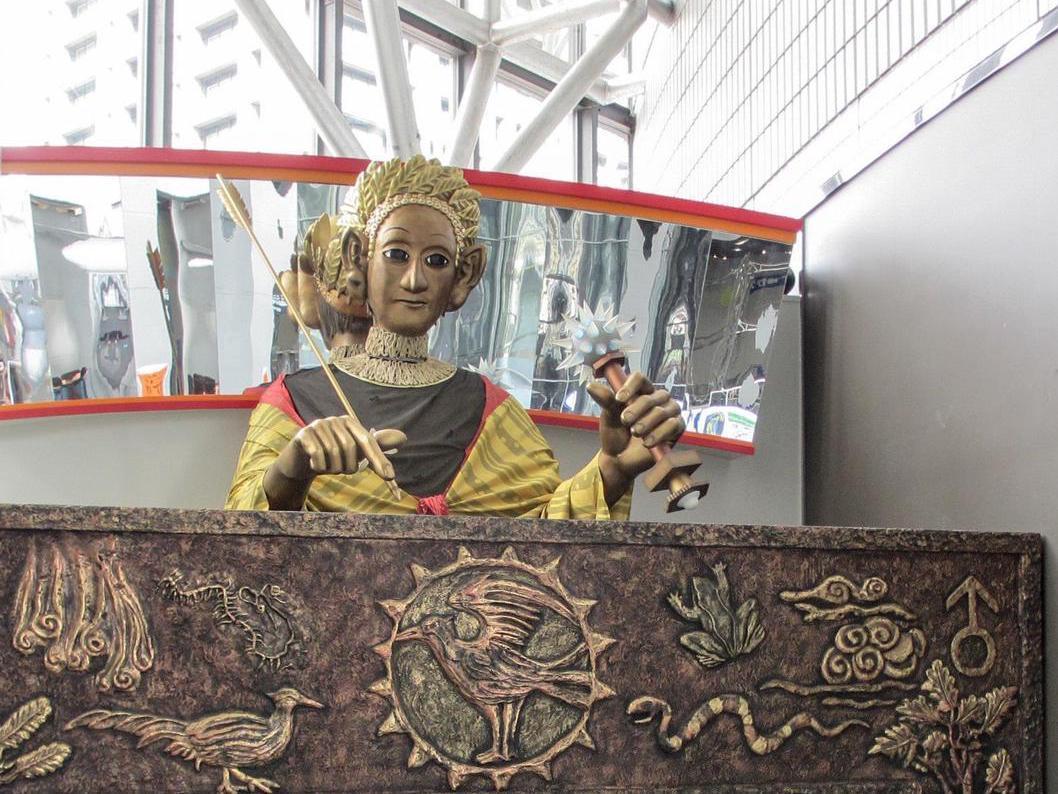
Jaquet-Droz Automata
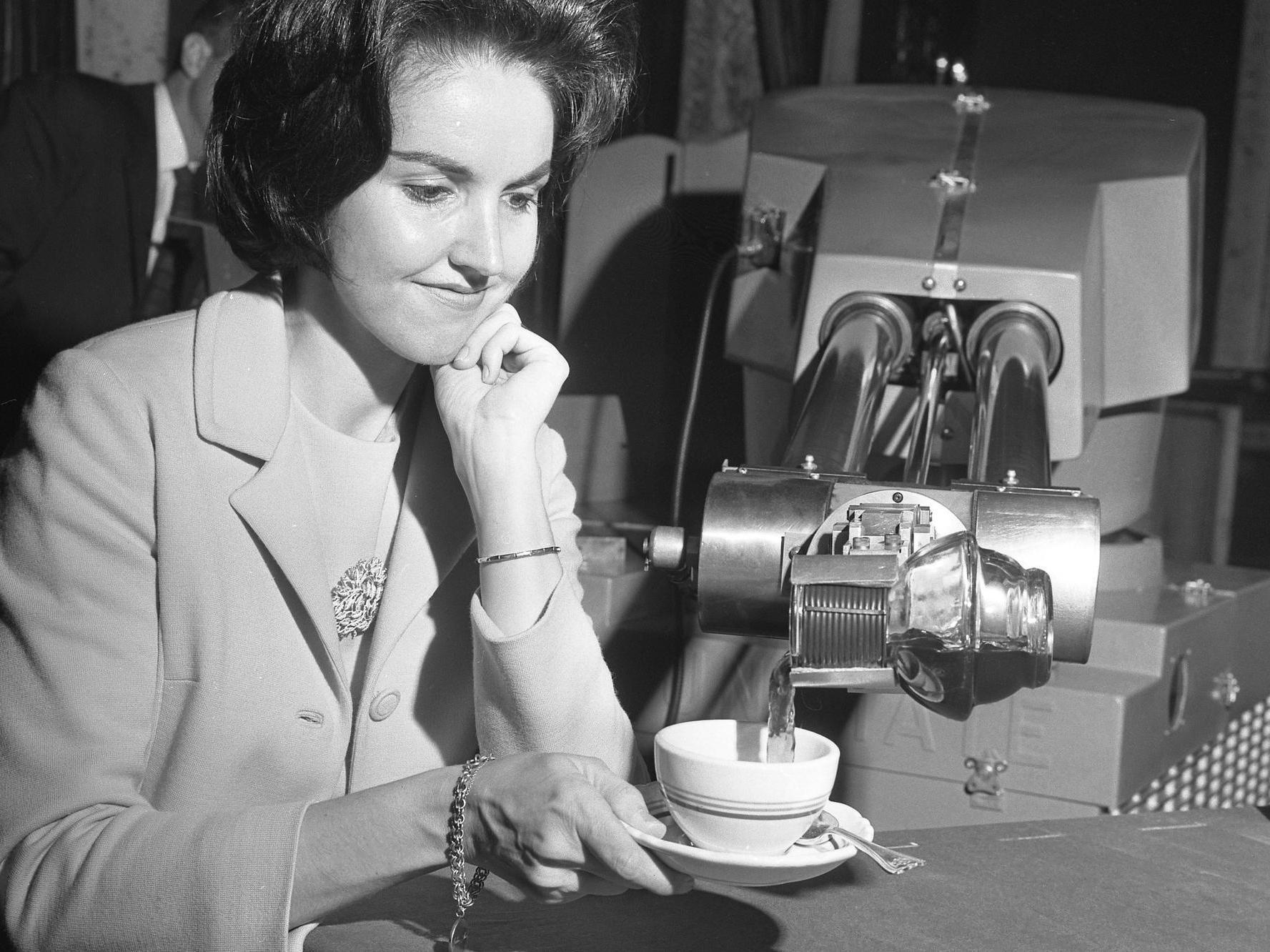
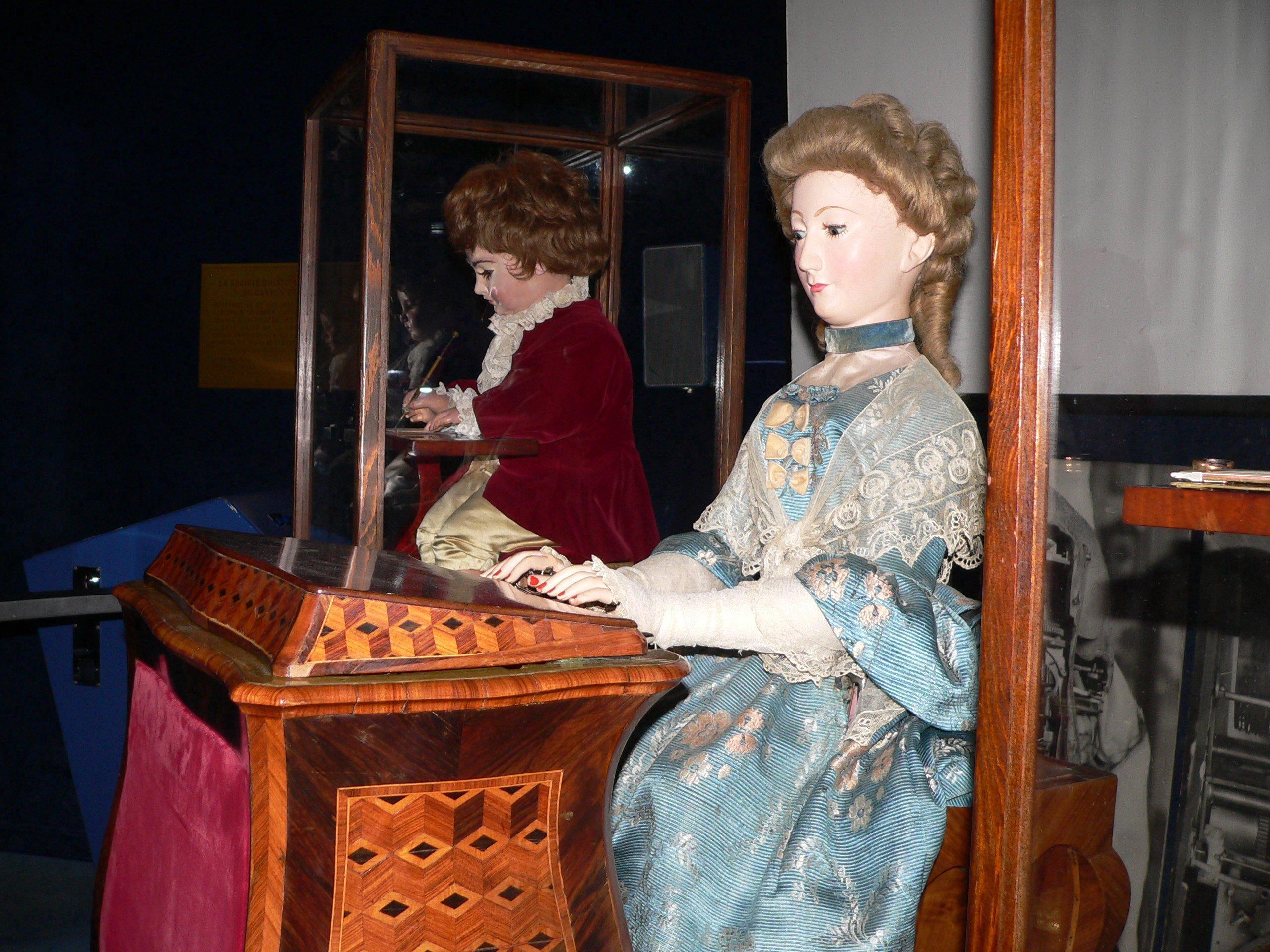
In 18th-century Switzerland, watchmakers Pierre Jaquet-Droz and his son Henri-Louis created three famous automata: The Writer, The Draughtsman, and The Musician. Composed of thousands of parts, these mechanical figures not only write, draw, and play the organ, but also imitate human movements — for example, following their hands with their eyes or swaying in time. They still function in the Neuchâtel museum, demonstrating the highest craftsmanship of the Enlightenment era.
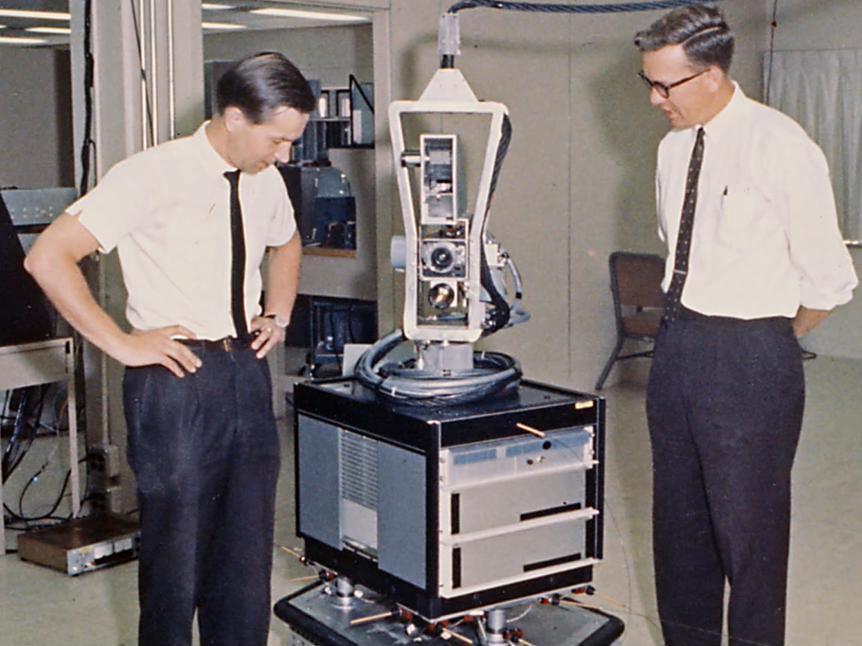
Steam Robot
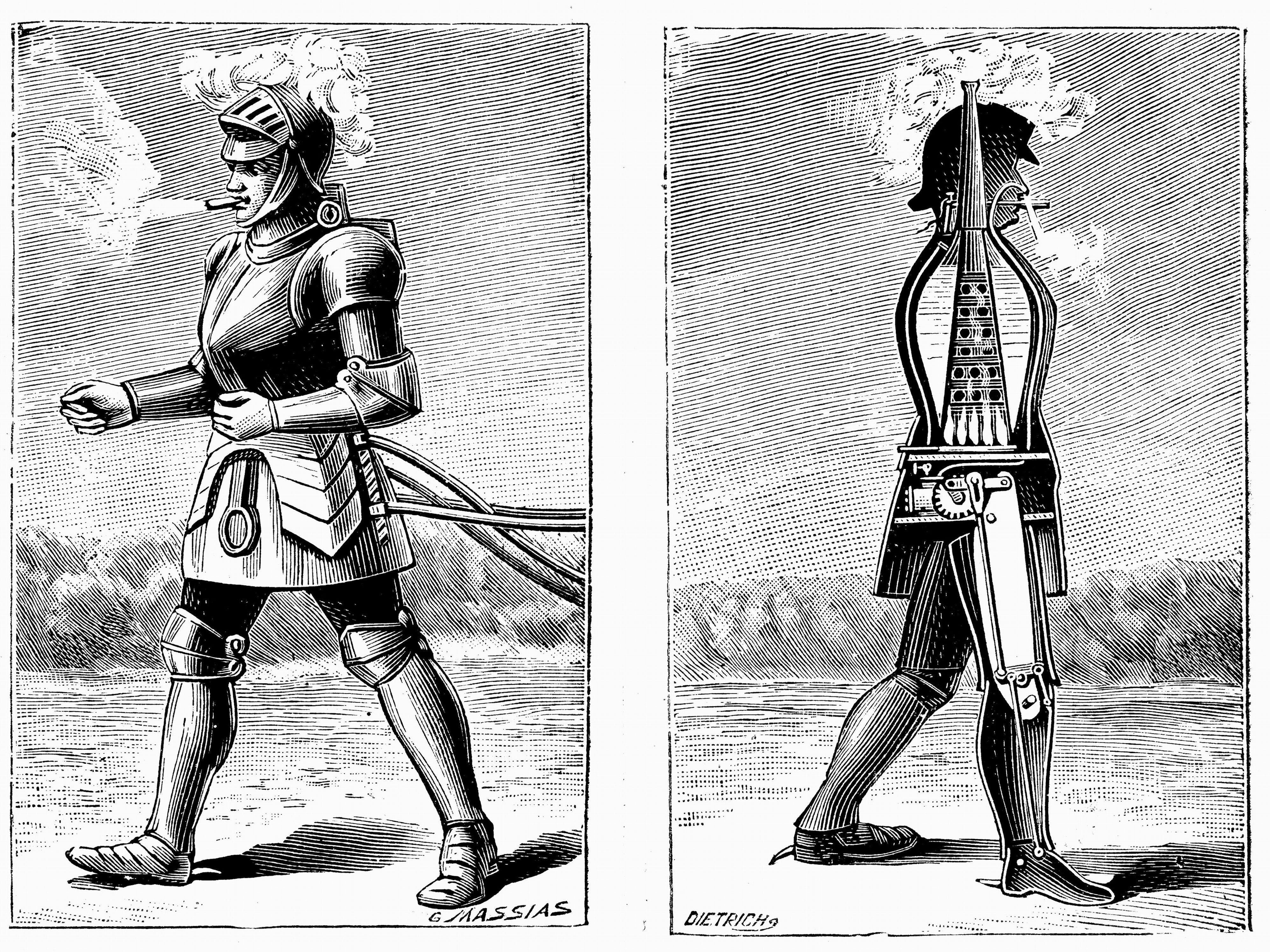
In the late 19th century in the USA and Canada, the idea of a steam-powered robot arose. It inspired writer Edward Ellis to write the novel «The Steam Man of the Prairies» (1868). In the 1890s, newspapers reported that Canadian inventor George Moore built a two-meter-tall steam man that could walk and even «smoke a cigar.» However, there is no evidence of its existence, and it was likely a newspaper sensation reflecting popular fantasies of that era.
Televox
In 1927 in the USA, engineer Roy Wensley created «Mr. Herbert Televox» — one of the first robots named by this word. It was controlled by voice over the telephone: one could call and give commands, for example, to turn on the light or start heating food. Televox became the prototype for modern smart homes and voice assistants.
Gakutensoku
In 1928 in Japan, biologist Makoto Nishimura presented the robot Gakutensoku for the emperor«s coronation. Unlike utilitarian machines, this android was conceived as a friend and example for people. It could change facial expressions and imitate breathing, making it one of the first robots with emotional expressiveness, anticipating developments in social robotics.
Unimate
In 1954 in the USA, George Devol and Joseph Engelberger developed Unimate — the first industrial robot. From 1961, it worked at the General Motors plant, performing welding and moving heavy parts. Unimate laid the foundations for production automation, and its descendants still work in factories worldwide.
Shakey
In 1972 in the USA at the Stanford Research Institute under the direction of Charles Rosen, Shakey was created — the first robot capable of independently analyzing its surroundings and making decisions. Its appearance was simple, but its «brain» used artificial intelligence algorithms, marking an important step in the development of autonomous systems.
Wabot-2
In 1984, Japanese engineers presented Wabot-2 — an android piano-playing robot. Equipped with a computer vision system, it could read sheet music and play on an electronic organ, using both hands and feet for pedals. This achievement showed the possibilities of robots in creative tasks.
AIBO — Robot Dog
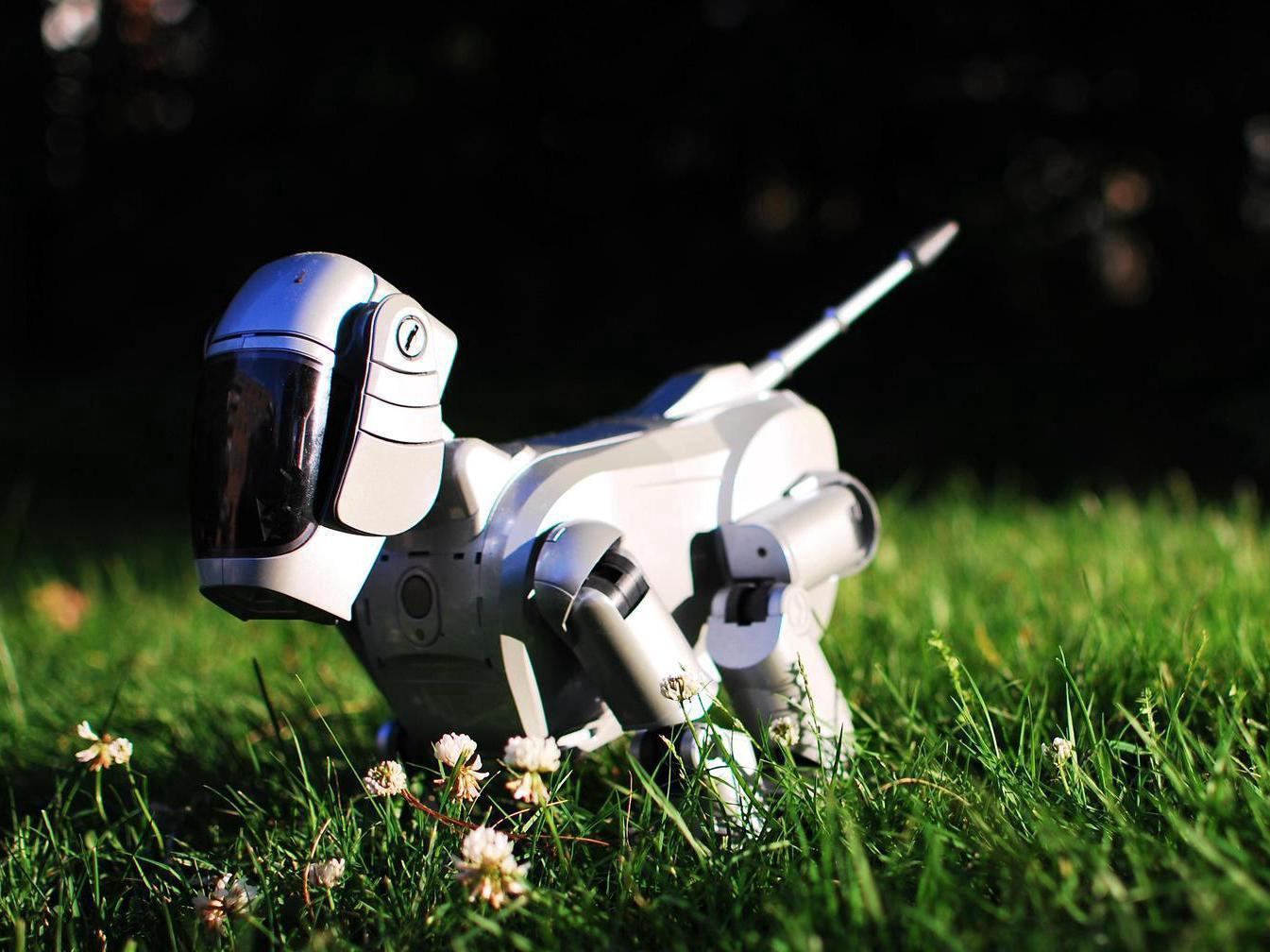
In 1999, Sony released in Japan the AIBO ERS-111 — the first mass-produced robot pet. It was intended not for labor, but for communication and entertainment, and quickly gained popularity. Modern versions of AIBO, equipped with artificial intelligence and controlled via an app, continue to delight owners, demonstrating how robots can become part of daily life.
Roomba
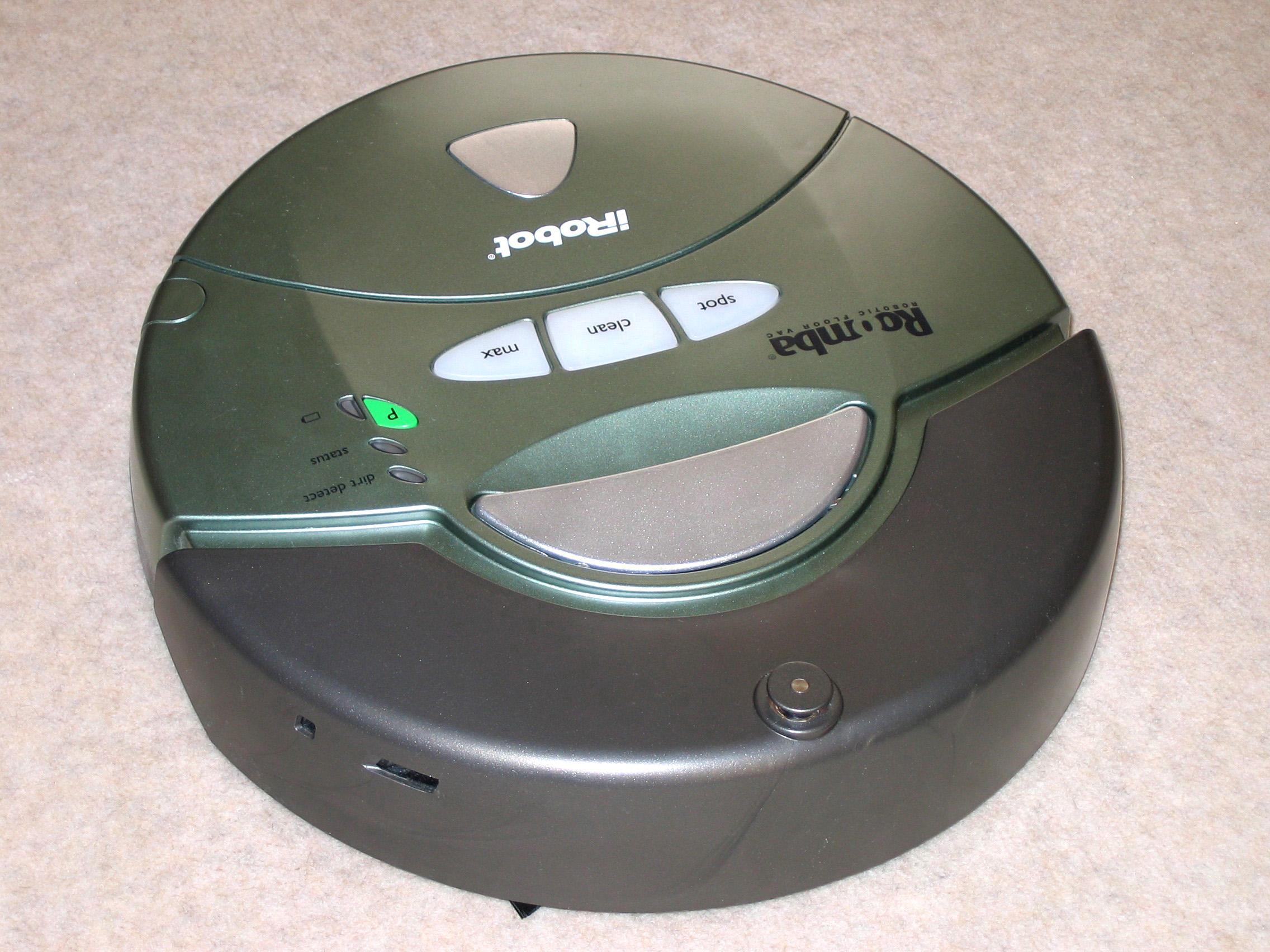
In 2002, the American company iRobot released Roomba — the first robot vacuum cleaner. It started an entire industry of household robots, which today are in millions of homes. Roomba showed that robotics can be affordable and useful in everyday tasks.
Thespian
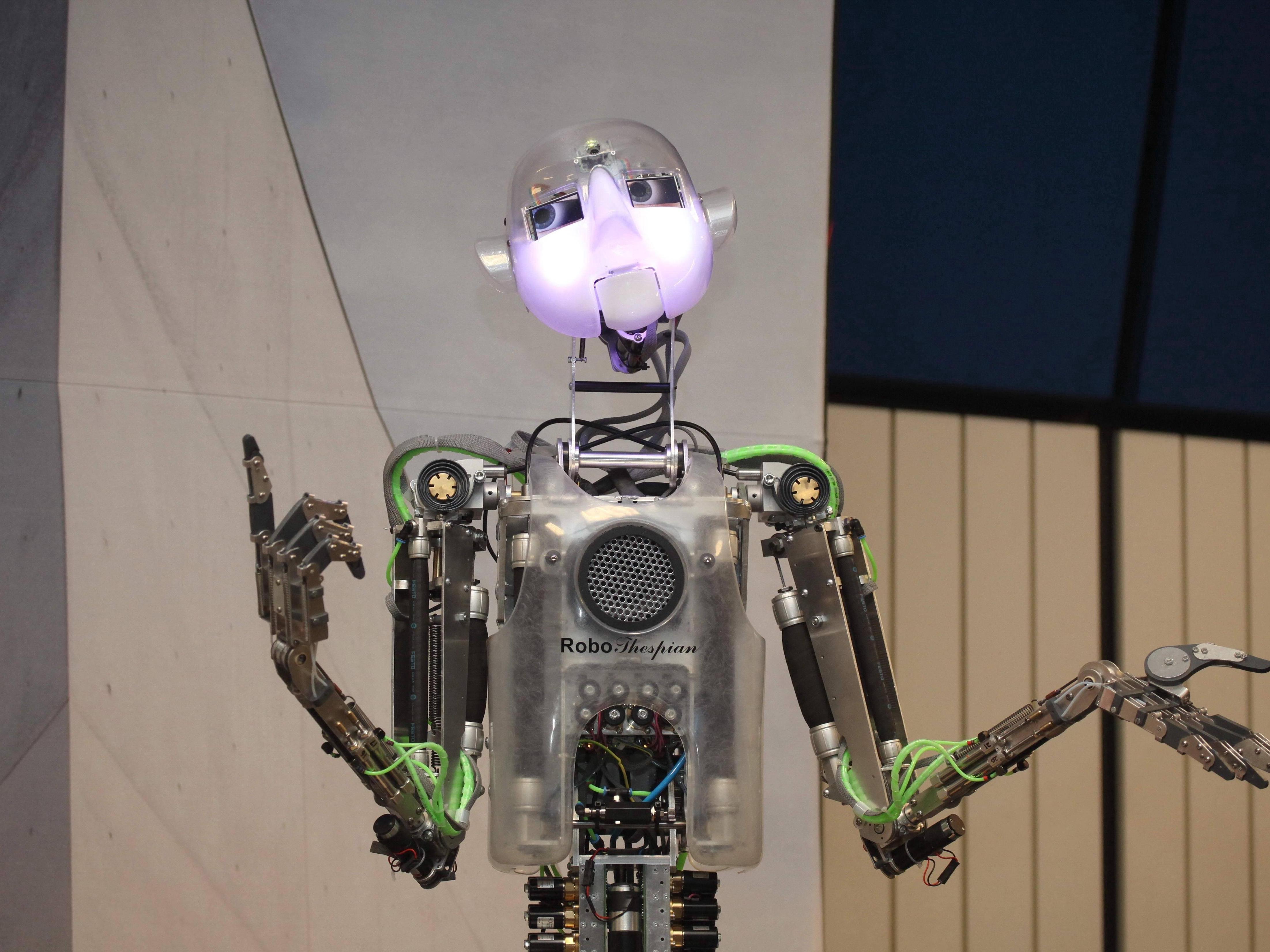
In 2005 in the UK, Thespian was created — a humanoid robot designed for communication. Initially developed for a theatrical production, it evolved into a tool for interacting with people at exhibitions, museums, and business presentations, showing how robots can act as communicators.
Wine Sommelier Robot
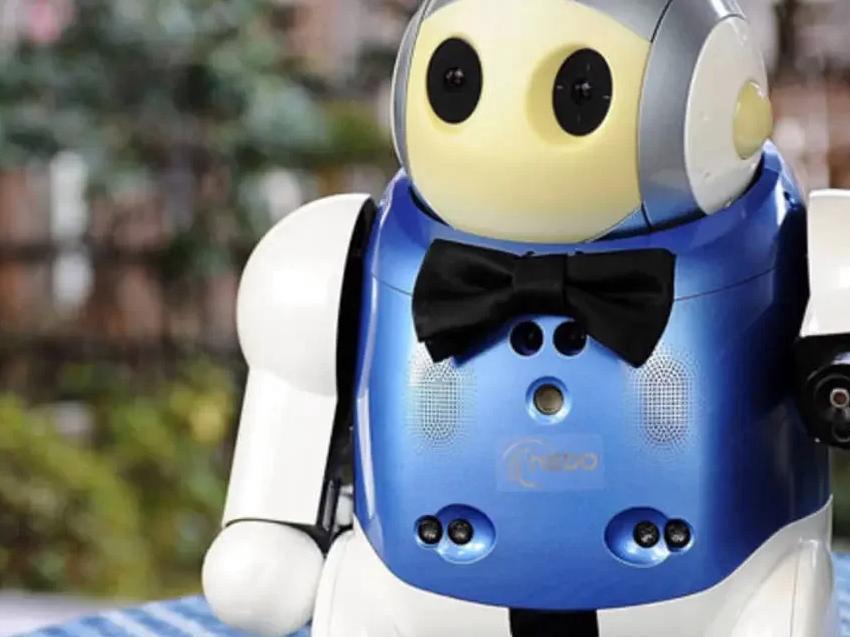
In 2006, the Japanese company NEC presented a wine sommelier robot. It analyzes wines using sensors, determines their characteristics, and recommends dishes for pairing. This project illustrates how robots can be applied in niche services requiring expert knowledge.
Atlas
In 2013, the American company Boston Dynamics presented Atlas — a humanoid robot that has been constantly improved since then. Equipped with computer vision systems, 28 hydraulic joints, and a powerful processor, Atlas can run, jump, and perform complex tasks in real-world conditions. It remains one of the most advanced androids, demonstrating the limits of mobility and dexterity in robotics.
Aiko Chihira
In 2014, the Japanese company Toshiba created Aiko Chihira — one of the first robots with hyper-realistic human appearance. She was intended to work in department stores as a consultant, showing how androids can be used in the service sector to improve customer experience.
Spot — Robot Dog
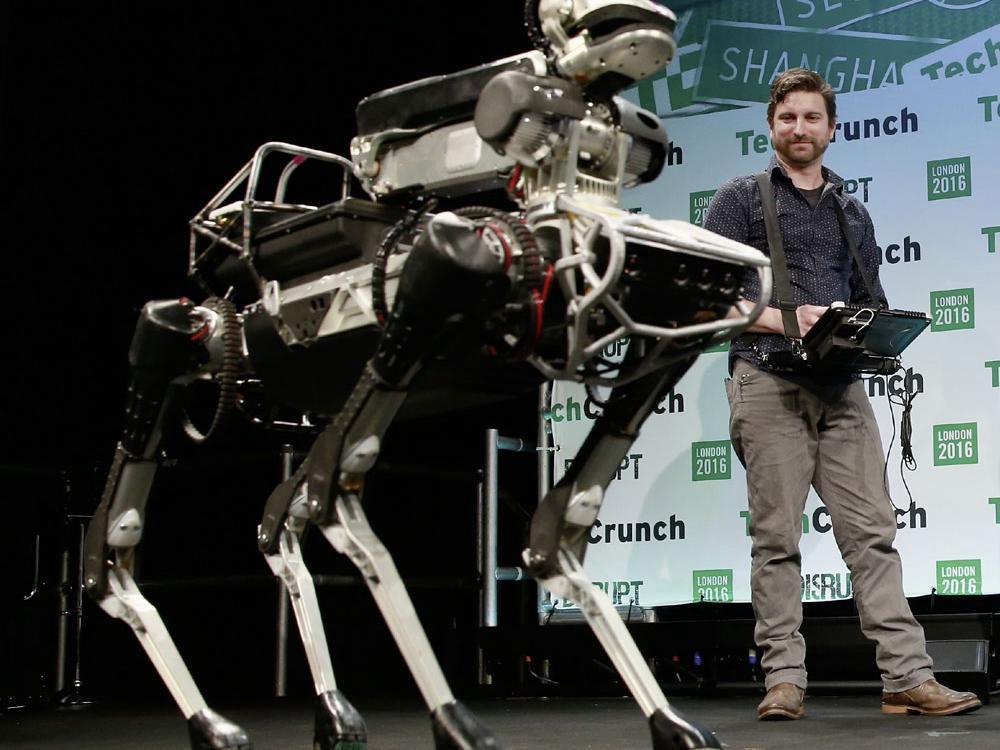
In 2016, Boston Dynamics released Spot (formerly SpotMini) — a quadruped robot with exceptional mobility. It can walk on complex terrain, get up after falls, and collect data from sensors for inspecting industrial facilities. Spot is used in various industries, from construction to reconnaissance, as a universal platform for autonomous tasks.