Cossack March to India Costs Platov Chance at Court Favor

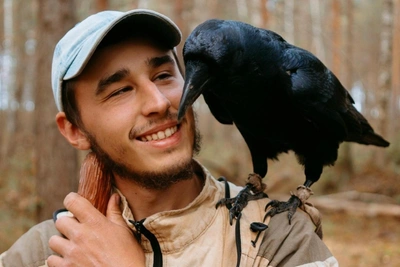
A portrait from 1814 by Peter Edward Stroly depicts Ataman Count Matvey Platov in his later years.
On 11 March 1801, Don Cossacks, obeying the decree of Emperor Paul I, set out on a campaign to conquer India. The vanguard of one of the columns was led by Matvey Platov — the future legendary ataman and hero of the Patriotic War. Instead of soon becoming a confidant and possible favorite of the dowager Empress Maria Feodorovna, he embarked on a fantastical expedition, escaping from the cell of the Alexeyevsky Ravelin.
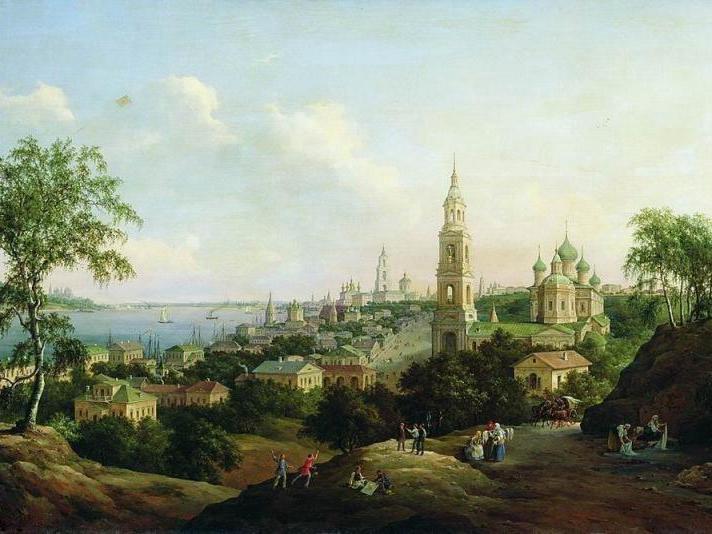
Nikolay Chernetsov«s 1862 painting »Kostroma« shows the city where Platov, Yermolov, and Abel were exiled.
At the beginning of 1801, Platov could not have imagined what chance he was missing. He was mobilized directly from prison, where he was held on charges of harboring runaway peasants. For the Cossack general, agreeing to lead troops into the unknown became salvation from imprisonment.
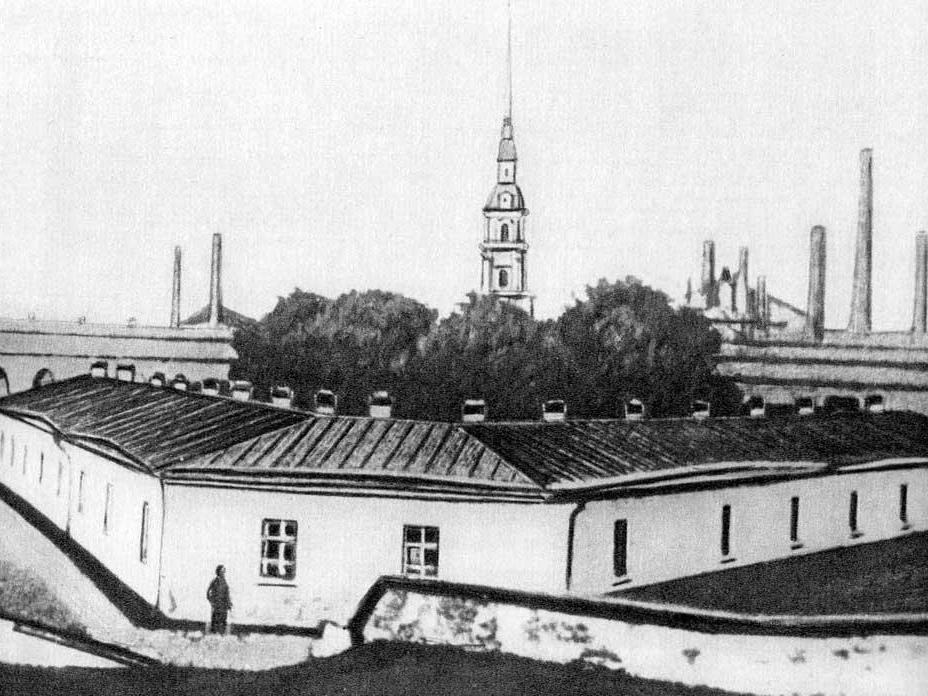
The Alexeyevsky Ravelin, a prison in the Peter and Paul Fortress, held Platov before his release for the march.
Masters of Dead Souls
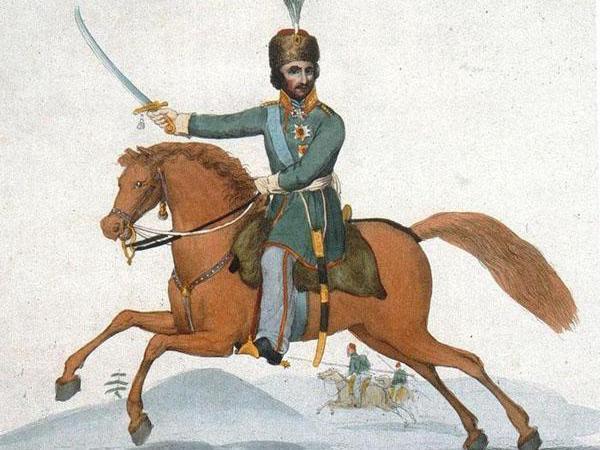
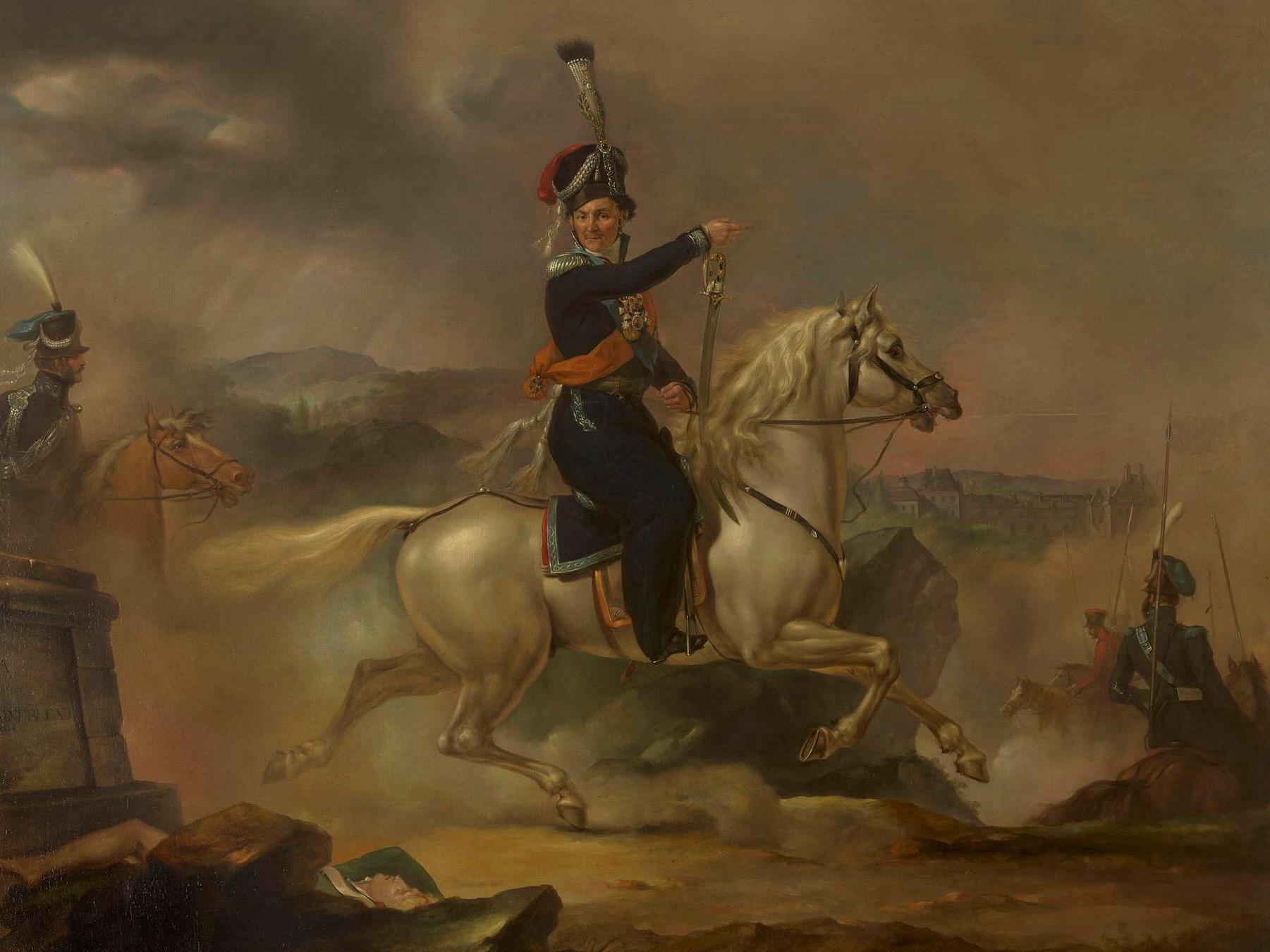
John Romney«s colored engraving »Count Platov« from 1815-1816 reflects his European popularity after the Napoleonic Wars.
The practice of harboring runaways was widespread on the Don. Cossack landowners faced a problem: in the revision lists, people who had died or perished in campaigns were listed — those very «dead souls,» but taxes had to be paid for them. And to the free Don, runaway serfs streamed continuously. The Cossacks willingly registered them under the names of the deceased, providing land and work — to mutual benefit.
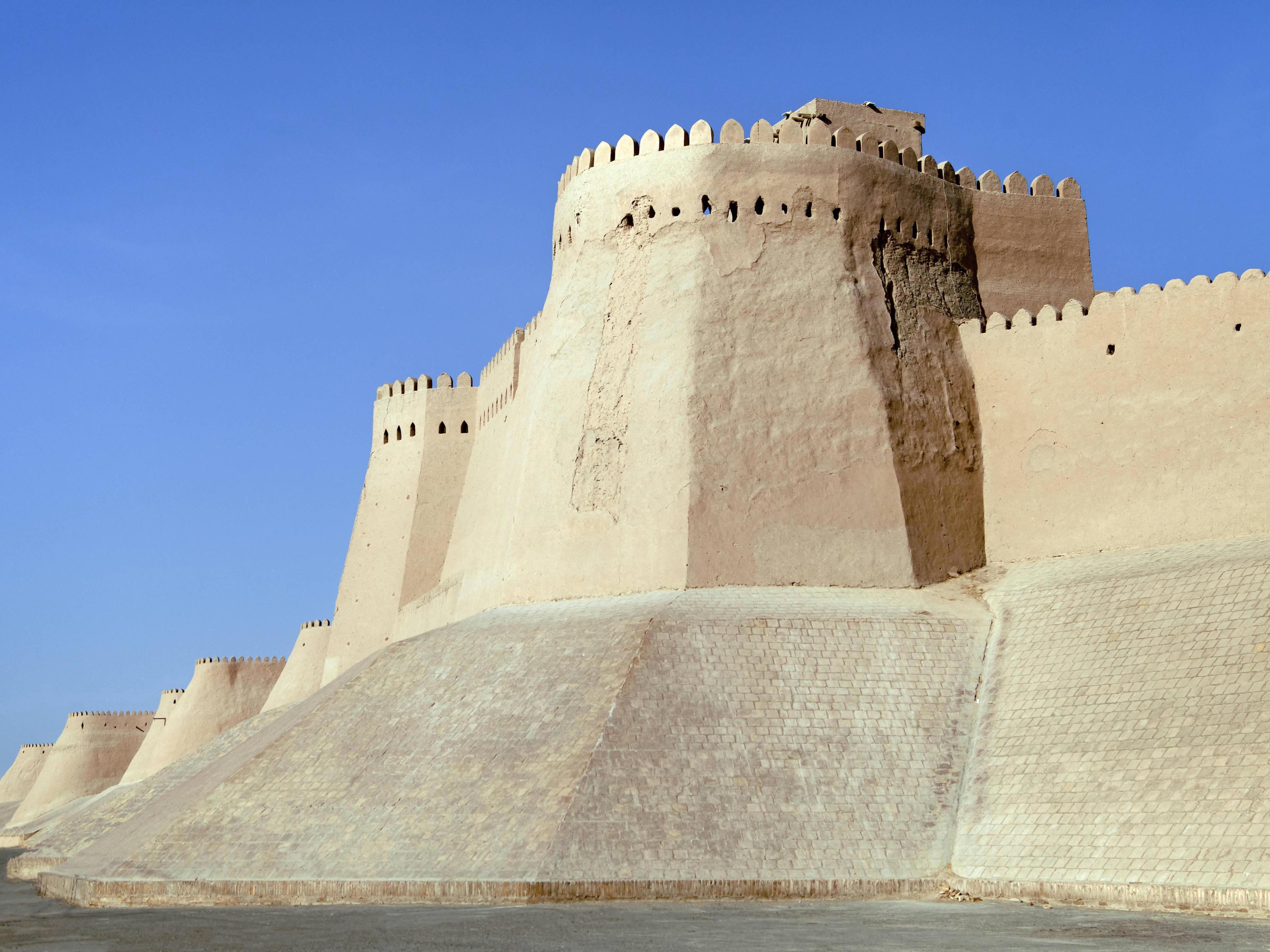
The Citadel of Khiva was a key target on the planned route to India according to Paul I.
Emperor Paul I, inundated with complaints from nobles about the disappearance of peasants in the Don «black hole,» in the summer of 1800 sent an investigative commission south headed by his adjutant Sergey Kozhin. The Cossacks were threatened with the introduction of regular troops and the removal of Ataman Vasily Orlov if all runaways were not returned. A large-scale reaccounting began.
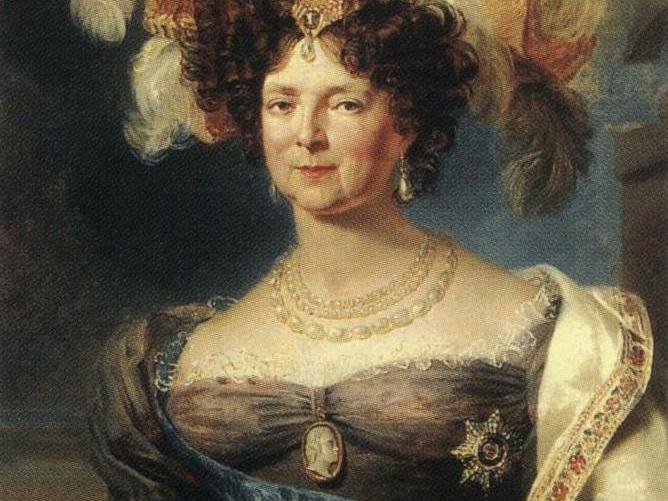
George Dawe«s portrait circa 1825 captures the dowager Empress Maria Feodorovna, with whom Platov had connections.
Some harbors were flogged and exiled to Siberia, but the scale was such that the emperor preferred to hush up the matter. He issued a decree to stop the investigation, and in the capital of the Don Host, Cherkassk, a thanksgiving service was held. Meanwhile, Matvey Platov was far from his homeland — since 1797 he had been serving exile in Kostroma on charges of «separatism.»
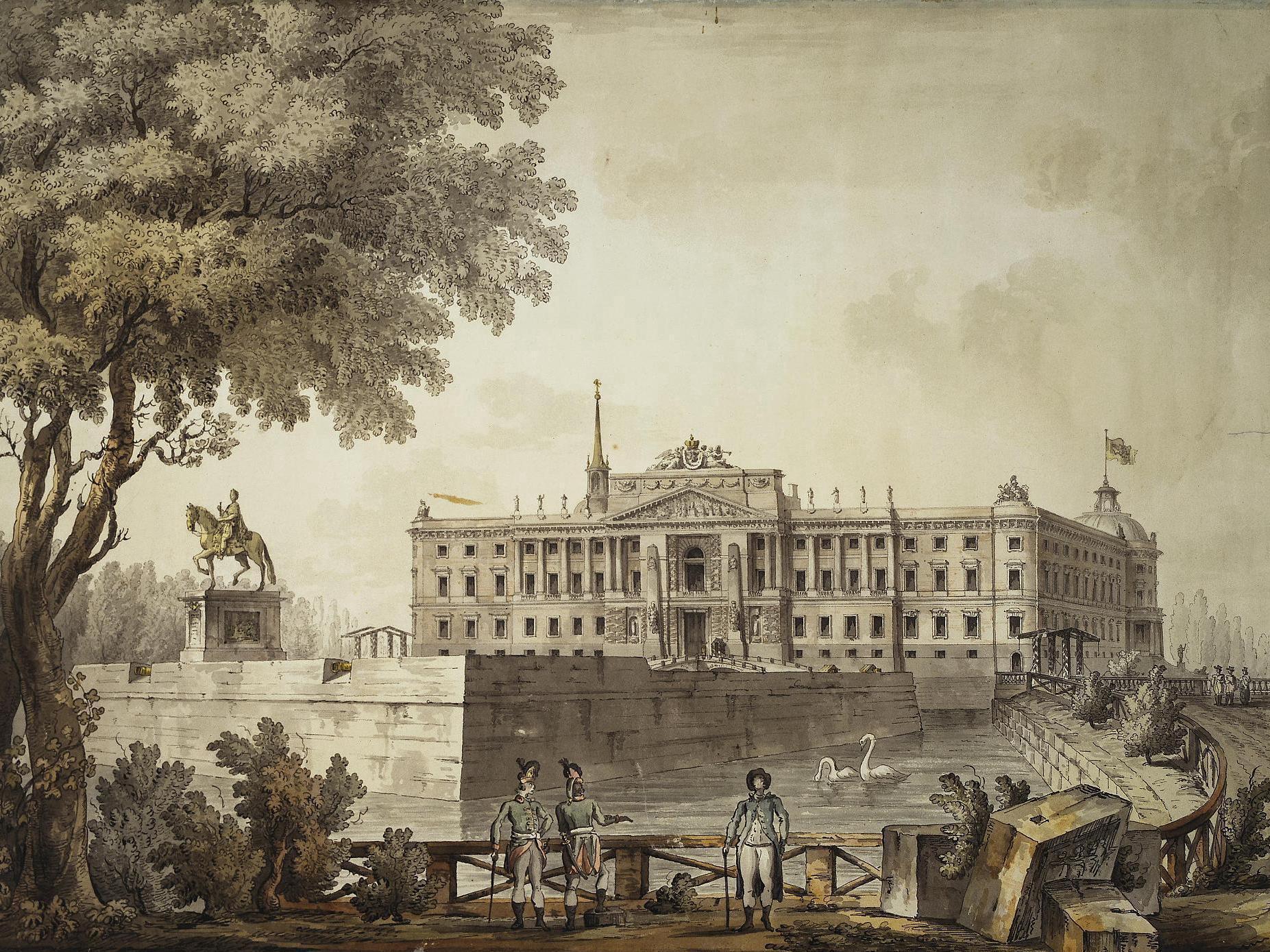
Giacomo Quarenghi«s 1801 view of Mikhailovsky Castle depicts the site of Paul I»s assassination and the march«s end.
«Platov Turning to Dust»
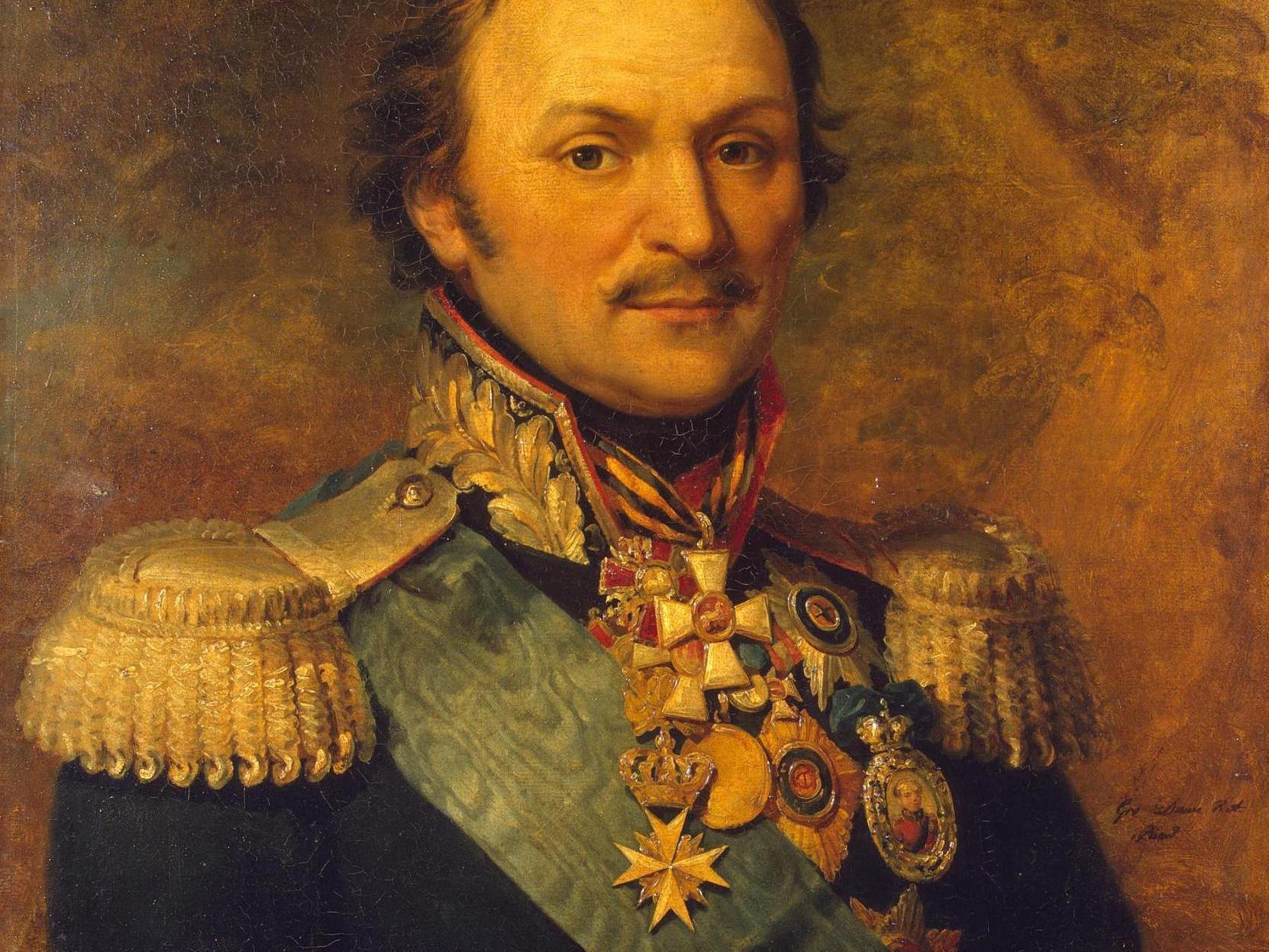
A posthumous portrait by George Dawe around 1825 memorializes Matvey Platov«s legacy as a Cossack leader.
Platov«s disfavor was related to the Persian campaign during the time of Catherine II. Commanding Cossack regiments, he successfully operated on the territory of modern Azerbaijan. After the empress»s death, the new sovereign Paul I ordered the troops to return, without securing the conquests. At a military council, Platov cautiously expressed regret about this, and his hints were immediately reported to Petersburg.
Accusations rained down on him — from embezzlement of state «bread money» to preparing a rebellion. Once, receiving back his saber upon arrest, Platov joyfully exclaimed: «Imagine, it hasn»t rusted! Now it will justify me,« referring to a prophetic dream. However, this was interpreted as a dangerous hint of rebellious sentiments. Without reaching the Don, he received an order to go into exile in Kostroma without the right to correspondence.
In Kostroma, Platov shared his fate with another future hero — the young officer Alexey Yermolov, exiled for connections with a freethinking circle. The illiterate Platov asked Yermolov, who was engrossed in Latin at the time, to compose a petition for pardon. He wrote an ornate message in the spirit of Roman historians: «There was a time when Platov, now turning to dust, was famed and proud of his zeal, diligence, and loyalty to the Monarch and Fatherland…». The petition remained unanswered.
Prediction of the Mystical Abel
In the same exile in Kostroma was the monk-prophet Abel, known for his accurate predictions, including the date of Catherine II«s death. Platov asked him how long he would sit in a foreign land. Abel answered that in Kostroma he would not stay long, but trials lay ahead, and under the new sovereign — glory. The monk knew the dates of death of both Paul and his successor Alexander I.
The prophecy began to come true. Platov«s relatives cunningly achieved his return to the capital: his stepson reported that runaways were hiding in Platov»s estates. Although the ataman himself had not been there for several years, he was urgently delivered to Petersburg and placed in the Alexeyevsky Ravelin of the Peter and Paul Fortress. The gloomy atmosphere of this prison was later described by Yermolov: absence of daylight, determining time by drumbeats, and a meager ration as «care» for the health of the prisoners.
The Senate, examining the case as part of the campaign against harborers, issued an acquittal verdict for Platov. But it had to be approved personally by the emperor. This decision came very timely for Paul I.
A Sentimental Journey
The emperor, having entered into an alliance with Napoleon Bonaparte, declared England an enemy. As a blow to the main British colony, he conceived a march to India. While the French were making plans, Paul with his characteristic zeal set to work. In January 1801, a series of orders followed: the Cossacks were ordered to go through Khiva and Bukhara to the Indus River, «in passing» annexing Central Asia.
Preparation for the march, according to historian Pyotr Krasnov«s description, was feverish and universal. Everyone equipped themselves, including the sick and the poor; churches remained without sextons, stanitsas without scribes. But Ataman Vasily Orlov was old and ill. An experienced and decisive commander was needed. This became Matvey Platov, famous since the capture of Izmail with Suvorov. Paul wrote on the Senate verdict: »Release and let out of the ravelin, announce about the known expedition.«
According to legend, the emperor, moved, said to his wife: «Maria Feodorovna! Do you hear? Matvey Ivanovich has forgiven his enemies. What a great man he is! What a great Christian he is!». Soon after this, the informer against Platov ended up in the fortress.
Napoleonic Plans
To Paul«s question whether he would reach India, Platov, understanding that a negative answer would return him to the ravelin, confidently replied: »I will reach.« The geography of the enterprise was vague: for the emperor, India was merely a contour on the map, where one road led — through Khiva, Bukhara, and Kabul.
The plan resembled the ambitions of Alexander the Great: in two months cross Central Asia, overcome Afghan passes, and unexpectedly attack the English. The calculation also included French troops in Egypt, which were to open a second front. Platov received the Order of the Grand Maltese Cross and led the largest column of 13 regiments. In total, over 22,000 Cossacks set out on the march with 1.5 million rubles from the treasury (approximately $200,000 at current rates), which were supposed to be repaid with Indian treasures.
On 11 March 1801, the main forces under Platov«s command moved from the Don eastward to Orenburg, where camels and provisions were being prepared for the crossing through the deserts. Scouts hastily gathered information about the route. Emperor Paul had only 13 days left to live.
«There»s Your German Woman!«
Platov had long been acquainted with Empress Maria Feodorovna. They were introduced by His Serene Highness Prince Potemkin in 1791. Then Platov, a young and prominent Cossack commander, entertained Empress Catherine and Grand Duchess Maria Feodorovna all evening with stories, not participating in the dances. Some historians suggest that Potemkin saw in him a potential favorite not for the aging Catherine, but for her daughter-in-law — the intelligent and ambitious Maria Feodorovna, wife of the heir Paul.
By 1801, Maria Feodorovna, mother of ten children, was in the prime of her strength and beauty. On the night of Paul I«s murder, she, the first to recover from shock, declared: »I wish to reign.« To hold power, she needed a loyal person with military authority, such as Platov. But at the decisive moment, she was isolated by the conspirators, and the heir Alexander managed to have the troops swear allegiance.
«Where Are the Cossacks?»
This question was one of the first asked by the new emperor Alexander I. By that time, the Cossack detachments had with difficulty crossed the flooded Volga near Volsk and, stuck in spring mud, reached the vicinity of modern Pugachyov. Here on 4 April they were overtaken by a courier with the highest command to return immediately.
There is a version that Paul I«s true goal was not India, but the liquidation of Cossack liberty — a too independent and poorly controlled military estate. A march into perilous lands could be a way to get rid of the problem. Be that as it may, the adventure ended almost as soon as it began.
Upon return, the old ataman Vasily Orlov soon died, and the new host ataman became Matvey Platov. Emperor Alexander favored him as a man not involved in the conspiracy against his father. Platov often visited Petersburg and spent much time in the retinue of the dowager Empress Maria Feodorovna. Historians still debate whether this connection could have grown into something more, if not for the ill-fated Indian march, which forever changed the fates of its participants.