Fake Paternity Scheme: How Foreigners Bought 'Fatherhood' in Krasnoyarsk
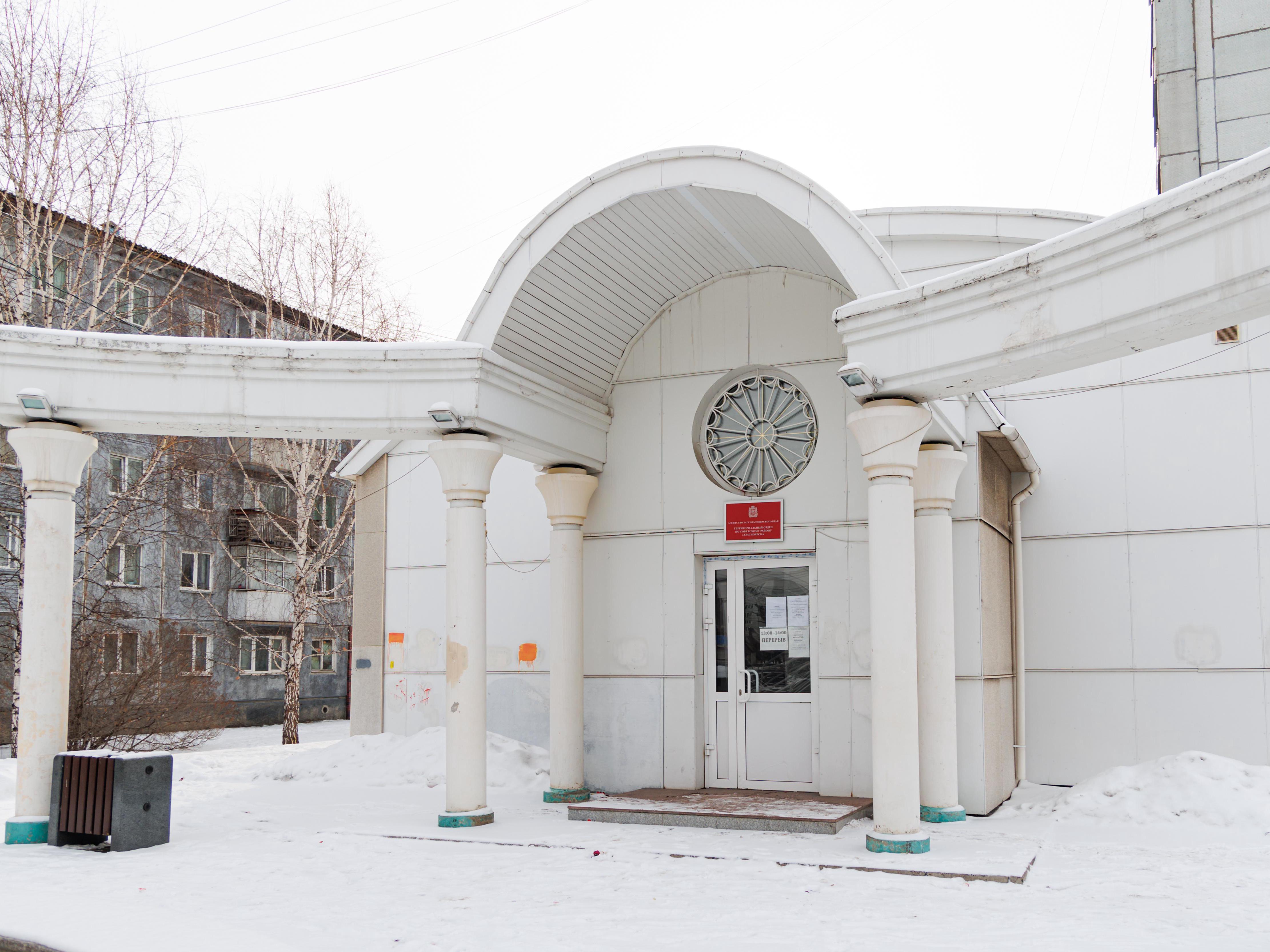

In April 2025, a court in Krasnoyarsk sentenced three participants in a scheme to legalize Tajik citizens. The organizer received 5 years in a penal colony, his accomplice — more than 9 years, and an immigration service inspector who helped process the documents — a suspended sentence. How they managed it — in the analysis by NGS24.RU correspondent Gennady Denisov.
How the scheme worked
According to the court, the main organizer of the criminal scheme — Azizbek Kulmatov, a Russian citizen of Tajik origin. Since 2020, he has been helping his fellow countrymen obtain residence permits bypassing established quotas.
The scheme was built on a peculiarity of the then legislation: a foreigner who has a child — a Russian citizen — could obtain a residence permit in a simplified manner, without a temporary residence permit. Kulmatov looked for single mothers, in whose children«s birth certificates there was no information about the father, and for money arranged to enter his migrant clients there.
Since January 2025, this loophole has been closed: now, to obtain a residence permit based on a child, a foreigner must prove in court that he has lived with the child«s mother for at least three years. According to the Ministry of Internal Affairs (MVD), in 2023, almost half of all residence permits were issued precisely on the basis of »having a child — a Russian citizen«, and a significant part of such cases — fake paternity for money.
As the court established, women received from 8,000 to 50,000 rubles (about $89 to $556 at current rates) for fake acknowledgment of paternity. For organizing a fake marriage — 40,000 rubles (about $444).
Kulmatov actually managed an LLC (Limited Liability Company), which was officially engaged in passport translations and preparation of migration documents. According to witness testimony, his fellow countrymen turned to him «to process documents related to staying in Russia.»
Four proven episodes
The court recognized four cases of organizing illegal stay of foreign citizens as proven.
In August 2020, Kulmatov passed his acquaintance the phone number of a resident of the Krasnoyarsk Territory and explained the procedure. The man met with the woman, they submitted an application to the civil registry office (ZAGS) to establish paternity over her son. After receiving a new birth certificate, the migrant paid the woman 50,000 rubles (about $556) and applied for a residence permit, which was issued to him in February 2021.
In February 2021, Lyubov Saksina — a resident of Achinsk with three convictions for drug-related crimes — joined the scheme. As follows from the verdict, it was from Kulmatov that she learned about the «procedure for organizing illegal stay of foreign citizens.» Saksina found a woman who agreed for 40,000 rubles (about $444) to conclude a fake marriage with a Tajik citizen. Kulmatov introduced the future «spouses» in his office, then took them to the civil registry office in his car. Based on the marriage certificate, the migrant received a temporary residence permit.
In April 2021, Kulmatov organized another fake acknowledgment of paternity. A middlewoman found a single mother who agreed for 12,000 rubles (about $133) to enter an unknown man in her son«s birth certificate. After processing the documents, the migrant received a residence permit in October 2021.
Inspector helped hide the fake nature of the documents
The fourth episode became special: it involved inspector of the migration issues department of police department No. 2 Yulia Konova. According to the investigation, she was in a close relationship with Kulmatov.
In April 2021, Kulmatov organized another fake paternity: a single mother for 8,000 rubles (about $89) entered a Tajik citizen in her son«s birth certificate.
The migrant made an appointment at the migration service for May 19, but wanted to submit documents earlier. At Kulmatov«s request, Konova accepted him on May 17 — out of turn.
When checking the documents against the Ministry of Internal Affairs databases, Konova discovered a problem: during the supposed conception of the child, the «father» was outside Russia. The fake nature of the paternity was obvious.
According to the job description, the inspector was required to report to her superiors or file a report on the discovery of signs of an offense. Instead, as the court established, Konova called Kulmatov and reported the problem. Together they developed a cover story: allegedly, the child«s mother traveled to the migrant in the Sverdlovsk Region, where conception occurred.
According to the case materials, Konova personally wrote an explanation on behalf of the migrant with this invented story, «knowingly aware» that the woman had never been to the Sverdlovsk Region. The next day, she also took false testimony from a relative of Kulmatov that the migrant allegedly lived at the registration address — although he had already left Krasnoyarsk.
The scheme still failed: during a check at the migration issues department of the Main Directorate of the Ministry of Internal Affairs, the child«s mother admitted that the paternity was fake. The issuance of a residence permit was denied.
Verdict
Kulmatov did not admit guilt and stated that he only «drove his fellow countrymen to the civil registry office» and «helped build a joint future.» According to him, the witnesses slandered him «due to pressure during the investigation.»
Konova also did not admit guilt, claiming that she acted in accordance with the job regulations and took «exhaustive measures» to have the migrant denied a residence permit.
Saksina fully admitted guilt and repented.
The court sentenced:
Azizbek Kulmatov — 5 years of imprisonment in a general regime penal colony (taking into account a previously issued sentence under a similar article);
Lyubov Saksina — 9 years 4 months of imprisonment in a general regime penal colony (taking into account previous convictions, including for attempted sale of drugs on an especially large scale);
Yulia Konova — 3 years of imprisonment suspended with a 3-year probation period and a ban on holding positions in law enforcement agencies for 2 years.
Kulmatov and Saksina were taken into custody in the courtroom. Kulmatov«s mobile phones and laptop were confiscated as instruments of crime.
Kulmatov spent almost two years in custody in this case — from January 2022 to March 2024. Konova was held in a pretrial detention center (SIZO) for about eight months (from February to October 2022), then for about three weeks under house arrest. This time was counted towards the assigned terms.
The convicted and their defenders appealed the verdict. On December 25, 2025, the Krasnoyarsk Regional Court considered three appeals and left the verdict unchanged. The decision entered into legal force.