The village that lives on memory alone
Report from Omar, a Kazakh aul in the Isilkul district of the Omsk region that has almost vanished from maps: three houses, one resident who visits at weekends, and a request for water and a road.
Oct 17, 2026 0
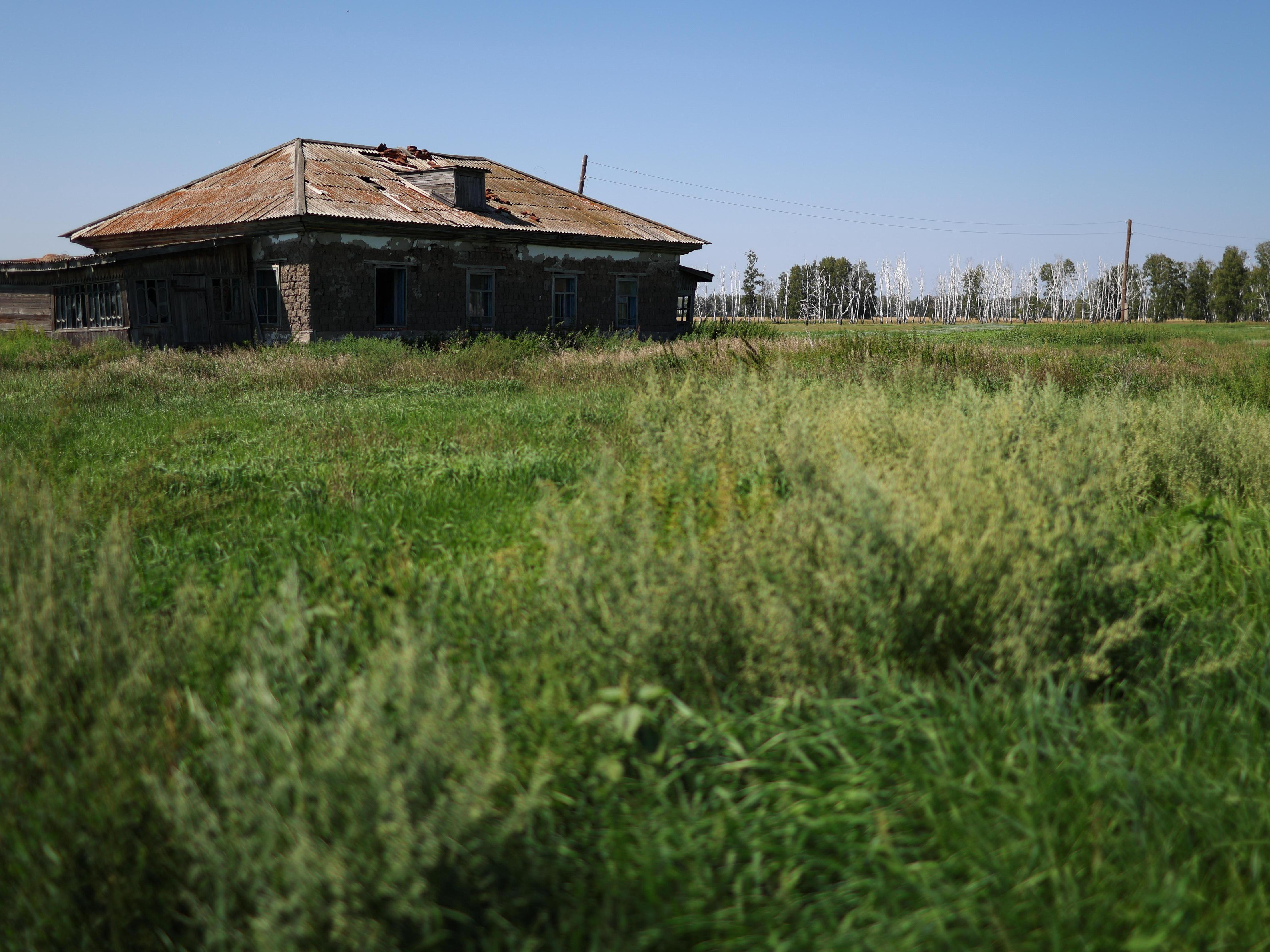

An old house stands alone in the middle of a field.
Source:
In the Isilkul district there is an aul (Kazakh village) that is almost absent from maps. Once 88 Kazakhs lived here, a farm was bustling and a school was open. Today there are three houses, only one of them inhabited, and just one person who comes here at weekends. Half a century ago cows lowed loudly here and children«s laughter rang out.
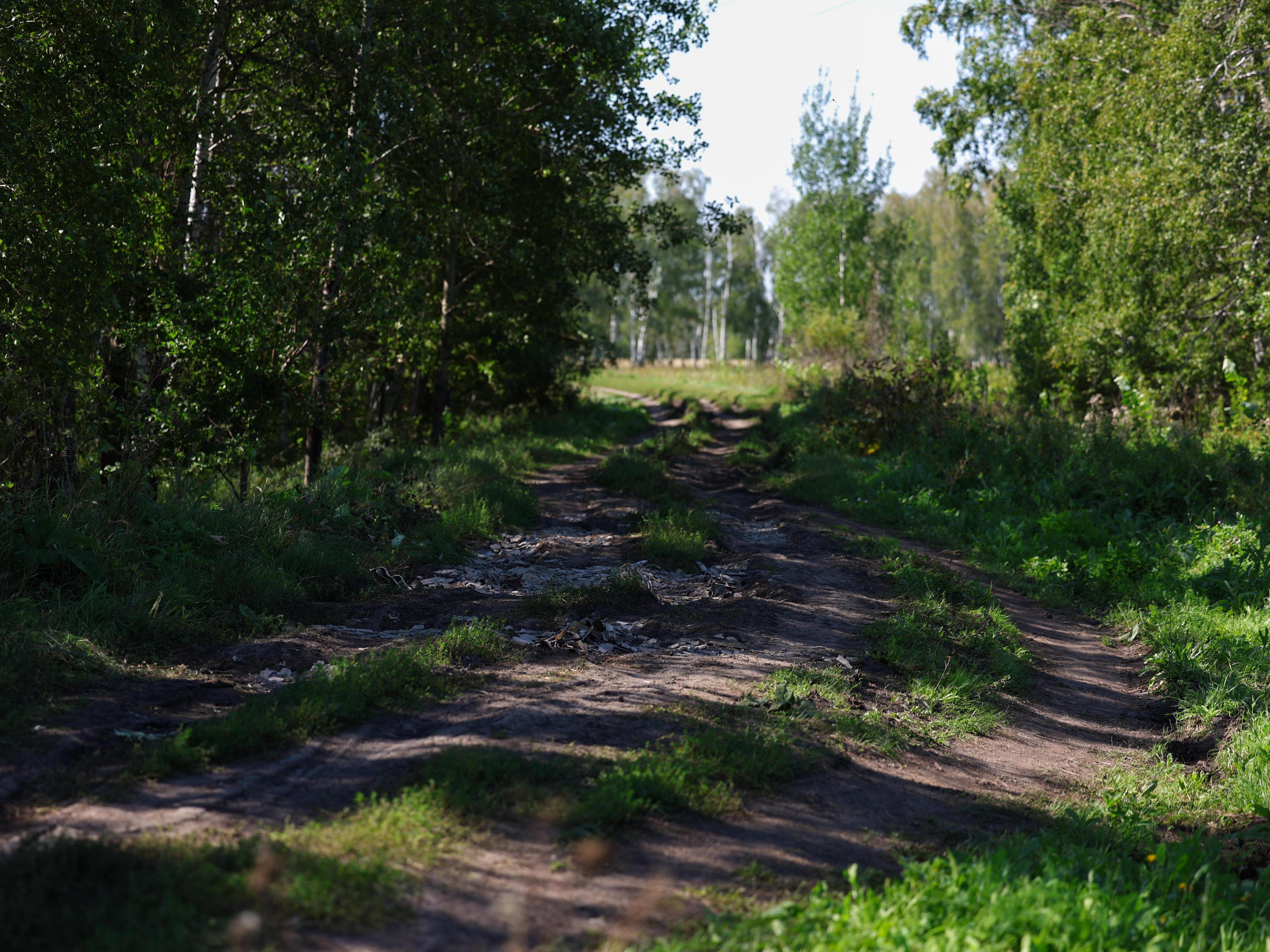
The road shows that cars have got stuck here more than once.
Source:
NGS55.RU correspondents drove 150 kilometres from Omsk to meet the last witnesses of that life and to find out whether a village that is disappearing before our eyes can be revived.
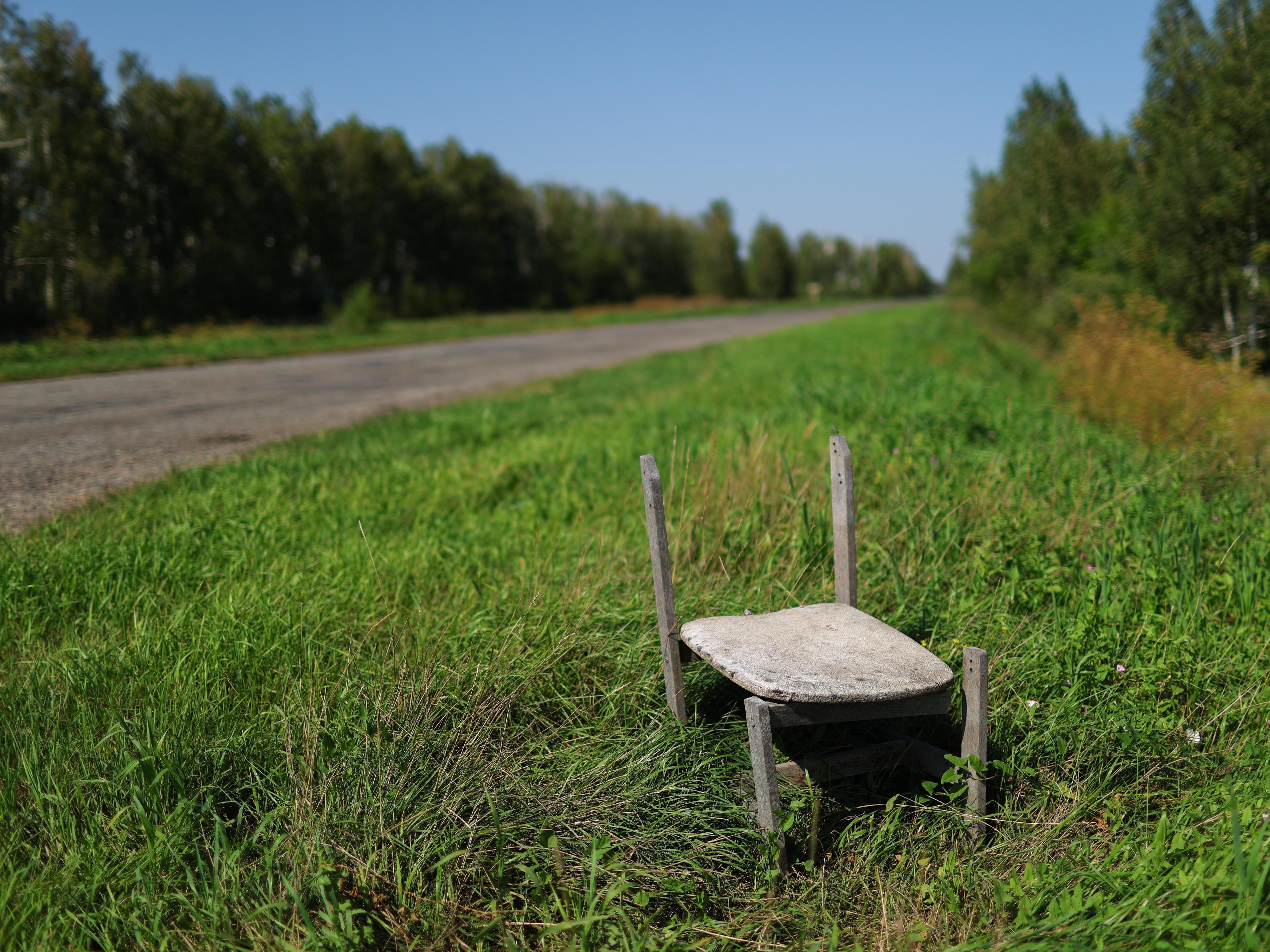
The chair has stood in this spot for more than 10 years, waiting for a passer-by.
Source:
The road to the aul
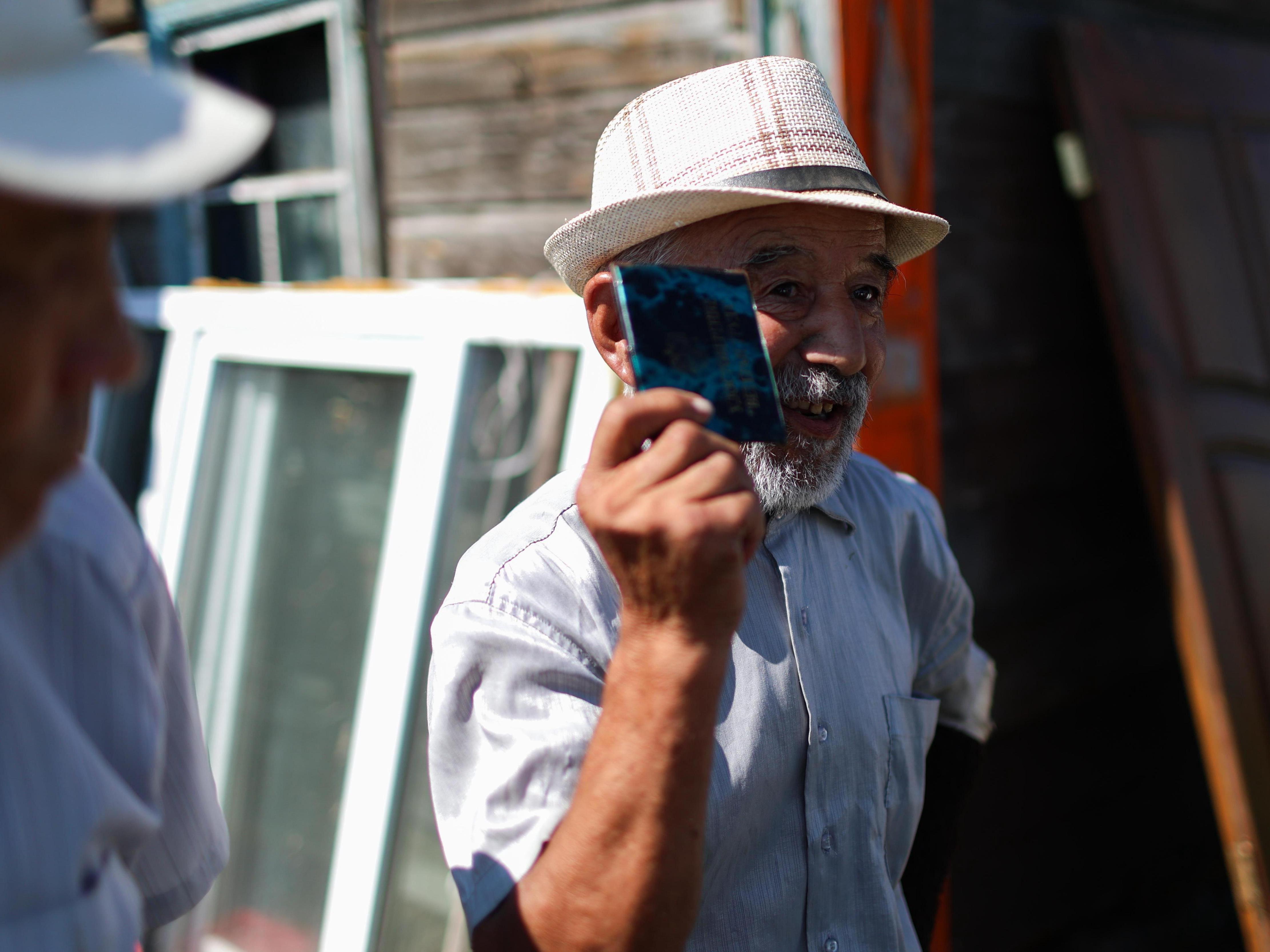
A local proudly shows off his Veteran of Labour award.
Source:
Getting in touch with the hermit before the trip seemed an impossible task: there is almost no phone signal in the aul, let alone internet. And the only road across the field had been washed out by rain. In the archives of the Isilkul district there is nothing about the aul of Omar — no census, not a single photograph. On the internet — silence.
Residents gather at the site of the former village.
Source:
But when we finally agreed on a visit, the owner of the only inhabited house went further. He gathered everyone who had ever lived in the aul: relatives, their children and grandchildren. In the end more than 15 people met us.
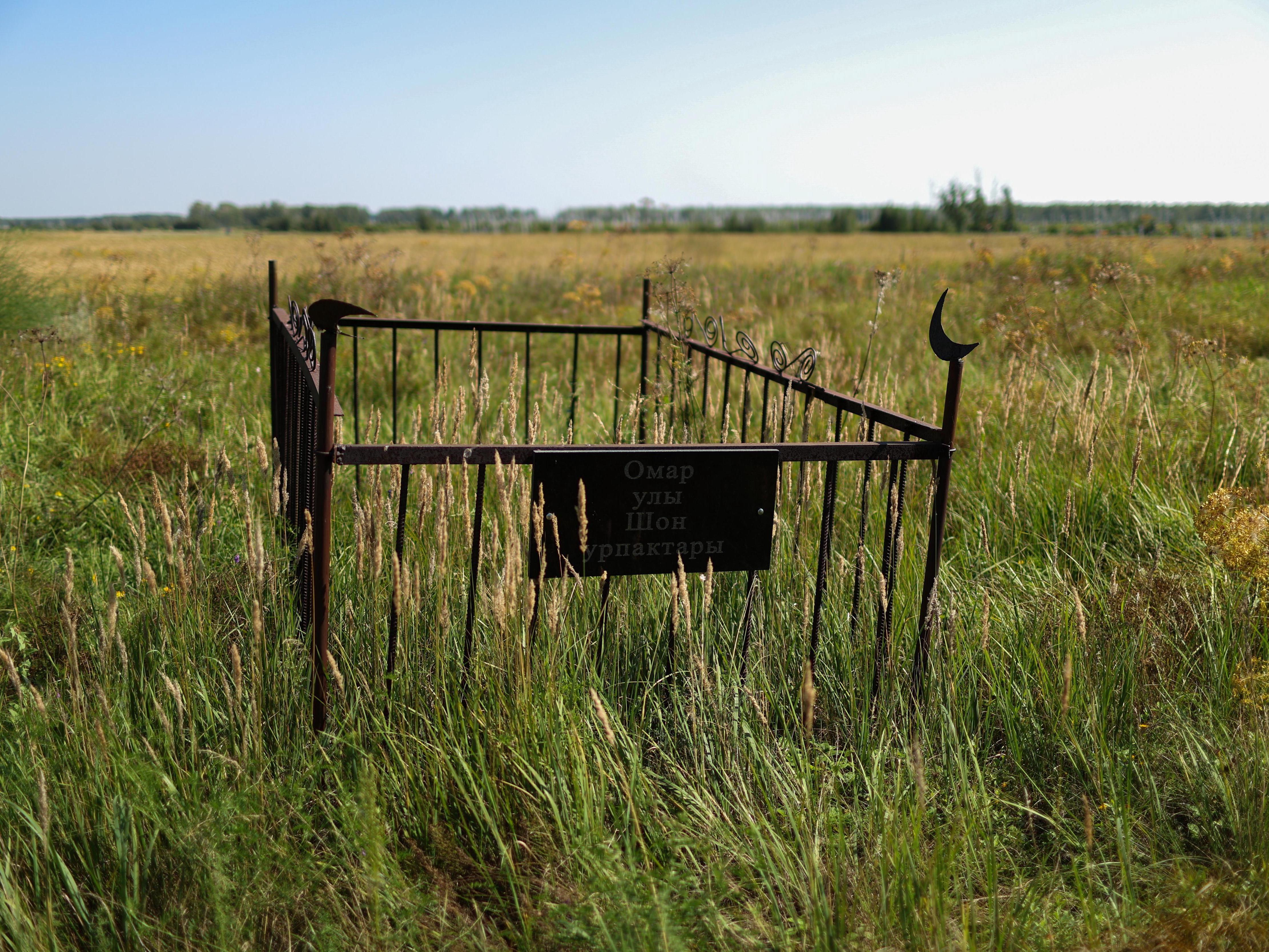
The grave of the first man in the aul.
Source:
On the day of our trip the temperature stood at 30 degrees Celsius (86 degrees Fahrenheit). The road had dried out, but puddles still lingered in the shade. From Isilkul to Omar we travelled by car, ourselves.
A bus runs to the aul a couple of times a day, but only on the asphalt road. From the highway to Omar it is several more kilometres on foot.
At the turn-off to the aul, on the roadside, we noticed an old broken chair overgrown with grass. Later we were told: this was the «bus stop». About ten years ago an old man lived here who, after the long road, would sit on this chair to wait for the bus.
As we drove, the car repeatedly risked getting stuck in the mud. But when we finally reached the only inhabited house, we saw not loneliness but a celebration. In the yard were several families. Grandmothers and grandfathers who had spent their childhood here wandered sadly across the wasteland. For the first time in many years the aul of Omar resounded with voices again.
How Omar came to be
A vast field overgrown with weeds, not a single tree. Three houses, one with a collapsed roof. Silence, only the wind. In 1970 there were twenty houses here; now only one is inhabited.
We are greeted with smiles. The pensioners had been waiting — you can see it in their eyes.
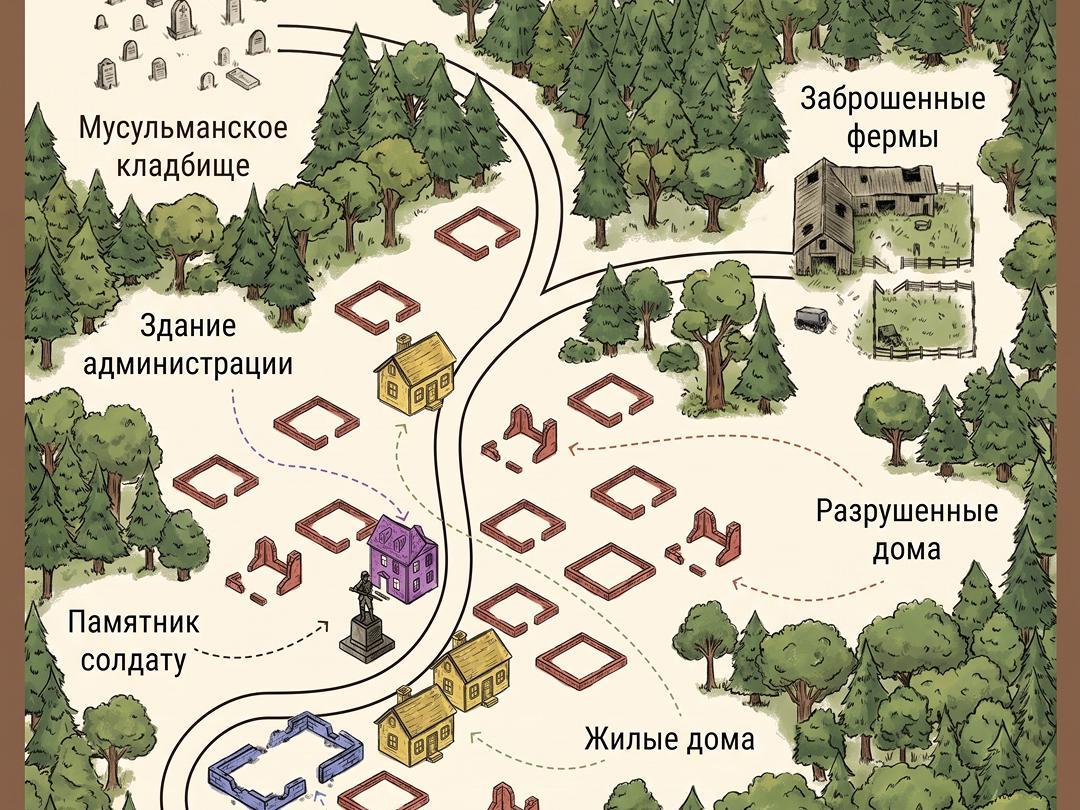
The village of Omar is a single street. The aul was founded in 1924 by Kazakhs. It lies almost at the border — 20–30 kilometres from it. The first to arrive were two small families; the head of one of them was named Omar. Four years later 15 houses had been built, and 88 people were crammed along one long street. As the elder Orazbay Baisarenov recalls, two clans lived on the territory. Families had many children — at least eight each — and the aul quickly became a close-knit, noisy settlement.
But in 2008 the village emptied. Only one man, Besen, remained and «guarded» the aul until 2016. Ten years ago he too gave up and moved to Omsk. Now three crooked houses stand on the wasteland, but one of them is still visited by a human being. Yarzhan comes to the place forgotten by all — he visits at weekends in summer.
«The village began to fall apart»
The elder Orazbay was born here and lived here all his life, but 15 years ago he moved to the city — he could no longer cope without water and roads. Beside him is his 74-year-old wife Makhpuza. They have been together for 55 years. She once came here as a milkmaid from a neighbouring village and stayed forever. Now, for the first time in many years, they have returned to the site of their home — only a mound of earth and a couple of bricks remain.
Orazbay cannot stand for long. He sat down on a bench and began to recall how things were 30 years ago:
«My sister lived here. I lived in this house until the army, then we moved. When I lived here there were more than 20 houses. That was a long time ago, before the 2000s. Then everyone disappeared and began to move away. The village generally began to fall apart. No houses, nothing left. Everyone left by about 2008. There is no work, nothing.»
His relatives pick up the thread, and 73-year-old Gabdulla joins the conversation. He too lived in Omar all his life. Suddenly he comes alive and points into the distance, at a dense forest:
«Over there, in the forest, we had a farm, a big farm. It was later closed. There were so many cows there, oh, a heap of them, pigs, ducks, chickens — the place was full of them. Right here stood the school, they taught up to the third grade, and then the children went to the Leninskoye branch [a neighbouring village]. I drove them, I was a driver. I remember we»d get stuck in the mud, the kids would get out — one, two, and they«d push the bus out. Everyone would pitch in and push. And my house used to stand here; I planted these trees myself when I was little.»
And then Gabdulla, forgetting his aching legs and his age, dashes off and runs across the wasteland. We can barely keep up. He stops in the middle of the grass and begins to move his hands through the emptiness:
«This was my little shed, next to the house the school, right here, I studied in it, then the army, then I came back here.»
His voice trembles. A 73-year-old man, like a child, walks around an imaginary house — where the walls stood, where his children ran, where he himself was small.
What remains of the school, the farm and the celebrations
The school Gabdulla spoke of was tiny — one room, one primary school teacher. Twenty children, all of whom spoke only Kazakh. After lessons they ran to help their parents with the household chores, and in the evening — football on a trampled clearing.
«Lessons were in Kazakh. When I went to school in Borovoye after the first grade, I didn»t know a word of Russian. Only two words — hello and goodbye. It was at the Borovoye school that they taught me Russian,« Gabdulla says.
In the evenings the young people would jump on their scooters and ride off to discos in neighbouring villages. Everyone lived amicably — like one big family. They do not recall any quarrels.
Gabdulla worked as a driver not only for the schoolchildren. He drove milkmaids to the farms and delivered needed goods from other settlements. There was no hospital in Omar. Twice a week a nurse, Galina Vasilyevna, came from the settlement of Borovoye — on horseback. She examined newborns, treated injuries and brought medicines. For any illness people turned only to her.
«I personally drove everyone to hospital, but generally the nurse came to us herself on horseback. She died recently, about five years ago. Her name was Galina Vasilyevna,» Gabdulla recalls and falls silent.
The village depended on livestock farming. The men raised animals and ploughed the fields. The women worked on the farm as milkmaids, worked in the vegetable gardens and looked after the children. The pensioners say they wanted for nothing in the past. Meat, vegetables, water, bread — all their own.
Later a small shop on wheels appeared. The most essential goods were brought from the city.
«There was a small shop, not in a house, just a stall. They sold washing powder, soap, sweets, candy — everything you needed. And for groceries, if anything was needed, we went to Isilkul. Otherwise there was enough of everything — our own meat, sour cream, butter, all our own. And nothing else was needed. Our own eggs, sweets. The shop brought soap and washing powder. That was a long time ago, around 1980.»
One long street held everything. A office (kontora) was built — representatives from neighbouring villages gathered there. On a clearing the men built swings for the children. On holidays a mobile booth arrived — films and cartoons were shown.
Now only a monument to the soldiers of the Great Patriotic War (the Second World War) remains from those times. Local residents spent several years asking that at least a stone with the names be preserved. On the day it was unveiled, former residents and people from neighbouring villages gathered. The war took many; the village then emptied, and, as the old people admit, never recovered.
An abandoned house where time stood still
In the distance, beyond the weeds, another house can be seen — half-ruined, with a collapsed roof. The Bukeyev family once lived here. The grandfather died, and his 90-year-old widow moved to Isilkul. Now she can barely see, hears poorly and speaks only Kazakh.
We make our way to the house through tall, stiff grass and nettles — our legs are bleeding. The door is locked from the inside. We have to climb in through a broken window.
Inside there is damp and thick dust. It smells musty. After the owners left, pigeons moved in. Old children«s toys, sheepskin coats and books lie scattered about. On the table — a pair of women»s glasses covered in a layer of dust.
There are many rooms — the house was built for two families. The men who came with us immediately begin the tour.
«This was the bedroom, this was the hall. There»s even a sheepskin coat lying here, you could wrap up in it in winter,« one of them laughs. »Here they baked bread in the stove. This was the cooker, they made food here. This is the second hall. You see what a big house it is. All that«s left is to paint the house, put in windows, do the heating. And this is our national rug.»
We stand amid this desolation and try to piece back together what the aul looked like before. We take out a map and mark in pencil where the farm might have been, where the school, where the houses. According to the old-timers« stories, one street held everything — we transfer this onto paper. The village»s memory comes alive before our eyes, although physically only three houses, nettles and forgotten things remain of it.
How the pensioners ask the authorities to bring their village back
We climb out of the house, brush off the dust and return to the pensioners. They are still standing in the same place, but the conversation becomes sadder.
They recall the past with a smile, but every sentence carries regret. They regret that they once left the village and moved to the city. But they had reasons: the school closed, their children had nowhere to study, and parents wanted a better life for them.
«We need the road built up. A drinking well dug,» says Yarzhan, the only one who still comes here at weekends. «We have appealed several times to the head of the Boyevoye rural settlement — zero attention. No reaction at all. Once I got an answer — something about water. He says 200 people must live here. What water supply? I tell him, at least a well — and nothing else is needed. Allocate money for a well, and build up the road. Maybe then people will follow, someone will move here to live.»
Although life in the aul was calm and simple — nothing like the city bustle — there were plenty of difficulties. Only two wells were dug for the village: one with salt water, the other with fresh. At times there was not enough water.
But despite this, the pensioners say with one voice: they are willing to come back. To rebuild their houses and restore the farm. They cannot do it themselves. They ask the authorities for little: to fill in the road so it can be driven on in the rain, and to dig a new well.
Electricity was brought to the village back in the 1970s and is available. Gas is not needed — they are ready to heat with a stove.
But while the officials stay silent, the former residents have one reason left to return to Omar — the cemetery. It is two kilometres from the village. We get into the cars and drive there all together.
A memory that does not overgrow
In the middle of the field is a small wood. Among the trees are karbas — as graves are called in Islam. We are not allowed onto the grounds: one may enter only with the permission of the eldest in the family.
The family lines up at the entrance. Adults and children drop to their knees and fold their hands. Grandfather Orazbay begins to read the Quran. Everyone repeats the elder«s movements and listens to the words.
When the reading ends, we begin to look around the karbas. The grass here is half a person«s height, thorns scratch our legs, and the mosquitoes give no peace. We make our way to the oldest graves. Rusty fences, plaques with dates from the 1950s.
At the very end of the cemetery, far from the other burials, we find the one we were looking for. The name on the slab has almost worn away — but we know whose grave it is. Here lies Omar. The very man after whom the village was named.
We stand at Omar«s grave and are silent.
Of the village where life once bustled, only ruins and overgrown fields remain. At weekends Yarzhan comes here — the only one who still keeps this place from disappearing for good. And the former residents long ago found a new home in Isilkul, but in summer they still drive their sheep here: in the city there is no room for a herd of a hundred head. In winter you cannot drive into the aul — there is no one to clear the road.
So Omar lives on — through memory, rare visits and the hope that one day someone will hear the request for a road and water.
Read more