Ryazan woman survives 25 ICU stays, now aids families
After doctors told Yelena Samsonkina she would die, she bore two children, survived 25 intensive care stays and now runs a charity helping low-income families in Ryazan.
Oct 9, 2026 0
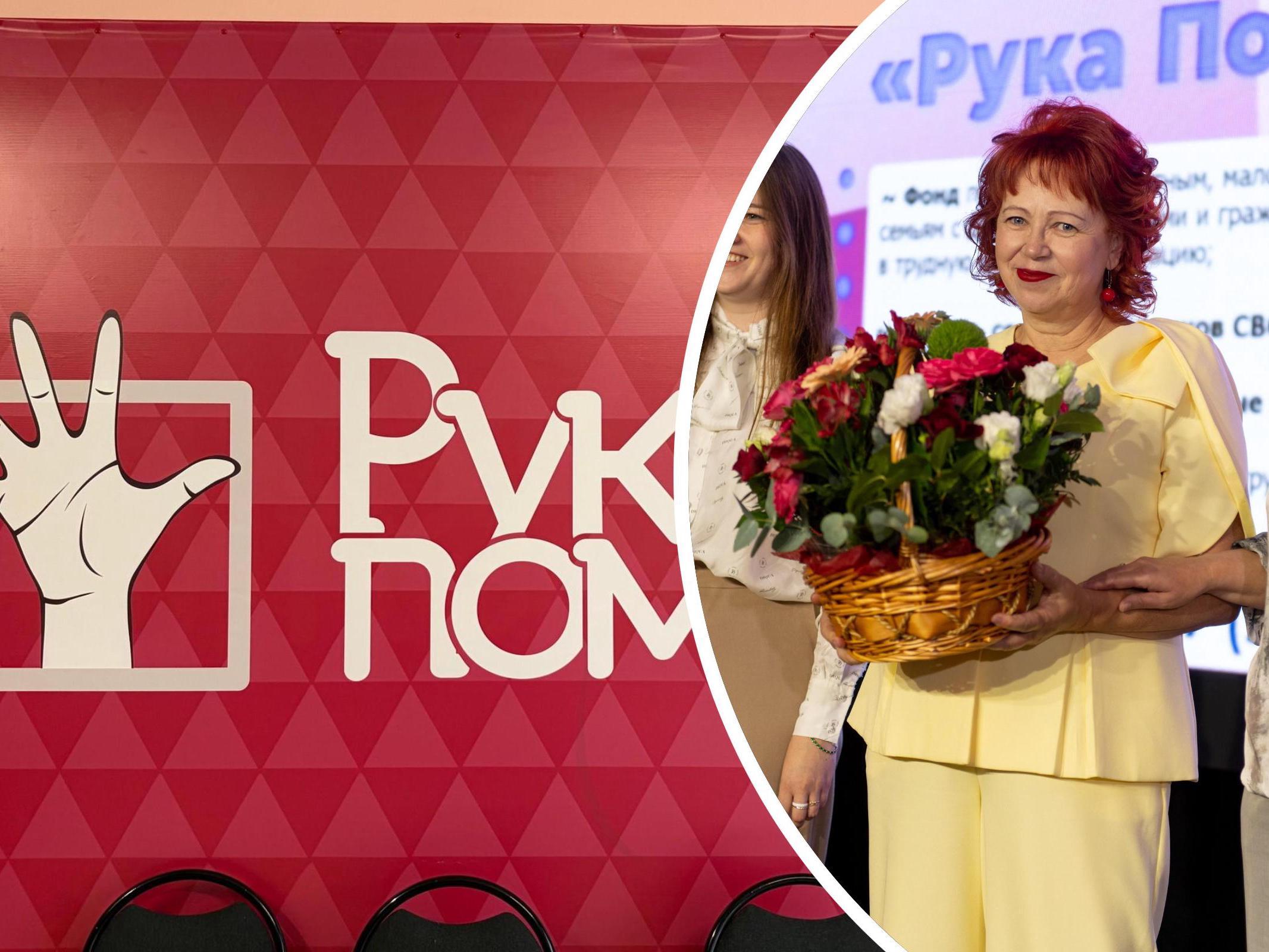

Despite her disability, Yelena Samsonkina began living life to the fullest at 43 and helps those in need around the clock
Source:
When Yelena first became pregnant, doctors told her unanimously: “You will die.” Instead, she gave birth to two healthy children and stayed alive. After her second childbirth, she did indeed go straight to the intensive care unit because of a doctor«s mistake, but she came out safely, as she had done every time before.
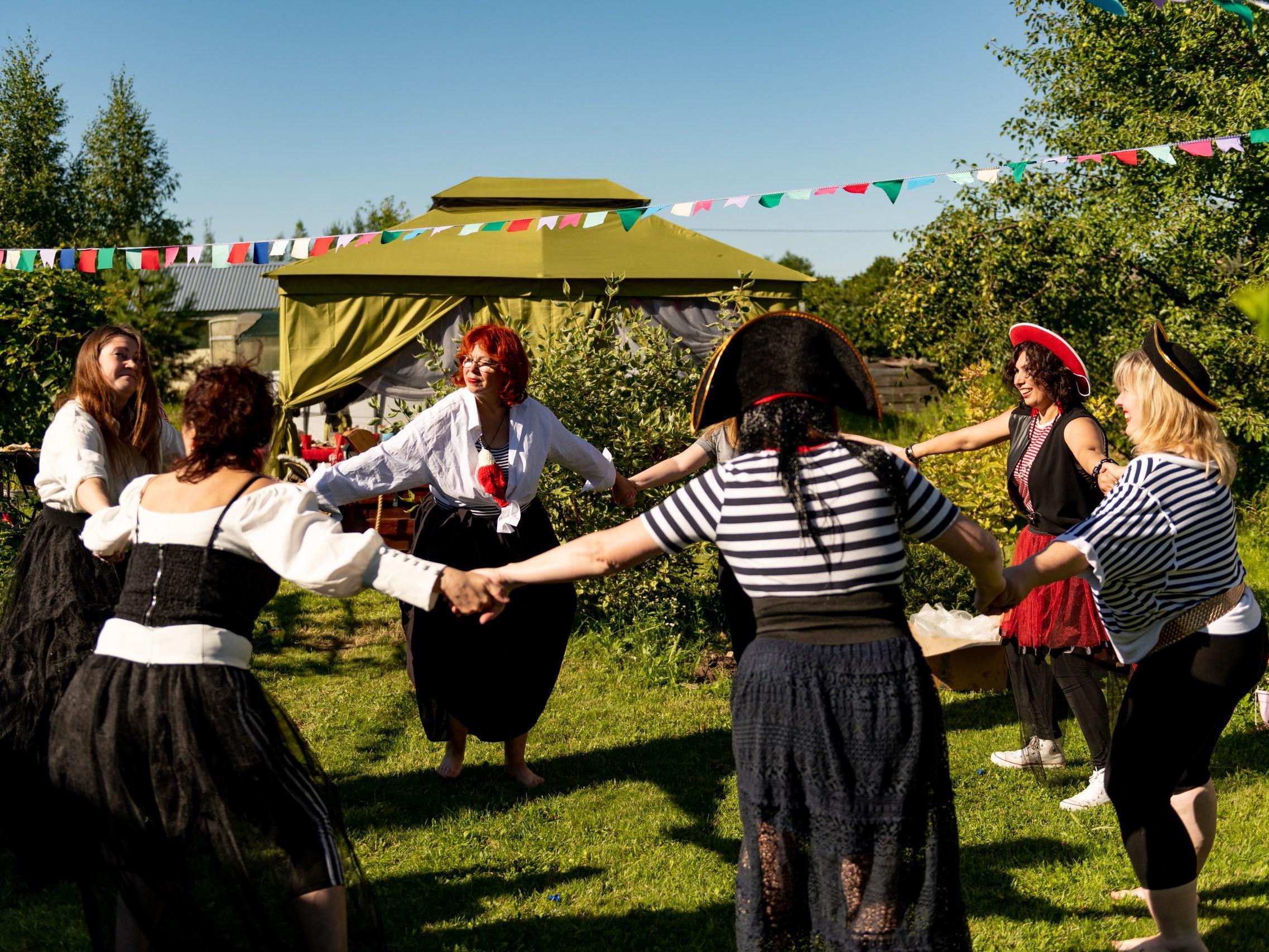
Yelena always wanted to hold themed holidays and bring people together
Source:
Yelena Samsonkina was born with a heart condition that, at the time, she was the only person in all of Central Russia to have. She has been in intensive care 25 times and spent most of her life in hospital wards.

The red-haired woman in the middle is Yelena, who spent most of her time in a hospital bed before surgery at 43
Source:
She is now 58 years old and heads the charity organization for low-income and large families, “Ruka Pomoshchi” (“Helping Hand”). For most of her life, she was filled with desires and dreams but unable to fulfill them. The joys of life available to an ordinary person were her first wish after recovery. It truly happened when Yelena was 43, though it was neither complete nor on the first try.
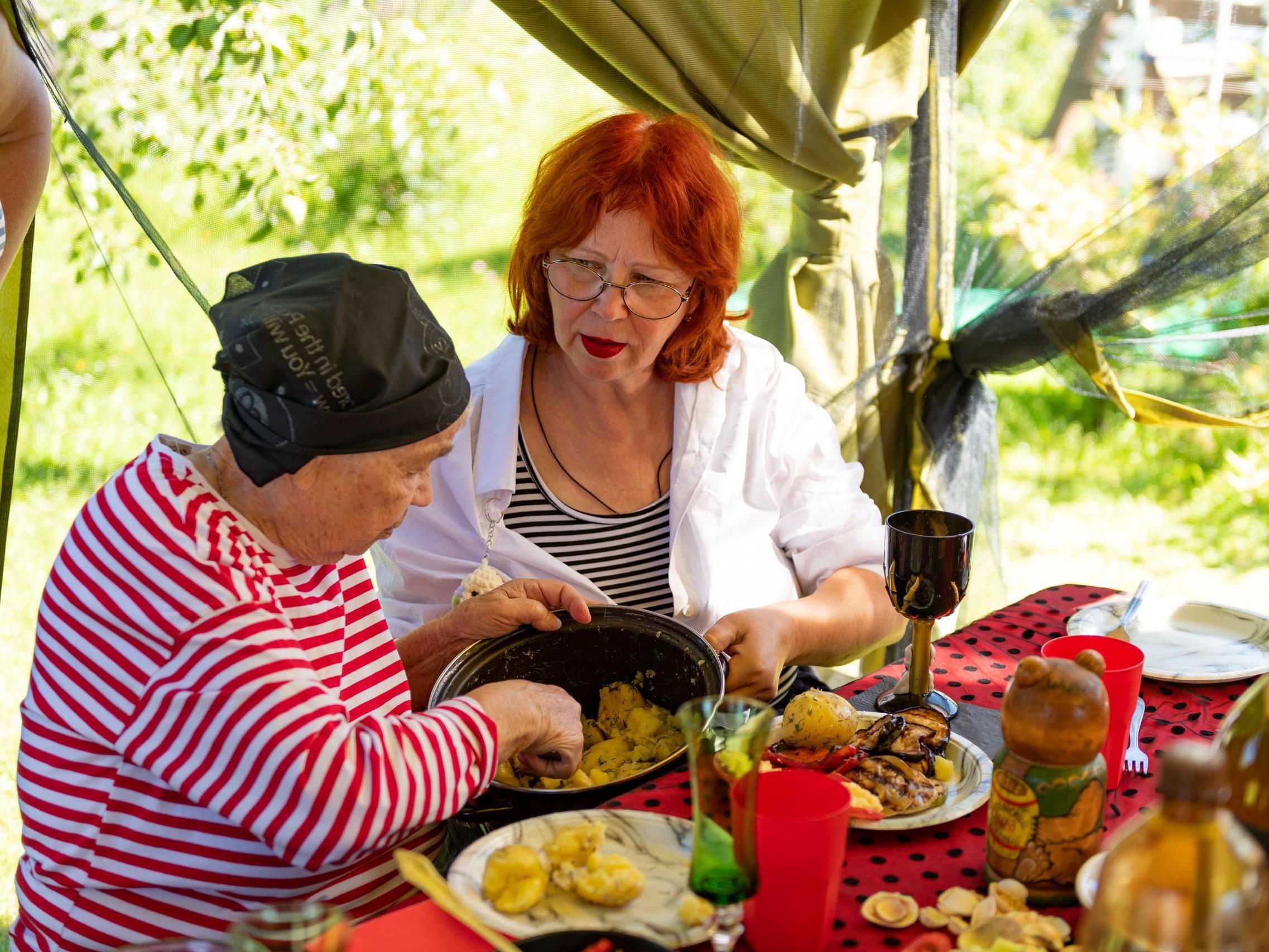
Yelena realized she wanted to serve society
Source:
Six hours under electric shocks
By then, new technologies had emerged that were refined on the Ryazan woman. Before that, her attending physician had performed such an operation only once. But for many years, a turbulent life had been boiling inside Yelena, unable to find an outlet because of the need for a passive lifestyle — simply to avoid accidentally dying on an ordinary Tuesday. So she agreed to the operation without thinking. Before that, they decided to double-check the diagnosis, and during that procedure Yelena was able to imagine what awaited her during the operation:
— The doctor locked the office with a key, apparently so I wouldn«t run away. They inserted a long device with an electric diode at the end through my nose into the area of my heart and began jolting my heart with current. It feels as if you are being torn into tiny pieces. But later this procedure was done to me so many times that it became routine and no longer so painful. I even rejoiced when it was scheduled, — Yelena recounts briskly, with a twinkle in her eyes.
The diagnostic procedure lasted about 15 minutes, but the actual operation took 6 hours. Throughout that time, the woman was conscious, without anesthesia, as the extra channels in her heart were cauterized with a diode and patches were applied. Her heart has far more channels than a healthy organ should. Those were what prevented her from living all that time, sending her pulse racing to 200 beats per minute.
— When the operation ended, the doctor came up to me while I was still lying on the operating table. He asked: “Do you have any wish right now?” I answered without thinking: “Cognac!” They didn«t have any alcohol, so I agreed to bananas. They replace everything for me, — Yelena generally has a joking manner of speech, but when she talks about the painful moments of her life, she laughs a little louder.
After the operation, she was transferred to the intensive care ward. Usually patients in intensive care observe complete rest, relax and sleep. When a few hours later Yelena«s relative came to visit her, he first asked the nurse: “How is she?” She only said that he would see for himself now, and opened the curtain that separated Yelena»s bed from the others.
— I was lying on the bed, eating those bananas, of which I already had a pile in the ward, and the doctors brought me even more. I was eating and calling all my acquaintances. To say I was alive. When I was transferred to a regular ward, the first thing I declared was that I desperately wanted to go skiing.
For too many years, simple human joys like active recreation had been unavailable to such a cheerful, energetic and desirous person as Yelena. And she did indeed go skiing right after discharge, absolutely happy about what ordinary people can do any day. However, she never got on skis again: restrictions on activity, though reduced, did not disappear completely.
How to give a piece of your soul to a good cause?
— At some point I felt that a part of my soul had been returned to me. And I realized that it was time for me to give a piece of mine to someone, — Yelena explains her desire to help people in need.
She came to the charity organization “Ruka Pomoshchi” as a volunteer, but soon became its chairwoman. Now Yelena spends days sorting through bags and sacks filled with clothes that people bring to the organization as donations. She sorts them, arranges them in neat little stacks, labels containers. From Thursday to Saturday, she hands them out to those in need who come to get a new item for themselves. They can take not only clothes; the fund has absolutely everything: from breast pumps to children«s sleds.
— Usually people who have themselves endured great hardship stay with us as volunteers. That is, they come as guests to take something, and when their situation improves even a little, they come to help others. Completely happy people usually just donate clothes, either to get a plus in their karma or to declutter their apartment, — the director says.
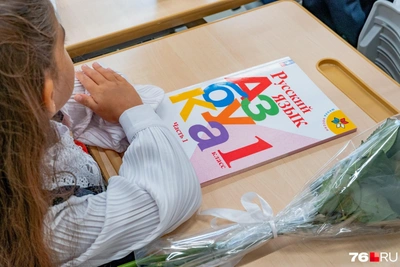
The volume of clothing offered is impressive. There are even brand-new sets, complete with the entire size range. Such items are usually sent to “Ruka Pomoshchi” as a gift by a Moscow charity fund. But what is more impressive are the sacks of unsorted clothing. They are everywhere: in the restroom, in the children«s playroom, in the assembly hall. All these women and girls will sort through them until nightfall, just so that some girl has new shoes for 1 September, instead of old worn-out ballet flats. Men also actively help the organization, but with their physical strength: they load and unload those very sacks, transport items to the region, and repair furniture in the “Ruka Pomoshchi” premises. Yelena says that without this they definitely would not manage. But for some unknown reason, there is a feeling in the air that she is being a bit coy.
— Are you afraid of anything? — I ask Yelena, realizing that a person like her probably has no fears left.
— Caterpillars! — As always, Yelena laughs merrily, but adds: — I«m probably not normal. My husband calls me an alien.
Now all the volunteers at “Ruka Pomoshchi” have become a family. They spend too much time working side by side for this not to happen. Usually they spend all holidays at Yelena«s dacha: she hosts costume parties and other entertainment events.
— For some reason, people always gather around me, even before the operation it was like that. I«m lying in a ward, unable to get up, and people keep coming to me, chatting. And I love this, I love people. That»s why I«m so happy now that we can gather like this at my dacha, and not in a hospital ward, — the woman gazes dreamily at one point, apparently recalling past holidays. And then she takes out her phone and joyfully shows all, all her photos from their pirate party.
The smell of medicine and bleach, along with the too-white walls, has been replaced by natural expanses, fresh air and greenery. People still continue to gather near Yelena, but now she can already take an active part in the general fun. And continue to give a piece of herself every day in gratitude for this opportunity.
Read more