Moscow Couple Embraces Altai Village Life
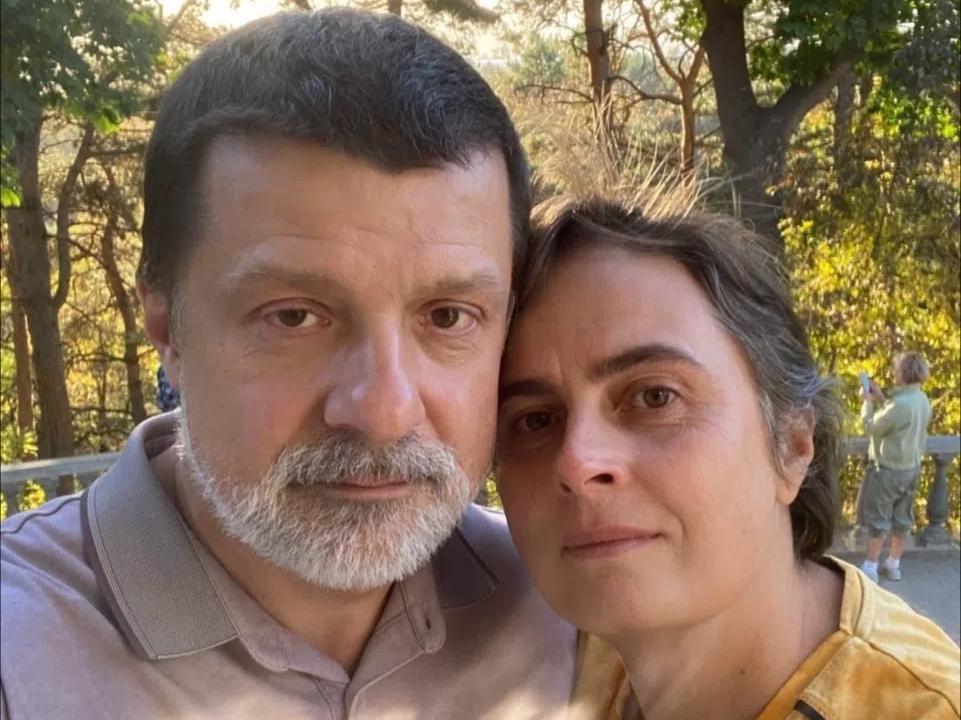

The couple has been living in Altai for two years
Maria and Leonid are Muscovites with higher education, academic titles, and successful careers who dramatically changed their lives two years ago. In 2024, the couple left their apartment in the capital, bought an old house in Altai Krai, and moved to a remote village.
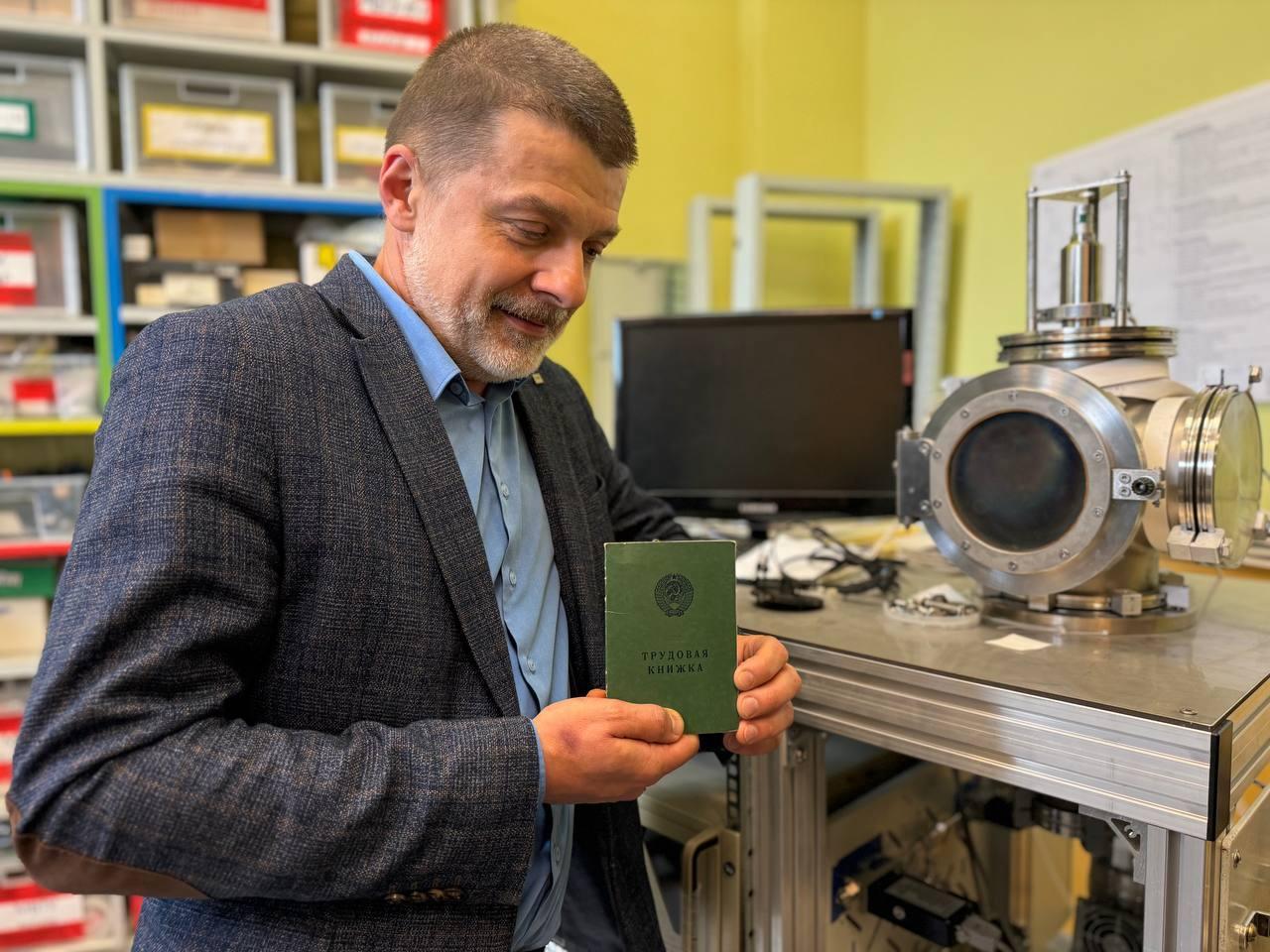
In the capital, the couple left behind prestigious careers
Read about how they live with neighbors who initially took them for members of a sect, and why the Altai village is better than the capital, in an interview with NGS22.RU.
The couple taught at Bauman University at different times
“I don«t want to return to Moscow until I»m sick of it”
Altai Krai came into the couple«s lives by chance
Maria Sas and Leonid Kolesnik are both 52 years old. They have succeeded in all areas. Over 30 years of marriage, they raised three daughters and built solid careers in Moscow. Leonid taught at Bauman Moscow State Technical University and worked at a company developing equipment for electronic technology. Maria changed several professions: from a teacher at Bauman to a psychologist.
The couple bought an old house in a small Altai village
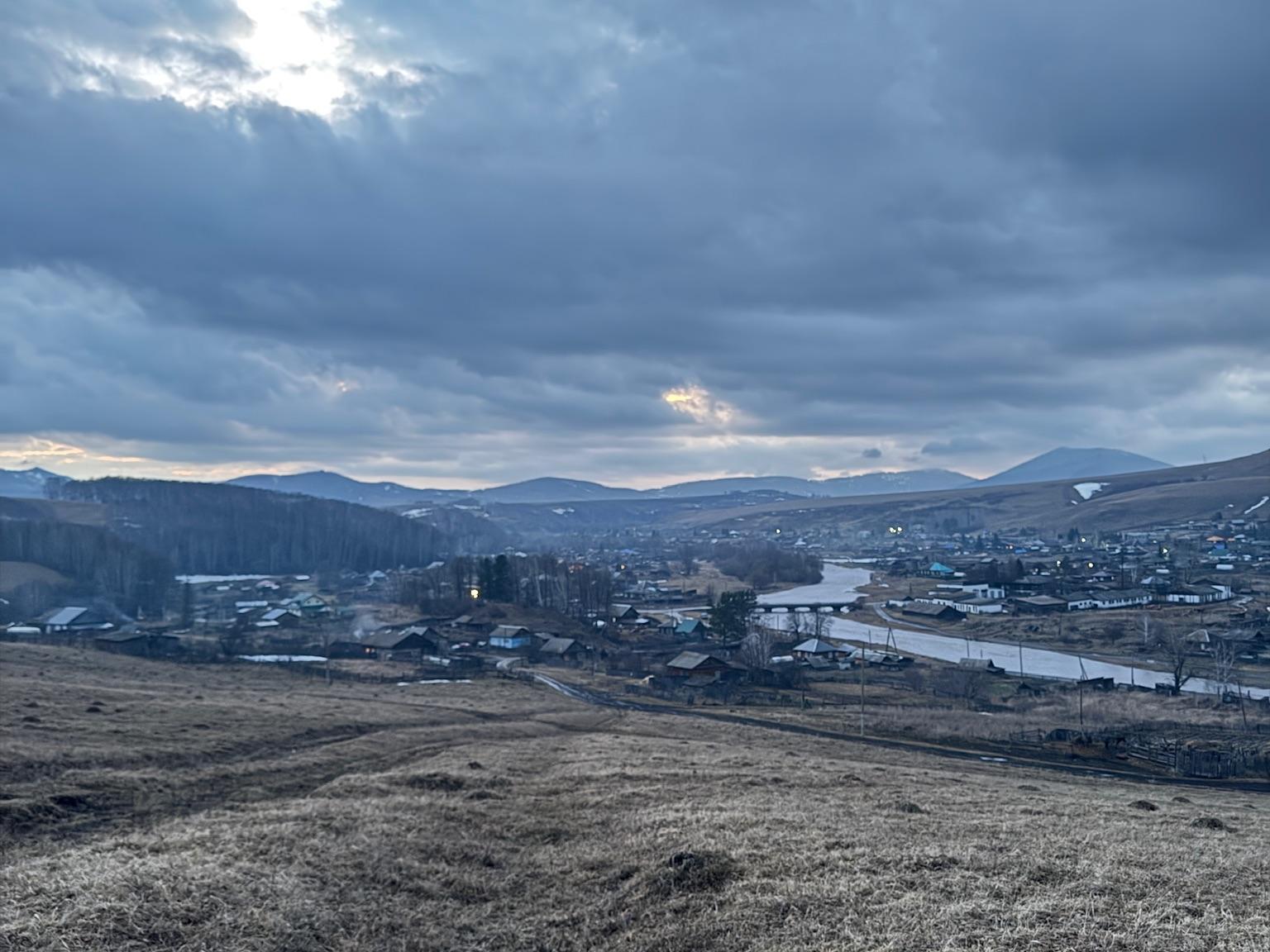
Altai Krai appeared in the couple«s lives by chance — in 2021, a friend invited Maria to visit her in the village of Maly Bashchelak in the Charyshsky District.
Life in the Altai village changed the couple
— That summer I was in Altai for the first time. I liked it. The place amazed me: mountains, black soil, silence — she recalls.
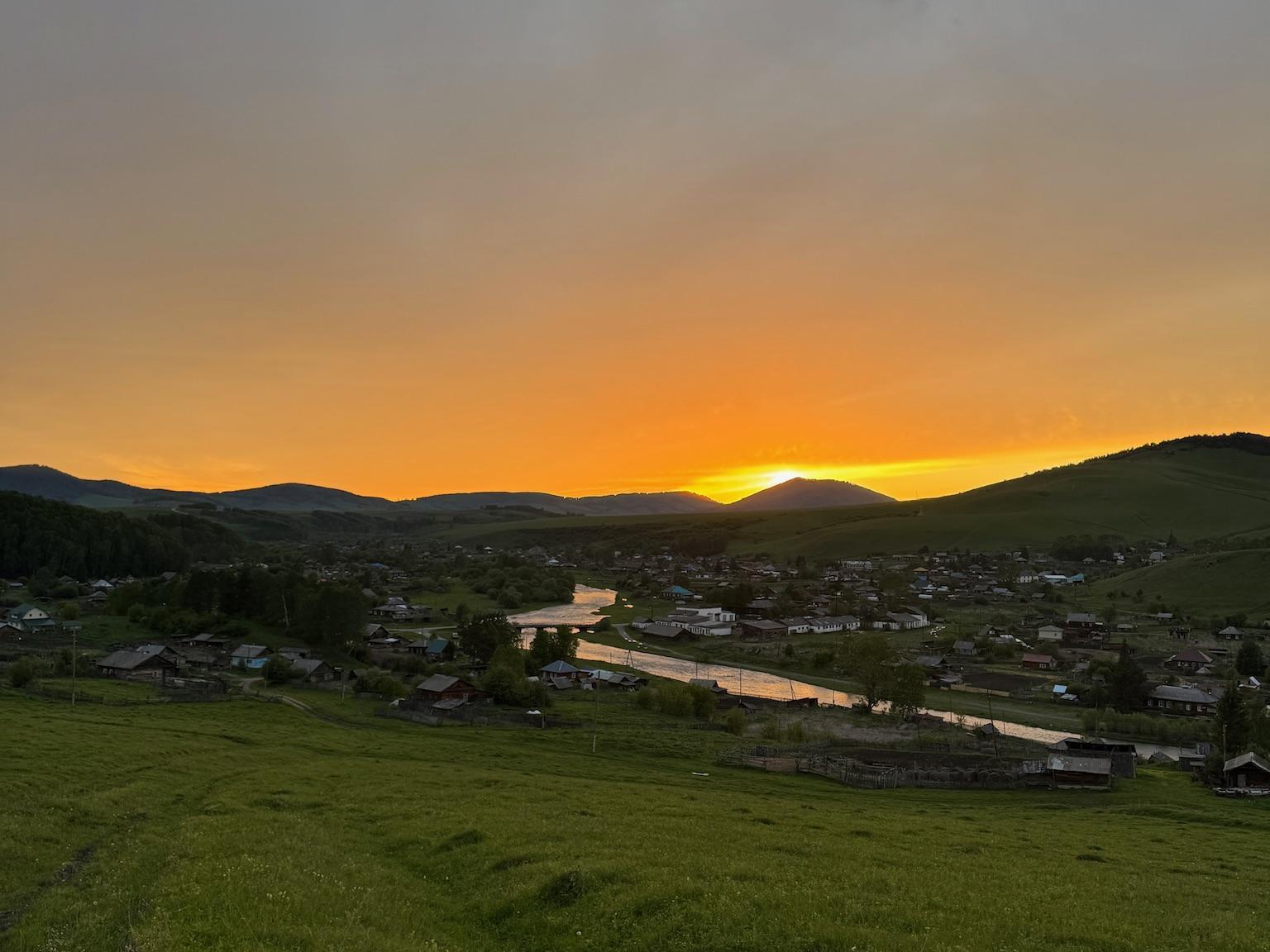
The couple took a liking to the harsh Altai climate
The following year, the heroine returned to Altai Krai again, but this time with a large group. And a year later, Maria spent two summer months in the region.
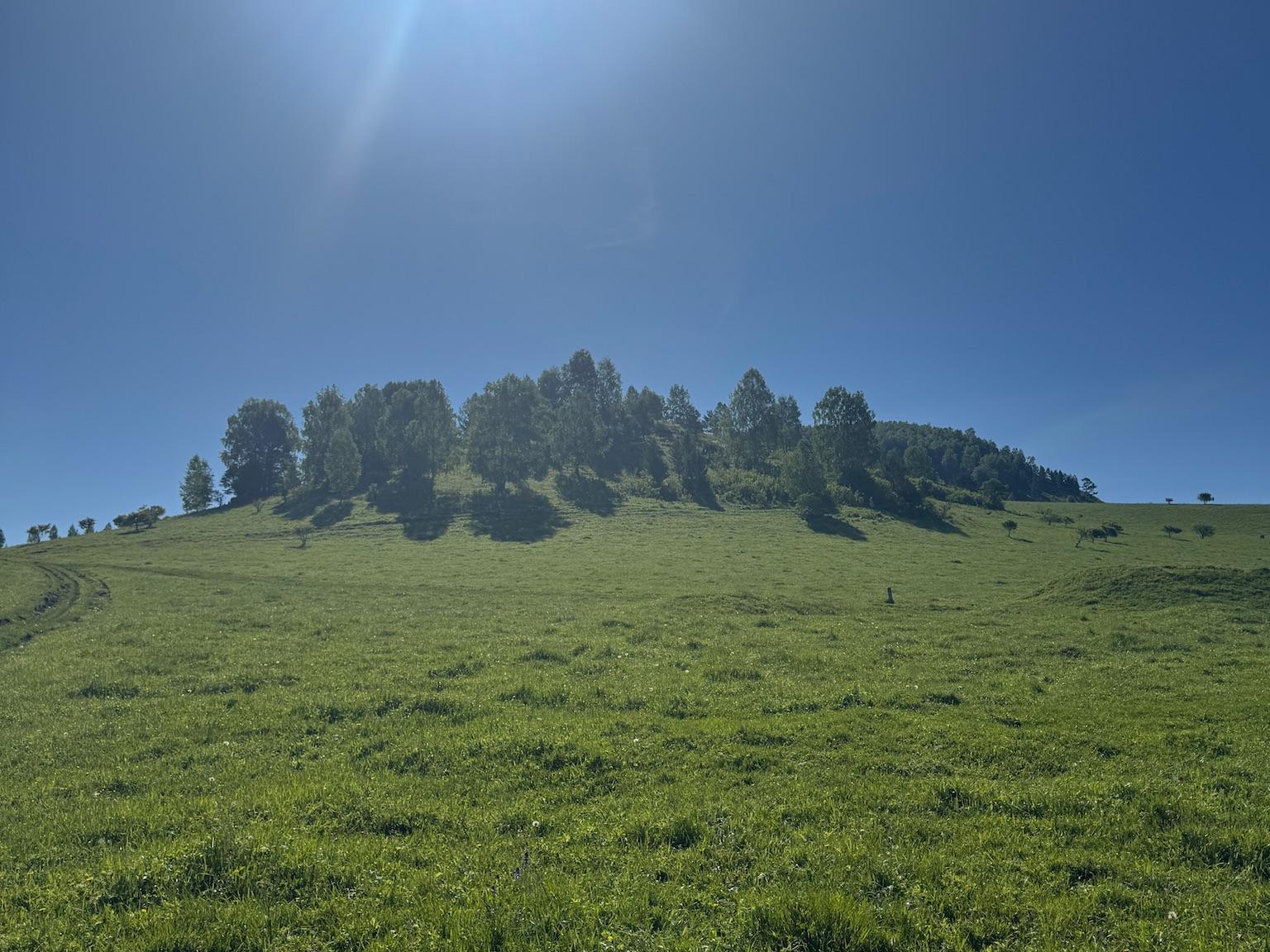
The family plans to develop a tourism business in Altai
— In the summer of 2024, we came here again with my husband. He had vacation at the university, and I work online, so I can set my own schedule. We lived here for two months, after which my husband told me: “I don«t want to return to Moscow until I»m sick of it.” And she replied: “Listen, I don«t want to leave either, let»s buy a house here,” Maria said.
According to Leonid, this decision was not sudden — since he was 15, he dreamed of living in a village and took his wife in search of the ideal place across Tambov, Rostov Oblasts, and the Russian North.
In addition, the couple«s decision was influenced by a desire for change and problems at work.
— The children grew up, we were left alone with each other and almost divorced. We wanted to start life from scratch, reboot, disconnect from everything, see and hear each other, Maria says.
Leonid also noted that by that time he had begun having difficulties at the university.
— The workload increased. The overall situation was such that I simply burned out emotionally. I realized I could no longer work in that mode. I don«t know how to work poorly, and to work well, I had no strength left, Leonid admitted.
The result of all this was that in September 2024 they bought an old house in the Charyshsky District, where they moved permanently at the end of October.
— Neither our children, nor parents, nor friends understood us. They asked who goes from Moscow to some backwater where there isn«t even asphalt. They said we had lost our minds, asked if we had joined a sect, the couple shared.
“At first we were considered eccentrics”
According to Maria, the Charyshsky District attracted them because of the opportunity to set up a large vegetable garden on the plot.
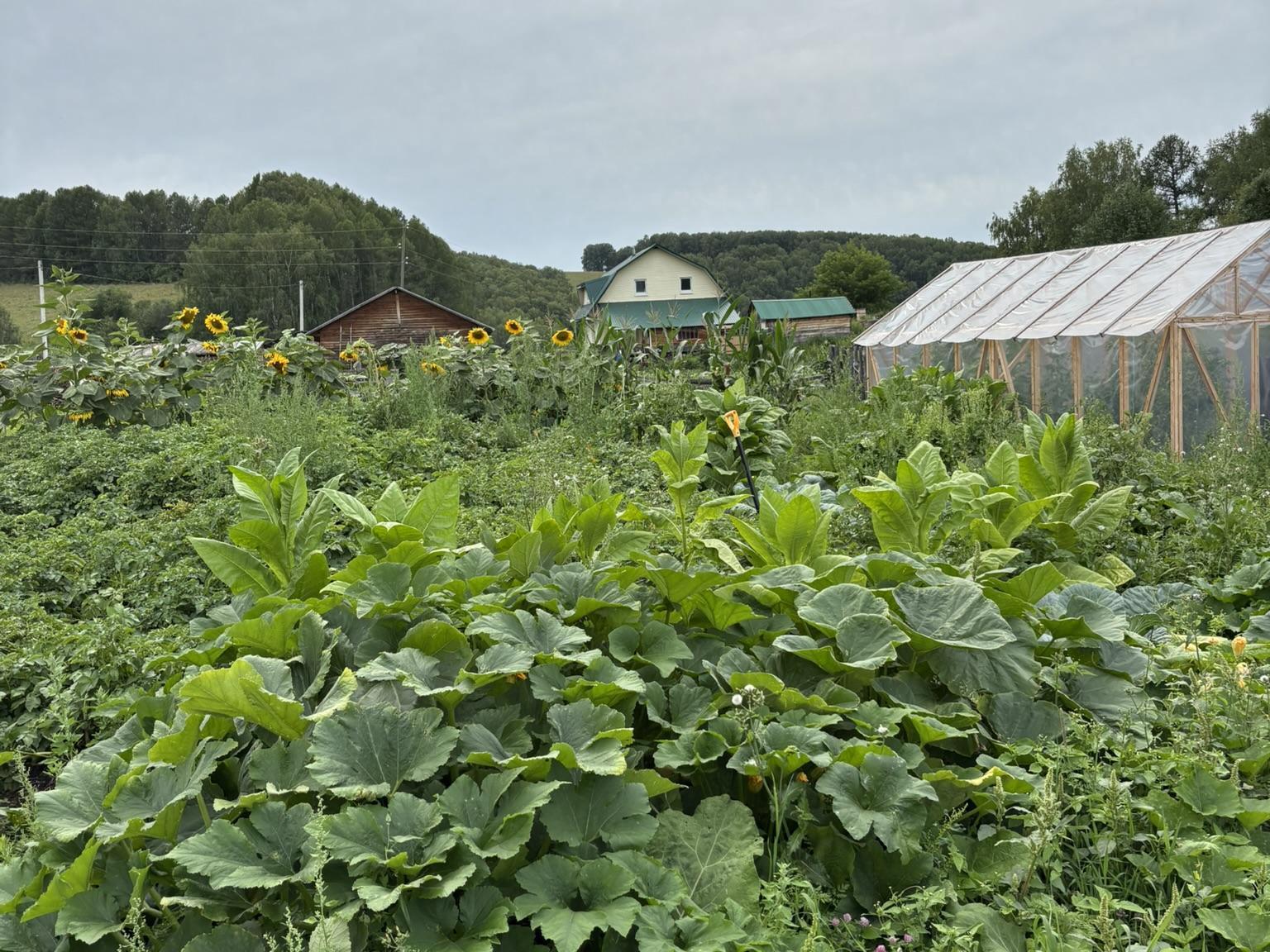
— In May 2023, I visited the Altai Mountains; I really liked it, but I understood that living there was not very appealing. But here, specifically in Maly Bashchelak, the soil is black earth. And I love working the land. I started planting some things at our dacha in the Moscow Region. But here we«ve really expanded: we planted an orchard, a vegetable garden, and put up a greenhouse. This whole story inspires me a lot, the heroine shared.
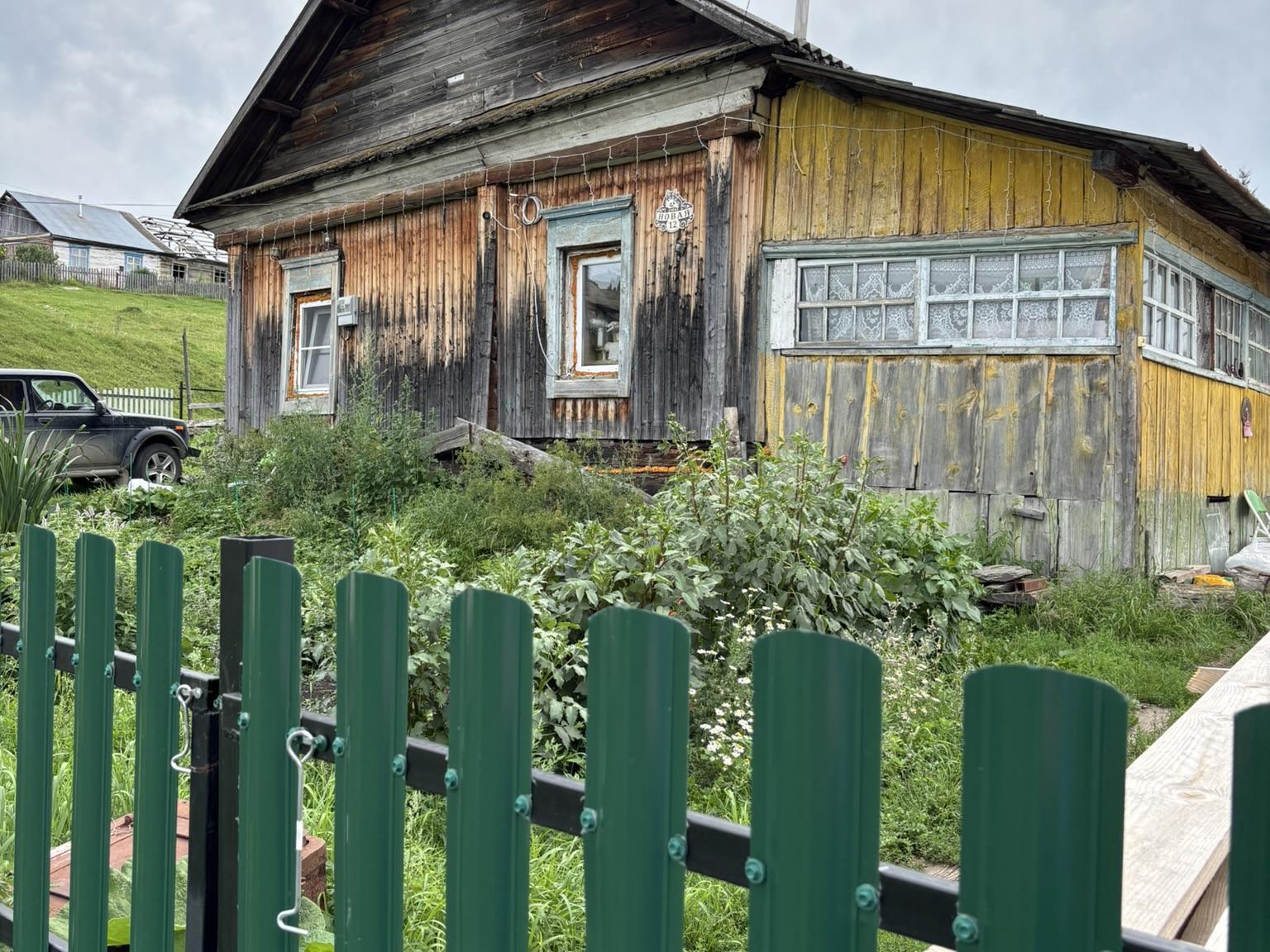
The couple«s new house turned out to be old, without conveniences: stove heating, water only in summer, outdoor toilet. However, the couple was not scared.
— We were lucky that we grew up with our grandmothers in the village and saw how to stoke the stove. But the first time cold came, I was at a loss, not knowing what to do, Maria admitted.
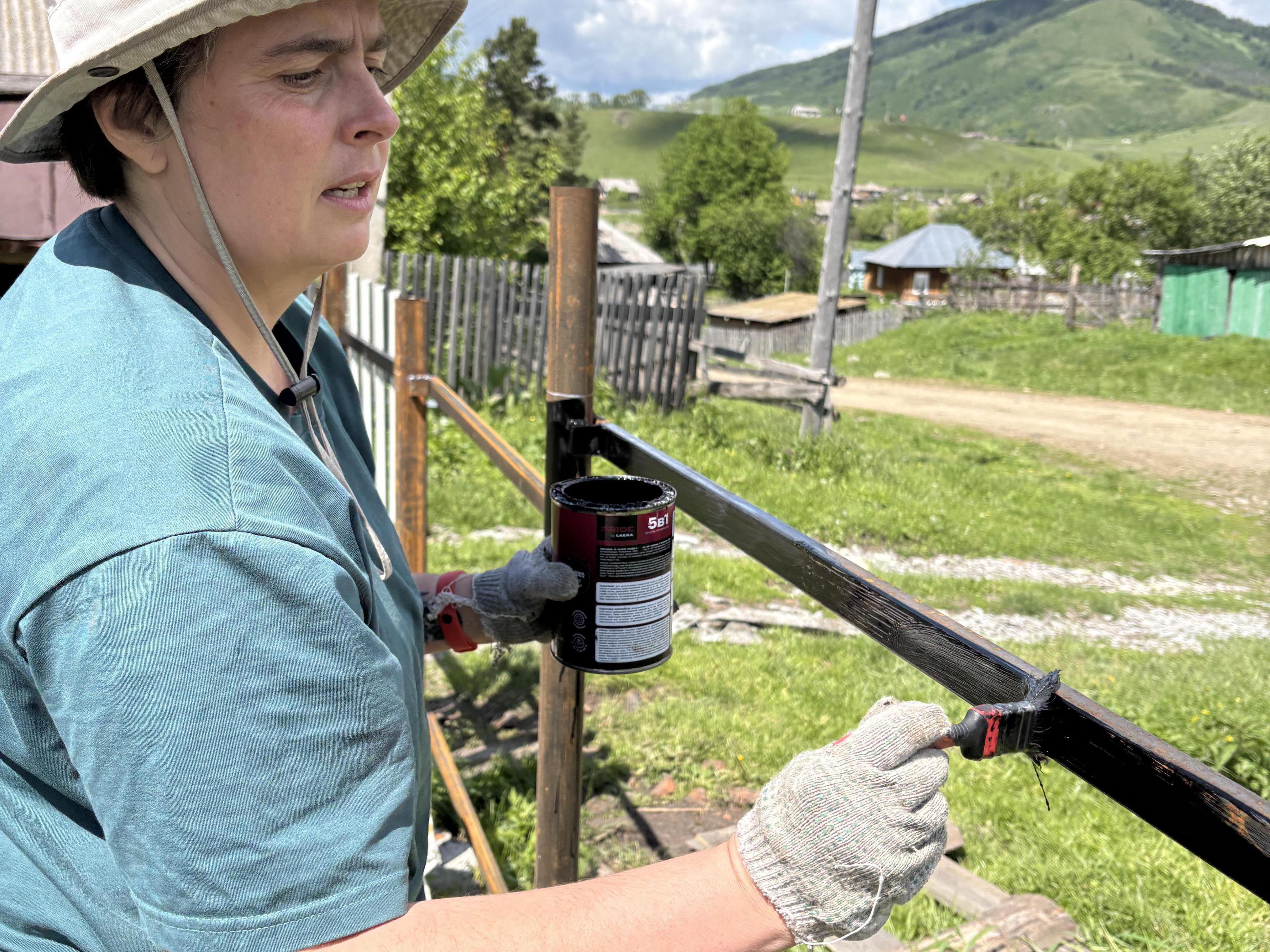
Leonid installed the water supply in a year and a half. Now the house has water both in winter and summer. However, the work does not stop there. The couple plans to fence the plot with a new fence and build several farm structures.
— It«s the custom here that livestock grazes freely, and if you don»t want animals to eat all your plantings, you need to put up a fence, Leonid noted.
At the same time, the hero admits that renovations in Moscow and in the Altai backwoods differ in their aspects.
— The way of life here is completely different. I«m used to being able to buy everything at any time in Moscow: firewood, crushed stone, tools. But here it»s a whole ordeal. We searched for firewood for two months. It turns out you need to order it a year in advance and submit an application to the village council. I hauled crushed stone myself on a passenger trailer, because the tractor drivers are either hauling hay, or firewood, or their roads are impassable, Leonid said.
The lack of deliveries and familiar stores has taught the couple to plan their purchases consciously and to actively use marketplaces.
— I love working with my hands and doing it with good tools and good materials. But in local stores in the district center, there simply aren«t the brands I»m used to. We buy everything online, though, of course, you need to do it in advance. My last order caused a stir at the pickup point — I bought screw piles through a marketplace. There«s simply no other way to get them here, the hero added.
The same story applies to other non-trivial purchases.
— For the greenhouse, we needed 8mm polycarbonate. In March we didn«t manage to order it, and in May we couldn»t find it anywhere. We decided to cover the greenhouse with film, and in February or March buy and re-cover the roof, the couple shared.
However, the family has already gotten used to this state of affairs. The couple say they simply accepted it as a given.
— Either this or move. We accepted it. Accepted that to get tests done, you need to drive all the way to Biysk. We«ve already learned to combine these things. We decide what else needs to be done along the way, for example, stop by a hardware store or buy groceries at a large supermarket. We get everything done at once and return back, the couple said.
The family continues to actively settle into their new place. In nearly two years of living here, the couple has also acquired pets: a cat and a dog.
— The dog was a stray. I felt sorry for it and took it in. And the kitten was given to us by neighbors when their old cat died. Now they live with us, we take them to the city for vaccinations, and we also walk the dog outside the yard, which amuses the locals. Half the village laughed at us, saying: “Lord, the Muscovites are walking their dog,” but then they got used to it and started coming out with theirs too, Maria said.
Overall, over this time, the couple«s relationship with neighbors has significantly warmed. At first, as the couple recall, they were treated with distrust.
— At first we were considered eccentrics, or maybe even sect members. But when they saw that we plant a garden, stoke the stove, and winter here — they began to respect us. This year they even gave us meat for our birthday, the couple noted.
People in the village, as Maria and Leonid noted, are very different from residents of Moscow or even the middle belt.
— Here everyone is more sincere and in plain sight of each other. One of our neighbors in her free time after work builds a house from scrap materials. That«s her hobby, Maria added.
“We haven«t regretted it”
The couple admit that life in the village has changed them. They have become calmer, more confident, and learned to hear themselves.
— Here I began to understand what I want. The land gives a lot. Watching plants grow, watching everything living — it gives confidence, Maria says.
Leonid admits that he finally has time for himself. In Moscow, the hero constantly lived in a home-work mode, always stuck in traffic.
— Here: you work, step outside — and do whatever you want. No one bothers you, no one rushes you, and time isn«t wasted, the hero emphasized.
The couple has also gotten used to the scale of Siberia: 320 km to Barnaul, 250 km to Biysk and back — has come to be considered a short distance.
— The children haven«t visited us in Altai yet — they»re waiting for conveniences. But the relatives of my husband«s eldest daughter have been here. They»re from Seversk, in Tomsk Oblast, so it«s easier for them to get to us. For Siberia, 900 km is not far, the heroine noted.
The Muscovites also took a liking to the local harsh climate, which turned out to be much sunnier than the capital«s.
— I«m a sun-dependent person; I need sunshine for a good mood, and here there»s much more of it than in Moscow. I also love winter, when the snow crunches underfoot. In the capital, there were a couple of years with snowless winters, and for me they were somehow very torturous, the heroine admitted.
Leonid also added that in Moscow, even when it«s cold, it»s very damp. Because of the high humidity, -10 to -15 degrees feels much colder.
— There I froze at -15 the way I don«t freeze here at -25 degrees, Leonid emphasized.
“There isn«t enough time for everything planned”
In Altai Krai, Leonid continues to work remotely for a Moscow company. According to the hero, fiber optic cable runs along their street in the village, so the internet in the house is better than it was in the capital. Maria conducts online sessions as a psychologist, develops her blog, and also studies Chinese, periodically going abroad for language internships.
The couple plans to build their own tourism business. The family has already registered a tour company, and Leonid has completed training and received certification as a guide. In addition, they make souvenirs and want to take people on psychological tours of Altai.
— There«s a demand to come, live in the forest, eat natural products, hear silence, Maria says.
Another idea of the Muscovites is to build a mini butter and cheese dairy in the village. Currently, it«s unprofitable for locals to sell milk because the price is very low. Maria and Leonid want to change this and make it so that products find use right on the spot and don»t need to be taken to Aleysk or Barnaul.
— When people ask us: “Aren«t you bored in the village?” — we answer: “What bored? We don»t have enough time for everything we«ve planned,” Maria concluded.