Life Goes On in Arkhipo-Osipovka After Tragedy

How Arkhipo-Osipovka is faring a week after the tragedy
«When I came down to the beach, towels were scattered everywhere. That was the first thing that caught my eye. People dropped everything and ran wherever they could. And the second thing that struck me was that ten minutes later everyone was swimming again,» says a resident of Arkhipo-Osipovka, recalling the events of a week ago. She is a young woman who works near the beach, just a five-minute walk from the spot where the drone exploded.
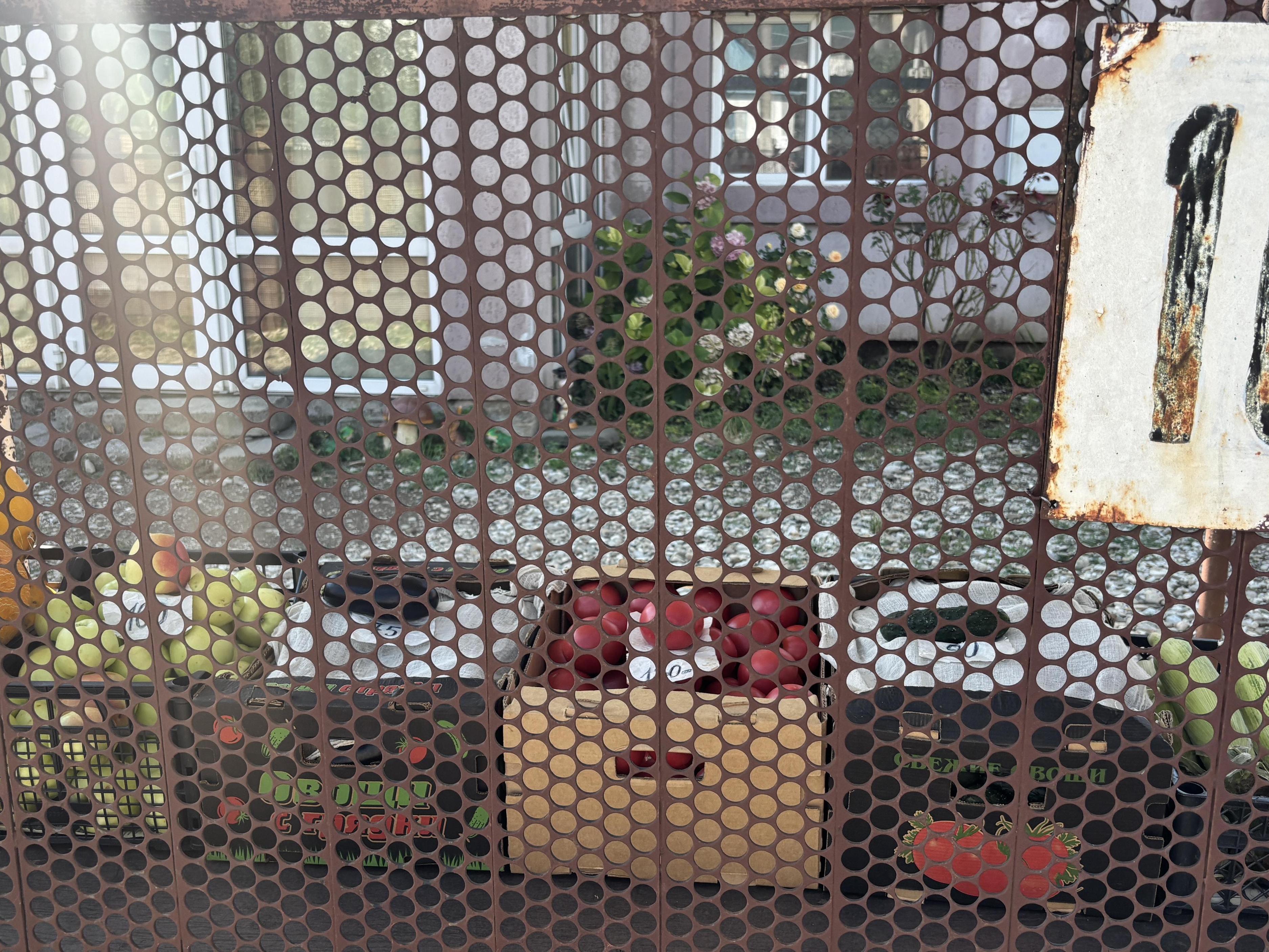
Vegetables can be bought not only at the market
«You have to understand, people here live off what they earn from tourists during these four months. Why be surprised?» says a short man in a cap over a shaved head, wearing a military-style tunic against his bare skin. Mornings in Arkhipo-Osipovka can be chilly.
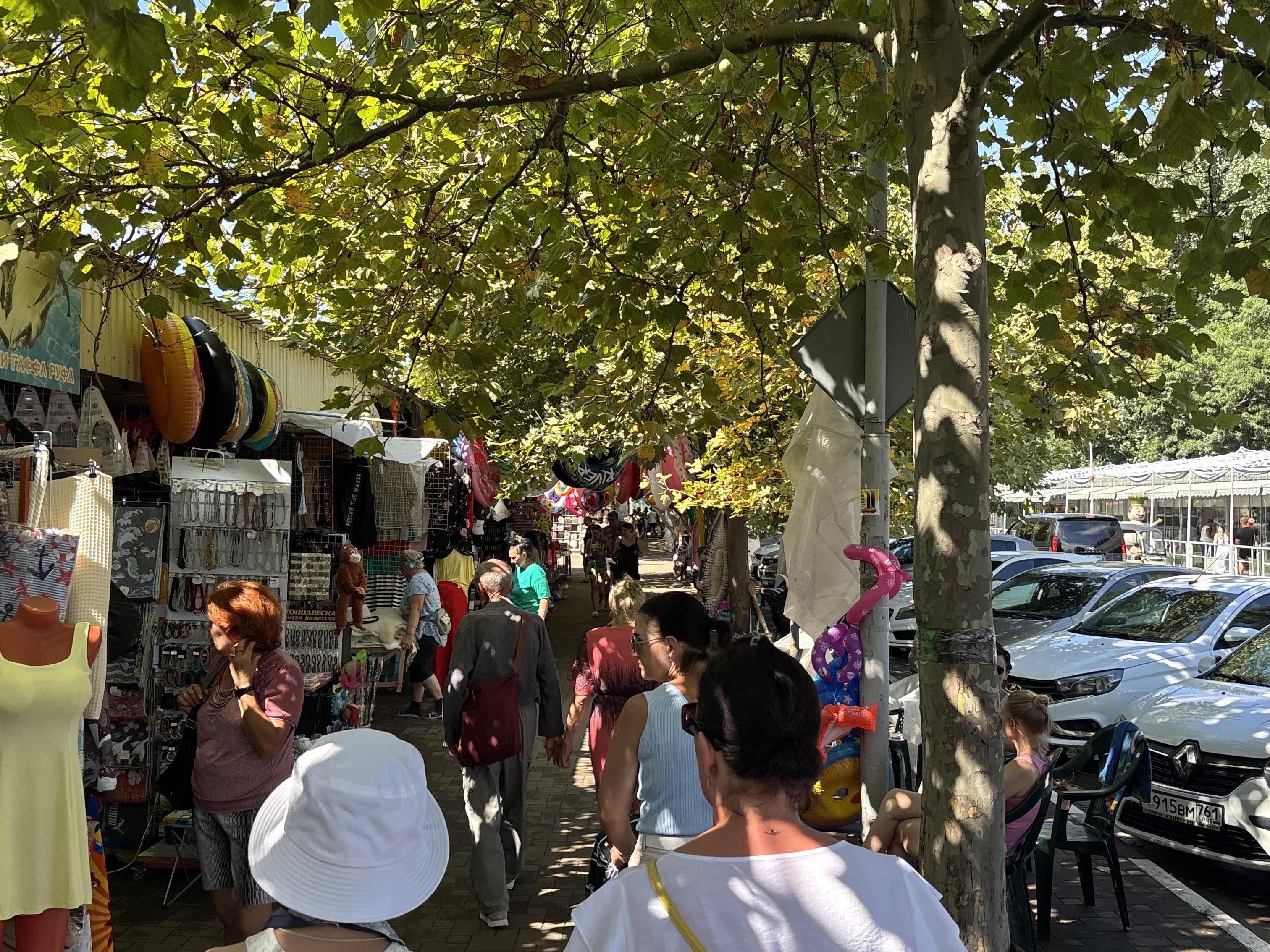
One of the streets leading to the beach
Despite the tragedy that occurred on the morning of August 3, locals continue to take tourists out on yachts into the open sea at their own risk. Asked whether it is dangerous, they invariably say that «we»ll be told if there«s danger.» No one understands what went wrong that morning.
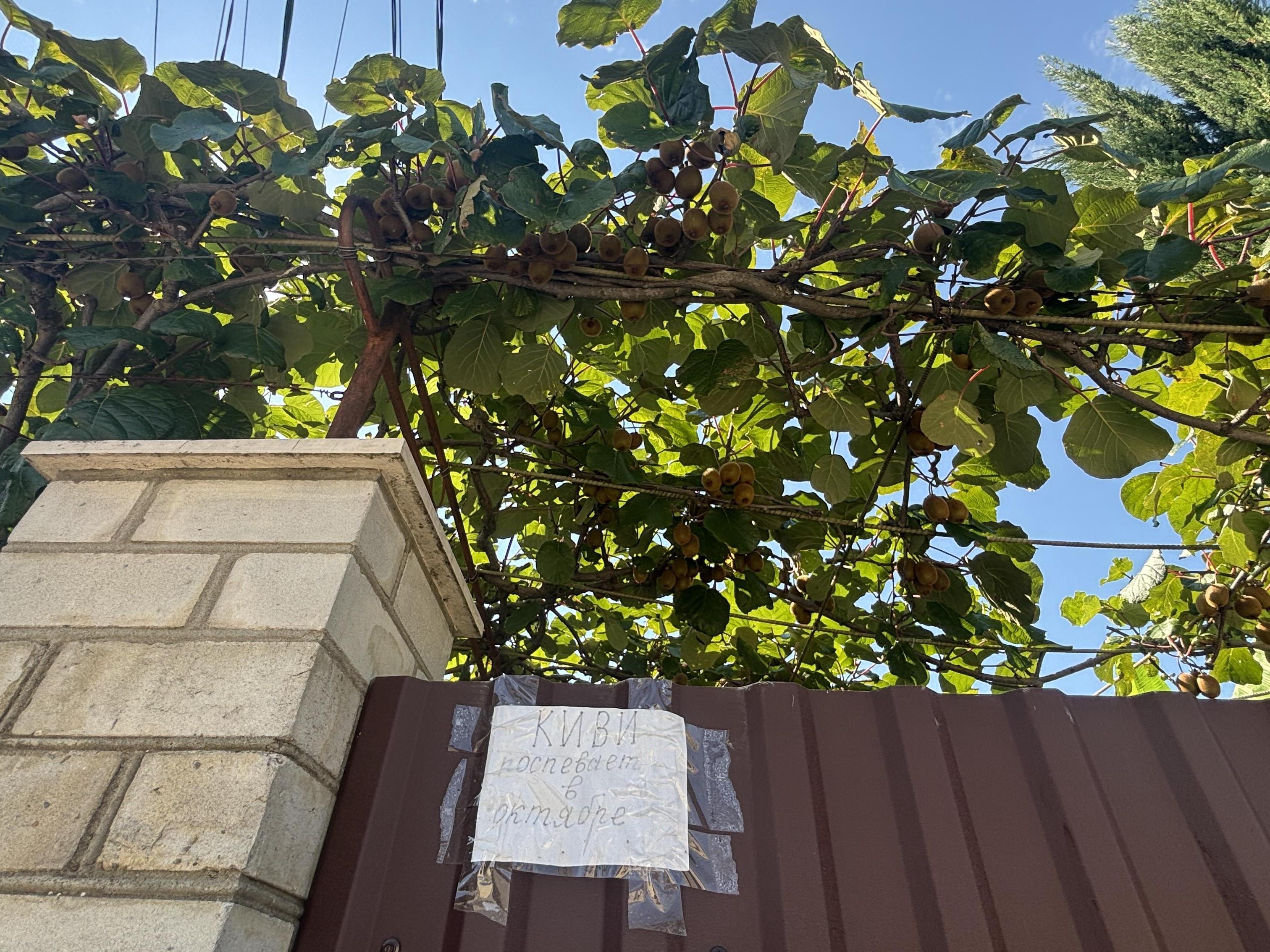
Kiwi even bears fruit here
«I don»t know how to answer your question,« says one local entrepreneur.
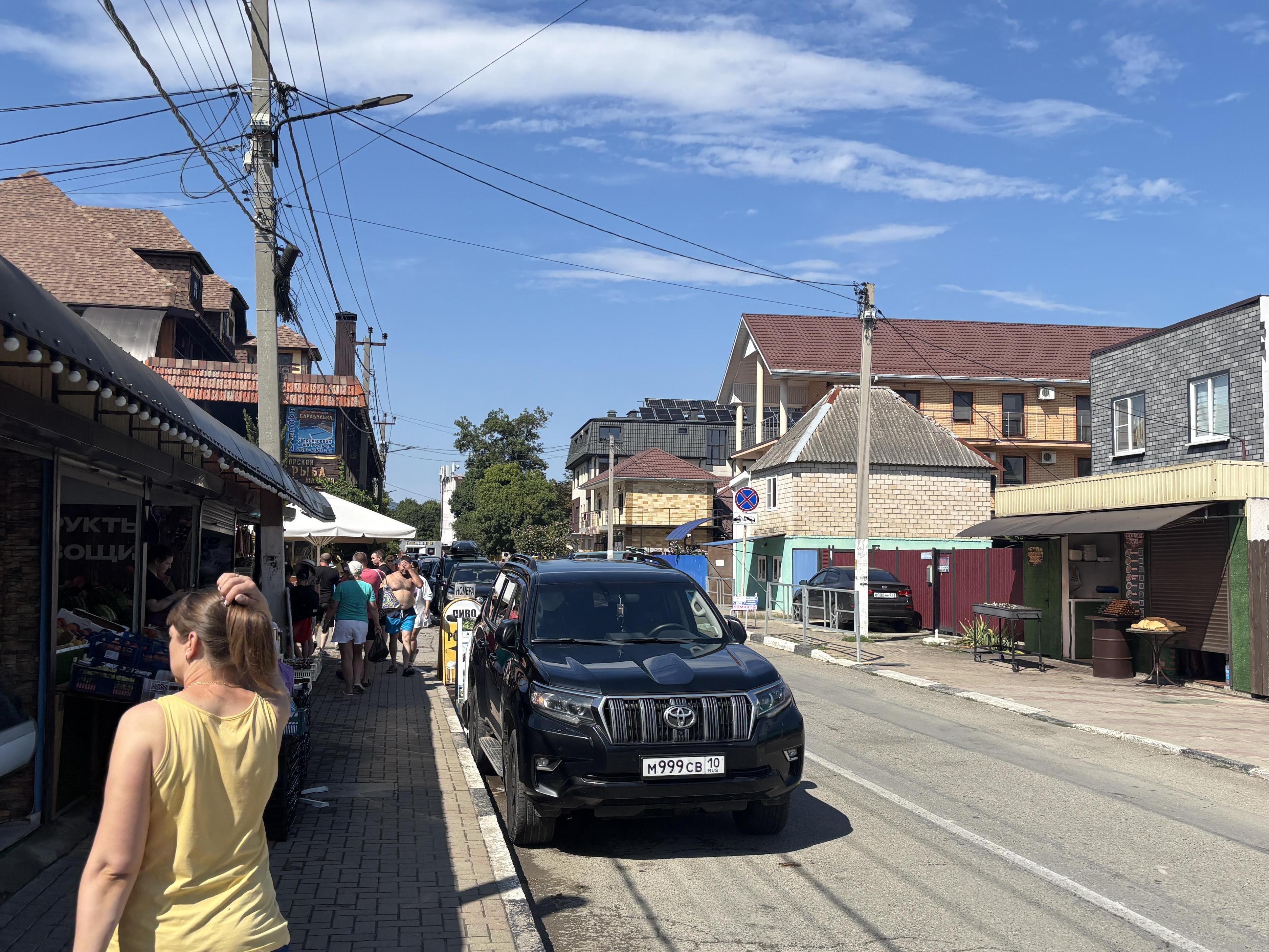
Market stalls along the road to the beaches
A week after the incident, the small resort village continues to live by its own laws of the tourist market. Read more in this report by 93.RU journalist Nikita Zyryanov.
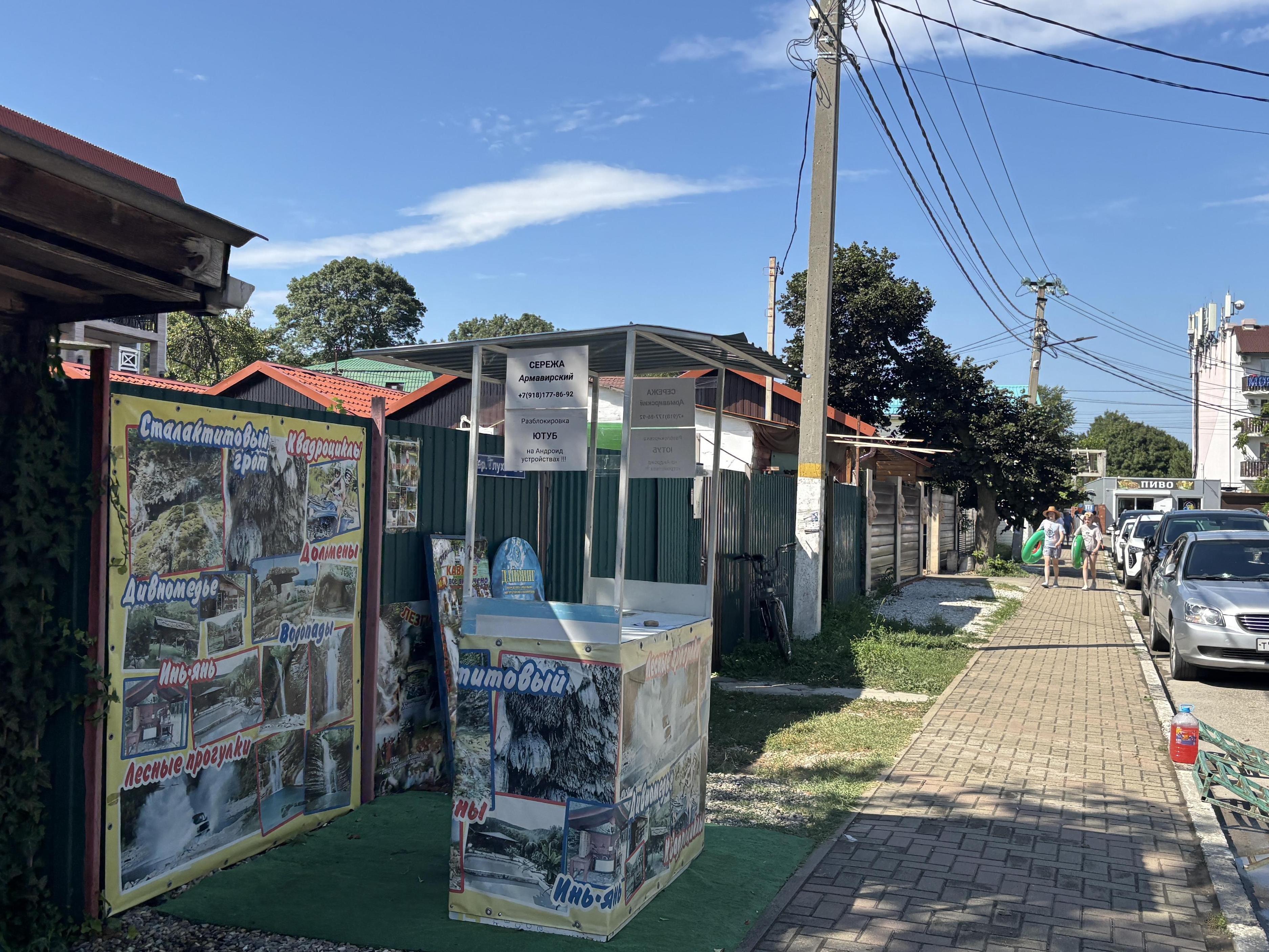
Someone offers to «unblock YouTube»
Cosmonauts Once Vacationed Here
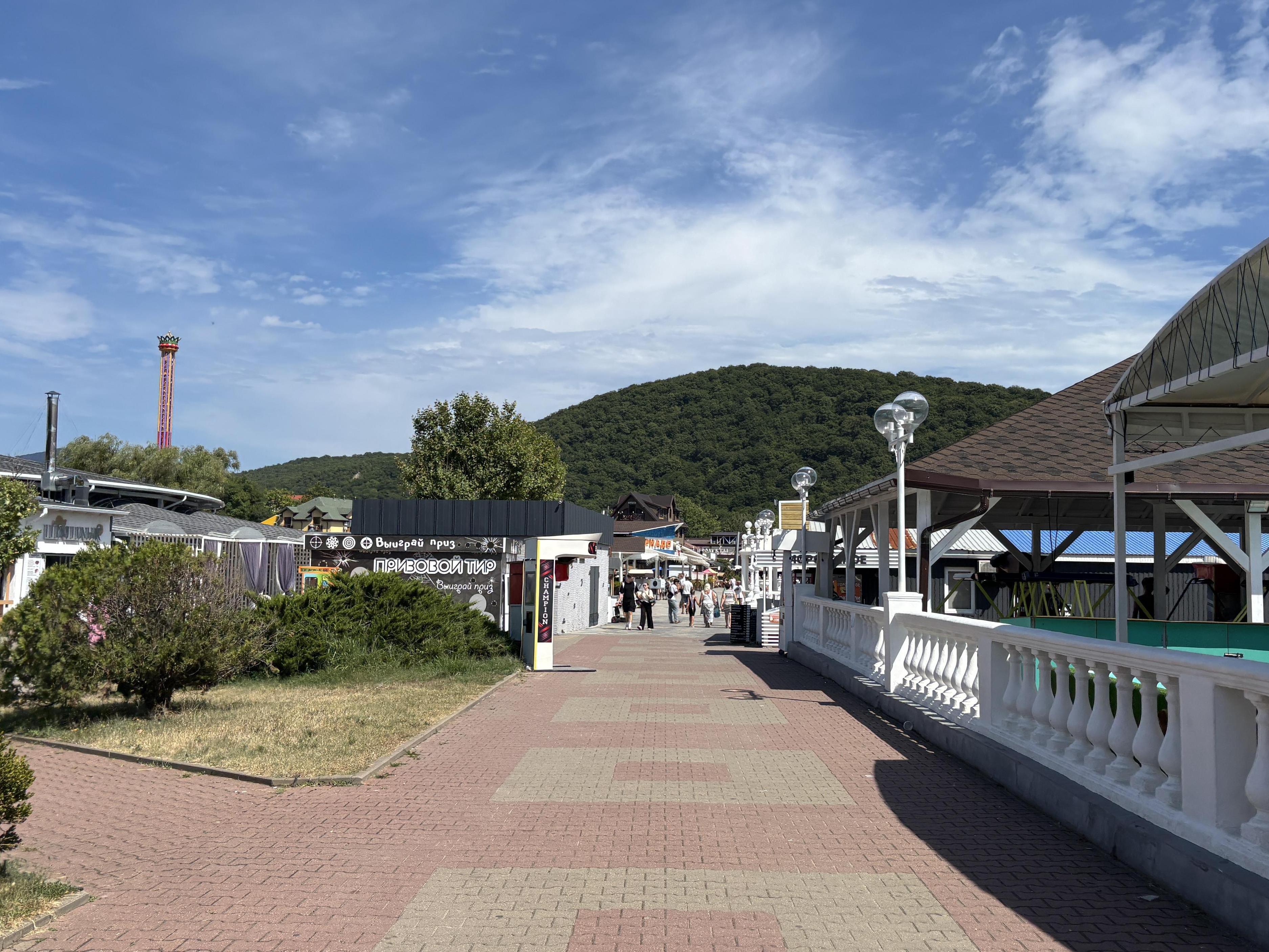
The Arkhipo-Osipovka embankment
Life in «Arkhipka» begins around May, when tourists from various Russian regions start arriving. Most come from Rostov Oblast, the Moscow suburbs, Belgorod, and the surrounding areas. It ends «in the best case in October,» locals say.
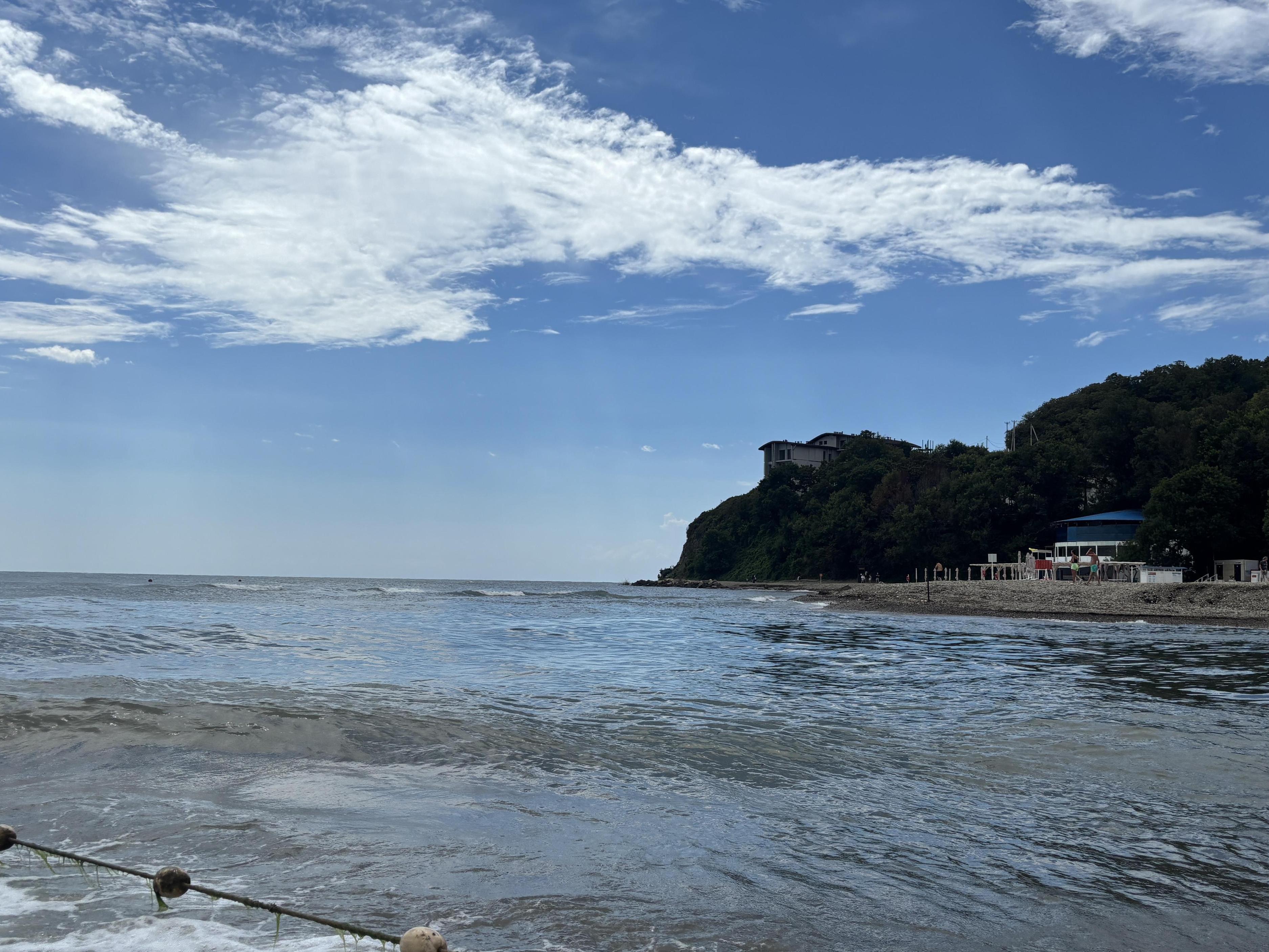
The river separates the beaches of Arkhipo-Osipovka
«If you want to see Arkhipka without tourists, come in October. Many places are still open. Not everything, of course, but you can catch a more or less warm sea. Any later — that»s it. The village dies. Some put up signs saying «Closed until next season,» others just take down all their listings and leave. Out of season there«s nothing to do here, I»m telling you as a local,« says one resident.
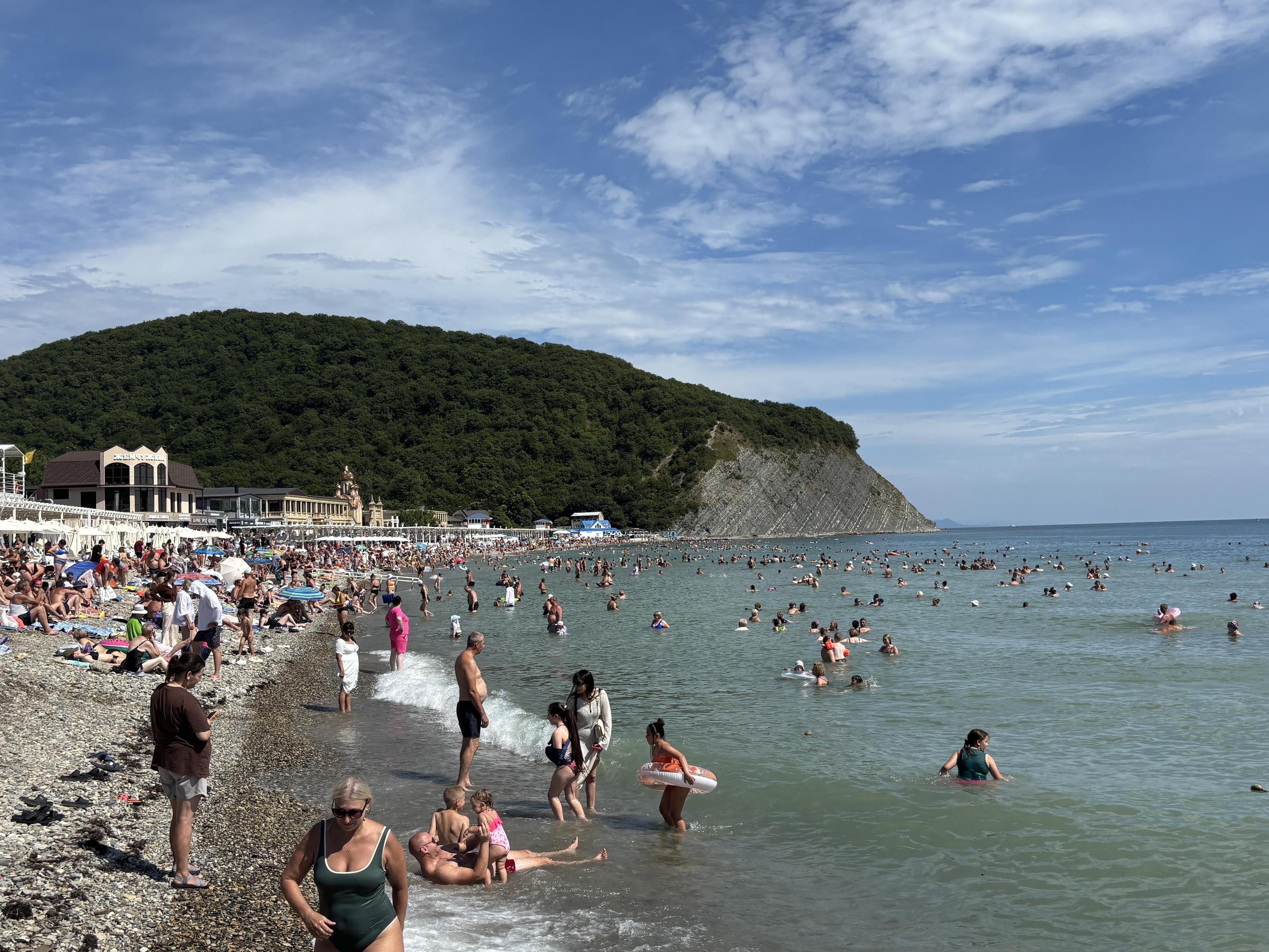
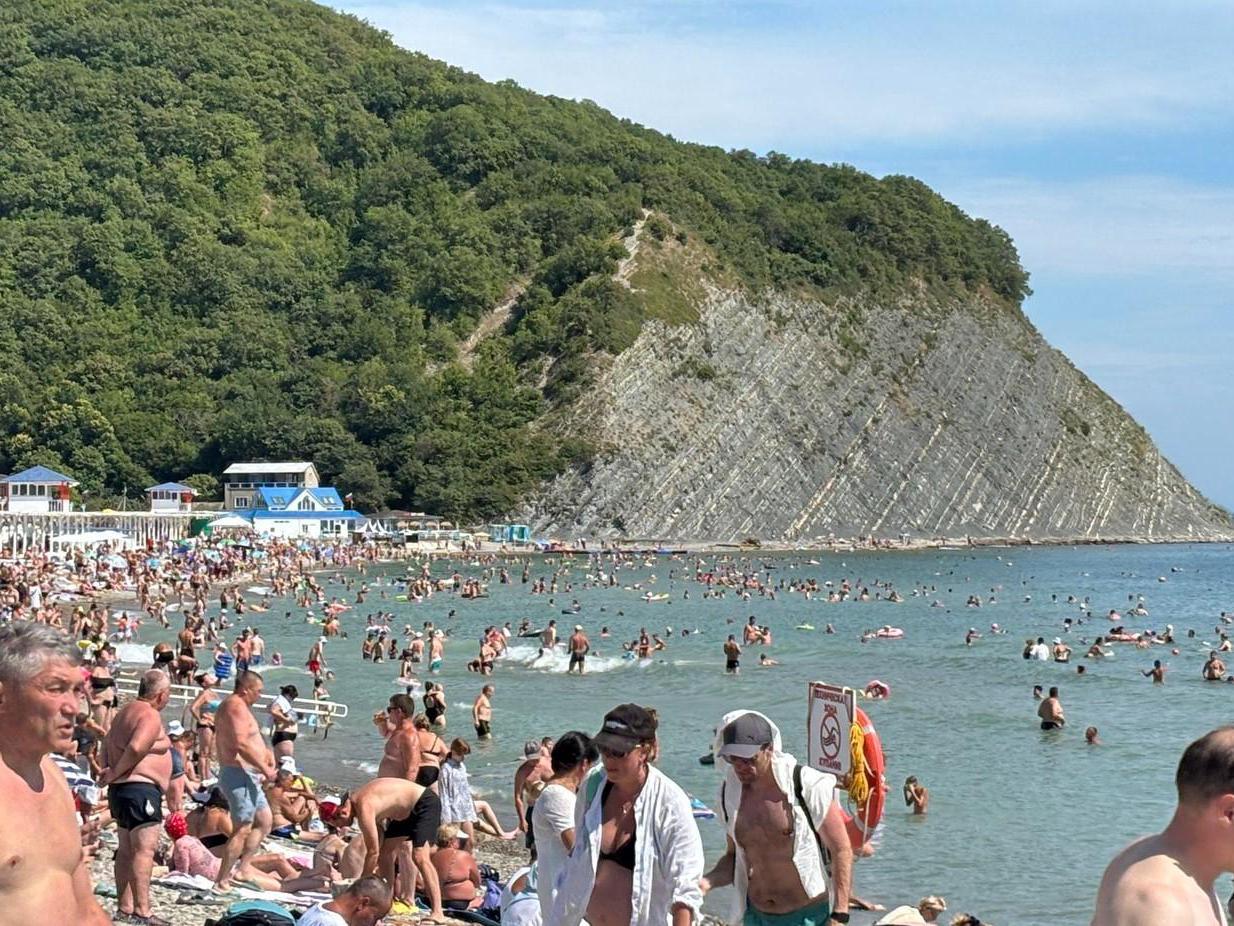
Beaches are packed at the height of the day
Some residents still call the settlement a «posyolok» (township) out of habit. In Soviet times, Arkhipo-Osipovka was indeed a township. In the 1960s, the oldest sanatorium of the same name operated here, which later took in radiation victims of the Chernobyl disaster. That era is considered the period of its heyday.
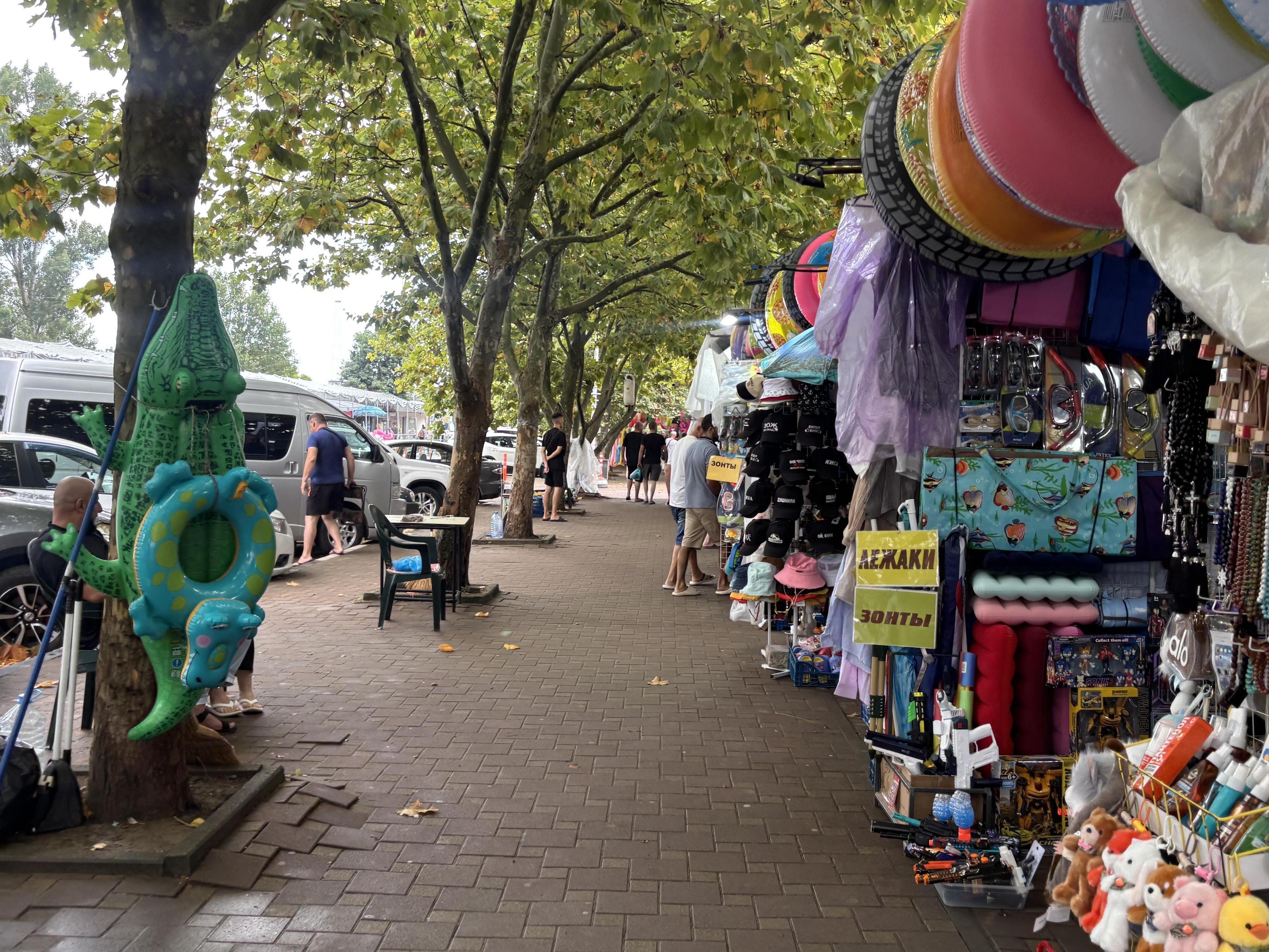
A small village market
Soviet cosmonauts also liked to vacation here. For this reason, a Museum of Cosmonautics even appeared in the small village between Gelendzhik and Tuapse. In 2004, Arkhipka became a village again and began to be built up with small private hotels and cafes. That is how it appears today — low-rise, tucked away among low green hills.
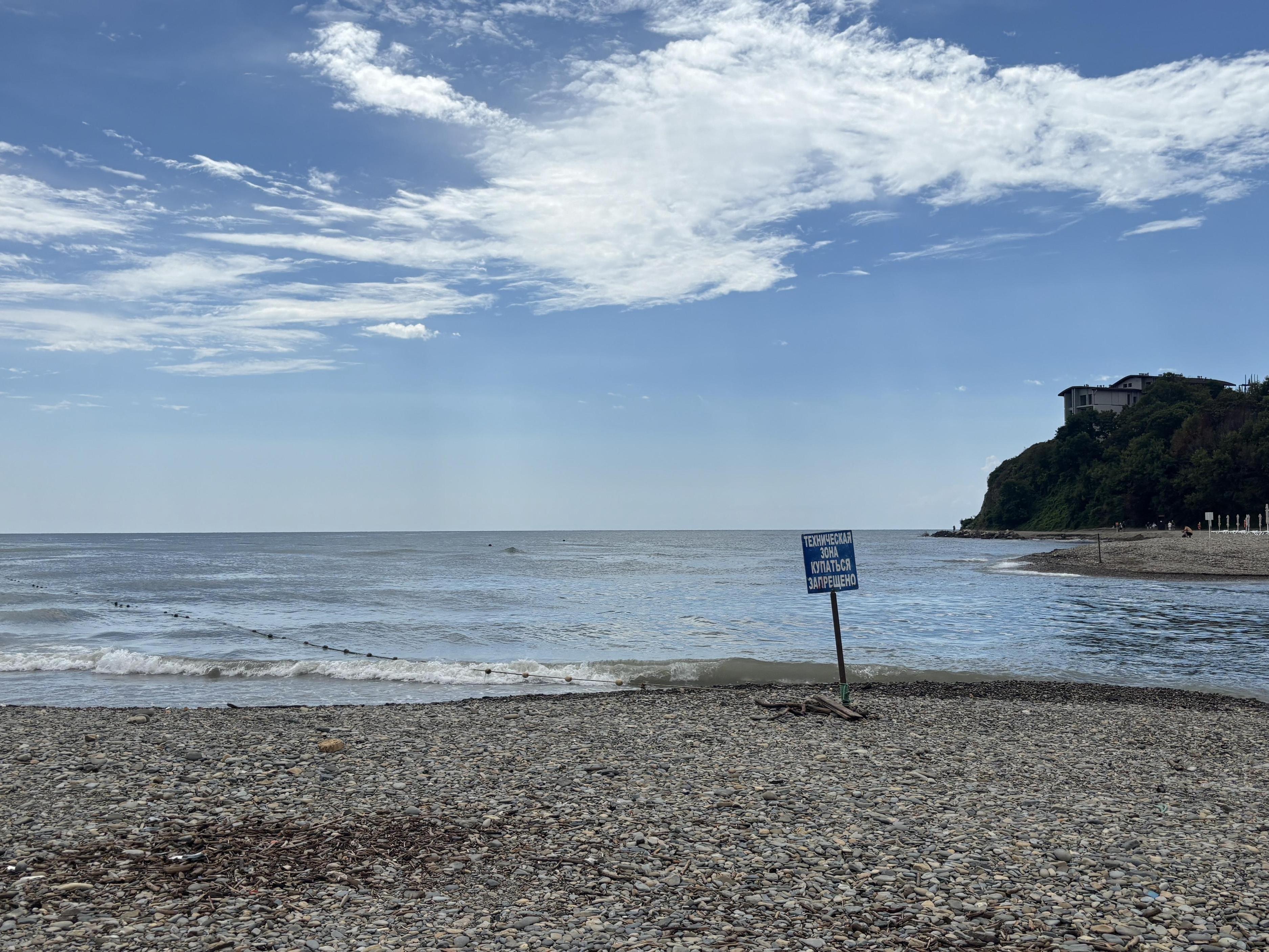
This is where «banana boat» rides depart from
From the local bus station — the only way to get here is by bus or private car — several identical narrow streets stretch toward the sea, and on the assorted fences there is always a sign reading «Rooms available.» Here you can also buy fresh vegetables or fruit straight from the garden: tomatoes, eggplants, apples.
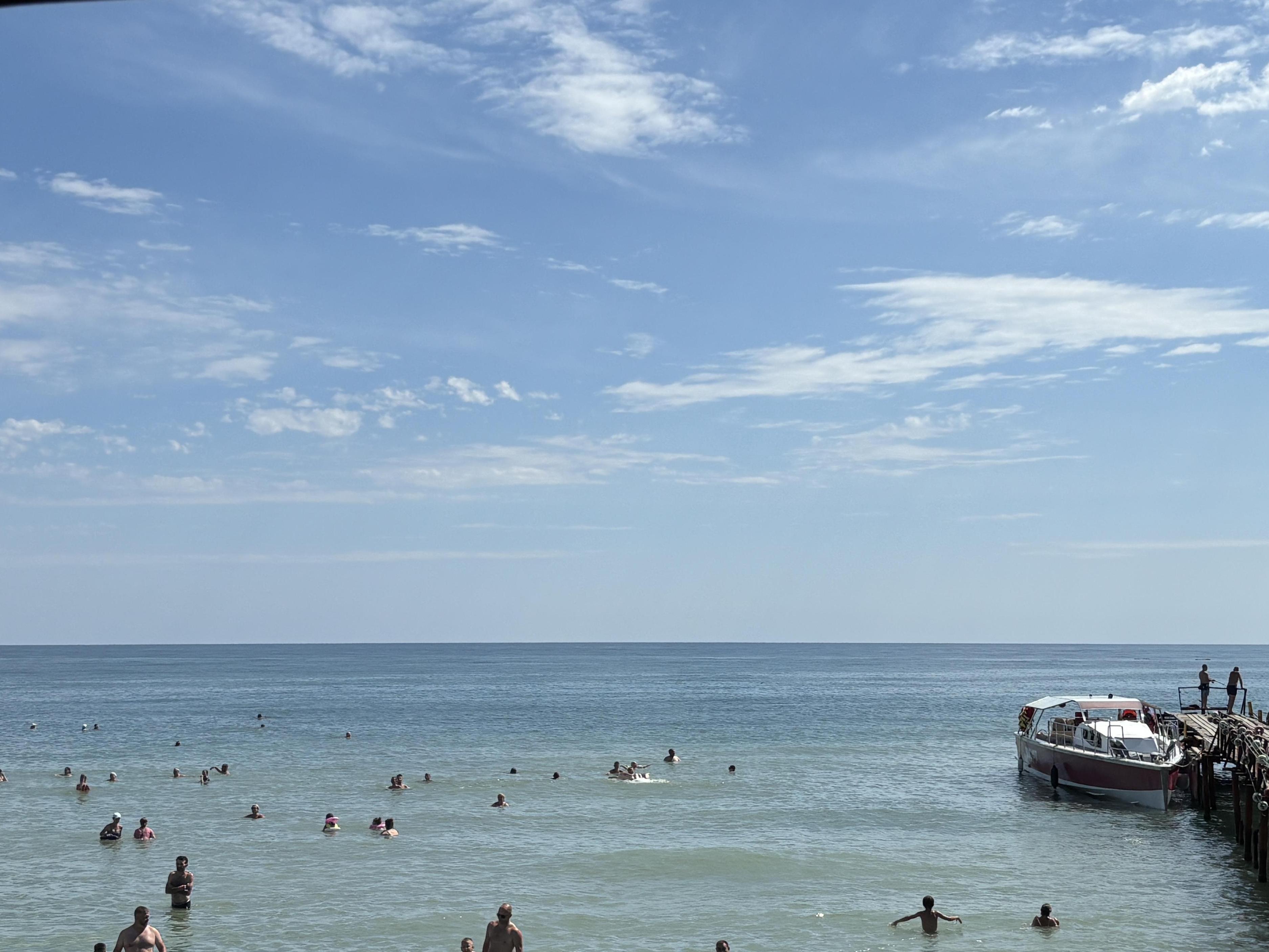
Small yachts set off into the open sea from the central beach
Behind those same fences, huge spreading fig tree branches with fig fruits peek out, sometimes taller than the little house they were planted next to years ago. You can even find kiwi here, though it only ripens in October. A sign on one of the fences says as much — so people don«t pick it too early.
«We basically live off our garden after the tourist season. We thought last year was bad for earnings. But this one is even worse. People are here, but it feels like they have no money. We noticed this about four years ago. But now it really stands out. People walk by, but they seem to spend less on entertainment. Or maybe they just want to relax on the beach rather than tour natural attractions. Either way, you have to survive. Everyone sells whatever they can,» the man in the tunic continues.
His point is confirmed by an advertisement on a small booth nearby. A certain «Seryozha from Armavir» offers to «unblock YouTube on Android» for an extra fee. And the closer you get to the sea, the more such stalls with various services, market rows with all sorts of goods like inflatable rings and mattresses, you encounter along the way.
«Arkhipka is dying out, there»s no point denying it. There«s no work except in the summer season. There»s a school, two Pyaterochka stores and three Magnit stores. Nothing else. That«s why everyone leaves for Krasnodar, Rostov. There»s basically no young people left. But the beach here is just right,« the man says.
«The Sea Is Better Than in Gelendzhik»
Locals traditionally believe that vacationing in Arkhipka is better than in neighboring Gelendzhik or Tuapse, which take an hour and a half or more to reach by bus. Even though there isn«t such an abundance of restaurants, nightclubs, and other obligatory attributes of the southern resort coast.
«Gelendzhik is also a village, just a big one. But the sea here is cleaner — there it»s a bay, while ours gets washed through well,« say Arkhipka residents.
True, to reach the sea you have to climb up and down hills about four times. «But it»s good for your heart.«
The beach in Arkhipka is about 700 meters (2,300 feet) of pebbly shore beneath the Primorsky Boulevard, which runs along the entire length of the beach. It is packed with small cafes and shashlik stands. From here you can already hear how much hot corn costs (mostly around 200–250 rubles, or about $2.50–$3). And during the day, even under the scorching sun, the beach is completely packed with people. Some come with small tents, some with sun umbrellas. But most rely on the power of sunscreen, white streaks of which are visible on the shoulders and faces of every third tourist.
The only thing that stands out from the overall picture is a small section of pebbly beach beyond the Vulan River. You can get there via one of three bridges upstream on the Vulan, or by a rowboat for «70 rubles cash, or 80 rubles by transfer» one way (about $0.90–$1). For that money, a tall, taciturn man in a cap that is clearly too small for him ferries a group of people across.
On the other side of the river there is no one, though the beach is open to anyone who wants to go. A few tourists lean on a white balustrade, looking across the river at the empty shore. That is where the tragedy happened on the morning of August 3.
«When the shooting started, I was standing in the smoking area, over there. Screams, panic, an explosion. Everyone dropped their things and ran in all directions. About ten minutes later, though, people were swimming in the sea again. I can»t explain it, but there was no more fear. First, lightning doesn«t strike the same place twice. Second, people here are used to this. We»re from the Moscow suburbs ourselves — plenty blows up there too,« says one vacationer who witnessed the explosion a week ago.
When presented with the argument that during shooting and a drone attack the danger persists for some time, the man again responds with the narrative that «it never hits the same spot twice.» Surprisingly, this is something that tourists from the Moscow suburbs, Rostov, and Belgorod regions like to repeat at every opportunity. They say they are «already used to it.»
«Where they flew from, no one ever figured out. It just started — one moment there was shooting. One fell there, another here. At our guesthouse, two families decided to leave right after the explosion. They just packed up and left — where to, I don»t know,« says a visitor from the Moscow suburbs who came on vacation with his family.
«This Is the First Time in Four Years»
«When it went off, I saw everyone running from the beach side deeper into the village. Strange, because there were no sirens, no attack notifications either. What I really remember is dozens of abandoned towels. This [a drone attack] is the first time in four years that I can remember. Before, things blew up somewhere far away, but nothing like this. Now everyone has calmed down, they»re back to relaxing. But it«s still a bit nerve-wracking,» says a resident of Arkhipka.
Recall that on August 3, Arkhipo-Osipovka was attacked by drones. Initially, regional authorities did not say where exactly the drone hit. Then the deputy head of Gelendzhik, Yanina Skorikova, reported that during the explosion pebbles flew everywhere, injuring people, and victims were loaded into ambulances right on the sun loungers. The tragedy claimed the lives of seven people, four of them children.
Among the dead was a nurse from St. Petersburg named Nadezhda, who had come with her family to celebrate a birthday. According to the husband of the deceased, they did not manage to spot the drone when they went swimming at the beach. After the explosion, he found his wife with a head wound. An English teacher, Tatyana, and her 12-year-old daughter also died. Another victim of the tragedy was nine-year-old Samir from Moscow. He had been vacationing at the resort with his grandmother, grandfather, and younger brother.
A week after that tragedy, if anything reminds people of the explosion, it is only the tourists standing by the balustrade, briefly looking toward the beach. There are no signs pointing to shelters or even mentioning them on the beaches.
«It»s a Bird«
The noise of the crowd is still drowned out by touts offering yacht rides for 2,500 rubles per person (about $30) or a «banana boat» ride for 1,000 rubles (about $12) for 40 minutes in the open sea. Residents are promised «complete safety.» After all, in the event of an attack, the owners of yachts and catamarans that take people out will «get a call.» Who will call, no one says.
Corn vendors« cries still ring out across the beach. But in everyday conversations you still hear a nervous »what«s that flying up there.»
«Well, are you going swimming or not? By the time you get ready, I»ll be old,« says a man with shoulders sunburned for the second time, skin already peeling. »It«s a seagull! Lightning never strikes the same place twice.» After these words, the man pulls a 1.5-liter bottle from under his towel, and after a muffled hiss pours the contents into a glass.
«It»s a bird,« he throws out in frustration and settles in more comfortably. »As if you«re not already used to it in Belgorod.»