Houthis Impose Maritime Blockade on Saudi Arabia
Yemen's Houthi rebels announced a maritime blockade of Saudi Arabia, closing the Bab el-Mandeb strait in retaliation for a years-long siege.
Jul 29, 2026 0
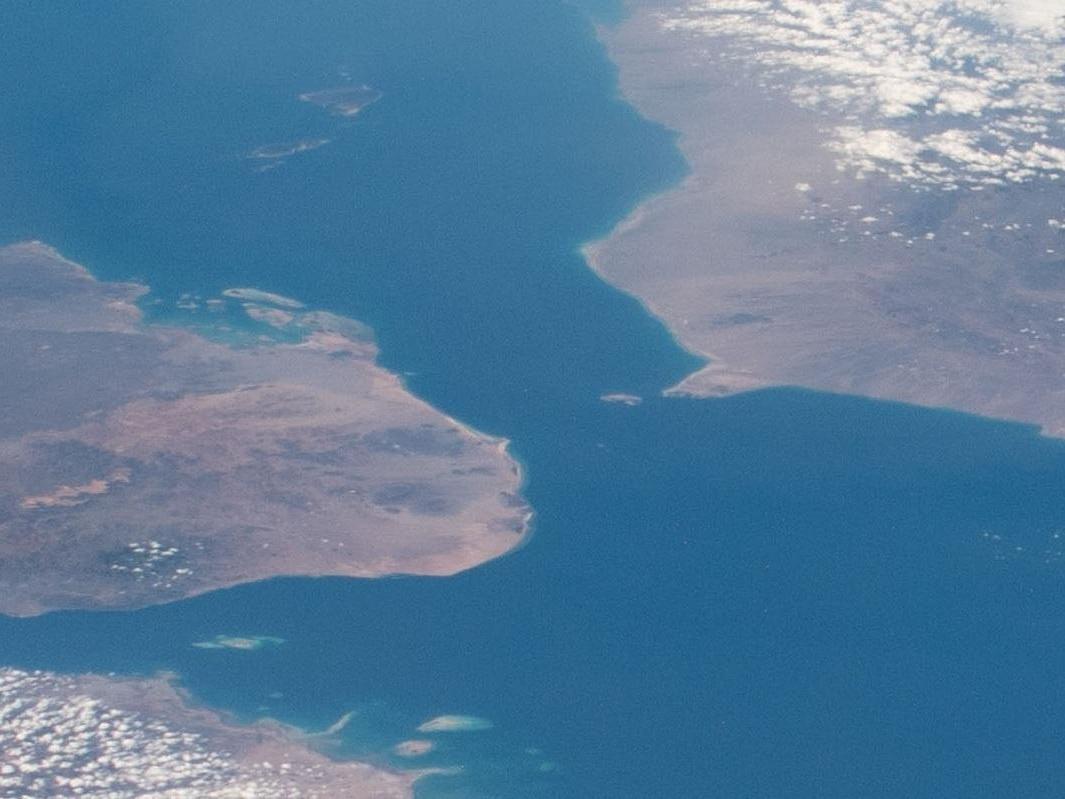

The Bab el-Mandeb strait is a vital chokepoint for Saudi oil exports and global trade.
Source:
Yemen«s Houthi rebels announced the imposition of a maritime blockade on Saudi Arabia. The movement»s official military spokesman, Yahya Sari, reported this on X.
The statement read: «Yemen»s armed forces declare a maritime blockade against the criminal Saudi enemy, based on the principle of «an eye for an eye.» The decision takes effect immediately from the moment of publication of this declaration.«
The movement explained that the blockade is a response to Saudi Arabia«s siege of Yemen, which has lasted nearly 12 years. According to the Houthis, Riyadh has been blocking Yemeni ports and airports by land, sea, and air.
Deputy head of the Houthi media office, Nasruddin Amer, stated that the Bab el-Mandeb strait will be closed to Saudi vessels. He emphasized that this step is a symmetric response to Riyadh«s multi-year blockade of Yemen.
The Bab el-Mandeb strait is a 32-kilometer (20-mile) passage between Yemen and the African coast, connecting the Red Sea to the Indian Ocean. About 12% of global trade and a quarter of all container shipping pass through it.
Saudi Arabia has already redirected its oil exports here because Iran has been blocking the Strait of Hormuz since late February 2026 amid escalating conflict with the US and Israel, accompanied by mutual strikes and bombings. This was a key route for energy supplies, through which about 20% of the world«s oil passed in peacetime.
In response, Saudi Arabia redirected about 70% of its oil exports to the port of Yanbu on the Red Sea. Tankers carrying Saudi oil travel through the Bab el-Mandeb strait to Asia and via the Suez Canal to Europe. Closing the strait would deprive the kingdom of its last route for oil exports bypassing Hormuz and could reduce global crude supplies by 7%, according to analytical platform Kpler.
The confrontation between the Houthis and Saudi Arabia has been ongoing since 2014, when the Houthis captured Yemen«s capital, Sanaa. In 2015, Riyadh led a military coalition against them. Since October 2022, a ceasefire regime had been in effect between the sides.
On 13 July 2026, an escalation occurred. The Houthis accused Saudi Arabia of striking Sanaa airport. The internationally recognized Yemeni government, dependent on Riyadh, said its forces carried out the strike to prevent an Iranian plane from landing without permission. The Houthis regarded the attack as a declaration of war and announced the end of the truce. That same day, they launched a retaliatory strike on Saudi Arabia«s Abha airport using ballistic missiles and drones.
Saudi Arabia has not officially commented on the Houthis« statements yet. The Arab coalition led by Riyadh has already taken on commitments to protect ships in the strait.
Read more