Hermit Lives 30 Years in Forest Dugout
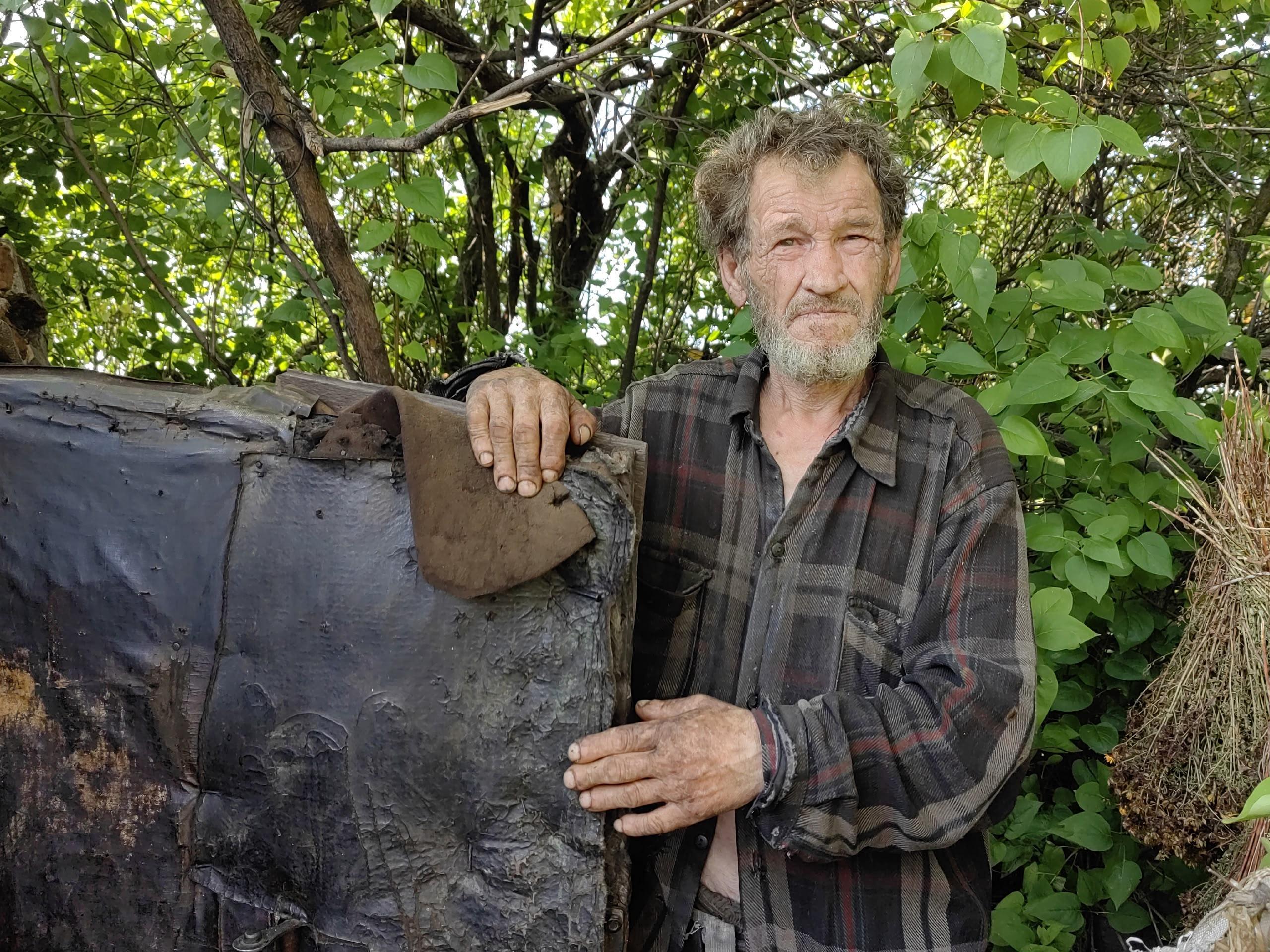

Sergey Sergeyevich welcomes guests warmly, but they rarely make it to him
In the dense forests of the Ryazan region, near the border with Mordovia, amid swamps and moss, a dugout stands. Smoke rises from its chimney, and a Soviet star is affixed to the roof«s slope. In winter, a ski track—wide, as if made by a hunter—leads to the dwelling. Old skis lean against a sturdy oak: the owner must be home. A heavy door opens, revealing a corner of the dwelling adorned with icons. From behind the door steps an already elderly man, an army jacket thrown open over his shoulders. He introduces himself as Sergey, smiles kindly, and invites us in for tea. That is how a YA62.RU journalist first saw the hermit about five years ago. Now she decided to visit him again and find out why he chose such a difficult and, to many, incomprehensible life.
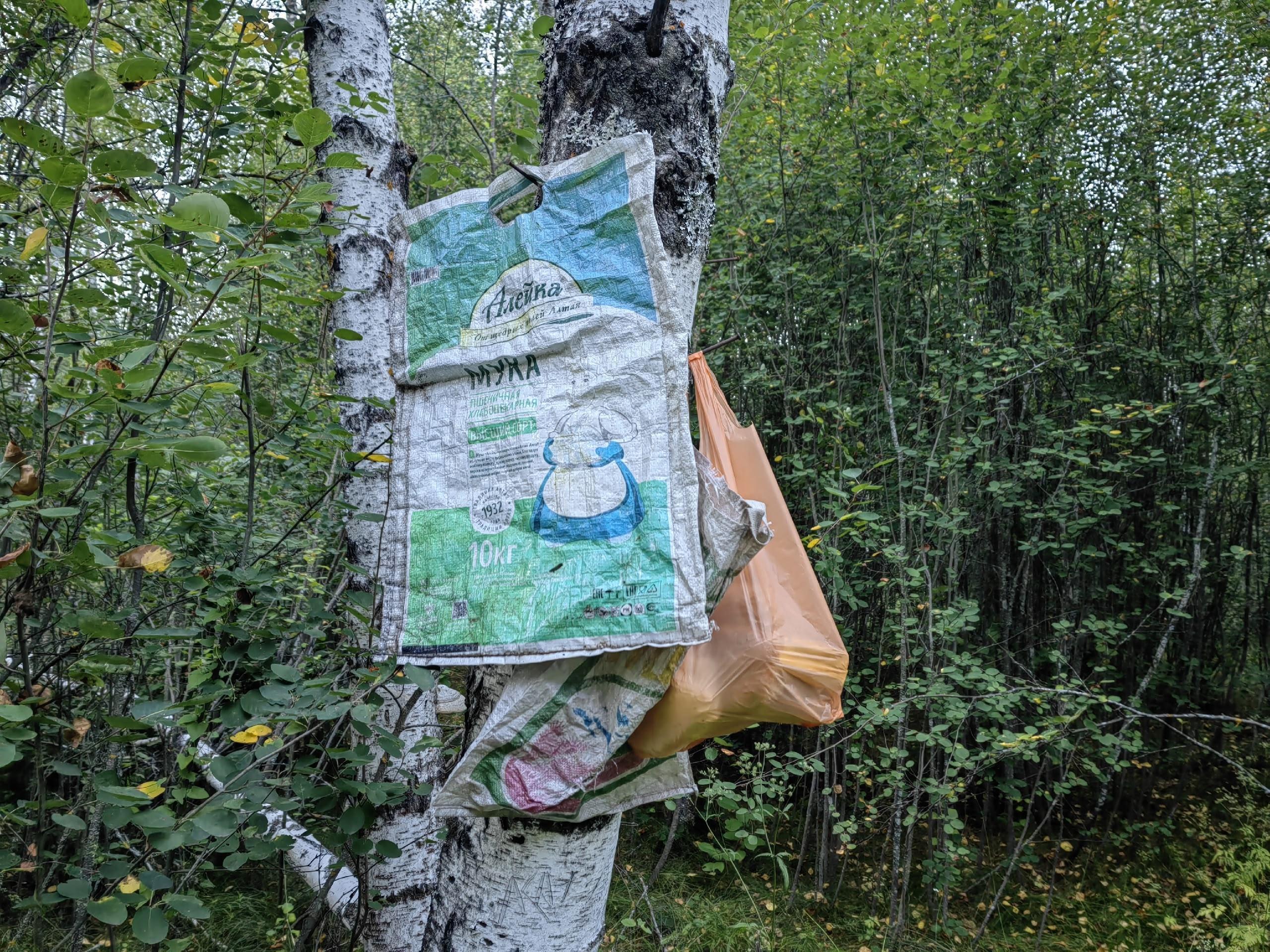
A birch tree grows by the nearest road, where locals bring provisions for the hermit
Some time ago, I was told about Sergey by local historian Kirill Babanov from Sasovo. He had stumbled upon the dugout, far from any settlements or roads, by chance while riding a snowmobile through the forest thickets in winter.
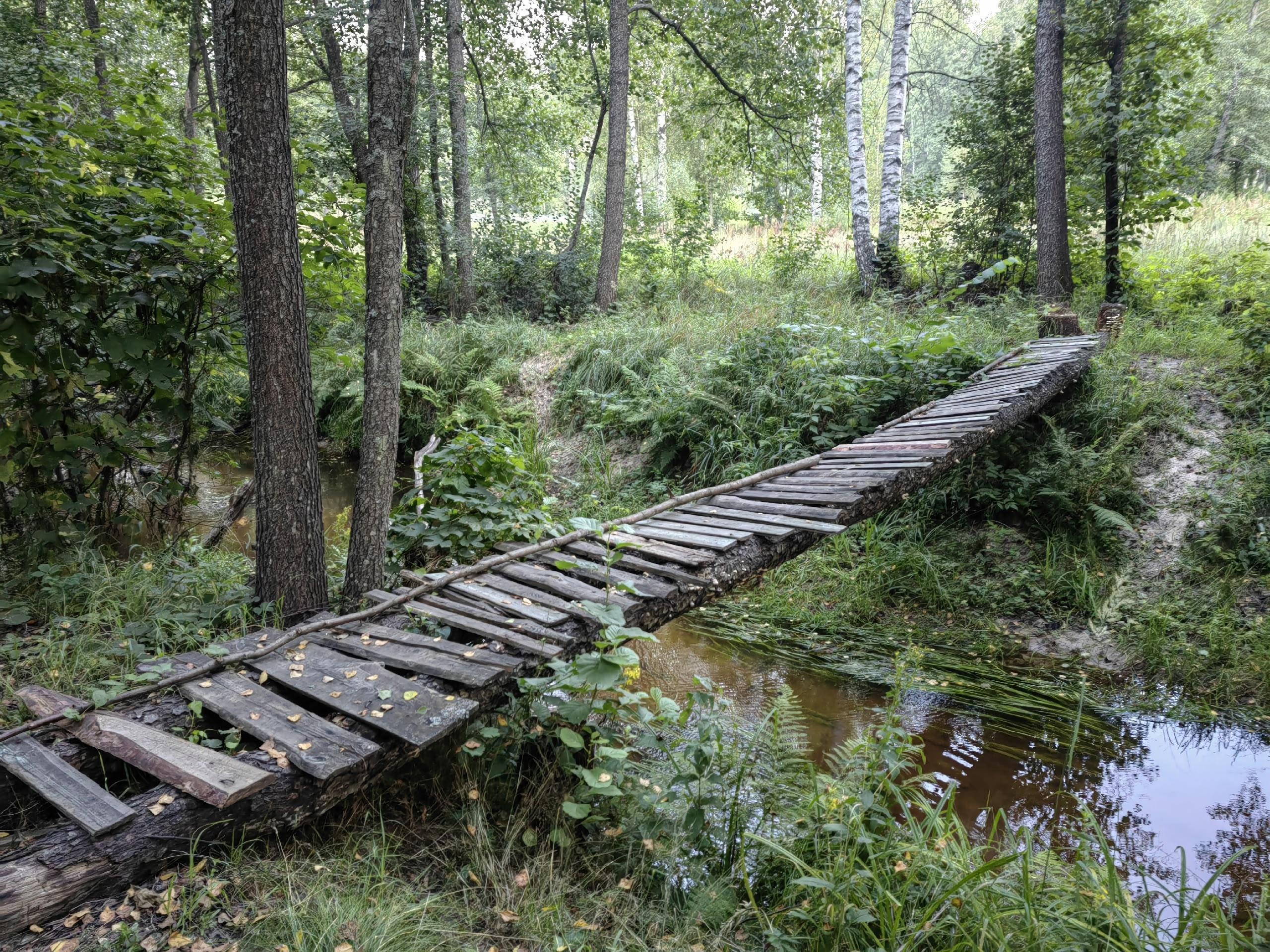
To reach Sergey, one must drive a long way and then walk along forest paths
“The first time I went there was in 2011, when my grandfather and I went into the forests to look for mushrooms. We were driving around, looking at what had burned since 2010, and we ended up in that village. Only pits remained where the houses had been. Further past the abandoned village, I saw that life was still stirring—smoke was rising. I started asking around, and that«s how I found out that a man was living there as a hermit,” the local historian said.
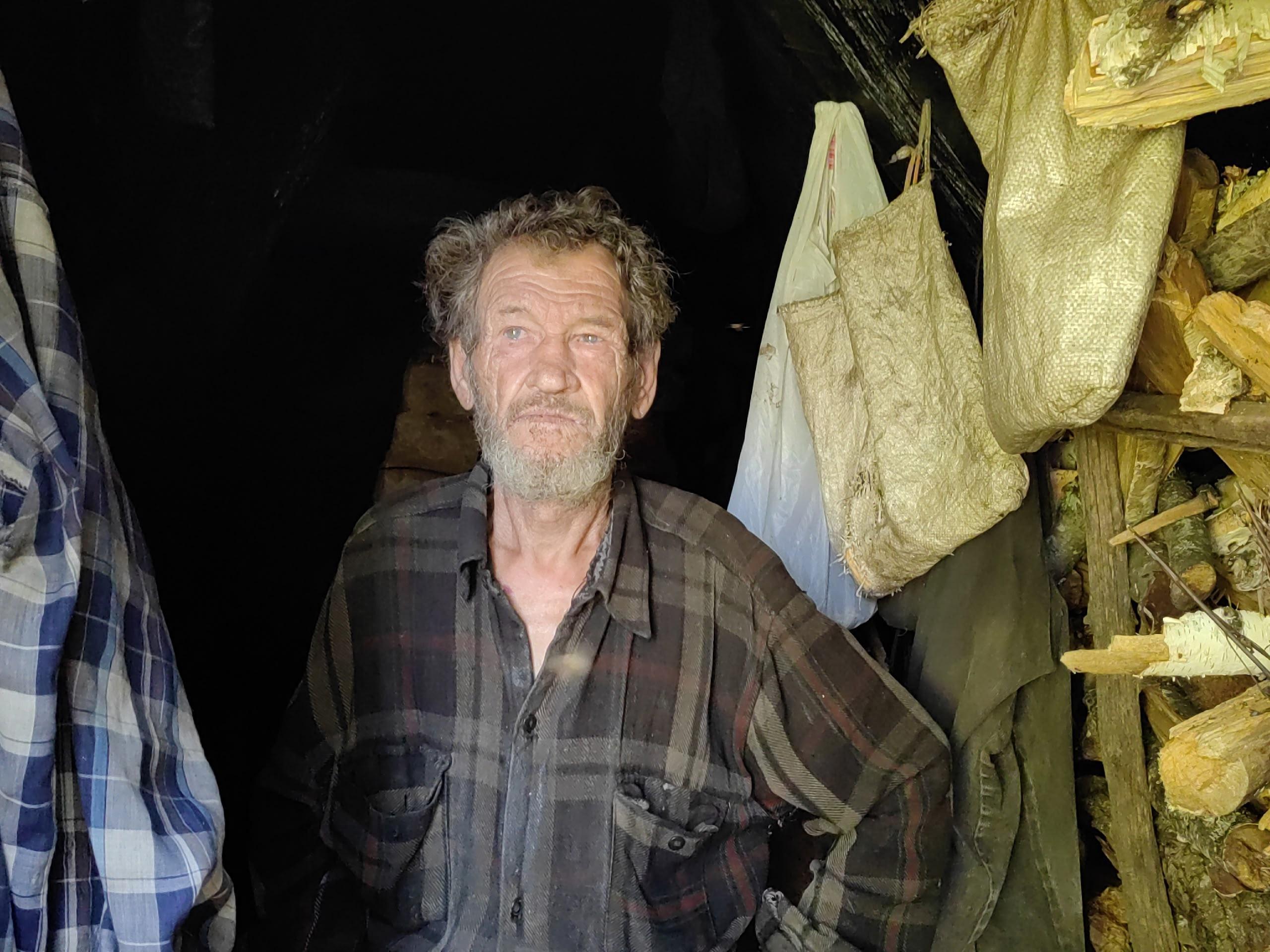
Sergey found a free life in the backwoods of Ryazan
He says locals treat Sergey differently: some consider him an oddball and a tramp, others a man of God, a holy fool. In any case, no one harms Sergey; compassionate people bring him food, and others simply leave him to live in peace.
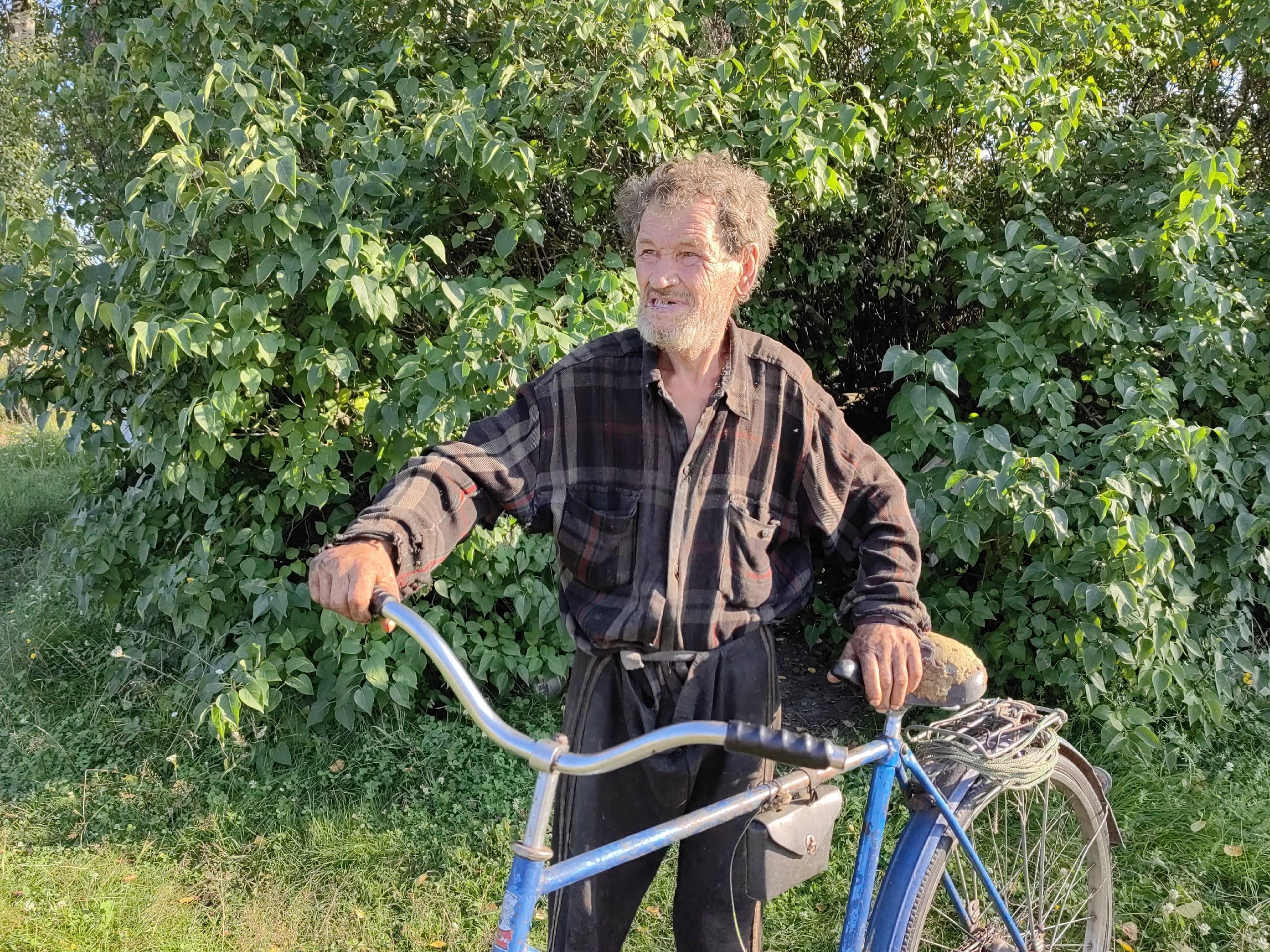
On this bicycle, the hermit travels many kilometers from his dugout to civilization
Sergey«s needs are modest: sugar, flour, canned food, and cigarettes. Back then I wanted to help the hermit too, and we set off to see him that same winter on a snowmobile. We rode for a long time through forests and snowy fields, scattering groups of roe deer and startling foxes. Sergey greeted us warmly. But I did not pry into his soul then; I left the food and asked why he had left worldly vanity for the forest.
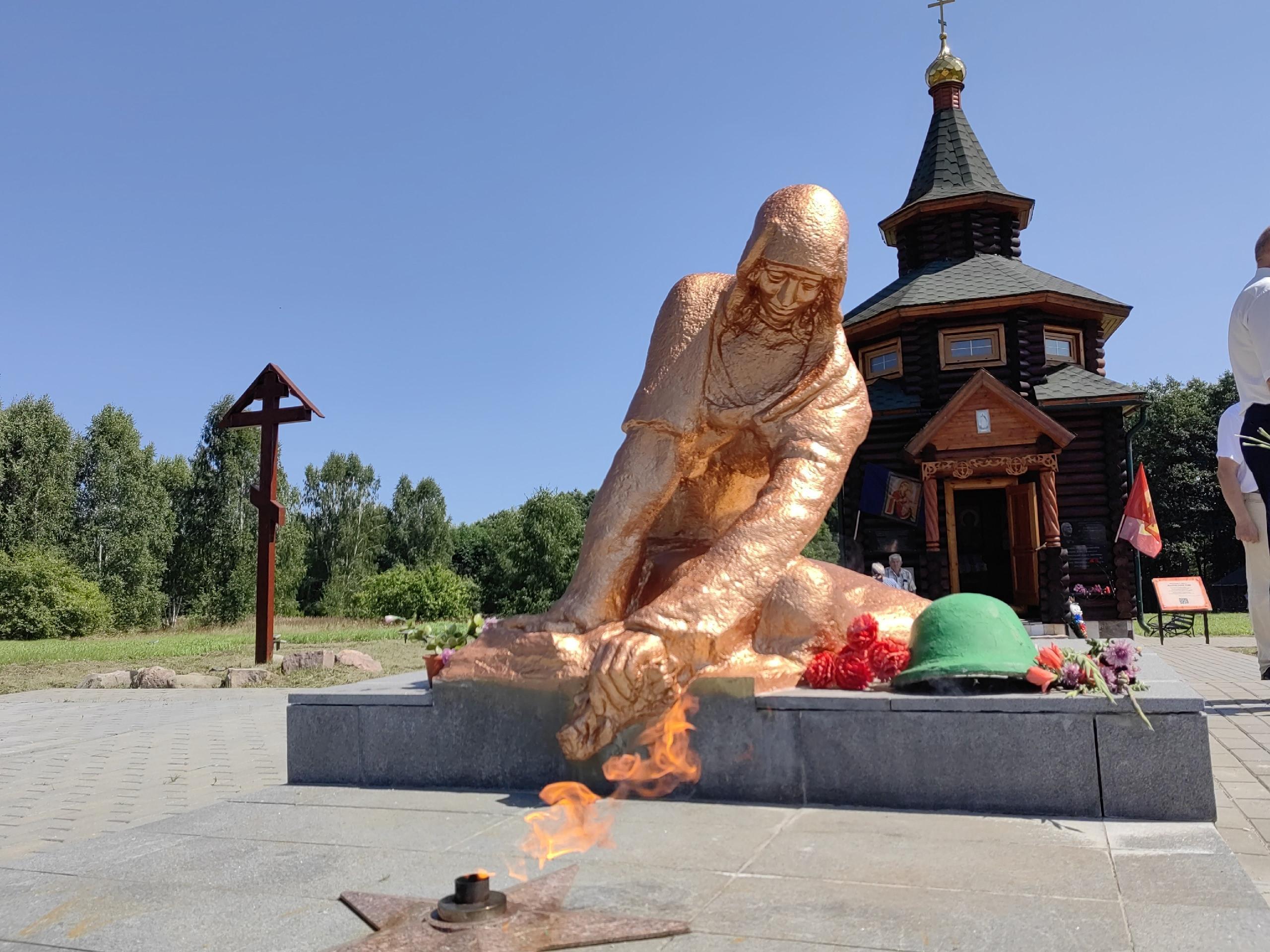
Sergey helped improve the spring in Kustarevka
The man answered briefly but pointedly: “Nerves, nerves.” Since then we sometimes came to leave bags of provisions for him, just like the others. But we never met Sergey himself again.
The other day I decided to visit Sergey again. My hopes of finding the hermit were slim. First, he never stayed in one place. Hunters and locals had constantly seen him either on skis or on a bicycle at various times. He roamed the forest, rode to shops in remote villages, fetched water from a spring, gathered wild raspberries and apples. In short, he led the active life of a forest Robinson Crusoe.
Second, Sergey had already been elderly at our first meeting. In that time, anything could have happened to him. But fortunately, it had not. Or almost not.
This time we drove through the forests in an off-road vehicle and then stopped. Even our high-clearance car could go no further. We walked for a long time along a path and crossed a small river over a homemade bridge. And we were very frightened when, in place of the dugout, we saw thickets of lilac.
In winter, the dugout was visible from afar: the dwelling, a dark spot in the white desert, was immediately betrayed by smoke from the stovepipe.
Gradually, the eye began to pick out traces of life: trampled grass, little paths radiating like rays from lush lilac bushes, neatly stacked firewood, and bundles of herbs hung on ropes stretched between birch trees. Soon the owner himself appeared. Over the years, he had gotten very thin and gone completely deaf. He could not hear even if you shouted right into his ear. Now he also spoke with difficulty, distorting words the way people do when they cannot hear their own speech. But Sergey«s eyesight remained excellent: he could read what was written to him in small print on a phone. So that is how we talked.
As before, he began offering treats, nodding toward sliced mushrooms. He allowed me to photograph his dwelling and himself. From fragmentary answers to my notes on the phone, it emerged that Sergey Sergeyevich was born in the Ryazan village of Rozhkovka, remote from here.
In the late 1970s and early 1980s, he served in Afghanistan, in the Kandahar area. I ask whether it was compulsory service. Like a deaf person who sees he is not understood, he starts speaking louder. And louder turns out to be loud enough for the whole forest:
“I was at war, there was a war there, do you understand?”
A frightened bird flutters up from the bushes.
We cannot verify this, and we do not want to. We steer the conversation toward Afghanistan quite by accident. Sergey says it has become harder for him to get far from the dugout because his leg is bothering him. That is how it comes out that he was wounded in an unequal battle with the dushmans, in which many of his comrades died:
“I was riddled like a colander, I was treated in a hospital in Fergana (Uzbekistan—Ed. note).”
He does have relatives, but according to Sergey, they have turned their backs on him:
“I«m a criminal, they don»t talk to me. It was a trivial matter—I robbed a tent,” he says.
After that, Sergey decided to go into the forest. He himself says he has lived in the dugout for several decades—he has lost count of time and does not remember exactly how many.
“Why did you leave your native village?” I write on the phone.
“I got tired of it. It«s like a prison there. But here there»s space, freedom,” the hermit answers.
He rarely has guests; when asked why, Sergey answers: “The roads are bad.” We ask if he needs medicine—he looks at us questioningly and asks for “Prima” cigarettes. His clothes are quite worn, especially his trousers, which are held up by a string, but he says they suit him.
Sergey lives off his homestead: he gathers the forest«s gifts and grows tomatoes and potatoes in a neat little garden near the dugout. I ask if he gets cold in winter. He laughs and says that in winter the heat is unbearable for him, and shows me his brick stove. In his yard, a area for a campfire is marked out with bricks, which he proudly calls a fireplace. Large barrels hold stores of apples. A small but well-kept bicycle is parked in the lilac bushes. We say goodbye, promising to bring cigarettes in the evening.
The nearest civilization to Sergey, where there is a shop, is the village of Kustarevka. When Sergey was younger, he used to ride here himself on his bicycle. They did not have “Prima” there, but they have “Kosmos.” The saleswoman says she remembers the hermit; he sometimes came to their shop. But she never asked him about anything; she only knew that he was a forest man.
“Why don«t you talk to our former head of the village? He helped him, brought him food. I know that he, the hermit, worked at the Kustarevka spring, helped improve it, where the memorial to Afghan soldiers is,” the saleswoman says.
We fail to talk to the former head. As neighbors keep saying, he “is feeling poorly after Airborne Forces Day.” Ruslan from Kustarevka shrugs when asked what locals think of this man.
“Some kind of oddball. I only know that he helped at the spring. True, he pulled out trees there that he did not like and planted lilacs instead. He loves lilacs very much,” he says.
Father Vyacheslav, who lives in Kustarevka, said that rumors about Sergey circulate, but no one can say for certain why he went into the forest. He says Sergey was repeatedly offered work and a home, but he refused, preferring to live in the dugout.
“And I understand him,” says local historian Kirill, who once introduced me to Sergey. “He is not troubled by what troubles us. He lives at his own rhythm and by his own values. I think if you tore him out of his environment, he would not be able to live here; he would wither away. Like when relatives take old mothers from villages to the city, and they soon die there, even though every comfort is provided.”
We take the “Kosmos” cigarettes to the birch tree where two canvas bags hang. A bag of food, brought by compassionate people for the holy fool, is already waiting for Sergey there. In the morning he will take his bicycle and ride along the well-worn path to his birch tree with the gifts, his bare feet knocking dew drops off the grass. And at night he will smoke a cigarette under the starry August sky and calmly fall asleep in his dugout, far from the world and its problems. As he has done for many, many years.