Day Trip to Abkhazia from Sochi
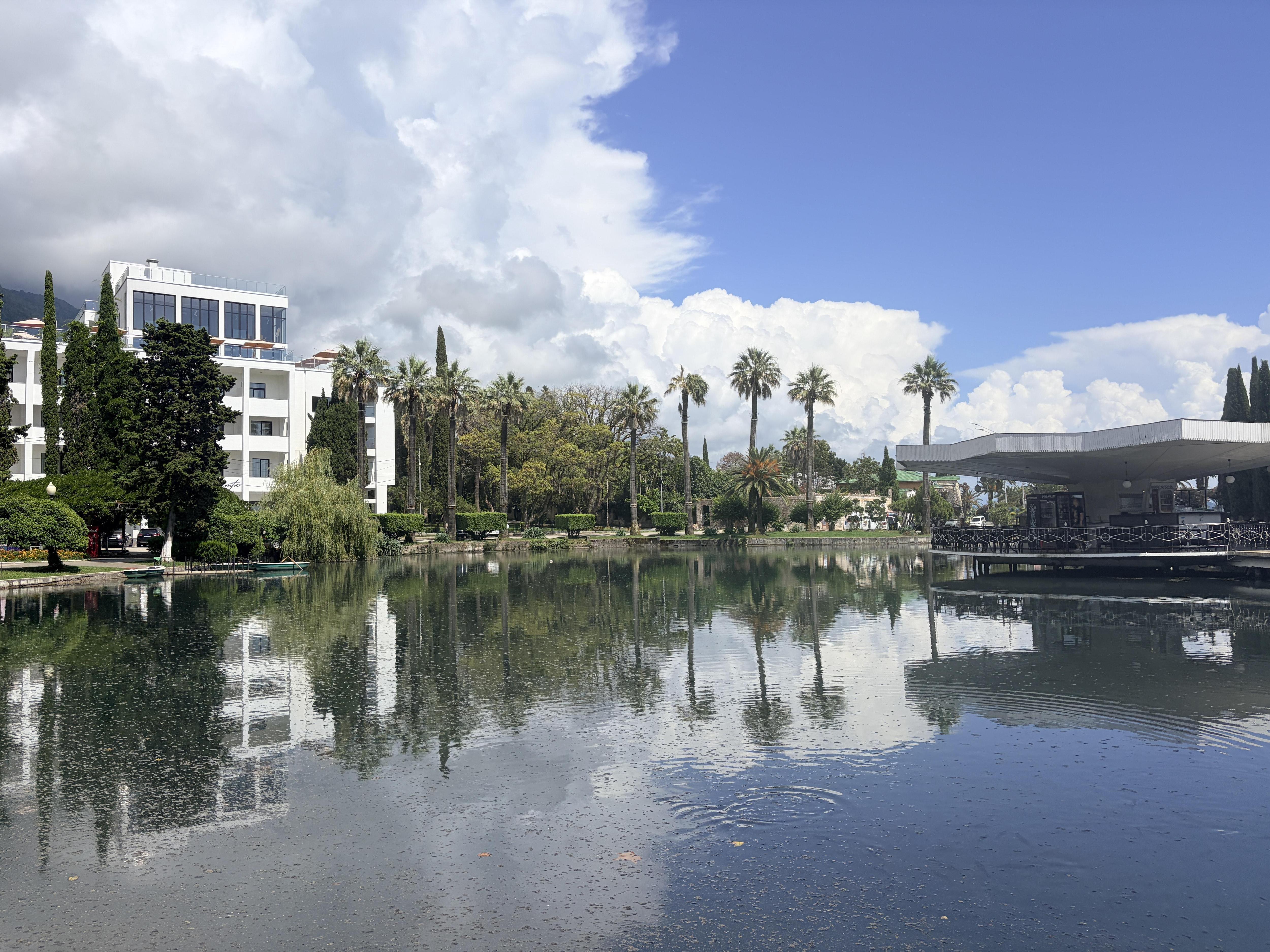

The pond in New Athos has bloomed, there are no swans
Sochi residents love to dash off to Abkhazia for a day. Especially if a surprise day off pops up on a weekday. Given that both Sochi and Abkhazia have a severe gasoline shortage, we take minibuses. Tourists vacationing in Sochi can also skip the exhausting guided tour and cross the border on their own to check out Abkhazian public transport. True, you won«t manage to see the whole republic, but two or three of the most popular spots is quite doable. A SOCHI1.RU correspondent shared the »passwords and meeting points.«
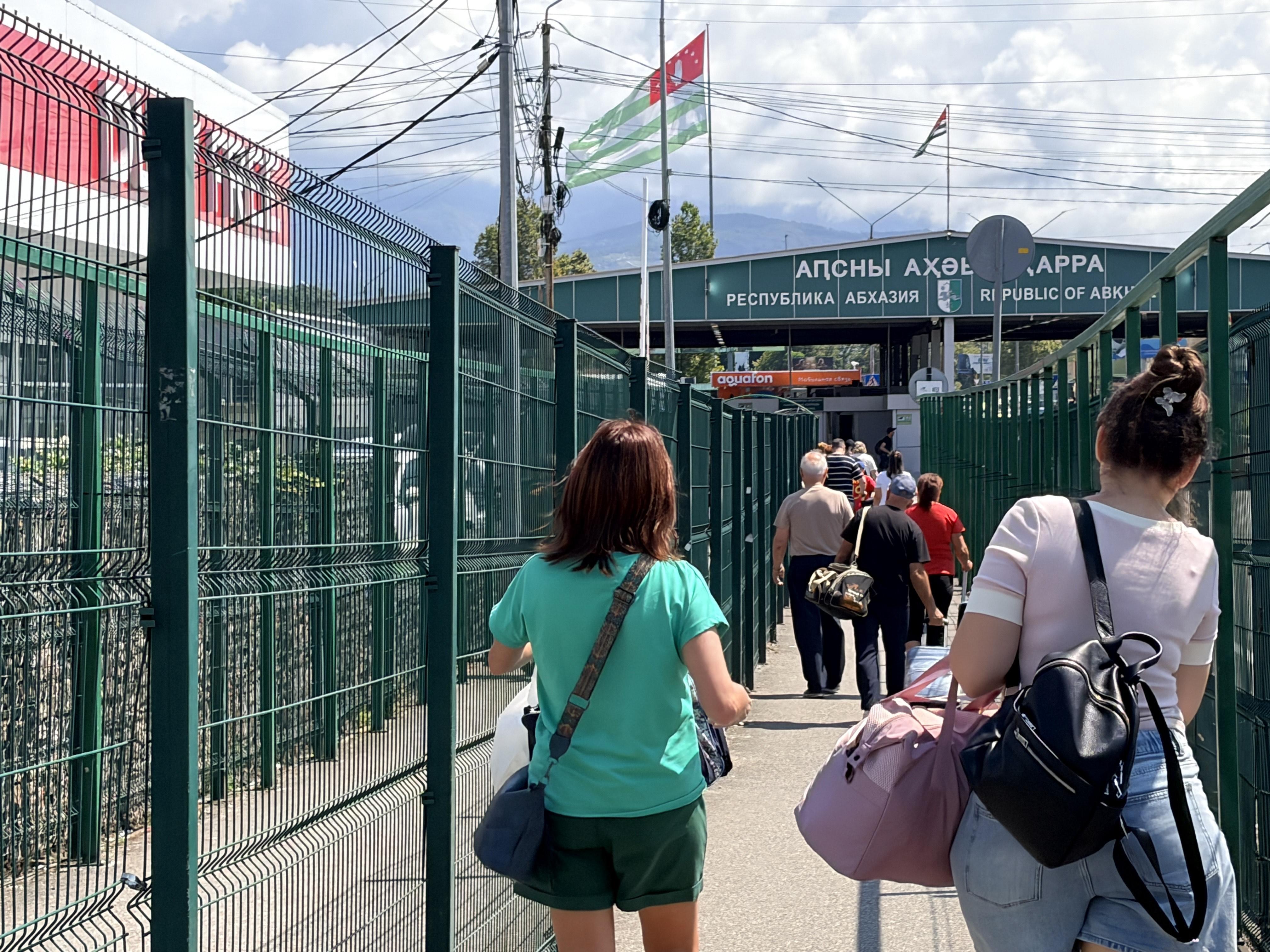
The pedestrian checkpoint is uncrowded
Border
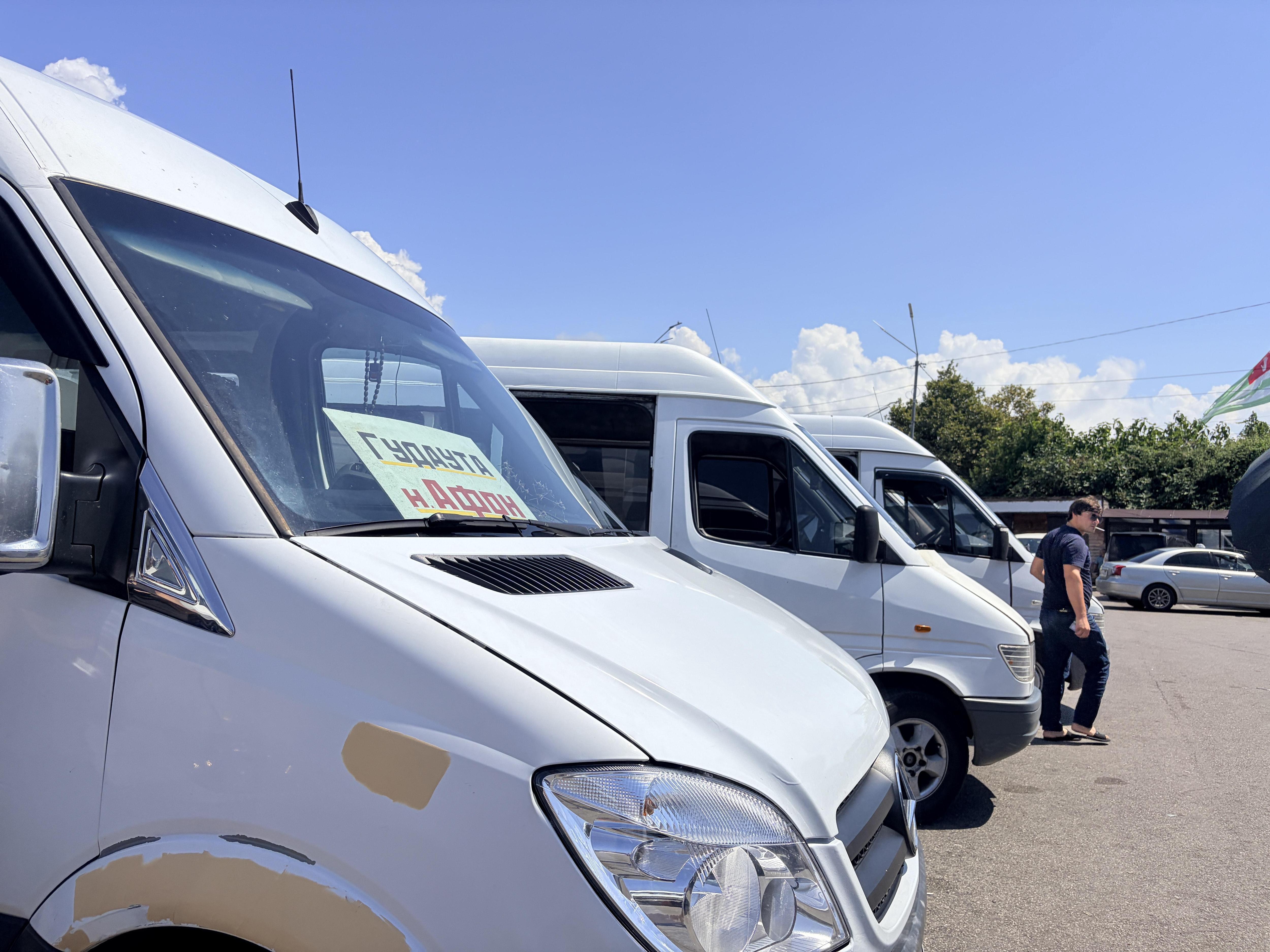
Minibuses are generally in satisfactory condition, but there is no air conditioning
At the pedestrian checkpoint, there are no lines. If you can get stuck for a couple of hours at the vehicle one, especially on weekends, here everything is smooth. 15–20 minutes and you«re in Abkhazia. And that»s at the height of the season. Passport control is conducted in an air-conditioned building, so there«s no discomfort.
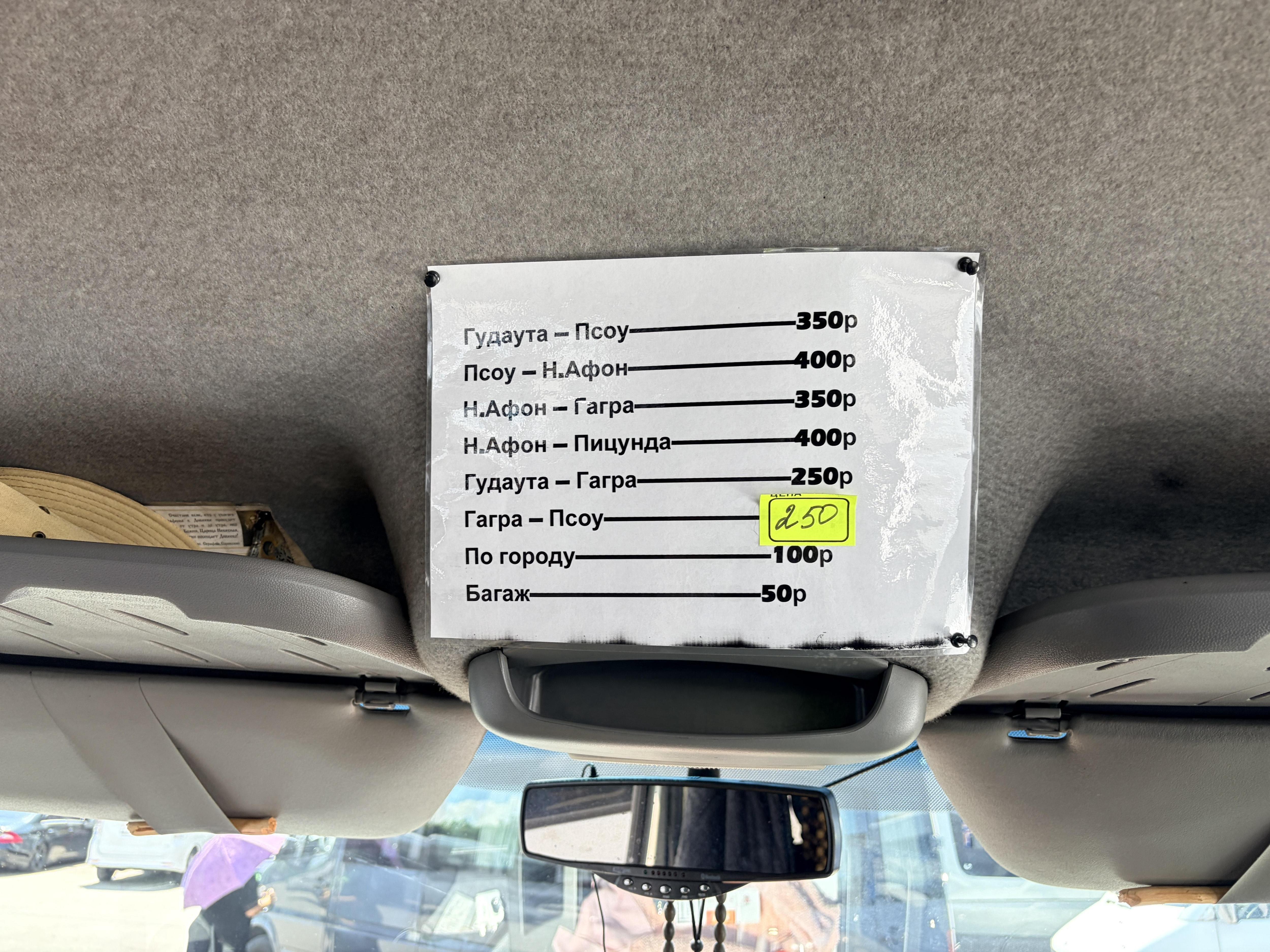
Don«t forget that you»ll have to pay 50 rubles for each suitcase on the minibus
— We were scared by huge lines. But we got through quickly. Maybe we got lucky, maybe there are few tourists this year. We crossed using Russian passports, — shared Maria Gerasimova, a tourist from Lipetsk.
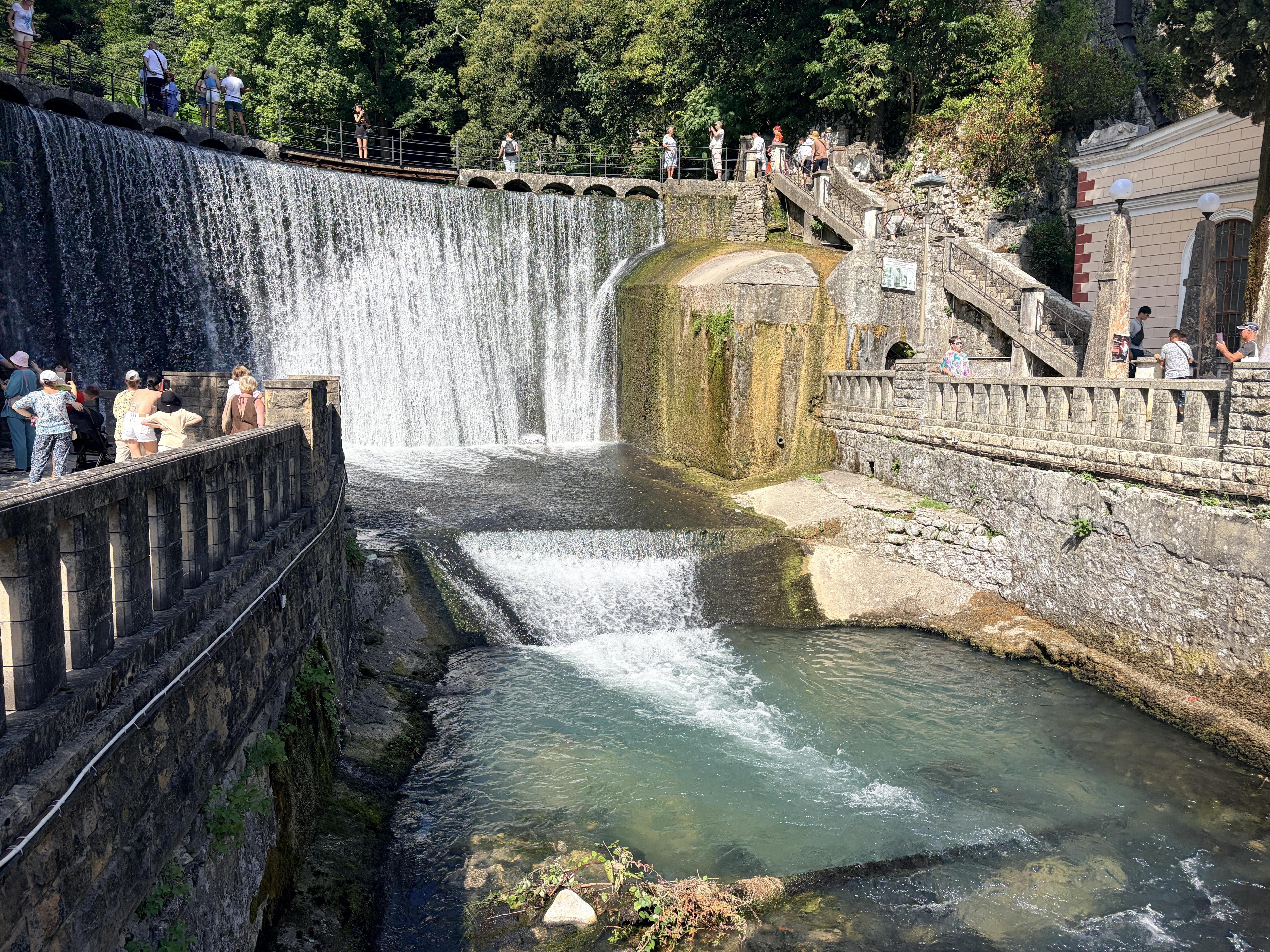
The famous hydroelectric power station in New Athos
Transport
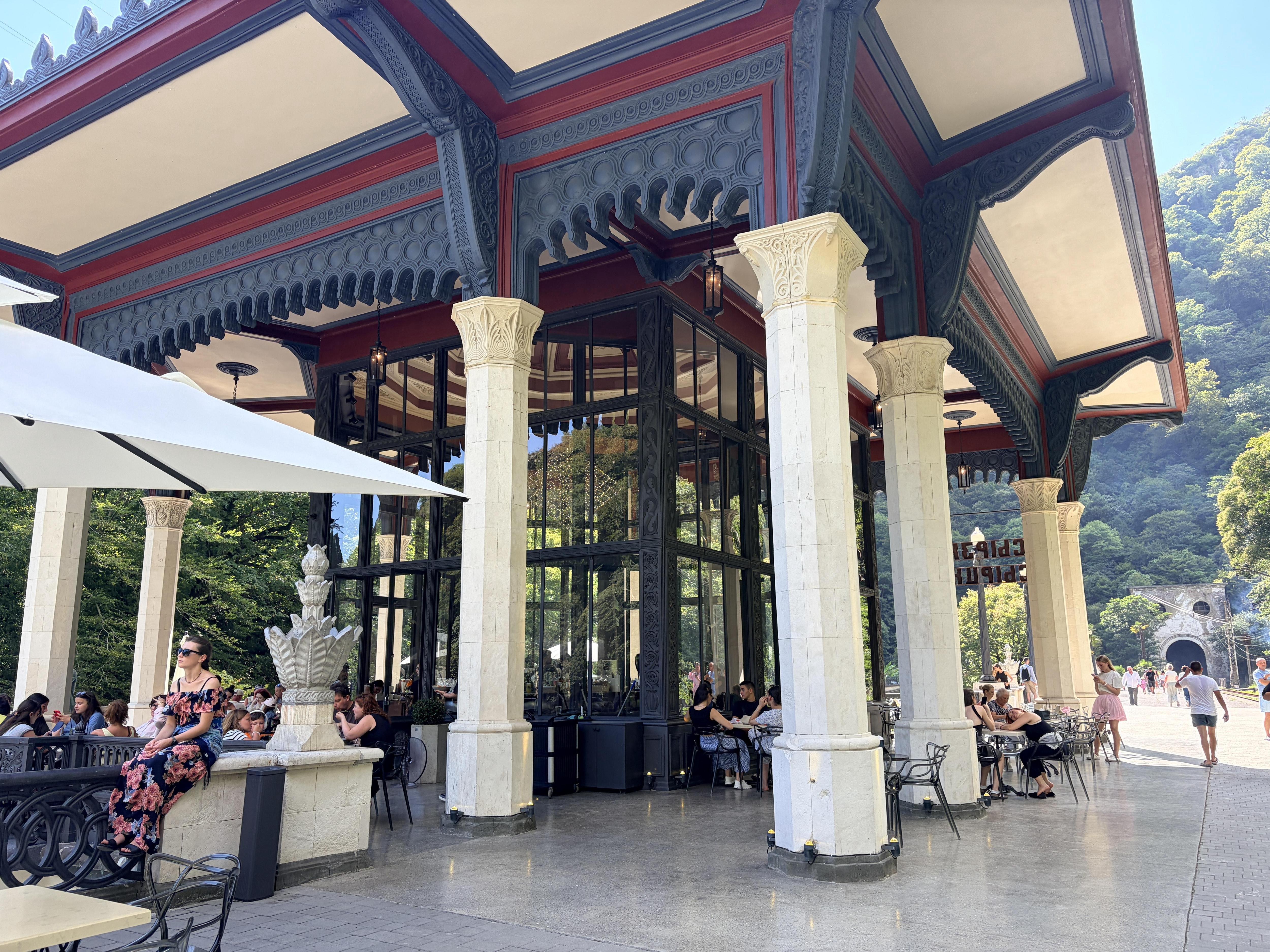
The Psyrtskha station survived restoration and got a second life
So, the border is crossed. We head to the bus station, which is right at the border. Past the pushy taxi drivers. Minibuses are standing and waiting for passengers. They leave only when completely full. We had to wait about half an hour. And only after there were no seats left did we set off for New Athos. Compared to last year, fares have risen significantly.
St. Simon the Canaanite Monastery
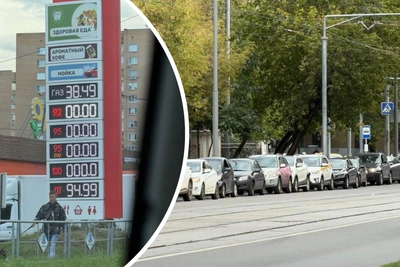
From the border to Gagra — 250 rubles ($3). From Psou to New Athos, the fare is 400 rubles ($5). For three people, it came to 1,200 rubles ($15). Taxi drivers ask for 2,000–2,500 rubles ($25–$31). Travel time — 1 hour 20 minutes. The road is mostly clear. Minor delays around gas stations, where long lines for fuel form. You can get off the minibus anywhere, regardless of stops.
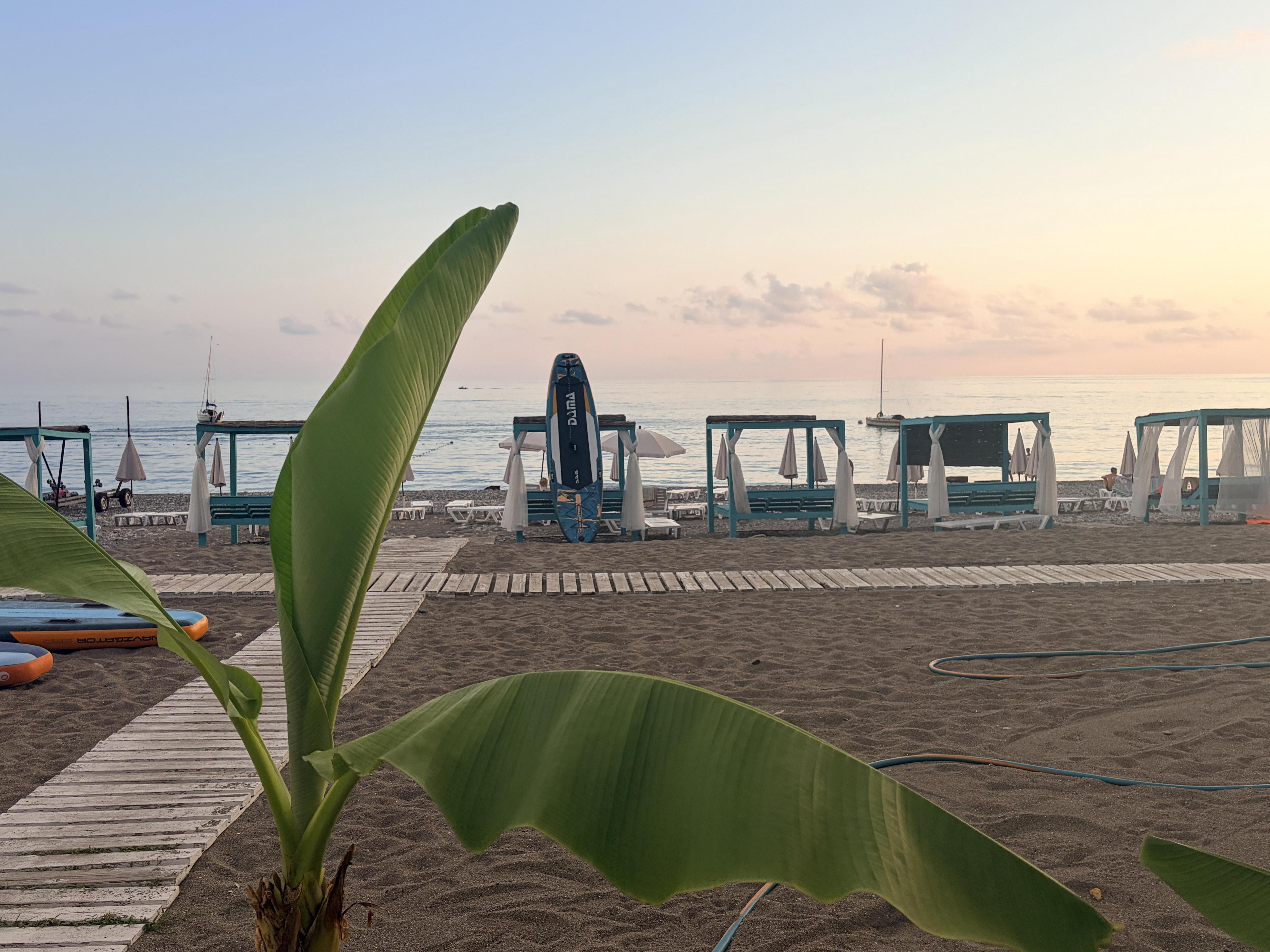
Summer evening in Gagra
What to Eat in New Athos?
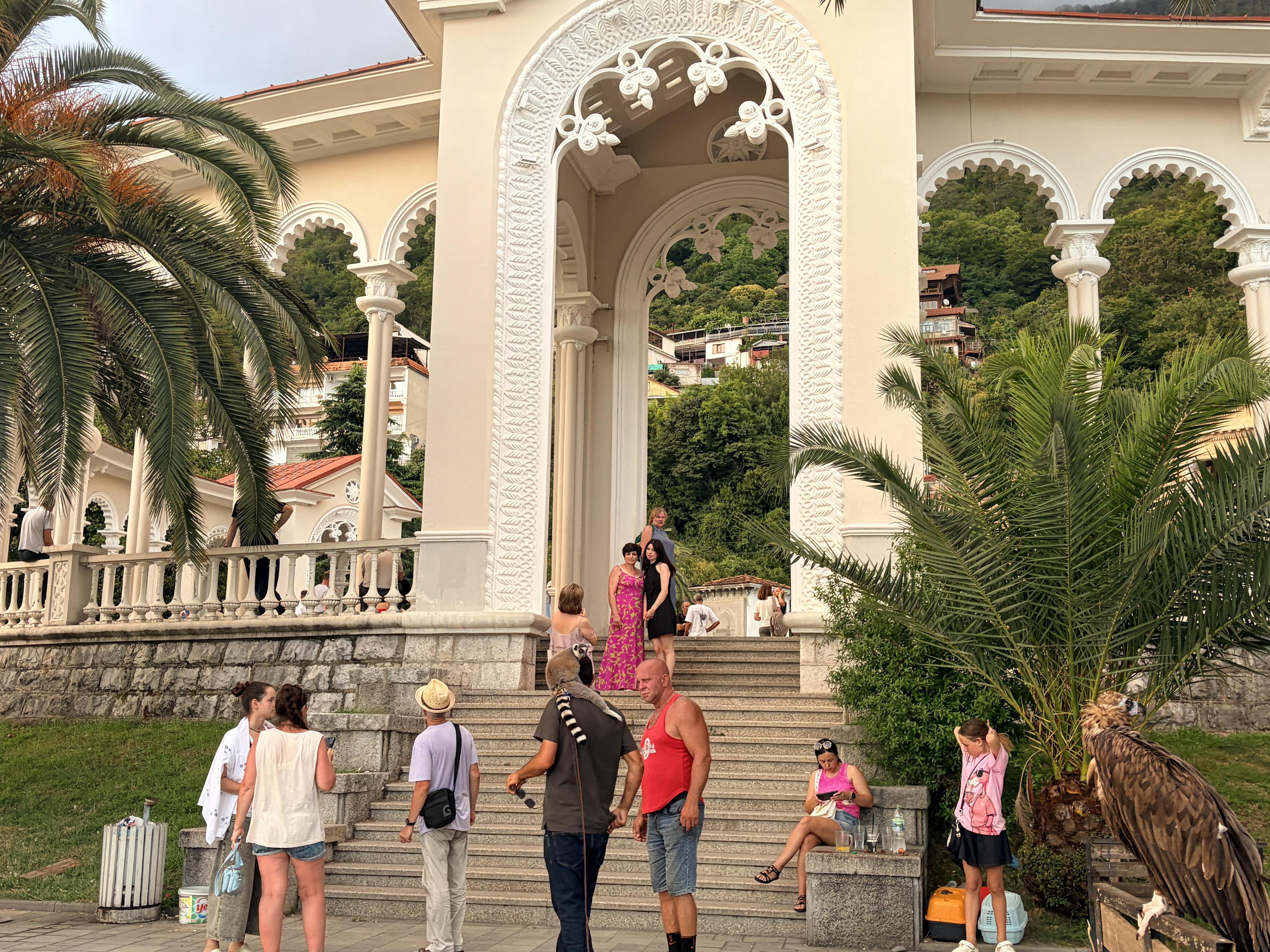
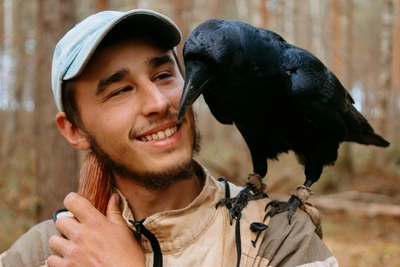
No one shoos away photographers with animals in Abkhazia
We didn«t go to Abkhazia early in the morning. So we only got to New Athos by 1:00 PM. Just in time for lunch. There are plenty of eateries there. Right on the highway by the ponds is the best khachapuri place in the country. Locals always go there. That»s exactly how you should choose a café for lunch: go where the most Abkhazian cars are parked.
Lunch at an apatskha (that«s what a café with Abkhazian cuisine is called) for three cost 2,600 rubles ($32). I admit, with alcohol. It was impossible to resist a chilled bottle of champagne. We ordered smoked meat, mamalyga with cheese, bean sauce, royal khachapuri with regular and smoked suluguni, and, of course, feijoa compote. Tourists are shocked by the prices. In Sochi, three people can»t even eat at a canteen for that amount now.
— In Moscow, such prices have long been gone in establishments, maybe only in some shawarma joint. We came to get acquainted with Abkhazian dishes. First time trying. We didn«t understand only the mamalyga — it has no taste, but the cheese, meat, and pickles are very tasty. The variety of local compotes and juices is surprising — feijoa, pomegranate, medlar, grape, — said Angelika Zvereva, a tourist from Moscow.
— We«ve been working for 20 years and our owner is sure that you need to attract not with high prices but with turnover. Look, we»re fully seated. Even in winter we always have guests. We have regulars. People come from Sochi for dinners, — says administrator Saida.
What to See in New Athos?
New Athos is perhaps more packed with tourist attractions than any other settlement in Abkhazia. And seeing them all in one day definitely won«t work. But the most beautiful ones — quite possible.
Not far from the ponds is a pre-revolutionary hydroelectric power station, which is called a waterfall. At the end of the 19th century, monks from the monastery cleared a swampy section of the Psyrtskha River and, to avoid the consequences of spring floods, built a dam. It provided light for the monastery, and they say it still partially supplies it with electricity. And under the cascade of water there are rooms where the monks stored food; it«s always cold there.
We were interested to see how the Psyrtskha railway station was restored; now a restaurant operates there. The surrounding area has also been improved. Various photo zones and flower beds have appeared.
In the mountains of New Athos is the Grotto of Simon the Zealot — one of Christ«s apostles. He spent his last years on Abkhazian land in a small cell in the grotto, where he prayed for days on end. During the construction of the New Athos Monastery, a small chapel was made there, to which pilgrims constantly come. New Athos also has more modern attractions. For example, the Memorial Museum of Military Glory. The exposition opened in 2013 in memory of the heroes of the Patriotic War of the Abkhazian people of 1992–1993. In the center of the white memorial is a bell tower, and inside is a small museum with photographs and military attributes.
Nearby is the male St. Simon the Canaanite Monastery, founded in 1875 by Russian monks from Greek Athos; Russian Emperor Alexander III provided assistance and support in its construction. A couple of years after its founding, the monastery was plundered and destroyed by Turkish troops during the Russo-Turkish War. It took 20 years to restore. In 1924, the monastery was closed for 70 years. It was used as warehouses, and during the Georgian-Abkhazian conflict in 1992–1993, a military hospital was stationed there. Now the New Athos Monastery is active and restored. It consists of several churches, the main one being the Cathedral of St. Panteleimon. The interior decoration is frescoes painted at the beginning of the last century by Palekh masters.
The height of another New Athos attraction — Iveria Mountain — is 344 meters (1,129 ft). According to legend, it was there that the icon of the Most Holy Theotokos of Anakopia was found. The mountain became revered by believers as holy, and therefore as early as the 6th century, one of the first Christian churches in Abkhazia was built there in honor of the Great Martyr Theodore Tiron. You need to walk three kilometers uphill, though on a well-equipped trail. There also survives the Anakopia Citadel, built in the early Middle Ages during the period of Byzantine rule. In the 7th century, the Byzantines were concerned about increasing Arab invasions and began building the fortification. In 736, it was besieged by a 60,000-strong army. For several months, two thousand Abkhazian and one thousand Kartlian warriors held the defense. But the Anakopia Fortress never fell to the enemy. Thirteen internal structures have survived to this day, including ruins of walls and defensive lines; the eastern tower was recently restored.
You can go up there using a cable car stretched over the gorge of the Psyrdsikha River. The road, opened in 2024, connects the «Eagle»s Nest« villa with the slope of Iveria Mountain at the walls of the Anakopia Fortress.
cable car length: 826 meters (2,710 ft)
maximum height above ground: up to 120 meters (394 ft)
travel time: 6.5 minutes one way
The cable car operates from 8:00 to 20:00. Adult (round trip) — 2,000 rubles ($25), one way 1,500 rubles ($19), children«s — 1,000 rubles ($12) round trip.
Sea
We didn«t swim in the sea in New Athos. For a change, we went to Old Gagra, to the gorgeous natural beaches. And we didn»t regret it. We were there within an hour. We got off at the famous colonnade and were horrified by how many people were there. We thought there would be crowds on the beach too.
But we were wrong. In Gagra in the evening, the sea is completely transparent and gentle, the pebbles are small, and there are almost no people around. We returned to Sochi already at dusk. We didn«t wait for a minibus; we left with a taxi driver who charged us 1,000 rubles ($12) to the checkpoint. Approaching the border, we heard sirens. In Sochi, a drone danger was announced several times.