Chinese Woman Discusses Russian Stereotypes, Plans to Teach Daughter
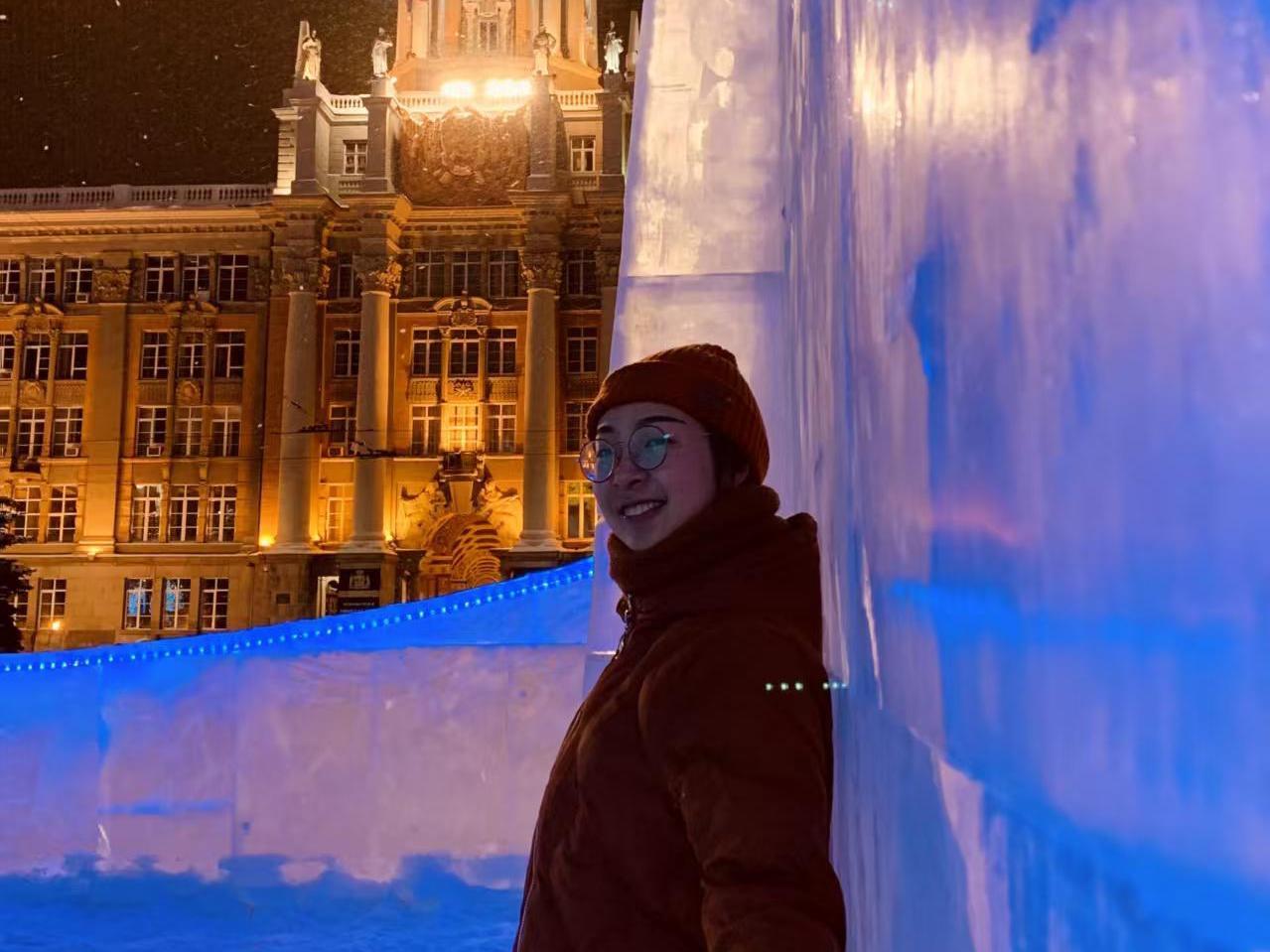

We live in a world of stereotypes. Most of us are accustomed to labeling others. This applies not only to individuals but to entire nations. Germans are punctual but lack a sense of humor, Americans are illiterate and rich, all Chinese look alike… The list goes on. But what do they think of us? What stereotypes about Russians still live in the minds of foreigners? An izh1.ru correspondent spoke about this with Chinese woman Li Xue to find out how residents of the Celestial Empire see Russia.
A Girl from a Chinese «Village» in Love with the Russian Language
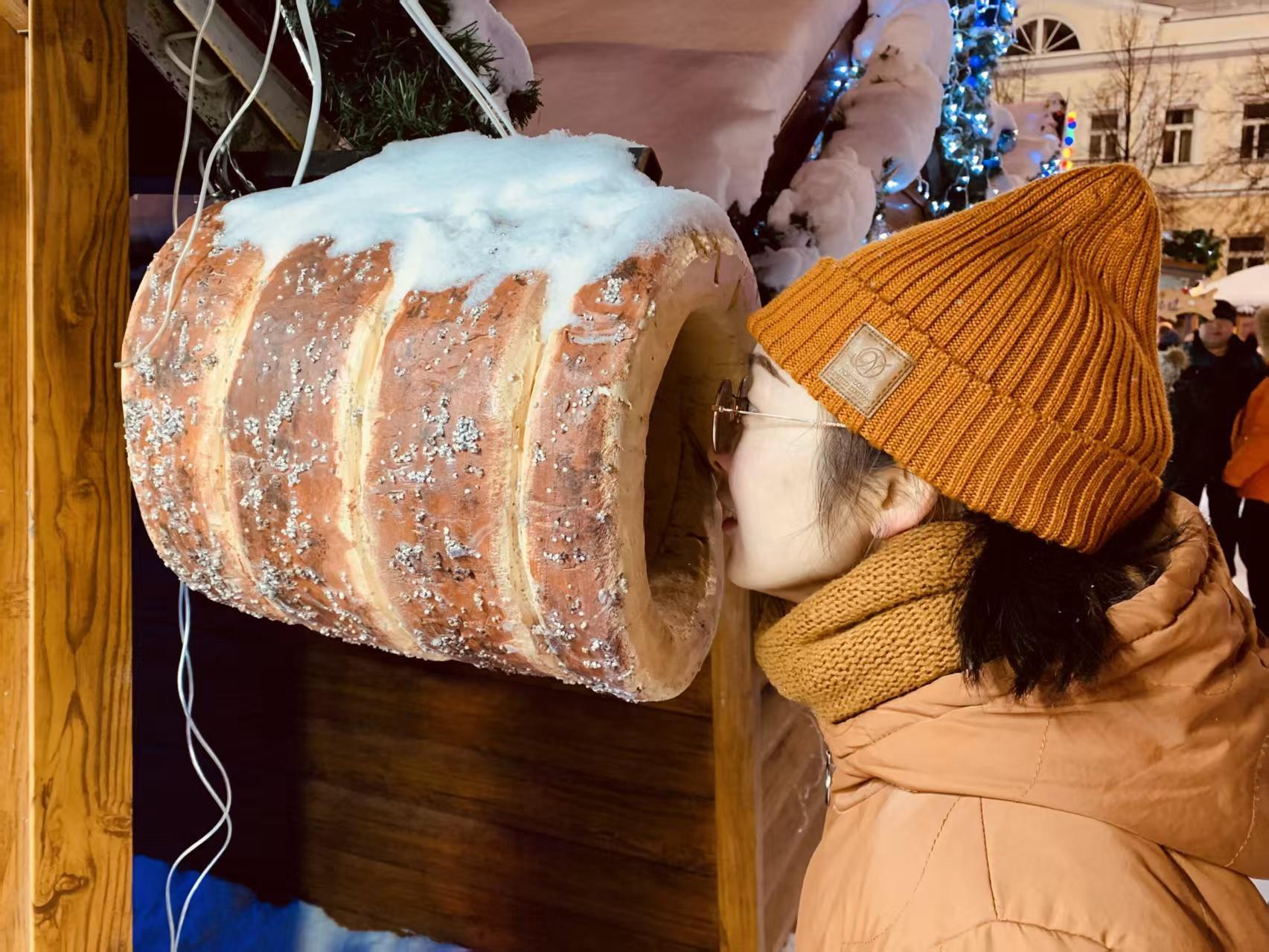
We met Li Xue when we studied together at Ural Federal University in Yekaterinburg. First-year students who joined the student union could attend the Foreign Language Club. I chose Chinese. A distinctive feature of our classes was that we studied the language together with a native speaker. Li Xue was my first Chinese teacher. And every time I failed to complete another listening assignment, I wondered how Xue managed to learn Russian with its complex grammar and rich vocabulary. After all, she spoke Russian quite well.

It turned out that her love for foreign languages began in childhood, when little Xue started learning English.
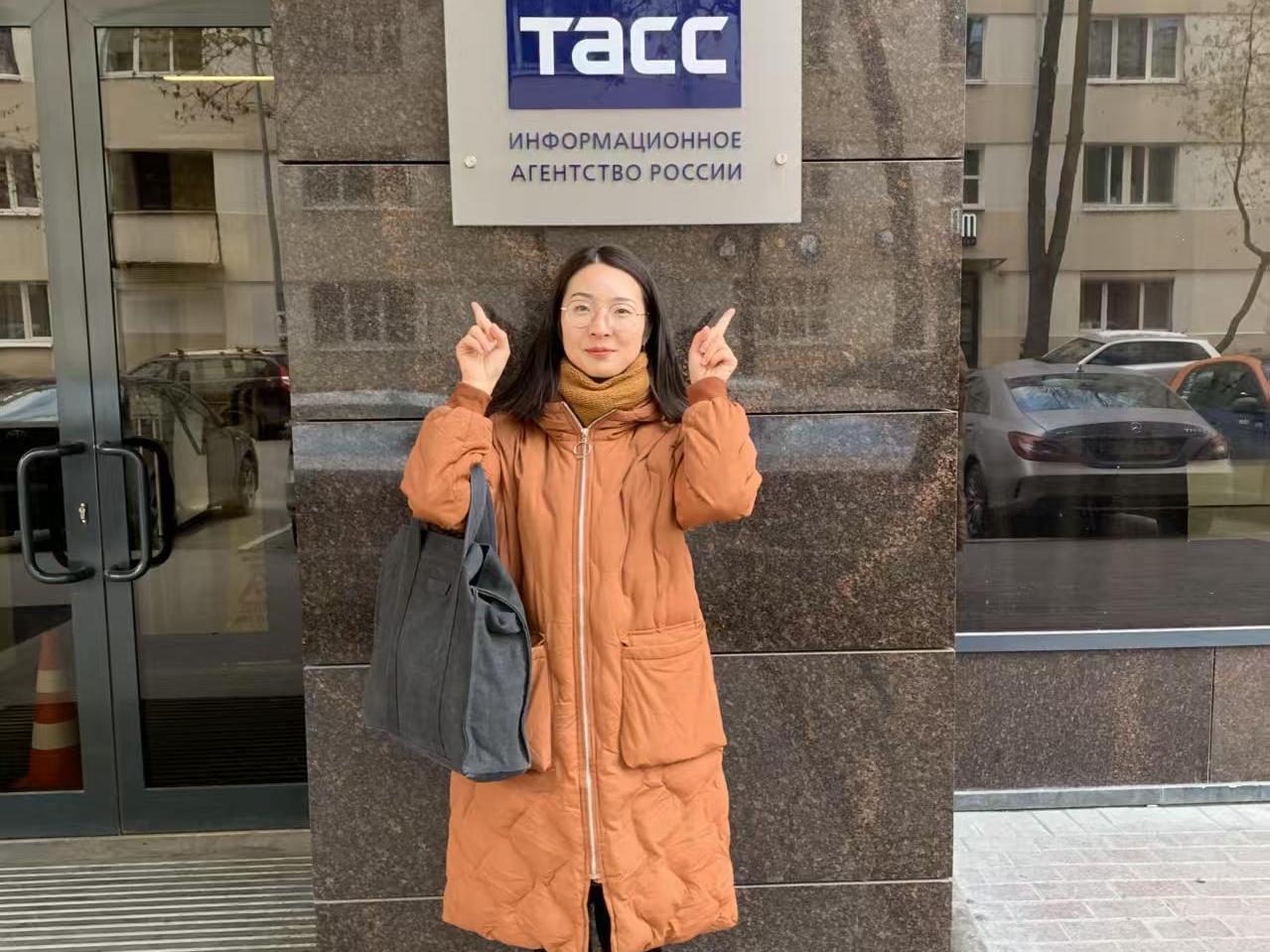
«I was born in a small town in southwestern China, in Sichuan province. I studied for nine years at a local secondary school. There was nothing interesting in that town. Not even a proper bookstore.
I started learning English in the third grade. And I still know it quite well, but I hardly use it in daily life or at work. However, when communicating with foreigners, I can understand what they are saying to me if it«s not business speech.
At 16, I entered high school in the big city of Chengdu. It is the capital of Sichuan province. More than 20 million people live there now. I am very happy with my choice because moving to Chengdu allowed me to see how people live and work in big cities. Besides, I met many of my friends here. Then I noticed that they, being residents of a metropolis, communicate with people completely differently than I, a native of a small «village,» do.
After finishing high school in China, as in Russia, you need to decide on a profession. Because I have studied English since childhood and generally love foreign languages, I decided to apply for linguistics. And it didn«t matter to me at all what language it would be: Spanish, Arabic, or Russian. I simply chose the university I wanted to attend. And there, the only foreign language offered was Russian. So I started studying this language and fell in love with it,» Li Xue said.
For four years, she studied Russian in China. In her third year, she went to Kazakhstan as an exchange student. There, Xue found friends who helped her better understand the nuances of «living» Russian. After that, she worked for a year in Minsk and lived for one year in Yekaterinburg.
«In China, teachers always recommend that students of Russian go to Russia for a master»s degree or participate in some program, such as an exchange. The duration of study is not important. It could be 3 months, half a year, or a year, but, of course, the longer the better. In 2019, I received a scholarship for free studies in Russia, so I came to Yekaterinburg. It was very important for me to visit your country, because I really love the Russian language and study it with pleasure.«
«A Headache» for the Chinese
Every language has its own peculiarities that stump foreigners who want to learn it. For example, in Chinese it«s the large number of characters and the tone system, which Europeans find hard to perceive by ear. And what are the pitfalls in learning Russian?
«I know this firsthand, since I not only study Russian myself but also taught for five years at a private university in China. Last October, I quit there and got a job at a sales company. We have clients, including from Russia. Sometimes I act as a translator.
If we talk about Chinese students, for them the most difficult topics are generally those related to Russian grammar. Especially cases. We can write correctly in Russian, but spoken language is harder for us. During conversation, Chinese often mix up endings.
Personally, for me, a big difficulty in Russian is also words that, in my opinion, have very close meanings but are used in different situations (paronyms and synonyms). And we Chinese can«t figure it out because we don»t have such things. Take the words «friendly» [druzheskiy] and «close-knit» [druznyy]. I don«t know how they differ. And it»s very difficult for me to understand.
I also face difficulties related to technology vocabulary. It«s very hard for me to understand terms. Probably, the reason here is not my level of Russian. After all, I don»t even know these words in Chinese.«
As Li Xue notes, the Russian language has its own charm, its own unique beauty. Most of all, she likes our proverbs, sayings, and idioms. Xue calls them «the real treasures of the Russian language.»
The Chinese woman also shared with us that she has a favorite Russian word:
«I like the word »sunshine« [solnyshko]. It»s very interesting. On one hand, it denotes the sun shining in the sky; on the other, it can serve as an affectionate term for a dear and beloved person. There«s no such thing in Chinese. I even taught my husband to call me »solnyshko« in Russian. And he sometimes addresses me that way. It»s very sweet.«
Beautiful People, Negligent Staff, and Delicious Tea
Li Xue managed to get to Russia before the peak of the coronavirus pandemic. In 2019, her plane landed in Yekaterinburg. And the first thing that caught the young Chinese woman«s eye was the appearance of the residents of the Urals» capital.
«My first impression of Russia: people here dress very fashionably. Of course, among Chinese there are also those who care about their appearance. But it seems to me that we mainly dress somewhat tastelessly, especially women over 40. With you it»s not like that. Although, perhaps, I got that impression because I mostly communicate with young people, with students. But know that, in my opinion, you are beautiful.«
However, the joy of her long-awaited arrival in Russia was spoiled by an unpleasant situation that happened to Chinese students at Ural Federal University.
«Our whole group came to the university to check into the dormitory. But there we were told: »The employee is resting, maybe your issue will be resolved on Saturday.« And they sent us to a hotel. I still don»t understand why we were treated like that. We, a whole group of foreigners, came to you for help, this is your job, your direct duty. And you literally show us the door.
Also, when we were at the university, we had to sit from morning till evening for 7–8 hours waiting our turn to process documents. The staff also often had tea breaks, «tea moments.» As a result, some of us only got their turn the next day. We really didn«t like that.»
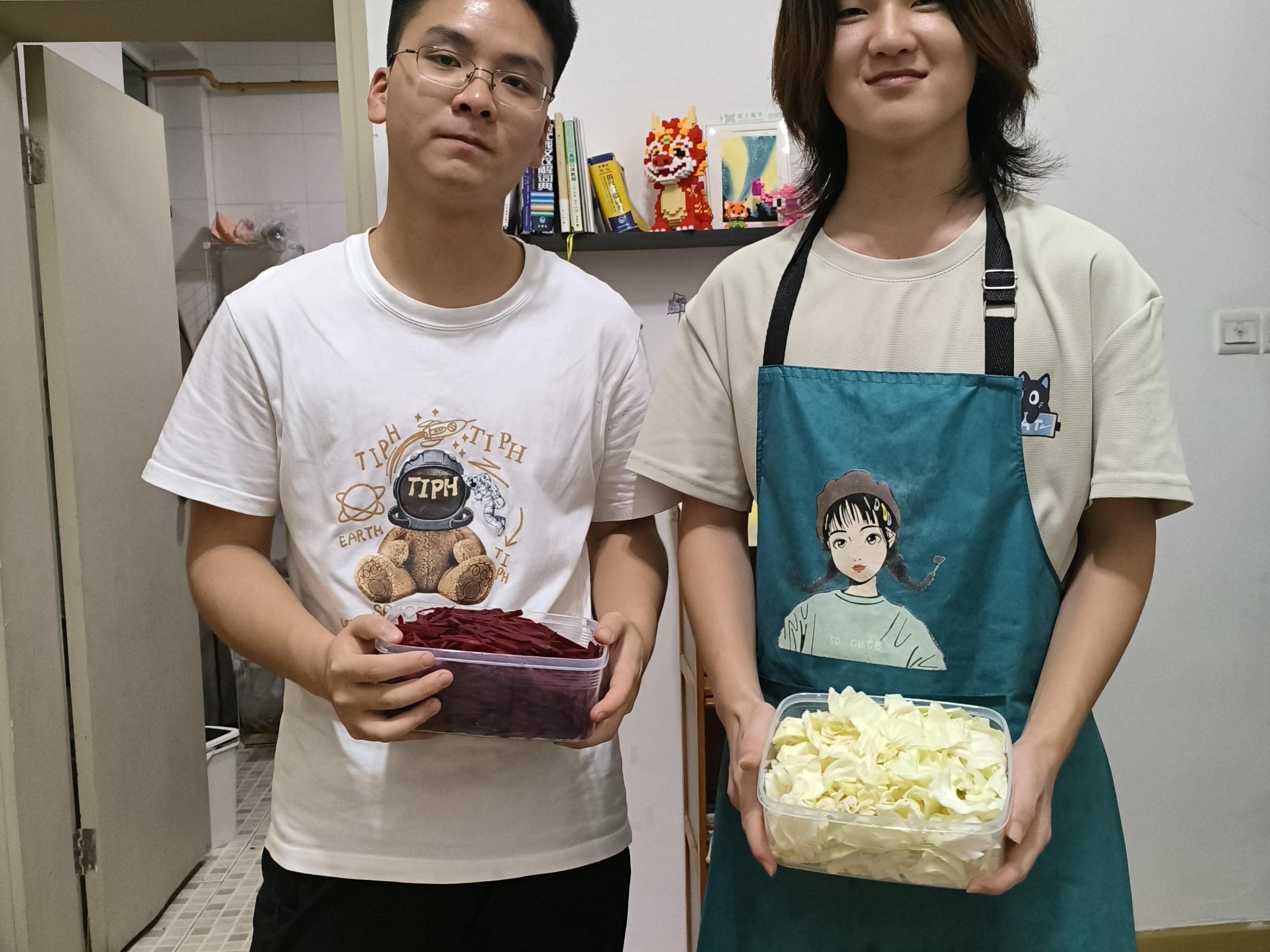
Xue admits: the hardest thing for Chinese students was getting used to Russian food. Therefore, many of them learned to cook dishes from their native cuisine.
«In China we say: if a person studied in Russia — they know how to cook Chinese dishes. After all, each of us, living abroad, misses our native food. And even if in China we didn»t know how to cook, after a trip to Russia everyone became a chef.«
Another thing that surprised Xue in Russia was the location of the university buildings.
«I was surprised when I found out that I would have to take public transport to classes. In China, we usually have university campuses, everything is within walking distance. You can walk from the dormitory to the academic building. In extreme cases, students are provided with university buses, but that»s also not a problem. But in Russia, sometimes you have to travel a long way to the university. And the academic buildings are located in different parts of the city.«
According to Xue, in China, in principle, all students are required to live in dormitories so that they communicate more with classmates and participate more actively in intra-university events. And it doesn«t matter where you come from. Even if your apartment is on the next street, you still have to move into the dormitory. The rules are the same for everyone. Therefore, questions about how to pay for housing rent and public transport fares don»t arise for students in China, unlike our poor Russian students. Such are the harsh realities of the post-Soviet space.
Among other things, while in Russia, Xue also encountered racial discrimination. However, this was more of a rarity than a frequent occurrence. As a rule, the Chinese woman heard racist comments addressed to her from school-age children. This didn«t bother her too much: children will be children.
But adults sometimes shocked her with their stereotypical ideas about the inhabitants of China.
«Russians still have many stereotypes about us Chinese. For example, that we eat dogs, snakes, and insects. Yes, we have that. But such exotic food is actually not so popular among Chinese themselves. Similar dishes can be found in tourist places. Sellers try time and again to come up with something new to interest foreigners, for example, making kebabs from insects. It»s a marketing ploy. Few Chinese eat such things.«
Despite the negative moments, Xue received many pleasant impressions from Russia. During her stay in our country, she only managed to visit Moscow and St. Petersburg, which she very much regrets. The foreign student«s plans were hindered by the pandemic. After returning to China in 2020, Xue never managed to come back to Russia, but she dreams of doing so in 2026.
«There are many places I haven»t had time to visit in your country. I want to visit Sochi twice — both in summer and winter. I dream of seeing Lake Baikal with my own eyes. To go to Vladivostok, Kazan, Nizhny Novgorod, Murmansk, Suzdal, and Kaliningrad.«
Remembering Russia, Xue, surprisingly, misses skiing and… tea. As it turned out, Russians have excelled in the art of brewing tea much better than the people who invented this drink.
«I liked your tea. I»m not talking about fireweed tea [ivan-chai] sold in stores. In Yekaterinburg, my friend and I once went to a cafe. They served amazing tea. I had never drunk anything so delicious. And now seven years have passed, and I still haven«t found tea in China that is as fragrant.
I really miss skiing. I learned to ski when I lived in northwestern China. In Belarus and Russia, I improved my skills. I like that in Russia in winter, in any city, there are places where you can ski, and it«s accessible to everyone. In China, it»s not like that. For example, from my city, the nearest ski complex is 4–5 hours away by car. We also have urban places for skiing, but it«s very expensive, not everyone can afford it.»
Cheaters and Bribe-Takers
According to Li Xue, in China, Russians are generally treated friendly, especially when it comes to tourists. Russia is now on everyone«s lips. Chinese actively discuss news about political conflicts between our country, NATO, and Ukraine.
Nevertheless, stereotypes are present here too.
«Chinese have many stereotypes about Russia. First, we think that you are not afraid of bears. Second, that Russian men always have a lot of chest hair. Third, that you drink a lot of vodka. Besides, Chinese believe that Russian women, when they get married, inevitably become plump. Probably because we see many such examples on social media and in your TV series.
In addition, judging by Russian literature and cinema, it seems as if you are frivolous in love. The impression is created that infidelity in Russia is normal.
We also have formed the opinion that there are many bribe-takers among Russians. In my company, before going to a meeting with partners from Russia, we prepare an expensive gift in advance. Perhaps this is because in TV series, Russian shareholders are always portrayed as bribe-takers. But still, you never know for sure, maybe this gift will really be needed. So we prefer to play it safe.
I also want to tell about the culture shock I experienced in Belarus. I think it«s typical for Russia as well. When I lived in Minsk, I had one student. She worked as a lawyer, and her husband was a construction worker. For us Chinese, such a union seems strange. I, being a teacher, couldn»t marry a person who does physical labor. Parents wouldn«t approve of such a marriage. In China, it is believed that if you do physical labor, you have a poor education.
In Russia and Belarus, it«s different. I know for sure that my student»s husband is also interested in art, travel, and has broad horizons. And his field of activity doesn«t prevent him from finding common ground with his wife. Perhaps in your countries many receive a good education, so you don»t pay attention to such things. And I think that«s wonderful. It characterizes you from the best side.
Our peoples are united by one thing — pride in their country and culture. But most Russians, unlike Chinese, have a sense of humor. You know how to enjoy life. And we are mainly concentrated on how to earn money. And the main thing I learned from Russians is to put personal life first. Work is work. Life is not limited to just earning money. This is a very important thought that many Chinese don«t understand.»
«I Will Teach My Daughter Russian»
Now Li Xue is a wonderful wife and mother of a little girl. She hasn«t stopped studying Russian and actively keeps in touch with her friends from Russia.
«The Russian language has become an inseparable part of my life. While in China, I continue to be interested in Russia and Russian culture. I like baking blini with various fillings, listening to Lyube, watching your films and series. I have a favorite podcast — Russian with Max. With students, we cooked borscht, made cutlets, and Belarusian draniki. The guys were interested in trying sour cream.
I like the works of Mikhail Bulgakov and Boris Pasternak. In my time, I read the novel Heart of a Dog in the original and watched the film adaptation of The Master and Margarita.
In the future, I definitely plan to teach my daughter to speak Russian. Even now I sometimes use Russian words in speech. I tell her: «Look, this is a panda, and this is a dog.»«