Nearly Half of Rostov-on-Don Buses Idle Due to Driver Shortage


Only 65% of the planned number of buses were operating on routes in Rostov-on-Don in January, the city administration told 161.RU. Authorities explain that there is a shortage of transport due to a deficit of drivers.
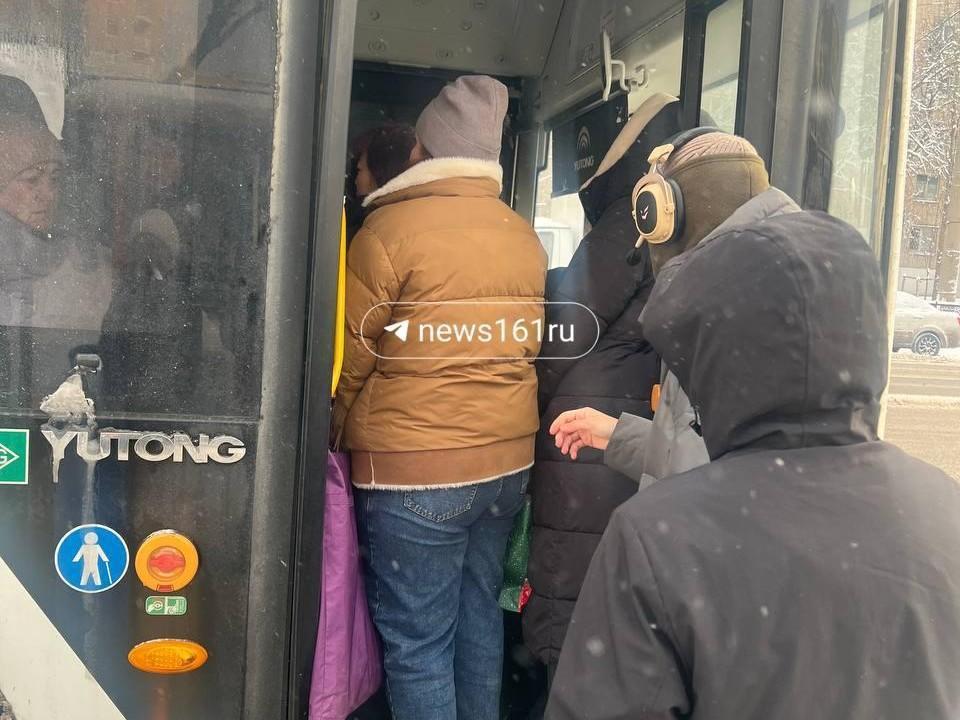
Bus problems worsened against the backdrop of January snowfalls. Readers of 161.RU complained that getting on transport in bad weather is practically impossible.
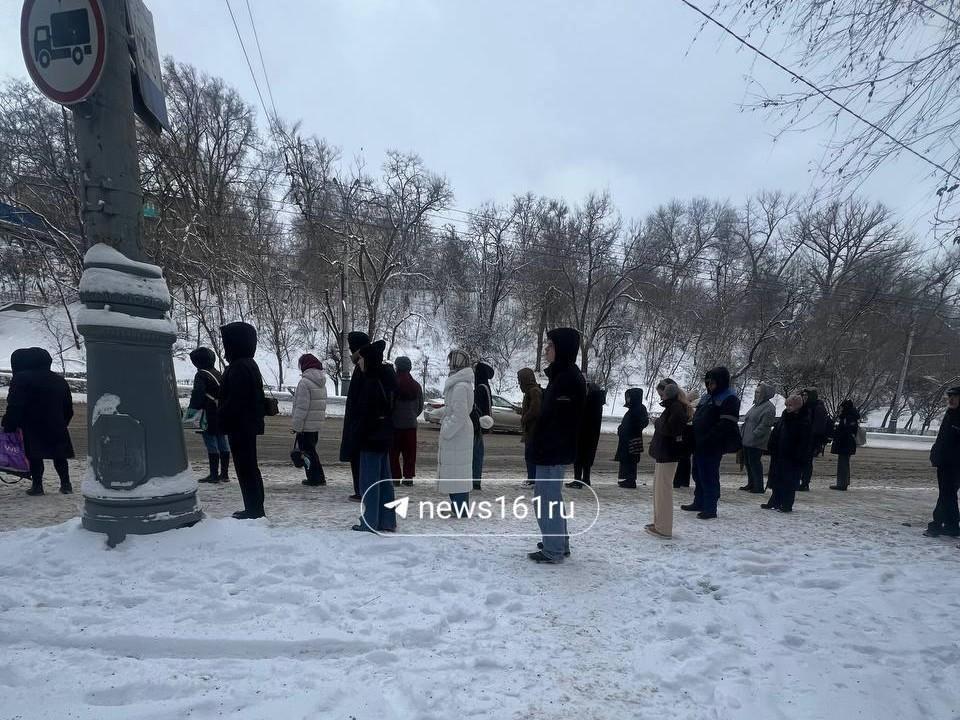
The Rostov administration confirmed that there are indeed problems with putting buses on routes.
“In January of this year, the deployment of public passenger transport vehicles in Rostov-on-Don to routes is 65% of the planned number,” the administration told a 161.RU correspondent.
Officials link the problems to a driver deficit. The transport is short of almost half (45.5%) of the required number of drivers.
“To this day, the shortage of public transport drivers remains one of the main problems of the transport industry,” the administration notes.
Moreover, drivers, as authorities say, are not assigned by contract to specific routes.
“The driver shortage ultimately affects the number of vehicles deployed on routes. Drivers who join the motor transport enterprise often work on different routes served by the company,” the administration explained in response to a 161.RU request.
Earlier it was reported that Rostov authorities planned to purchase 20 articulated buses and 70 regular buses. They are prepared to spend 2.7 billion rubles (about $27 million at current rates).