Taganrog's 2026 Tourism Season: Hope and Hardship

Taganrog greeted mid-July — the calendar peak of the resort season — with half-empty beaches and alarming reports from hoteliers. A correspondent from 161.RU spent a day on the coast to understand who and why chooses the Sea of Azov today, what problems tourists face, and how the local hotel business survives.
Locals, Visitors, and Silence Instead of Resort Noise
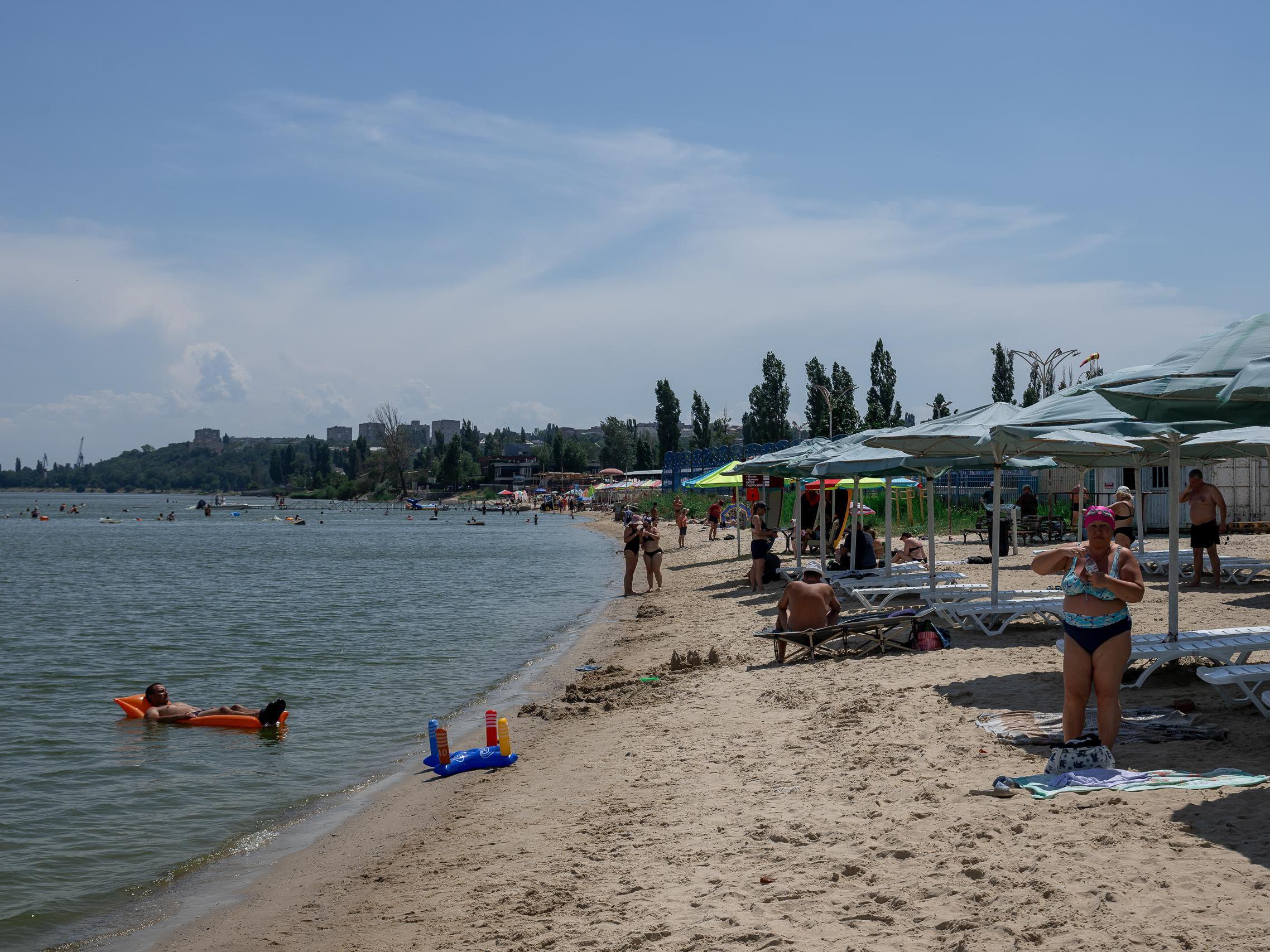
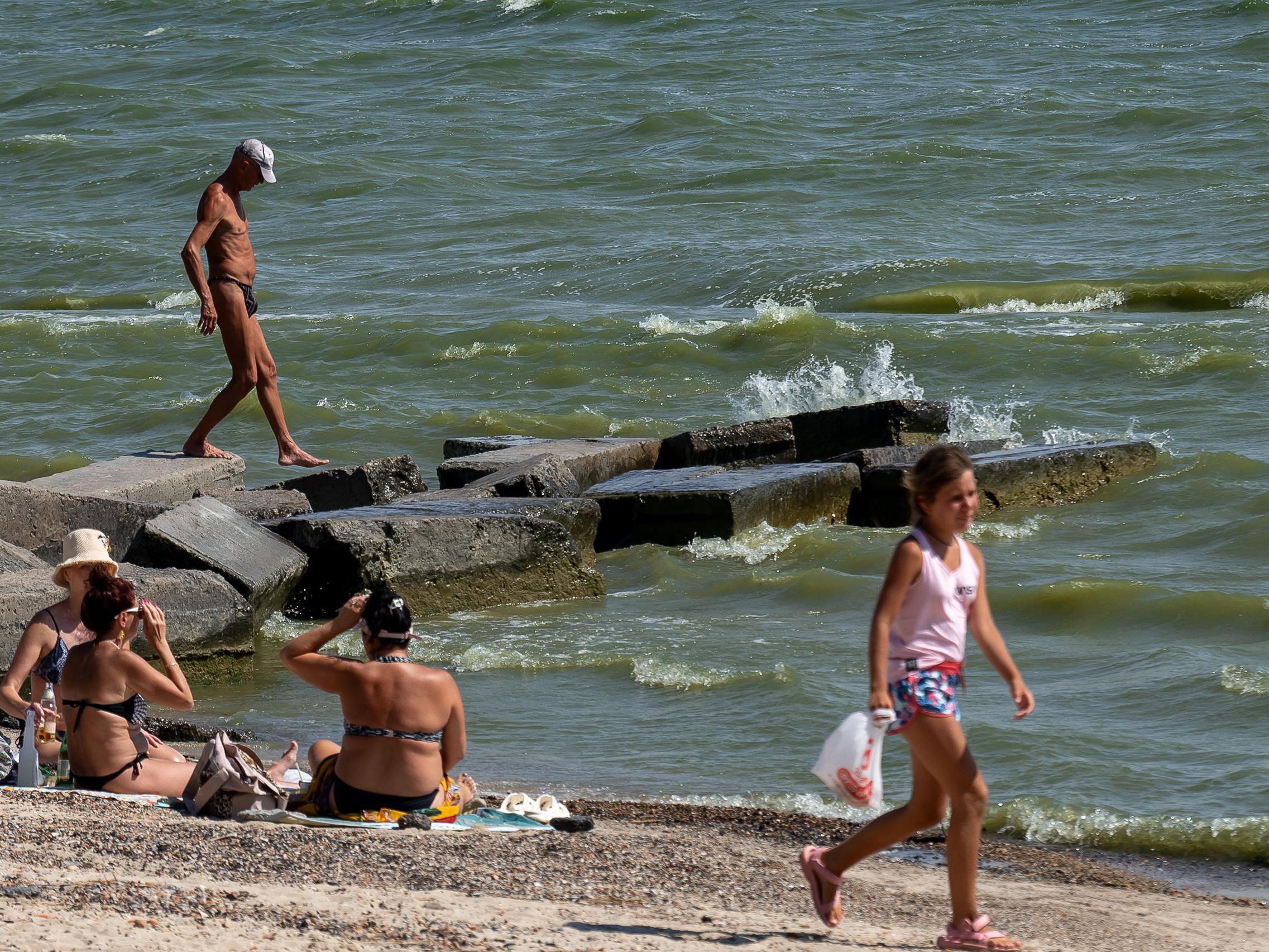
The central beach of Taganrog on a Thursday afternoon looks more intimate than resort-like. Sunbathers can be quickly counted, and many of them are locals who came to the sea after work or on a day off.
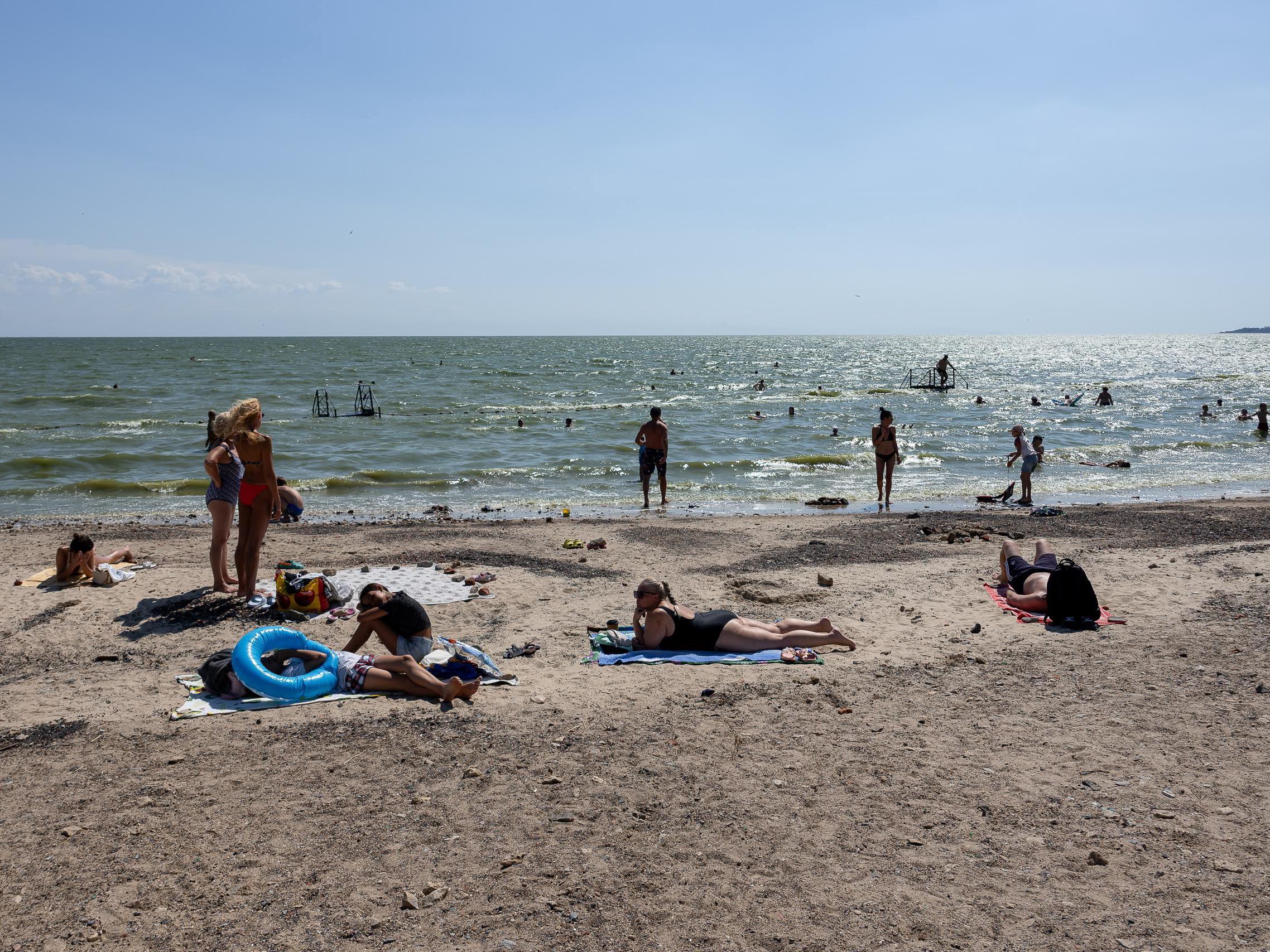
A young woman who came for a swim after her shift speaks briefly.
«I’m from here. I’ve only been swimming the second or third time this year,» shares a local resident.
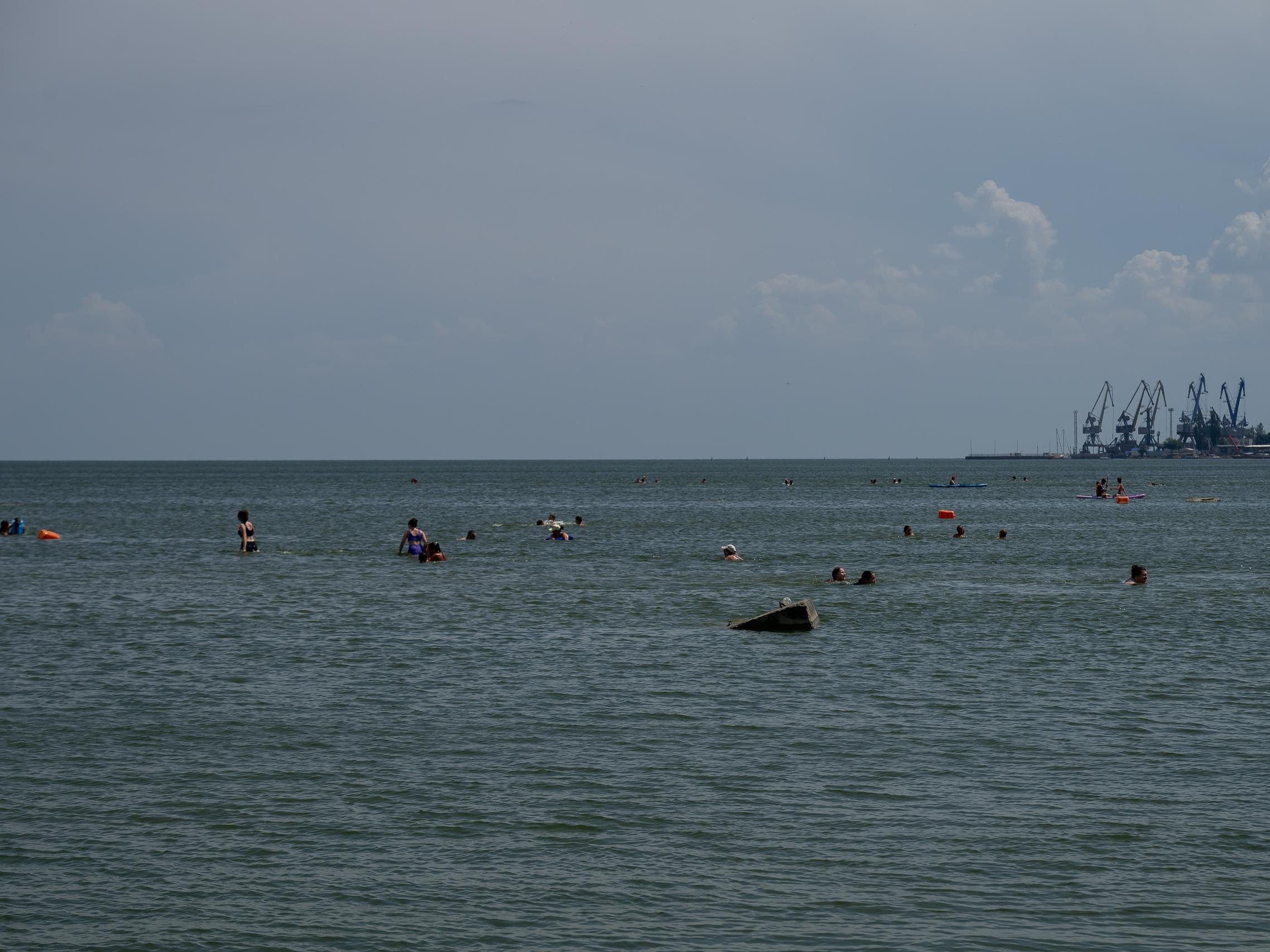
We approach a couple who, as it turned out, moved to Taganrog. They assess the beach reservedly but without negativity. The main thing they note is that basic infrastructure is present, though not fully:
«We like that there is a toilet, some points selling basic items, a place to change and wash. But with the pebbles, of course, we would like it to be a bit more... improved,» the family told us.
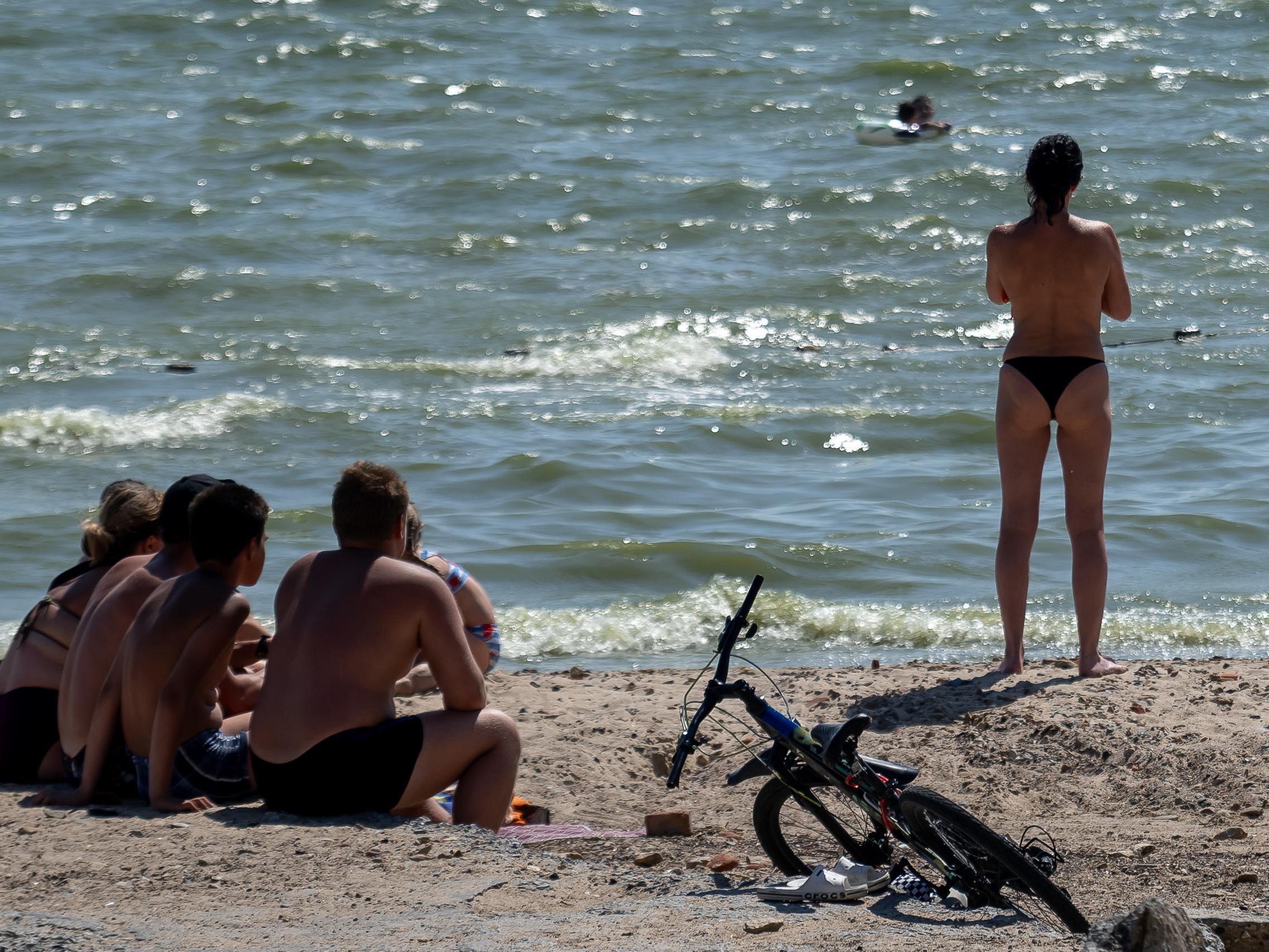
A woman who has been vacationing on the beach annually for twenty years is confident: this year there are even more people than usual, and talk of an empty coast is an exaggeration.
«There are many more people this year. For instance, one family is vacationing — four adults and two children. They bought an apartment here on Kruys Street. They come as if it’s their own home,» noted the tourist.
According to her, many come by car from Luhansk and Donetsk — they swim and leave. Some stay overnight — tents are set up on the beach. In the morning, the shore fills with families with children, by noon people disperse, and in the afternoon locals show up — many after work.
Another resident of Taganrog, who moved here 32 years ago, compares this summer to last season. And she unexpectedly adds that she doesn«t even want to think about Krasnodar Krai.
«This year is better because the sea is more comfortable, the weather is great. I’m satisfied, I don’t want to go to that Krasnodar Krai. I like it here.»
The Moscow-Car-Crimea Flow Has Dried Up
A survey of vacationers reveals that the majority of tourists come from the Donetsk and Luhansk People’s Republics (DNR and LNR), from Rostov Oblast, and less frequently from other regions.
A family from Donetsk chooses Taganrog for the second year in a row, citing the feeling of safety as the main reason for their choice.
«Usually there are drones on our coast, so we came here. It’s somewhat safer to swim and relax here. Zoo, park, for children, calm and fun — excellent,» explains a woman with children.
Another couple — also from Donetsk — came to the Sea of Azov because it’s the closest sea from home:
«We came because it’s closer — four hours drive. The Black Sea is too far to go. Literally much farther,» noted the tourists.
A guest from Voronezh ended up in Taganrog due to family circumstances — she was supposed to meet her grandchildren, but plans changed. At night, she says, it was unsettling:
«Last night was just... explosions were audible — probably at the border, near Mariupol. It’s also restless in Voronezh, there was a recent hit on a factory. We woke up in the morning — thank God, the sun is shining, we are alive, the sea. We are happy with everything.»
At the same time, the woman admits: she would like the Black Sea — clear and blue.
A family from Dzerzhinsk (Donetsk Oblast) has been living in Taganrog for almost two years after deciding to move further from the combat zone. Their view of the sea is philosophical:
«It’s not a sea, it’s a bay. Such as it is, we are glad even for this.»
Transit tourists, who used to fill hotels for a day or two on their way to Crimea, have practically disappeared this year. Hoteliers confirm: the Moscow-car-Crimea flow has dried up. The route to the peninsula is now virtually closed, and this has directly hit Taganrog’s occupancy.
«Relatively Inexpensive»
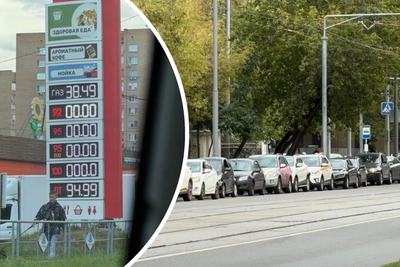
The topic of fuel prices constantly comes up in conversations with tourists. For guests from Donbass, local prices are not a shock, although the dynamics are concerning:
«130 rubles ($1 at current rates) per liter, not great, of course... and earlier it was 70-80 rubles ($1 at current rates). In a short period, the price just jumped,» the visitors reflect.
They get there in different ways: some by car, some by bus. Those who chose public transport note its affordability:
«By bus, everything is fine. Relatively inexpensive, cheaper than to Crimea. Well, now no one goes there at all — it’s supposedly banned for tourists,» comments a tourist.
A man who arrived by electric train is satisfied with both transport and prices:
«We vacation almost every year. Prices haven’t increased anywhere, everything is just as calm here and even much cheaper than in our area.»
According to vacationers, the situation with housing is also stable — those who have been renting from the same owners for the second year say prices have not changed.
«Folks, That Doesn’t Wash Off»
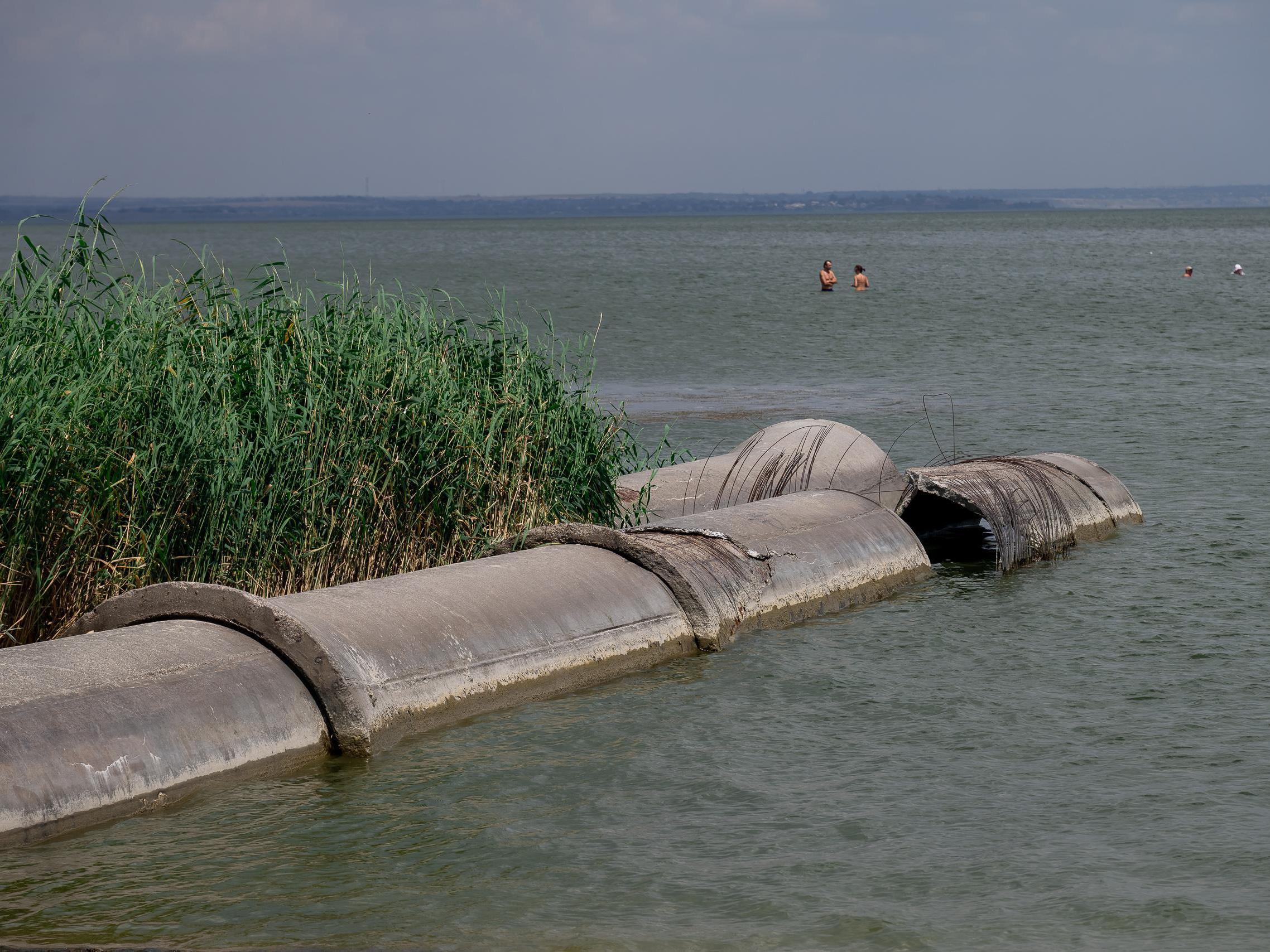
A few days ago, ships in the Taganrog Bay were attacked by unmanned aerial vehicles. The consequences are visible on the beach in the Bogudoniya area: mazut (fuel oil) spots are floating in the water and settling on the shore.
Vacationers who were there in the morning describe what they saw without embellishment:
«It’s so black — it spreads and doesn’t wash off. Folks, that doesn’t wash off.»
«We were there today. Swam in mazut, then fled. We went to the central beach.»
«People started to scatter.»
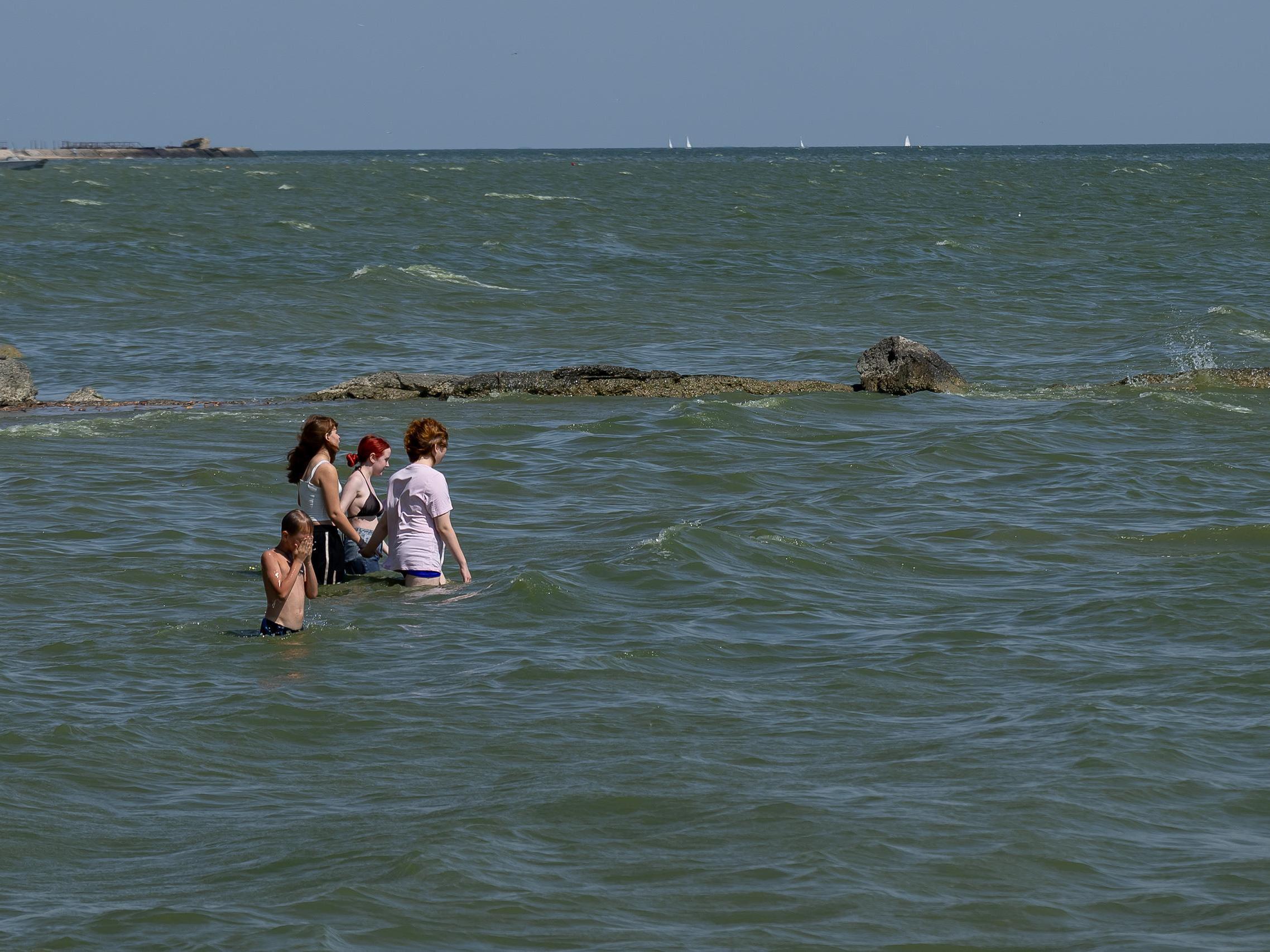
At the same time, some people continue to swim at Bogudoniya, simply avoiding the spots. The 161.RU correspondent saw this personally. We ask them: «The mazut is there, aren’t you afraid?» — «No,» and they step over it.
Small particles of mazut disperse in the water — you push them aside, and they trail behind you. Until the spots are washed ashore, cleanup is impossible, say local volunteers.
On the central beach, the situation is better. Vacationers confirm: they haven’t even heard about mazut here. Although we did find bags of it there. And local residents react calmly to what’s happening:
«Why should we be nervous? This is happening everywhere in Russia now — take St. Petersburg, Moscow, Omsk, everywhere. So we just need to hold on and that’s it, without panic.»
«It’s great here. The only thing is that Bogudoniya is a bit dirty after something burned in the port on Saturday — there it’s a bit dirty. But here it’s great. Swimming with kids is excellent,» adds another vacationer.
Hoteliers: «We’ve Never Had Such a June»
If the beach picture still allows for different interpretations, the hotel sector is unanimous: there hasn’t been such a weak season for a long time. Three hotels — three similar diagnoses.
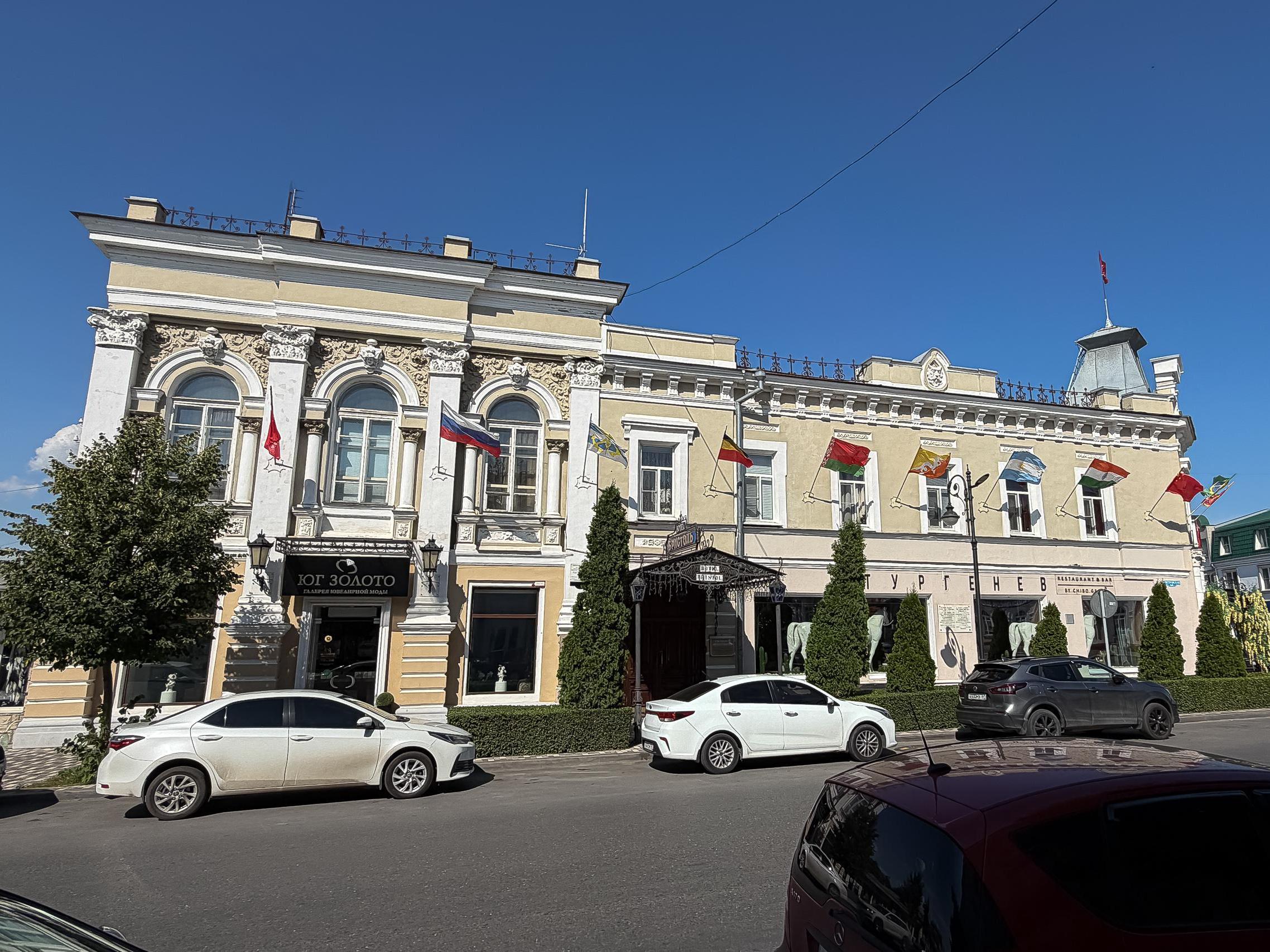
At the Bristol Hotel, the administrator is perplexed — occupancy in the first half of summer is not encouraging.
«We’ve never had such a June in principle in summer, with so few guests. 30-40% occupancy for summer is very bad. It should be at least 70-80%,» noted an employee.
Staff here are not being cut — it’s already minimal — but they frankly say: «We’re tightening our belts.» The hotel primarily caters to business people and business travelers; family tourists have always been few. The main headache is dependence on the news background:
«We’ve noticed that hits — on the port or elsewhere — lead to immediate booking cancellations. Then several days of calm — bookings come in. As soon as some event in the city — cancellations again. That is, the flow depends on external events,» reflects the administrator.
According to hotel staff, the Sea of Azov no longer attracts tourists as it once did — vacation here has become less appealing. Meanwhile, authorities had much more ambitious plans. Under the “Strategy for Sustainable Development of the Azov Region until 2040” program, they expect the region to host no less than 15 million guests annually by that time.
The geography of guests: Moscow, St. Petersburg, Crimea, Stavropol Krai, Rostov. But the main blow is the disappearance of transit flow to Crimea:
«In previous years, people passed through us on the way to Crimea. They stayed for a day or two — again, those from afar, Moscow by car. This year they almost don’t come,» noted the employee.
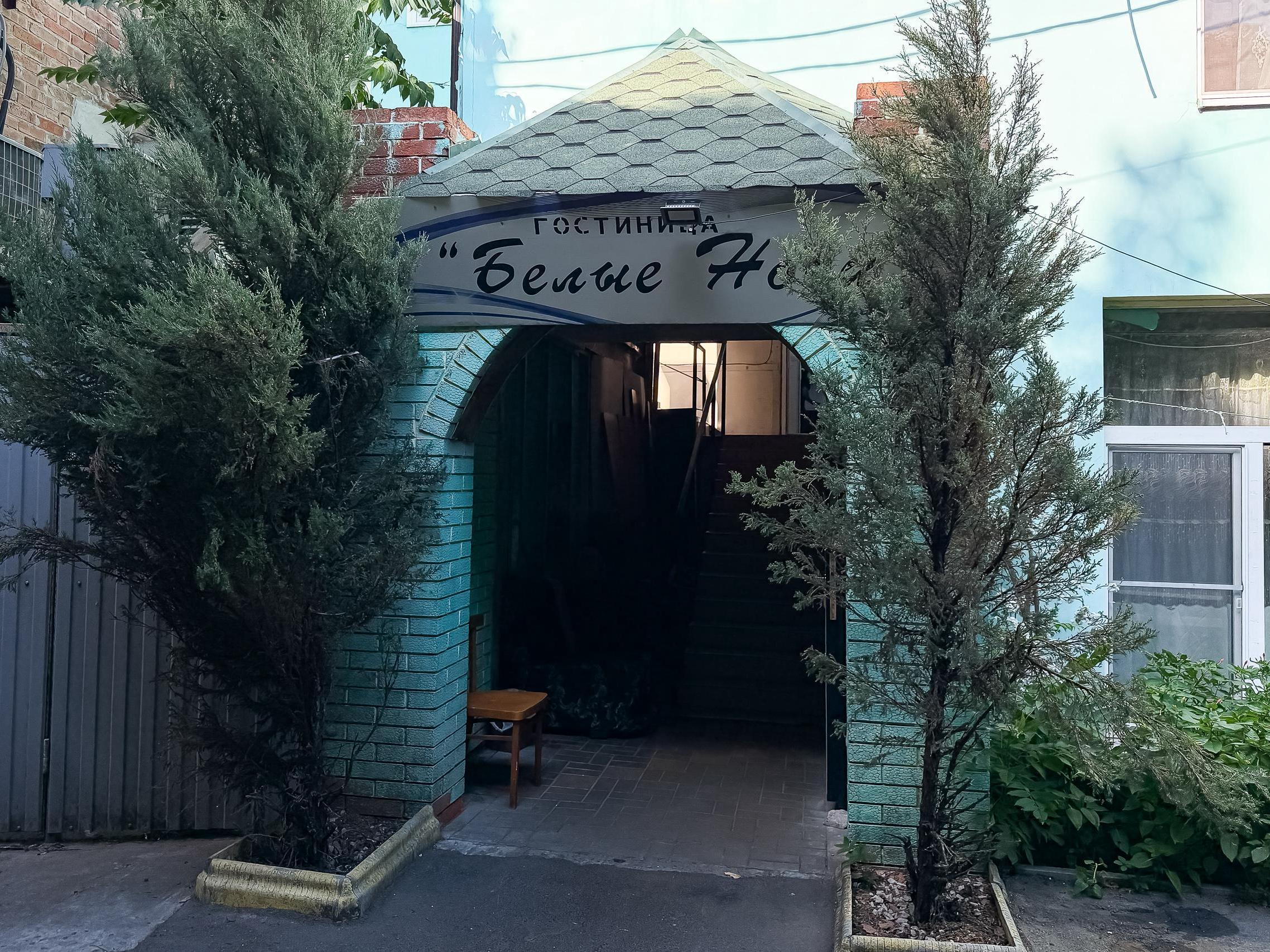
It’s the same situation in other places we visited. For example, the White Nights hotel didn’t operate at all last month. Now they maintain minimal staff — there’s no one left to cut. When asked about plans and hopes, they respond without pause:
«Very bad. Sometimes we have one guest, yesterday no one for the whole day. And so at any time,» noted an employee.
The sauna helps — in winter it still generated some income, but in summer demand is minimal. Competition in the city is high, and people are critically scarce.
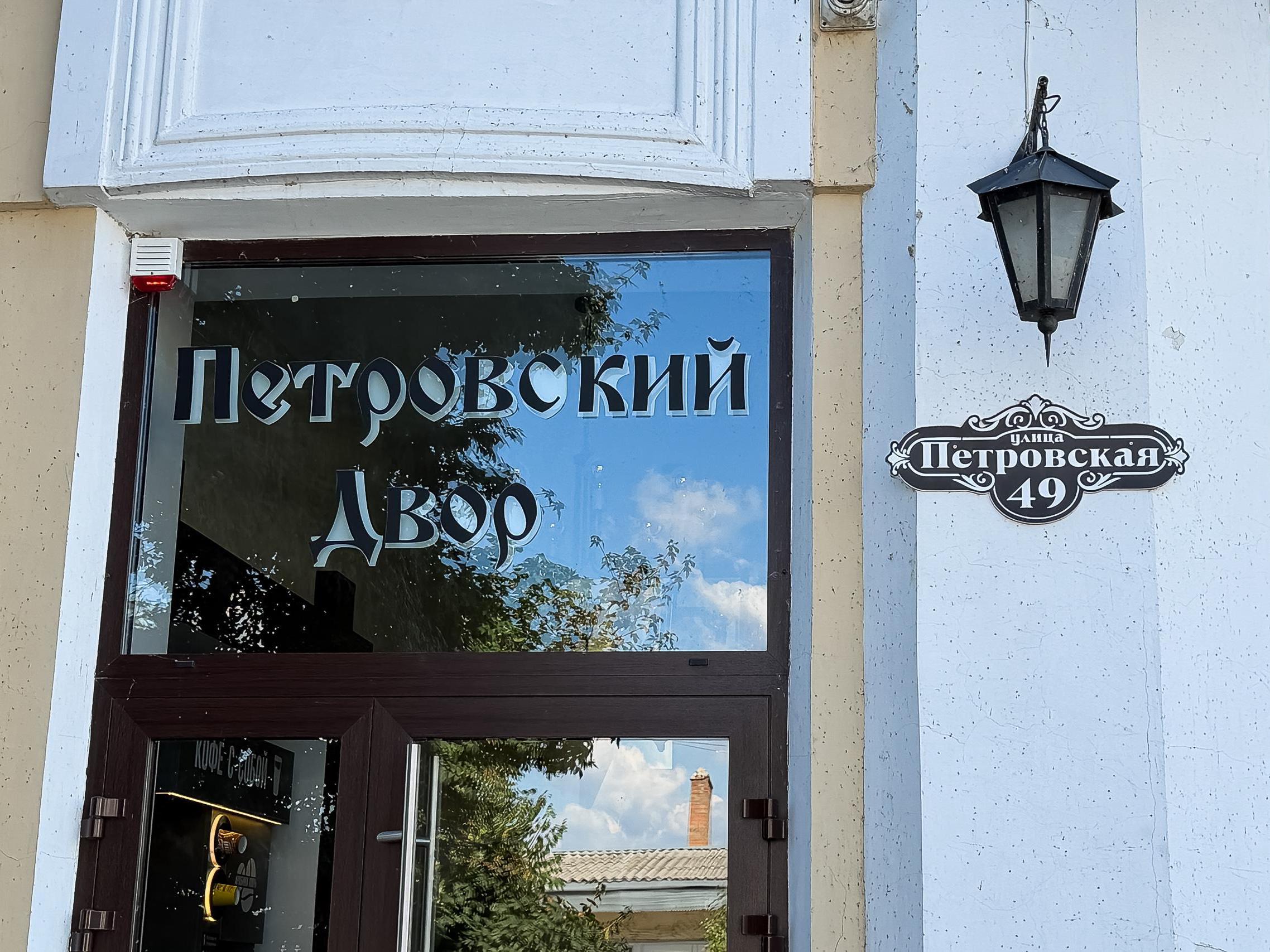
At the Petrovsky Dvor Hotel, the manager says that some colleagues in the city have occupancy rates dropping to 16%. For the peak of the season, these are catastrophic figures. The main guests today are not tourists, but business travelers at local enterprises and people from the new territories who come for treatment or to look for housing. Weekend tourists from Rostov are practically absent.
«It was better in 2022 and 2023. Those were really very busy times,» recalls the woman.
Hoteliers say no support measures have been offered to them — apart from advertising for souvenir products. When asked if they plan to close, they respond reservedly: they are still working. But planning anything in today’s conditions is impossible.
Not a Failure, But Not a Season
Taganrog-2026 did not become a tourism catastrophe in the absolute sense: people are coming, the beach is alive, hotels are not closing. But the scale is incomparable to 2022-2023, when the closure of other destinations brought an anomalous flow of vacationers here.
Today’s Taganrog is a quiet haven for those who value the sea within walking distance and a budget holiday. The geography of guests has narrowed to Donbass, Rostov Oblast, and occasional travelers from other regions. And the mazut spots near Bogudoniya have scared off some vacationers but not stopped those determined to swim no matter what. Local residents are philosophical: «Nothing can stop Russian people from relaxing.»
Earlier, 161.RU wrote that June 2026 also did not please hotel business owners in Rostov Oblast. Now, as hotel employees claim, vacations on the Sea of Azov have become less attractive for tourists, although the authorities had different plans.