Preparing Your Garden for Winter in August
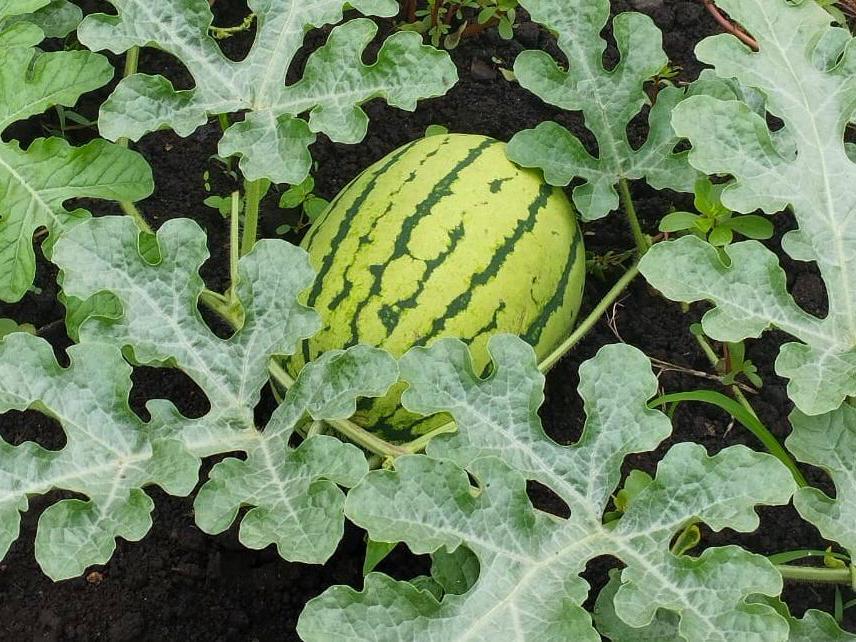

The agronomist gave advice on cleaning up the garden before winter
August is no time to rest. As the last month of summer arrives, gardeners and horticulturists face growing chores — not about planting for growth, but about preparing the garden for autumn and harvesting. Proper work on the plot helps reduce pest numbers and improve soil structure, while trees and shrubs endure winter more easily thanks to thorough preparation.
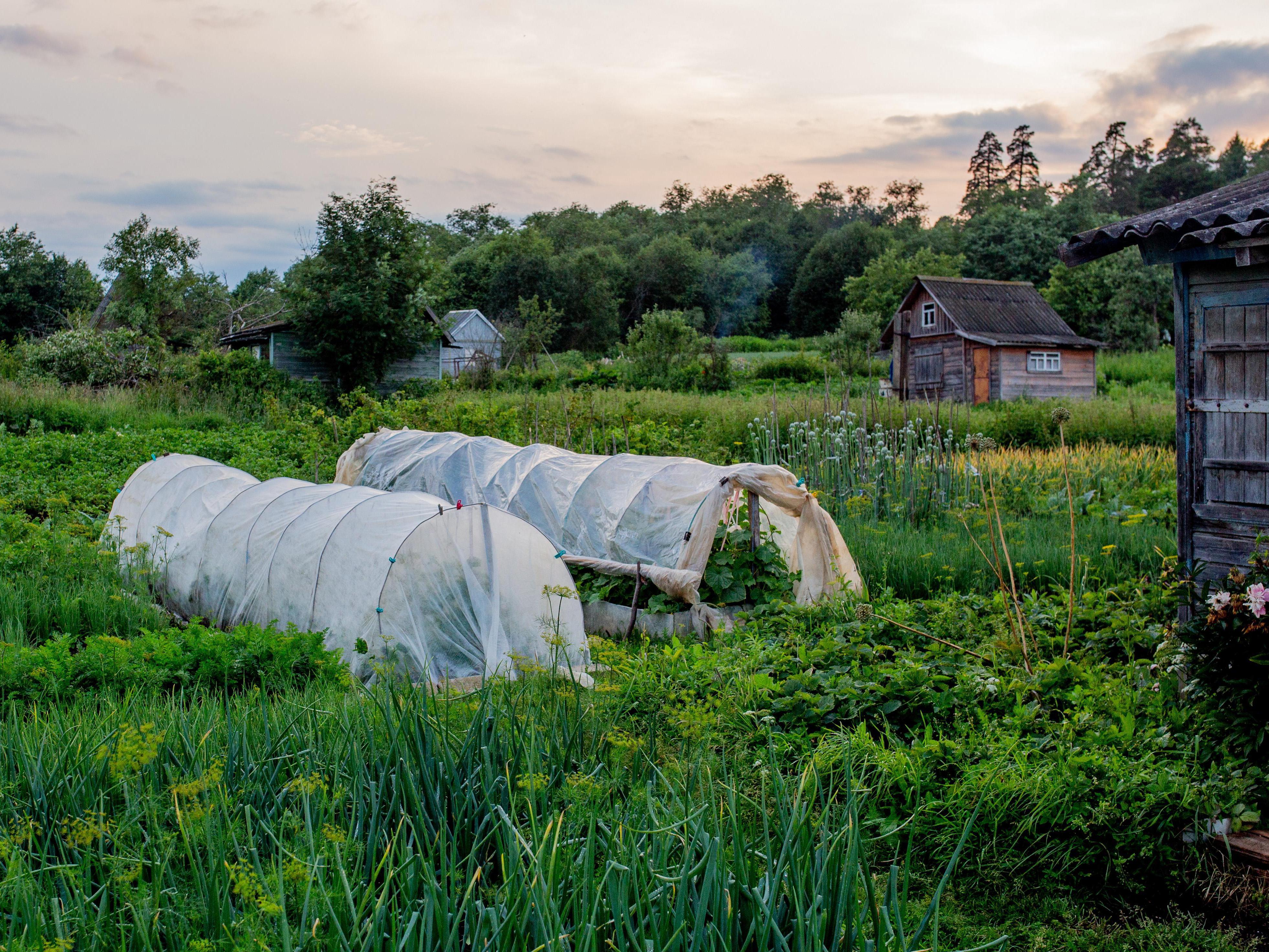
Beds need to be removed on time, otherwise infection will spread through the soil from rot
NGS55.RU spoke with Olga Kotsyubinskaya, a candidate of agricultural sciences and associate professor at the Department of Plant Protection. The agronomist shared recommendations for quality garden preparation for autumn.
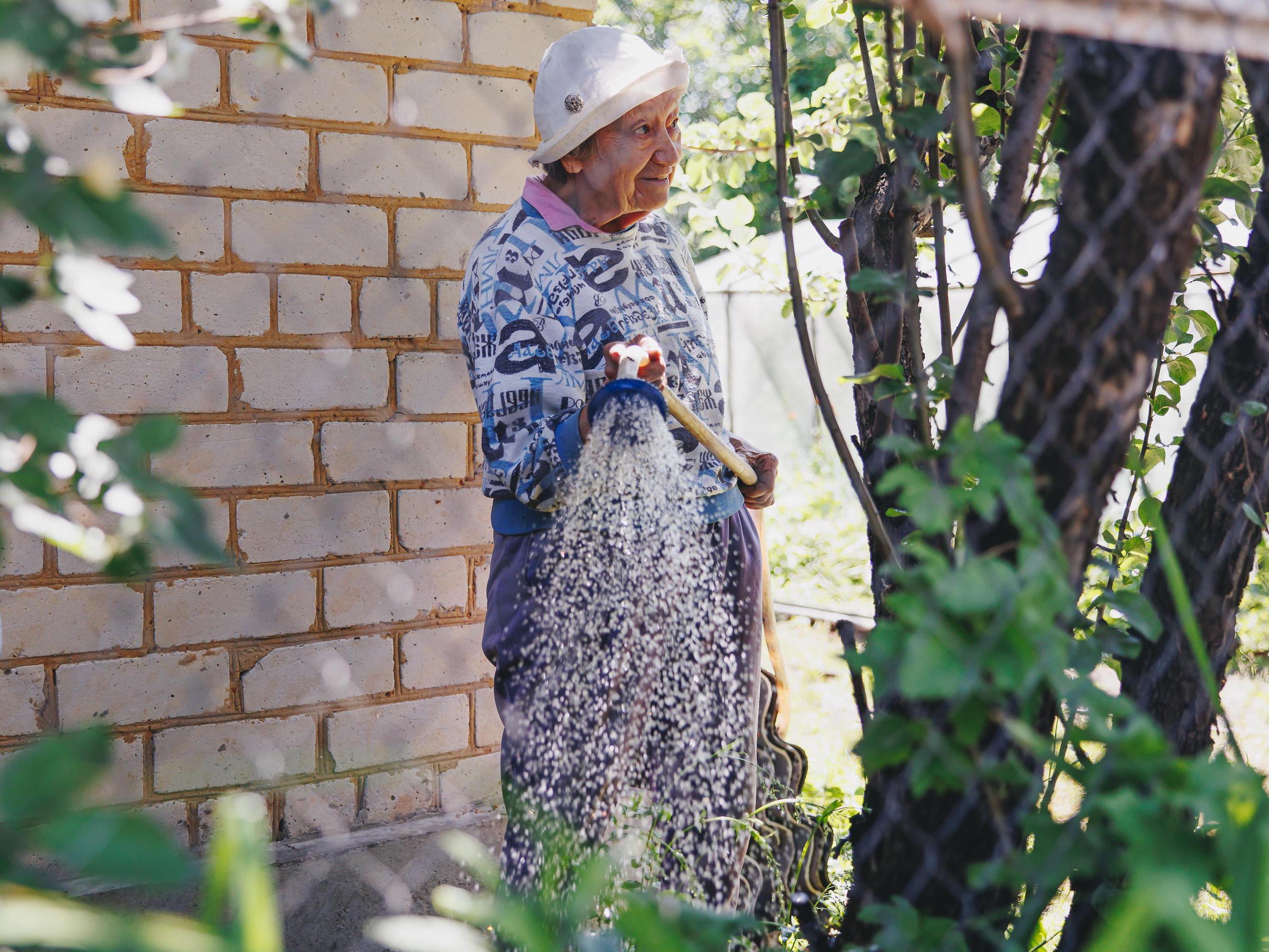
To keep vegetables from rotting, less watering is needed
How to Harvest Properly
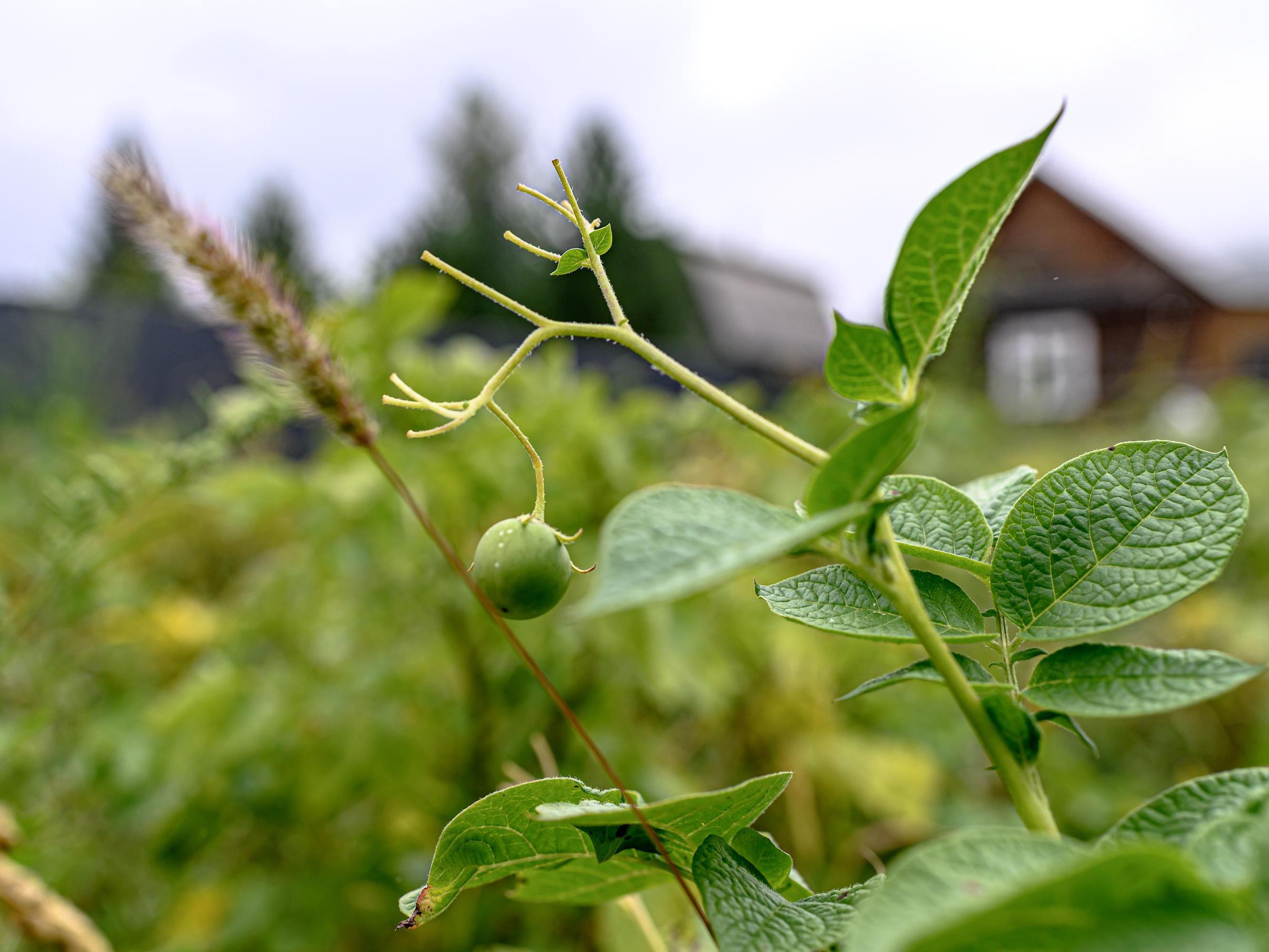
You can buy fertilizer in a store or make it at home
In August, several key crops ripen at once — some require urgent harvesting. It«s important not to miss this moment, or you risk getting overripe, tasteless vegetables.
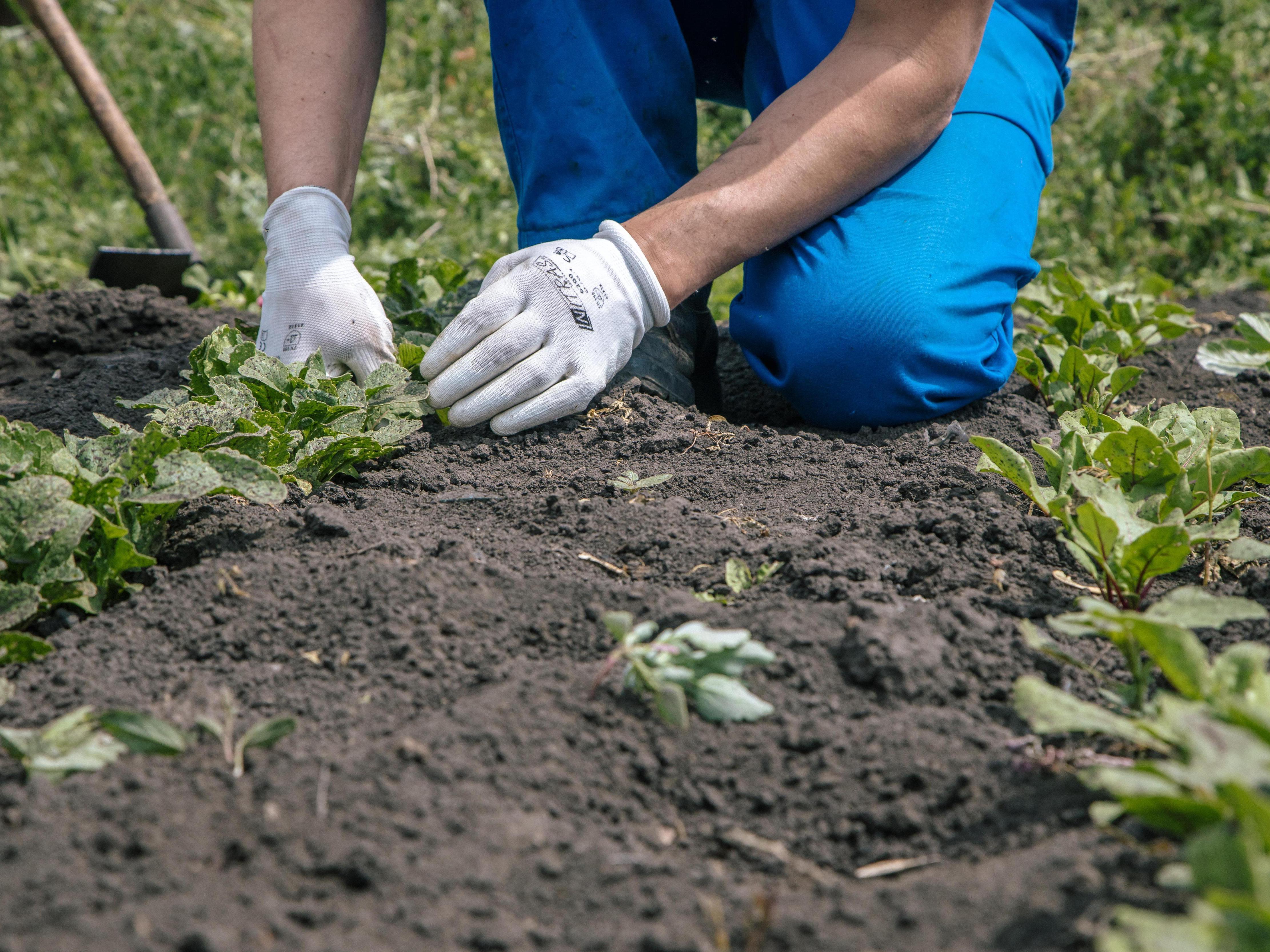
Some crops can be planted in autumn to harvest early in spring
First, dig up bulb onions and winter garlic. Stop watering 10–14 days before harvest: in a moist environment, vegetables store worse in winter. Also remove herbs from the beds — basil, cilantro, and lettuce. These plants quickly bolt.
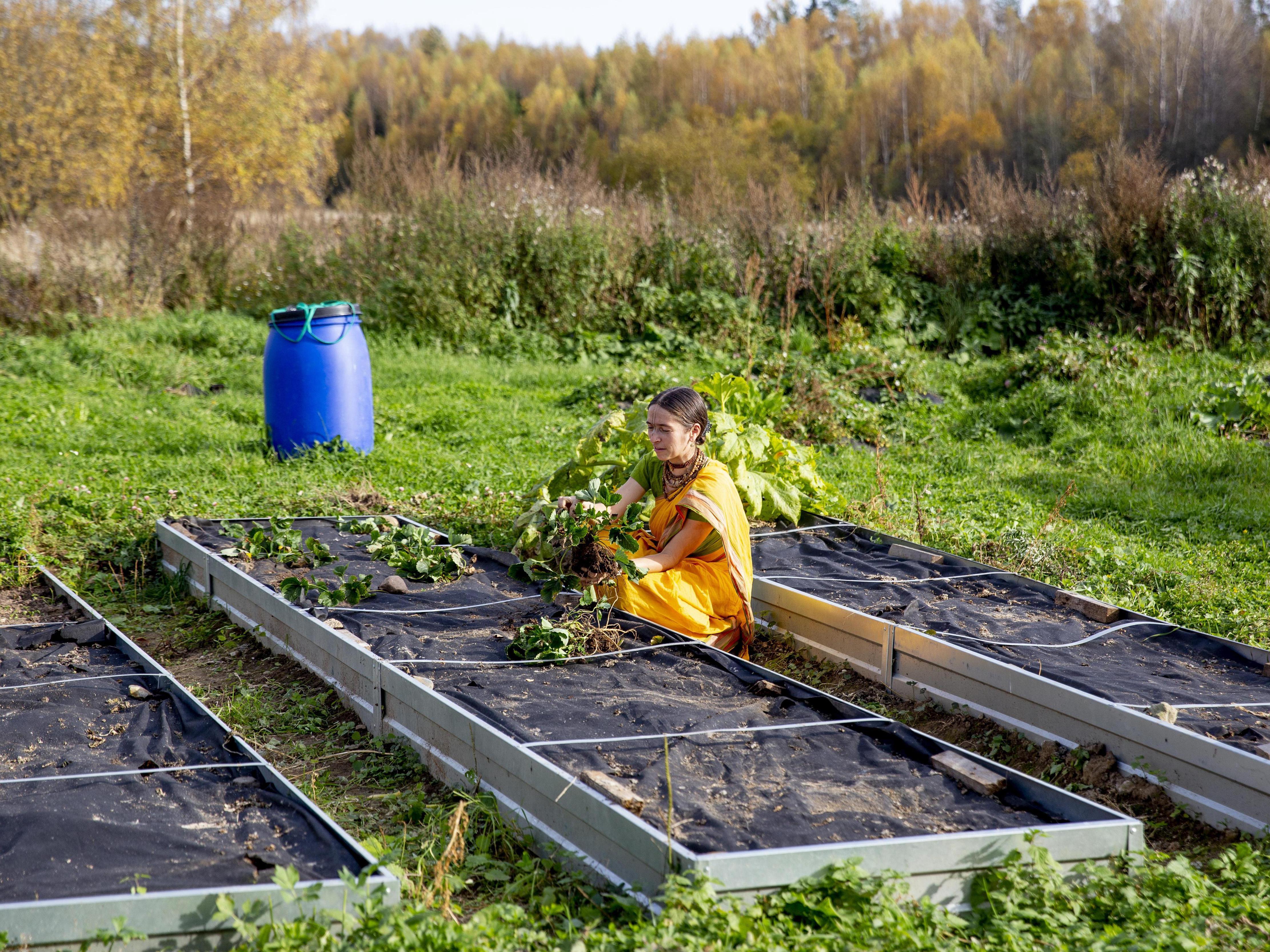
To reduce grass, you can cover the bed with black agrotextile
«Root crops are ready for harvest when the lower leaves yellow and dry. If you«re harvesting pumpkin, its stem should become woody, and the skin should acquire a characteristic pattern and firmness. You can»t press it with a fingernail! We pick tomatoes when a brown color appears. To prevent late blight, they are often picked at this stage,» Olga Kotsyubinskaya explained in detail.
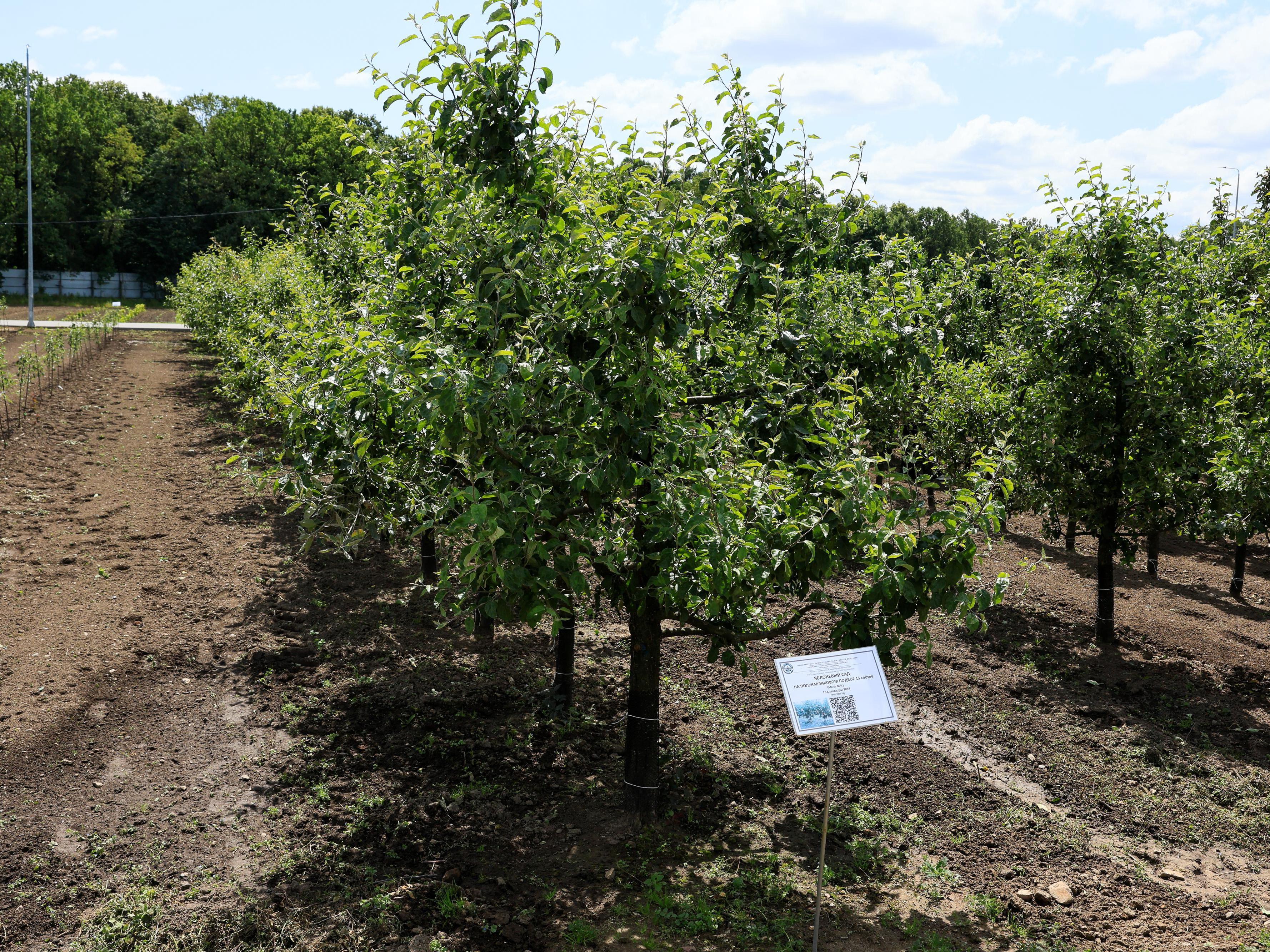
Before winter, fallen fruits must be removed from under trees, otherwise they will rot and damage roots
Late blight is a dangerous disease, a type of rot that causes leaves and fruits to darken and spoil. The pathogen lives in the soil and on plant debris, and multiplies quickly in wet weather.
Before the first September frosts, it«s important to harvest carrots, beets, peppers, eggplants, and zucchini, which are still left to ripen. Beets should be pulled from the ground when the root is visible 5–10 centimeters. Carrots should be harvested when the lower leaves begin to yellow and the tops fall onto the soil.
«Very important! Root crops should be carefully cleaned of soil by hand, not beaten against the ground, dried in the shade under a canopy, and only then cut the tops, leaving a stub 0.5–1 cm (0.2–0.4 in),» the specialist explained.
When to Stop Watering the Garden
Watering should be reduced to avoid rot. In August, most vegetables don«t need much water — excess moisture can harm them. For example, tomatoes can crack and become watery when ripening, and potatoes can rot.
«Tomatoes are watered rarely but abundantly, strictly at the root.»
Cabbage should continue to be watered regularly, otherwise the heads will crack. It«s also important to moisten the soil near young tree saplings, shrubs, and berry crops more often. For example, currants set buds for next year»s harvest in autumn.
An adult tree needs deep water-charging irrigation — 50–100 liters (13–26 gallons) once a week. A young sapling needs only 20–30 liters (5–8 gallons).
Proper Fertilizers for the Harvest and Pest Protection
The most appropriate fertilizers for the garden in August are phosphorus and potassium. Completely exclude nitrogen — it stimulates green mass growth and hinders the ripening of tree bark, reducing their winter hardiness.
«Potassium increases the sugar content of fruits, strengthens plant tissues, and helps them tolerate drought and cold. Phosphorus is necessary for root system development and preparation for winter,» the associate professor explained.
The specialist also shared a fertilizing recipe:
1 tablespoon of potassium sulfate;
1 tablespoon of superphosphate;
10 liters (2.6 gallons) of water.
Due to improper care at the end of summer, crops can suffer from various pests: late blight (in nightshades), powdery mildew (in cucumbers and currants). The main threat is still aphids and spider mites: they suck sap with nutrients, causing plants to weaken and die.
The expert listed purchased safe products for treatment and shared one folk recipe:
«I haven«t studied or tested folk remedies, but my neighbor shared this recipe: milk or whey with iodine — 1 liter (0.26 gallons) plus 10 drops per bucket of water. The mixture is suitable for preventing late blight. You can also use a soda solution with soap against powdery mildew, and garlic or onion peel infusion — against aphids.»
What to Plant After Harvest
Even after harvesting, you can plant some crops — not for fruits, but to improve the soil for the next season. Thus, white mustard helps get rid of pests, phacelia improves soil structure, and oilseed radish loosens clay soil.
To get an early harvest in spring, some crops can be planted in October and November:
«For winter, in October–November, on frozen ground, you can plant winter garlic, onion sets (nigella for bulbs), early carrot varieties, various greens, and cold-resistant beet varieties. This allows you to get a harvest 2–3 weeks earlier in spring.»
Tips for Destroying Perennial Weeds
August is the most favorable month for fighting perennial weeds. At this time, grass actively stores nutrients in its roots, making it easier to completely eradicate.
«The best removal method is to regularly cut growth points with a flat cutter at a depth of 2–3 centimeters every 1–2 weeks. As a result, the root depletes and dies by spring. I recommend that dacha owners thoroughly dig the soil with a fork to remove roots entirely. A grassy area can be covered with thick cardboard or black agrotextile until spring,» the agronomist advises.
Preparing Dacha Trees for Winter
Preparing trees for winter is an important stage that determines their fruiting next season. Start by removing fallen fruit. If you don«t clean the ground before winter, pathogens will actively multiply and can affect the tree»s roots and bark.
«Remove dry, diseased, broken branches and water sprouts — these are vertical fattening shoots inside the crown. All cuts should be treated with garden pitch — this protects the tree from diseases and drying out. To prepare pitch, you can use wax, rosin, vegetable oil, or fat,» the specialist explains.
It«s also important to treat trees externally for pest protection. Both store-bought preparations and folk remedies work — for example, tobacco dust or garlic infusion.