Fashionable Homemade Sauce Recipes for Canning
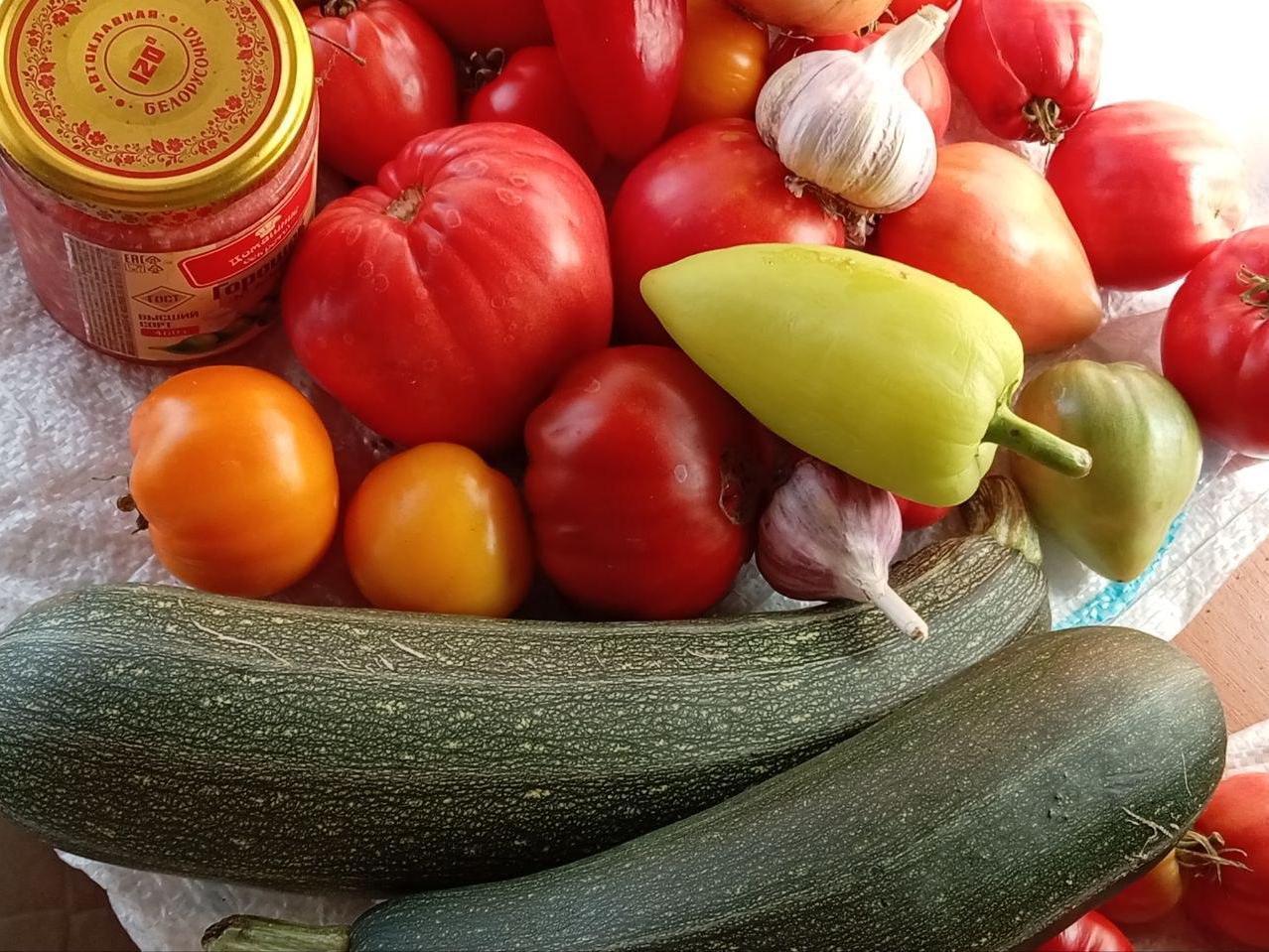

Of course, homemade is better than store-bought
Gardener Irina Sadi shared with UFA1.RU her tried-and-true recipes that she has tested herself. She gathered them from various sources, including trying to make them «like in America.» The result was a great combination specifically for our garden. Delicious, healthy, and most importantly — unusual.
Store shelves are bursting with attractive labels, but I long ago realized one simple thing: no industrial sauce can compare to what is made with your own hands from seasonal vegetables. Firstly, I know exactly what«s in it — no hidden starches, monosodium glutamate, or strange thickeners. Secondly, the taste can be adjusted for your family down to a milligram of sugar or a drop of heat. Thirdly, the cost of homemade sauces is several times lower than store-bought equivalents.
That Very Tomato Ketchup
This ketchup turns out thick, velvety, with a light fruity note that perfectly balances the acidity of tomatoes.
Ingredients: tomatoes — 1.5 kg (take the ripest, even bruised), onion — 200 g (7 oz), apples (best to use Antonovka or another sour variety) — 250 g (8.8 oz), sugar — 70 g (2.5 oz), salt — 20 g (0.7 oz), paprika (ideally smoked) — 5 g (0.2 oz), 5% vinegar — 100 ml (3.4 fl oz).
Recipe:
I chop the tomatoes coarsely and cut out the tough core. I chop the onion into quarter rings, peel the apples and remove the seed pods, then cut them into cubes.
I put everything into a thick-bottomed cauldron. No water needs to be added — the vegetables will release their own juice. I bring to a boil over medium heat, then reduce the temperature to minimum. I cover with a lid and forget about it for 45 minutes. The vegetables should become completely soft, practically falling apart. I periodically check and stir with a long wooden spatula so the mass doesn«t stick to the bottom.
I remove from heat and let the mass cool slightly, at least 15 minutes. If you blend boiling hot liquid with an immersion blender, there«s a high risk of burns from splattering droplets. I blend directly in the cauldron until perfectly smooth. At this stage, the future sauce resembles a liquid pureed soup.
I return it to minimal heat without a lid and simmer the sauce down. The mass should lose about a third of its volume and thicken. For me, this process takes about an hour. How to check if it«s ready? Run a spoon along the bottom: if the groove slowly but surely closes behind the spatula — the ketchup is ready. Don»t wander far and stir frequently, as the thick mass tends to «puff» up like a hot little volcano.
Only now do I add salt, sugar, and paprika. I stir, pour in the vinegar. I boil for exactly 10 more minutes. The acid should distribute evenly and combine with the base.
I pour it boiling hot into dry sterilized jars (I wash them with baking soda and keep them in the oven at 80°C (176°F) for 10 minutes). I seal with boiled lids, turn upside down on a wooden board, check for airtightness, and wrap tightly in an old blanket until completely cooled.
In winter, it«s ideal with pelmeni (dumplings), homemade cutlets, or just on a slice of fresh Borodinsky bread.
Spicy Plum Sauce with Garlic
It«s tangy, burning with garlic, incredibly aromatic thanks to coriander. It instantly refreshes any heavy dish. I looked for the recipe on various websites, Caucasian, American cuisine. It turned out to be the perfect version.
Ingredients: plums (Hungarian plum works great) — 1.2 kg (2.6 lb), water — 100 ml (3.4 fl oz), garlic — 25 g (0.9 oz) (this is a whole impressive head), sugar — 80 g (2.8 oz), salt — 15 g (0.5 oz), ground coriander — 5 g (0.2 oz), chili flakes — 3 g (0.1 oz), 5% vinegar — 80 ml (2.7 fl oz).
Recipe:
I wash the plums and remove the pits. I put them in a pot, add water (just a little, only so they don«t burn in the first five minutes), and put on medium heat. They will release juice very quickly. I cook under a lid for about 20 minutes, until the skin completely separates from the flesh.
I cool slightly and blend with a blender. I like to leave small pieces of skin for texture, but if you want absolute silkiness — rub the mass through a fine metal sieve. It«s labor-intensive work, but the result is worth it.
I put the puree back on low heat. I add salt, sugar, coriander, and chili. I pass the garlic through a press or grate it on the finest grater and add it there too.
I simmer for 15 minutes, stirring constantly. Be sure to taste at this stage: plums can vary in acidity. You might want to add a little more sugar or salt. A couple of minutes before the end, I pour in the vinegar, stir, and turn off.
I distribute into small jars of 150–200 ml (5–6.8 fl oz). Large liter containers are inconvenient here — the sauce is too rich, an open jar won«t last long in the refrigerator. I seal, turn over, and wrap.
This sauce is ideal with steak, roasted chicken, shashlik (kebabs), or simple fried potatoes.
Roasted Pepper and Tomato Sauce
The most sunny, the most summery sauce. Its secret lies not in boiling but in roasting. The oven draws out excess juice from the vegetables and caramelizes natural sugars. The taste becomes deep, smoky, with a pleasant sweetness.
Ingredients: red bell pepper — 1 kg (2.2 lb) (choose fleshy ones), tomatoes — 700 g (1.5 lb), onion — 150 g (5.3 oz), garlic — 20 g (0.7 oz), sugar — 50 g (1.8 oz), salt — 18 g (0.6 oz), neutral vegetable oil — 30 ml (1 fl oz), 5% vinegar — 100 ml (3.4 fl oz).
Recipe:
I place whole peppers, tomatoes (pierced with a fork), and quartered onions on a parchment-lined baking sheet. I leave the garlic as whole cloves right in their skins. I drizzle with oil. I send it to an oven preheated to 200°C (392°F) for 30–40 minutes. The peppers should get black char marks, and the tomato skins should blister.
I transfer the hot peppers to a large bowl and cover with tight plastic wrap or a towel. The created steam bath will help remove the skin effortlessly. After 15 minutes, I clean them of seeds and skin — it will come off in literal sheets. I also remove the skin from the tomatoes; it slips off easily by itself. I squeeze the garlic out of its skins — inside it has turned into the most delicate cream.
I put all the vegetables into a saucepan along with the juice released on the baking sheet (that«s where all the flavor concentration is!). I blend with a blender. I add salt, sugar, and oil. I simmer at a low bubble for about 20 minutes to let the raw vegetable smell go away.
I pour in the vinegar, boil for the final 5–10 minutes. The oil gives the sauce a beautiful glossy sheen and makes the texture more rounded on the palate.
Canning. I pour immediately into dry jars. Due to the lack of long aggressive boiling, this sauce retains an amazing fresh pepper aroma. Open jars must be stored strictly in the refrigerator.
It«s suitable for pasta and serves as a base for a quick vegetable stew.
Spicy Tomato Sauce
In winter, a couple of teaspoons of this sauce turns bland buckwheat or rice into a full, warming meal.
Ingredients: tomatoes — 1.2 kg (2.6 lb), red bell pepper — 400 g (14 oz), fresh chili pepper — 80 g (2.8 oz) (adjust to your love of fire), garlic — 30 g (1 oz), sugar — 60 g (2.1 oz), salt — 18 g (0.6 oz), paprika — 5 g (0.2 oz), 5% vinegar — 120 ml (4 fl oz).
Recipe:
I wash all the vegetables. I leave the seeds in the hot pepper — that«s where the main heat hides. I put everything in large pieces into a wide pot.
First, I stew under a lid over medium heat so the mass settles and releases a lot of juice. Then I remove the lid and simmer over fairly high (but controlled!) heat for about 40 minutes. We need to evaporate the moisture as much as possible so the sauce is concentrated.
I blend with a blender. Be careful with the fumes from hot pepper — ensure good kitchen ventilation. I return to the stove. I add spices. I simmer for another 10 minutes.
At the very end — vinegar. I boil for a minute and turn off.
How I store it (two options):
The first — classic canning in sterile jars.
The second, which I«ve come to love in recent years — freezing. I cool the sauce and pour it into ice cube trays. In winter, you take out two or three of these bright cubes and throw them into a pan with fried minced meat or stew. Or you defrost a little bag and use it as a marinade for poultry.
Delicate Zucchini Ketchup (A Clever Way to Disguise the Harvest)
The zucchini savior. None of the guests ever guesses what this thick, complex-tasting sauce is made from. They sincerely believe it«s a store-bought tomato product with some expensive spices.
Ingredients: zucchini — 1.5 kg (3.3 lb) (after peeling), yellow onion — 500 g (1.1 lb), salt — 1.5 tsp, sugar — 100 g (3.5 oz), quality thick tomato paste — 500 g (1.1 lb), 9% vinegar — 60 ml (2 fl oz). Spices: allspice — 10–12 peas, black pepper — ½ tsp, coriander, cloves, cinnamon — ½ tsp each, hot red pepper — ½ tsp (added at the very end).
Recipe:
I sprinkle the diced zucchini and onion with salt right in the pot and leave for half an hour. The vegetables will release a lot of clear juice. This is our base, we don«t add water!
I cook this mixture over low heat for exactly 20 minutes until the zucchini is completely soft. They should easily mash with a spoon.
I blend with a blender. The texture should be like baby food — absolutely uniform, without a single fiber.
I add sugar and all the tomato paste. Good paste gives not only taste but also a deep, noble color. I stir.
Here«s the main trick for a clean sauce. I put all the whole spices (peppercorns, clove buds) into a small bag made of clean cheesecloth or a tea filter bag. I drop it into the sauce. This way we»ll take all the aroma but avoid having to fish out tough peppercorns from the finished product.
I cook with the bag for another 25 minutes on minimum. I periodically press the bag with a spoon so it releases maximum essential oils.
I remove and discard the bag. I add vinegar, ground cinnamon, and hot red pepper (optional). We heat for literally two minutes so the dry spices have time to open up but don«t turn bitter.
I distribute into small jars. Thanks to the large amount of tomato paste and the right balance of acidity, this sauce keeps wonderfully in the pantry.