Don't Burn Tomato and Potato Tops: Best Fertilizer for Apple and Raspberry
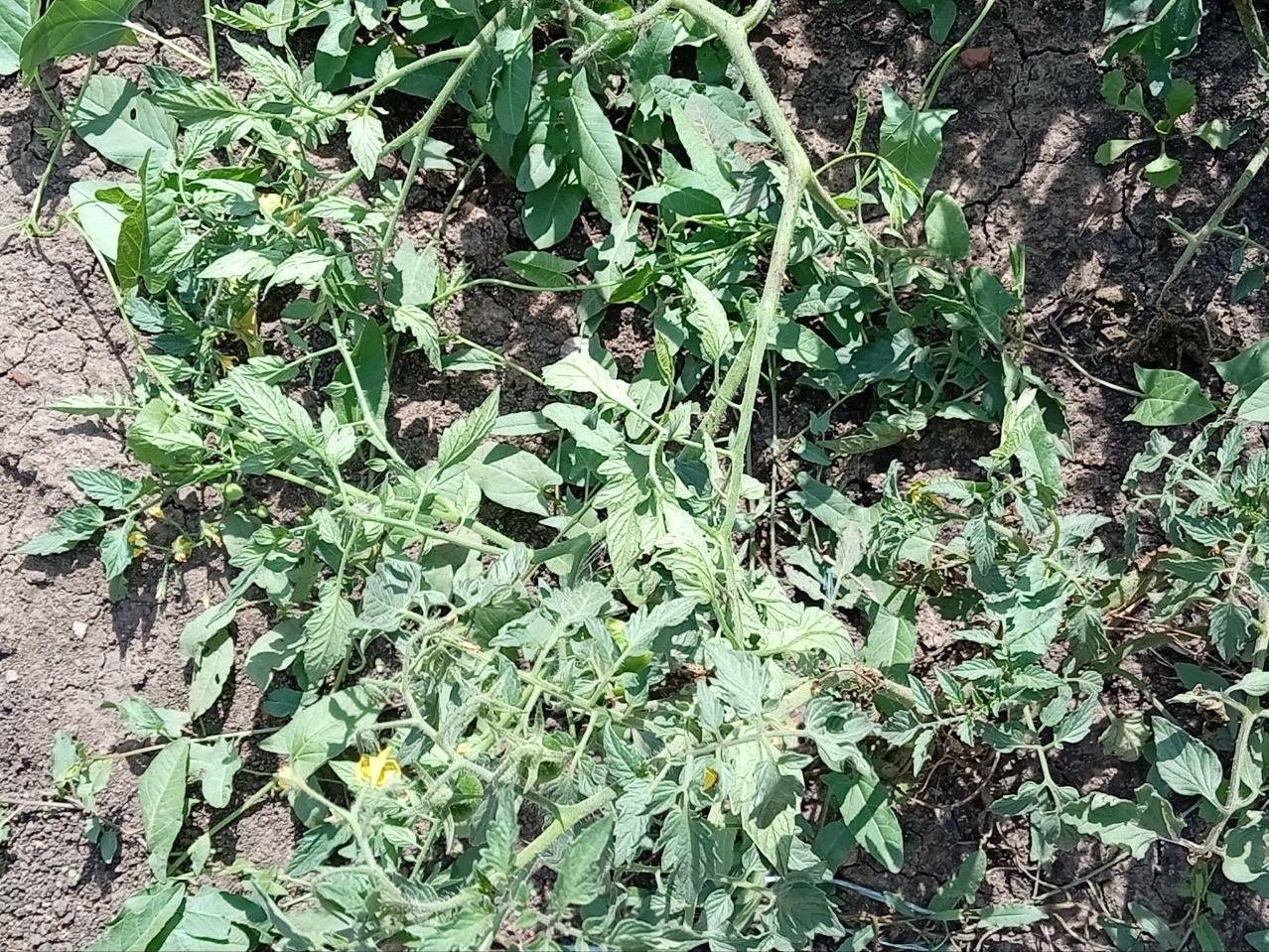

No more fruit is expected — what to do with the stems?
I have reconsidered my view on plant tops, says gardener Irina Sadi. What follows is in her own words.
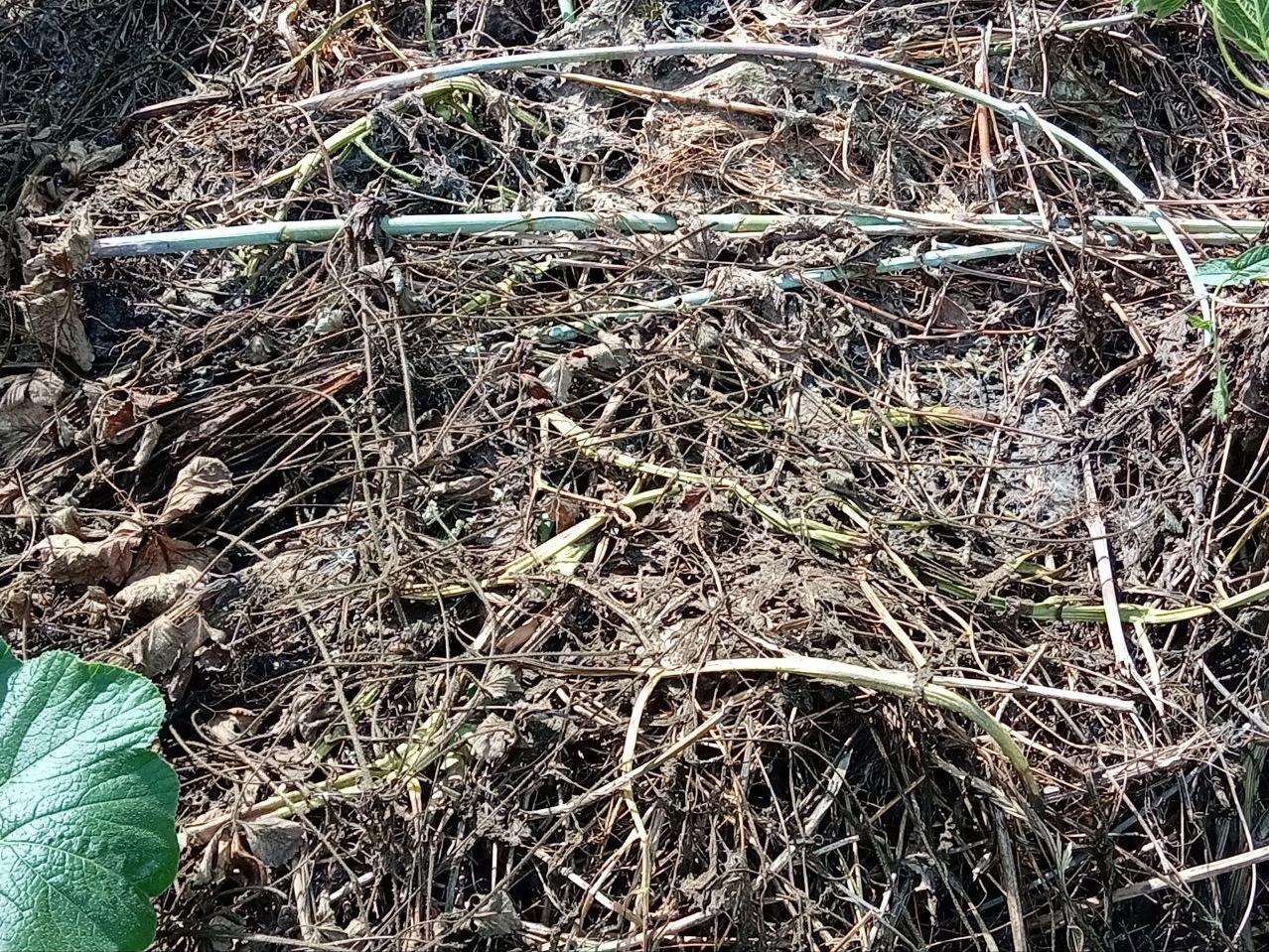
The mass rots very quickly
I used to haul tomato and potato tops off my plot because I believed the stems often carried late blight, alternaria, and other fungal diseases. I thought that if such tops were put into compost, the pathogens would not die during decomposition and would later enter the soil with the fertilizer, infecting future plantings.
Some of my neighbors simply burn tomato and potato tops in barrels or right on the garden beds.
A few years ago, after watching a video by a botanist blogger, I calmed down and completely revised my approach. He claims that fungi feeding on living tissues do not survive on uprooted stems, so even infected tops can be safely spread under trees. Now my task is not to remove the stems from the plot but to use them. Here is how my logic and practice have changed.
What I Do with Tomato and Potato Tops Now
Fertilizer. I drag the nightshade tops under an apple tree. It has a wide crown: over winter the tops settle, in spring they no longer interfere with walking, and in summer they fully rot down.
Protection for berry bushes. Laying tomato tops under gooseberry and currant bushes helps get rid of aphids and powdery mildew.
Infusion against pests. The tops contain alkaloids (solanine, tomatine) that effectively combat aphids, spider mites, caterpillars, cutworms, and other pests. I chop fresh or dry tops, pour water over them, let them steep for 2–3 days, then strain and add a little laundry or green soap for better adhesion. I spray the plants in the evening in windless weather, repeating the treatment every 5–10 days.
Mulch under trees and raspberries. I spread tops chopped with pruning shears under currant and raspberry bushes or under tree crowns. This is free mulch that eliminates ground elder.
Double Attack on Slugs
Slugs have always been the main problem on my plot. They love hiding in dense, fallen greenery. Last year I decided to combine tops disposal with slug control.
I left all the tomato tops lying in an even windrow right where the bushes had grown, adding collected rotten tomatoes there as well (fruit rot, as it turned out, only speeds up the process). The temperature at which late blight spores die starts at +45 °C (113 °F), and the soft body of a slug cooks at +50 °C (122 °F). After waiting a couple of days for the slugs to gather, I took an ordinary garden watering can, filled it with hot water from the boiler (70 °C / 158 °F), and poured it over the pile in three heavy passes.
Important rule: this must be done strictly during the day. In the evening and at night, attracted by the warmth, earthworms crawl to the surface to feed on the remaining organic matter. During the day they sleep deep in the soil, so boiling water does not harm them.
Of course, new slugs will crawl in again within a week. So I have a Plan B. As soon as the first daytime subzero temperatures begin (a steady −1 °C / 30 °F is enough), I gather the cooled, disinfected tops with a pitchfork and take them to the far corner of the compost heap. The slugs are left without cover on the frozen ground and quickly die from the cold. Their eggs, hidden in the topsoil, also freeze and will not survive until spring.
More Ways to Use Nightshade Tops
Warm bed. Potato and tomato tops are gathered in a pile together with grass, watered with a composting accelerator, and left until spring. By spring it has settled significantly. Fresh weeds and a pinch of trichoderma are added, then it is covered with soil or peat. Zucchini, pattypan squash, or pumpkins are planted on top — by autumn they will chew through everything extra, and the following spring the remains go into regular beds.
Compost in bags or barrels. All the tops are packed tightly into black bags or lidded containers, sprinkled with soil, and watered with bioactivators (even septic tank products will do) or sporobacterin.
Burying in trenches. A shallow trench is dug, all the residues are placed there, watered with an accelerator, and covered with black film. Before frost, the film is removed and the trench is covered with soil.
Direct digging in. The stems are cut with pruning shears right on the bed and plowed under. The following year garlic grows excellently here, which is then also dug in.
Raising the plot. In a potato field, a shallow pit is dug, autumn tops are thrown in, and watered with water and urea. The mass settles — more is added. Then it is buried. This simultaneously disposes of waste and raises the ground level.
Pest control via ash. The tops are burned in a metal barrel right during potato digging to avoid making a mess. The resulting ash is applied before autumn plowing — it is an excellent remedy against wireworms.
Biocomposter. Using 600-liter plastic composters, where mown grass, kitchen scraps, and the tops themselves are layered, sprinkled with soil.
The main thing I have finally understood: you must not throw away tops. We carry away from the garden in wheelbarrows the minerals that plants have drawn up, and we return nothing. But these stems contain so much that is useful from the deep layers of the earth. Organic matter in modern gardens is already scarce, and throwing it away is an impermissible luxury.