Natural Pest Control for Ants and Aphids
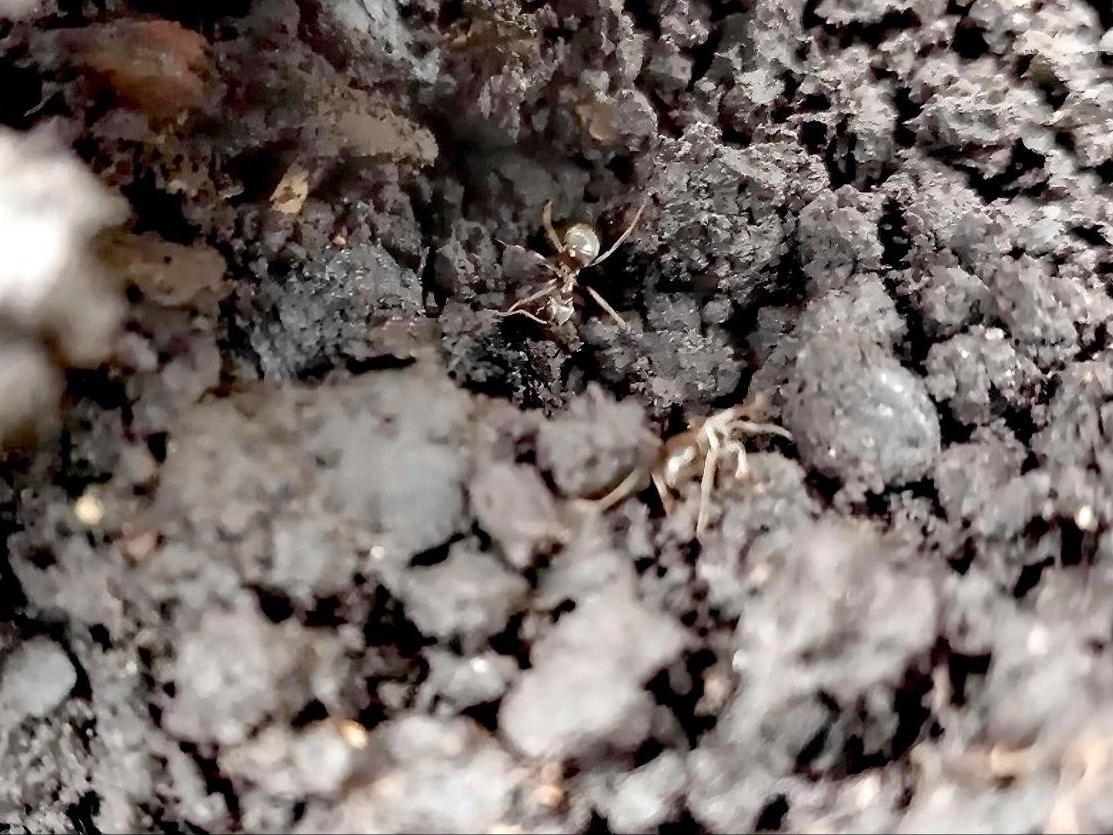

Ants are a common garden pest that can damage crops and spread aphids.
Ufa gardener Irina Sadi told UFA1.RU about her methods of fighting aphids and ants that sometimes overtake an entire garden. What follows is in her own words.
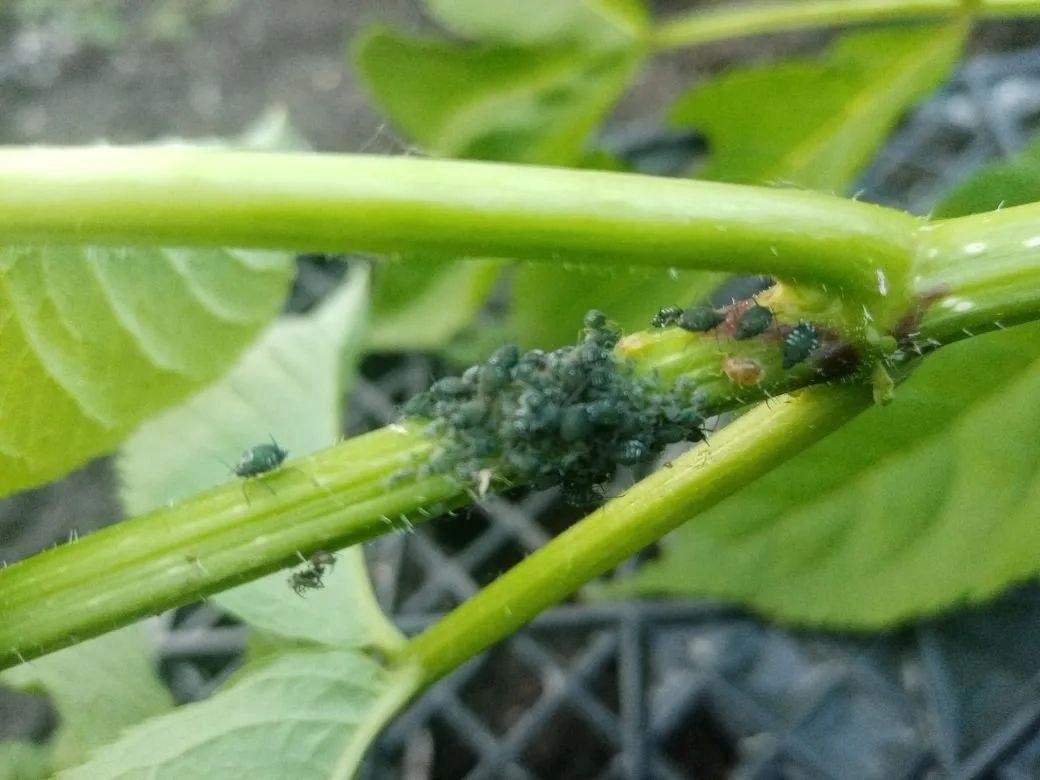
Aphids weaken plants by sucking their sap, reducing yields and harming garden health.
Ants are not only tiny hard workers, but also a real headache for any gardener. They can ruin your harvest, carry aphids, and sometimes simply keep you from enjoying your plot. I have faced this problem more than once, and over years of struggle I have developed several proven methods that help me keep these insects under control.
Why are ants a problem for the garden?
Ants are aphid carriers, and this is probably the main reason. Ants “herd” aphids, protect them from natural enemies, and even “milk” them by collecting their sweet secretions. Aphids, in turn, suck sap from plants, weakening them and reducing yields.
Some ant species can damage roots, stems, and even fruits, especially young and tender ones.
When ants build large anthills, this can spoil the soil, interfere with watering beds, and even harm the roots of plants growing nearby.
And, of course, the appearance. You must admit, seeing a heap of ants on your vegetables is not exactly pleasing to the eye.
My proven methods of fighting ants
Folk remedies are my first choice, especially in the early stages of infestation or for prevention. They are safe for plants, people, and pets.
Vinegar
Ants cannot stand the smell of vinegar. I dilute table vinegar with water in a 1:1 ratio and spray it on ant trails, their gathering places, and the bases of plants. I repeat the procedure every few days until the ants disappear.
Ammonia
This sharp smell also repels ants. I dilute 1 tablespoon of ammonia in 1 liter of water and use it to water anthills and trails.
Cinnamon, mint, bay leaf
Ants also dislike these strong aromas. I place cinnamon sticks, mint leaves, or bay leaves around the plants I want to protect, or along the perimeter of the beds.
Baking soda and sugar
A mixture of baking soda and sugar in equal proportions is a trap for ants. Sugar attracts them, and baking soda, once inside their digestive system, kills them. I scatter this mixture where ants gather.
Boiling water
If the anthill is far from plants, you can try pouring boiling water over it. This is a radical but effective way to destroy the colony. The main thing is to be careful not to scald yourself.
A barrier of ash or diatomite
I sprinkle ash or diatomaceous earth (food-grade, safe for humans) on the paths leading to the plants. These powders have sharp edges that damage the ants« chitinous covering, causing dehydration.
Planting repellent plants
They say some plants can drive ants away with their scent. I plant mint, wormwood, tansy, and marigolds next to the beds. I do not know how true this is, but the fact remains: where they grow, I do not see ants.
Fighting aphids is an indirect method
As I already mentioned, ants and aphids are closely linked. If you get rid of aphids, ants will lose their main food source and may leave the plot.
To get rid of aphids, I use a soap solution. I simply take 100 grams of laundry soap, dissolve it in 10 liters of water, and then spray my plants with it.
Infusions of garlic or onion skins also repel aphids well.
I prepare the infusions as follows: fill half a bucket with onion skins and pour hot water over them, let steep for 24 hours. Strain and dilute with water 1:2. For garlic infusion, take a large head of garlic, chop it finely, and steep it in 1 liter of boiling water. When the liquid cools, add 2 teaspoons of any detergent or soap and 2 tablespoons of vegetable oil.
I treat the plants in the evening, in windless weather.
Important: do not use during flowering — the strong smell repels bees.
Chemical agents (with caution!)
I try to avoid using chemical insecticides, but in extreme cases, when folk remedies do not help, I have to resort to them. It is important to choose products intended for garden use and strictly follow the instructions.
Chemical agents come in several types:
Gels and baits: these products contain poison mixed with a substance attractive to ants. Ants eat the bait and carry it to the anthill, poisoning the entire colony.
Powders and granules: they can be scattered around anthills or along the perimeter of the plot. It is important to use them away from edible plants and make sure they do not get into water bodies.
Important nuances and prevention
Fighting ants is not a one-time event, but rather a constant process. Regular application of the chosen methods gives the best result.
Observe the ants to understand where their main trails and anthills are. This will help you apply control measures more effectively.
Ants are attracted to food leftovers and sweet secretions. Regular cleaning of the plot, removal of fallen fruits and berries, and timely removal of weeds can reduce the attractiveness of your garden to insects.
Remember that ants are part of the ecosystem. Their complete destruction can disrupt the natural balance. The goal is to control their numbers, not to eradicate them completely.
My personal experience and conclusions
Over years of fighting ants, I have realized that there is no universal remedy. The effectiveness of a particular method depends on the ant species, their numbers, and the characteristics of your plot. I prefer to start with the safest and most affordable folk remedies, gradually moving to stronger ones if necessary. The main thing is not to give up and try different approaches.