Volgograd Drone Victims' Families Face Payout Delays
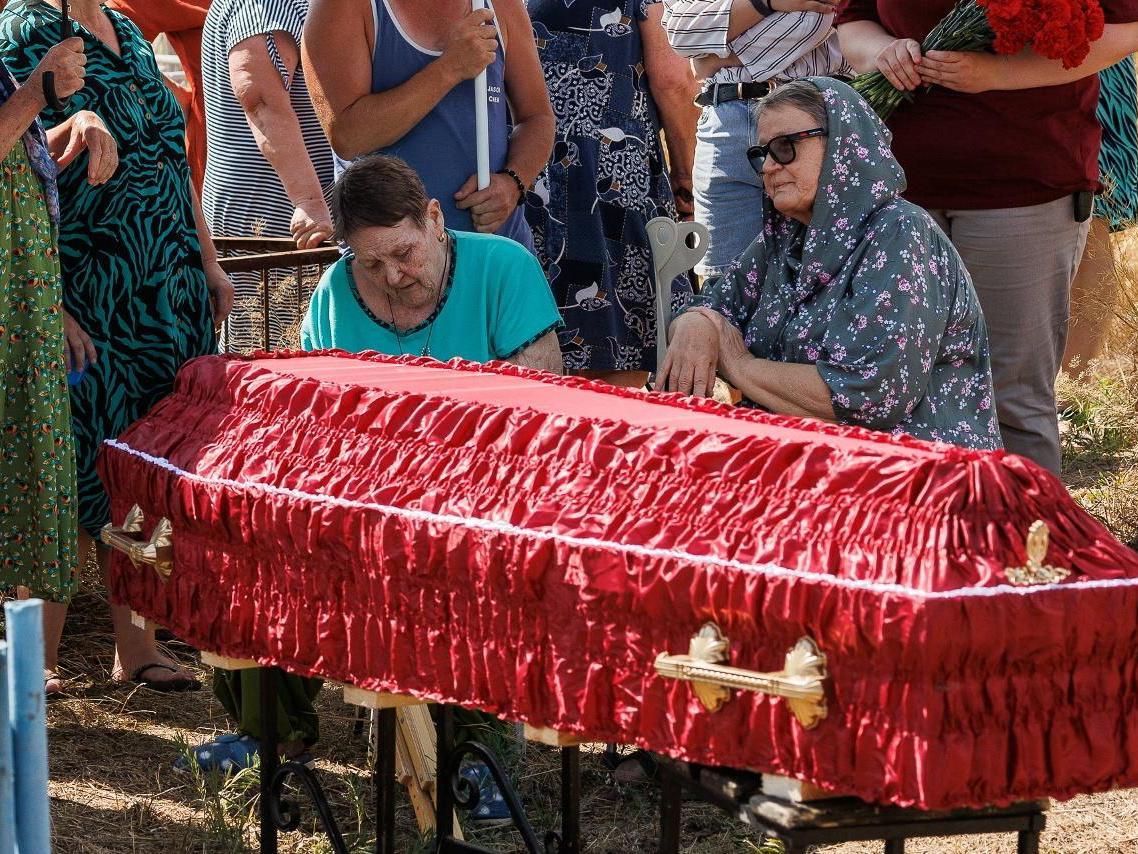

Relatives of the deceased complained about bureaucratic red tape
Close relatives of people killed in a devastating drone attack on Volgograd Oblast have spoken out about the red tape they must go through to receive symbolic payouts from officials. Not a single family has yet managed to obtain the money promised by the administration, having become mired in bureaucracy.
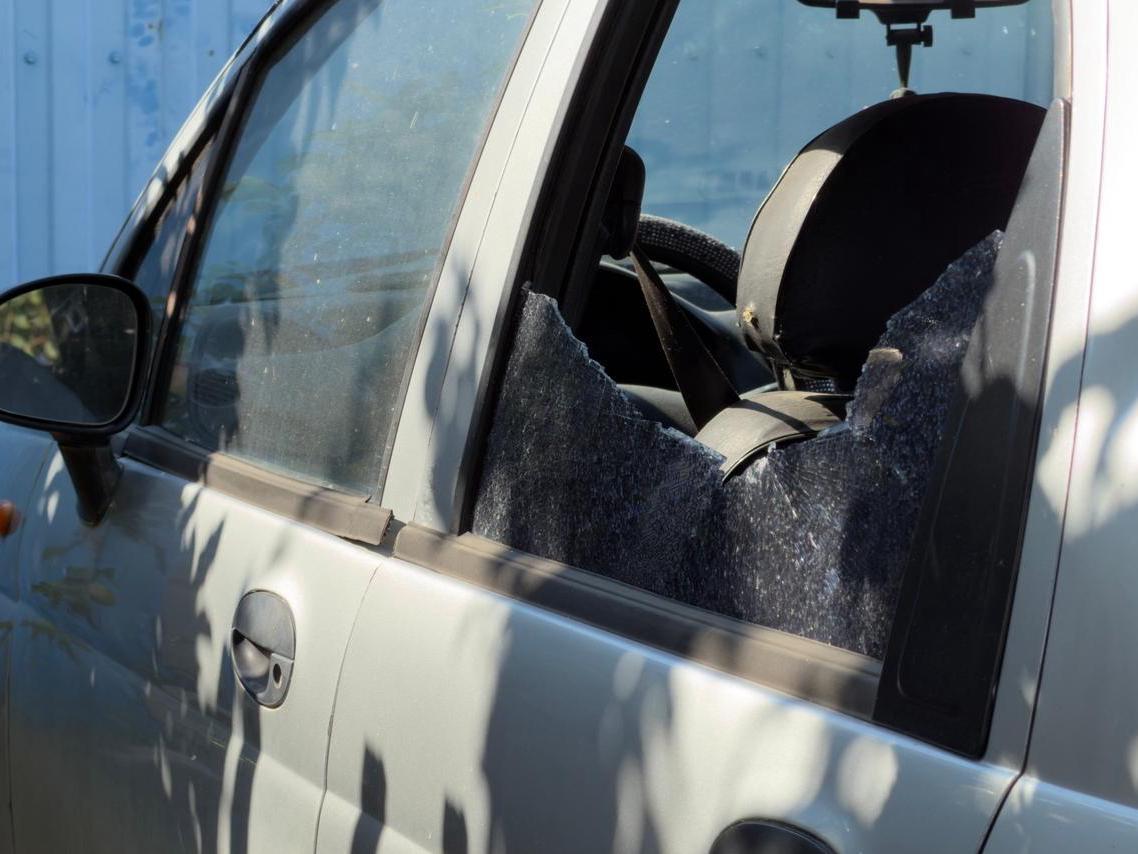
The victims lived in the settlement of Burevestnik
The victims lost their loved ones during a massive drone raid on the night of 31 July. According to official data, two people died — a married couple. They lived in a private house in the settlement of Burevestnik (Volgograd Oblast), which caught fire after drone debris fell on it. During the fire, the man tried to carry his wife out of the house. The woman died at the scene, while the man suffered severe burns covering 80% of his body and later died in Hospital No. 25.
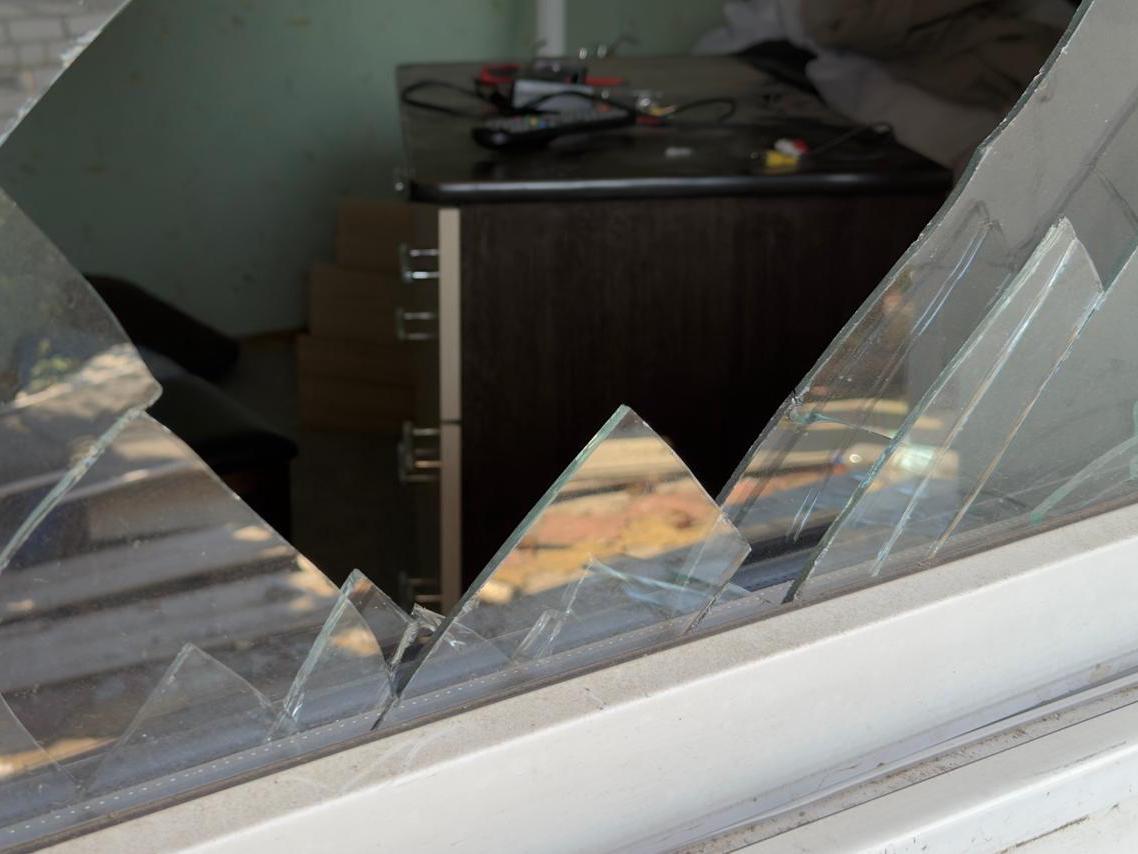
Neighboring houses were also damaged in the attack
Under a decree by the Volgograd city administration, people whose property and health were damaged in the drone attack are entitled to payouts. The full list can be found here.
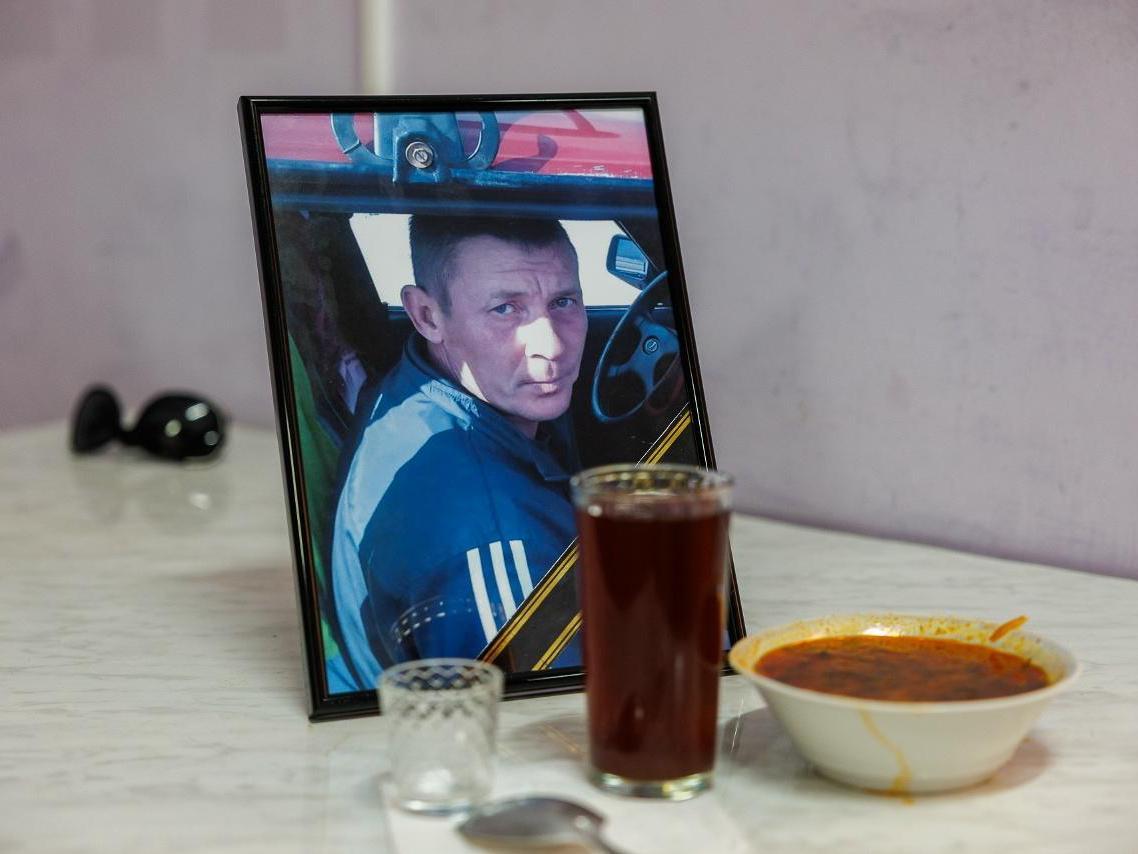
Sergey died in hospital from severe body burns
The administration also promised to pay the relatives of the deceased 1,547,500 rubles ($19,600 at current rates) each as a one-time payment. This sum is to be divided equally among close relatives.
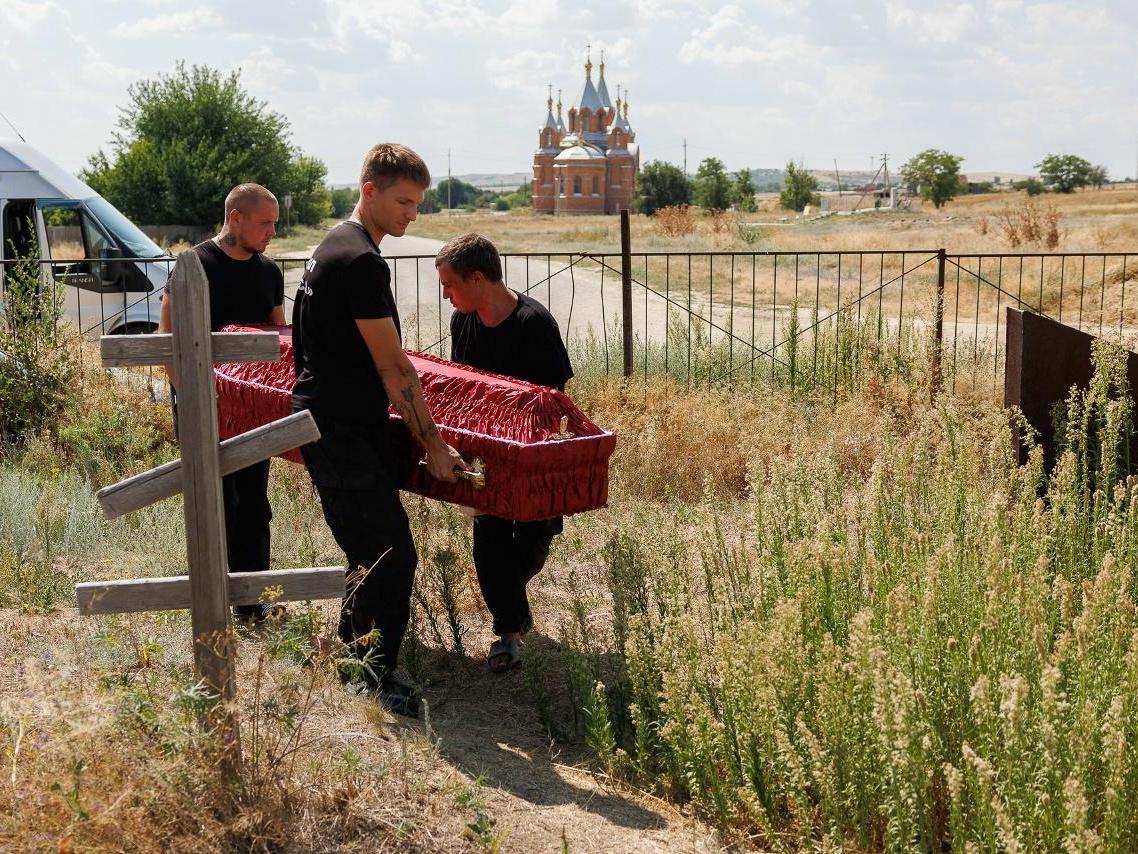
Relatives and fellow villagers attended the man«s funeral. No officials or deputies
“We«re Just a Line in Their Documents”
The first victim was named Svetlana. She was buried four days after the tragedy, on 4 August. According to her daughter Ksenia, only close relatives and friends came to say goodbye to the woman: neither Governor Andrey Bocharov, nor his entourage, nor representatives of the regional administration he heads were seen at the cemetery. Ksenia says she never heard a single word of condolence in person from any official.
“Only close relatives and friends were at the funeral,” Ksenia says. “Officials came when it had all just happened. But they behaved so calmly, as if we were just a line in their documents.”
According to Ksenia, she began trying to resolve the compensation issue after the funeral, but has still not seen the money promised by officials: only formal replies and a bureaucratic “carousel” between agencies, each blaming the other.
“Our investigator from the Krasnoarmeysky District doesn«t want to rewrite the ruling recognizing us as victims the way the administration needs it. It has to explicitly state that the deceased is our mother so that we receive moral compensation. But the investigator said she wrote it the way she needed to and won»t rewrite anything <…>. We were sent to file an application in the Central District, and it«s supposedly to be sent to Moscow in about a month. They said we»ll have to wait about six months.”
According to Ksenia, the only support their family received was donations from Burevestnik residents, which caring neighbors brought voluntarily. The administration promised to pay them only 1.5 million rubles for Svetlana«s death, since the house and property were registered to her civil-law husband.
“They Look at Me Like It«s the First Day of the SMO”
The second victim was named Sergey. He was laid to rest two days after Svetlana«s funeral, in the stanitsa of Golubinskaya (Volgograd Oblast). Apart from relatives and fellow villagers, there was not a single official at the cemetery. His daughter Alexandra said she has still not received a single kopeck of what was promised by the administration.
“To apply for the payouts, I need to get a death certificate. I went to the registry office with a certificate from the morgue — there they told me I needed to restore [the deceased«s] passport details. I went to the migration service so they would at least give me a certificate with those details — they sent me back to the registry office to request Form No. 1 from them first, and only then come to them.”
Difficulties also arose with compensation for the loss of property. As Alexandra explained, to receive it she will have to enter into inheritance: this means that along with the right to the payouts, she will also inherit the debts, which, by her estimate, amounted to 400,000 rubles in her father«s case.
“That«s only at banks, and what if he also borrowed from microcredit organizations? He drank, that»s why he had debts. And I don«t even know whether to accept the inheritance or not, because no one says how much will be paid in the end, or whether it will cover the debts. <…> You know, they look at me [at the administration] as if this were happening for the first time. The SMO [Special Military Operation] has been going on for five years, and no one can even tell me where to turn or what to do. They just keep passing responsibility to each other.”
A V1.RU journalist tried to contact the head of the Krasnoarmeysky District administration personally to find out what was behind the problems with the payouts. But the reception office refused the request to connect with him, redirecting the journalist to the city administration. After several more calls, it was finally possible to reach an employee who handles payouts, but that person told the journalist to submit an official request.
At the request of officials, the journalist is submitting the stated questions to the Volgograd administration on an official letterhead.