Veteran Denied Care Dies Before Victory Day
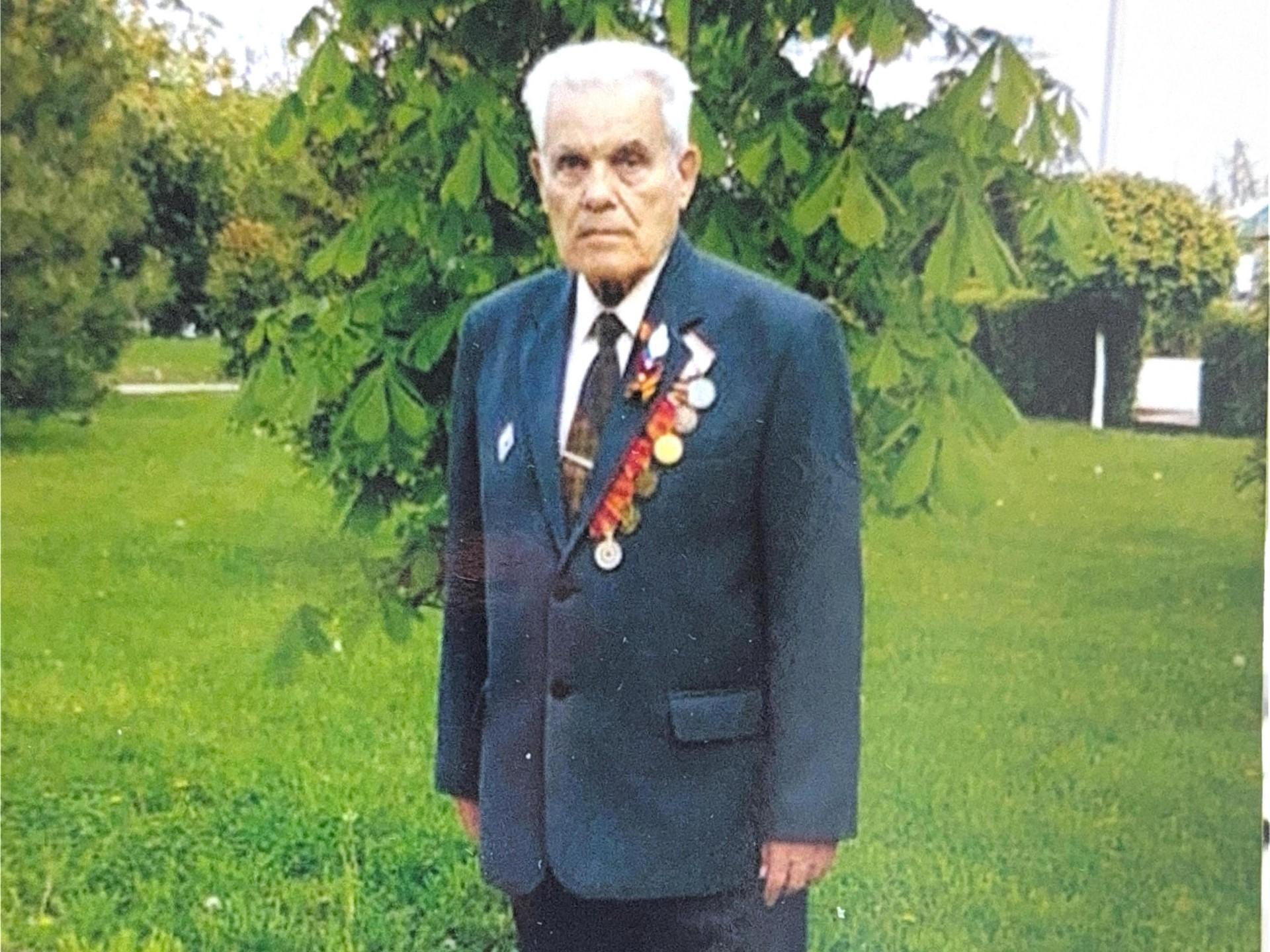

Until his last day, Nikodim Sergeyevich retained a clear mind and phenomenal memory
94-year-old home-front worker Nikodim Kochergin died on May 4, 2026, in the Central District Hospital of Salsk. According to his daughter Svetlana, for two and a half weeks medics refused to hospitalize her father, insisted on «senile dementia,» and repeated that «nothing would help him anymore.» The man was eagerly awaiting Victory Day, but died five days before it.
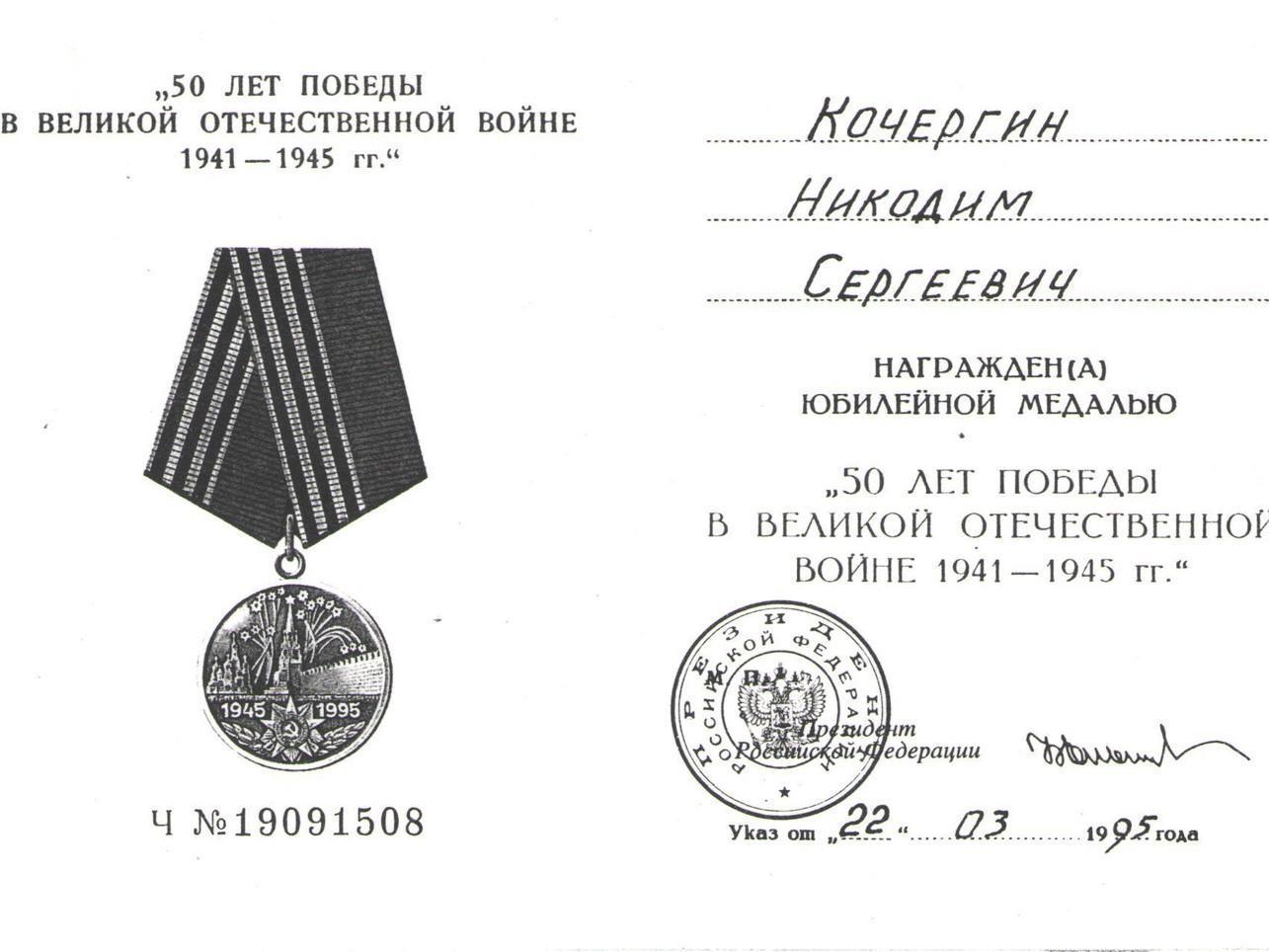
A 161.RU correspondent spoke with the veteran«s daughter to find out what happened to Kochergin in the last weeks of his life and why relatives believe the tragedy could have been avoided.
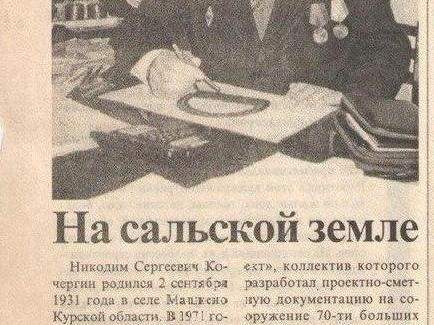
A clipping about Nikodim Sergeyevich from a Salsk newspaper
On the night of May 4, Svetlana sat by her father«s bed in a room of the therapeutic department of the Salsk Central District Hospital. By evening, 94-year-old Nikodim Kochergin could no longer drink — his daughter fed him from a spoon, and then he stopped breathing.
— I went to the nurses« station and said: »He«s not breathing anymore.» A nurse came over, checked his pulse, waved her hand, and left. No one did anything, Svetlana recalls.
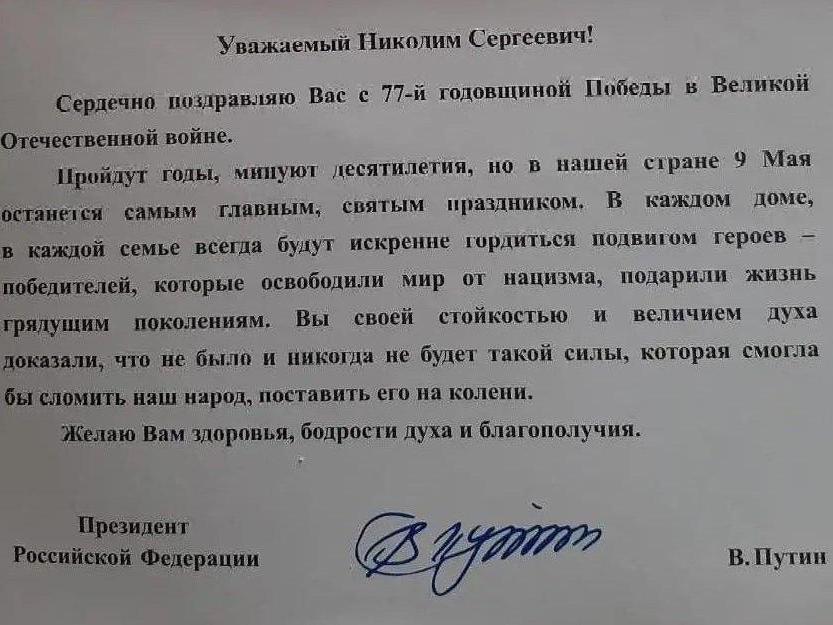
Congratulations from Vladimir Putin
Nikodim Sergeyevich Kochergin was born on September 2, 1931, in the village of Mashkino, Dmitrovsky District, Kursk Oblast. When the war began, he was ten years old. He survived the occupation, as a teenager helped build caponiers and dig trenches for the Battle of Kursk, and witnessed the Prokhorovka tank battle. After the territory was liberated, he worked in the fields alongside adults — harnessed to a plow in place of a horse. According to his daughter, until his last day her father remained lucid and was eagerly awaiting May 9 — his main holiday.
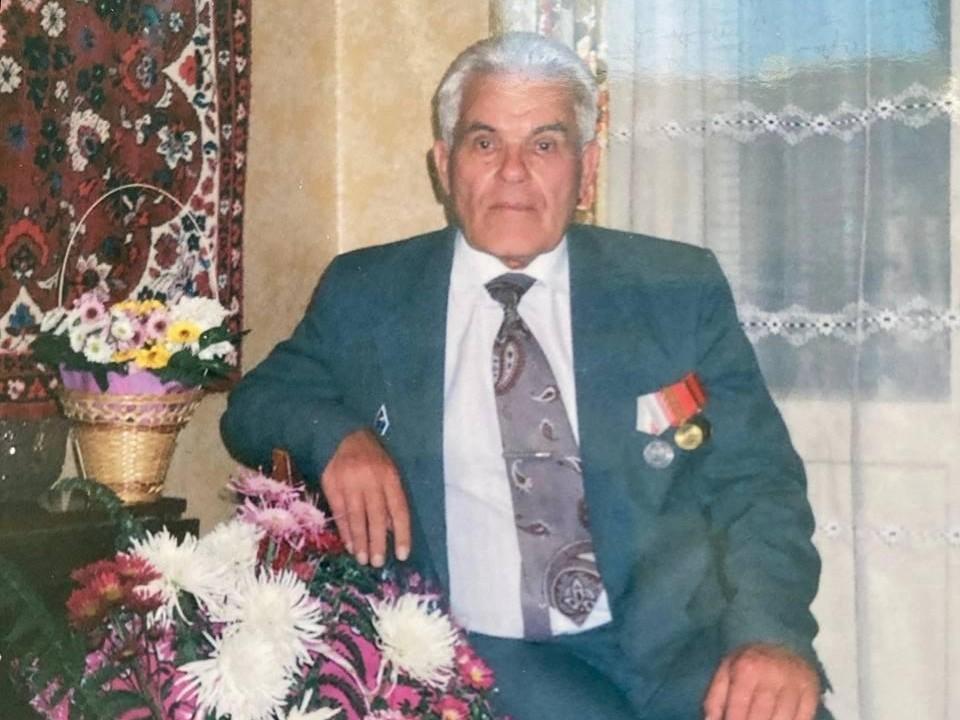
The veteran«s relatives are certain he would be alive if doctors had paid attention to him in time and actually helped.
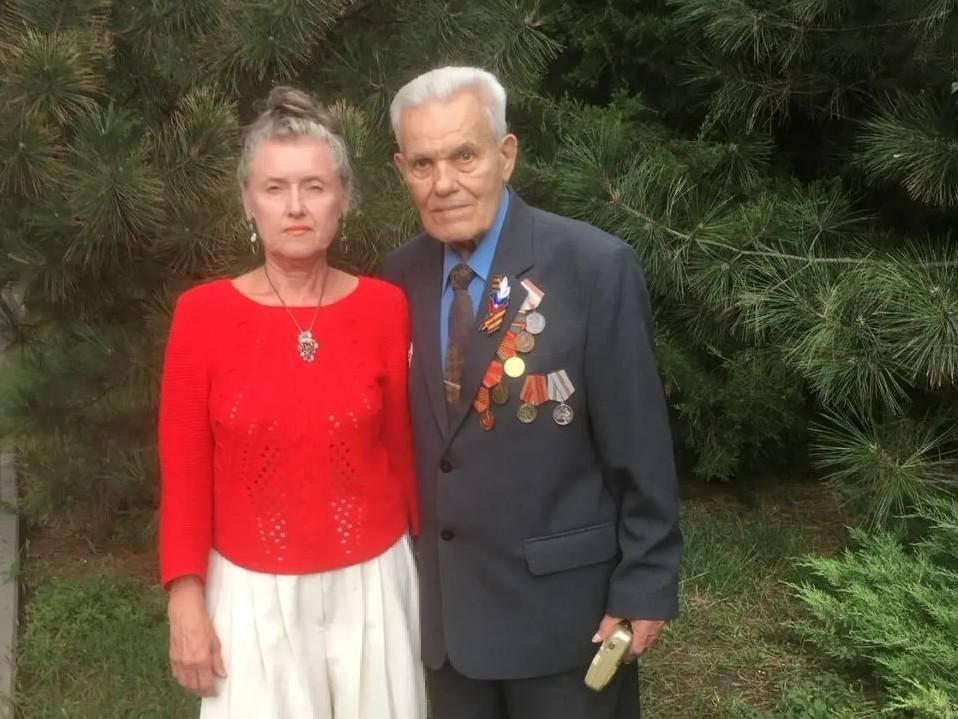
Nikodim Sergeyevich with his daughter Svetlana
«Senile Dementia» and Two Weeks of Refusals
Despite his advanced age, Nikodim Kochergin led a normal life. In late April, the 94-year-old man began to feel unwell: according to his daughter, swelling increased, shortness of breath appeared, along with leg cramps and urinary retention.
After the war, Kochergin graduated from a land management technical school in Kursk Oblast and the Rostov Civil Engineering Institute. He first worked as a surveyor, traveled to many regions, and at one point even worked in the mountains of Dagestan. He then moved to Yegorlyksky District of Rostov Oblast, and from there to Salsk, where he worked in the city architecture department, designed and built buildings, and built his own house. He worked almost until age 85 — then retired.
Svetlana called the first ambulance on April 19. The paramedic, the woman claims, did not even properly examine the patient.
— She just walked into the apartment, went to the window, looked around. Dad is lying there, screaming in pain: he«s suffocating, his heart hurts. And the nurse says: »That«s his senile dementia,» with such an arrogant look. I was stunned. What dementia? He remembers all the dates, all the names, he«s lying there and hearing all of this, the daughter recalls her conversation with the paramedic.
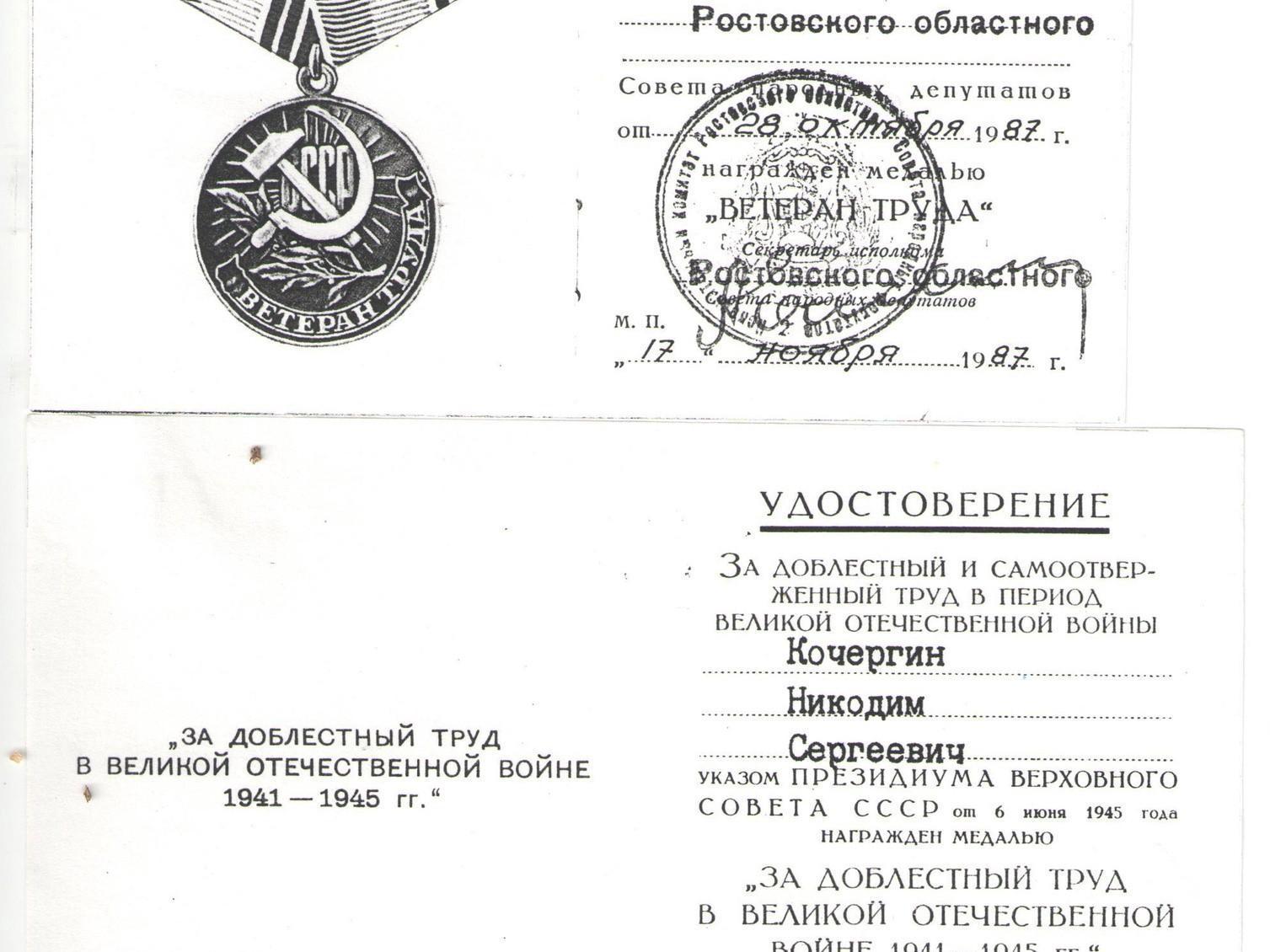
Until his last day, Nikodim Sergeyevich retained a clear mind and phenomenal memory: he remembered dates, military commanders, fellow servicemen by last and first names, the names of villages and mountain passes where he had lived in Dagestan. He read a lot, especially military history, loved to draw and make things, and play with cats. He even received congratulations from the President of Russia.
As the daughter said, an electrocardiogram was never taken, and instead of treatment they gave him a painkiller.
— I ask: «Well, what should be done about his heart?» — «Buy him a painkiller.» And they left. No help at all, Svetlana recalls.
Then it was the same. The local cardiologist — «won»t come out in the next few days,« the paramedic on a call — »go see a surgeon.« The surgeon declared: »Nothing of mine here, the heart needs to be checked.« According to Svetlana, the doctors repeated one after another: »Nothing will help him anymore, his strength is fading.«
The man«s condition continued to worsen. On May 1, another crew arrived. According to the daughter, the medic again did nothing, and when asked to hospitalize her father, screamed: »What, do you want him to live 200 years?«
«In Four Days I»ll Be Going to the Funeral Home«
Driven to despair, the woman ran to every possible authority.
— Everywhere you turn, there«s no help. No one bears responsibility for anything, and no one has anything to do with it. They won»t give you the phone number of the chief doctor or any doctor. You stand outside the doors of offices and the administration like a criminal until someone comes out, Svetlana says in bewilderment.
On May 2, she finally got through to the hotline of the Rostov Oblast Ministry of Health. Only after that, the woman claims, a new ambulance arrived, and an ECG was done. The elderly man, who could no longer walk, was carried down from the fourth floor with the help of the Ministry of Emergency Situations (MChS).
While the family waited for hospitalization and the MChS, not knowing whether Nikodim Sergeyevich would be admitted to the hospital, Svetlana called the doctor on duty at the admissions department. He allegedly promised: «I»ll come in the first half of Monday, we«ll consult, and if there are beds — we»ll hospitalize him.«
— Dad was already suffocating, in critical condition, and the doctor said — I«ll examine him only in four days. I told him: »In four days I«ll be going to the funeral home.» That«s exactly how it turned out, Svetlana says.
On May 2, Saturday, around 5:00 p.m., the veteran was finally admitted to the Central District Hospital. The daughter claims: not to cardiology, but to general therapy, even though he had a history of acute myocardial infarction (suffered in 2009 — editor«s note) and clear signs of cardiac pathology.
Over the day and a half that followed, Svetlana recalls, the doctor on duty entered the room only once, just to check; no IV drip was ever administered, no infusion therapy was carried out, and treatment for heart failure was effectively not started. To all questions, the woman was told: «Wait until Monday, after the holidays.»
In the Salsk Central District Hospital record, the main diagnosis is heart failure, with an accompanying diagnosis of damage to the heart muscle. On admission, his condition was assessed as «moderate severity.» All documents — the medical record, initial examination, cardiogram, and death certificate — are in the editorial office«s possession.
— I fought so hard for this hospitalization and felt so uplifted when he was admitted. I thought: well, at least something. But we arrived at the Central District Hospital — and nothing. No IV drips, no injections. I sat by my father all night, no one came at all, Svetlana recalls.
At 3:20 a.m. on May 4, Monday, Nikodim Sergeyevich stopped breathing. According to the daughter, the nurse limited herself to checking his pulse, pronounced death, and left; no resuscitation was performed. Yet in the medical history, resuscitation efforts that never actually happened were later described in detail.
A week before his death, when he began to weaken, the veteran told his daughter: «I probably won»t live to see May 9. I«ve gotten so weak this week.» He didn«t live five more days.
After that, according to Svetlana, it became completely unbearable: an orderly began shouting at her, using obscene language, and demanded that the daughter herself move her father«s body onto a gurney.
— She yells: «Call whoever you want, take him to the morgue yourself.» I say: «How am I supposed to carry him?!» My father died, and she«s screaming obscenities at me and standing there with her hands on her hips, Svetlana recounts.
A Diagnosis That Didn«t Exist
The medical history, Svetlana continues, was given to the family with difficulty — two weeks later. Comparing the records with what she saw herself, the relatives found a whole series of discrepancies.
Thus, at 11:30 p.m. on May 3, the doctor on duty, contrary to the record in the chart, did not conduct an examination, according to the daughter, and the patient had no «psychomotor agitation.» The time of death in the documents is listed as 5:00 a.m., although breathing, according to Svetlana, stopped at 3:20 a.m. The medical history describes in detail resuscitation measures that, the family claims, never actually happened.
In addition, the chart lists «type II diabetes mellitus,» whereas Nikodim Sergeyevich, according to his daughter, never had it: he was not registered with an endocrinologist, and home sugar measurements were within normal limits. Finally, the ECG record in the history, the family believes, did not match the man«s actual condition, and the cardiograms taken by ambulance staff and by doctors already at the hospital differed greatly.
Kochergin never had confirmed chronic illnesses, relatives say; he felt fine. There were serious health problems only twice. In 2009, Nikodim Sergeyevich suffered a heart attack, after which he began taking maintenance therapy. In 2013, the man was diagnosed with pneumonia — he fell ill after one of his surveying expeditions.
Immediately after the death, Svetlana claims, the hospital and morgue began demanding money. The autopsy, which by law should be free, was processed as a paid service, according to her — 7,880 rubles had to be paid at the bank (the receipt stated «sanitary and hygienic treatment of the body») (about $100 at current rates).
— He told me: «Pay for the autopsy.» And then the receipt said it was «sanitary and hygienic services.» No one at the hospital washed, embalmed, or dressed him — that was done later by funeral service workers, Svetlana says.
In addition, a morgue employee allegedly demanded 5,000 rubles in cash (about $65 at current rates) — for keeping the body overnight. As the woman claims, he explained: «If it weren»t for the veteran«s ID, it would have been 10,000 more expensive.» The man pocketed the money for this «service» and issued no receipt.
Under Federal Law No. 323-FZ «On the Fundamentals of Health Protection of Citizens,» a pathological autopsy in a hospital is performed free of charge. Only certain services can be paid — for example, cosmetic preparation of the body for burial — and only with the consent of relatives. Receipts for paid services at the Salsk Central District Hospital are in the editorial office«s possession.
The family believes that it was precisely the improper provision of medical care by ambulance staff and the Salsk Central District Hospital that led to the veteran«s death. The relatives contacted the insurance company with a request to organize an unscheduled departmental examination of the quality of medical care and filed an application with the Investigative Committee.
— Of course, he could have been saved if anything had been done. But instead, a doctor arrives and yells. Even if you don«t take into account the Hippocratic Oath — it»s simply inhuman, Svetlana notes.
The 161.RU editorial team tried to contact the leadership of the Salsk Central District Hospital to clarify the details of the tragedy. The leadership did not answer phone calls. We also sent requests to the hospital and the regional Ministry of Health.
Earlier, 161.RU wrote about an 11-year-old schoolgirl from Azov who was infected with HIV and hepatitis C. The girl«s mother is certain the infection occurred at the Central City Hospital. This is also confirmed by a Rospotrebnadzor epidemiological investigation. The chief doctor of the Azov Central City Hospital, in a conversation with a 161.RU correspondent, noted that the institution is currently conducting an internal investigation that could establish the causes of the infection. At this point, according to the chief doctor, it is premature to draw any conclusions.