Teen Saboteurs Caught by QR Code on Water Bottle Cap
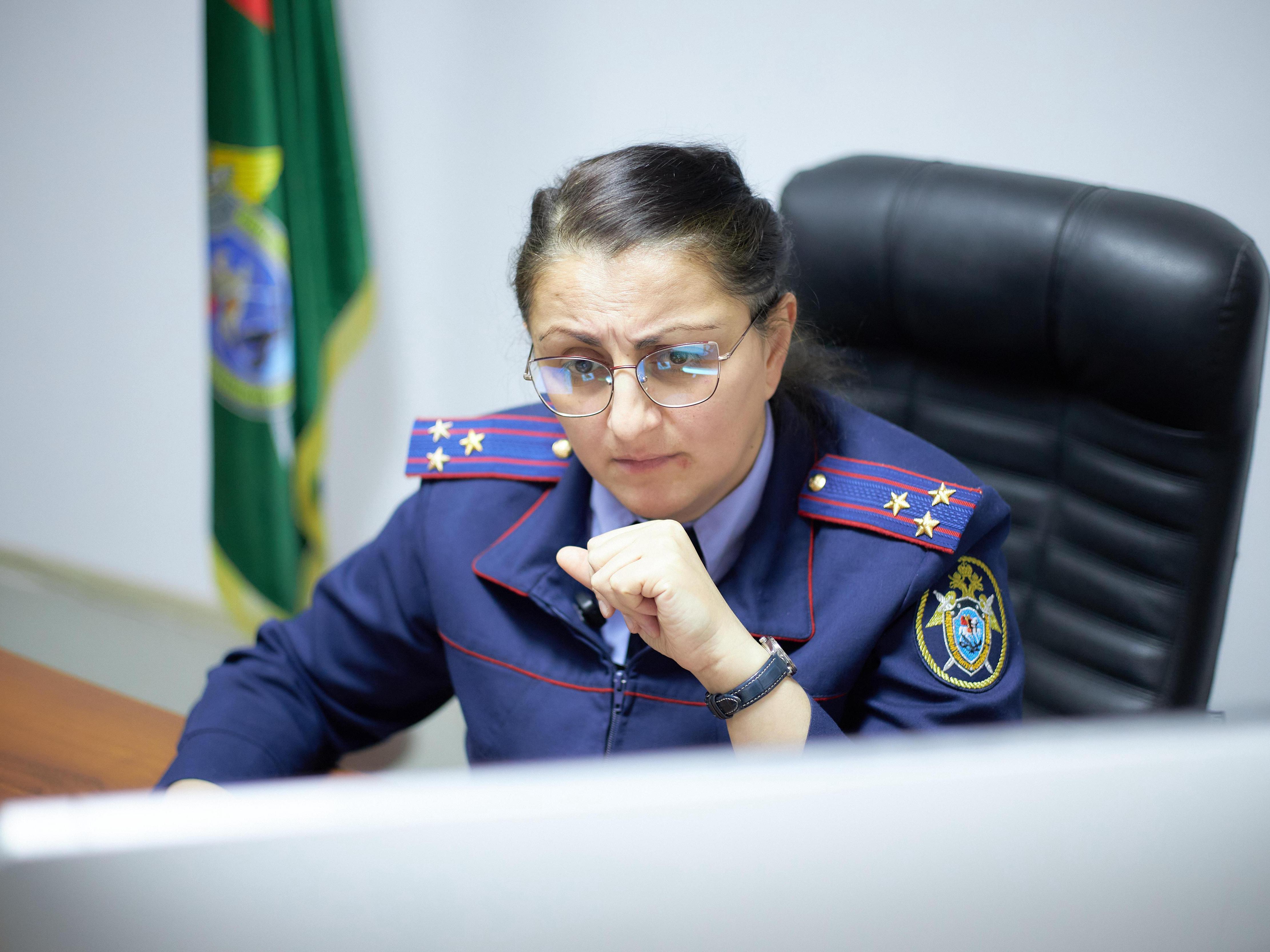

Rita Danielyan, head of the Samara transport investigative department of the Investigative Committee of the Russian Federation, gave an exclusive interview to 63.RU
A freight train derailment on a section, a sinking pleasure boat, a teenager on the tracks with headphones… These incidents have long been part of Samara«s statistics. But the criminal reality in transport is changing rapidly. New threats come from the digital world: now teenagers are recruited for crimes not in back alleys but in Telegram channels, and saboteurs are identified not by fingerprints but by genetic traces on a bottle cap.
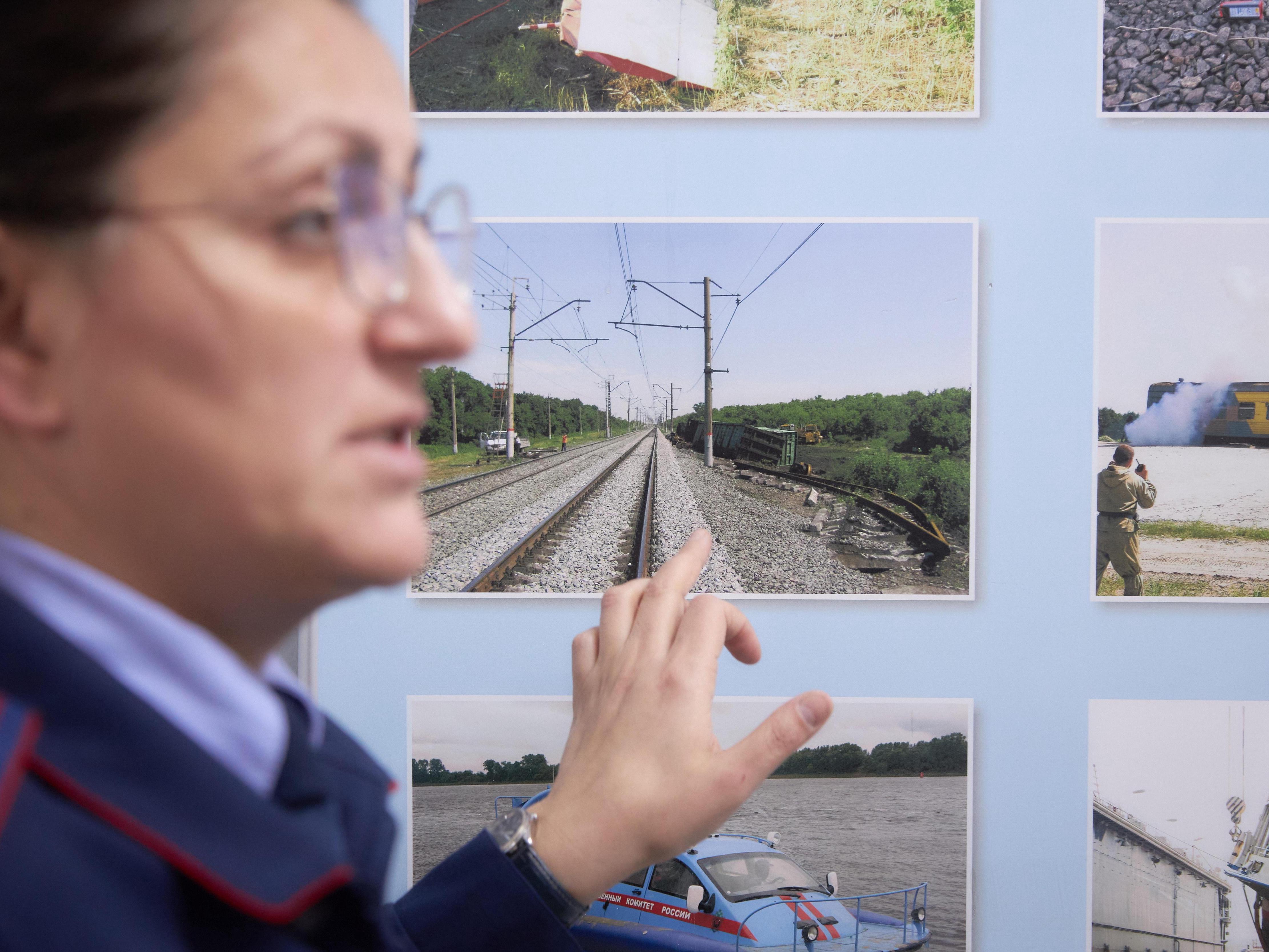
This is no longer just hooliganism, but an article on sabotage
In an exclusive interview with 63.RU, Rita Danielyan, head of the Samara transport investigative department of the Investigative Committee of the Russian Federation (SK RF), told how new-generation criminals are caught and what challenges investigators face today.
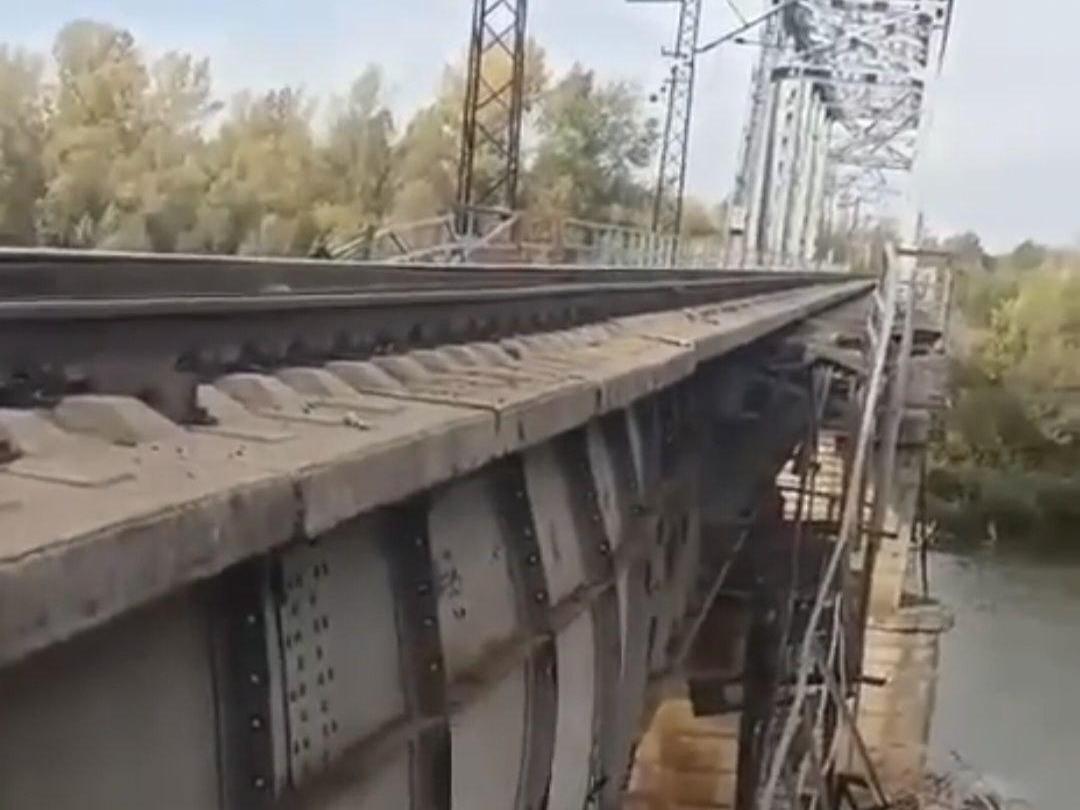
Incident in Kinel (Samara Oblast)
How Recruitment Happens on Telegram
The most alarming trend in recent years is targeted sabotage on transport infrastructure. Often, it is not foreign agents but ordinary teenagers who commit them, whom perpetrators find through the internet.
Rita Danielyan cited a recent case. Two 17-year-old boys from Kazan, who studied and worked part-time in Samara, received an offer in Telegram from an unknown person.
“They were promised 20,000 rubles (approximately $200) for arson of a distribution cabinet that controls train movement. They planned everything, bought gasoline, came to the section, set the equipment on fire, recorded everything on video, and sent it to the customer. The transfer of 20,000 came to a virtual wallet,” the investigator recounts.
Motivation was simple: “Money is always tight. They want to live well, buy clothes.” But, having received the money, the teenagers were even afraid to withdraw it — they deleted Telegram and hoped it would all end. But they were identified.
The key piece of evidence was an ordinary water bottle cap. At the scene, operatives collected all possible traces, including an empty plastic bottle. On its cap was a QR code.
“Police officers checked who bought this water. And discovered that the cap smelled of gasoline. A girl at the gas station remembered that she bought water for guys from the construction site where they worked part-time,” Rita Danielyan explains.
Reviewing surveillance camera recordings and rewinding events led investigators to specific young men. They now face up to 10 years in prison. Was it worth the 20,000 rubles they didn«t even have time to spend?
“There are many such cases now. Control cabinets on main tracks are set on fire, where up to a hundred trains pass per day. In this case, it ended without a catastrophe, but the risk was colossal,” the head of the department notes.
This is no longer just hooliganism, but an article on sabotage. And such crimes, as the investigator notes, have become more frequent.
How Negligence Opens the Way for Saboteurs
Last year, two explosions occurred on railway bridges in Samara Oblast — near Chapayevsk and in Kinel. Transport investigators initiated criminal cases, but not on the fact of terrorism, but under the article on negligence.
“Part of our work is to establish official crimes by railway employees. We find out why the bridge was not properly guarded, why there were not enough surveillance cameras and physical protection of the supports. That is, how it happened that saboteurs were able to approach a critical object unimpeded,” Rita Danielyan explains.
Thus, the investigation works in two directions: law enforcement agencies search for direct perpetrators, and transport investigators identify systemic gaps in infrastructure security. These cases are so complex that their investigation is assigned to the central apparatus of the Investigative Committee.
Drones, Internet, and False Alarms
What are the main threats awaiting transport investigation in the coming years? Rita Danielyan highlights several areas where legislation lags behind life:
Unmanned technologies:
“A new bridge opens. What if an unmanned vessel crashes into it? Who will be to blame — the algorithm developer, operator, or owner? There are no direct answers in the law yet. The same goes for unmanned trains or drones. The legislative base is only being formed,” says the investigator.
Control on the internet (this is perhaps the most difficult task):
“Effective control in social networks and messengers is needed to prevent the recruitment of youth,” Danielyan believes. “Now this is done almost with impunity: an anonymous user offers a teenager from a disadvantaged family 5,000-10,000 rubles (approximately $50-$100) for a crime. And often he agrees.”
False bomb threats:
“False messages are especially frequent regarding Kurumoch Airport,” the investigator notes. “Each such call is colossal losses, evacuation, disruption of all services. It is necessary to tighten punishment to deter ‘jokers’ from doing so.”
Offenses involving migrants:
“This problem also requires the attention of legislators. On the railway, conflicts and hooliganism with their participation are not uncommon. Any such incident can easily escalate into a more serious crime.”