Polesye Captain's Drunken Crash Killed Six
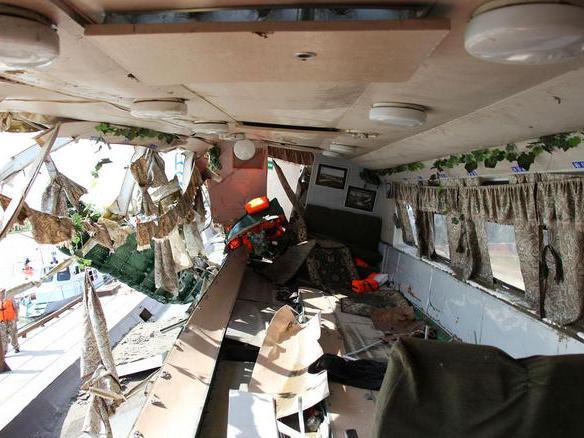

This is what the hydrofoil looked like after the crash
17 August, 13:45. Emergency sirens tear through the left bank of Omsk. The scene on the Irtysh River looks like a disaster movie: the hydrofoil Polesye has crashed into a cargo barge and is literally hanging off it, its bow pointing at the sky. People are screaming, the deck is covered in blood, and only one question hangs in the air: how could this possibly happen?
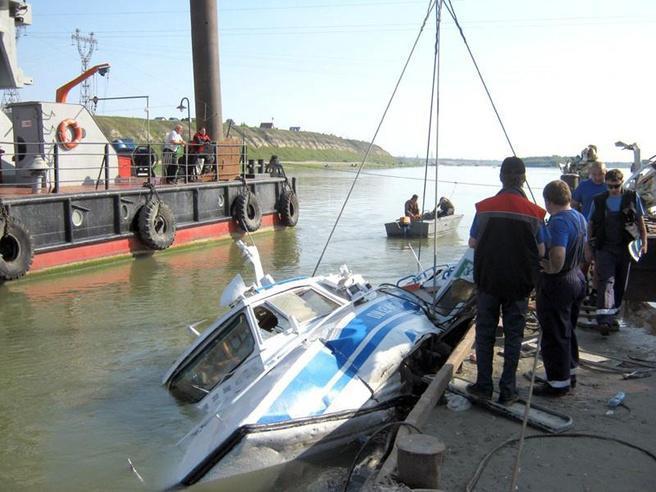
Many didn«t even have time to realize something was wrong
Just an hour earlier, the vessel had left the pier at the River Station, bound for Achair. Every summer, hundreds of believers traveled there to the holy springs and monastery. But that day, they never crossed the threshold of the church. Instead of icons, they saw twisted metal; instead of prayer, dozens of wounded. For six people, that journey ended in the Irtysh.
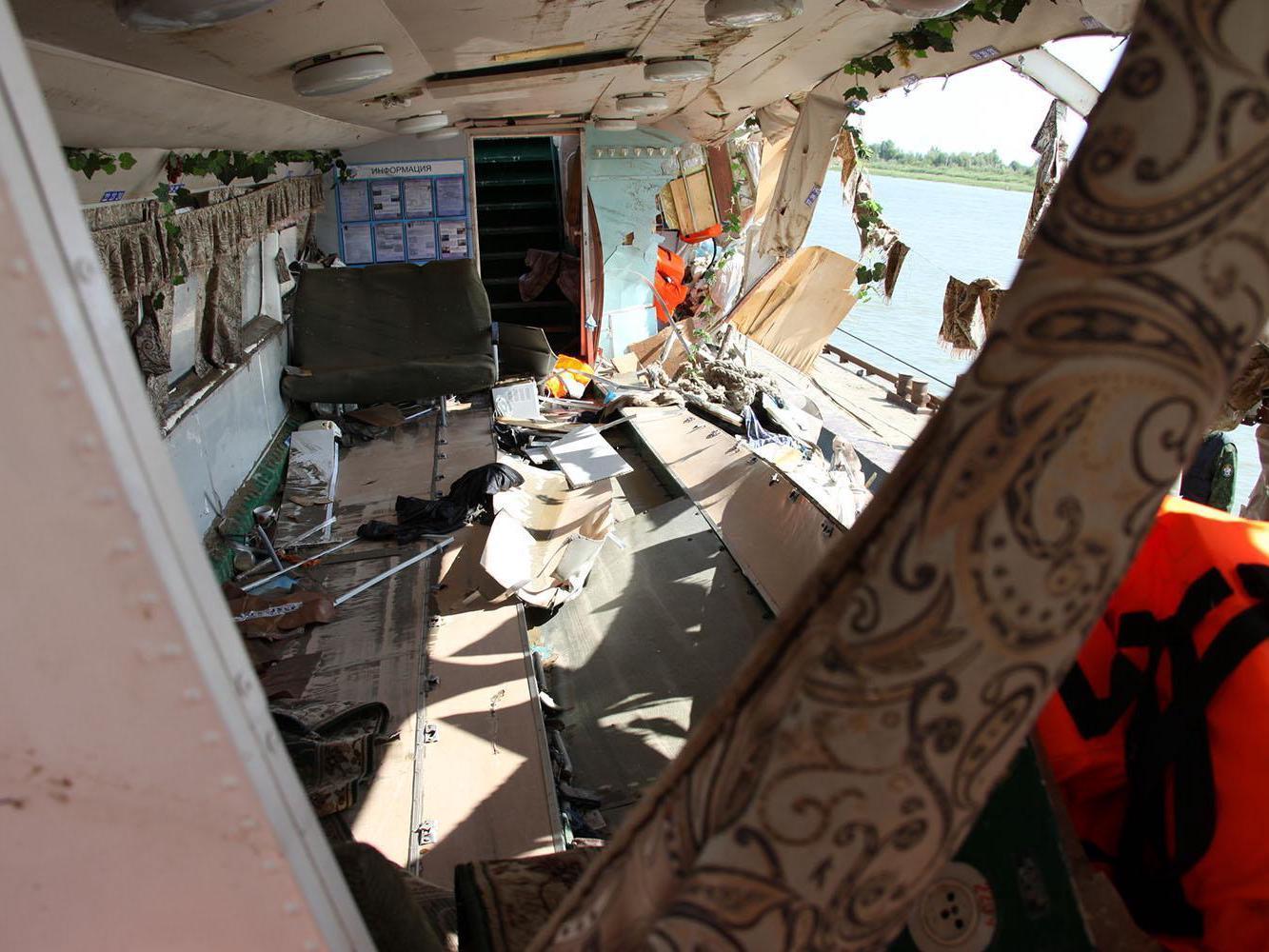
Almost nothing remained of the port side
We have reconstructed the chronology of the fatal voyage, spoken to those who miraculously survived that hell, and found out how the captain who ruined lives feels now. And how it happened that he spent less than a year behind bars — in this NGS55.RU report.
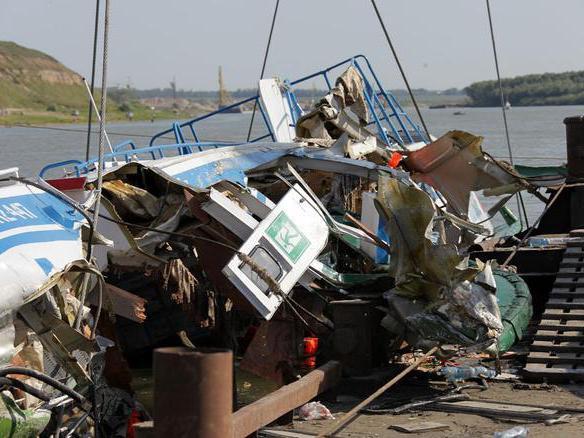
The hydrofoil hung on the barge
What Happened Before the Collision — Timeline
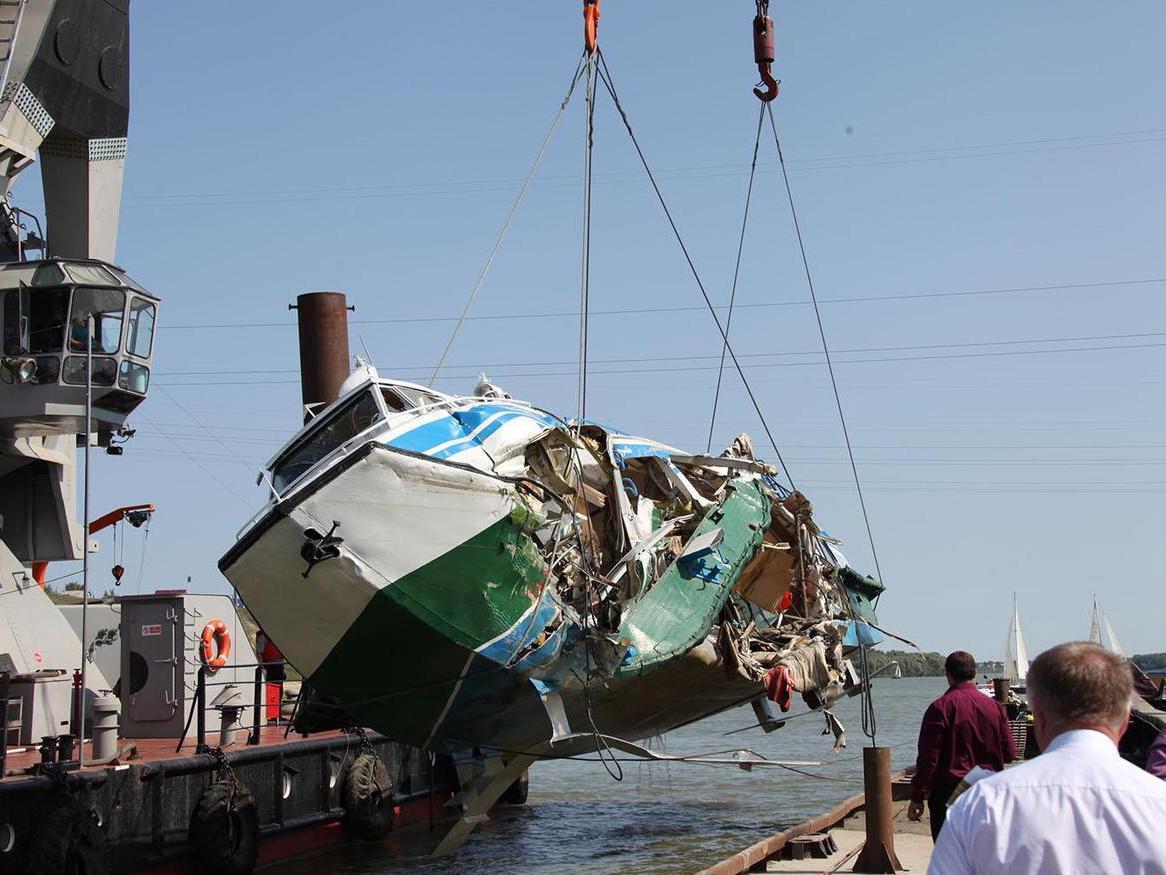
The vessel hit the barge at speed and turned into a pile of metal
The heat that day was unbearable — the peak of an Omsk August. Fifty-six passengers with tickets to Achair crowded on the pier at the River Station. Some brought their whole family, some friends; there were also lone travelers dreaming of silence within the monastery walls. Anna Desyatova has never been able to forget that scene on the pier.
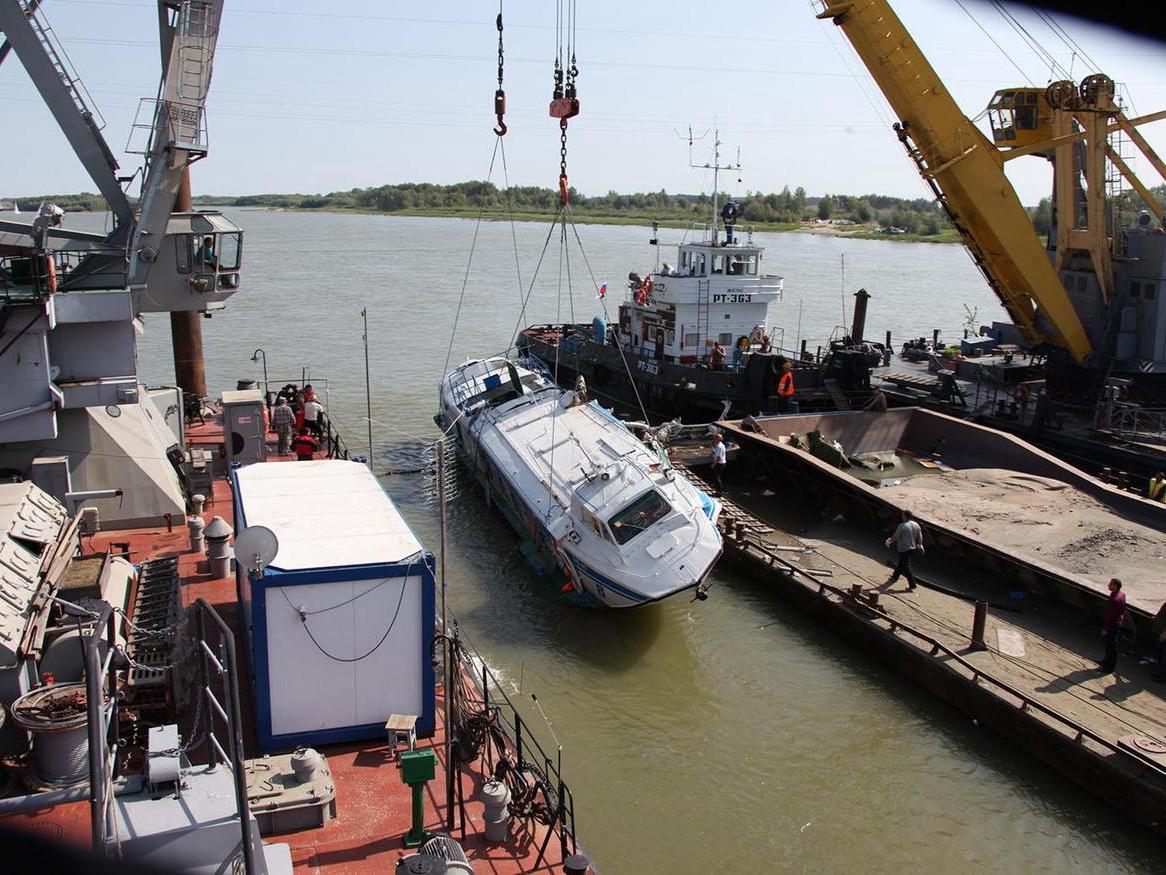
Raising the sunken vessel the day after the tragedy — 18 August 2013
“Everyone was relaxed, standing on the pier. I noticed a few women — one had a beautiful hairstyle, another a beautiful dress. Everyone was looking forward to just a rest,” Anna recalls.
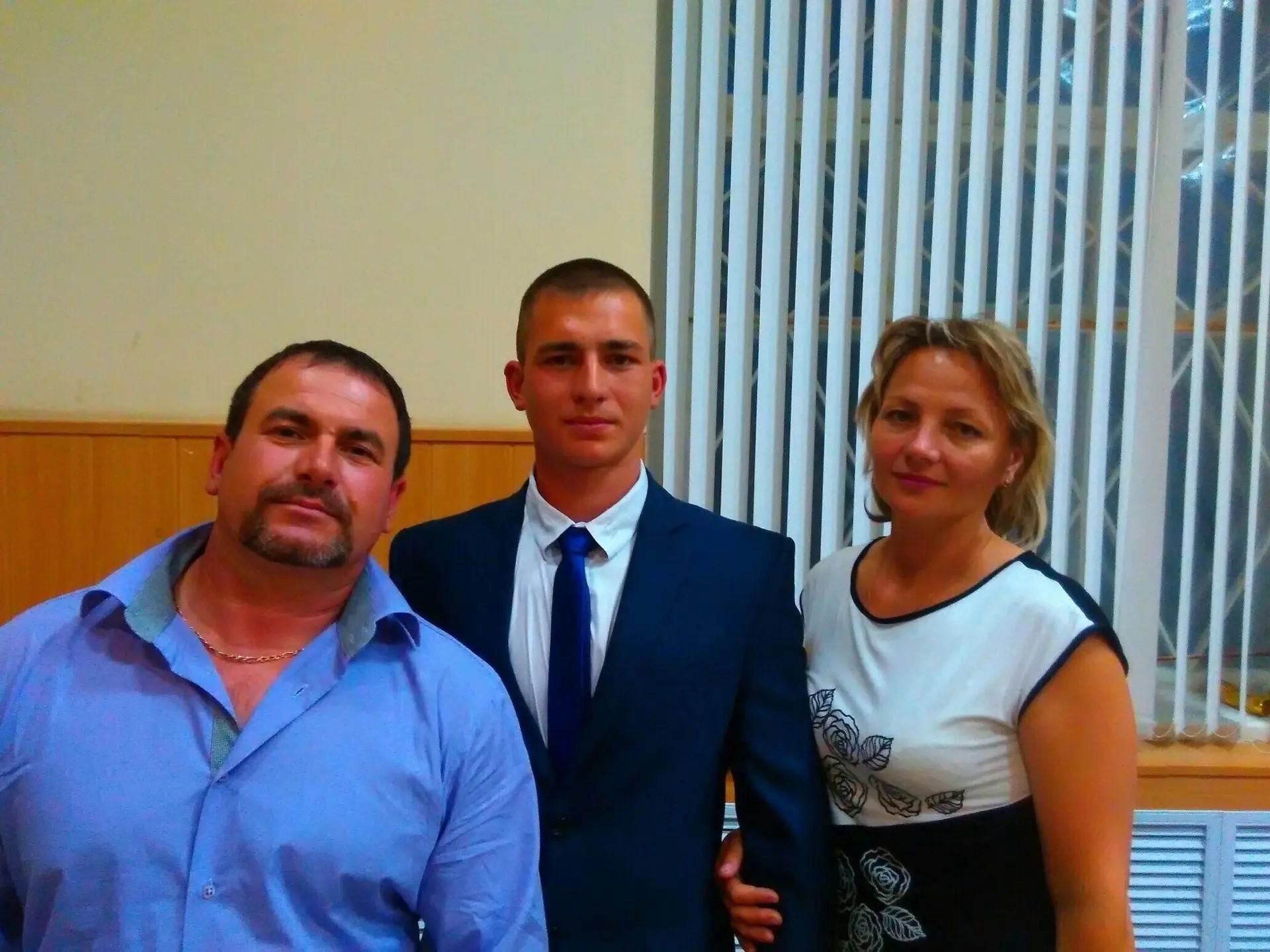
Nikita with his parents at graduation
She boarded with her husband and two children — a 15-year-old son and a 10-year-old daughter. Inside the Polesye, they found seats like those in a luxury cinema — deep and soft. Anna settled by the porthole with her daughter; her husband and son sat across the aisle. Nearby, someone was loudly celebrating a holiday, someone was talking, and most simply watched the water rushing past the stern, mesmerized.
Then, at that very moment, something seemed to prick her. A thought she herself dismissed as silly, but now it sounds prophetic: “Damn, I thought then, if anything happens, I can swim.”
Meanwhile, on the captain«s bridge, Yuri Ratko had already spotted a pusher tug with a barge on the horizon. The distance was considerable — a whole kilometer. Over the radio, he quickly agreed with that captain on how to pass: port side to port side. It was on that side that the monstrous impact came just minutes later.
Ratko quickly forgot the agreement. A second of relaxation, a switch to casual conversation with the crew, and he lost control of the vessel. When he looked up and realized that the Polesye-8 was racing straight at the steel bulk of the barge, it was too late. Fifty meters remained before the collision.
Ratko panicked. He didn«t even try to urgently cut speed — instead, he decided to take a risk and try to cheat physics. He sharply spun the wheel to the right, hoping to slip past “with a glancing blow.” But at a speed of 62 km/h (39 mph), the Polesye slammed into the barge, which was moving at 5.2 km/h (3.2 mph). The impact tore a huge hole in the ship»s hull; half of the port side was completely ripped open. The vessel hung on the barge.
The peaceful rest was over. Hell began.
What Happened After the Collision
Silence. The most terrifying thing in that first second. No horns, no signals, not even screams. People simply didn«t have time to understand what had happened.
“I grabbed my daughter and my bag. Everything happened in milliseconds. I pressed my daughter to myself crosswise. And I only managed to close my eyes. My head was buzzing. I came to when my husband started shaking me. I opened my eyes — my husband, my son, my daughter next to me. And that was the most important thing at that moment.”
Half of the port side had been torn out by the roots and now hung lifelessly in the water. The windows hadn«t cracked — they were blown inward by the blast wave, and glass scattered throughout the cabin. The seats, those “cinema” seats, were ripped out along with their mountings. They lay in a heap of mangled plastic.
Anna was afraid to turn her head back. What she saw in front of her was enough. Behind her husband and son, there was a mash of human bodies. Some were trying to get out from under the weight of the seats, others lay with twisted legs. Blood mixed with water that was already flooding the cabin. The Desyatov family began to make their way out.
“We were the second and third to leave the cabin. I saw that we had crashed into the barge. We were caught on it by all the metal. I got up and noticed I was barefoot — no shoes. One leg was black, but I could walk. I didn«t feel pain because of the shock. The children were frightened; we climbed onto the barge. It was all rusty and covered in sand. I walked with bare feet. But for me it was happiness that my whole family was intact.”
Only on the barge, when the adrenaline subsided a little, did her husband and 15-year-old son Nikita notice her legs. They were slashed by shards and sharp edges of metal. They tore off their T-shirts, removed their belts, and began bandaging the wounds right there on the rusty metal. Anna remained lying on the barge, while the men rushed back to help others.
“I saw a woman in the water with beautiful blue hair. She was unconscious, head down. I shouted to my husband: ‘Help, save her, pull her out.’ Petya grabbed her and dragged her onto the barge. He saved her then.”
A few minutes later, someone else«s baby was in Anna»s arms. His mother, with a broken arm, physically couldn«t hold the child and was asking for help. Meanwhile, Pyotr encountered Captain Ratko on board. They didn»t exchange words. The captain simply reeked of stale alcohol from a mile away.
Soon boats began approaching the barge to pick up the injured. Sirens sounded on the shore. Caring residents met the wounded; ambulances, police — everyone helped.
“We were admitted to City Emergency Hospital No. 1. The doctors didn«t immediately understand what was happening either. We were all dirty, covered in sand and blood. I sat waiting for a doctor. I turn my head, and on a gurney is that same woman in the beautiful dress I had remembered from the pier. And they are simply cutting that dress with scissors to pull out her broken arms.”
That day claimed six lives. Another 44 passengers and two crew members were injured. For many, that voyage was the point of no return. And the captain simply walked ashore.
Who Was to Blame
Four days after the disaster, Omsk declared mourning. On 21 August 2013, flags were lowered over the city, concerts and celebrations were canceled. On that day, the six victims were buried.
The families of the deceased received 500,000 rubles each (about $5,400 at current rates). Passengers with severe injuries received 300,000 rubles (about $3,200). The rest received 100,000 rubles (about $1,100). The figures were announced quickly. But a face-to-face conversation with the city head never happened. The then-mayor, Vyacheslav Dvorakovsky, was vacationing at a resort in Czechia.
“To my great regret, I am thousands of kilometers away from Omsk, on vacation, and I have information only from my first deputy, who is on the scene. I will return from vacation at the end of August,” he said at the time.
Meanwhile, investigators opened a criminal case under the article “Negligence.” The investigation believed that medics regularly issued false certificates.
As reported by Anton Chernyshov, senior assistant to the head of the West Siberian Transport Investigation Directorate of the Russian Investigative Committee, Ratko had a certificate of passing a pre-voyage medical check. In reality, he never saw a doctor. And after the collision, alcohol was found in the captain«s blood.
Later it became known that Captain Ratko had been fired 11 times for drunkenness. Officially, in 10 cases he was let go “at his own request” and only once “for absenteeism.”
The Rostransnadzor commission summed up the results on 5 September. The equipment was in working order. The speed was permissible. People were found guilty. The main cause was the negligent attitude of the Omsk River Port toward safety and systemic violations of labor discipline. The port«s transportation license was revoked.
Three months later, the prosecutor«s office completed its inspection. Violations were found in the work of OJSC Omsk River Port and in the actions of regulatory bodies. It turned out that the company had carried passengers under a license obtained with the help of fictitious documents. The river port was fined 100,000 rubles (about $1,100), and its director 20,000 rubles (about $220).
But in December 2013, the license was returned. An appellate panel overturned the court decision of 23 September. The business resumed operations.
How the Captain Walked Free Early
The day before the fatal voyage, Yuri Ratko and a friend drank three bottles of vodka. On the morning of 17 August, the captain set out on the route with the smell of alcohol on his breath.
On 23 June 2014, the Leninsky District Court of Omsk put an end to the criminal case. The charge was “Violation of traffic safety rules and operation of inland water transport.” The victims demanded 7 years in a penal colony. The prosecutor asked for 4.5. The court gave exactly what was asked.
Why not more? Mitigating circumstances — the captain had two young children, and he actively cooperated with the investigation. Ratko fully admitted guilt.
The victims were furious. A term of 4.5 years for six lost lives was too little. Their representative, Maxim Latso, insisted on seven years. He and other victims maintained that the main cause of the tragedy was alcohol intoxication.
“I fully and completely admit my guilt. However, I believe the court has already handed me a harsh sentence,” Kommercheskiye Vesti quoted the captain as saying.
The victims filed an appeal. But it didn«t help. On 25 August 2014, the complaint was rejected. The captain»s lawyer and the prosecutor insisted: the crime was committed through negligence, and the Leninsky court«s decision was fair.
On 27 August, the verdict entered into legal force. Ratko was sent to a penal colony.
But the captain served less than a year — in July 2015 he was released. As the regional prosecutor«s office press service explained, he fell under an amnesty marking the 70th anniversary of Victory Day. A State Duma resolution allowed the release of anyone sentenced to up to 5 years for crimes of negligence.
How the Desyatov Family«s Life Turned Out
For the Desyatov family, the voyage to Achair was their first and last on water transport. Before or since, they have never boarded a ship. They don«t even think about it.
On 17 August 2013, they simply wanted to spend a day off together. To be with each other, take a break from daily routine, and look at nature. Instead, they got a second birthday — for the whole family. Since that day, they count a new life.
“The children still remember. Recently my daughter said: ‘Mom, our family«s birthday is coming up soon.’ I say: ‘I remember.’ Nothing is forgotten, as if it all happened yesterday. Whether you want to or not, I remember every day. We will never forget,” Anna says.
Immediately after the tragedy, they stayed in touch with other victims. Phone calls, meetings, shared pain — it helped. Now everyone has moved away and lost contact.
Anna underwent a complex leg operation — doctors performed skin grafts. For long months she didn«t know if she would ever walk again. And although the doctors did everything possible, the scars remain forever.
“I thought it would stay that way for life,” she admits. “Sometimes my leg swells. One leg is twice as thick as the other. And whether you want to or not, every time you remember the consequences.”
Life went on. Anna works as a store administrator. Her husband Pyotr is a long-haul truck driver, crisscrossing the highways. Their son Nikita became a border guard. In July 2026, he started his own family — he got married. Their daughter Karina enrolled in Omsk Physical Education College, but had to postpone her studies: she got married and had a baby girl. The Desyatovs now have a new generation.
The Captain Still Hasn«t Apologized
Anna, like other victims, still considers Ratko«s sentence too lenient.
“To cause so much pain to families, and to the dead — someone lost a mother, a father. A girl who was very young died. I believe it was a lenient sentence.”
We asked: has the captain ever apologized to her personally in these 13 years? Anna shakes her head.
“No, no, no. I haven«t seen any apology from him anywhere. Maybe I missed something, I won»t make accusations, but I haven«t seen any from him anywhere. No apologies at all.”
An NGS55.RU correspondent reached Yuri Ratko by phone. On the other end was the voice of a man who had long turned the page. When offered to talk about that day, the captain replied briefly, with a cold smile in his voice.
“I work as a laborer. Sorry, but I«m not going to talk,” and after those words the line went dead.
He didn«t say “I remember.” He just hung up and went on. Three bottles of vodka, six coffins, dozens of crippled lives, and less than a year in prison. For him, it»s all over.
The Desyatovs don«t expect an apology. They just keep living. The Desyatovs have been celebrating their family»s birthday for 13 years now. And today, the mother wrote a long message in the family chat that begins with the words:
“Happy birthday to our family! Congratulations!”
The NGS55.RU editorial staff expresses condolences to the relatives and friends of the deceased.