Irkutsk gardener grows tropical exotics in Siberia
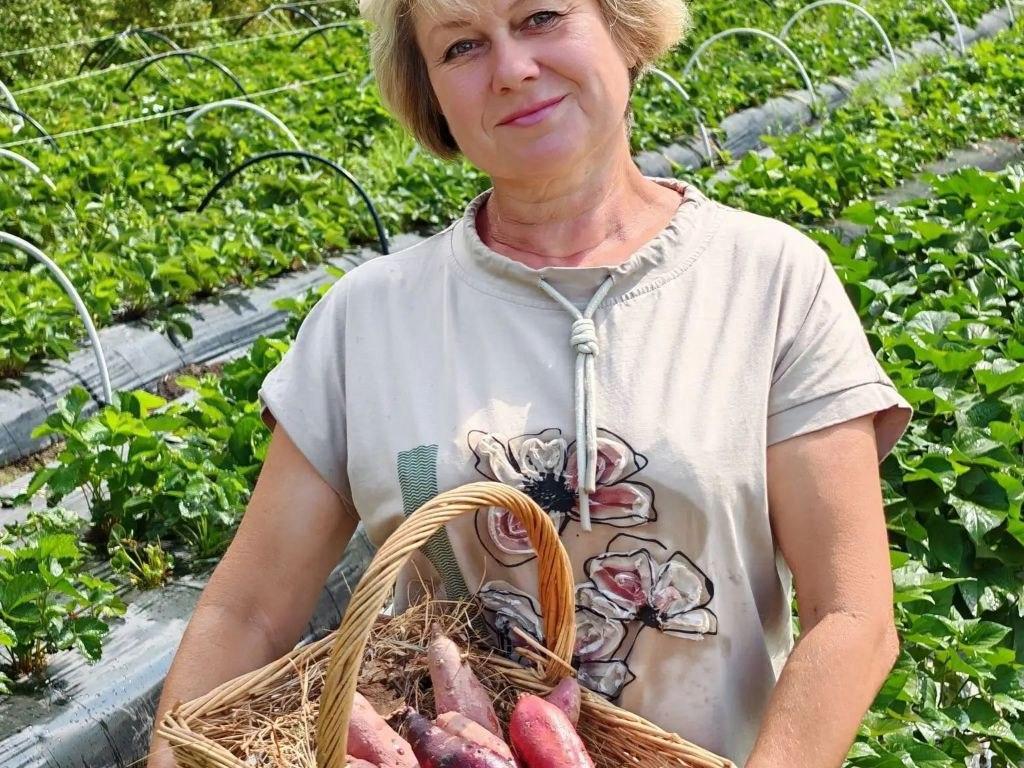

The plants grown by 56-year-old Irkutsk resident Natalya Sadykova on the Goloustnoye road (near Lake Baikal, Irkutsk Region) could be used to study geography. The experienced gardener«s collection includes crops from all over the world: China, Vietnam, Japan, the Americas and other regions of Russia. An IrCity correspondent visited the »Yagodny Sad« (Berry Garden) and saw sweet potato growing in open ground, passion fruit, pineapples, figs and much more with her own eyes.
How exotic plants arrived on the Goloustnoye road
Before showing off her riches, Natalya Sadykova greets me with a drink that looks like coffee or chicory.
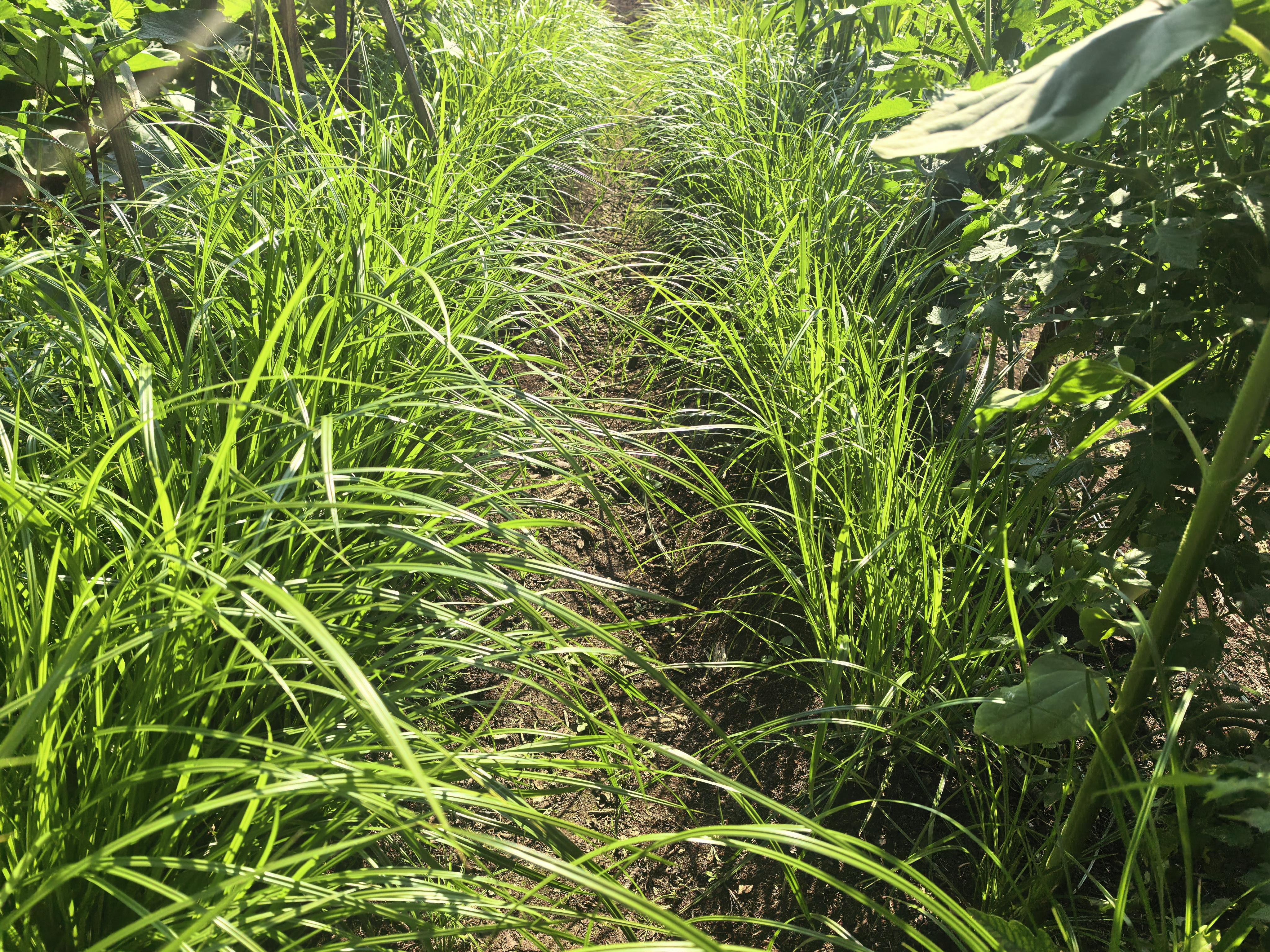
«Try it and guess,» she says. When my attempts to identify the unusual treat fail, the woman names a plant I had never even heard of before: chufa, or earth almond. You can see it growing from the window. It looks like tall green grass, planted more for beauty and landscaping. But it actually has small, edible, highly nutritious tubers.
«And try these berries too,» she says, offering a plate of large gooseberries, several varieties of raspberry and very sweet strawberries with no tartness.
Natalya says she has always loved plants, and her first encounter with a vegetable garden came, like many people, in childhood in Nizhneangarsk, where she grew up: «Until you weed the carrots, you don»t get to go swimming in Baikal.« But a pull toward the land came with age. At first it was just a hobby.
«I used to be a restaurant director and I loved my work too. But every Friday I would take off my expensive business suit, change into jeans and sneakers, get in the car and drive to the dacha. That was my kingdom. But I apparently didn»t yet realize that this was really my true love,« Natalya recalls.
Gradually ordinary gardening was no longer enough for her. Natalya had never traveled abroad, and so she was especially interested in what plants grow in other countries. She wanted not only to see them but to try growing them in Irkutsk Region. Friends knew about her passion and began bringing her seeds from the places they visited. Natalya could no longer refuse an experiment.
«It felt awkward, say, not to plant something. I planted it, then admired it or didn»t, but that no longer mattered — I had grown it. And so I gradually got drawn in,« she says.
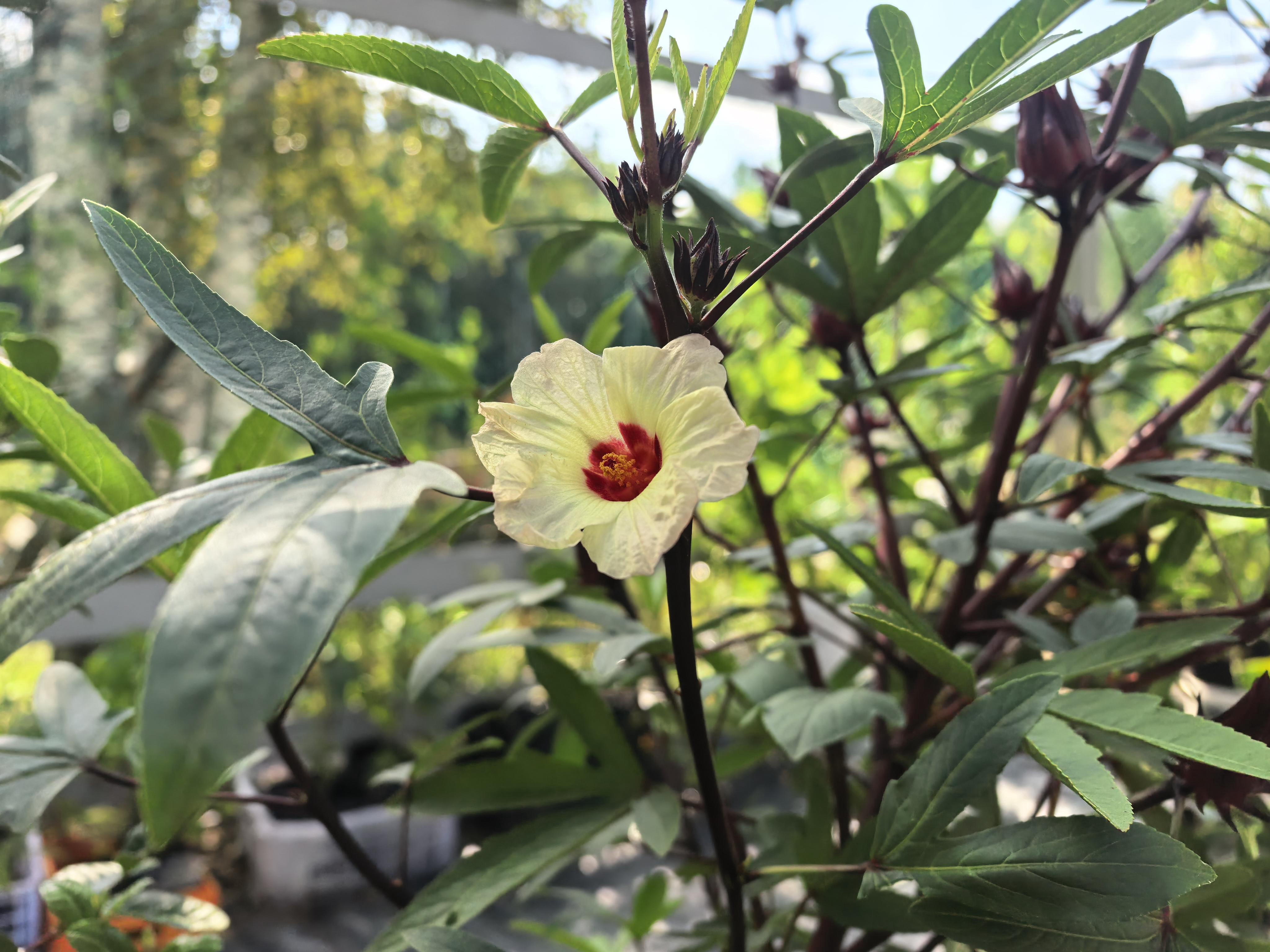
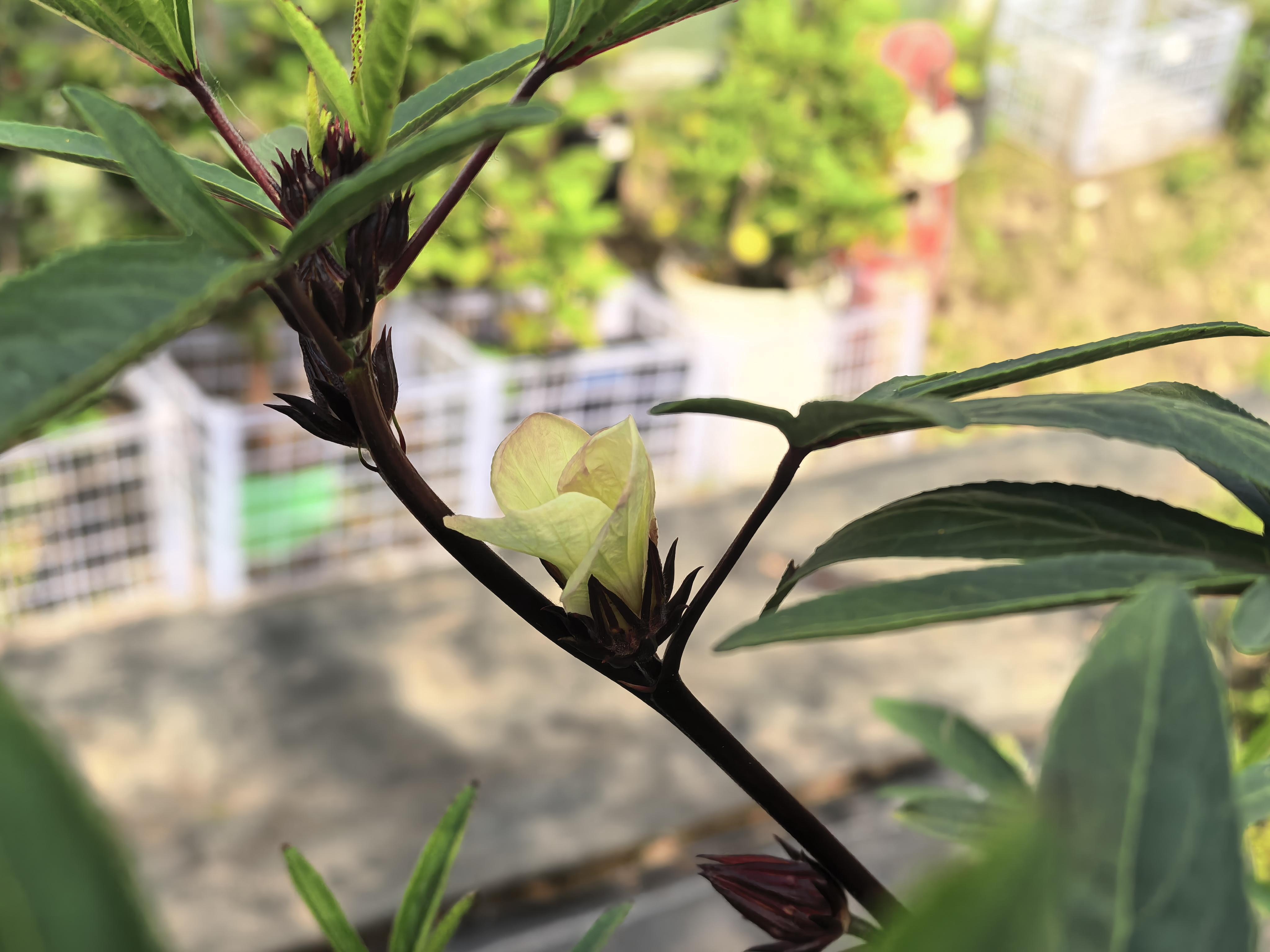
That is how exotic plants gradually appeared in her collection. She can no longer remember what came first, but she calls hibiscus, or Sudanese rose — karkade — her most unusual plant.
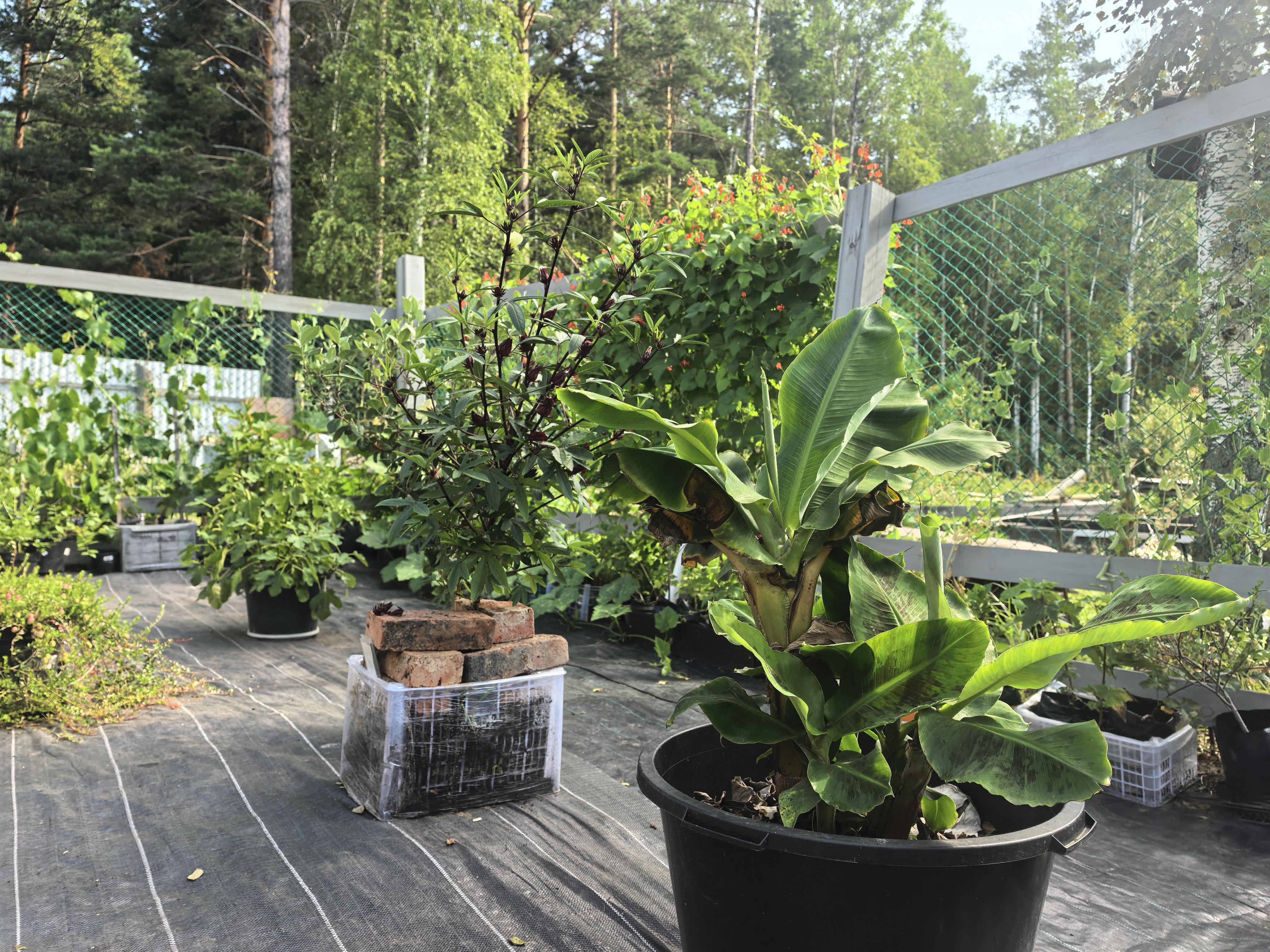
«It amazed me above all with its beauty,» she says, showing the ruby-colored ripe flower heads. «But of course it wasn»t the very first crop. I had pineapples earlier, various lemons,« the woman says.
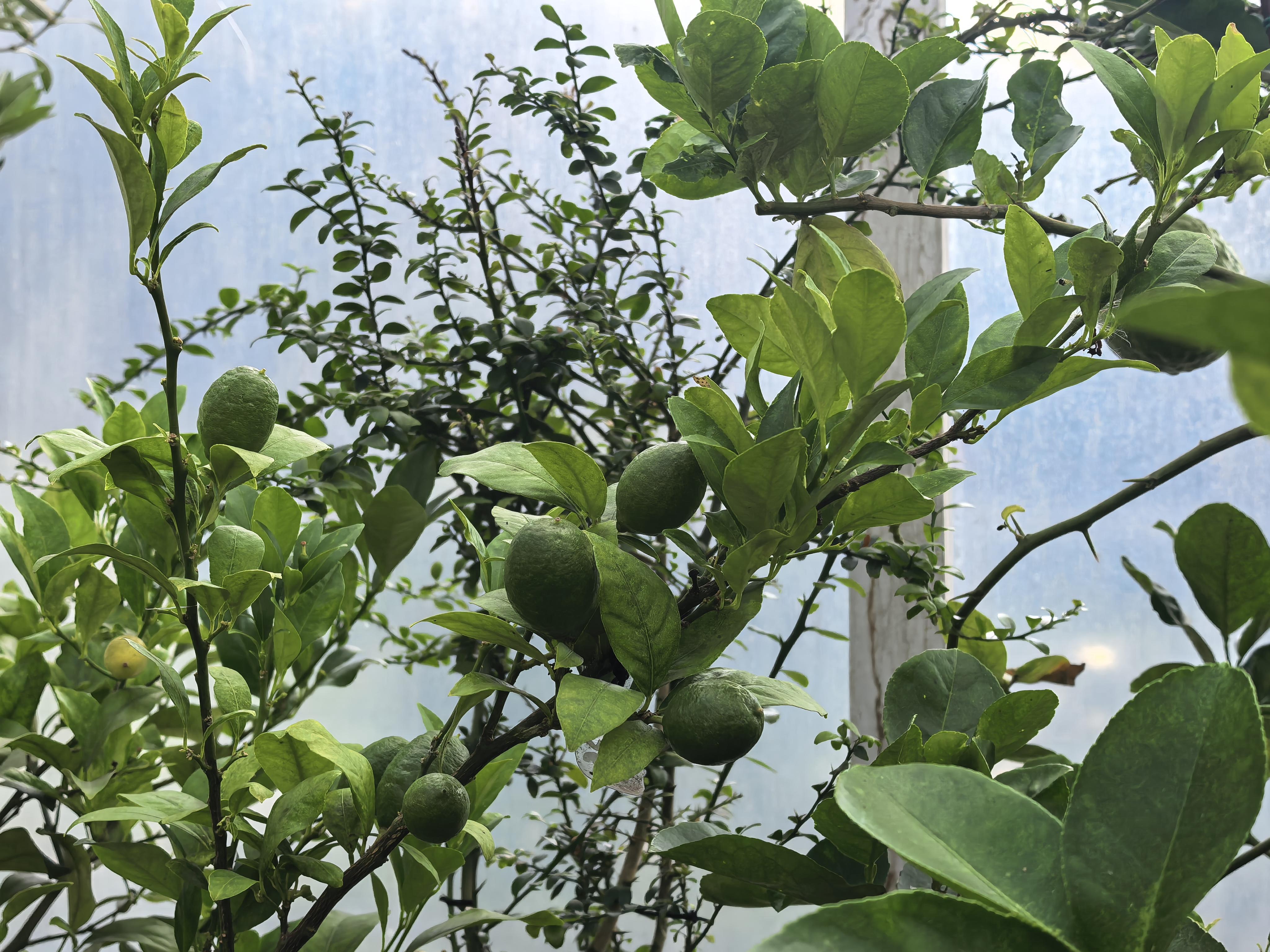
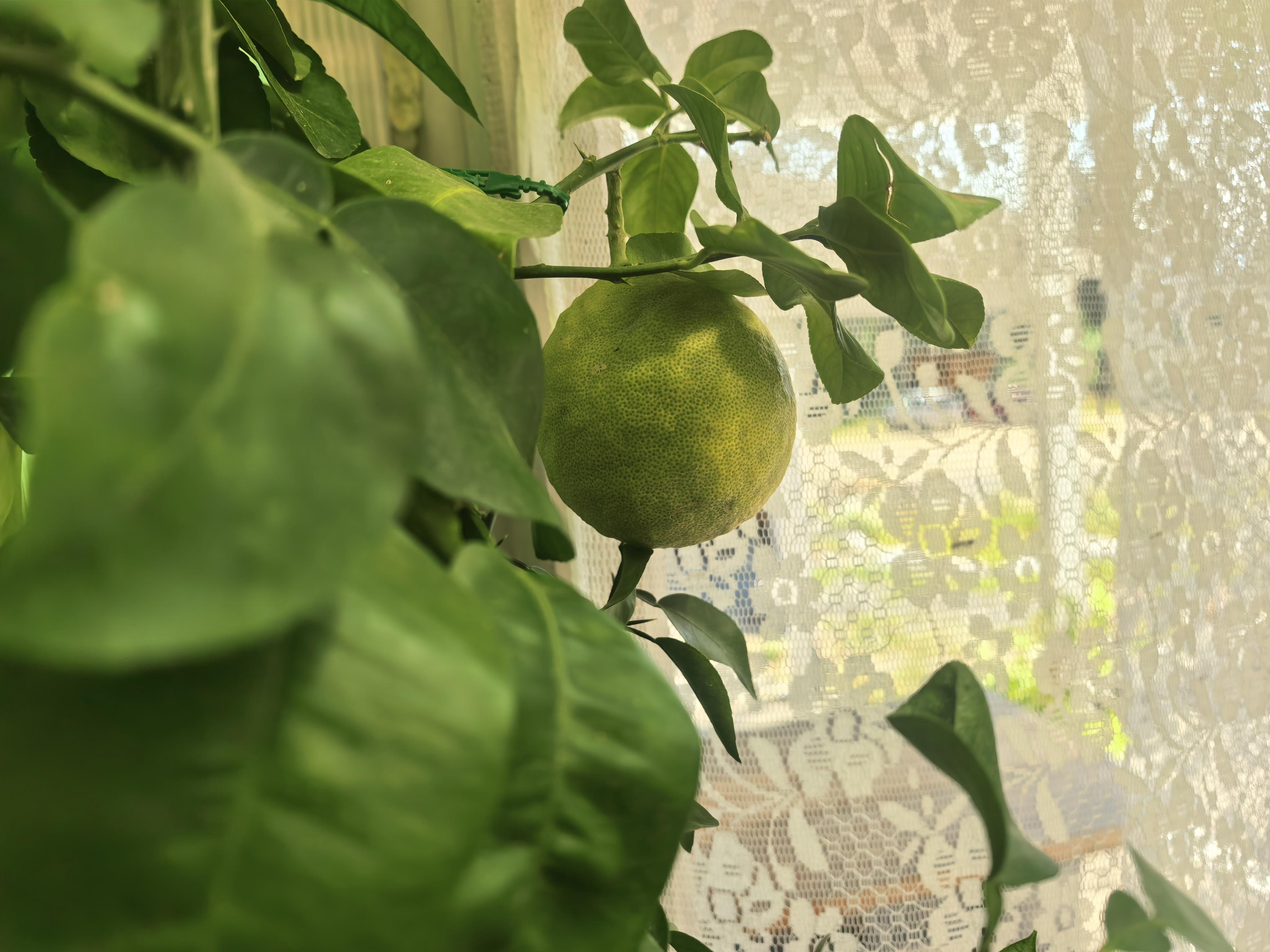
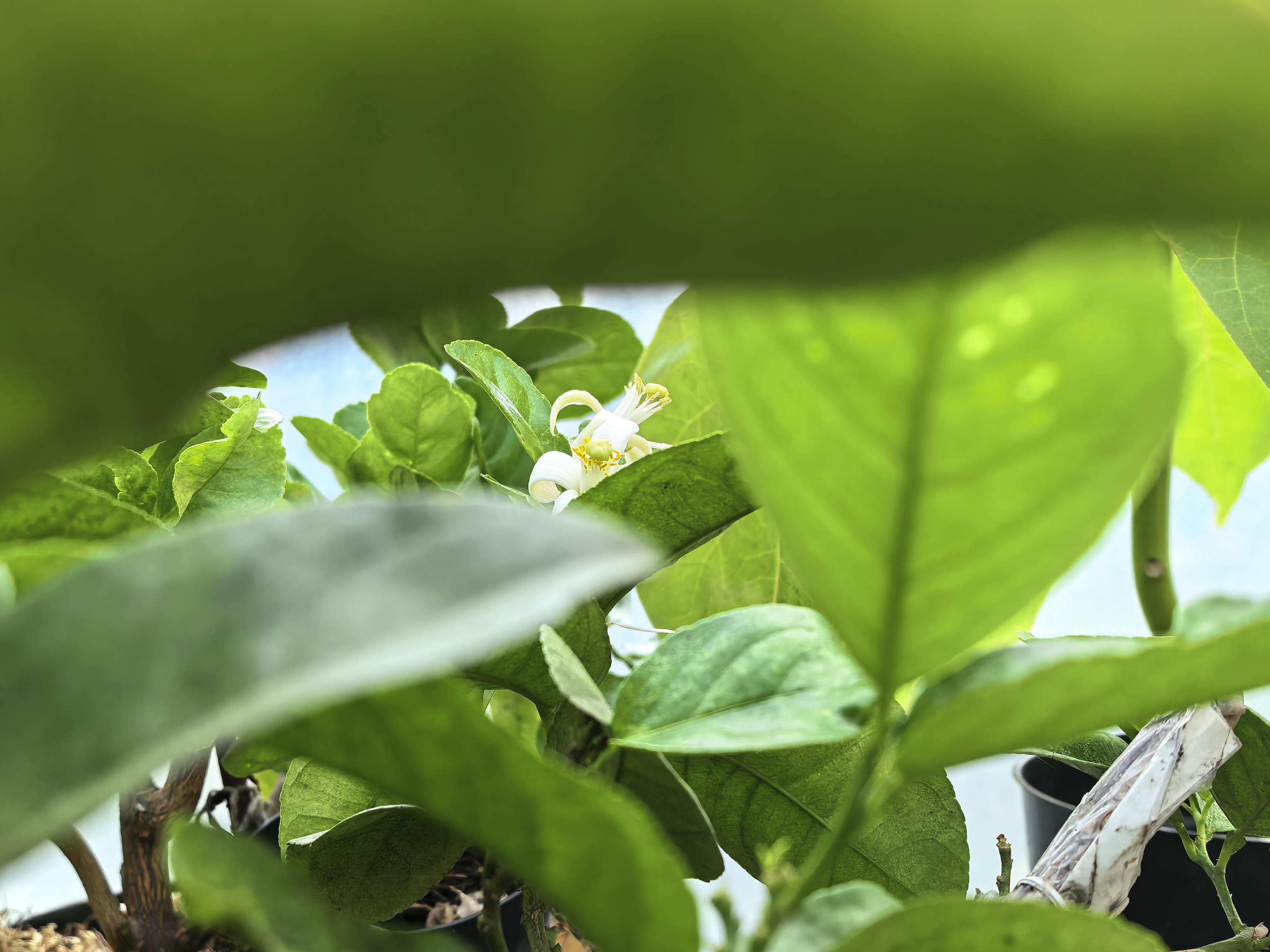
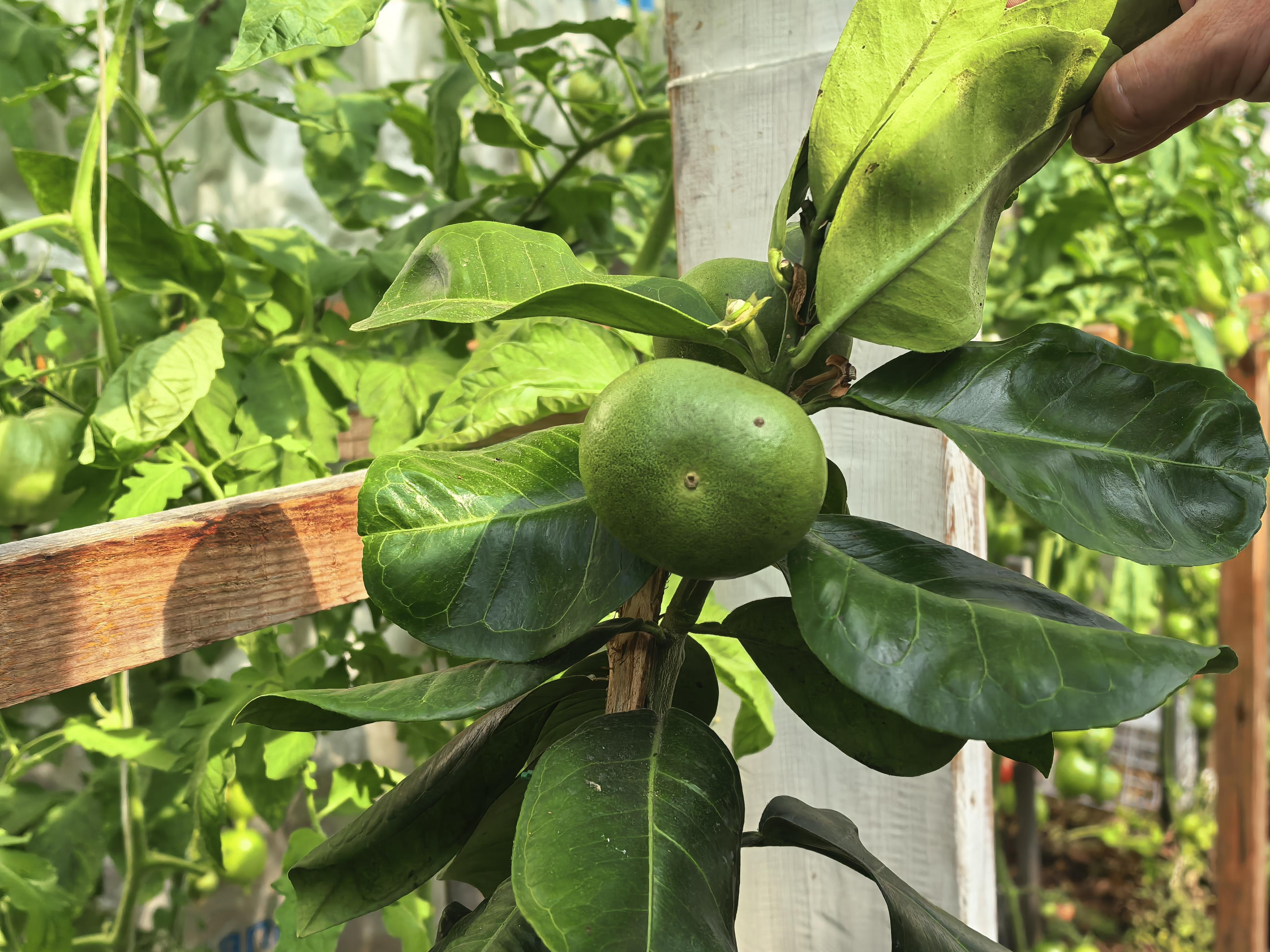
We walk through a small greenhouse planted with little purple tomatoes, lemons, mandarins and limes. There is also ginkgo biloba, a tomato tree (its fruit tastes like something between a tomato and a passion fruit and looks like a plum), limequats and mulberry.
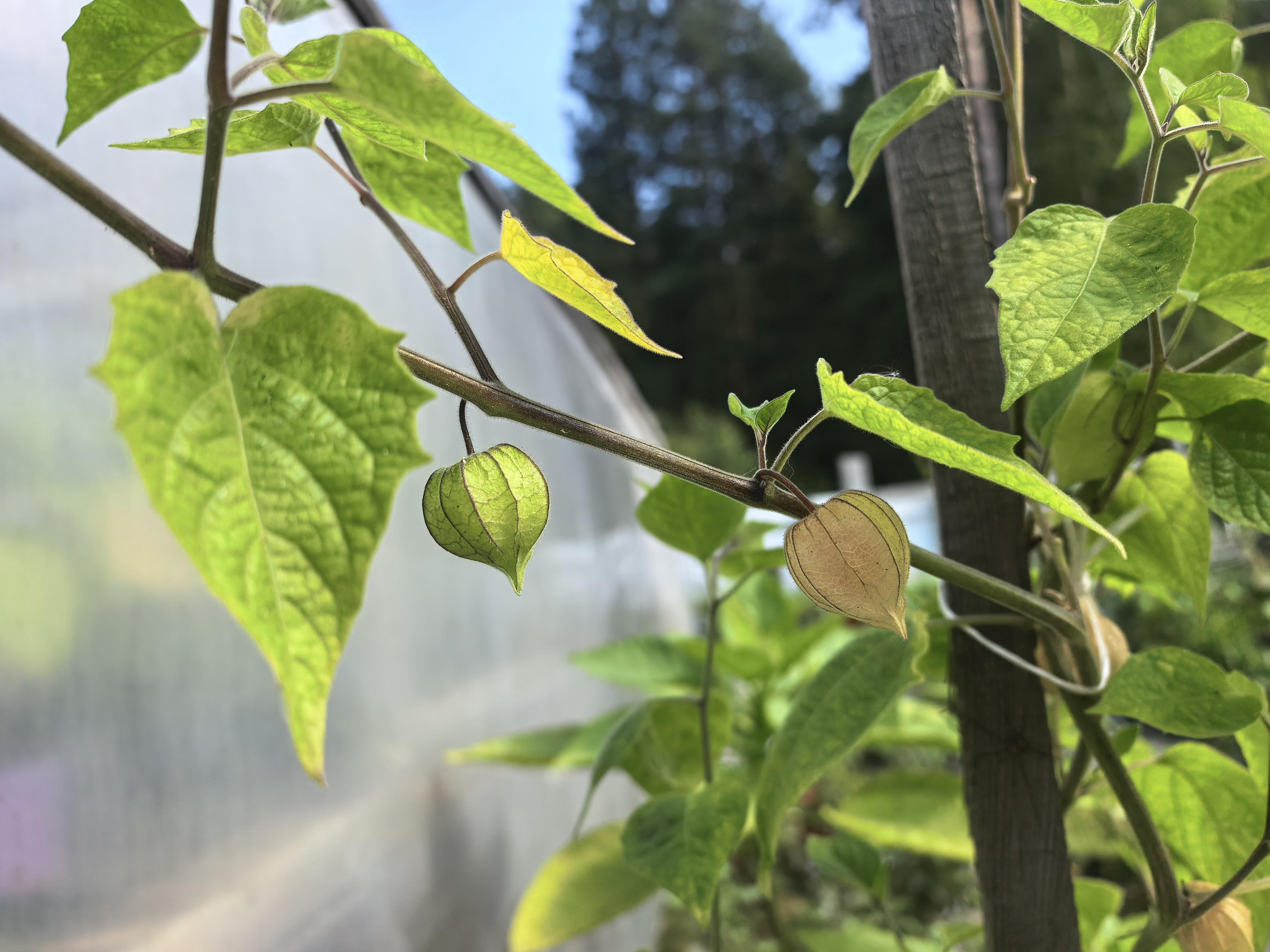
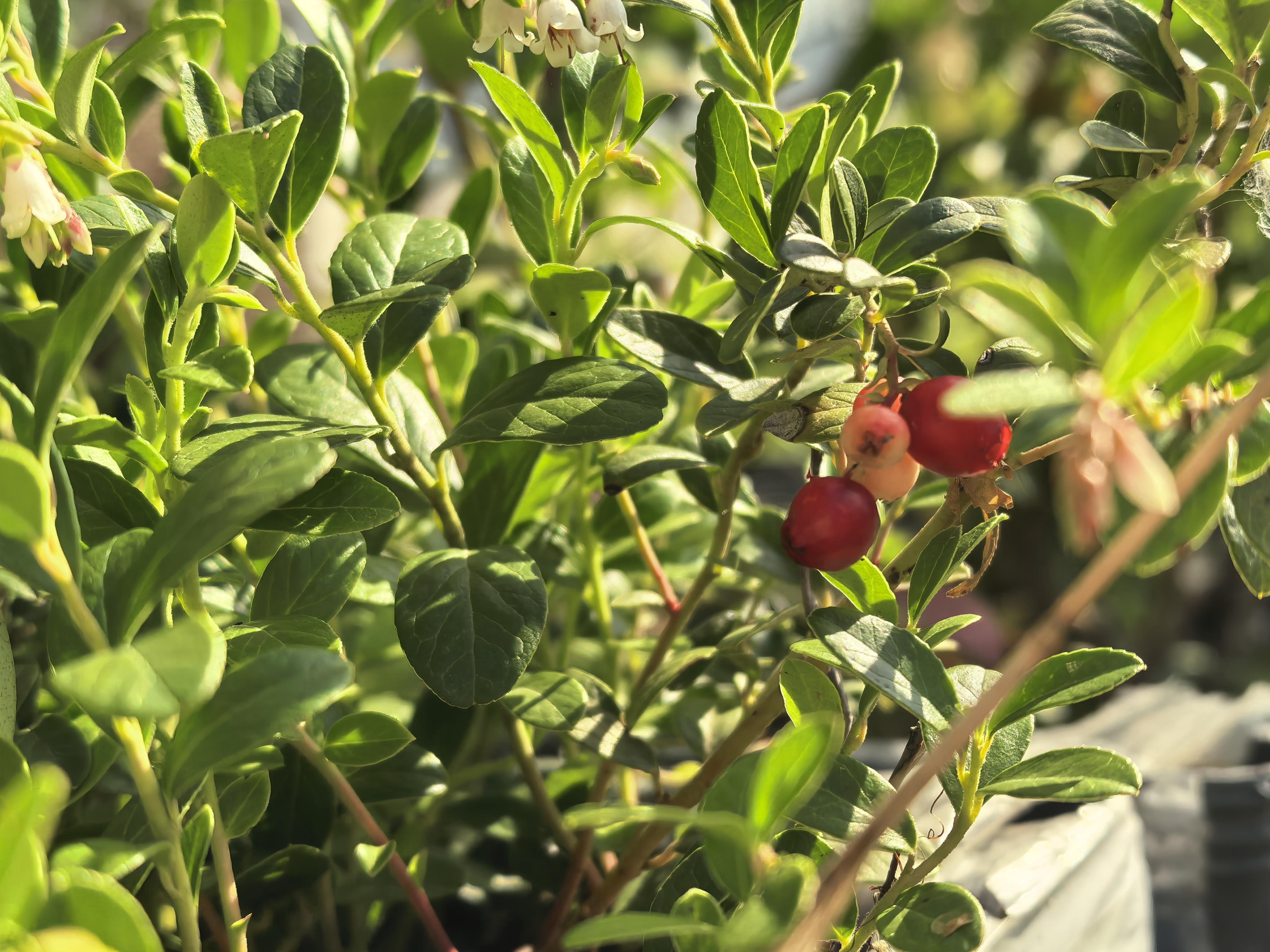
Outside grow Chinese date (jujube), blueberry, lingonberry, cranberry, grapes and physalis, and beyond that, in neat rows, strawberries and sweet potato.
A root crop that survived the frost
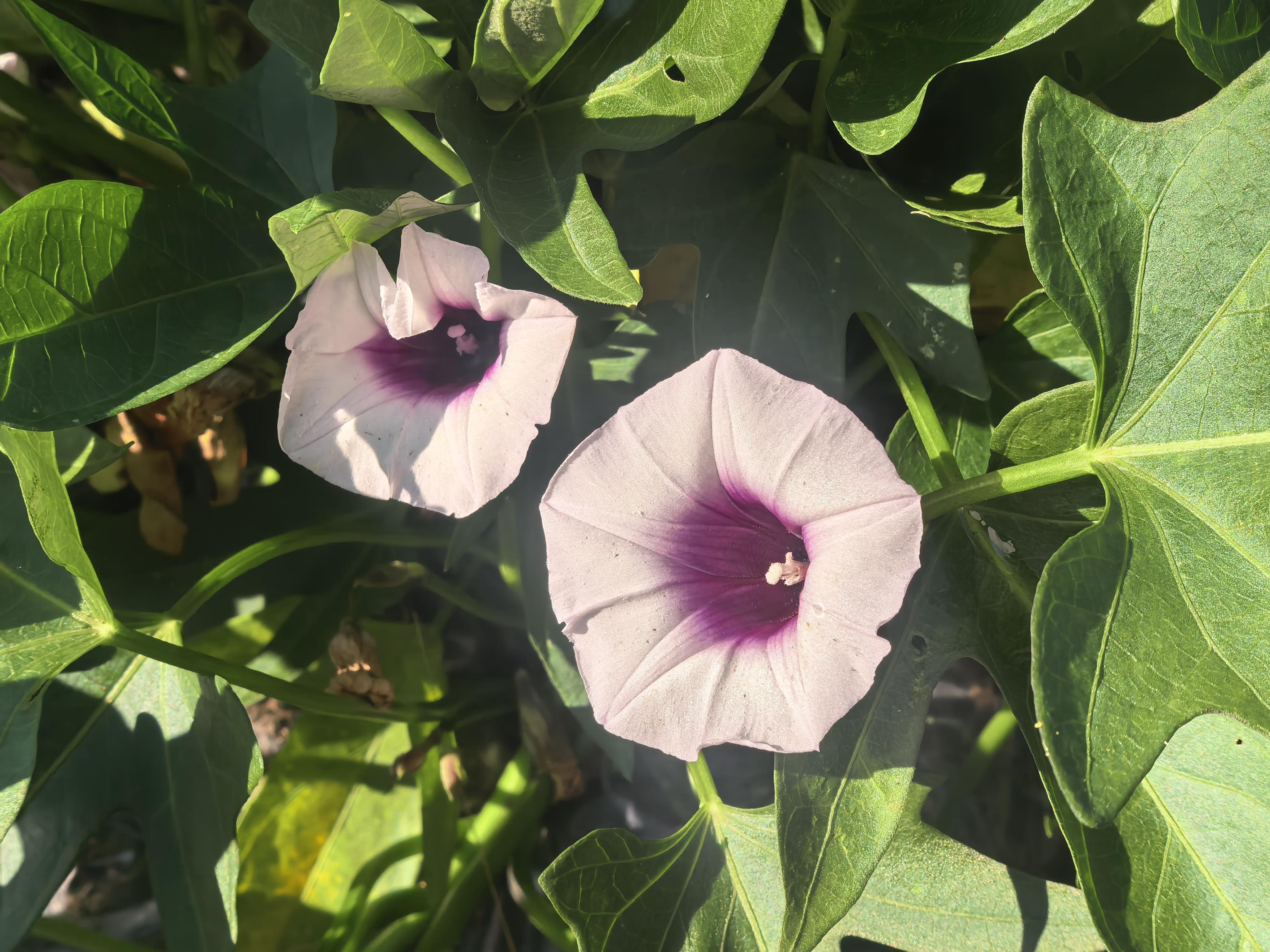
Natalya Sadykova came across sweet potato by chance. It is often called sweet potato, but that is a misconception: the two crops are completely different and therefore complement each other. Natalya Sadykova also grows potatoes, of various varieties. But they cannot be planted after strawberries, which the Irkutsk woman grows for sale. Potatoes also heavily deplete the soil, so crop rotation is needed.
«Potatoes and tomatoes should not be planted near strawberries because of a shared disease — late blight. Sweet potato turned out to be the ideal option. It does not suffer from the same diseases as strawberries and can even grow on relatively poor soils. This year it was hit by frost for the first time, and I thought everything was lost. But the plant turned out to be tougher than I expected. The frosted leaves died, but new ones appeared, and now the sweet potato looks great again,» the gardener notes.
Although initially many gardeners were skeptical about Natalya«s desire to grow sweet potato, and moreover in open ground on the harsh microclimate of the Goloustnoye road, where there is a glacier underground.
«At the Thomson club they had already tried growing it, in bags, but the harvest was not very good. I decided to try growing sweet potato both in bags and in open ground. And in principle I got a harvest: 600 grams in bags, about 2 kilograms in open ground. In the second year I improved the technology a bit and planted more. Three years ago we planted it for the first time, and last year we already harvested 105 kilograms,» Natalya shares.
In the Irkutsk woman«s garden, sweet potato is represented by several lines: there are varieties from the Americas, Japan and China, and also domestic ones obtained from breeders in Krasnodar. Not all varieties turned out well: some did not form tubers or were inconvenient to harvest. But those that took root delight with a variety of tastes and colors.
«I now have about 11 varieties of sweet potato: white, yellow, orange, purple — and they differ not only in color but also in taste. The purple one, after baking, has a hint of prunes, the orange one of dried apricots, and some varieties taste almost like potatoes, only slightly sweeter. When baked, sweet potato also caramelizes — it turns out very tasty. And you can also bake cakes from it,» Natalya shares.
Not just a vegetable garden
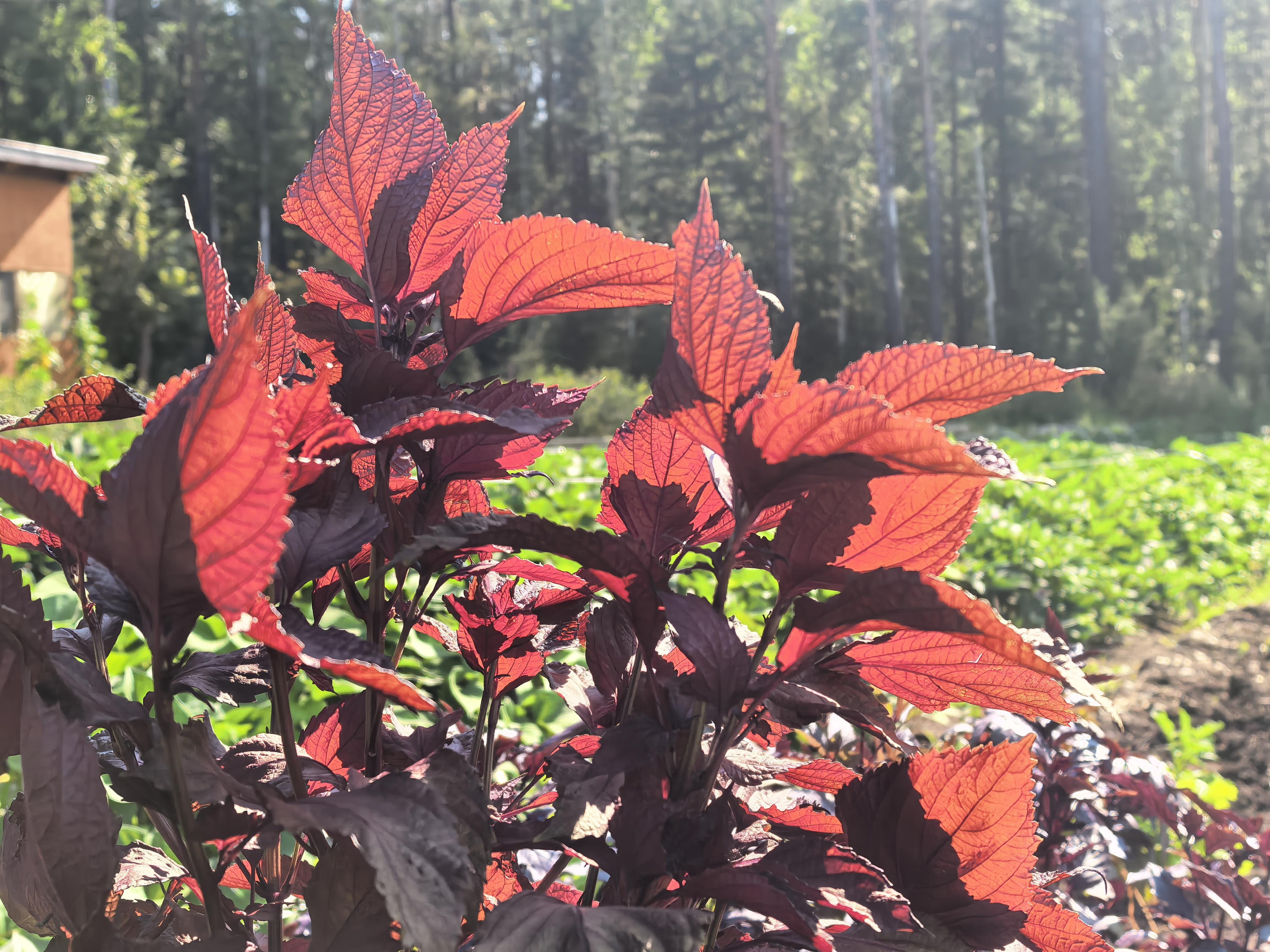
The tour of Natalya«s garden constantly turns into a little botany lesson. Here, for example, is perilla — a plant she suggests first simply touching and smelling:
«Tell me, what notes do you sense?»
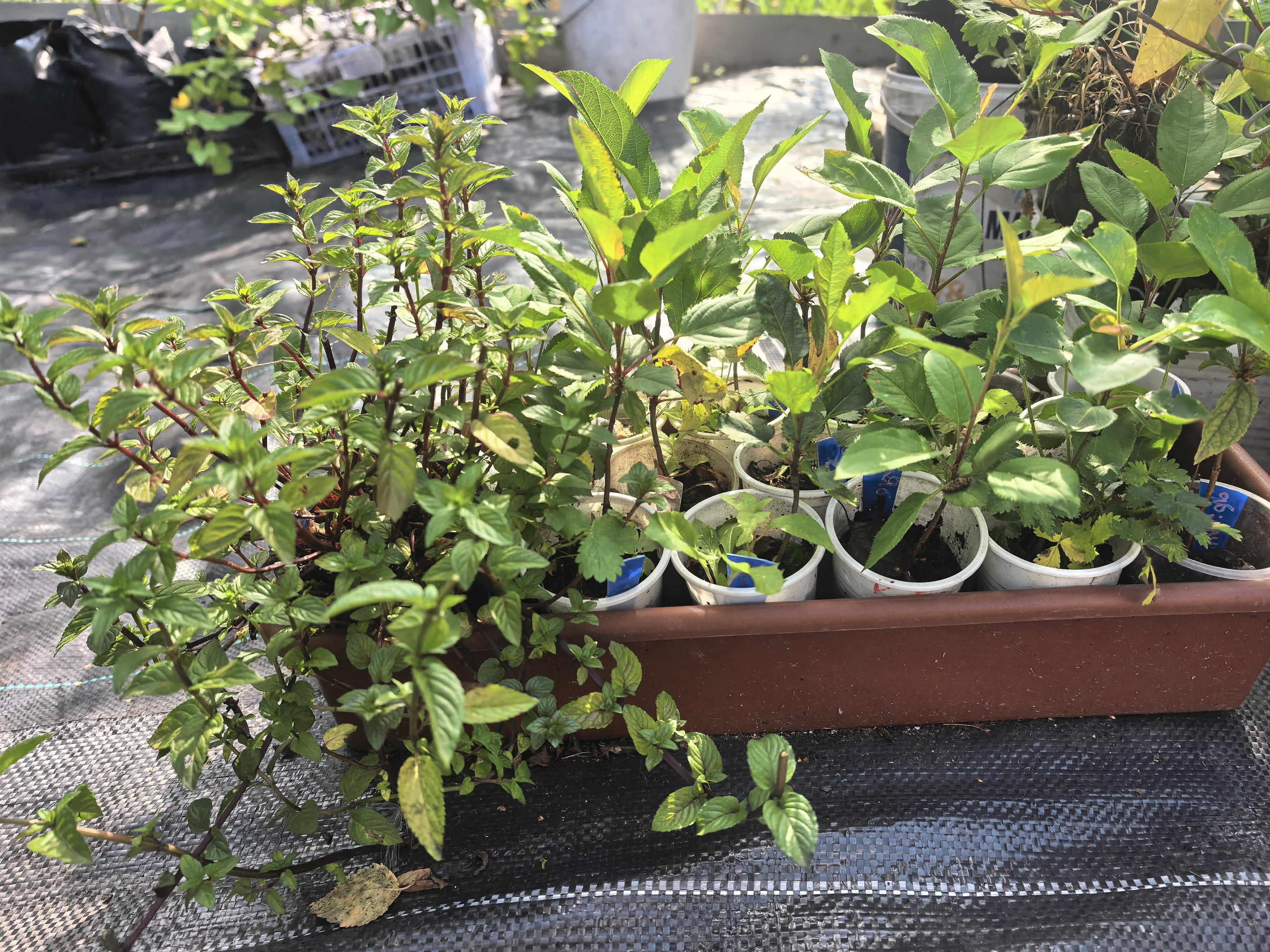
The first association turns out to be wormwood. But my sense of smell deceives me: gradually anise reveals itself, along with citrus and cinnamon. Perilla is a traditional Japanese herb. It comes in green and red, and is used differently: green is more often added to tea, purple to meat dishes. The plant is used to make drinks and shiso paste, which is used as an additive to fish, meat and salads or as a sauce for spaghetti.
But Natalya was especially impressed by a way of preparing the leaves. In Japan they are dipped in batter and fried in a large amount of oil. The leaf retains its texture and veins, the rich aroma stays inside, and a crispy crust appears on top. The perilla leaf is indeed denser and more textured than ordinary basil, so it holds its shape well when fried.
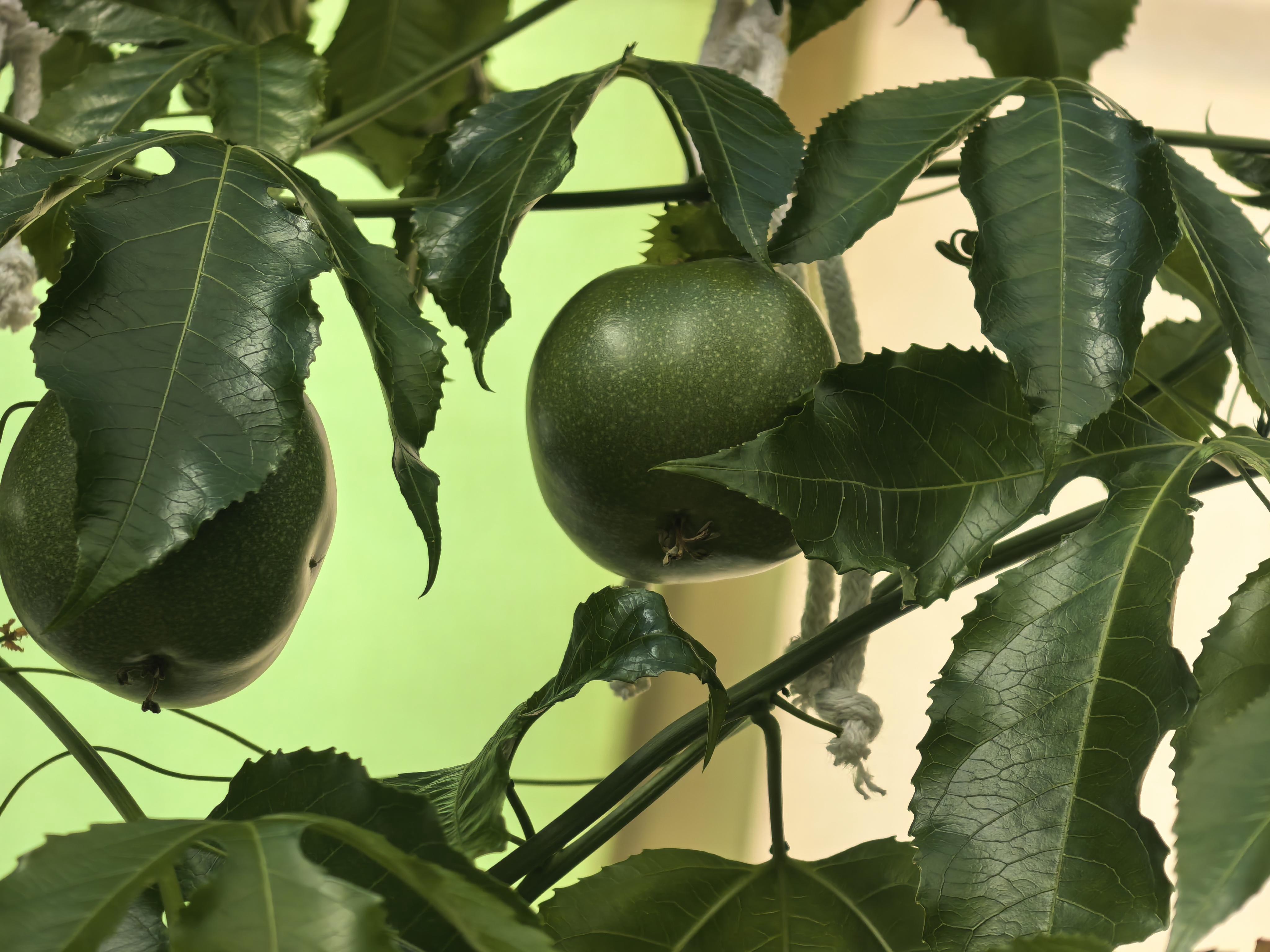
Natalya grows some of her plants in the greenhouse cafe in the village of Svetly Yar, where the «Les Chudes» (Forest of Wonders) park is located. Here we find velvety passion fruit and a recently cut pineapple fruit — by the way, to make it flower, carbide is placed in the center of the plant, which becomes a source of a large amount of ethylene. About a month after this treatment, a flower stalk appears. From flowering to fruit takes about six to eight months.
And one of the most interesting finds in the greenhouse is a plant called the cavalier«s star. It is a variety of passionflower native to Brazil and Paraguay. It had already flowered but did not want to set fruit, yet right before my eyes a small miracle happened: Natalya unexpectedly discovered the first formed fruit, which of course brought the experienced gardener irrepressible joy. She notes that the flesh of the fruit is edible and sweet, tasting like passion fruit, although the plant and fruit themselves differ from the familiar passion fruit.
The cavalier«s star is otherwise called the »flower of passions.« The plant got this name thanks to Catholic monks, who saw in the structure of the bud symbols of the earthly torments of Jesus Christ. The second name — »cavalier«s star» — is linked to the shape of the flower, which resembles the star of the Russian Order of St. Andrew the First-Called.
«Plants have no difficulties»
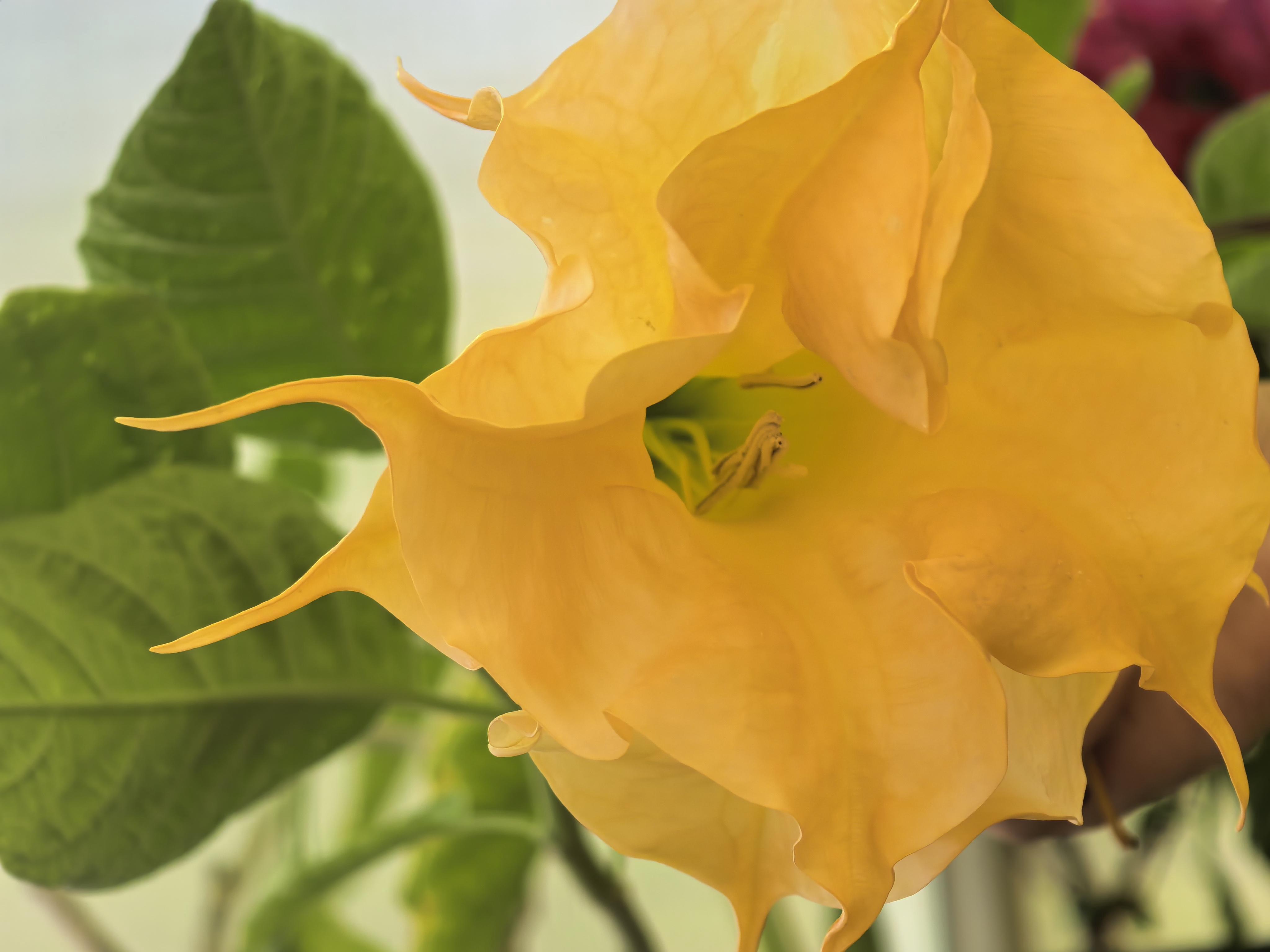
Despite the huge number of unusual crops, Natalya does not consider herself someone who grows «difficult» plants. Her collection includes a candle tree, papaya and many other rare plants. With papaya, the woman admits, she had to struggle: it sprouts well but then often dies.
However, Natalya says that any problem can be solved if you understand the specific characteristics of a particular plant.
«When I get some new plant, rare, unusual, and I don»t know how to work with it, I take websites, foreign resources, simply translate them and read a great deal. I have a specialized textbook on strawberries that students study from. I just read the ins and outs,« Natalya says.
That is why the question «how can this even grow in Siberia?» has a quite practical answer for her: you need to know exactly what a particular plant requires and be able to give it those conditions. Accordingly, she approached the purchase of a plot (the second one; the family got the first many years ago) like a true researcher.
When forest still stood here, she walked around the plot with a small trowel, took soil samples and took them to a laboratory for analysis. Then she went to her neighbors and took water — also for analysis. And only after receiving the results did she buy the land.
The reason was quite specific: Natalya wanted to create a berry garden here and had to understand whether the plot was suitable.
«I knew I wanted to create a berry garden. I had a fixation,» the Irkutsk woman says.
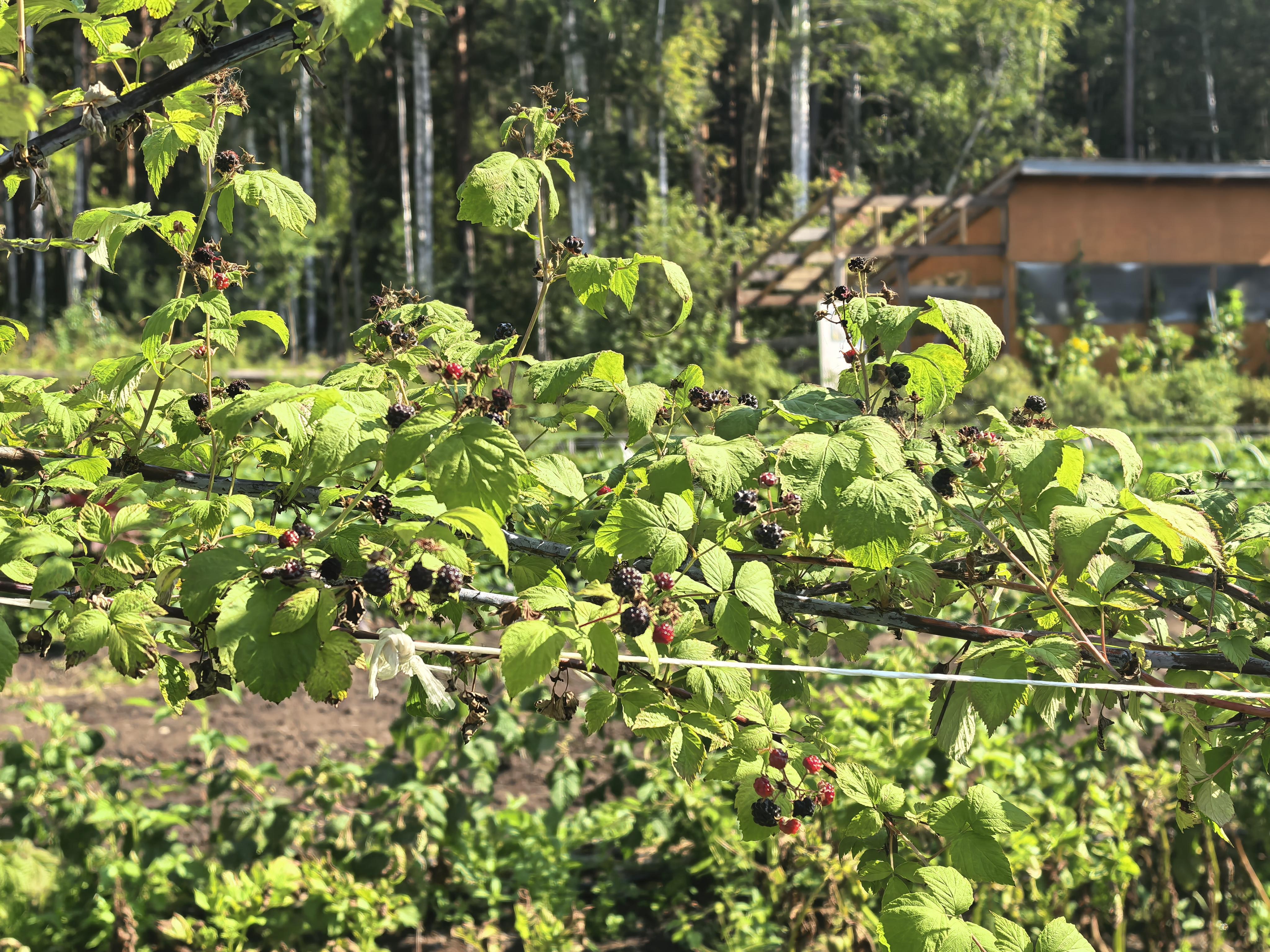
Berries here are indeed taken seriously. Natalya has tested about 20 varieties of strawberry, and besides that she tests new varieties of other crops. There are, for example, Canadian varieties of honeysuckle and novelties from the well-known Bakchar nursery, including ones that have not yet received usual names and are designated by numbers.
«I really want to grow turmeric. But it takes a very long time to ripen, and the period when you can buy it is limited. You can buy it in Sochi in January–February, but it can»t be shipped to us at that time: it would freeze,« Natalya shares.
Not all of the Irkutsk woman«s experiments succeed. Among the plants Natalya is testing for a second year is jicama, which looks like a small turnip, although in some countries it is called sweet potato. The plant has nothing to do with potatoes: it is grown for its root crop. This crop is rather unusual and requires caution: the plant itself is poisonous, as are the leaves and the peel of the root crop. But if the root is peeled, it can be eaten — it tastes like an apple.
The plant has another use known in South America. An infusion is made from its parts and used to catch fish: the substance does not kill the fish but makes it float up, after which it is collected. After some time the effect wears off and the fish becomes safe.
Natalya has also found her own use for this plant. She treated plants against aphids with the infusion. According to her, the poison it contains breaks down quickly in the sun: you can treat in the evening and then use the plant for food again. But despite all its interesting properties, jicama has not yet impressed Natalya as a crop for Siberia.
How to grow exotic plants in Siberia?
And this is an important feature of her garden: an experiment does not mean that every plant must necessarily stay. Natalya checks a crop over several seasons, watches how it behaves in specific conditions, and only then decides whether to continue. For her, a garden is not a collection of exotics at any price. It is a constant selection process: something takes root, yields a harvest and stays, while for something else she has to admit that the Siberian summer is not enough.
Citrus fruits, for example, Natalya grows in a greenhouse: it warms up earlier in the morning, retains heat longer in the evening and has higher humidity — and for plants this is no less important than temperature. But many crops find the Siberian summer quite sufficient. Sweet potato, figs and a number of other plants that at first glance seem completely unsuited to the local climate grow and bear fruit well.
And even the Siberian winter is not necessarily a death sentence for exotic plants. The Irkutsk woman sends part of her collection into winter dormancy. Some types of lemon, pomelo, mandarins and figs she keeps in a bright room at a temperature of about +1 to +2 °C (34–36 °F). In such conditions the plants slow their life processes and simply «sleep» until spring.
There are crops that can tolerate light frosts. Natalya leaves them in colder rooms: in the house, during the hardest frosts, the temperature can drop to −12 °C (10 °F), but the plants still winter calmly.
«Even passion fruit, which seems a thoroughly tropical crop, can be sent into dormancy if you want. If you prune the plant correctly, you can put it in a pot in the basement and return it in spring — and wait for the harvest again,» the gardener notes.
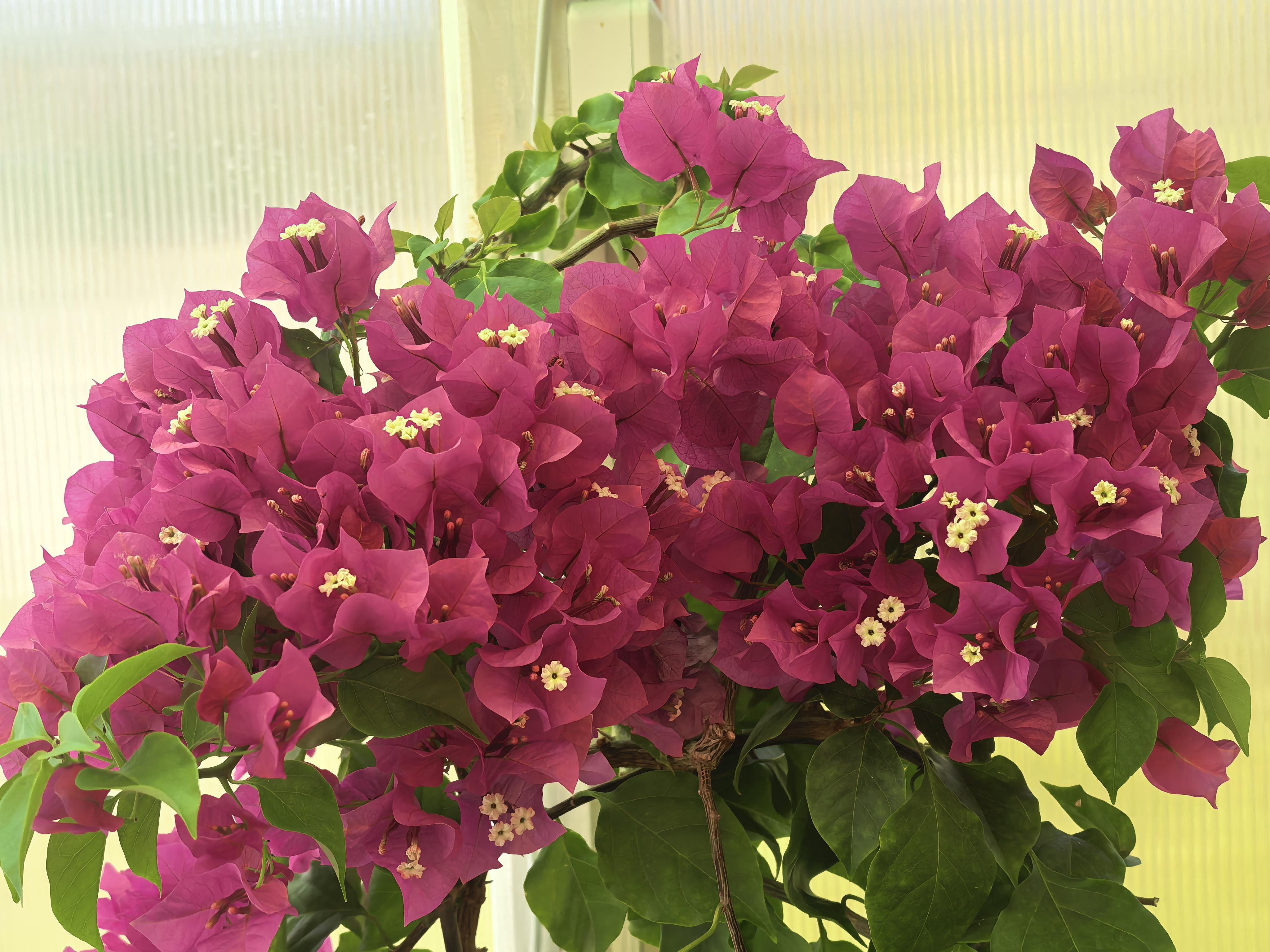
For the winter, Natalya moves hibiscuses, bananas, brugmansias and other heat-loving plants to the greenhouse in Svetly Yar. So the exotics keep growing even when there is snow outside the glass.
«Sometimes customers come in and say with surprise that passion fruit is growing upstairs in the greenhouse,» the Irkutsk woman laughs. «I tell them: »I know! That«s my passion fruit.»«
The Siberian climate, Natalya believes, can quite well be compensated for with simple agricultural techniques. For example, she actively uses plastic film, laying it directly on the ground. This technique solves several problems at once: weeds do not grow under the film, moisture is retained longer, and heat reaches the roots. In cold areas she advises using mini-tunnels and raised warm beds. So, the Irkutsk woman believes, bad weather practically does not exist for a gardener.
Of course, you will have to work hard — nothing grows by itself. But that is not how it works with plants. The main difficulty, according to Natalya Sadykova, does not come down to temperature at all. Humidity, early frosts, the characteristics of a particular plot and, of course, pests all matter.
That is why there is no universal recipe for all crops: each plant must be given exactly the conditions it needs. For Natalya this has long ceased to be an obligation and has become part of her very love for the land. That is why her main advice to beginning gardeners sounds very simple:
«You just have to love what you do and what you plant.»