How Do They Imagine This? City Hall Demands Residents Demolish Their Own Building
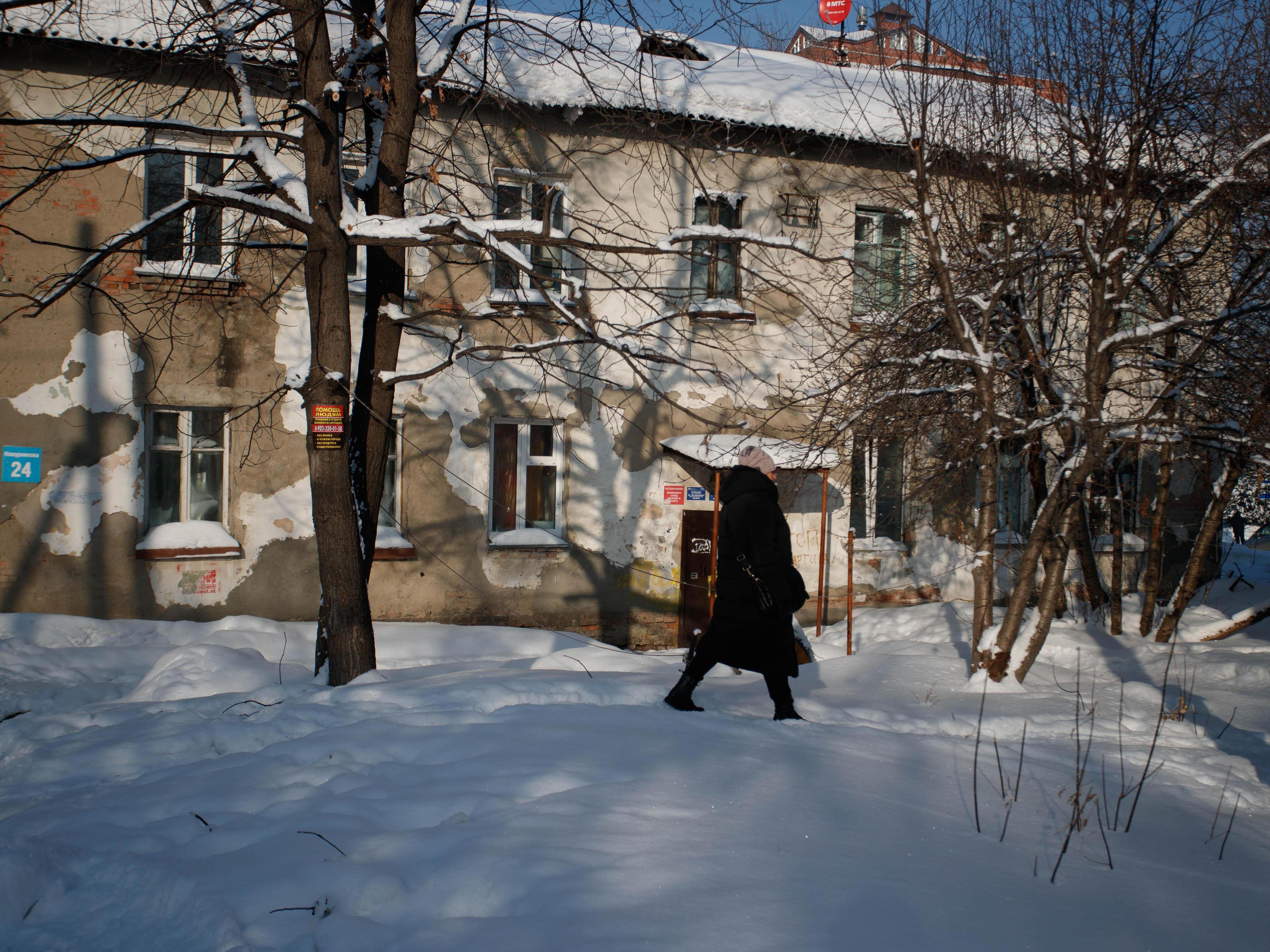

A Comprehensive Development Territory (CDT) is planned for the site of 41 two-story buildings.
In Oktyabrsky District, officials decided to resettle an entire low-rise block. However, the task has fallen not to officials or a developer interested in the land, but to the residents themselves: in December 2025, they received a demand to demolish their own apartment buildings. NGS found out from officials and lawyers what is behind these letters and whether the residents should take any action themselves.
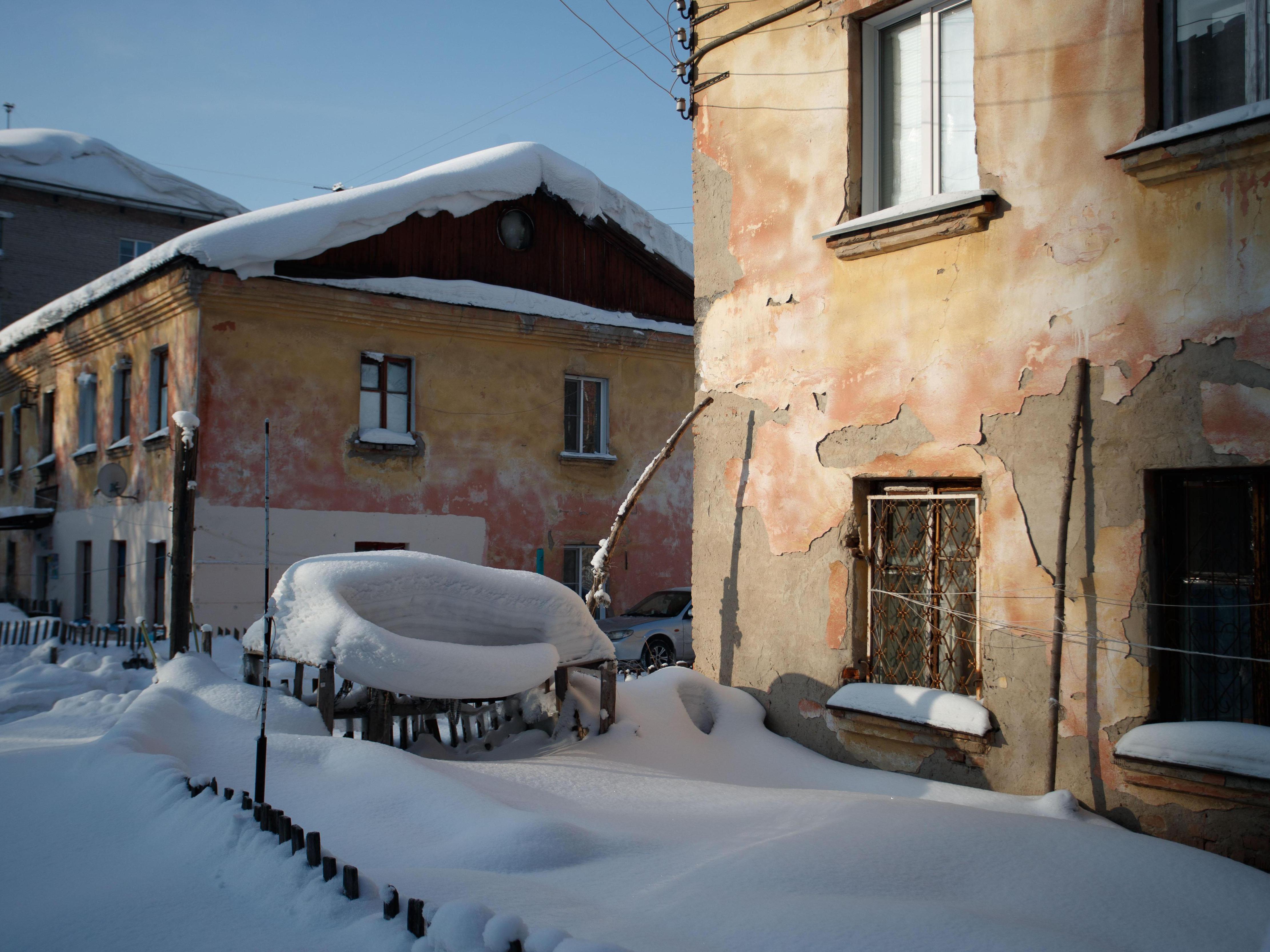
The two-story building at Stofato, 19 was constructed in 1958.
Demolition by Own Efforts

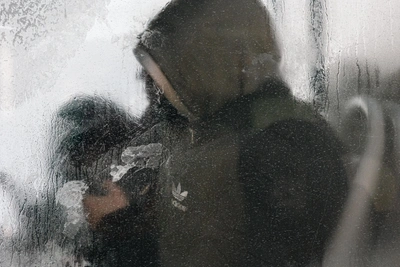
Fluffy frost can be seen on the windows and under the roofs of the old buildings.
The mother of Novosibirsk resident Vitaly is registered in one of the old two-story buildings on Stofato Street. In mid-December, she received a letter from the Novosibirsk City Hall — a demand that Vitaly considered absurd.
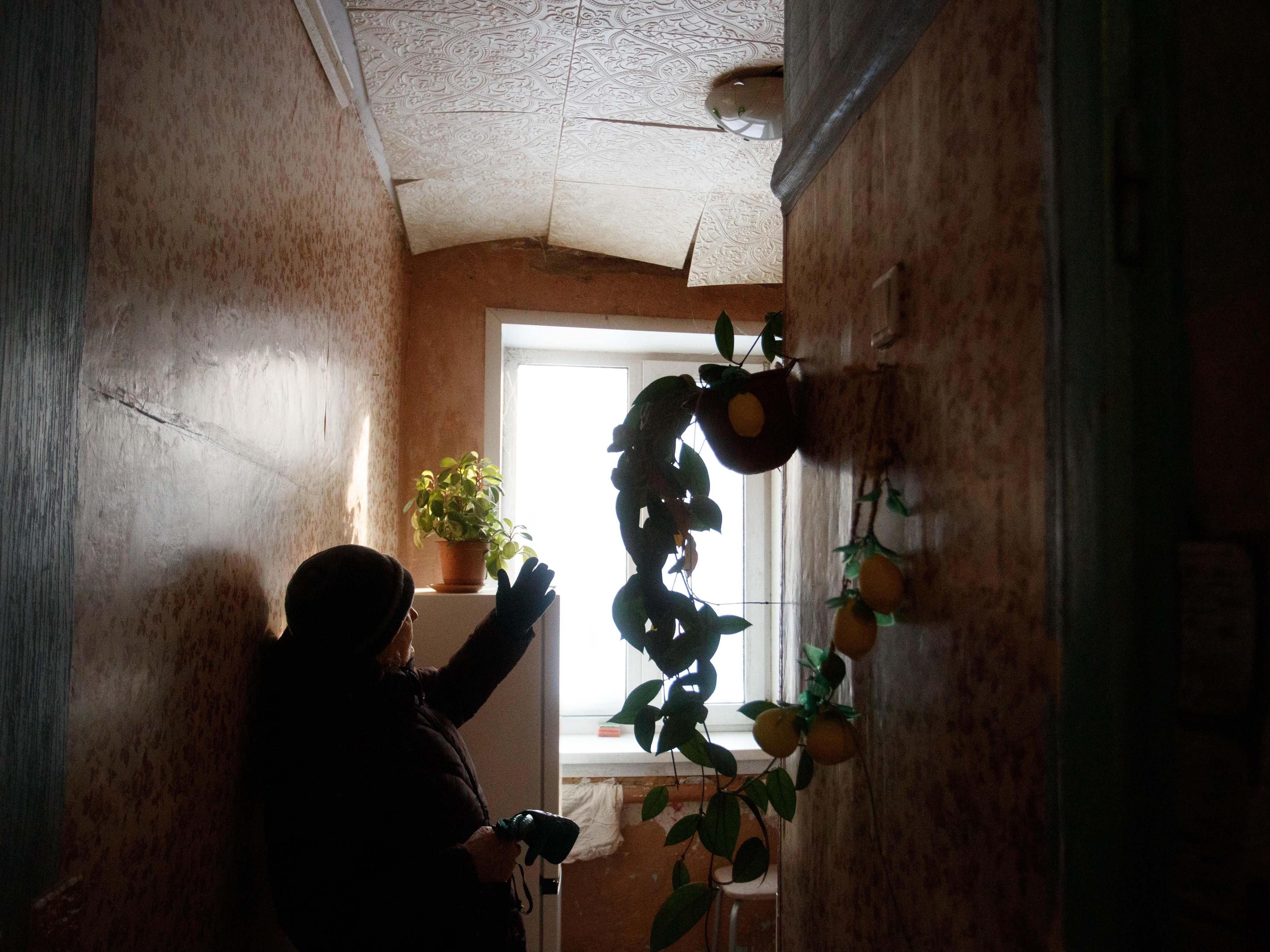
Valentina Ivanovna tries to spend less time in her kitchen due to the hazardous ceiling.
«We demand that you carry out, by your own efforts, the demolition of building No. 19 on Stofato Street by 15 June 2026,» states the document signed by Denis Kovalev, Head of the Housing Department of the Novosibirsk City Hall (a copy is available to NGS).
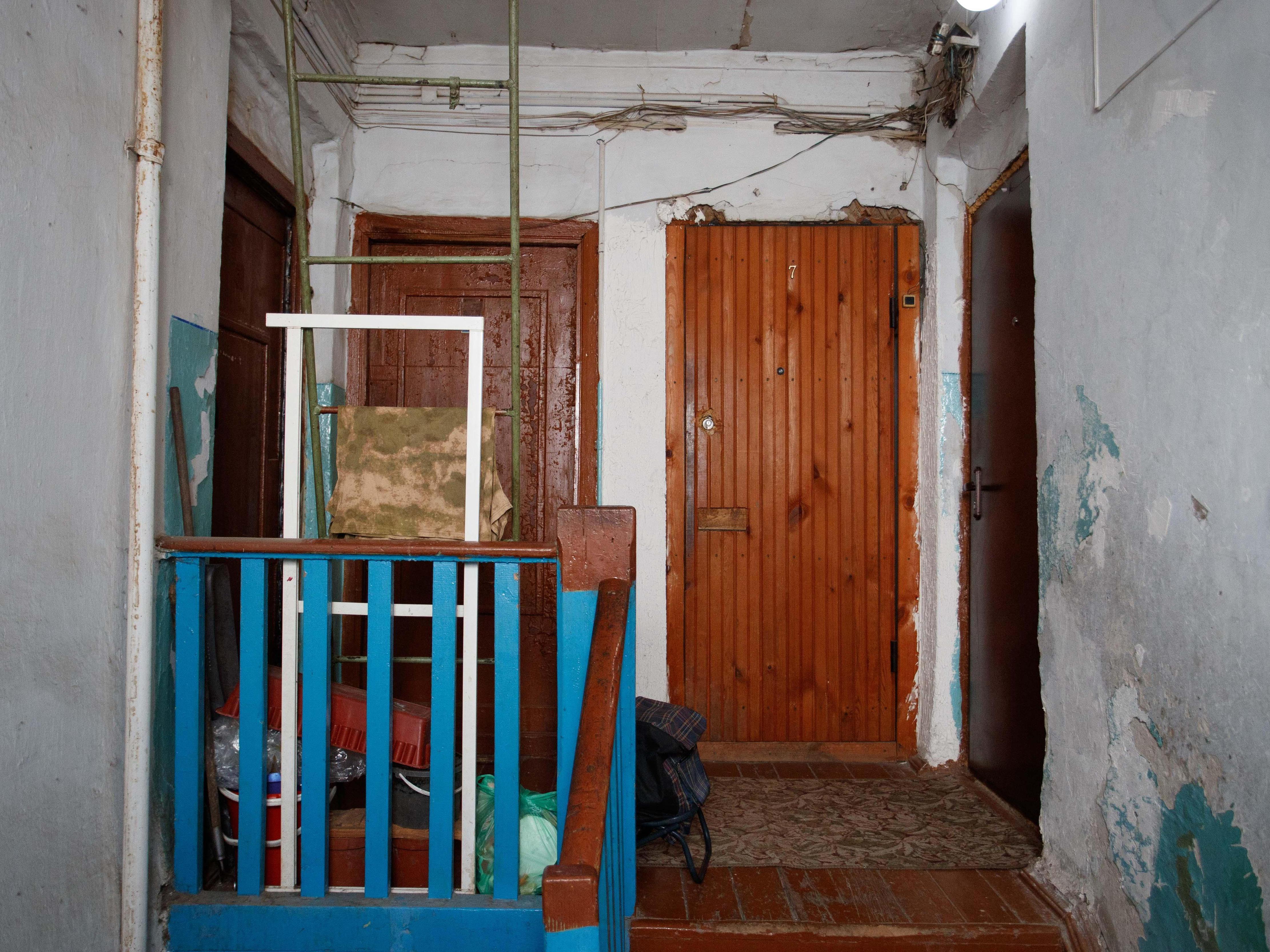
Residents perform cosmetic repairs in their own apartment building entryways.
According to Vitaly, in the early 2010s, a developer had already come to Stofato Street — at that time, several two-story buildings were demolished, and five new buildings appeared in their place.
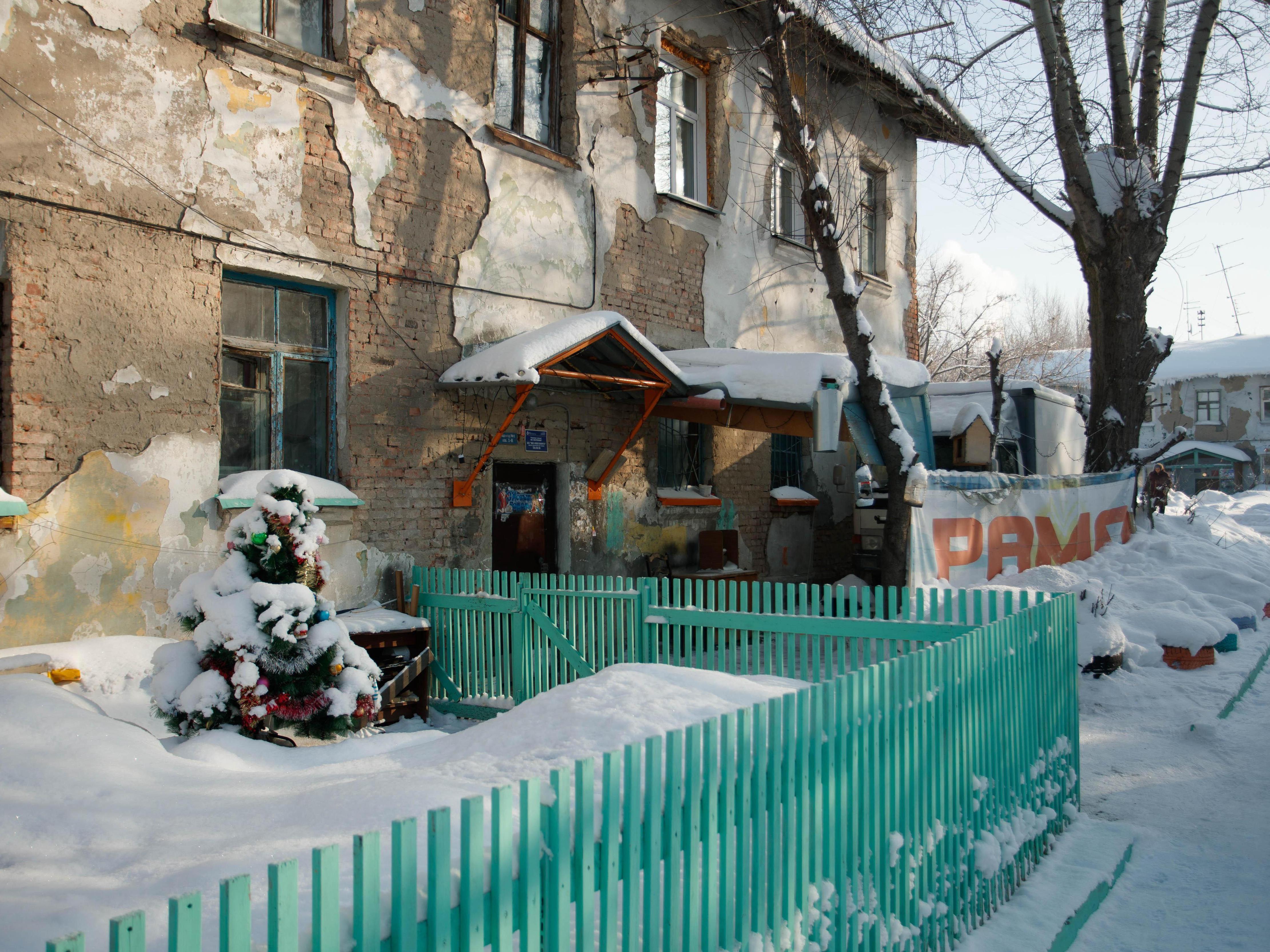
Some homes still have small front gardens and canopies maintained by their occupants.
«The resettlement of residents was done on a contractual basis, and everyone was satisfied,» he emphasized. «Are such demands from the city hall legal? And how do they imagine this process?»
In response to an NGS inquiry, the Novosibirsk City Hall stated that this is precisely the procedure under the Housing Code: it turns out that authorities must present a demand for demolition or reconstruction «within a reasonable time» to the owners of premises in a building declared dilapidated and to the land plot under those premises.
According to the city hall, a total of 39 dilapidated buildings and two more buildings not declared dilapidated were slated for renovation in the neighborhood — the relevant resolution was adopted by the authorities on 6 November 2025. A total area of just over 60.5 thousand sq. m. within the boundaries of Koshurnikova, Dobrolyubova, and Stofato streets was included in the Comprehensive Development Territory (CDT).
If the owners do not comply with the demand, the land plot and each residential premises in the building will be seized for municipal needs, and the residents will receive monetary compensation. But this will require going through a bureaucratic procedure.
«The owners of residential premises in a dilapidated apartment building must send a written refusal to demolish the dilapidated building by their own efforts,» the city hall explained.
«Living Out of Suitcases»
The two-story buildings within the CDT were built between 1951 and 1962. Although the houses are brick, they have wooden floor structures, leaky roofs, and worn-out utilities.
Pensioner Valentina Kurakina has lived in the building at Stofato, 19 for 15 years. The apartment is good in every way: bright, spacious, warm. But the ceiling is literally falling on her head due to the leaking roof.
«I only eat in the room. I cook in the kitchen and think something might fall on my head — there»s such a crack there that a hand could fit through. Today they cleaned our roof, and they, you know, don«t spare the slate, they just hammer away,» she said, showing her kitchen ceiling.
Since she received the letter demanding the demolition of the building, she is no longer surprised.
«We called (the city hall — Ed.), and they say: »If you want, chip in and demolish it. If you don«t demolish it, then we will.» I say: «And if you demolish it, where will I be?»« the pensioner relayed the conversation.
She has not yet taken a written refusal to demolish her own home to the city hall — she plans to do so as soon as the snow melts. She hopes to receive money upon resettlement and move closer to her children, to the Youth Housing Complex (MZhK).
«They won»t build apartments here, this will be a park zone,« she is sure. »The tender will be won by either the city or a developer. If it«s the city, they»ll give us apartments very far away, and developers currently don«t give apartments, only money.»
Residents have long stopped paying for major repairs because the buildings are declared dilapidated, but the management company continues to send bills for maintenance. Although cleaning and cosmetic repairs in the stairwells have been taken on by the residents themselves: Galina, a resident of the building at Koshurnikova, 26, said she painted the walls in her stairwell herself.
«And we clean the snow in front of the entrances ourselves,» she added, pointing to the approach to the building.
She and her neighbor Lyubov have already been to the city hall with written refusals to demolish their own homes. Lyubov also recalled that the houses were promised to be resettled as far back as 1984.
«They said: the metro will be built — and that»s it, you«ll be demolished first. They»re still demolishing us. So we live out of our suitcases,« the woman said. »There«s a dump all around, everything is overgrown with weeds. Our heating and hot water pipes run under the roof, and in the frost they freeze, so we let a thin stream of water run.»
At the same time, Lyubov does not consider these houses unfit for living: she thinks they can be patched up a bit and lived in. But Galina recalled that 20 years ago, the ceiling in her apartment collapsed — precisely because of leaking pipes under the roof.
How Much Does Demolition Cost
In response to an NGS inquiry, the Novosibirsk City Hall reported that, according to information from the Municipal Institution «City Housing Agency,» as of January 2026, the estimated average cost of demolishing a resettled residential building with a volume of 1.5 thousand cubic meters is 1.5 million rubles (approximately $16,700 at current rates).
Real estate lawyer Ekaterina Khadzhimuradova believes the cost could even amount to several million rubles.
«I recently prepared an estimate for demolishing a building with an area of 120 square meters — it came to 2.7 million rubles (approximately $30,000 at current rates),» she said.
Demolishing their own homes would clearly be unprofitable for residents, but the procedure is designed precisely to protect the rights of property owners.
«Recently, a practice has developed where apartment owners have been registering the land under apartment buildings so that they receive money for their share upon resettlement and demolition,» explained Ekaterina Khadzhimuradova. «If it were the city hall»s land, then the city hall would not send a pre-trial notice to the owners. It would only seize the premises and demolish the building from the land without the residents« permission.»
The lawyer added that even if residents do not sign anything, the city hall will still go to court with a claim to seize the shares in the land plot for the benefit of the municipality. Courts always make positive decisions in such cases.
Then, within 6 months of the court decision coming into force, the residents must vacate the premises. For the land, housing, common property, as well as for eviction (including realtor services, rent for that period, moving, property registration services), residents of the resettled building will receive monetary compensation from the developer. Additionally, by law, residents must also receive funds remaining unspent for major repairs.
In 2025, NGS showed what two-story barracks prepared for demolition in Akademgorodok look like.