Blind Engineer Builds Smart Apartment in Krasnoyarsk
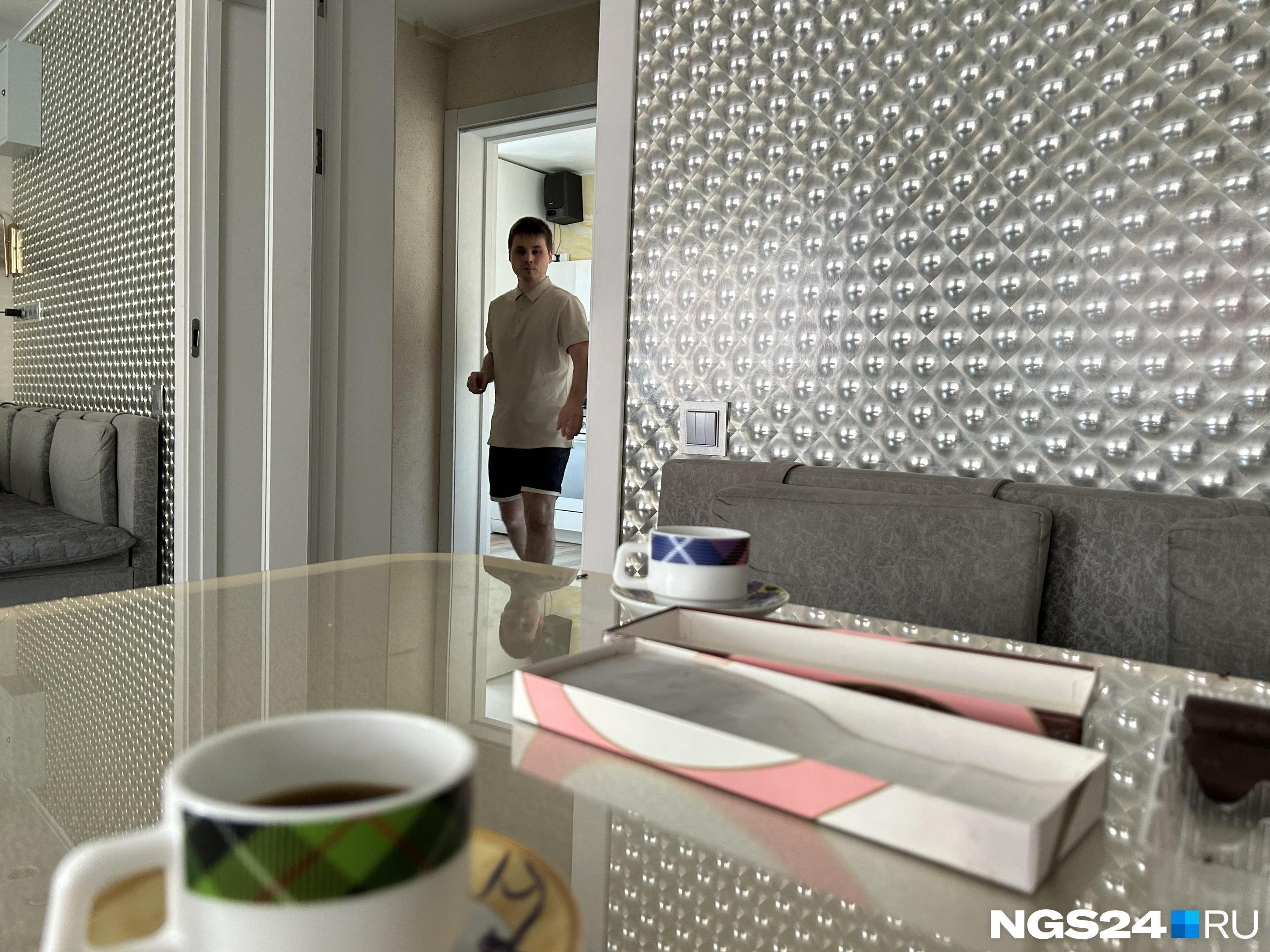

Everything here is mirrored
«As a child I was constantly taking apart electronic toys — to see what was inside. But putting them back together almost never worked, unfortunately,» recalls Sergey Milchakov. Over time, that regret would turn into a passion for technology. He would independently study and install advanced technologies in his home. He would become a certified engineer. All to endlessly push the boundaries of his world. Sergey has been blind since birth.
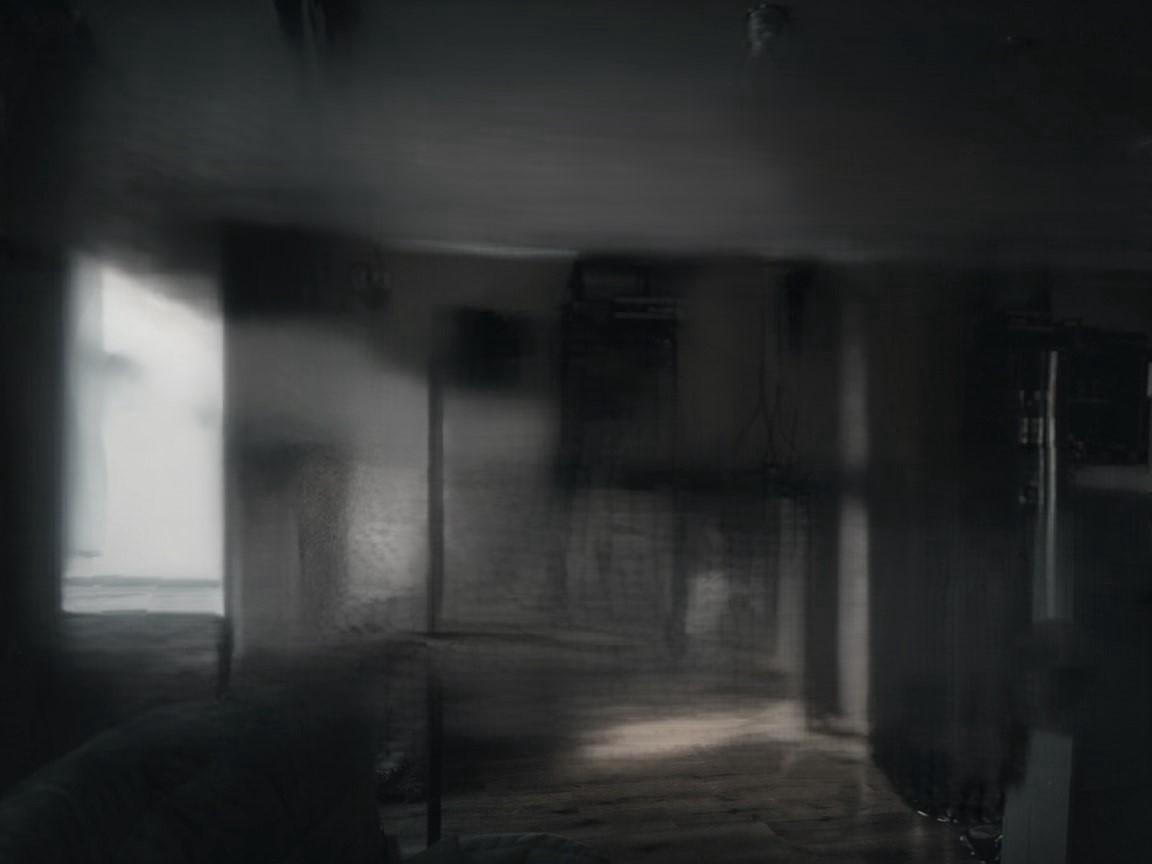
For Sergey, his apartment, like the whole world, looks like this
Everything Will Be as in His Reality
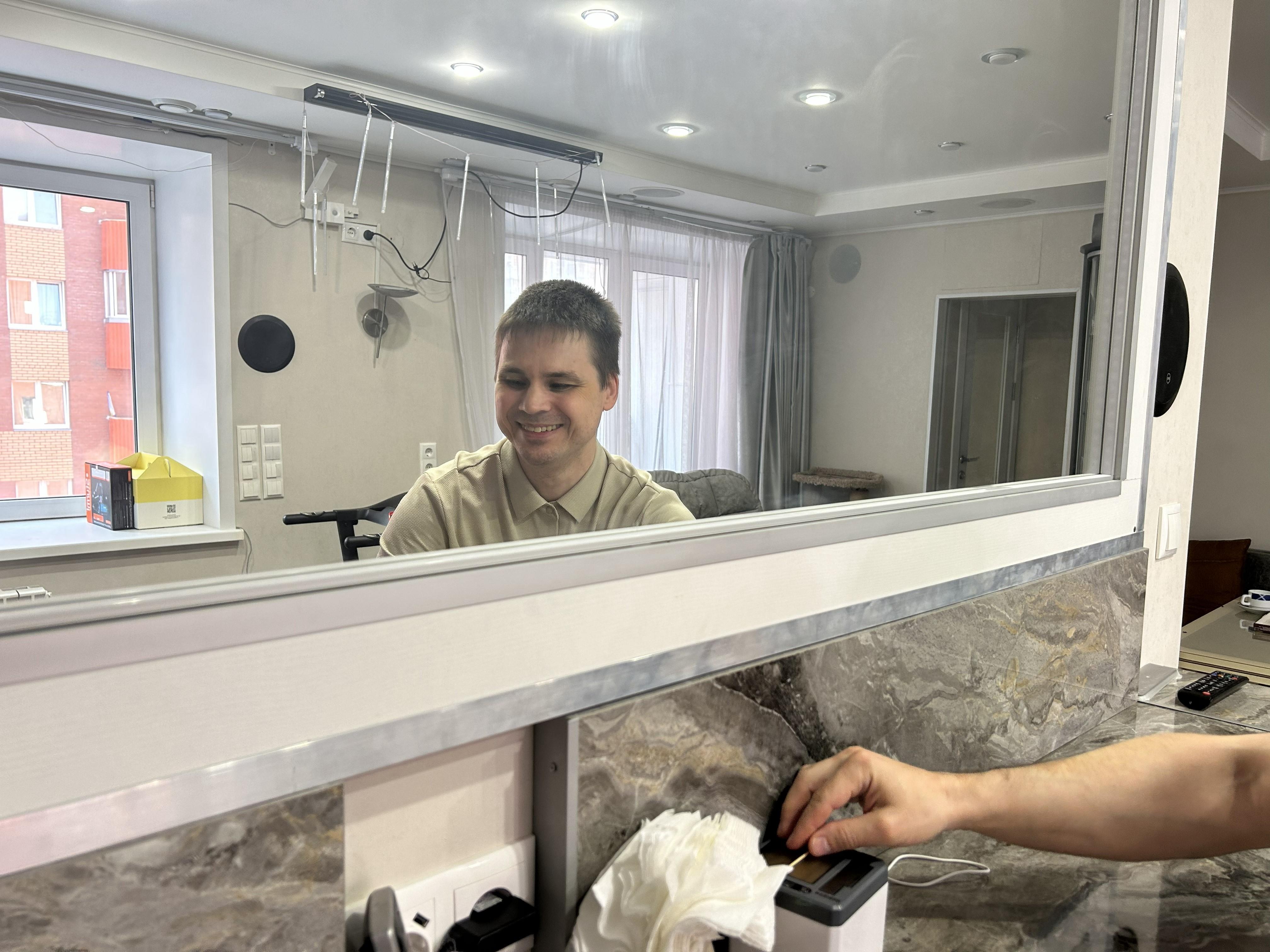
The apartment has many mirrors
Sunlight streams through an uncurtained window into the room. It reflects off a mirror on the opposite wall, darts around the apartment, and then spills across other mirrors. There are many of them here. And they are for the light.
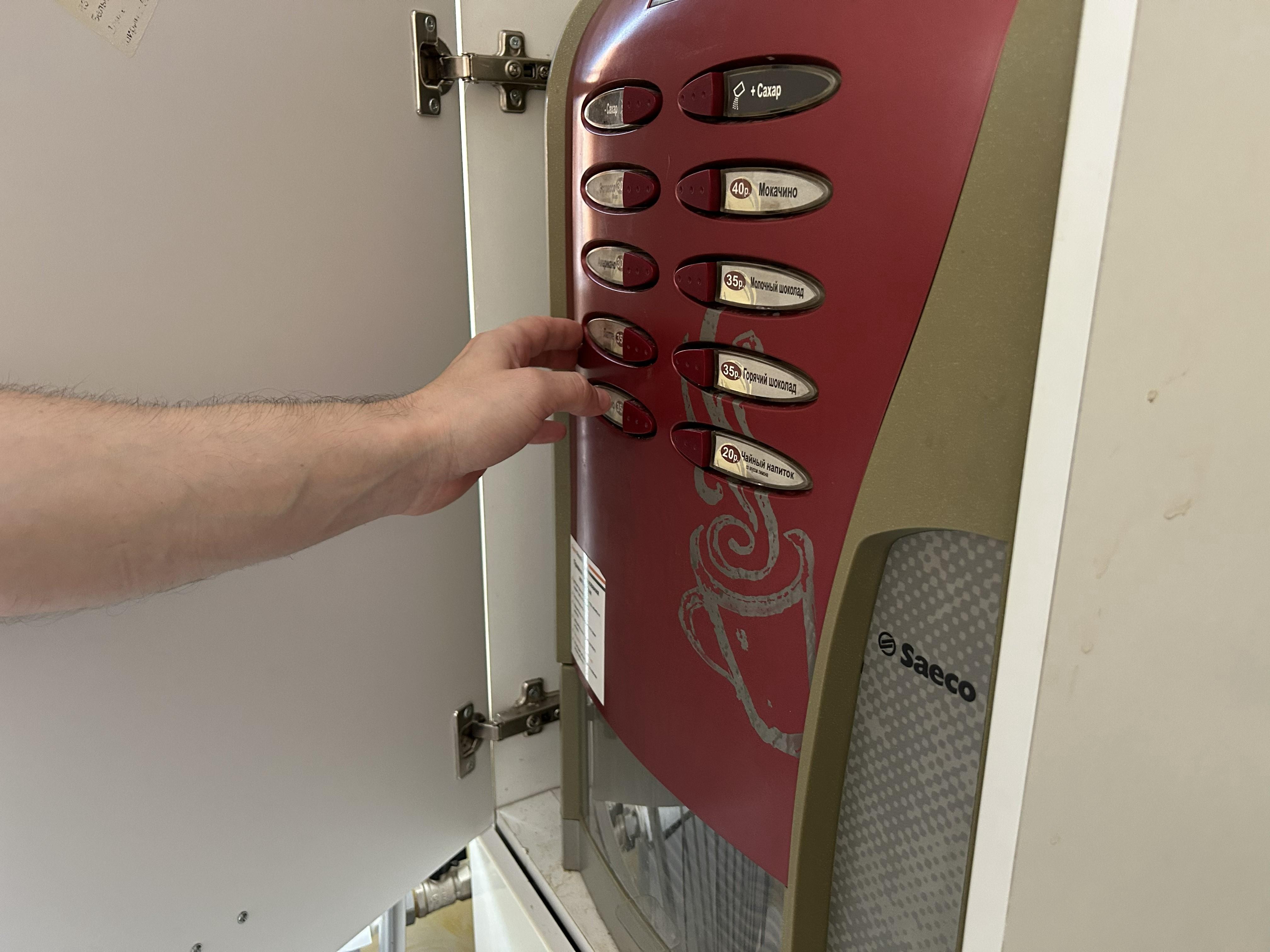
The coffee machine was modified for the home
Sergey does not see his reflection in them. But he senses the patches of light around him: he needs it to pour in abundantly. He does not like darkness. It has always been with him, from birth — inside. Even his dreams are dark. Black-and-white, without color.
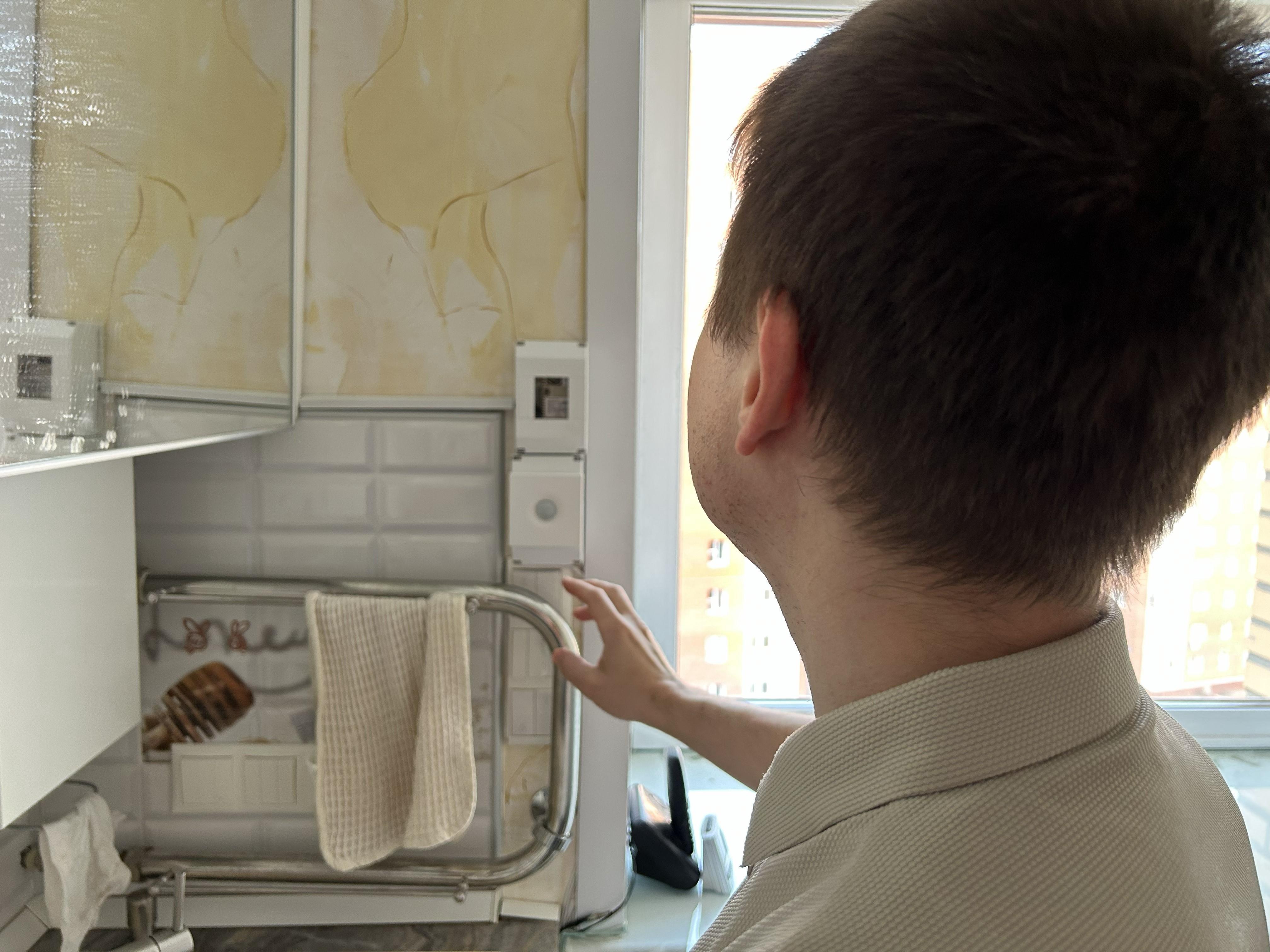
In the kitchen, everything possible was automated
«If a person is born blind, they won»t see anything in their dreams. Everything will be as in their reality: warmth, cold, hard, soft. Sensations,« says Sergey with half-closed eyes, and immediately adds a caveat. »I«m very lucky — I can distinguish light, darkness, and large outlines.»
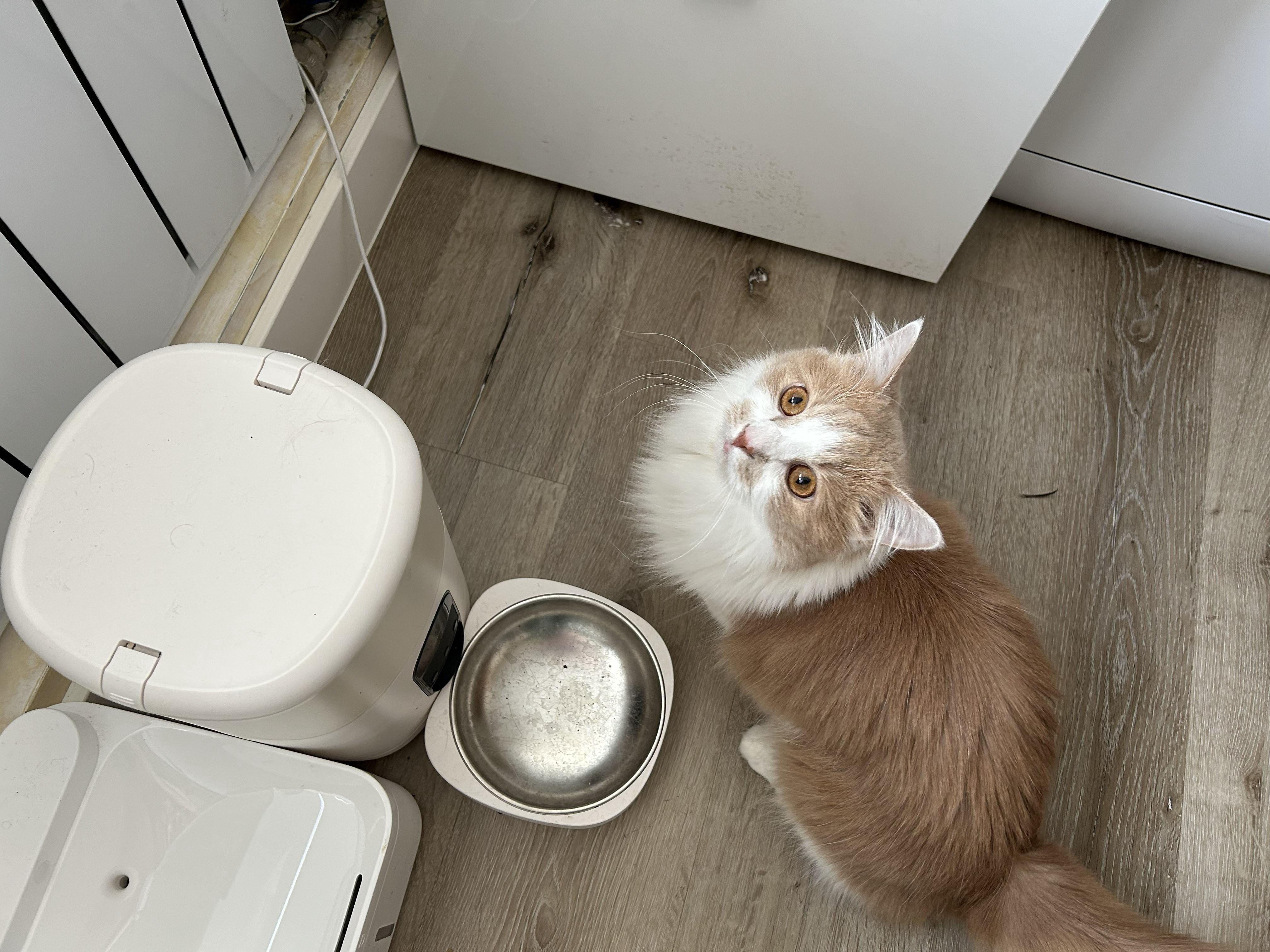
How much longer to wait?
He builds this luck into the world outside. Where something can be changed to suit him.
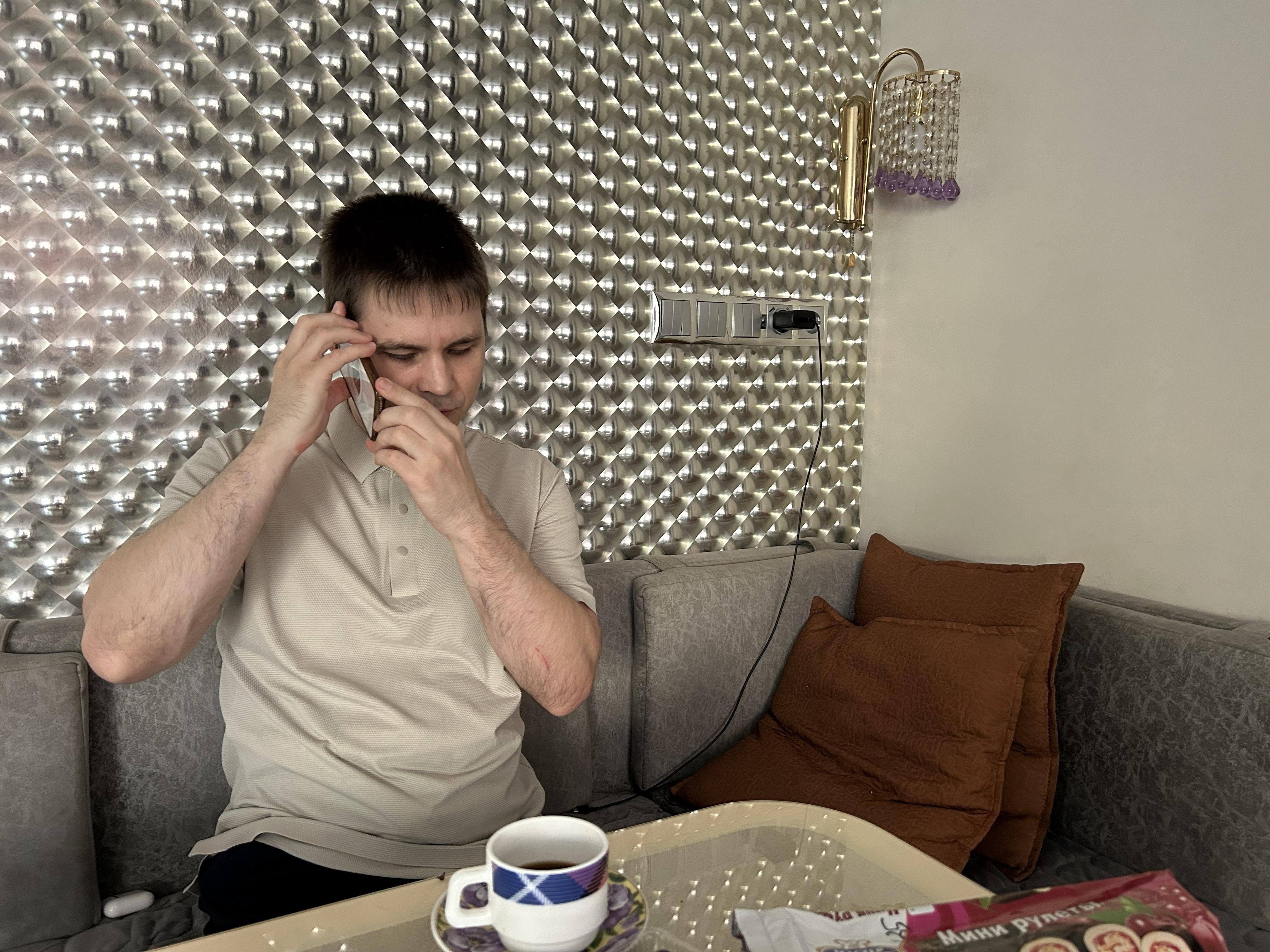
People often call for consultations on electrical installation
«I have all sorts of lighting around the room, LED strips: here and there on the side near the wardrobe. And soft, cozy light so it doesn»t blind you,« explains our hero. »There«s night lighting, day lighting, morning lighting, various kinds. I»ve set it up to turn on automatically at a certain hour. By it, I can tell, for example, that evening has come.«
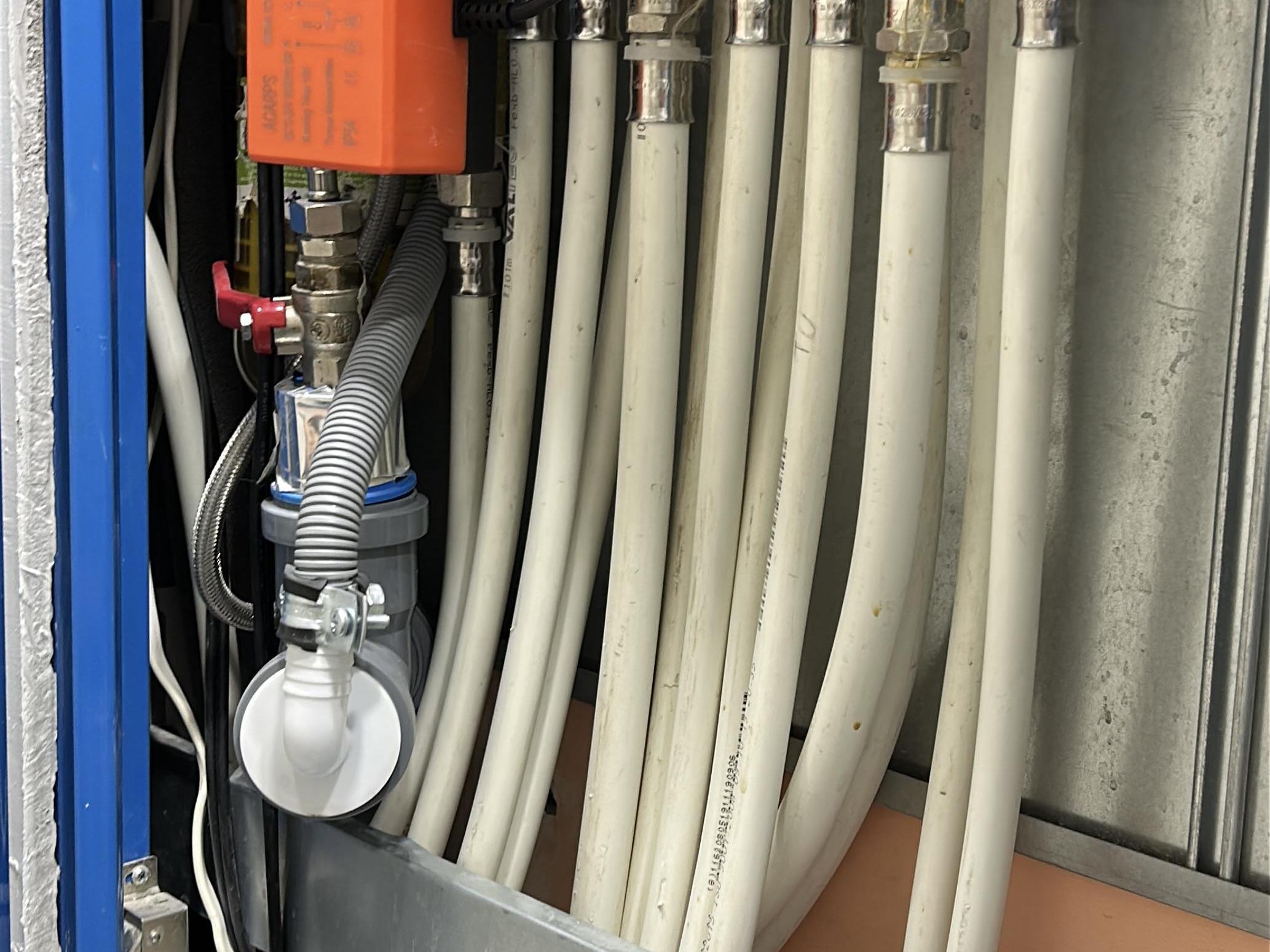
Plumbing unit
He goes to the kitchen. Turns on a commercial coffee machine: «I bought some from a car wash, modified it, removed the bill acceptor; my relatives joked that I should have kept it for guests.»
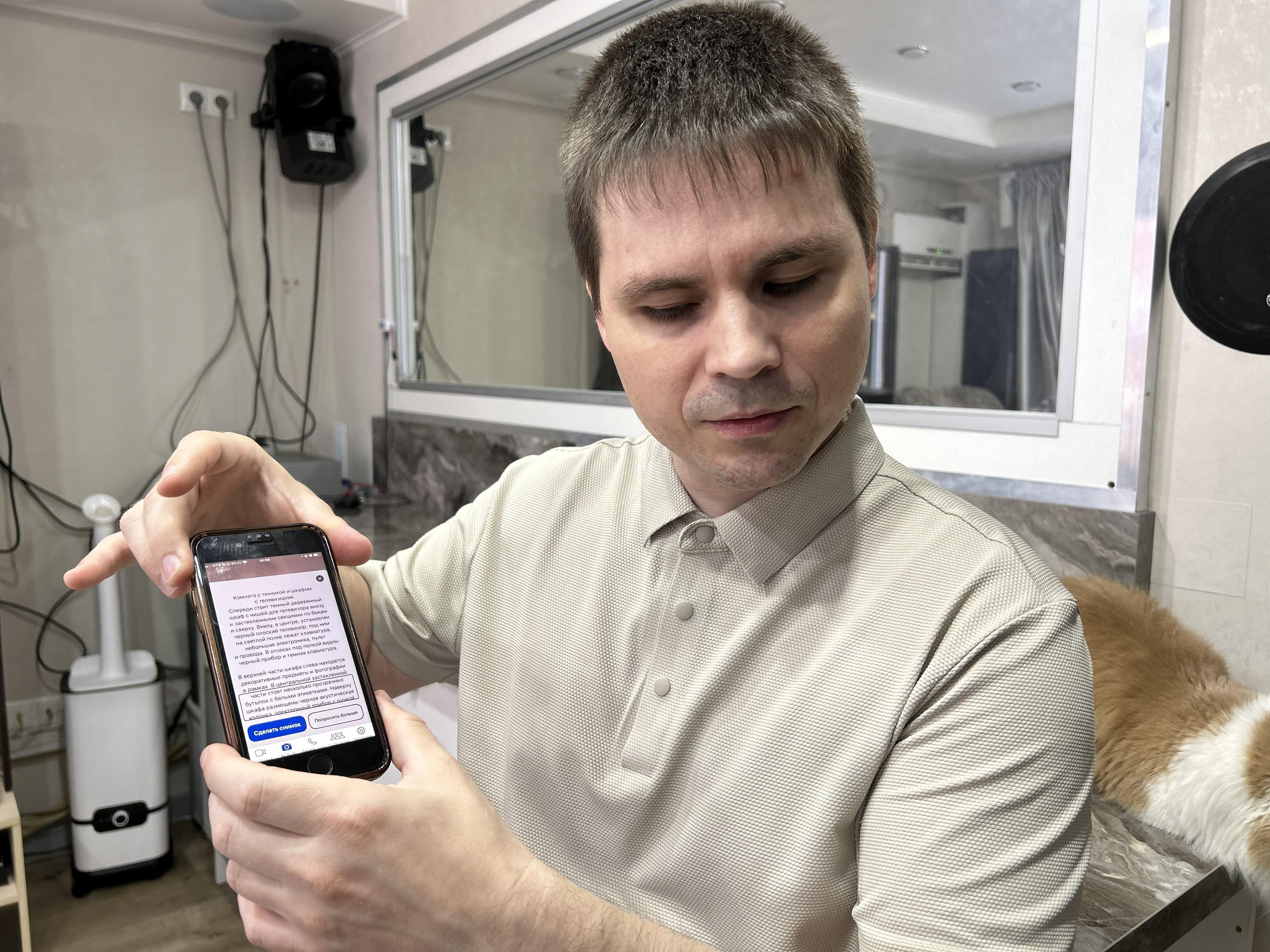
The app describes what Sergey cannot see with his eyes
At Sergey«s feet, the cat Dosik cautiously circles. Sergey commands: »Alisa, feed Dosik,« but the electronic assistant freezes, and the automatic feeder stays empty. And Dosik, without waiting for food, meekly retreats to the room.
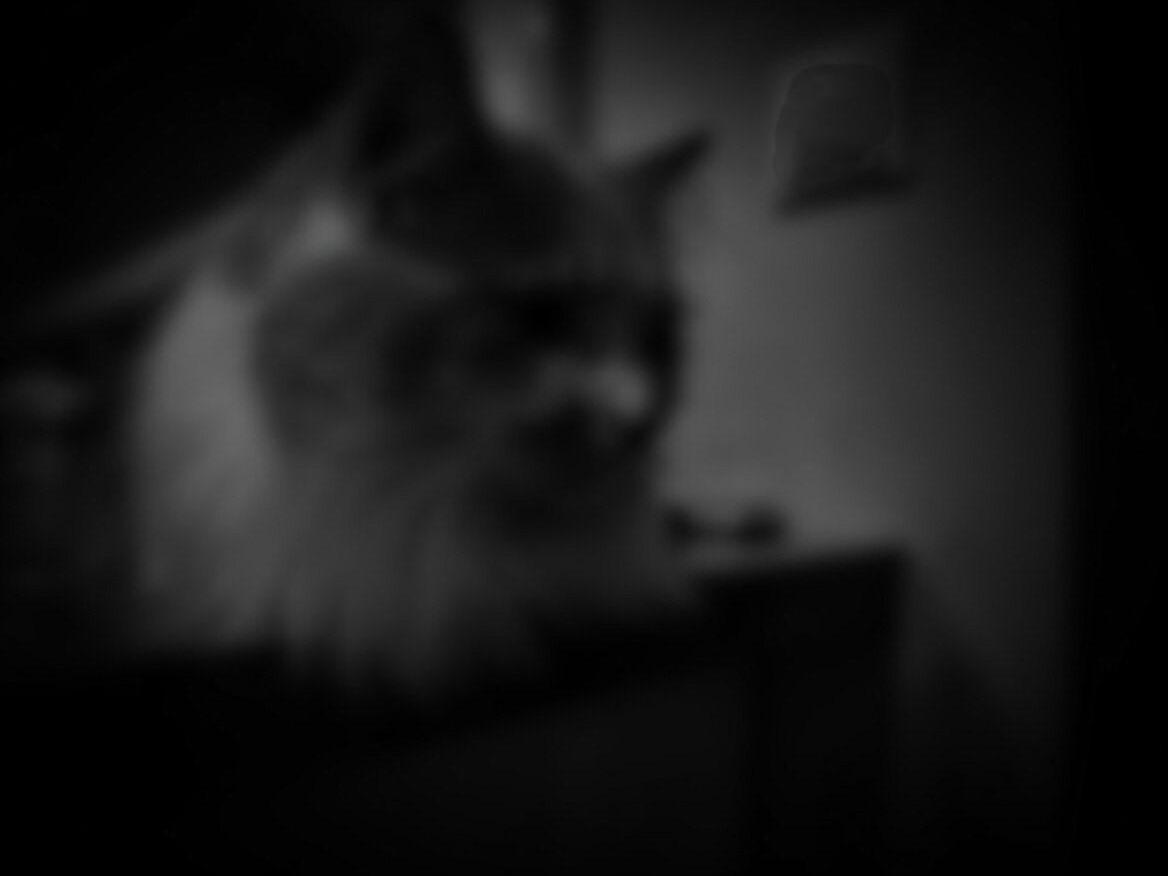
This is how Sergey sees his cat Dosik
Sergey carries a cup of coffee into the living room. Turns off the large TV so it doesn«t interfere with conversation. The room becomes a bit darker.
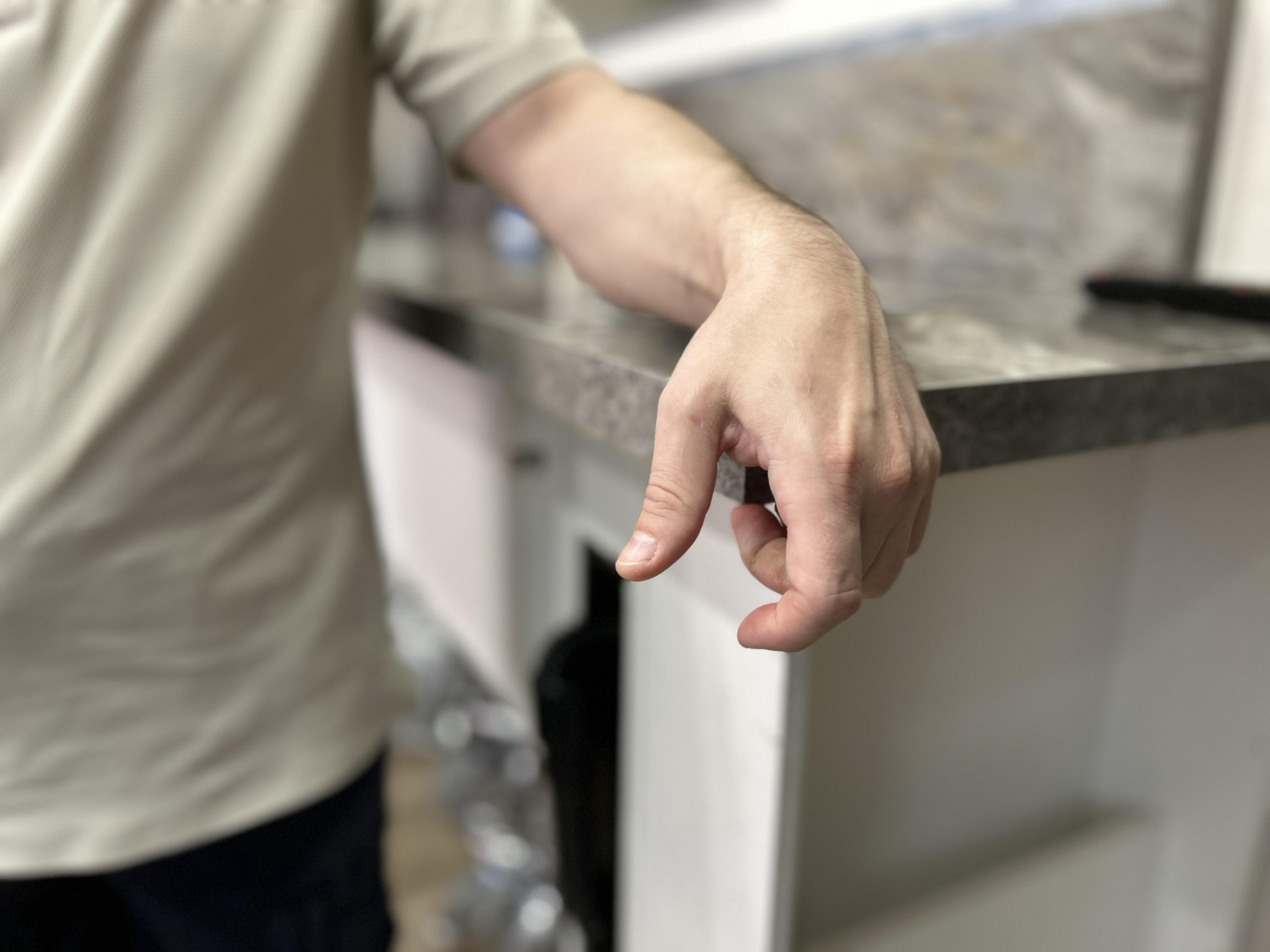
Hands are a support and a way to «see»
«For me, the world has always been like this. I»ve thought sometimes that it could probably have been different. But I never had hope, or any particular desire, to fix something: what is, is. I adapted to it,« he says.
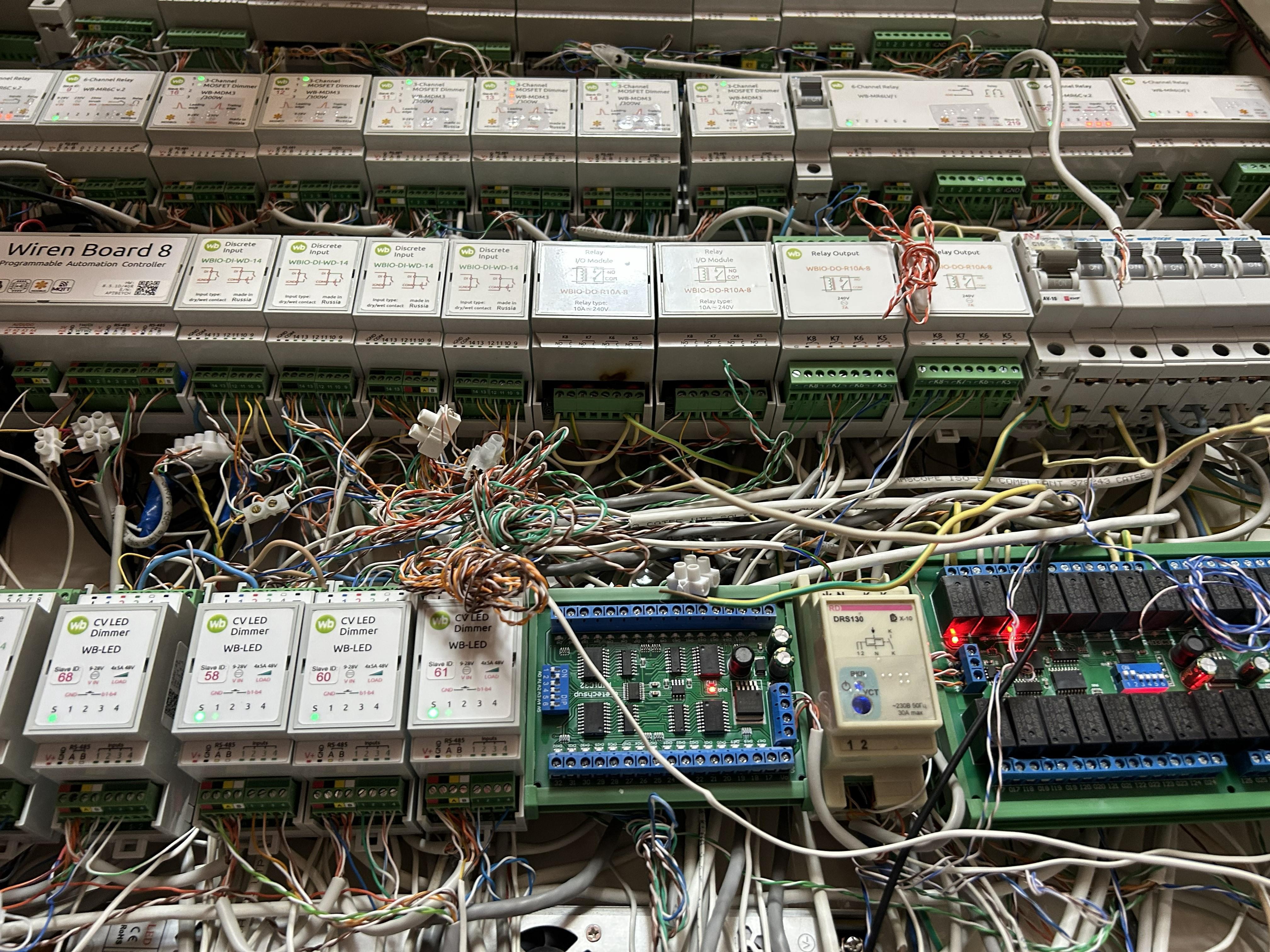
One of the fragments of the smart home
Blind People Say They «Look»
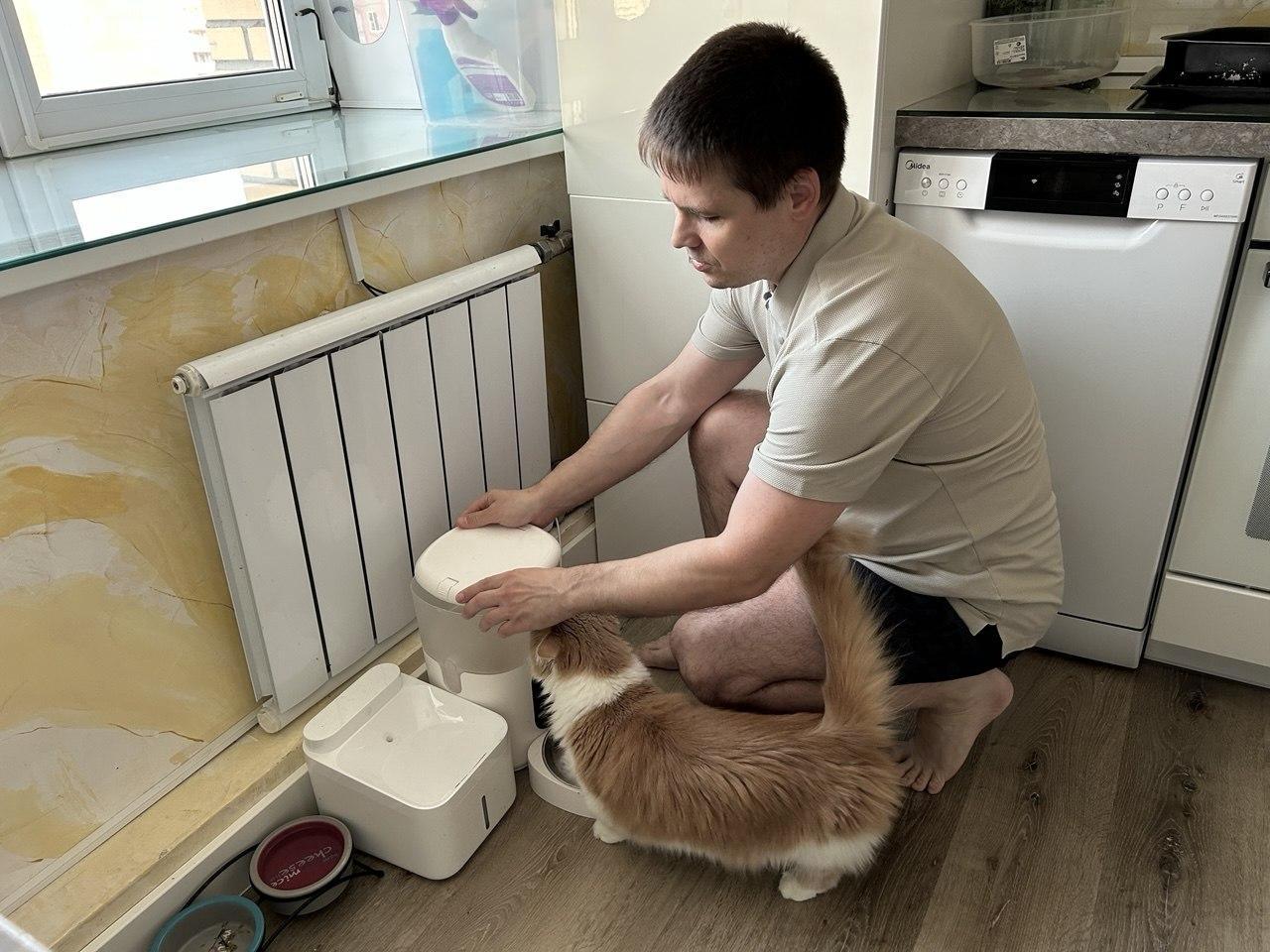
Now there will definitely be food
«Childhood was normal. I never felt any restrictions. I rode a tricycle, played in the sandbox, walked around the house — we lived in a village in the north of the region then. And I always thought it was normal: to walk around something. Everyone does it. I didn»t need more than that,« Sergey reflects.
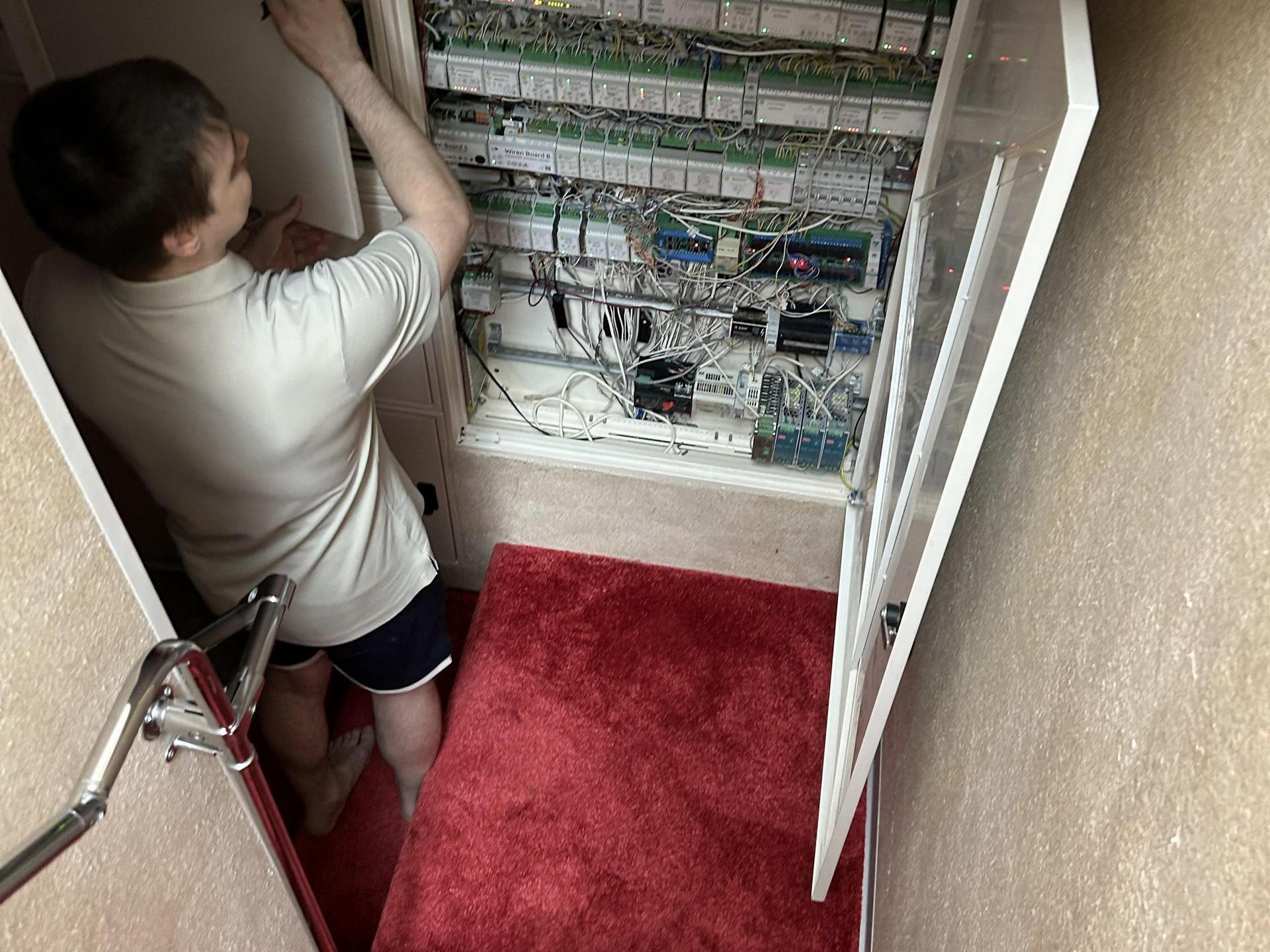
The «brain» of the smart home, which Sergey also assembled himself
His father worked at an asphalt plant. He would take Sergey to the production site, which was almost like an amusement park: control panels, cabins, mechanical shovels. He recalls: «My mother took me, as a small child, to many places to look: so I could touch everything with my hands.»
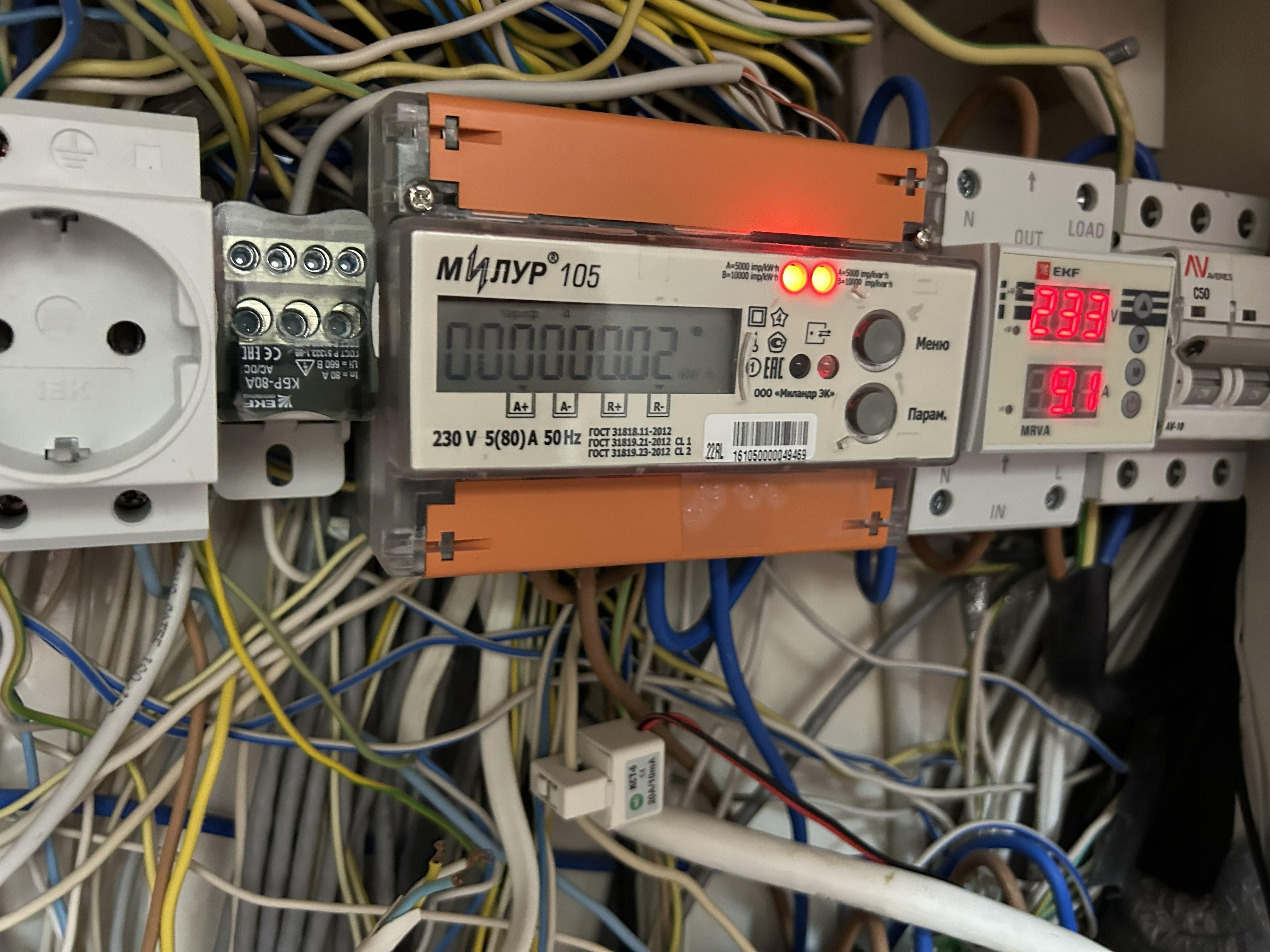
Not every sighted person could figure out these wires
— Does «looking» mean touching?
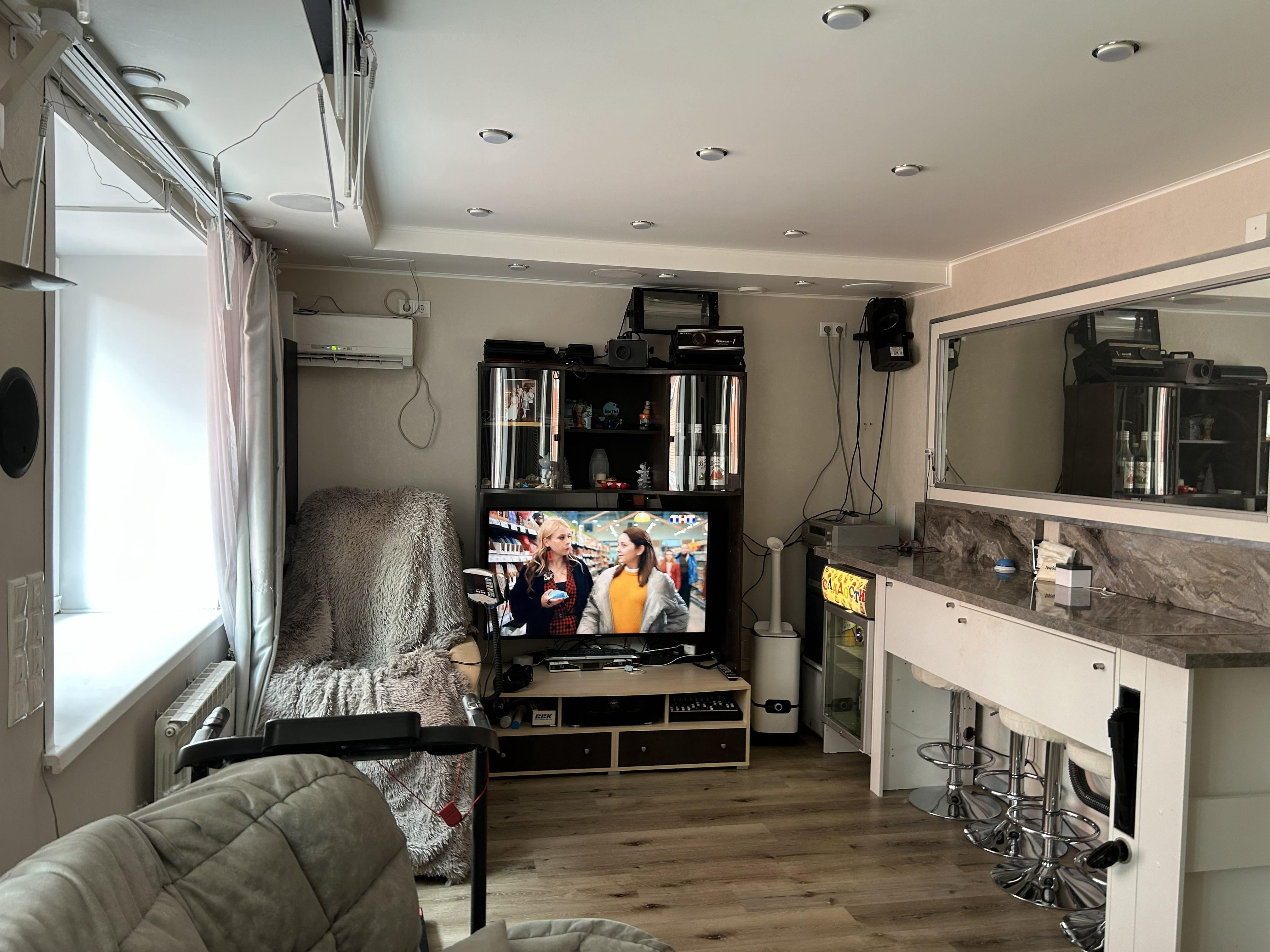
The apartment has not only brains but also coziness
«Yes, with hands. Blind people always say they »look.« They look with their hands… I»ve had a passion for technology since birth. I loved tinkering with construction sets, taking apart toy cars,« he answers, holding a cup of bitter »machine« coffee with strong fingers.
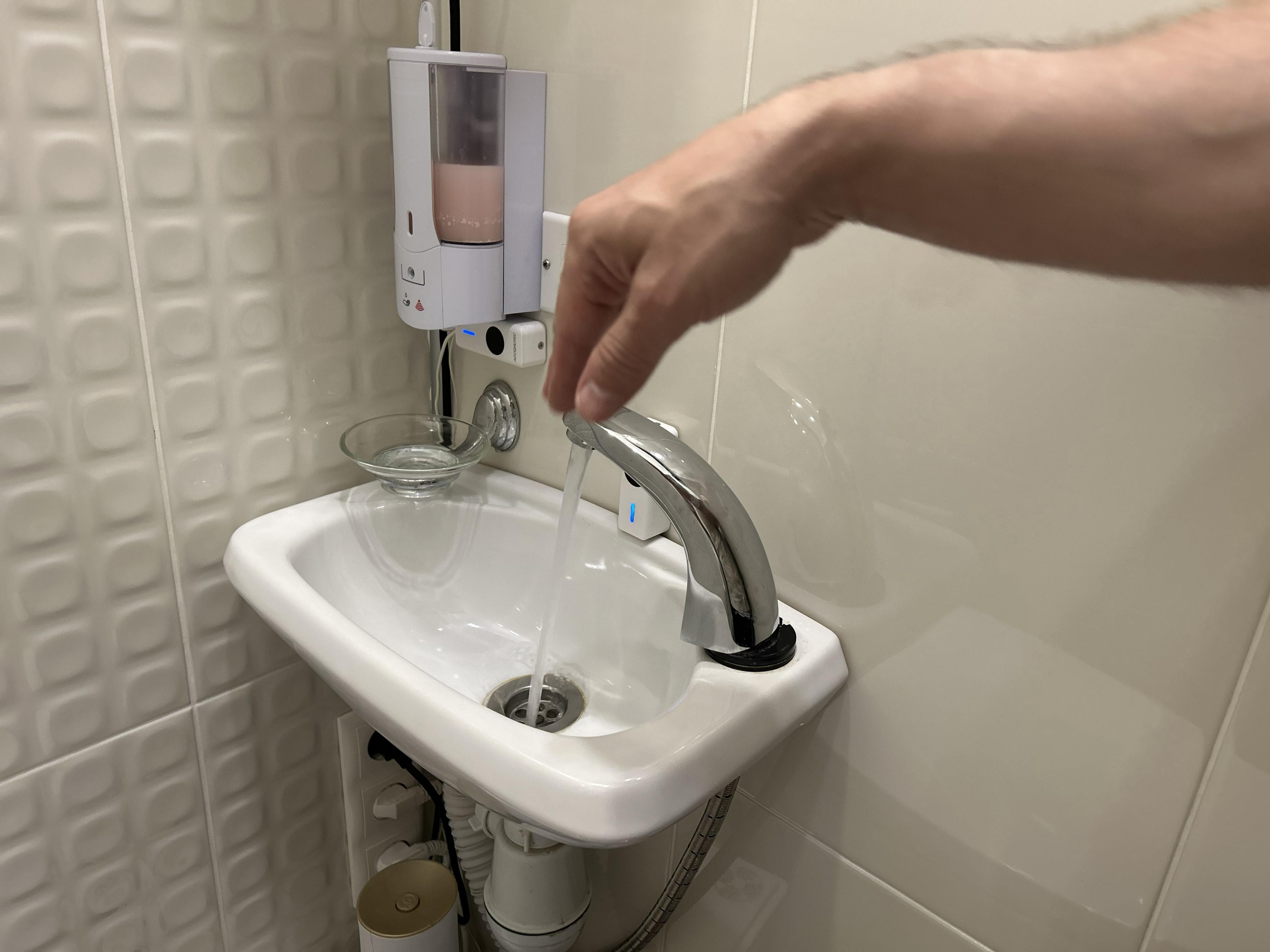
Everything here runs on sensors
At nine, Sergey made his first extension cord with a button: from four double sockets and a switch, screwed to a wooden block.
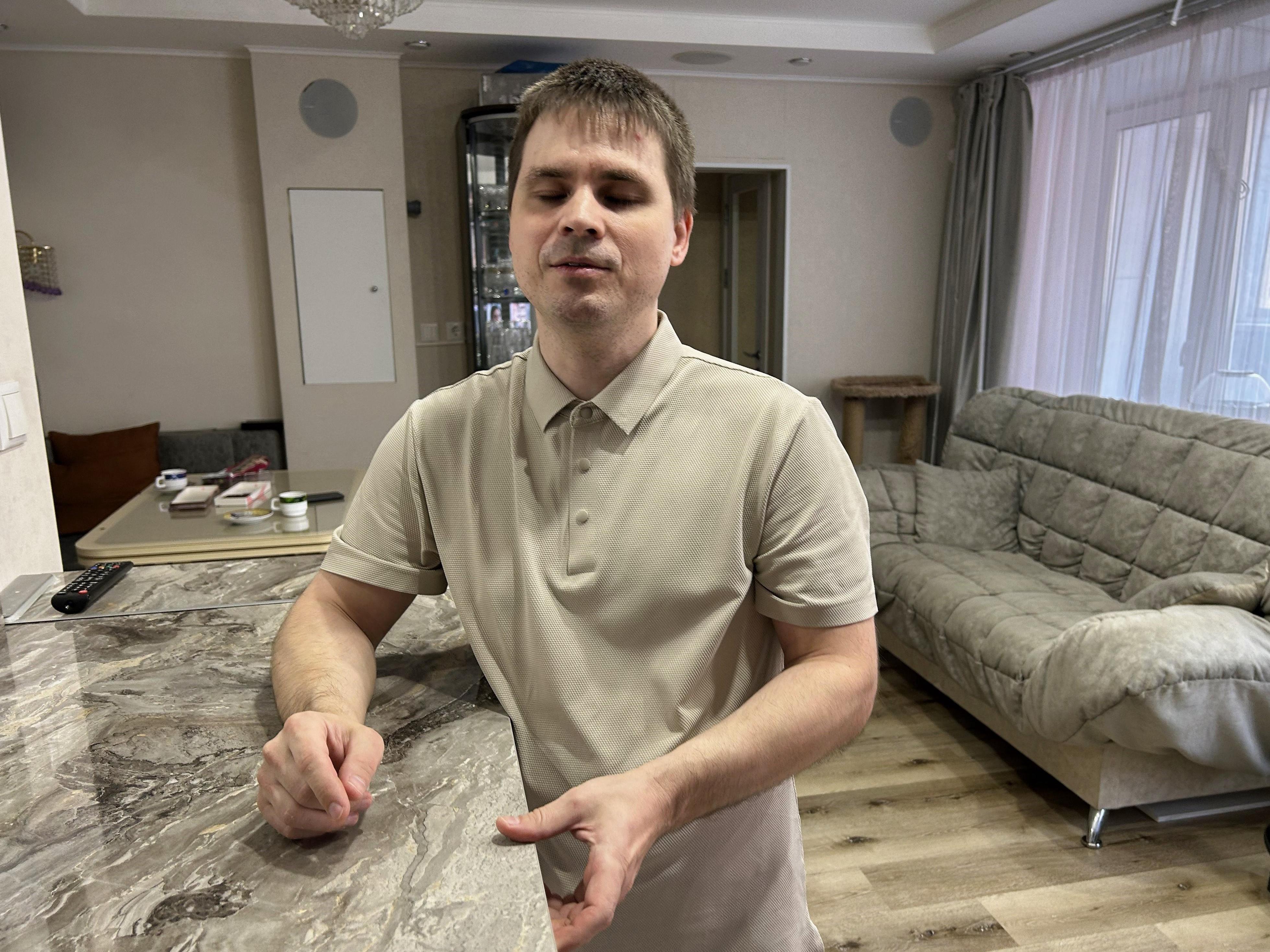
He dreams of visiting a real Boeing cockpit
Once he started taking apart a plugged-in old voltage stabilizer — the kind used with TVs in the Soviet Union — and got an electric shock. His parents were frightened but didn«t scold him. They wrapped the device in electrical tape. It didn»t help: he took it apart again, got another shock. Several more incidents followed. «It zapped me good, but I never had a fear of electricity. I apparently have a special relationship with electrical systems. Of course, later I started doing everything by the rules,» Sergey recalls.
An Ordinary Person Doesn«t Even Think About It
His village childhood ended with a move to Abakan. There he studied at a boarding school. Then the family moved, and he finished his schooling in Krasnoyarsk. After that, he enrolled in a medical college to become a massage therapist. He worked at the regional hospital and practiced privately. Appointments with him were booked months in advance.
His condition became an advantage here: over the years, blind people«s fingers become especially sensitive. »An ordinary person, in principle, doesn«t even think about it. And doesn»t realize how much can be felt,« says Sergey.
At the same time, he was studying automation and smart home technology. It was then only just appearing in Russia in a primitive form. He went to study computer engineering at the Institute of Space and Information Technologies at Siberian Federal University (SFU).
«I arrived there full of enthusiasm: »Let«s promote smart homes — it»s the future!« But they turned out to be simpler and more conservative. It was very hard to stir them up. I pushed my idea, even managed to get a controller purchased for the institute. That»s where it all ended,« he recalls.
They Wanted to Cut Corners. They Assumed I Wouldn«t See
He wrote his thesis on «A Smart Home for People with Disabilities.» He started building his smart home himself. Back in his previous apartment. He bought modules and controllers: automated everything he could in a Khrushchyovka-era apartment. From climate control to monitoring the operation of plumbing and electrical appliances. What got in the way, oddly enough, was people.
«Across from me lived a pensioner who turned on who-knows-what in the evenings. Either an old TV or some fluorescent lamps. Everything of mine would stop working, damn it. The building isn»t new, the wiring is old, it all creates interference, noise, disruptions,« Sergey explains.
He bought his new apartment as a bare shell. He thought through and designed every meter of it. From scratch, he laid wiring, to every socket — there are twenty of them per room. To switches, to sensors. He installed plumbing. He used reference books and internet forums. When he lacked the strength and time, he hired builders.
«Once they wanted to cut corners. They assumed I wouldn»t see. They laid the tile. I checked after them. I said: «This spot here is hollow.» I tapped it in front of them with a rubber mallet, and it fell off. That was it, no more questions. They started doing quality work,« Sergey says.
Until They Figure Out Where to Apply You
— What can the apartment do?
«Almost everything is automated. Lighting completely, climate control, engineering systems: water supply, valves, heating, thermostatic heads. Windows, blinds, all sockets, humidifiers. You come in — everything turns on, when needed — turns off. Voice notifications for various operating modes of devices, doors, and plumbing,» our hero lists. «There are ready-made smart devices, and there are dumb ones — I make them smart through relays.»
He spent three years perfecting his home. He established a relationship with a Moscow-based manufacturer of relays and controllers. He went to their exhibitions, gave presentations, promoted the idea of producing systems for people with disabilities. But so far, according to Sergey, not very successfully: they are more focused on working with large enterprises. «They honestly told me: »We haven«t yet figured out where to apply you,»« says Sergey.
He descends to the lower level of the apartment. He holds onto the handrail — «I installed them myself, they lead to the large switchboard.» It contains hundreds of sensors. The brain of the home management system. Sergey constantly «teaches» it to become smarter.
In Russia, Something Isn«t Working with This
«Those who live now with vision problems are incredibly lucky. Today»s times are fundamentally different from what was. Before: a regular Braille writing device, a stylus — and you do everything with your hands,« says Sergey. »Now I take a photo and tell a neural network: «Describe the terminals to me from left to right and the labels for them.»«
«I would, of course, like to apply my experience in production. For others. Such systems are needed even more not by the blind, but by people with mobility impairments. Those who have difficulty moving around the apartment. But in Russia, something isn»t working with this. It just isn«t, and that»s it. Right now, it«s probably my hobby. I»m ready to share.«
— Do such systems work better abroad?
«They»re more developed there than here. Their accessibility market is strictly enshrined in law. I also work on the accessibility of internet resources. Abroad, TVs, smartphones, computers — they come with screen access software pre-installed. That is, we turn on a Samsung TV, in particular, and the program. It announces the channels and so on. Here we don«t have that at all.»
How a Smart Space That Can Fly Is Organized
Instead of mass adoption of smart technology, Sergey on weekdays gets on a minibus and rides to the right bank. To the regional special library, where they rehabilitate people with visual impairments. He works there as a technical specialist. He sets up equipment. He teaches blind people to work with computers and smartphones.
Sergey has a long-held dream. It«s connected to his love of extreme sensations — especially those with a feeling of flight: fast rides, wind tunnels.
He dreams of visiting the cockpit of a Boeing. Like in childhood, when his parents took him to the factory, into vehicle cabins, to complex machinery. «People always remark to me: »Your place looks like an airplane.« And I»ve never been in one. I want to see how a smart space that can fly is organized,« Sergey shares.
Outside the window, the sky is clouding over. The apartment grows dark. Soon the sensors will trigger.