Which Currant Is Healthiest and How Much to Eat
Novosibirsk nutritionist Anna Ivanova explains the benefits and risks of black, red and white currants, and how much of the berry can be eaten daily without harm.
Oct 6, 2026 0
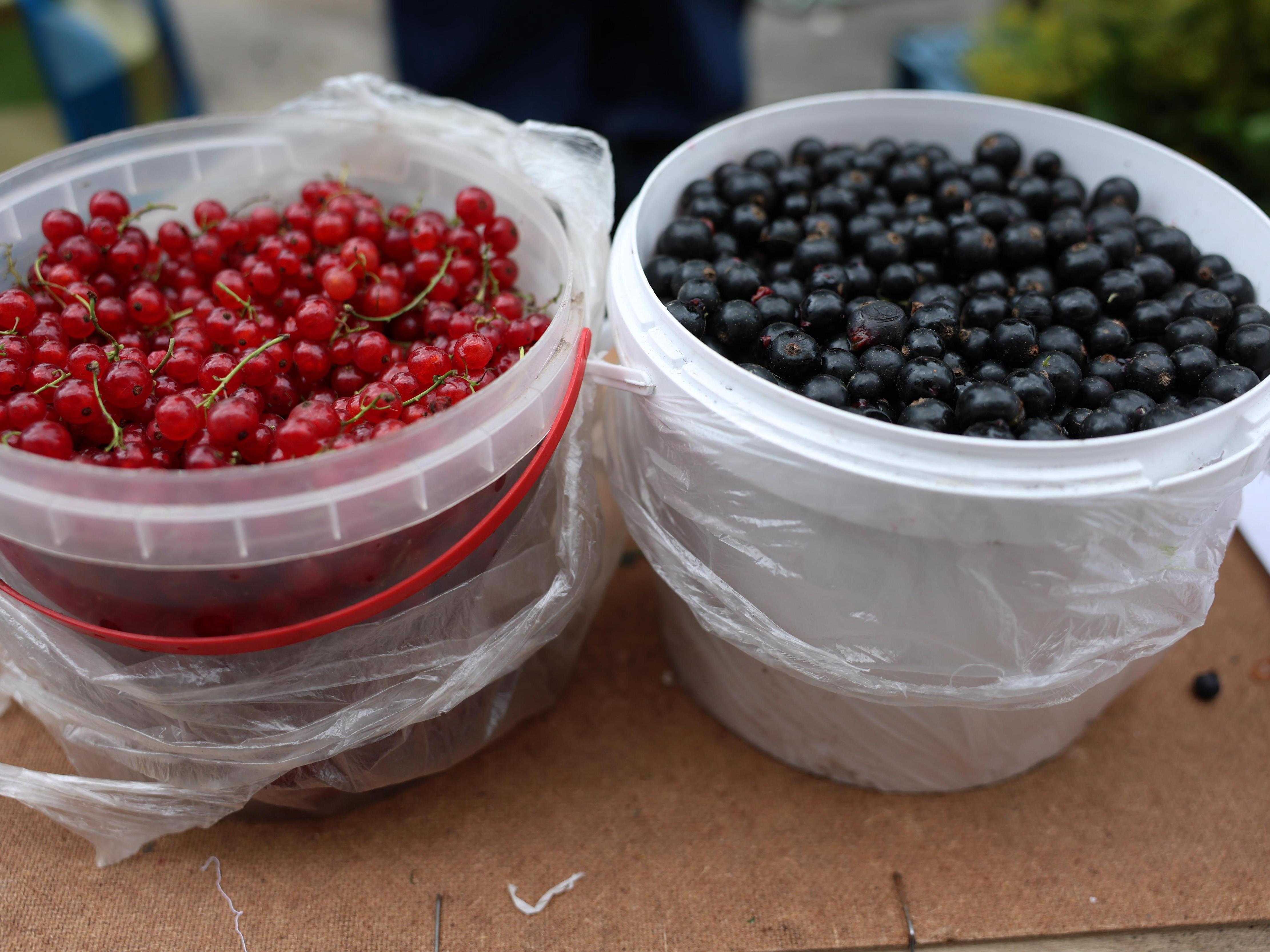

Which currant is healthier and who should avoid it — we sort it out with a dietitian.
Source:
Summer is in full swing, which means bunches of currants are reddening and blackening on store shelves and in garden plots. Some people like them fresh, others prefer them as fruit drink or jam, but few stop to think that in some cases this berry can be harmful. Dietitian and nutritionist Anna Ivanova explained how to eat currants without risks to the body and told which is healthier: black, white or red.
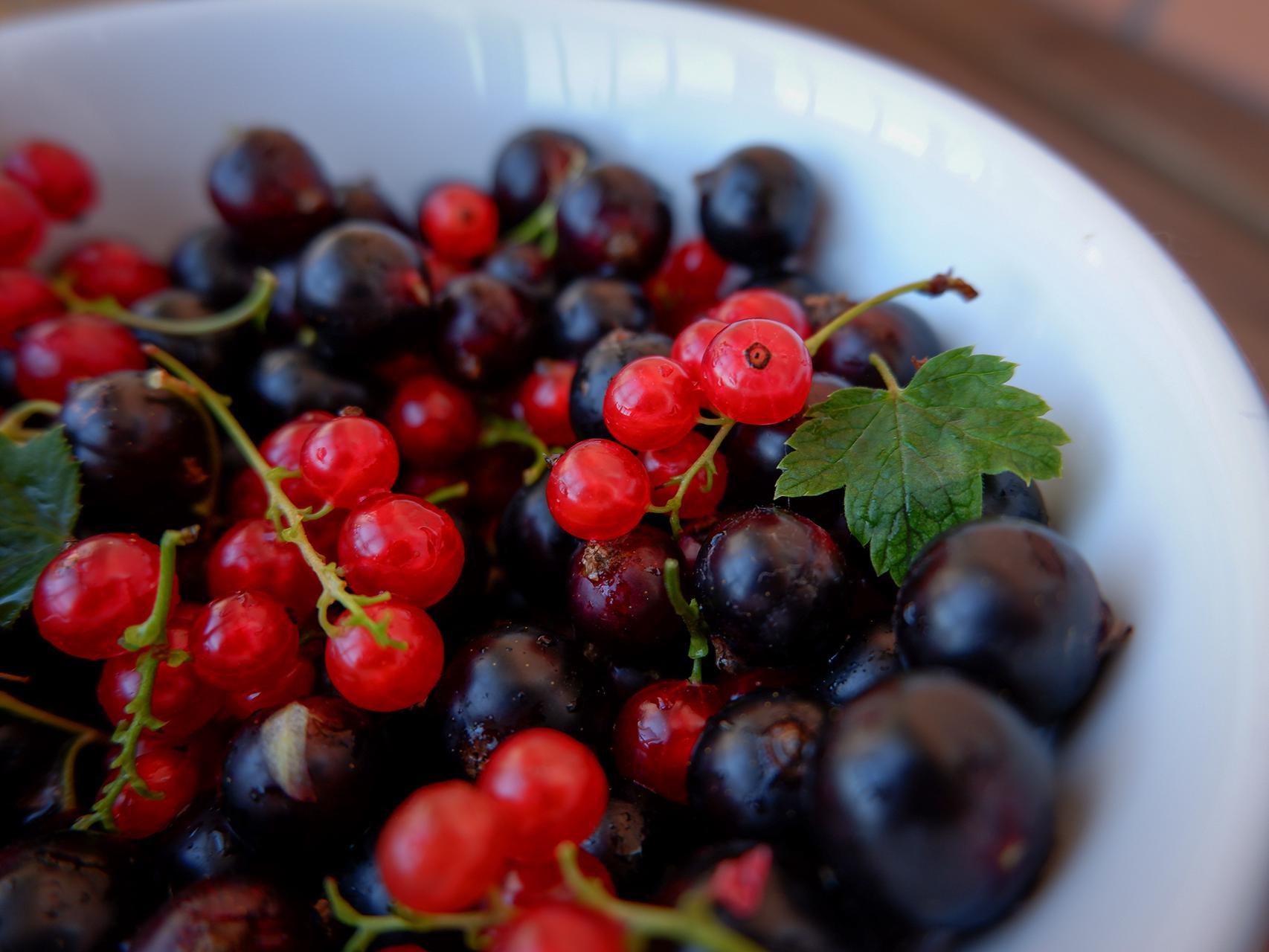
The most important rule is moderation: one glass of berries a day is more than enough for an adult.
Source:
Benefits of currants
Many people see currants as one berry in different colors, but that is not quite true. Each variety has its own unique composition and its own purpose. Black currant is the record holder for vitamin C content.
“One hundred grams of berries contain about 200 mg of ascorbic acid — several times more than in lemon, and it fully covers the daily requirement of an adult,” Anna Ivanova explains.
Black currant is rich in antioxidants that protect cells from damage, strengthen blood vessels and fight inflammation. The berry is good for strengthening immunity, and thanks to the potassium it contains it has a beneficial effect on the cardiovascular and nervous systems.
“Red currant has a more pronounced tartness and contains more organic acids. It is the leader in iron content, which is necessary for vascular health, and in potassium, which helps remove excess fluid and supports the heart,” the expert continues.
Thanks to its high content of pectin (soluble fiber), red currant helps lower cholesterol levels, stimulates intestinal peristalsis and improves the absorption of animal protein. It also has a mild choleretic and antipyretic effect.
“White currant is the mildest and most gentle option. It has no dark coloring pigment, so it less often causes allergies and is better tolerated by people with a sensitive stomach. In composition it is close to red, but less sour,” the dietitian says.
Harmful effects of currants
Despite all the benefits, currants are a berry with a high content of organic acids. That is why they can cause serious discomfort if you do not know the contraindications.
“Fresh currants should be avoided during flare-ups of gastritis, gastric and duodenal ulcers, pancreatitis, pronounced reflux and small intestinal bacterial overgrowth (SIBO). The acid and fiber in the berries can irritate an already inflamed mucous membrane and provoke heartburn, bloating and diarrhea,” Anna Ivanova explains.
People with reduced blood clotting and hemophilia should approach currants with caution — this applies especially to red currant.
“Black currant, on the contrary, increases blood thickness, so it is not recommended for thrombophlebitis and varicose veins,” the dietitian comments.
And, of course, allergies should not be forgotten. Red currant is considered a stronger allergen than black or white. In children it can cause skin reactions, so the berry should be introduced into complementary foods gradually, starting with 40–50 grams (1.4–1.8 oz) and only after 18 months.
How much and how to eat it properly
The golden rule that Anna Ivanova always repeats to her patients: even the healthiest product becomes harmful in large quantities. With currants this works 100 percent.
“A healthy adult needs to eat 100–150 grams (3.5–5.3 oz) of currants a day — about one small glass. Some doctors allow up to 200 grams (7 oz), but I recommend sticking to more conservative figures so as not to overload the stomach. For preschool children the portion should be reduced to 40–50 grams (1.4–1.8 oz),” the dietitian says.
Currants are best eaten not on an empty stomach, but after a main meal. Concentrated acids on an empty stomach can provoke irritation of the mucous membrane, heartburn and discomfort. It is also worth remembering that exceeding the norm threatens bloating and diarrhea because of the abundance of fiber.
“If you have a sensitive stomach, stick to white currant. If you want maximum vitamin C and antioxidants, take black. If you need to support the heart and blood vessels, take a closer look at red,” the expert advises.
If you feel like drinking tea with currants, pour hot water (80–90°C / 176–194°F) over the berries rather than boiling water to preserve vitamin C.
“If after a handful of berries you feel heaviness, heartburn or bloating, reduce the portion or temporarily exclude the product,” the nutritionist says.
Where Novosibirsk residents mass-pick the berry within the city limits — how much it costs and how to get there.
Read more