Tyumen woman fights leukemia, needs funding
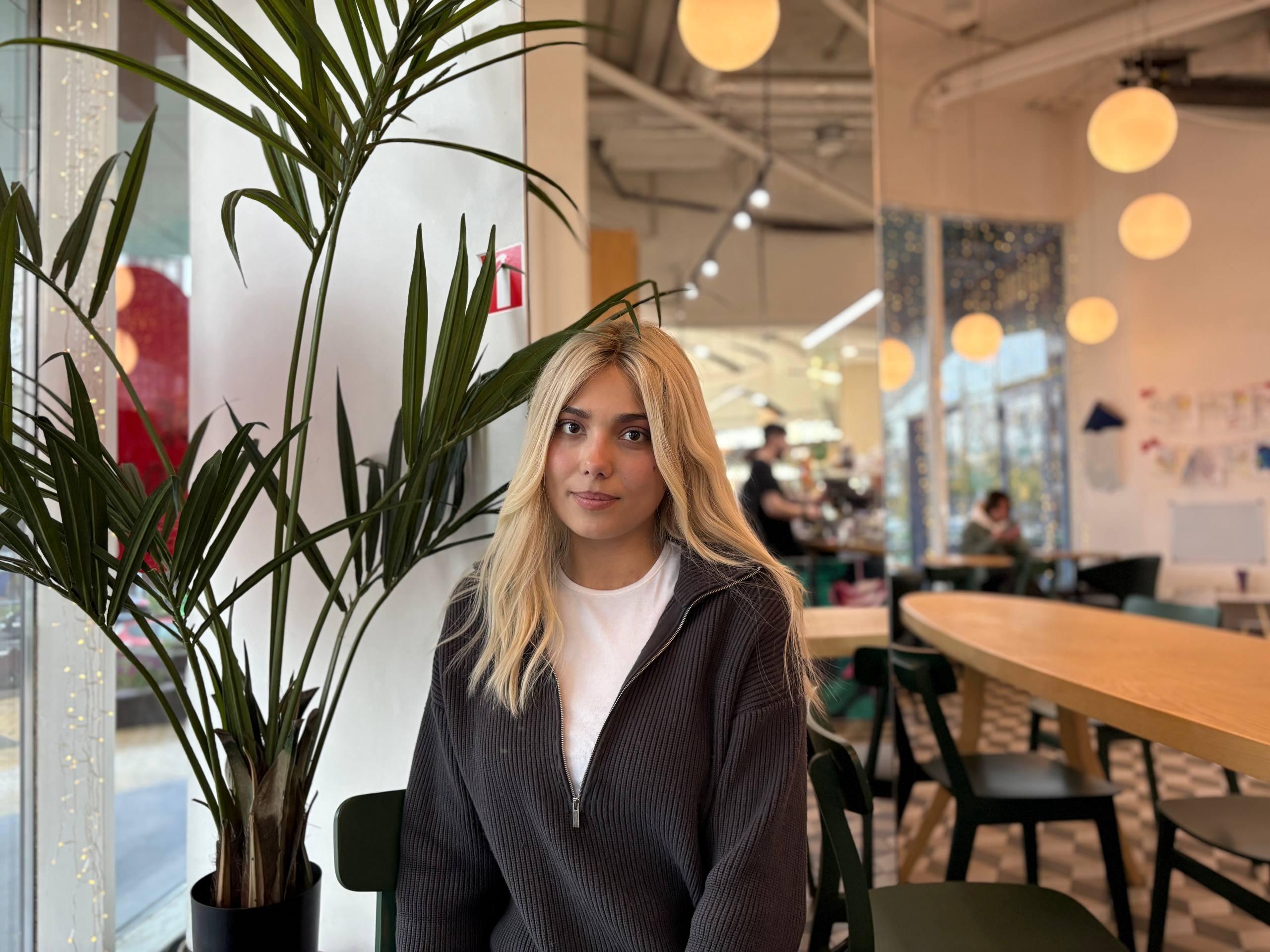

Olga Farfaniuk is fighting blood cancer and dreams of ordinary life without chemo or hospitals.
Olga Farfaniuk from Tyumen is 32. For five of those years she has been fighting a deadly disease — blood cancer. Over that time, the progression paused only briefly before resuming. Now the cancer has returned in a harsh, aggressive form. Olga does not intend to give up. The Tyumen woman’s chance at life is expensive treatment abroad costing 45 million rubles (about $478,700 at current rates).
She explains how she learned of the diagnosis, what she had to endure, and why she needs treatment abroad.
Tyumen woman’s appeal for help
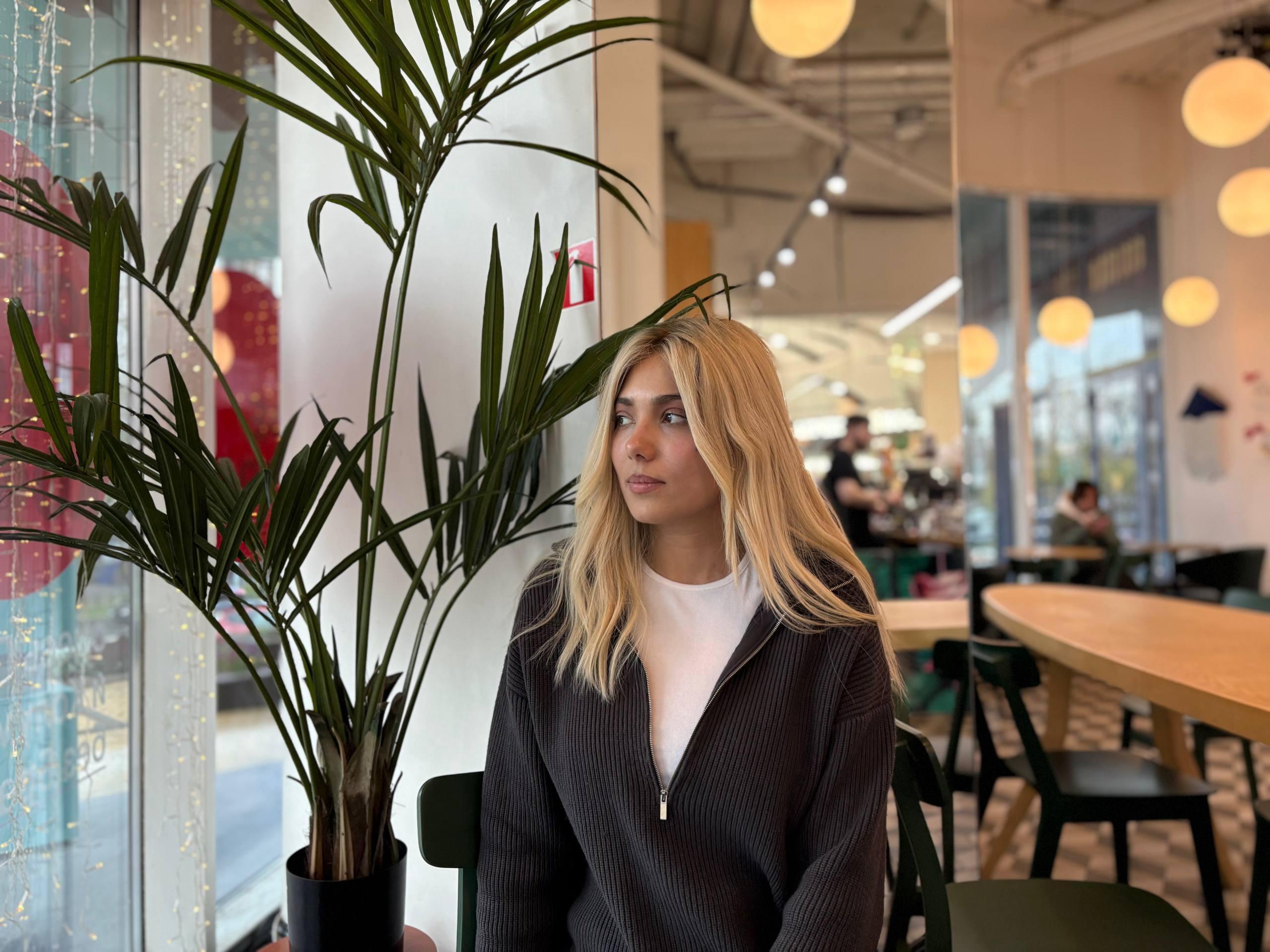
We agreed to meet Olga in a café. Before that, I had only seen her in photos. She is very beautiful. From social media pictures it’s hard to guess that Olga has cancer. There are no obvious signs that would give away the illness at first glance. After chemo, she wears a wig that hides the absence of hair.
On the day of our meeting, the Tyumen woman felt unwell and was tormented by excruciating pain. When I suggested rescheduling, Olga Farfaniuk said: «This is my chance to ask people for help, so I’ll come no matter what.»
Olga appeals to compassionate people and asks for help with treatment.
The 72.RU editorial staff has Olga Farfaniuk’s medical records: a discharge summary from an inpatient chart, a detailed history, and extracts from an Israeli clinic regarding her case.
Answering how she realized something was wrong with her health, she said: «It’s always hard for me to answer that.»
«I know some people are anxious by nature, because my symptoms were quite broad. Almost anyone could say the same about themselves. I had dizziness and fainted. That’s why I went to a city clinic. They prescribed vitamins and gave me injections. Not understanding what was happening to me, I had to go to a facility in the north — I’m from there. My relative works there. When I arrived, I took a complete blood count. Nothing else was needed,» Olga began.

Olga earned a degree in PR and advertising, working until illness forced her to leave.
«My life turned into a succession of hospitals»
After a brief pause, she exhales and continues:
«In Surgut in 2020 I heard the diagnosis — acute lymphoblastic leukemia. I needed to start treatment immediately, so I stayed there and didn’t go back to Tyumen. Since then my life has become a succession of hospitals in different cities and places, chemo, injections, and hopes,» she explains.
Acute lymphoblastic leukemia is a malignant disease in which the concentration of lymphoblasts (immature cells — precursors of lymphocytes) in the blood increases uncontrollably. It occurs more often in children, with a peak incidence between ages 1 and 6; boys are affected more often than girls. In adults, acute lymphoblastic leukemia is about ten times rarer than in children. Some symptoms include fever, weakness and fatigue, and weight loss.
How the Tyumen woman underwent treatment and chemo
The first course of treatment was difficult for her both physically and mentally.
«The first chemo was extremely hard, and at that moment I also got COVID. I landed in the red zone. I had zero immunity. During chemo, immunity needs to drop very low so the process can act on the disease. Many understood I had almost no chance of leaving there alive, because lungs are always a weak spot for leukemia patients. I had 42 percent lung involvement. In most cases that’s death,» she recalls of the first days.
Olga felt on the edge of life and death. She dreamed frightening farewells and felt she was slowly losing her mind.
«I wanted to end it all. I asked to be allowed one day to sleep without antibiotics and all of it. But they told me I could refuse treatment — though entirely. I was in an extremely serious condition. I knew I was dying. Everyone knew I was dying. I asked the doctors to let me go so I could at least say goodbye to my loved ones. I wanted to die at home, not in a hospital ward,» the Tyumen woman adds.
For several months she did not leave the hospital. Olga feared she would die in the ward and hoped for a true miracle.
«They urged me not to go anywhere. The doctor explained that the lung involvement had been controlled — everything was subsiding. That was a great miracle and great luck. She asked me to stay,» Olga says.
A hematologist is a physician who diagnoses, treats, and prevents diseases of the blood and blood-forming organs. The latter include the bone marrow, where all blood cells are formed, as well as the spleen and lymph nodes.
After getting out of the COVID ward, Olga did make it home to her family. Then she resumed the fight against cancer.
«When they discharged me, I returned home weak and limping. I stayed home two weeks, collected myself a bit, and went back for chemo. After that course I entered remission. I thought it was all over,» Olga explains. «It turned out it meant nothing. Months of treatment, a long recovery — and a real fight — awaited me.»
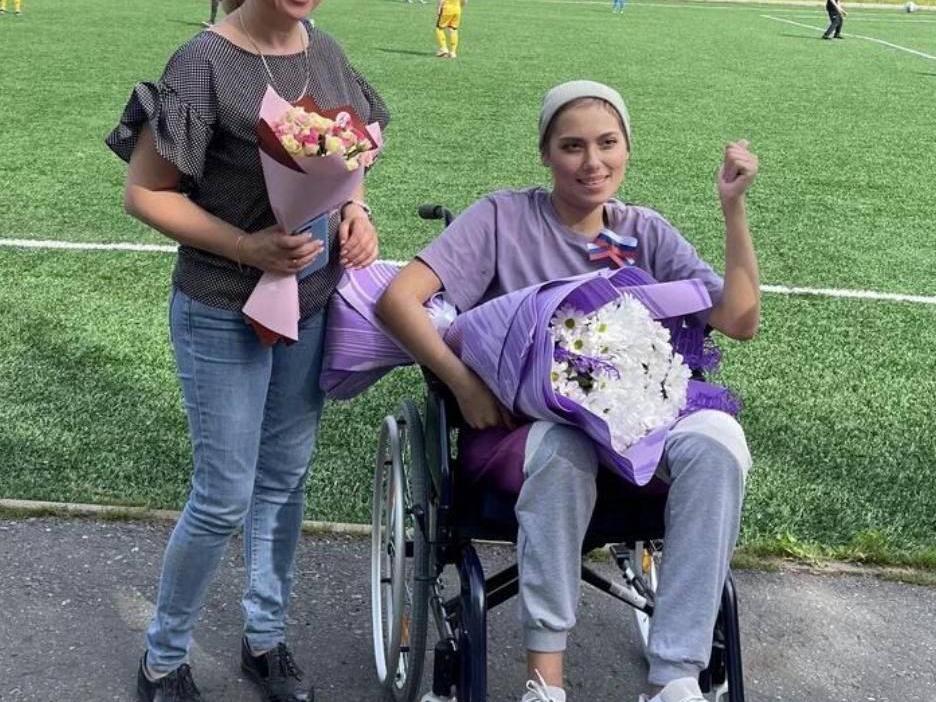
Olga with her mother, who supports her daily and believes in recovery.
The Tyumen woman explains that treatment for such a disease means high-dose chemotherapy. It’s a heavy blow to the whole body.
«I was shocked that I had to come back for a second course — there are seven in total. The second chemo caused complications — arthritis, they drained fluids. After the second, I was in a wheelchair. During the third chemo, I felt like I began to die. I developed necrosis of the hip joint. The pain was unbearable, literally. I screamed day and night — nothing helped, no medication,» Olga describes.
Necrosis of the hip bone is a serious disease that can destroy the joint.
Olga did not know what would happen next or how to cope with the unbearable pain. She speaks of it with a tremor in her voice.
«That hell lasted a long time. As it turned out, I needed a hip replacement — the joint was pressing on a nerve. After consultations we realized I needed urgent surgery,» the Tyumen woman explains.
Many doctors could not say with confidence how surgery might affect Olga’s condition. No one knew whether she would survive the intervention. Physicians repeated that she was very weak after chemo.
«My arm started turning black, I developed lividity on my face, and I was wasting away. I understood that most likely I would be wheeled out of the hospital feet first. I have no official explanation from specialists, but they made it clear the risk was high. I might not have survived — the flight, the transport, or the surgery itself,» Olga says.
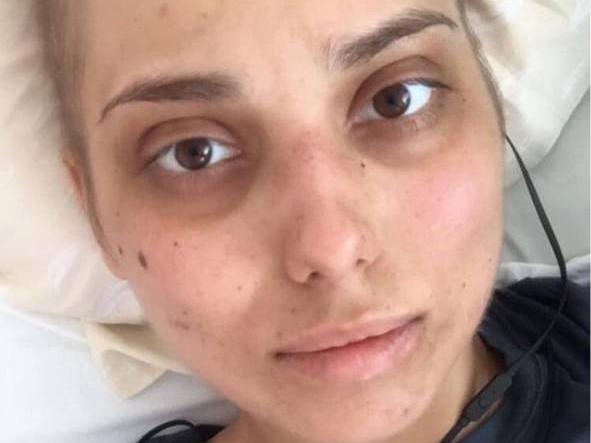
Olga in hospital during episodes when her condition deteriorated significantly.
Through Olga’s persistence and that of her loved ones, she underwent a bone marrow transplant from an unrelated donor. A long-awaited remission followed. But the disease returned. The Tyumen woman was hospitalized again and had to go through grueling procedures once more.
This spring she underwent an intensive course of chemotherapy, followed by radiation therapy to the central nervous system.
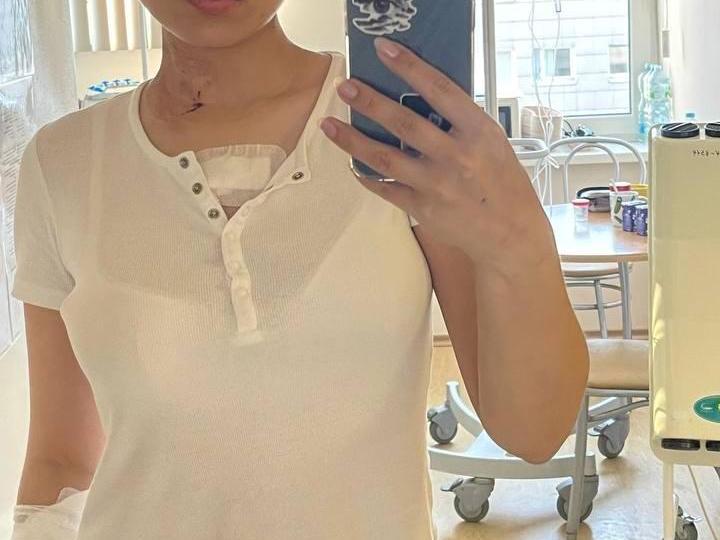
Olga lost her hair during chemotherapy and often wears a wig afterward.
45 million needed for a chance at life
Olga’s relapses now come quickly.
«At the moment the disease is aggressive. Russian protocols have been exhausted. Don’t think that somewhere else is automatically better and you should immediately run abroad to be treated. The same international protocols are used here. Federal centers treat patients excellently, especially with good prognoses at early stages. Our institutions are among the top ten worldwide. But today I have a single chance — CAR‑T therapy followed by a haplo transplant (a partially matched donor). This method is, unfortunately, unavailable to me in Russia. I am ready to be accepted in Israel, at Ichilov (Tel Aviv Sourasky Medical Center, TASMC). The bill is enormous — 540 thousand dollars, about 45 million rubles (about $478,700 at current rates),» she explains.
According to her, no one can give or promise guarantees.
«I spoke with various specialists, including informally. They approve treatment in Israel. The method will trigger a very strong graft-versus-host reaction. My body will start attacking itself from within. But it is the only way to cure me completely. It’s not about entering remission for 5–10 years. It’s about curing me entirely. In children the disease is cured in 90 percent of cases; in adults — in 30,» she says, citing doctors.
Olga married a pilot, who knows her illness and actively supports her.
The Tyumen woman wakes up every day thinking that time is running out.
«Relapses come too fast, and doctors say we must hurry. While I still have strength and remission, I can go and fight. I very much want to live — to be near my loved ones, hug my family, dream and make plans,» Olga says. «So I’m turning to you — to everyone who won’t brush aside another’s pain but will hear this story. Any help, even the smallest, brings me closer to a chance at life!»
The exhaustion of options within existing oncology treatment protocols can arise after a long fight with disease. At some point, no combination of drugs helps the patient anymore. This occurs because new mutations appear in tumor cells and the most resilient survive.
What the charity says about their beneficiary from Tyumen
Yulia Verbonol, founder of the charitable center Nastoyashchie Liudi (“Real People”), spoke about their beneficiary, Olga Farfaniuk.
«Olga applied to our fund. We are one of the few charitable funds in Russia helping adult patients — and perhaps the only one that organizes fundraising for treatment abroad. Olga was diagnosed with acute lymphoblastic leukemia in 2020. Since then she has undergone every possible treatment protocol in Russia, including a bone marrow transplant from a donor whose cells were delivered from abroad. Treatment in Russia follows protocols covered by compulsory medical insurance (OMS). There are no such options left for Olga. Israel has proposed treatment. This is her chance, and we cannot miss it,» the center’s head says.
Yulia Verbonol has worked in charity for more than 15 years. Over that time, she says, they have built strong networks.
«We have successfully treated our beneficiaries in clinics not only in Israel, but also in Türkiye, the United States, and Germany. We have walked this path and know how to act — which doctors are strongest for particular diseases. Our fund provides free consultations on treatment abroad. Illness is stressful, and there are many pitfalls in cross-border treatment that people simply can’t know — including fraud. Our practice is to accompany a patient from the moment they contact the fund until their return home. We develop close relationships with all our beneficiaries,» she adds.
Olga has received several opinions from authoritative oncohematologists regarding her potential treatment.
«All fundraisers in our organization are as transparent as possible. On our website, people can see progress in real time. We publish reports every day at 10 a.m. The amount Olga needs is very large, so we need maximum reach and help in everything. Anyone who tells friends or colleagues about Olga is already helping — and we are grateful to everyone,» she urges.
Yulia Verbonol adds that Olga’s story resembles those of many other people with similar diagnoses.
«Unfortunately, our healthcare system is not flawless. There is no unified bone marrow donor registry. There is far too much bureaucracy that steals the most valuable and irreplaceable resource from severely ill patients — time. Now, in addition to Olga’s primary diagnosis, neuroleukemia has appeared — one of the hardest to treat. That’s why we declared Olga’s fundraiser urgent and are now moving it into the super-urgent category. Olga is incredibly strong, but even the strongest person can fall into despair. Her treatment abroad is fully justified, and we support everyone who does not give up but seeks a path to salvation,» Verbonol explains.
Neuroleukemia is one of the common complications of acute leukemia and, more rarely, chronic myelogenous leukemia. Neuroleukemia is leukemic involvement of the nervous system. It is especially common in childhood acute lymphoblastic leukemia, and less so in other forms of acute leukemia. Neuroleukemia arises when leukemic cells metastasize to the membranes of the brain and spinal cord or into the brain tissue itself (the latter is prognostically a more severe pattern of tumor growth).
The story of another Tyumen family saving their son
Saule Ibraeva and her husband are raising four children. They are an ordinary family, and never dreamed of millions. Daulen works as a bus driver; she is a preschool teacher currently on maternity leave. This year their life split into before and after: their son Adis was diagnosed with a devastating disease — Duchenne muscular dystrophy. We told their story — about not losing hope, charity bureaucracy, and the cost of the life-extending shot that will prolong the child’s life.