Tyumen Mothers Report Post-Cesarean Complications
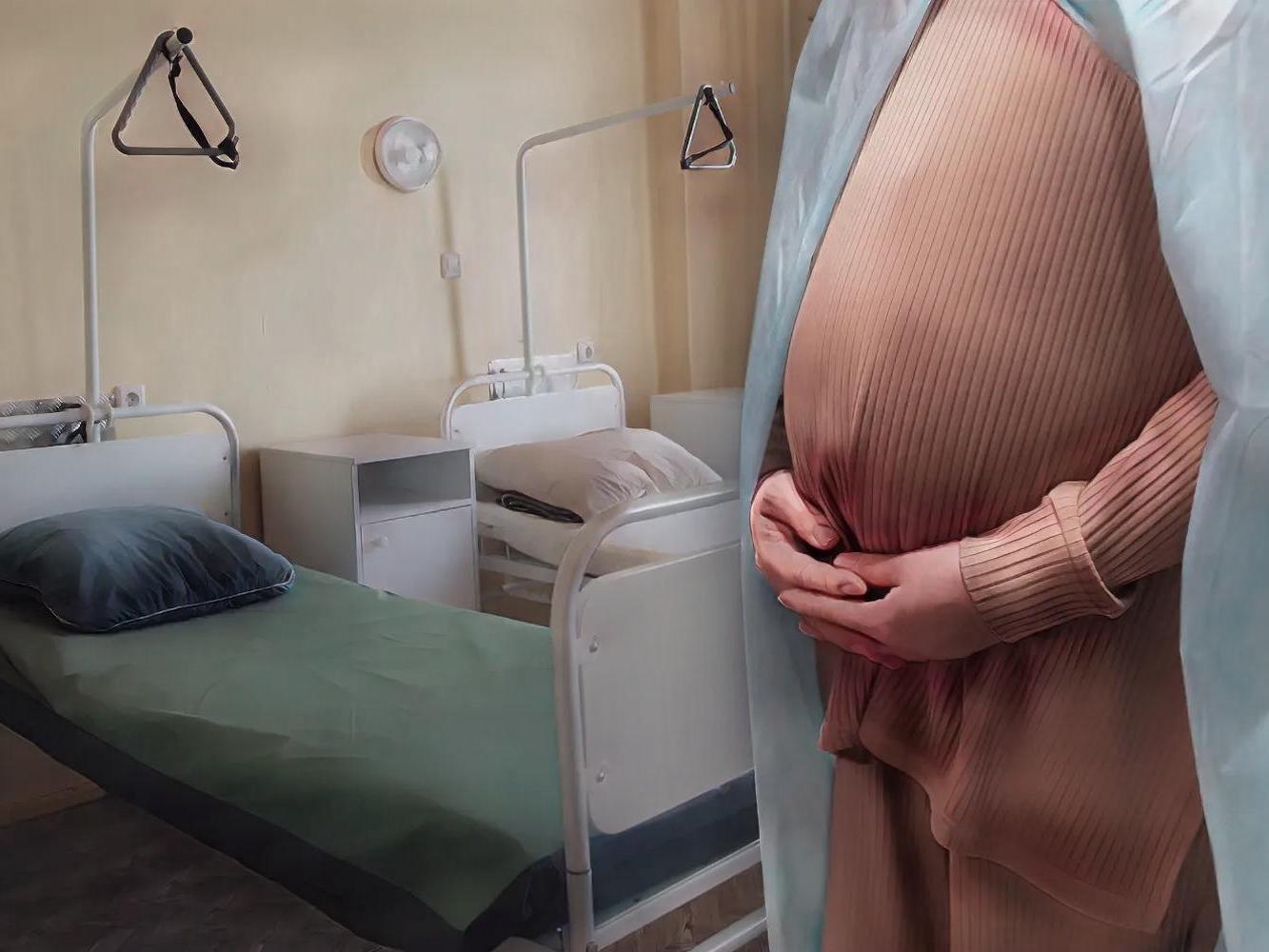

There are more than 10 such women in Tyumen, according to our interviewees
More than ten women developed complications after cesarean sections in Tyumen, according to local women who contacted the newsroom of 72.RU. It happened in late June and early July: their sutures became inflamed, accumulating fluid and pus. As a result, some were never discharged from the hospital after giving birth, even nearly a month later. Others had to be urgently hospitalized and sent under the knife again.
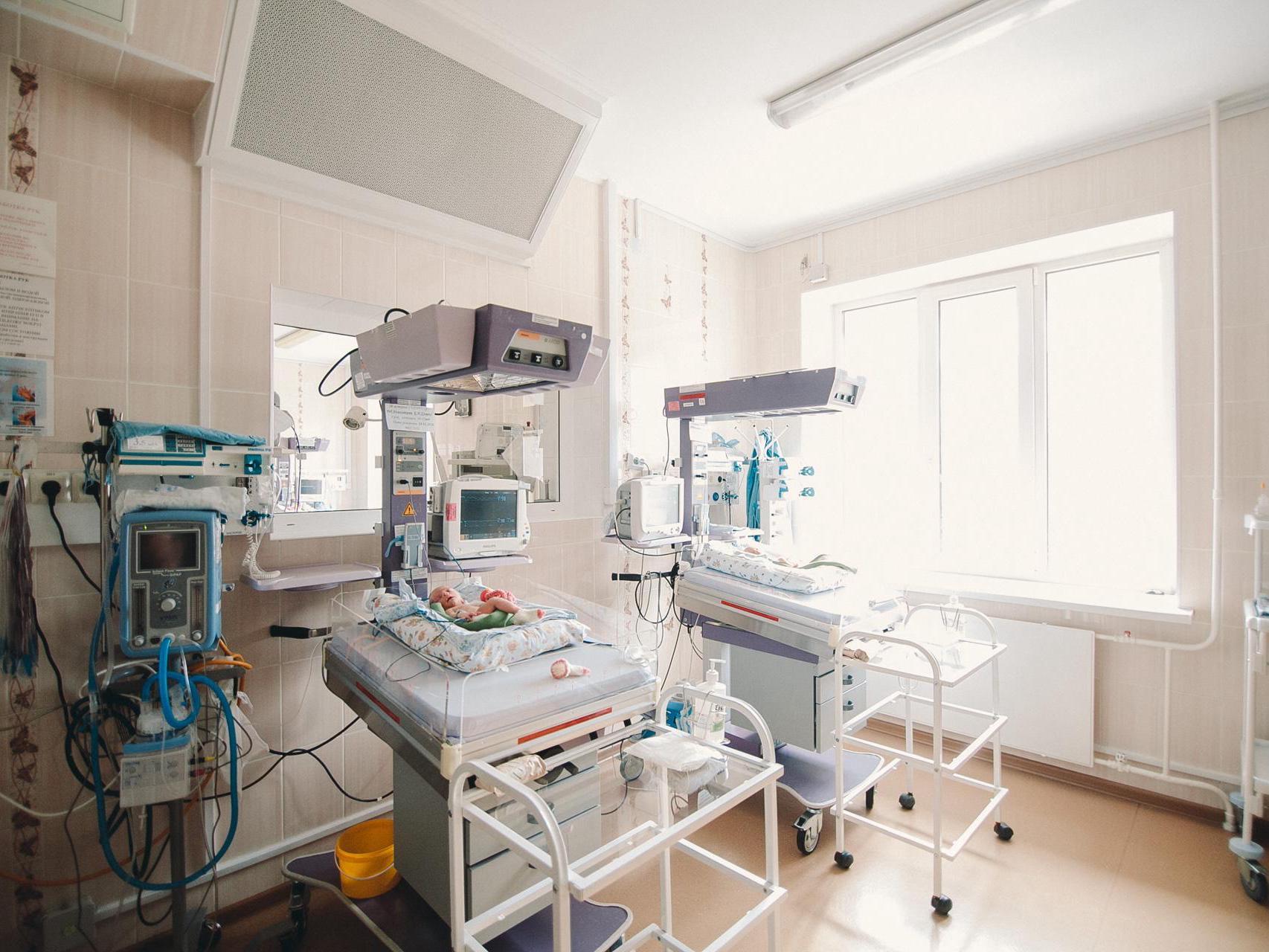
The perinatal center on Daudeľnaya
Below we explain why this happened to several women in labor in the city at once, and how the regional health department explained the situation.
This is the perinatal center on Energetikov
The names of the women featured in this publication have been changed at their request. The newsroom has documents from the Tyumen women confirming their accounts.
“My contractions stopped”: Yevgenia«s story
For 29-year-old Yevgenia, this was her first pregnancy. Everything proceeded normally, and on 2 July the young woman was admitted to the perinatal center at 1 Daudeľnaya Street, Building 8. At the maternity hospital, doctors told her that her cervix was only dilated 5 cm.
“They gave me some medication, and then my contractions stopped. I slept for about an hour, after which a doctor came in and said a cesarean section was necessary because the baby had tachycardia. I signed some documents, and I was urgently taken away,” the Tyumen woman recalls of that day.
She attended dressing changes on schedule, and on 8 July she developed pain around the suture. She was told it was nothing serious, that it was normal and would soon pass. But the next day the suture began to leak, and a day later Yevgenia woke up to find “everything was in a puddle.”
At the perinatal center she was told she now needed to be urgently hospitalized because pus had formed under the suture. This complication is called a seroma — an accumulation of clear tissue fluid under the skin in the incision area, caused by damage to small vessels and lymphatic ducts.
“I was in the hospital from 14 to 23 July. And who was I supposed to leave a newborn with? They also put staples on me so the suture would heal on its own, while some of the other women were re-stitched,” Yevgenia said.
She has no complaints about the doctors. She is convinced the problem lies in the quality of the suture material, and claims an internal review of these cases is currently under way at the hospital.
“All of us women — and there are 11 of us — had different doctors and different midwives. So we are leaning toward the idea that it was bad suture material. I understand: one person, maybe two. But not 11,” Yevgenia shares her view.
The baby was tangled in the umbilical cord: Yelena«s story
Yelena is 31, and this was also her first childbirth. Her baby was born on 5 July. The reason for the cesarean was that the baby was tangled in the umbilical cord and began to experience distress — suffocation, to put it simply.
“I was very worried about the baby«s health, but the medical staff acted quickly, and I was taken to the operating room fast. While I was giving birth, the doctors constantly checked on how I was feeling and offered advice on how to ease the pain during contractions. Both the doctor and the midwife were friendly and tactful. And after the cesarean, the doctor came to the intensive care unit and told me how everything had gone,” Yelena shares her positive experience.
However, even in this case, complications could not be avoided. She learned about the seroma on the second day after discharge, when she was already at home. The young woman says that at the gynecological department at 1 Daudeľnaya Street, Building 3, they quickly relieved the inflammation and applied a new suture, for which the patient is very grateful.
“A piece of flesh flew into the wall”: Yekaterina«s story
For 29-year-old Yekaterina, this was also her first childbirth — it took place on 10 July 2026 at Daudeľnaya. A natural birth had been planned, but it did not work out, and Yekaterina was sent for an emergency cesarean.
“I pulled myself together and tried not to worry. When I had already been cut open, the doctors were pulling on something, cutting something off, and at one point a piece of my flesh flew into the wall. When the doctors looked at it, they laughed and continued the operation. For me that was a total shock, I can«t put it into words. I don»t often find myself in operating rooms, and they were chatting about their own things,” the Tyumen woman describes the course of the operation.
When Yekaterina was moved to intensive care, she was shaking. She had to be warmed up. She spent another four days in the hospital and was discharged. But at home the suture began to leak. At first Yekaterina was given a drain, and the next day she was sent to a doctor.
“She immediately took a scalpel and opened me up again, started squeezing something out, cleaning. They wouldn«t let me go home. Later I heard the doctors themselves saying to the nurses that either the materials were bad or some mistake had been made, and there was an infection. As I understand it, the threads were sent for testing, suggesting the rejection was caused by them,” the young woman told the 72.RU newsroom.
At the time of the conversation, on 27 July, she was still in the medical facility.
A lump appeared almost immediately: Valeria«s story
Valeria gave birth on 25 June. She also underwent a cesarean. The reason was high blood pressure.
“At 35 weeks I was urgently taken to intensive care. At first everything was fine. They gave me anesthesia, though not on the first try — they kept poking my back for a very long time. Then the operation began, and everything was normal. But the doctors chatted a lot about their own things. One of the women operating on me was going on vacation that day, and they were discussing it. After my daughter was delivered, they spent about another hour stitching me up,” the new mother says.
She was discharged three days later, but, as the young mother says, complications began almost immediately — a lump with fluid appeared while she was still in the hospital. The doctors said it was a seroma, nothing serious, and that she could simply come in for dressing changes. She went for several days, and on 11 July she ended up back in the hospital.
Valeria was given new sutures, and 1.5 kg of dead tissue was removed. She was told the wound was too deep and she could not go home. That was on 27 July. Her daughter was at home with her father at the time.
Unlike the other Tyumen women, Valeria believes the doctors are to blame.
“Many had cesareans at the same time as me, but they are fine — their sutures were simply removed, and they are up and about. But some developed complications like this. The doctors who did this should probably think about it,” she says indignantly.
The health department is aware of the situation. Here«s what it said
“Information about the mass nature of the complications does not correspond to reality. A seroma is an accumulation of fluid in the subcutaneous tissue; it occurs due to damage to lymphatic vessels and an individual reaction of tissues to surgical trauma. The quality of the suture material has nothing to do with it,” the regional health department assured the 72.RU newsroom.
It noted that the same suture material can produce different results in different patients depending on individual characteristics, weight, anemia, diabetes and other risk factors.
The patients we interviewed did indeed have some health problems.
The health department also noted that in June–July 2026, no complaints from patients on this matter were received by the agency.
“Internal quality control at the perinatal center is carried out on an ongoing basis, regardless of external requests. When official requests are received, external quality control is conducted,” the department told the 72.RU newsroom.
How is a cesarean actually performed, and how often?
We asked about that, too. In June–July 2026, the perinatal center at Daudeľnaya performed 524 cesarean operations. They are prescribed when there is a risk to the mother or fetus during childbirth.
“Over the past 30 years, the operation has evolved from classic techniques with catgut and long recovery to modern self-absorbing materials and a two-row suture. All patients receive antibiotic prophylaxis before surgery to reduce the risk of infectious complications.”
What is catgut?
It is a self-absorbing surgical suture material made from purified connective tissue of sheep or cattle intestines.
Complications can indeed occur during surgery, the health department acknowledges. There is always a risk. The following problems can theoretically occur:
Blood loss.
Infectious complications.
Seroma.
Hematoma.
Thrombosis.
Anesthesia complications.
We previously wrote about Tyumen singer Yevgeny Dolzhenko, who was diagnosed with cancer. His daughter claims that doctors at Polyclinic No. 5 may have overlooked a pathology in his lungs, which caused treatment to begin later than it should have. Here is Yevgeny Dolzhenko«s full story. In early July, Yevgeny passed away.