Tolyatti Mosaic Icon Artist Dies at 4th Stage Cancer
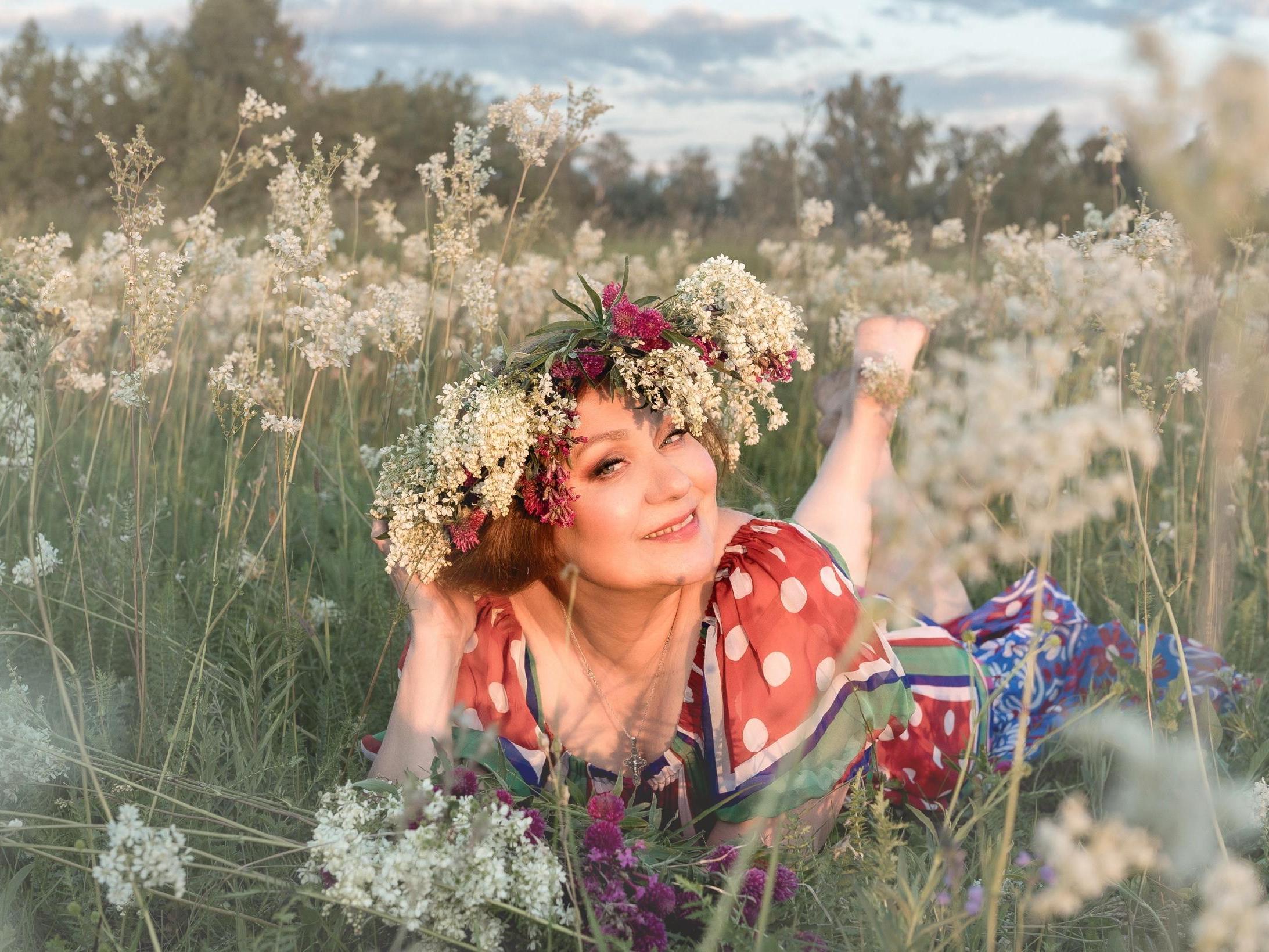

“I breathe joy. There is no greater sweetness — than to live…” — a case when you look at a social media status and cry…
Memorial events were held in Tolyatti on the ninth day after the death of Natalya Lipunova, a well-known artist, teacher, designer, and craftswoman. Relatives and friends gathered in Lipunova«s workshop, where she and her husband created mosaic icons for churches across Russia, and recalled what a kind, bright, and talented person she was and remained until her final minute.
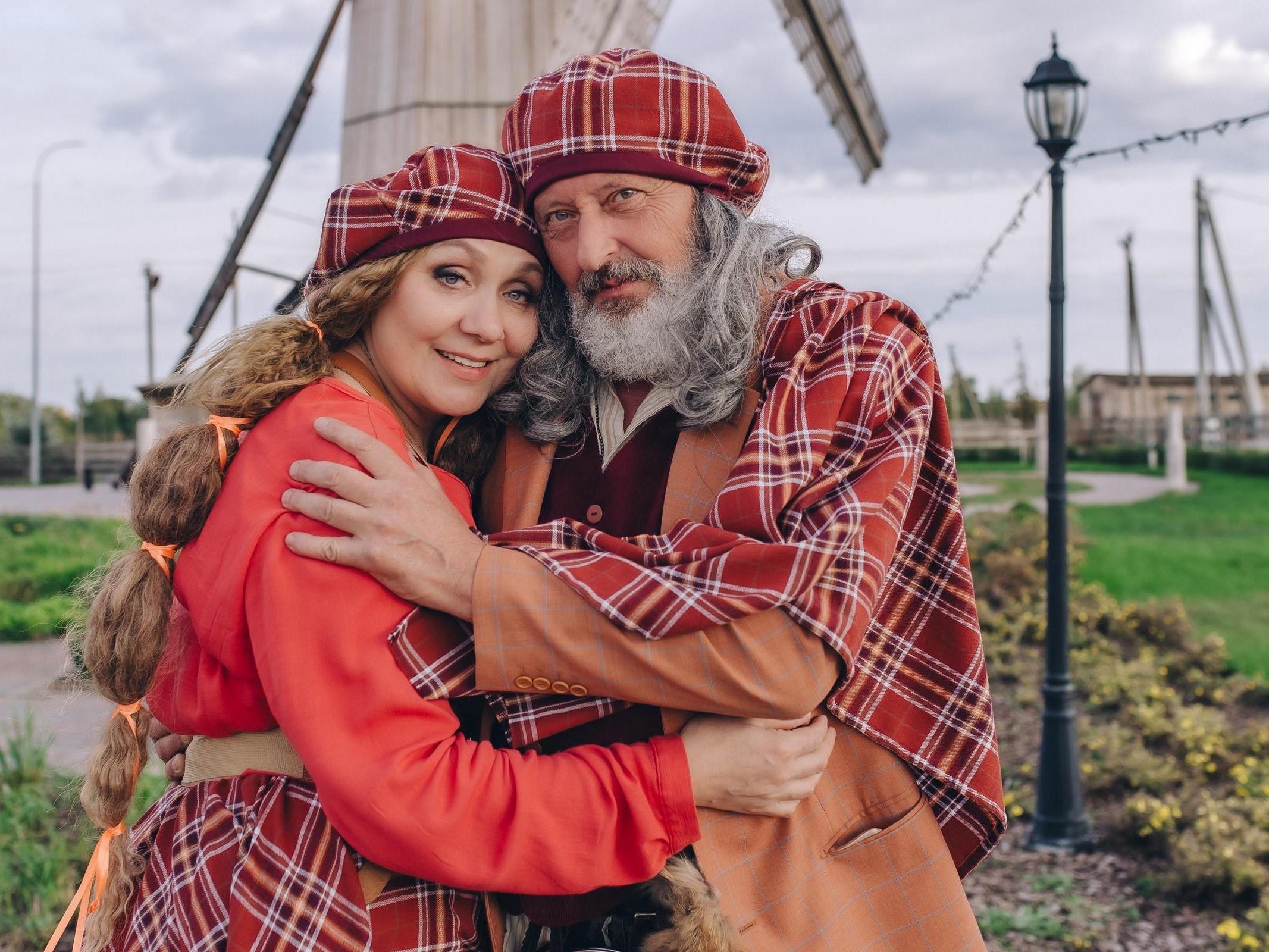
Natalya Lipunova and Alexander Ivankin have been together for 20 years
Lipunova learned of her illness — stage 4 cancer — in April 2026. The disease progressed rapidly, but the artist and all her loved ones believed in a miracle until the end and hoped that a course of chemotherapy would help. Sadly, she did not live to receive it.
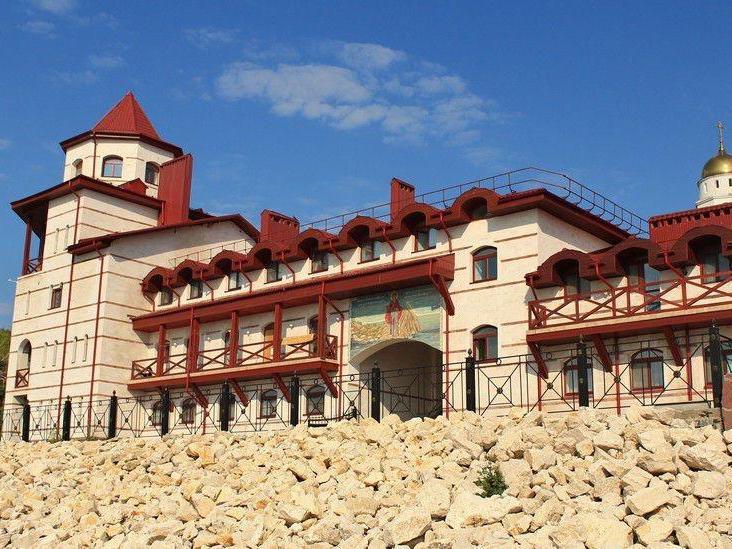
The panel was created by a couple from Tolyatti — Natalya Lipunova and Alexander Ivankin
We met with Natalya Lipunova, spoke with her and her husband, and told the story of how she created icons, how she fought the disease, and what she believed in. The deeply moving story of the Tolyatti woman is in the article by TOLYATTY.ru.
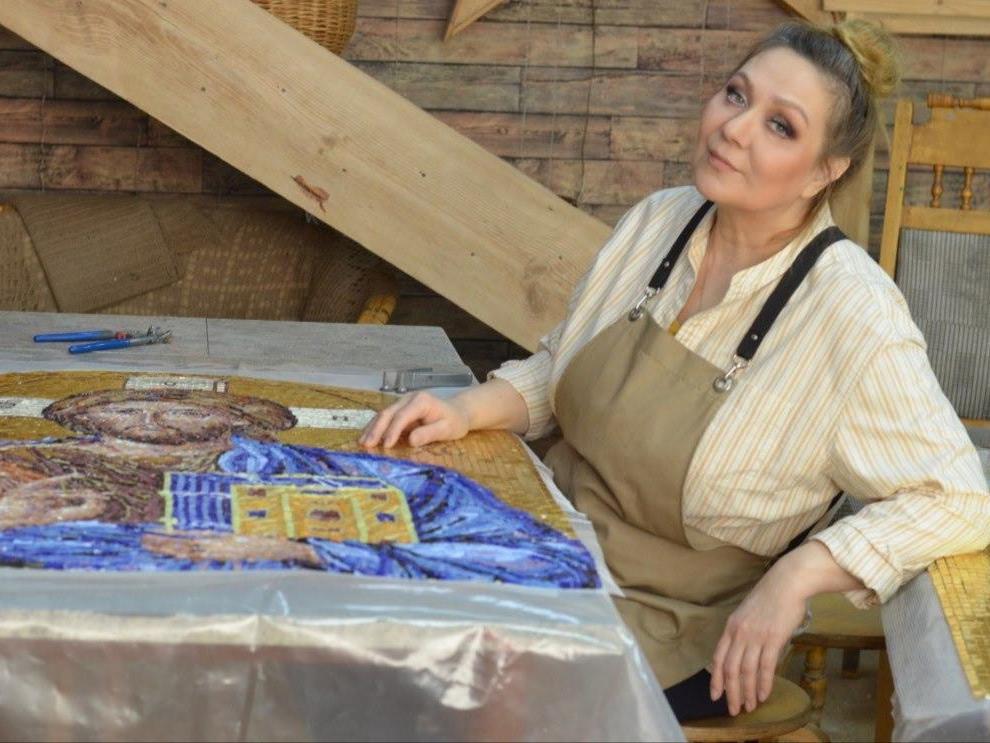
Over the past two months, Natalya has literally melted away…
“Are You Repairing God?”
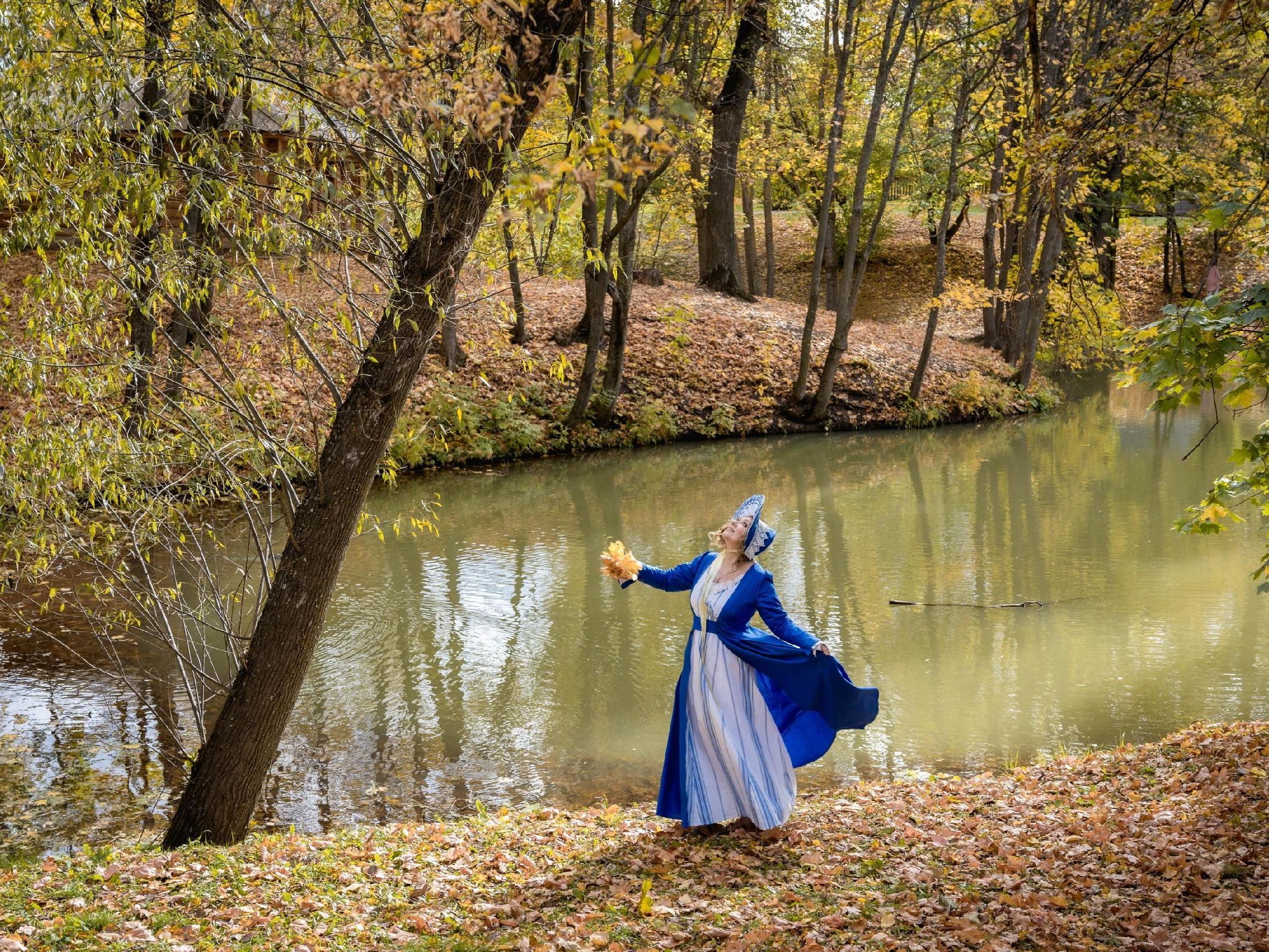
Natalya loves experimenting with images and is mentally prepared for the possibility of losing her hair after chemotherapy
We spoke with Natalya Lipunova and her husband Alexander Ivankin in their workshop. It has everything: paintings, dolls, paints, a mini carpentry shop, and even a costume room. Natalya is passionate about themed photo shoots and video filming, comes up with storylines herself, and brings them to life with friends. On the second level is an attic with a library, a daybed, and a live bird that also communicated with us throughout our meeting — whistling and singing.
One of the couple«s most recent works — a panel in the city of Volkhov, Leningrad Region
Cozy. Atmospheric. Mosaics are everywhere: finished and started works, just pieces of smalt of various shapes, colors, and sizes. For the past few years, Natalya and Alexander have been working on Orthodox mosaics — creating icons from smalt, assembling them from tesserae (as the material is called in professional language).
“These have inclusions of pure gold. No synthetic dye can replace gold. With it, the mosaic acquires a magic of movement: small ‘lenses’ catch and refract the rays, creating the effect of living space,” the artist explains.
Natalya could talk endlessly about her work — she lives by it. She graduated from Tolyatti State University, taught special-needs children, and worked as an interior designer: her portfolio includes a design project for the Love Story coffee shop and the Zdorovoe Pokolenie sports center. But icons became her true calling. As Natalya says, a mosaicist does not paint them but assembles them, and can begin work only after approval from clergy.
“Our path was blessed by Father Hermogenes — may he rest in peace. We started with a panel for the Resurrection Men«s Monastery in Portposyolok, Tolyatti. The craft is not easy; many nuances must be considered, and this comes with practice. For example, I spent a long time achieving the effect of a living face: the faces of the saints should be neither pale nor ‘fried,’ that is, too dark. To achieve this, I experimented for a long time, selected a palette, and assembled smalt of the most varied shades in a single portrait — from yellows and greens to purples,” Natalya said.
Her husband helps in the work: some stages require engineering preparation — Alexander is an engineer by training — and sometimes male strength, when a large slab of smalt needs to be split into small pieces.
“For pupils, lip lines, halo highlights, tiny pieces are sometimes needed, almost shards. This is already jewelry work: you place it, step back, look — it doesn«t fit… You take it off, start over. And so on sometimes for hours, even days on end. Very often I started the day at 6 a.m., swam in the pool, came to the workshop, and disappeared here for a day… Someone might find this activity monotonous, but I see it differently. What does Natalya do? She looks into the eyes of holy images. Can one dream of any other work?” says our heroine.
The works of Natalya and Alexander can be seen at the Volga Orthodox Institute (Volga Academy of Education and Arts), the Wedding Church of the Holy Princes Peter and Fevronia of Murom, the Church of the Kazan Icon of the Mother of God, the Church of St. Alexander Nevsky, the Holy Resurrection Men«s Monastery, the Iveron Women»s Monastery, the Holy Mother of God Kazan Men«s Monastery in Vinnovka, and the Epiphany Church in the village of Kurumoch — and that is only part of the churches in just one Samara Region.
Now orders come from various parts of the Samara Region and Russia. Recently the couple worked on a panel in a church in Volkhov, Leningrad Region, for which they made images of the Tikhvin Icon of the Mother of God and the Savior Blessing.
In some places icons are assembled from scratch; in others they are restored. In Chapayevsk, the couple restored ceramic tiles depicting biblical scenes in the Church of St. Sergius of Radonezh.* After the revolution, the church was destroyed but later recognized as a federal cultural heritage site and began to be restored.
* The Church of St. Sergius of Radonezh is the main Orthodox church in the city of Chapayevsk, Samara Region. Built in 1916–1918, it is unique for its decor and mosaics. Initially, biblical mosaic panels decorated the walls along the perimeter, but only 50% of the ceramics have survived to this day.
“Restoring icons is a very painstaking task. It is important to match the shade, texture, thickness, the ‘breath’ of the old material, the technology of the century when it was created. That is exactly where an amazing and probably symbolic incident happened to me. During work, a little girl came up to me and asked: ‘Are you repairing God?’ I smiled and answered: ‘I suppose so.’ And now I pray for one thing: that God will help repair me…” Natalya recalls.
“She Poked Toothpicks Into Her Legs to Relieve the Spasms”
The cancer diagnosis was given to the Tolyatti woman in April, shortly after a trip to the city of Volkhov in Leningrad Region. The body gave warning signals on the eve of Easter: the couple had just finished installing an icon, and before leaving for Tolyatti, Natalya decided to attend a festive service at one of the churches in St. Petersburg.
“Natalya loves Easter services very much, but for the first time in her life she could not stand through it — she felt so bad, an incredible fatigue came over her. We decided to return home. On the way, her legs began to ache terribly. The suffering was so severe that she poked toothpicks into her legs to relieve the spasms… She screamed and cried from unbearable pain,” recalls her husband Alexander.
At the time, Natalya attributed it all to fatigue: she thought she had overworked herself during the installation — she had to stand for hours or squat. But the fatigue did not pass, and our heroine went to a doctor.
“For some reason I decided it was my liver, had an ultrasound. I came out, waiting for the results. They bring me the description, I look, and the doctors avert their eyes and are silent. Then I understood everything… The ultrasound showed metastases in the liver. They began searching for the primary site. I was scheduled for an FGDS and a colonoscopy. The tumor — 10 centimeters — was in the intestine. The final diagnosis — intestinal cancer, stage 4… For some reason the cancer was found there, even though everything had always worked like clockwork…” says Natalya.
By the couple«s admission, in the first days they were in a stupor and complete confusion, their hands dropped, and dozens of questions arose in their heads one after another. Who to run to? Where to go? Moscow? St. Petersburg? Obninsk? Should they do chemotherapy first or surgery? Where is it better? Where is salvation?
But soon they met Sergey Simatov, head of the oncology department at Medgorodok (Tolyatti City Clinical Hospital No. 5), who proposed a concrete plan and helped the couple find emotional balance.
“Sergey Anatolyevich honestly said: yes, it is all complicated, but we need to try, to make an effort, to fight. The first step was removal of the tumor, the second — chemotherapy. We agreed. The operation was scheduled for May 21, when the Feast of the Ascension was celebrated; for me such a coincidence was important. The operation was successful, but then pneumonia began, saturation was poor, and I spent a week in intensive care. When I was transferred to a regular ward, when I got up and sat down on my own, that was already a holiday — it means the plan is working!” says Natalya.
Next up was chemotherapy. Alexander and Natalya agreed to call it simply ‘therapy’ between themselves, reasoning that the word carries less fear — more hope. As they say, because therapy is not a war but a path. And they walk it together.
“Sasha said: let«s call it therapy. Therapy is help. It is easier for me to live with that thought. I am really looking forward to the treatment, because I believe that when it starts, strength and movement will appear — spending so much time lying down is almost impossible for me. Yes, I am mentally prepared for the consequences of ‘chemo.’ If my hair falls out — I will wear headscarves and kerchiefs; I know how to tie them beautifully. My motto: ‘Natalya loves when things are beautiful,’” our heroine told us.
But the Tolyatti woman still has to get to therapy. Her body keeps setting new conditions: low hemoglobin, pneumonia after intensive care, thrombosis — her legs became very swollen, hot, and hard.
“The doctor said: until we deal with the thrombosis, therapy cannot begin — there is a high risk that the clot will break off. So now we treat one thing, then another, then everything at once — raising hemoglobin, getting rid of thrombosis, supporting the liver. We need to ‘assemble’ me so that I can definitely withstand the next stage,” Natalya shares.
All the family«s savings went to the medications the artist must take every day. According to the couple, medications alone cost 8,000–10,000 rubles ($100–$125) per day, and funds are also needed for doctor visits — many accept only on a paid basis. Tests are a mandatory expense. In Natalya»s case, they need to be updated constantly, before each doctor«s visit. And the couple turned to people for help.
“Earlier it seemed to me that asking for help was a weakness. Now I understand: sometimes a request is a way to keep going. I need help to get to therapy. To the pool. To the workshop. And I also dream of attending my son«s graduation — Zakhar finished 11th grade this year and is preparing to apply. My son worries a lot, sometimes locks himself in the bathroom and cries, thinking we can»t hear him. Once he told me: ‘Mom, let you be bald, as long as you«re healthy!’
She adds that she is grateful to everyone who writes, prays, transfers money, sends doctors« contacts, and simply stays by her side.
“Sometimes tears come to my eyes from every message. Not because I«ve become sentimental, but because at some point you understand: you are not alone. And I also have a lot of creative plans. I write them down in a notebook. And the first item, as soon as I get back on my feet, is to make a mosaic icon and gift it to a church. To St. Nektarios of Aegina, the patron saint of all cancer patients. It will be beautiful. I promise.”
You can help Natalya Lipunova«s family by transferring money to her son Zakhar Ivankin»s card: 2202 2023 2336 6132 (Zakhar Aleksandrovich I.).