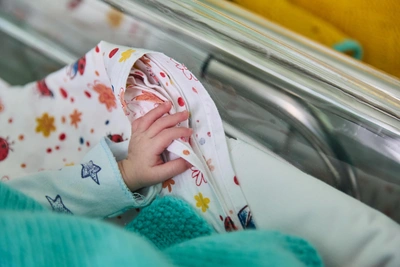
Three Yekaterinburg Hospitals Missed Advanced Cancer in Patient
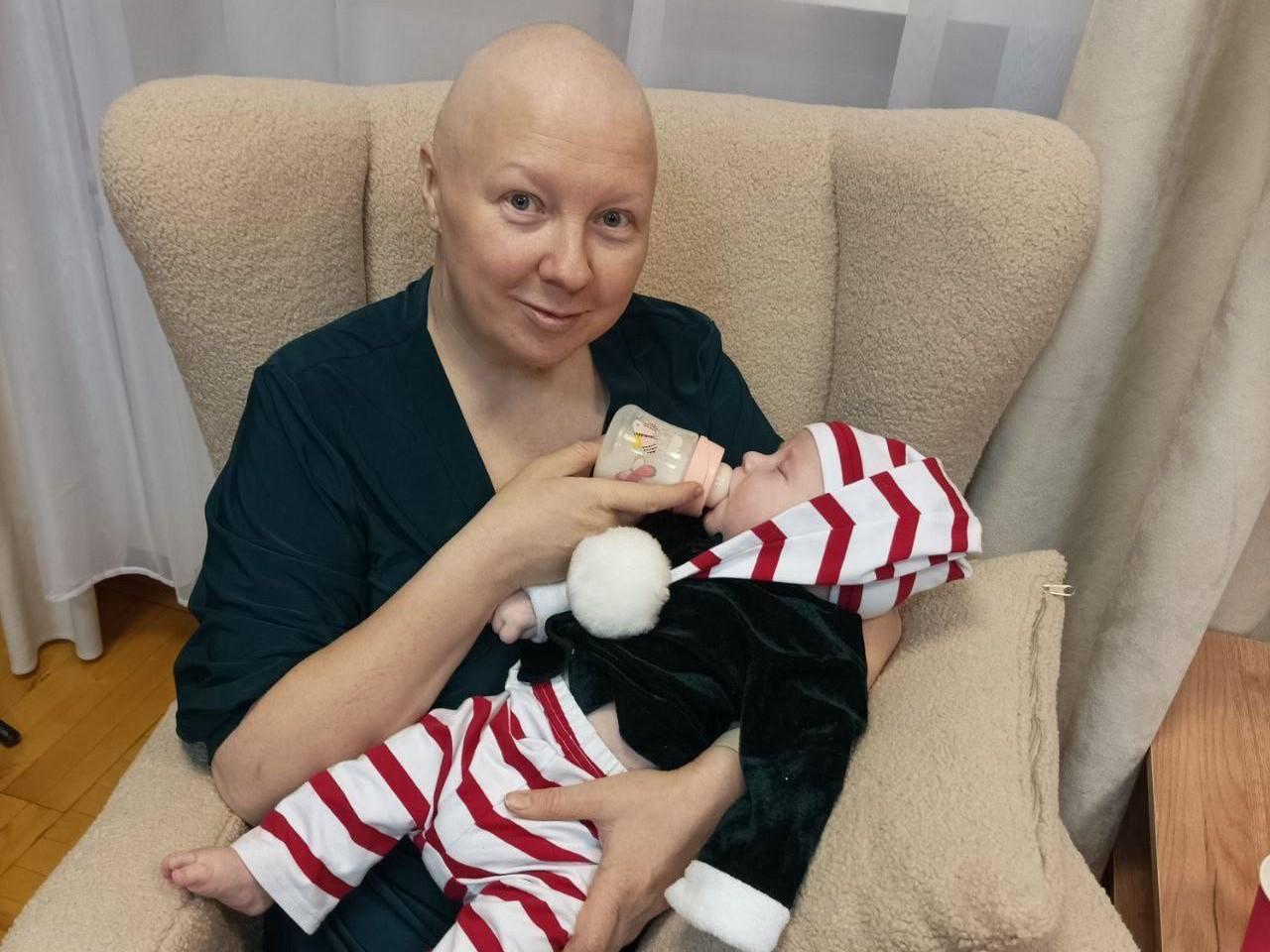

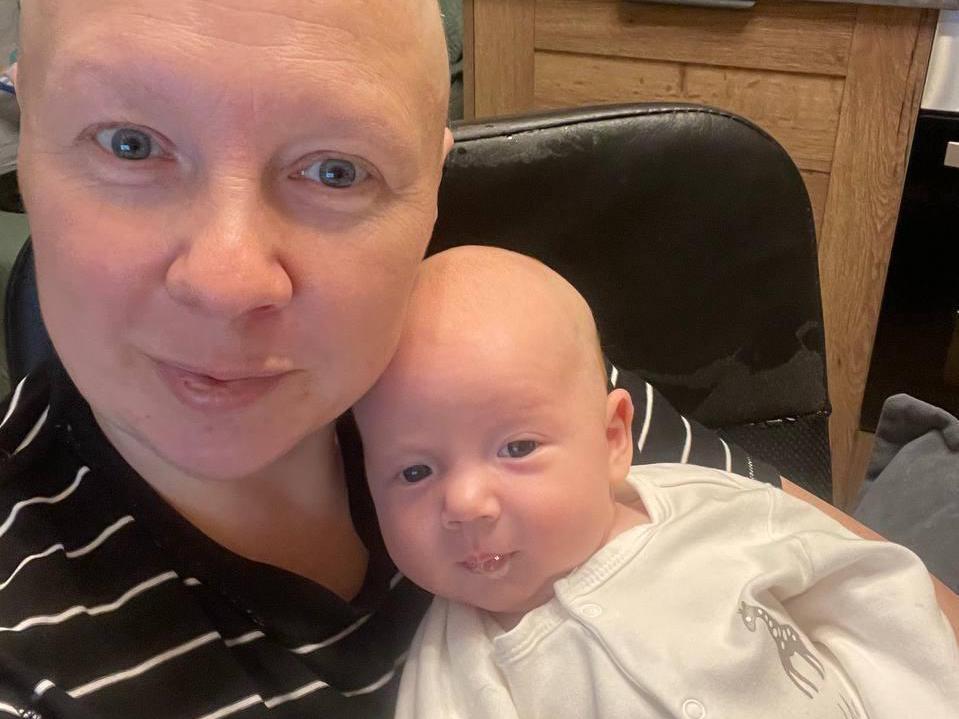
Despite all the hardships, Tatyana gave birth to a healthy son
“They removed almost five kilograms of organs. My ovaries were completely ravaged by the tumor, cancer had practically ‘eaten’ my spleen, and there was a large metastasis in my liver the size of a fist,” recalls Tatyana Firstova.
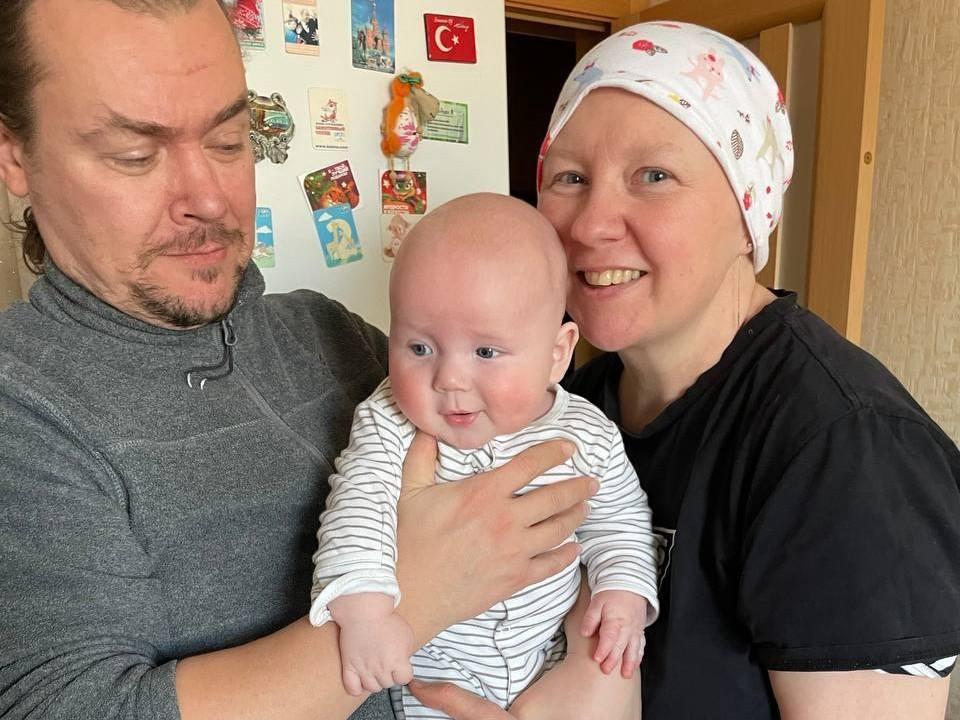
The pregnancy was difficult, partly due to diabetes and constant pain that no pills could relieve
A Yekaterinburg resident and her husband dreamed of having a child. Long attempts to conceive led the couple to IVF. For this, doctors examined Tatyana literally from every angle, but missed stage 4 cancer. Three hospitals in Yekaterinburg ignored an advanced oncological process. The truth came to light during childbirth — when obstetricians delivered the baby, they saw extensive organ damage.
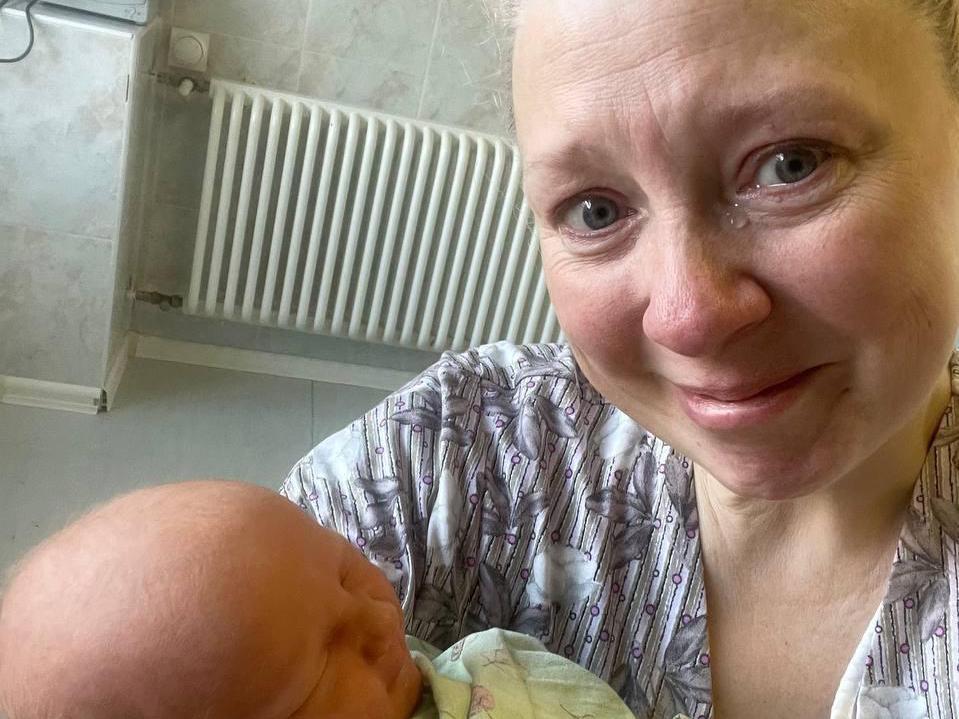
Tatyana took this photo after she was told about the serious diagnosis
The patient had her spleen, uterus, adnexa, greater omentum, and part of her liver removed, and her long-awaited motherhood turned into a living hell due to constant chemotherapy. We explain how this happened and what Tatyana now wants from the doctors.
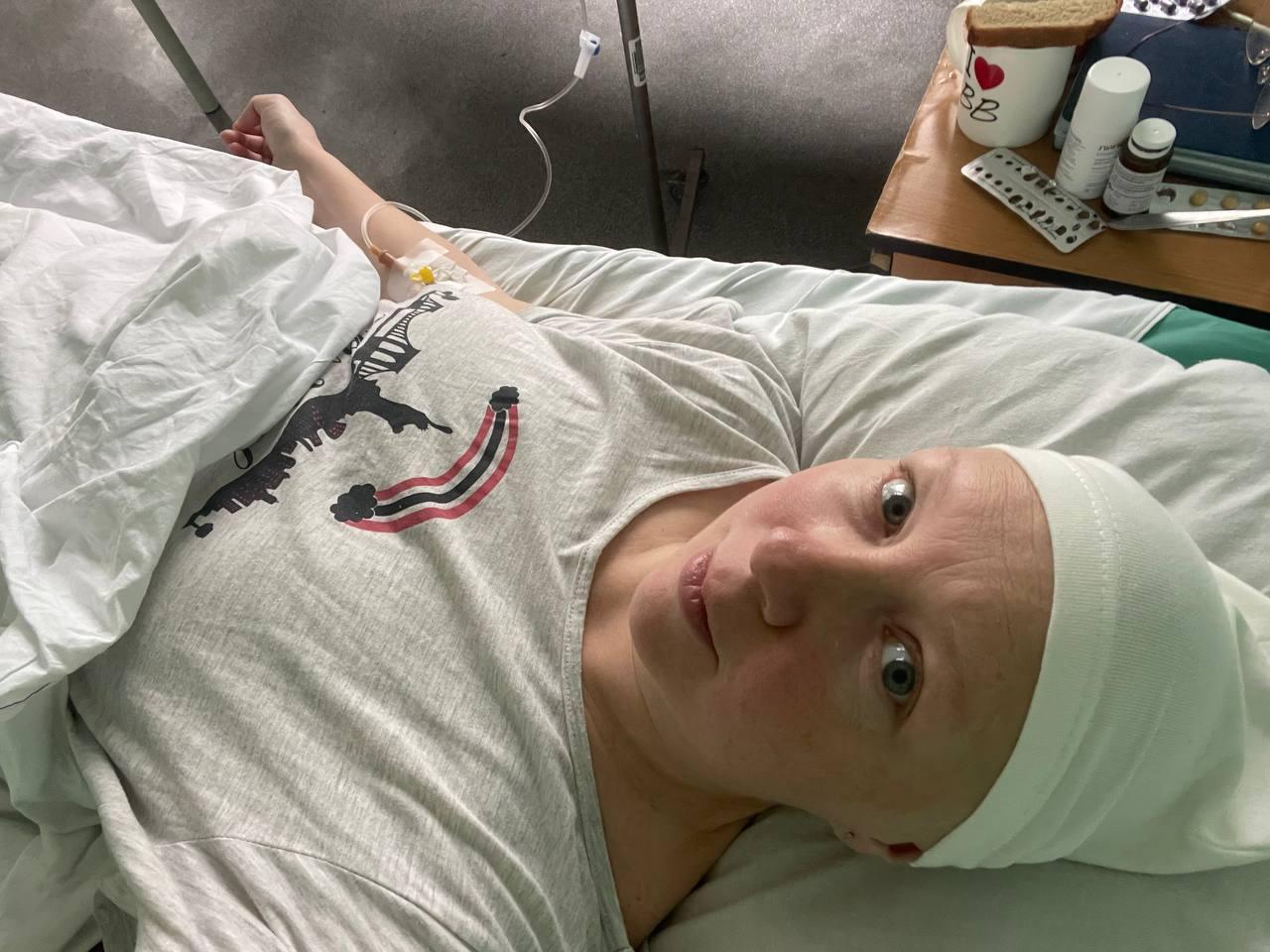
Tatyana«s medical record did not include a diagnosis code that would have shown her family history — the information that her mother had cancer
Far from a simple pregnancy
The formations could have been removed before Tatyana became pregnant — if only the doctors had recognized the cancer in time
Tatyana met her future husband Pavel when she was 40 and he was 38. They tried to have a child for over a year, but without success.
Reproductive specialists kept relying on old ultrasound and mammography results — no one sent the patient for additional examinations, while the tumor continued to grow
In 2020, the couple began preparing for IVF — they went to the gym together, improved their diet, waited for a quota, and underwent examinations with specialists.
When all the documents were ready, Tatyana and Pavel went to the Clinic of Reproductive Medicine (KIRM). The Yekaterinburg resident immediately told the doctors that her mother had been diagnosed with breast cancer at age 63.
In vitro fertilization (IVF) is an assisted reproductive technology used in cases of infertility. To help a woman conceive, an egg is extracted from her body and fertilized in artificial conditions. The embryo develops for several days, after which it is transferred into the uterine cavity.
She managed to conceive on the fourth attempt — in January 2024, Tatyana received blood test results showing the hormone hCG (an early marker of pregnancy). At that time, she was 44 years old.
The expectant mother needed to register at the women«s consultation clinic at her place of residence under Central City Clinical Hospital No. 1. The first few screenings were conducted there, and then Tatyana was transferred to the Yekaterinburg Clinical Perinatal Center (EKPTs) on Antona Valeka Street.
From the first weeks of pregnancy, it turned out that Tatyana had diabetes: she began losing consciousness, up to ten times a day. For this, the pregnant woman independently went to the endocrinology department of Hospital No. 40.
Then, in addition to loss of consciousness, pain appeared in the right hypochondrium, in the liver area, and discomfort in the lower abdomen.
“I couldn«t eat, drink, or walk — it was very painful. I couldn»t take a deep breath, I barely slept,” Tatyana says. “They told me it was intercostal neuralgia and that it would pass with time. I had been going to the gym for two years to have a good muscle corset, taking vitamins so that the pregnancy would go well and there would be no neuralgia.”
“Tatyana Valeryevna, you have stage 4 cancer”
Carrying the child was difficult, but the due date approached — the preliminary date of birth was set for October 3. Tatyana was supposed to be admitted to the maternity hospital on September 26 to be prepared for a cesarean section.
On September 14, the couple got married, and at half past eleven at night Tatyana«s water broke. The couple urgently went to the maternity hospital. There, an emergency cesarean section was scheduled.
“When they cut open my abdomen and pulled out the child, I heard strange conversations: ‘Look at how many fibroids there are behind the placenta, where did they come from? The whole uterus is covered in white growths. Where did such a huge cyst on the ovary come from?’” recalls the Yekaterinburg resident. “My husband was present at the birth, he also looked at this, holding the child in his arms.”
Fibroids are benign tumors that grow from the muscle tissue of the uterus. The formation is usually visible on ultrasound.
A cyst is a cavity in tissues or organs that has a dense wall and is filled with liquid, semi-liquid, or mushy contents. Initially, these are benign formations that can become malignant over time.
For another hour after the operation itself, doctors removed formations in the uterus; they were sent for histology. A day later, the test results came back.
“The head of the maternity hospital and the operating doctor came to my room. They said: ‘Tatyana Valeryevna, you have stage 4 ovarian cancer.’ From the moment I was told the diagnosis, I cried every day,” admits the Yekaterinburg resident. “I didn«t know what to do.”
Tatyana was found to have peritoneal carcinomatosis — the spread of malignant tumor cells across serous membranes.
The race for survival began
Five days after giving birth, Tatyana was sent from the maternity hospital to the oncology center. She was to undergo the first four courses of chemotherapy.
The procedures made the Yekaterinburg resident feel terrible — in such a state, it is extremely difficult to care for herself and her child. Every 21 days she came to the oncology center for chemotherapy.
During the three-week breaks between courses, she needed to restore her blood counts — platelets, leukocytes, iron — take blood-thinning pills, and get injections. Expenses for medications were enormous, not counting utility bills and purchases for the baby.
“The first week you lie there and die,” says Tatyana. “There is no immunity; any infection can set in at any moment. Exactly two weeks later, my hair fell out, and my arms and legs lost sensation.”
On December 2, Tatyana was given first-degree disability status, and on December 15, the cancer-affected organs were to be removed. The operation was postponed by ten days, and just before the New Year, her spleen, uterus, adnexa, greater omentum, and part of her liver were removed. Four surgeons worked without breaks for six hours.
“They removed almost five kilograms of organs. My ovaries were completely ravaged by the tumor, cancer had practically ‘eaten’ my spleen, and there was a very large metastasis in my liver, the size of a fist — nine centimeters,” recalls Tatyana. “This is considering that the tumors responded to treatment and shrank by two and a half times — that is truly a good response, otherwise they wouldn«t have taken me into surgery so quickly.”
Life turned into a living hell. The mother could not even pick up her own son — she was forbidden from lifting heavy objects due to the healing surgical seam running from her chest down to the lower abdomen.
Tatyana entered surgical menopause, a very difficult condition for a woman with hormone-dependent cancer. Because she cannot take hormone replacement therapy, she suffers from sweating, cannot sleep, and gets hot flashes. After childbirth and so many courses of chemotherapy, chronic depression developed.
“I remember after giving birth I texted the midwife that I had given birth to a boy and that I had cancer,” continues our heroine. “She replied: ‘Congratulations and my sympathies.’ No one invited me for additional appointments, the doctor did not contact me. After the operation, I felt so hurt: they removed my uterus, even though I had planned a second child. I cried for seven months and suffered from terrible pain throughout my pregnancy.”
Tatyana«s son is doing well — what happened has not affected his health in any way. The boy is now one year and ten months old.
Tatyana herself has undergone eight courses of chemotherapy — four before surgery and four after. The disease has stopped, but it is too early to speak of remission. Every three months the patient undergoes all necessary examinations: tumor marker tests, CT scans, and ultrasounds.
After recovering, Tatyana turned to lawyers — on July 14, 2025, they filed a civil lawsuit for moral damages against the Yekaterinburg Perinatal Center, and on October 14 they added Central City Clinical Hospital No. 1 as a co-defendant. The amount of compensation was left to the court«s discretion.
Thanks to help from friends, Tatyana managed to raise the necessary sum for a forensic medical examination — 200,000 rubles ($2,100) — in just two hours. During the examination, the proceedings were suspended, and on July 28 of this year, it became known what conclusions the experts had reached. And this information is horrifying.
Everything could have been foreseen before IVF
The forensic medical examination found numerous defects in the medical care provided to Tatyana Firstova.
Even at the stage of pregnancy planning in 2022, an ultrasound revealed an 11-millimeter formation in the area of the right adnexa. It was assessed as a paraovarian cyst.
A paraovarian cyst is a benign thin-walled fluid-filled formation that develops from embryonic tissues in the area between the ovary and the fallopian tube.
In July of that same year, while collecting documents for IVF, Tatyana underwent a mammogram, and no pathologies were found. In reality, the examination results indicated the presence of focal formations in the left breast — in effect, the patient was given an incorrect diagnosis.
The radiologist noted the need for another examination in six months, but the mammologist at an appointment on March 1, 2023, ignored this recommendation and did not order a new mammogram.
Given that Tatyana«s mother had cancer, she should have been sent for tumor marker tests, had an MRI of the pelvic organs with contrast, and at minimum been warned about possible risks and offered a test for BRCA gene mutations.
The BRCA1 and BRCA2 genes are supposed to counteract the development of cancerous tumors; in the body, they are responsible for a kind of DNA ‘repair.’ Mutation of these genes multiplies the risk of developing breast cancer, ovarian cancer, and other oncological diseases.
All risks were also not assessed at the next stage — in December 2023, Tatyana had an ultrasound of the mammary glands, and a conclusion was issued: “cysts in both mammary glands, a fibrous-adenomatous nodule on the right.” A repeat mammogram was again not ordered, and the next ultrasound was told to be done after IVF.
Alarming symptoms could also have been detected during pregnancy management. At the first city hospital, Tatyana had an ultrasound at 13 weeks — the tumor in the right pelvis had grown 2.5 times, and three new formations appeared on the left, but the doctors did not write anything in the conclusion or diagnosis. The tumor had grown from 11 to 27 millimeters and became multifocal — one of the first clear signs of a malignant process.
Later, ultrasounds were also done at the perinatal center, at 19 and 32 weeks of pregnancy; they contain the entry “adnexal area without abnormalities,” although it is obvious that the tumor was there and continued to grow.
“These protocols raise doubts about their reliability and objectivity,” noted the forensic experts.
In April 2024, after complaints, Tatyana was examined by a mammologist. He ignored the data from previous ultrasounds and mammograms (which, as a reminder, revealed cysts) — and diagnosed “mastodynia” (pain and discomfort in the mammary glands), prescribing a gel with nimesulide, which is contraindicated throughout pregnancy.
What is the outcome?
Despite all these gross violations, the experts could not establish a direct causal link between the defects in Tatyana«s diagnosis and treatment and the onset of disability, because stage 4 cancer is in itself a severe disease.
On the ultrasound performed back in 2022, Tatyana was found to have a cystic formation of the ovary — a paraovarian cyst 11 millimeters in size, but it was not removed and was not further examined.
The tumor remained in a latent form for a long time, masquerading as a microcyst. Experts believe that under the influence of a trigger (possibly hormonal stimulation during IVF and changes in hormonal background during pregnancy played a role), the formation became malignant and produced extensive metastases throughout the abdominal cavity. After all, this type of cancer is characterized precisely by an explosive type of progression.
Over two years, the tumor went from a local focus to generalized carcinomatosis.
However, the expert commission noted: if doctors had established the correct diagnosis even before entering the IVF program, when the malignant cyst was only 11 millimeters in size, severe consequences and generalization of the oncological process could have been avoided.
If even one of the doctors had insisted on examining the small cyst instead of letting everything take its course, the patient would hardly have had to have so many organs removed.
“In court, we encountered powerful opposition from representatives of the clinics, who claimed that the cancer developed in a month and could not have been foreseen. They emphasized that we do not have a medical education,” Valeria Mirfasolova, an attorney at the Uma Palata bar association defending the patient«s interests, told E1.RU. “However, the experts identified defects in three medical institutions at once — at the stage of preparation for IVF and at the stage of pregnancy management.”
On August 3, the lawyer together with her client added a third hospital as a co-defendant in the civil case — KIRM, where Tatyana underwent the IVF procedure.
One of the clinics offered help
The Clinic of Reproductive Medicine commented on Tatyana«s story. They clarified that the patient was observed at KIRM in January 2024 under the compulsory medical insurance policy and referral from the attending physician of the inter-municipal infertility office of the City Family Planning Center.
For the IVF procedure, the patient underwent examination under the compulsory medical insurance system. This examination is conducted at women«s consultation clinics and special offices for infertility treatment — more simply put, at the EKPTs. The referral for IVF is sent to the clinic via secure email only after all examination results are checked by a special commission of the Ministry of Health of Sverdlovsk Oblast.
Next, the gynecologist or reproductive specialist decides whether IVF can be performed. In complex cases, the decision is made by a commission of the Sverdlovsk Ministry of Health. After receiving the referral, care must be provided no later than two weeks, and in complex cases, no later than one month.
The work of the obstetrician-gynecologist and reproductive specialist begins from the moment the assisted reproductive technology protocol starts. The procedures themselves are carried out in accordance with 2021 recommendations for the treatment of female infertility.
“The administration of KIRM expresses sincere sympathy to our patient in connection with her illness,” Igor Portnov, general director of the ‘Clinical Institute of Reproductive Medicine’ and a candidate of medical sciences, told E1.RU. “Despite the fact that the conducted examination did not prove KIRM«s guilt (since the expert conclusion does not specify defects at the stage of the IVF protocol), our organization is ready, by agreement with the patient, to provide the additional medical care she needs on a charitable basis.”
The E1.RU editorial team also sent official inquiries to the Yekaterinburg Perinatal Center, Central City Clinical Hospital No. 1, and the Ministry of Health of Sverdlovsk Oblast. As soon as we receive responses, we will publish them.
Updated: In response to an official inquiry from the E1.RU editorial team, the Ministry of Health of Sverdlovsk Oblast stated that according to Article 13 of Federal Law No. 323-FZ of November 21, 2011, ‘On the Fundamentals of Health Protection of Citizens in the Russian Federation,’ all information related to the provision of medical care, the state of a citizen«s health and diagnosis, and other information obtained during medical examination and treatment, including medication provision, constitutes medical confidentiality.
“The ministry has no legal grounds to discuss such information with third parties,” the Ministry of Health commented.
Central City Clinical Hospital No. 1 gave a similar response.
Also read the story of a two-year-old girl from Yekaterinburg who is battling aggressive brain cancer. Her parents took the little girl to Israel in the hope of finding treatment for the malignant tumor.