Tarragon: Health Benefits and Risks
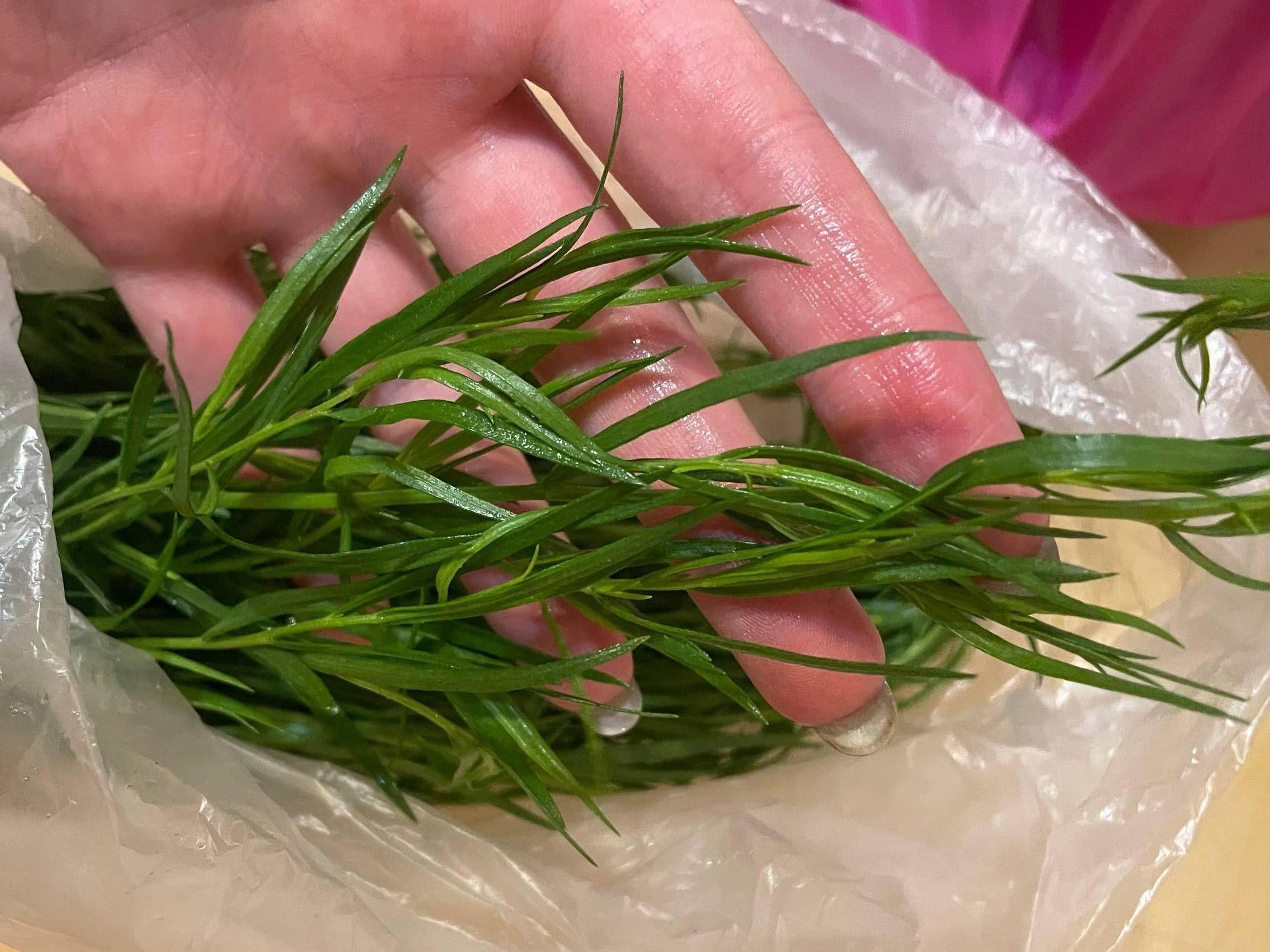

How tarragon can strengthen health and who it endangers
Tarragon (also known as estragon) is a aromatic plant used in cooking and folk medicine. It contains many beneficial substances that positively affect health. However, tarragon consumption also has limitations — nutritionist and dietitian Anna Ivanova explained who should be cautious with the green spice and how to safely incorporate tarragon into the diet.
The Healing Power of Estragon
Translated from Latin, tarragon means «little dragon» (artemisia dracunculus). This perennial plant from the wormwood genus, unlike its bitter relatives, has a pleasant, mildly spicy taste. The leaves and young stems, cut during the flowering period, are used for food.
«The secret of tarragon»s beneficial properties lies in its rich chemical composition. The plant contains essential oils, whose main component is methylchavicol. The oils have anti-inflammatory and antibacterial effects. Tarragon contains many vitamins — A, C, K, B, as well as minerals — potassium, calcium, magnesium, iron, and manganese, plus flavonoids, natural antioxidants, coumarins, and alkaloids,« lists nutritionist Anna Ivanova.
Moreover, the caloric content of fresh tarragon greens is extremely low — only 25 kilocalories per 100 grams, making it an excellent choice for dietary nutrition. Thanks to this composition, tarragon exhibits general strengthening, soothing, anti-inflammatory, and antiseptic effects.
Health Benefits
According to nutritionist Anna Ivanova, with proper consumption, tarragon can become a valuable aid for the body. The plant improves digestion by enhancing the production of gastric juice and stimulating appetite.
«Therefore, tarragon is especially useful for people with low acidity and reduced appetite. It also has a beneficial effect on the intestines, helping with flatulence, spasms, and reducing the risk of malabsorption (impaired nutrient absorption),» the expert explains.
Estragon has a mild calming effect, helps reduce anxiety, and improves sleep quality. Due to its high potassium content, tarragon helps normalize blood pressure and reduces the risk of cardiovascular diseases.
The high amount of vitamin C and antioxidants makes tarragon an effective means of supporting the immune system and fighting inflammatory processes. Research also confirms its antifungal effect.
«Tarragon can also help normalize the function of endocrine glands and alleviate pain during menstruation,» adds the nutritionist.
Harm and Contraindications
However, as Anna Ivanova emphasizes, tarragon is not a harmless additive. In some cases, it is better to avoid it.
«Estragon can increase uterine tone, which poses a risk during pregnancy. Additionally, it stimulates the production of gastric juice, which can exacerbate inflammation and pain, strictly prohibited in cases of gastritis and ulcers. People with epilepsy, hypotension, and kidney disease should be cautious,» warns Anna Ivanova.
The dietitian reminds about individual intolerance to the component: like any plant, tarragon can cause allergic reactions.
«Even healthy people should not overuse tarragon. The daily norm of dried herb is no more than 5 grams, and it is not recommended to consume it daily,» the expert says.
Recently, NGS reported on the beneficial (and harmful) properties of arugula — the whole truth about the spicy green.