Pediatrician: How to protect yourself and your child from rotavirus

The doctor shared tips on avoiding rotavirus infection.
Your stomach is twisting in knots, and nausea keeps you from sleeping... These agonizing symptoms often point to a rotavirus infection — something you wouldn«t wish on your worst enemy. A correspondent from 76.RU spoke with Yaroslavl pediatrician Yelena Yegorova and learned how to protect yourself and your child from catching this nasty virus.

Symptoms that indicate a rotavirus infection.
Children are the main carriers

Foods to avoid during a rotavirus infection.
According to the doctor, children most often bring the infection home from kindergarten. Those entering a group for the first time are especially vulnerable, as the child experiences significant stress and needs time to adapt. This weakens the immune system, making the body susceptible to viruses and bacteria.

The doctor explained how to prevent rotavirus infection.
— The main cause of illness in kindergarten is close contact within the group. Children interact with each other and exchange viruses, — the pediatrician explained.
As the expert notes, every child will eventually have to get sick and introduce their body to viruses. Kindergarten helps build collective immunity that stays with us for life.
Signs of rotavirus infection
Rotavirus symptoms are hard to confuse with anything else. The pediatrician listed the following markers that indicate an intestinal infection:
abdominal pain, bloating, or rumbling;
diarrhea;
nausea;
vomiting;
elevated body temperature (fever);
weakness and lethargy;
loss of appetite.
The doctor emphasizes that self-medication is not advisable. If you notice any of these symptoms in yourself or your child, you should go to the hospital.
How to support treatment
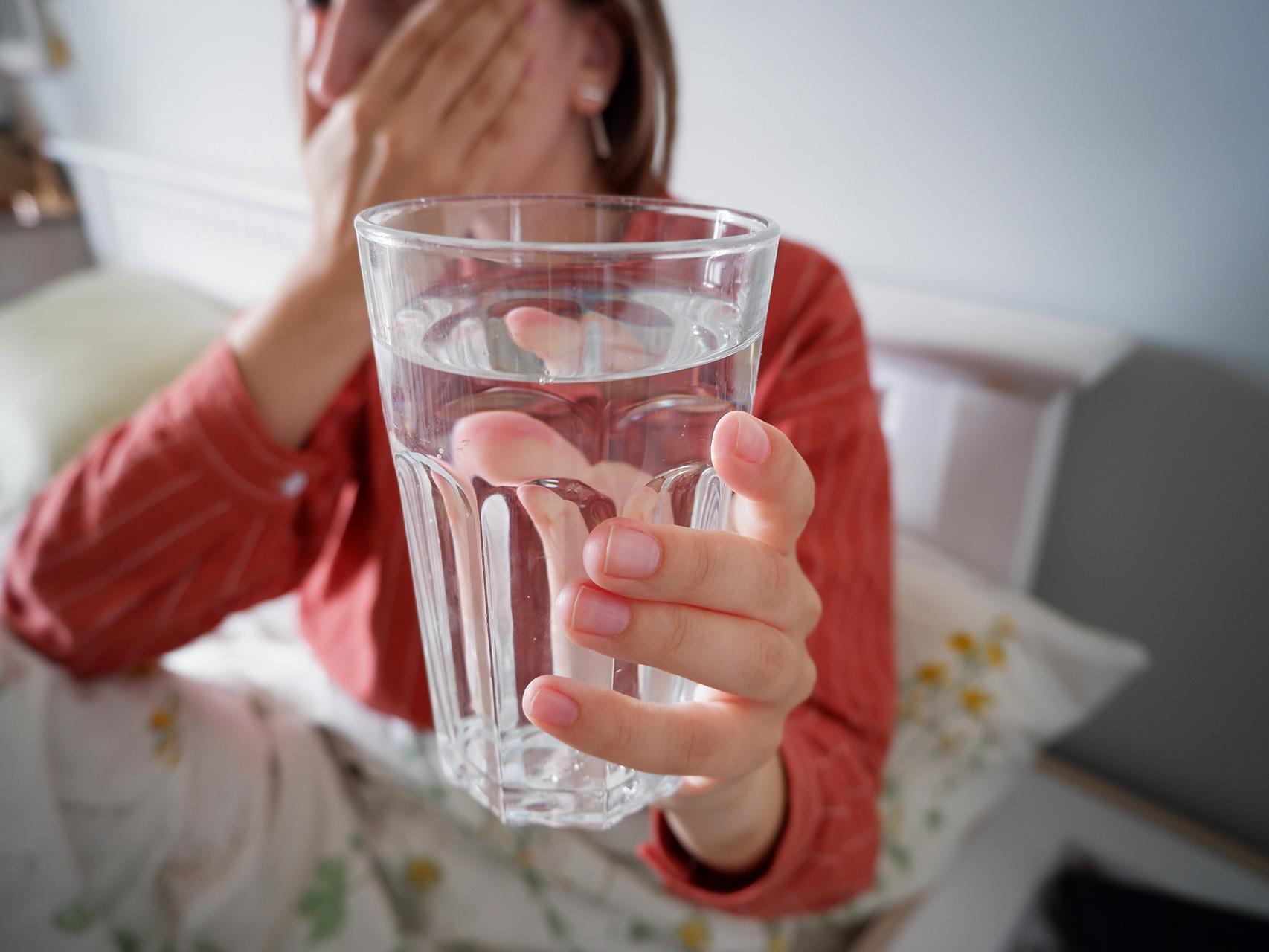
According to the pediatrician, you should give fluids in small, frequent amounts, as large sips can trigger vomiting.
— If a child absolutely refuses to drink, you can offer berry drinks, compotes, or juices. The key is that they drink and don«t develop dehydration. You have to insist, otherwise you»ll end up in the infectious disease ward with an IV, — the expert explained.
The second component of treatment is bed rest. The body needs rest and sleep. If a fever occurs, take an antipyretic.
— For children, you can give paracetamol, ibuprofen-based products, or ibuclen for fever. No other antipyretics are allowed, — the doctor noted.
What foods to avoid
Additionally, during illness it«s important to follow a specific diet. As the pediatrician states, food should be mechanically and chemically gentle. For the time being, remove from the diet:
spicy foods;
sour foods;
very salty foods;
smoked foods;
fried foods;
high-fiber foods (fresh vegetables and fruits);
whole milk.
— On the first day of illness, the child will naturally not want to eat as usual; they«ll feel bad. However, parents should still reduce the portion size by about 15–20%. The food should be easy to digest and varied in taste — you shouldn»t put the child only on buckwheat, so to speak. Baked meat, broths, and various grains are fine, — the doctor said.
After symptoms ease, the doctor advises sticking to the diet for at least another week. This protects the intestines from sudden changes. You need to transition to regular food gradually.
Rotavirus vaccine
You can catch a rotavirus infection through contact with an infected person — and it doesn«t have to be direct. Infection often occurs through dirty hands, water, food, or any household object on which the virus has settled.
As the doctor explains, there is a vaccine against rotavirus that is given in infancy (usually between 6 and 8 months of age). It is administered orally, meaning as drops in the mouth.
— The vaccine is not mandatory. Parents often neglect it, but they shouldn«t. For example, it»s very difficult to get a small child to drink enough fluids. The vaccine protects against complications and severe manifestations of intestinal infection, even saving a child from the infectious disease hospital, — explained pediatrician Yelena Yegorova.
Earlier, we asked a pediatrician about methods that should never be used to treat acute respiratory viral infections in children. Additionally, a Yaroslavl therapist told a 76.RU correspondent about the effectiveness of folk remedies. It turns out that some can actually improve the condition.