Novosibirsk Nutritionist Explains Ivan-Chai Benefits
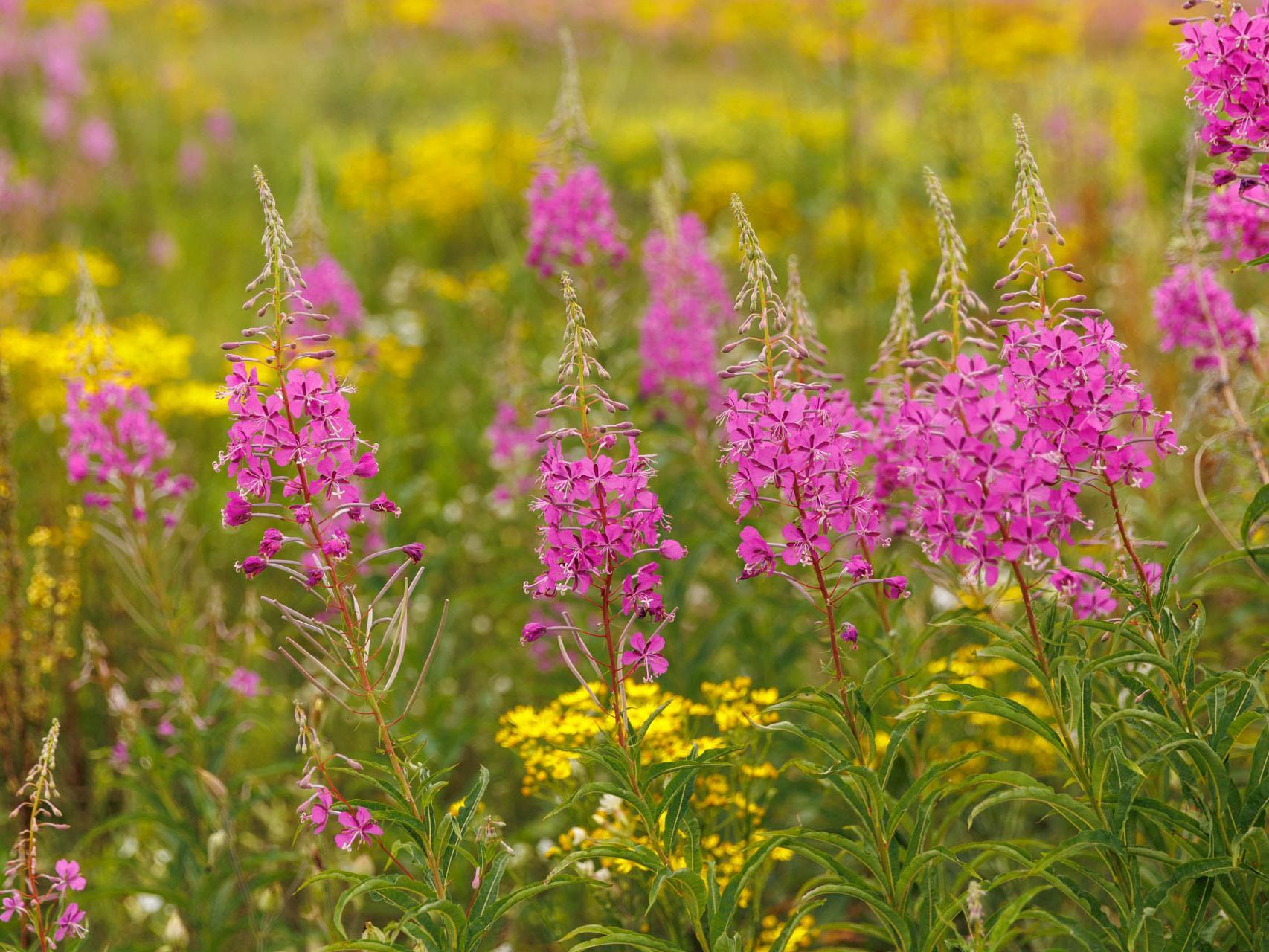

We explain how to properly brew and drink ivan-chai
Ivan-chai, or narrow-leaved fireweed, is a drink that was consumed in Russia long before black tea appeared. Unlike the tea and coffee we are used to, ivan-chai contains no caffeine, does not overload the nervous system and does not interfere with sleep. But is the herbal infusion really as safe and beneficial as it is said to be? Nutritionist Marina Vasilchenko helped sort this out and explained who will benefit from ivan-chai and who it could harm. The expert explained how to properly brew the leaves and how much tea to drink to get the maximum effect without risking your health.
What fireweed is rich in
Ivan-chai (botanical name — narrow-leaved fireweed) is a perennial plant found throughout Russia, especially in the Urals and Altai. It is also called Koporye tea — after the village of Koporye near St. Petersburg, where its production was established in the 18th century and it was exported to Europe and even China.
“In vitamin C content, ivan-chai surpasses lemons by 5–7 times. One hundred grams of fresh leaves contain about 200–400 mg of ascorbic acid — comparable to blackcurrant or rosehip,” says nutritionist Marina Vasilchenko.
In addition, its composition includes: vitamin A, B-group vitamins, and vitamin C; minerals: iron, potassium, calcium, magnesium, manganese, copper, zinc, and boron; flavonoids and antioxidants — quercetin, kaempferol, and catechins, which strengthen blood vessels and protect cells from premature aging; tannins and mucilaginous substances with anti-inflammatory and coating effects. The drink’s calorie content is minimal, so it can be included in any diet.
Benefits for the body
Ivan-chai is beneficial for strengthening the immune system due to its high content of vitamin C and antioxidants. Its leaves normalize the gastrointestinal tract: ivan-chai gently coats the stomach lining and helps with gastritis, ulcers and other gastrointestinal diseases.
“The tea has a calming effect, helping to cope with stress, anxiety and insomnia while improving sleep quality. Fireweed infusions are used in the treatment of infections and inflammations, for gargling with tonsillitis and stomatitis. Thanks to the absence of caffeine and the presence of potassium and magnesium, ivan-chai is beneficial for maintaining the cardiovascular system; the drink is an excellent replacement for habitual tea and coffee,” the nutritionist lists.
The other side of the coin
For all its benefits, ivan-chai is not a panacea. Like any plant, it has contraindications. Besides individual intolerance, caution is advised for children under 5–6 years old due to its strong effect on the gastrointestinal tract, as well as for pregnant and breastfeeding women.
“With long-term and uncontrolled use, gastrointestinal problems are possible, up to diarrhea. Observe moderation,” the nutritionist warns.
How to brew ivan-chai properly
To let the drink reveal all its beneficial properties and please with its taste, it is important to follow the brewing technique. For a rich infusion: 2–4 teaspoons of dry tea leaves per 500 ml of water. For a light drink: 0.5 teaspoon per 200 ml of water. Pour hot water (not boiling) over it and let steep for 10–15 minutes.
“To make the drink even healthier, add honey instead of sugar. For relaxation, you can add thyme, lemon balm or mint to the infusion; for alertness — rosehip. Ivan-chai can be brewed repeatedly: 2–3 times, it retains its taste, aroma and benefits,” Marina Vasilchenko suggests.
A safe consumption rate for ivan-chai is up to 3–5 cups per day. The nutritionist urges people not to ignore the individual characteristics of the body and, in case of any questionable reactions, recommends consulting a doctor.
“Choose reliable producers, preferably local ones. Pay attention to the degree of fermentation: fermented ivan-chai has a richer taste and aroma, while unfermented is more grassy. Store dry tea in a dark, dry place in an airtight container — glass jars, paper or metallized bags,” the nutritionist advises.
“Little dragon” in the kitchen: what tarragon is good for and who it can harm — answers a Novosibirsk nutritionist.