Expert: Turkey Dinner Helps Relax and Sleep
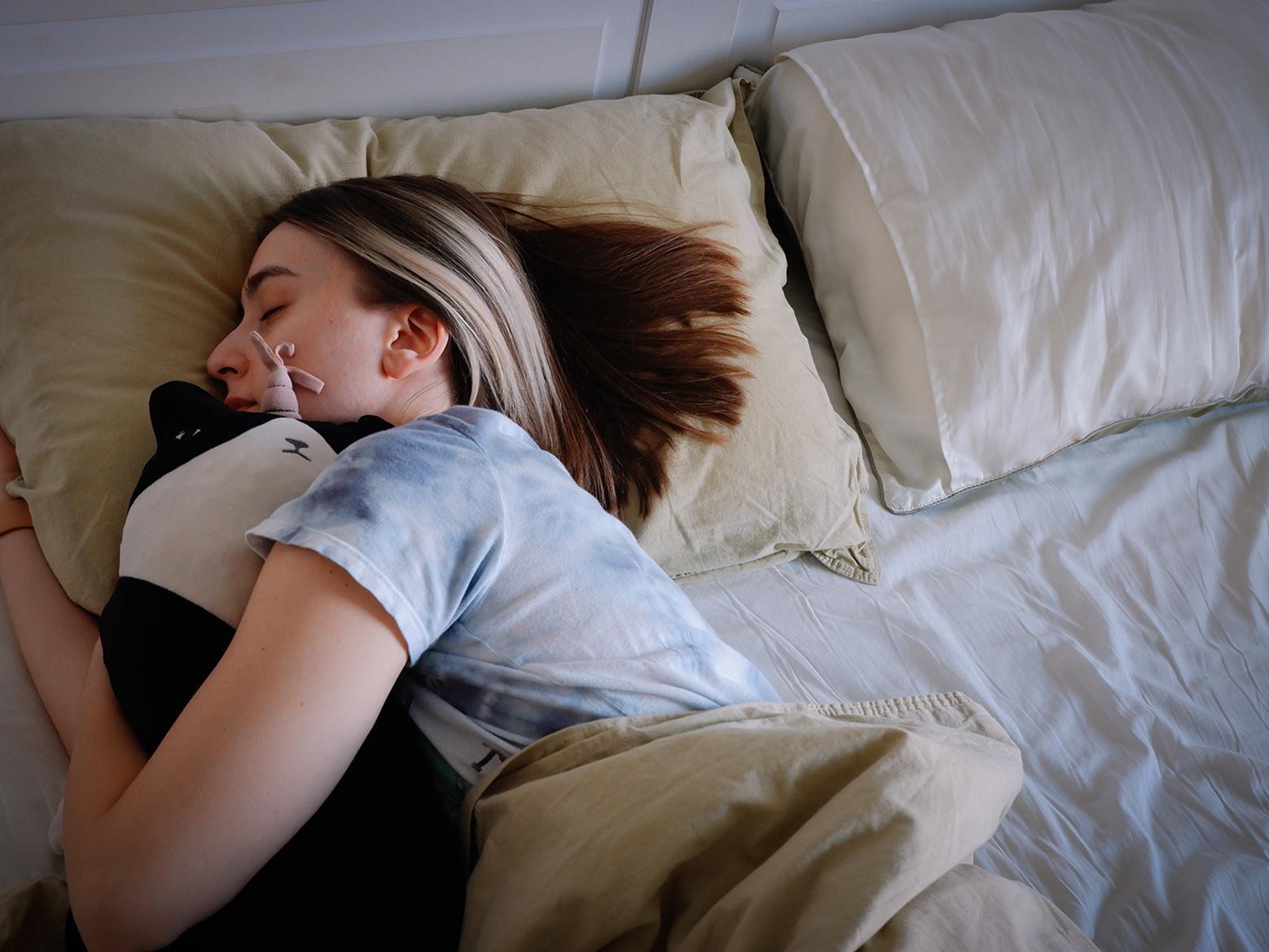

This product is recommended for evening meals for people who have difficulty falling asleep, increased anxiety, and disrupted rest routines. We are talking about turkey meat. It is specifically associated with relaxation. How tryptophan works and when is the best time to eat this product, Yelena Zhelyanina, a dietitian, active longevity expert, and nutritionist, told «Doctor Peter».
Why Turkey Is Recommended for Dinner
Turkey contains the amino acid tryptophan — a building block for the synthesis of serotonin. It affects emotional state, level of calm, and overall stability of the nervous system. Subsequently, serotonin participates in the formation of melatonin, a hormone that regulates circadian rhythms and signals the body that night has fallen.
That is why tryptophan-rich foods are often associated with feelings of relaxation and drowsiness. But turkey is not the only factor affecting serotonin — a balanced combination of proteins and carbohydrates is important, as this allows tryptophan to more easily enter the brain and participate in the necessary biochemical processes.
Evening is a period of natural decline in nervous system activity. The body gradually shifts into recovery mode, and at this point biochemical processes become more sensitive to food.
Turkey is considered a light source of protein compared to fattier meats. When combined with sufficient fiber and moderate amounts of complex carbohydrates (quinoa, brown rice, amaranth, buckwheat, etc.), dinner helps stabilize blood sugar levels. This reduces the likelihood of nighttime awakenings related to glucose fluctuations.
Some dietary studies show that evening meals with turkey can contribute to a smoother transition to sleep, especially if they are not accompanied by heavy sauces or excess fat.
How to Eat Turkey in the Evening Properly
The optimal dinner time is 2–3 hours before sleep. When the digestive system is not overloaded, the body more easily transitions into deep sleep, which is necessary for recovery. It is during this period that the production of somatotropic hormone (growth hormone), important for sleep, is activated.
It is primarily secreted during deep stages of night rest and is responsible for body recovery. Somatotropic hormone participates in tissue regeneration, muscle and ligament repair, accelerates cell renewal, and helps normalize metabolism.
Myths About the Sleep Effect
There is a common belief that turkey itself causes strong drowsiness. But post-dinner sleepiness is not only related to tryptophan but also to the total amount of food. If we delve into physiology, a large portion of food causes a redistribution of blood flow to the digestive organs, which can be perceived as fatigue.
Another factor is individual sensitivity. The metabolic rate and nervous system response to amino acids can vary significantly among people.
Despite turkey indeed being a beneficial element of evening nutrition due to its tryptophan content and its role in serotonin and melatonin synthesis, its effect on sleep is not instantaneous and does not work like medication.
The best effect is achieved through a combination of a balanced dinner, proper meal timing, and a stable sleep schedule, which ultimately helps the body naturally and gently transition into a state of nighttime recovery.
By the way, you can treat a hedgehog with turkey if you happen to meet one at your dacha or in the forest — this happens often in summer. You can also offer it chicken and beef. The meat can be given raw after scalding with boiling water. Hedgehogs will also like boiled eggs, zucchini, carrots, apples, and blueberries. But milk — absolutely not. These animals are lactose intolerant. And never touch a hedgehog. These animals are often carriers of infections and viruses that can be transmitted to humans through bites or close contact. The most dangerous is rabies.