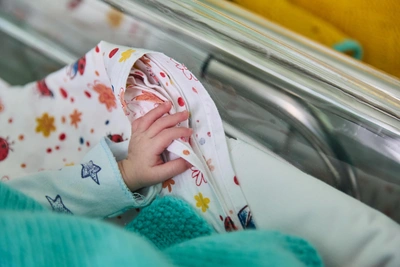
Barnaul Volunteers Brighten Days for Kids with Cancer
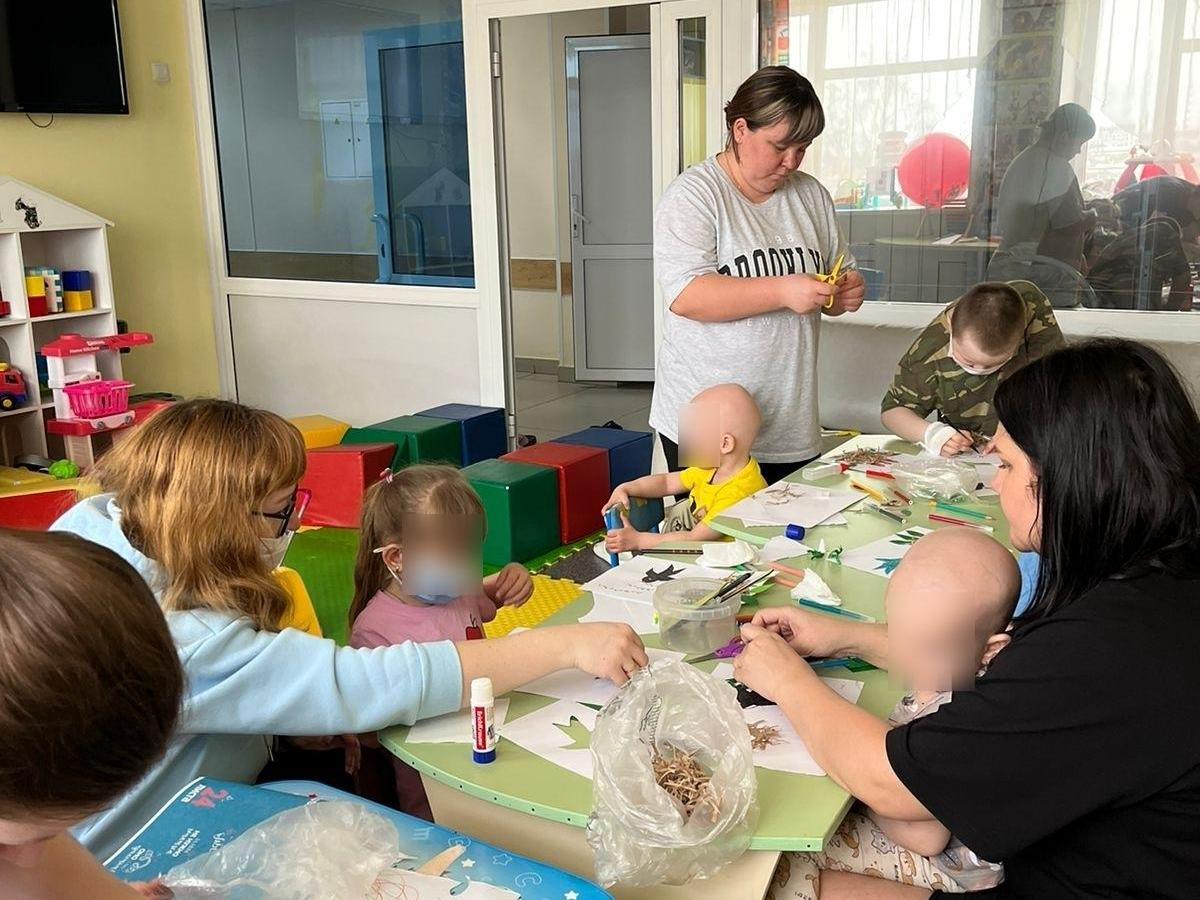

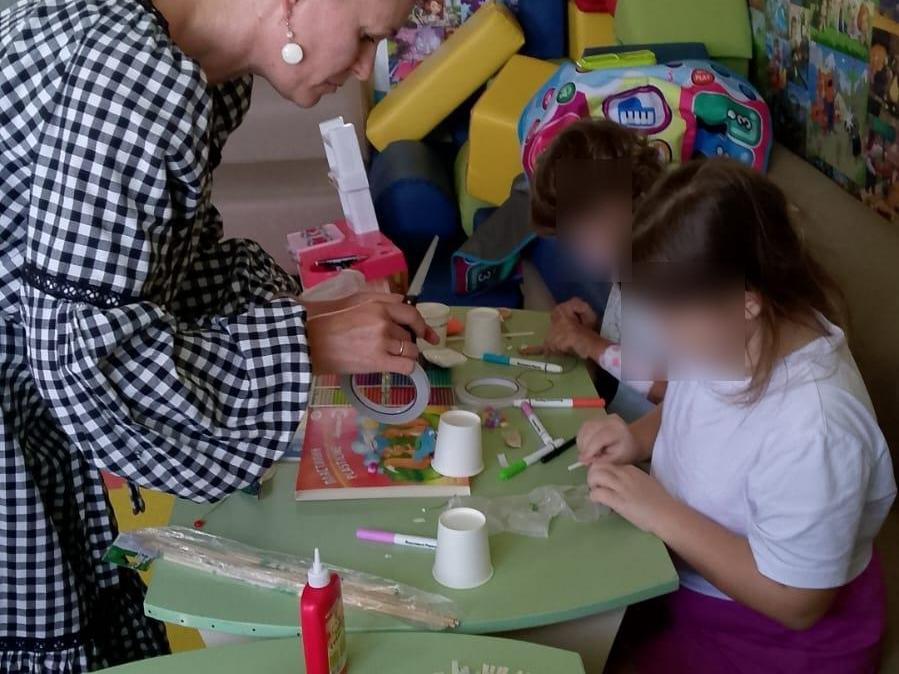
Children take part in workshops with interest
Hospital walls, IV drips and treatment stretching over months — this is what children in the oncology department of the Altai Regional Clinical Center for Maternal and Child Health in Barnaul face. While doctors fight for their health, volunteers have been trying for three years to make their hospital days a little brighter — they visit the children almost daily, hold creative workshops, talk, play, and help them briefly forget about their illness. Dzhamilya Prokhorova, the head of the volunteer group, told NGS22.RU how it was founded.
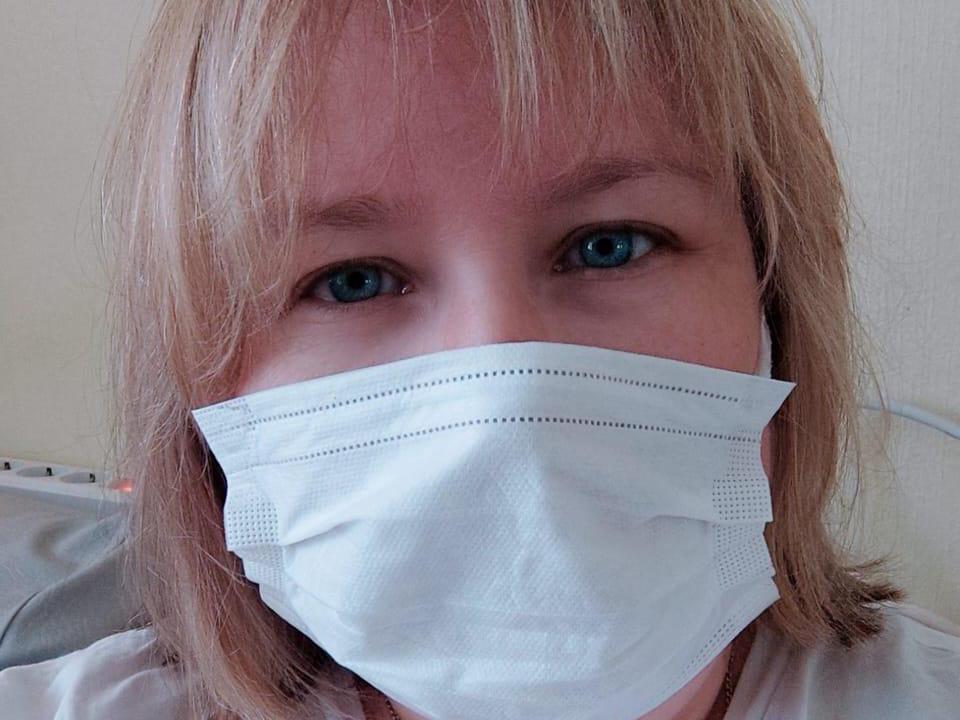
“There was no doubt — I simply had to go and help”
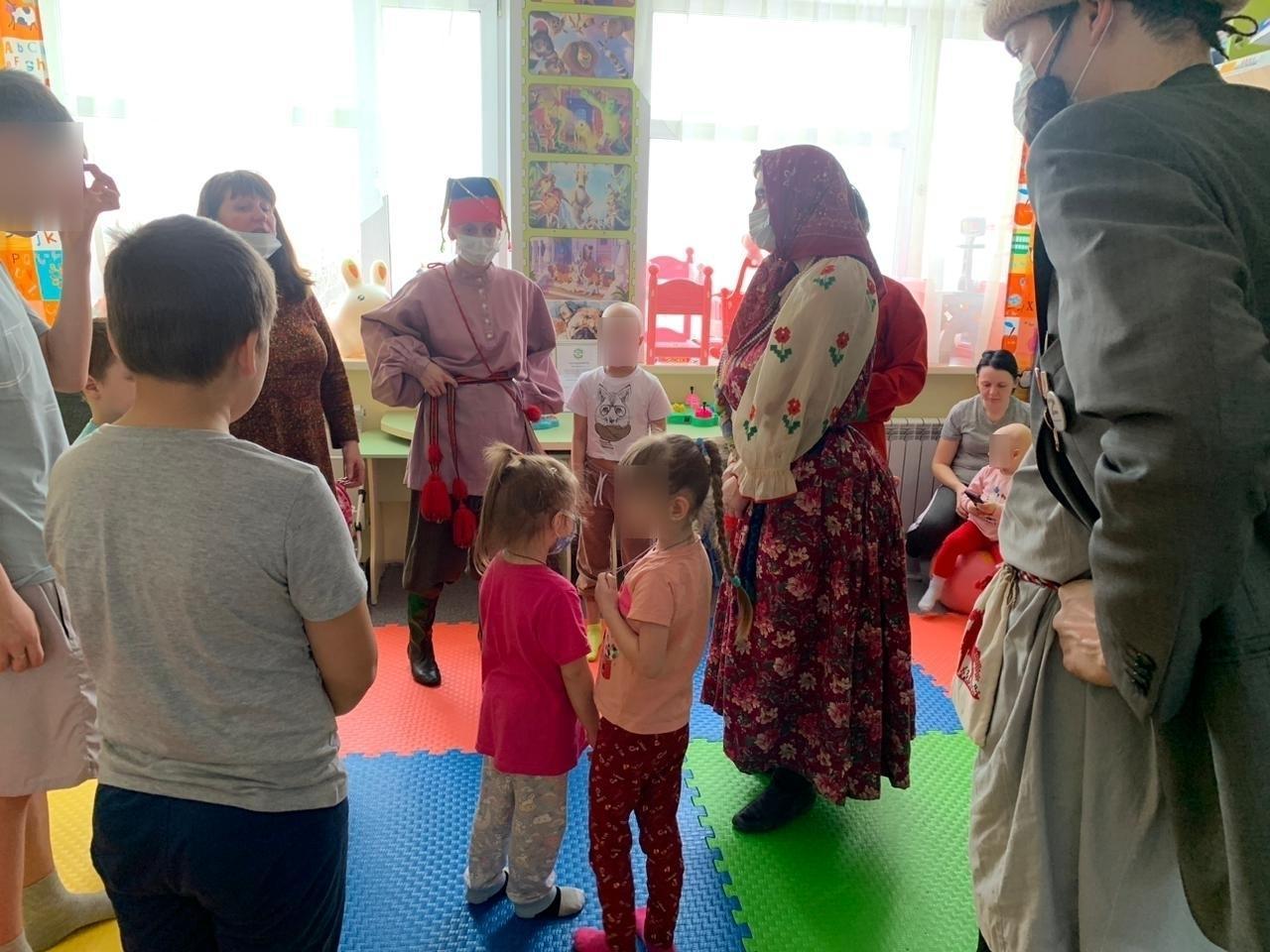
Volunteers sometimes organize costume greetings for the children, and on 1 June they created a full festive mood for them
Dzhamilya Prokhorova is the wife of a clergyman and a mother of four. She had always wanted to help others and do social work, but it was after the birth of her first child, around 2009, that she first learned about hospital volunteers and clowns who visit children during treatment to brighten their often unhappy days. That was when she realized she would like to do something similar in the future.
Just a few years later, while leading a parish choir at one of Barnaul’s churches, Dzhamilya suggested that its members and friends visit and help children — perform kind songs and play with them. A little later, the circle of volunteers began to grow, but this time under the nonprofit organization Tvorim Dobro Vmeste (Creating Good Together), whose director, Alexandra Yakubovskaya, invited Dzhamilya to create a similar movement in a more official format.
— We joined forces. At the time I started running social media on Orthodox themes, got into blogging and invited all my acquaintances and anyone willing to take part in this good cause. Everything worked out well, so there was no doubt — I simply had to go and help, Dzhamilya recalls.
Thus, over more than three years, the mother managed to gather about 50 people eager to brighten the days of children with cancer.
“A window into a normal life”
Staying in hospital is always stressful. It is especially hard for those undergoing long treatment and who sometimes cannot even go outside.
— Some young patients spend so much time in the ward that they literally miss their childhood — the usual active games, walks and a sea of communication are completely inaccessible to them, so volunteer workshops become a real chance for the children to switch at least briefly from treatment to something familiar and pleasant.
— A child’s stressful state can be very easily relieved through play and creativity. If we are talking about more serious treatment, such as cancer, children of course stay for long periods, they need attention, and such activities simply become a window into a normal life for them, she explains.
During meetings, volunteers try in every way to pull the children away from their sad routine and talk about topics unrelated to the hospital, so they often gently ask about home, family, pets and relatives to remind them that all of this awaits them when they are discharged.
— Even a short creative session can give children strength to continue treatment. During the 30–40 minutes a meeting lasts, the children manage to reset, communicate and make something with their own hands. Any such activity mobilizes them a little and gives them the resource to keep fighting for their health. We try not to drag meetings out so no one gets overworked, but if a child feels tired, they finish the work themselves and return to the ward.
At the same time, the children have become so used to volunteers coming that they often await the next session themselves and ask with interest what awaits them this time.
— The hardest group is teenagers, of course; they are not interested in simple crafts, so many don’t come to such workshops. Teenagers need more serious things. Not long ago, for example, we held a music therapy workshop for them — many got involved very actively.
“We don’t see severe forms of cancer”
Deciding to come to the oncology department is sometimes difficult for new volunteers because they worry it will be hard to see sick children and cope with their own emotions. But, as Dzhamilya notes, during sessions they encounter a very different picture from what they might have imagined.
— Children in a terribly painful, severe state don’t come to the sessions. We won’t see severe forms of cancer there. At most, we see an IV drip attached to a hand, or a bald child. In general, the children all come in ordinary, active, normal spirits. There are no horrors, nothing like that, she explains.
At the same time, the leader herself admits that before visiting the hospital she sometimes feels internal tension, but after the sessions it usually gives way to completely different emotions.
— Children don’t drain your resources; on the contrary, for some reason they give them to you. And it is very valuable to see how a child thanks the volunteers and gives them their smile, their shining eyes and their enthusiasm for what they are doing. It is so important and precious and, without a doubt, seems to fill you up from within.
According to the group’s rules, one person comes to sessions about once a month or every two months, so a close attachment to a particular child usually does not have time to form; this is done partly so that volunteers do not overload themselves emotionally. By the way, the volunteers now support not only children with cancer — they also visit a crisis center for men and a psychoneurological department.
— We have had cases when we encountered stories of children who later passed away, but I try to switch volunteers away from those emotions, because in the department they get in the way of the work. So I always say to focus on here and now, because we have a very small but incredibly significant mission. We are always struck by their love of life and cheerfulness. Despite all the difficult procedures and pain, children remain children — mischievous, active, curious and funny, and that is the main thing, she concluded.
If you would also like to become part of a good cause, you can write to our bot and we will pass on the contact details of the head of the volunteer center.