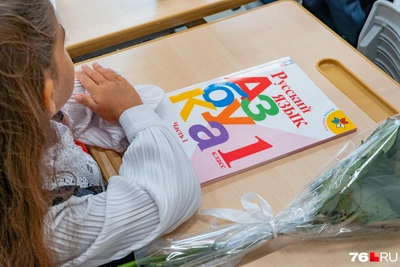
11-year-old in Azov infected with HIV in hospital


In January 2026, an 11-year-old schoolgirl from Azov was found to have stage three HIV and chronic hepatitis C. The girl had never had surgery or a blood transfusion. The only time she had ever been hospitalized was a year and a half earlier — four days in the infectious diseases ward of Azov Central City Hospital with an intestinal infection. Rospotrebnadzor conducted an epidemiological investigation and established that the infection could have occurred there. A DNA analysis of the virus confirmed its identity with the virus of a woman who was in the same ward at the time.

An epidemiological investigation is a set of measures carried out by sanitary doctors or epidemiologists to determine the causes of an infectious or parasitic disease. Its main goal is to identify the source of infection, routes of transmission, and develop measures to stop the spread of the disease.

A correspondent from 161.RU spoke with the girl«s mother and learned details of this horrifying story.
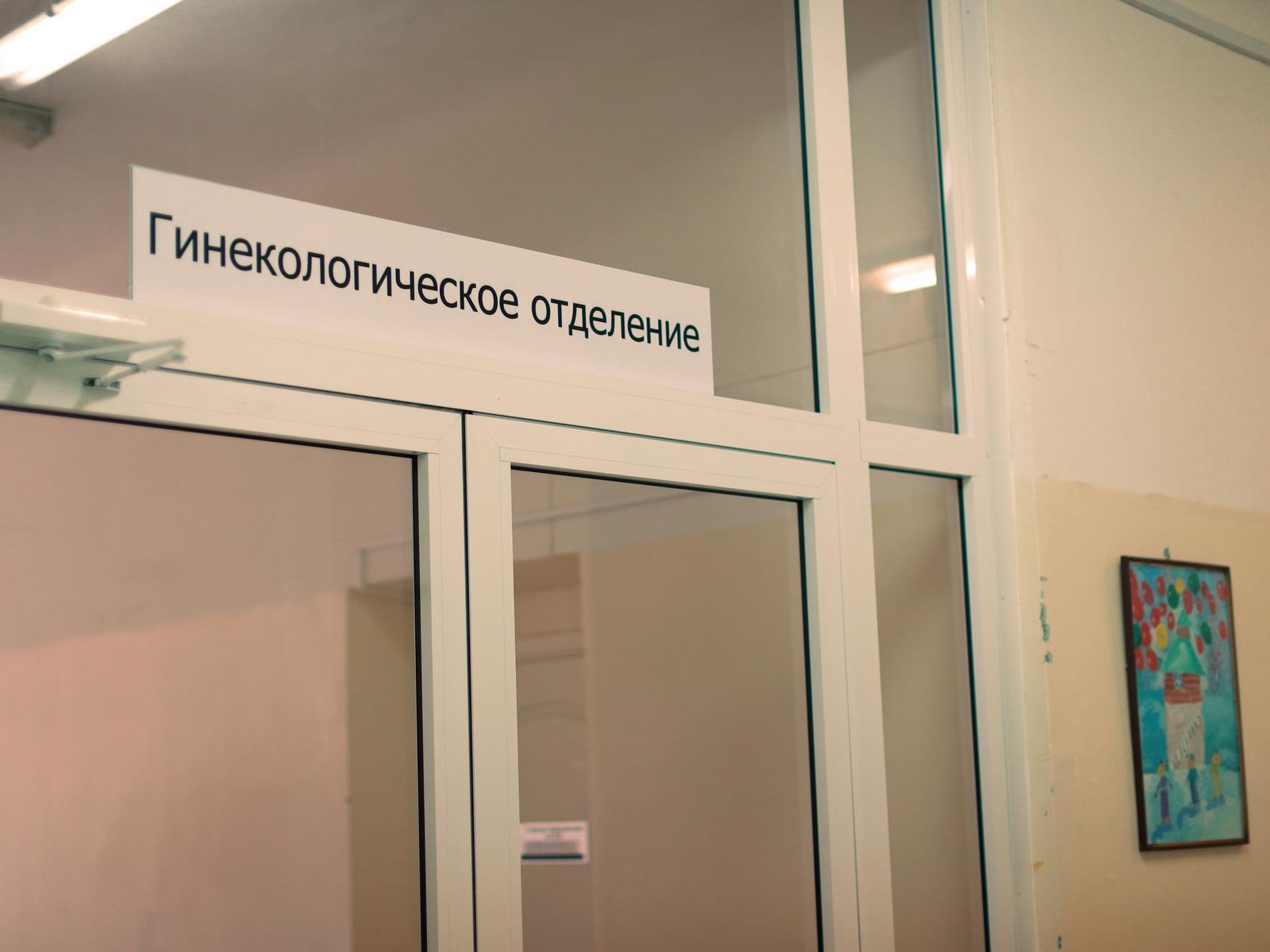
The names of the mother and child have been changed for ethical reasons. All documents, including the Rospotrebnadzor epidemiological investigation report, are at the disposal of the editorial office.
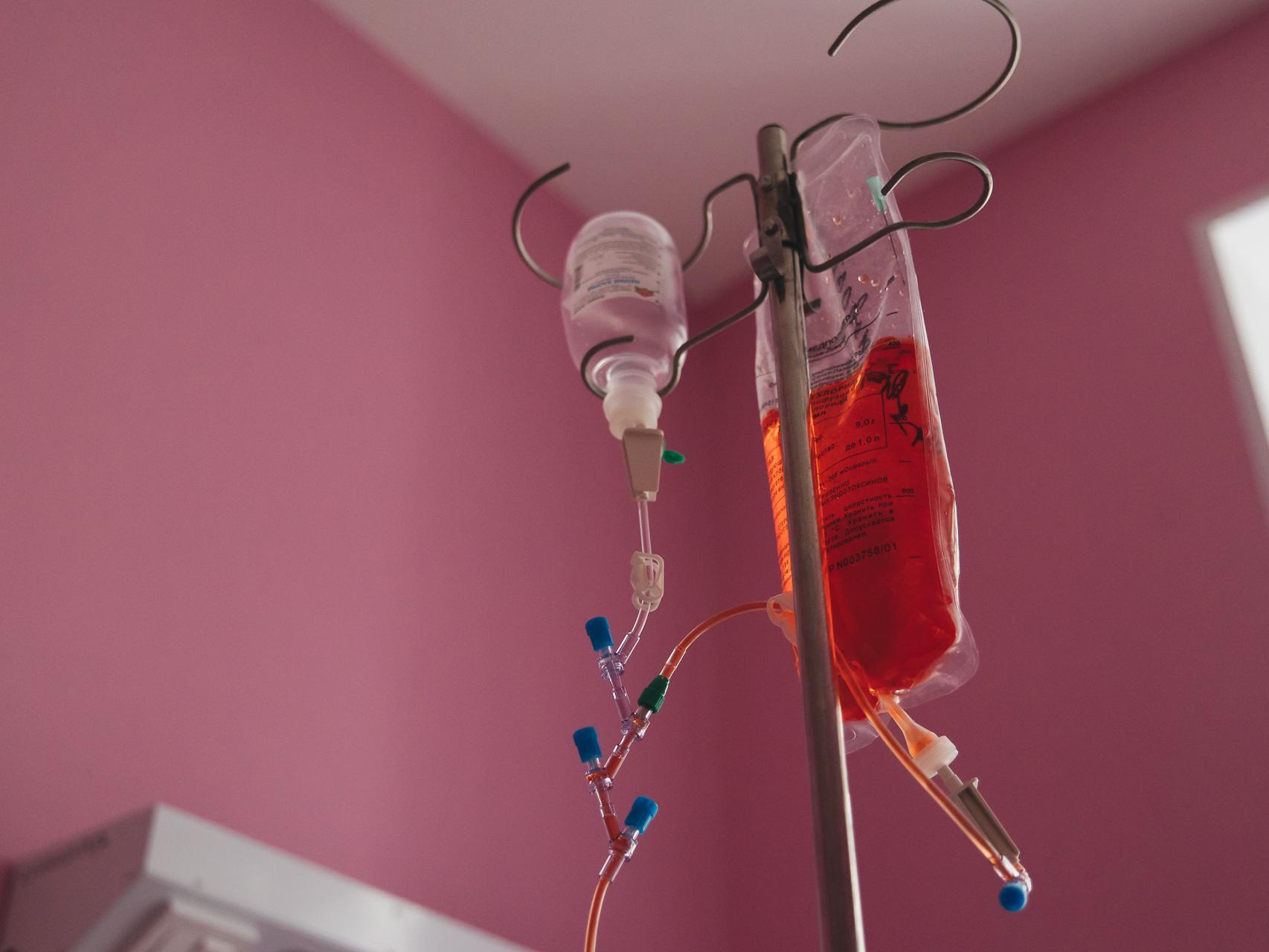
161.RU also sent inquiries to the regional Ministry of Health, the prosecutor«s office, and the Main Directorate of the Ministry of Internal Affairs of the Rostov Region.

«Sit down. You also have HIV»
Anna, 36, lives in Azov, works, and raises her daughter alone. In July 2024, nine-year-old Katya swallowed river water and was admitted to the infectious diseases ward of Azov Central City Hospital with diarrhea and vomiting. There were no beds in the children«s rooms, so the girl was placed in a general ward, which, according to her mother, was used more like a storage room.

«There were just piled-up beds and mattresses. It wasn»t intended as a proper ward,« Anna recalls. »There was no proper place for an IV drip.«
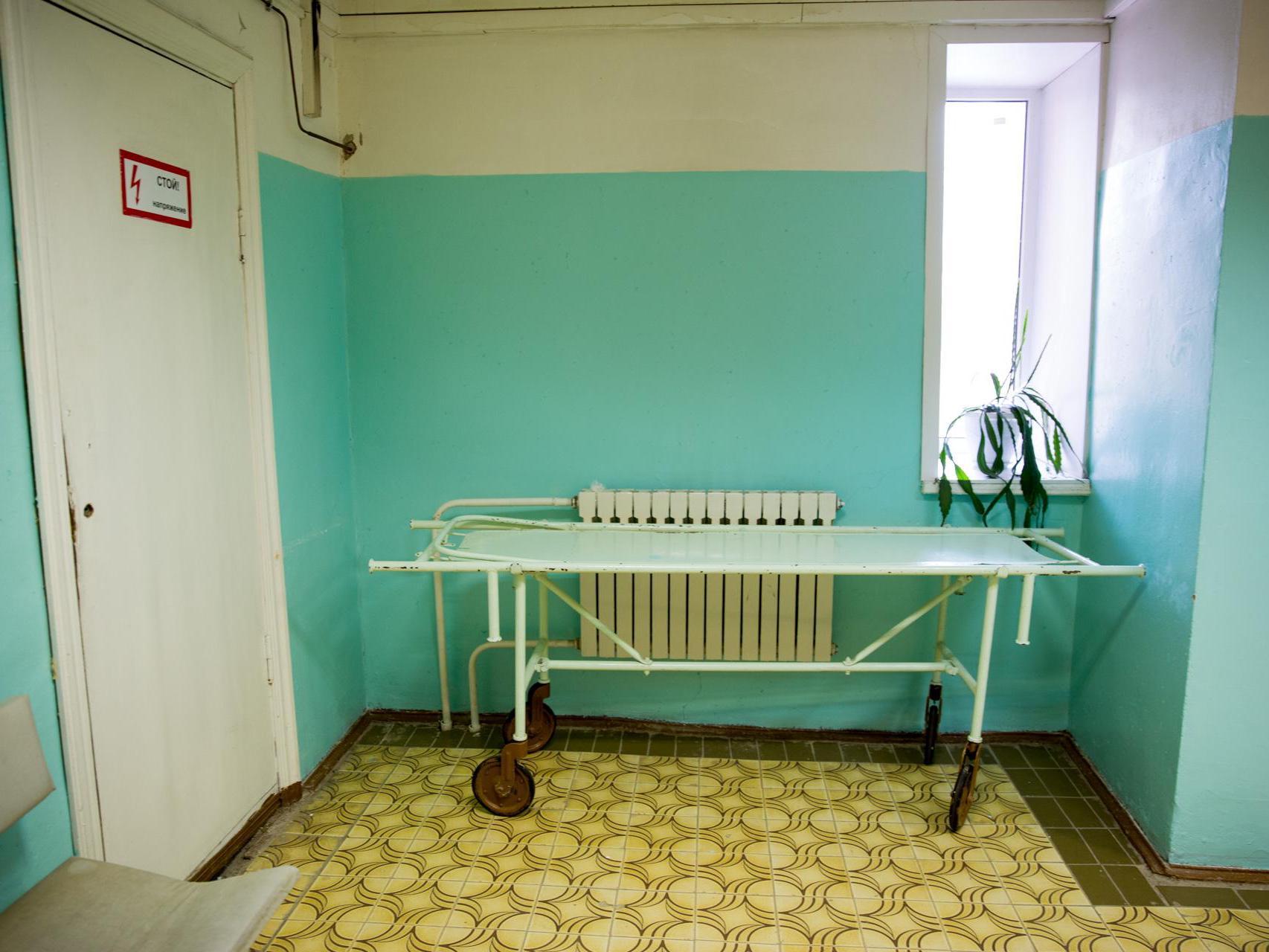
Katya was nine and shared a room with adults. For four days, the child received IV drips in a treatment room on the first floor and had injections. Then Anna decided to take her daughter home: the symptoms had subsided, and the girl felt very bad emotionally.
«They told me: write that you have no complaints about the medical staff, and in case of deterioration, you take all responsibility. Then my daughter was led out with her things. At home, she says, »Mom, it hurts to sit.« I look, and there»s a hematoma covering half her buttock. Not just a bruise — a purple-burgundy spot, hot to the touch, there was an acute inflammatory process,« Anna told a 161.RU correspondent.
A family relative — a nurse at a Rostov hospital — advised treating it with magnesia (magnesium sulfate — Ed. note) and absorbable ointments. After ten days, everything healed. Anna didn«t return to the hospital with complaints: a receipt stating she had none was already in the medical record.
For the next year and a half, Katya felt fine. She went to school and was rarely sick — at most a mild cold once or twice a year. The only thing her mother began to notice by spring 2025, almost a year after the hospital stay, was that her daughter became distracted, inattentive, and often complained of headaches.
«I chalked it up to neurology and that it was the fourth quarter, the child was tired,» Anna described that period.
In autumn 2025, a small lump appeared on the girl«s neck. By the New Year, the lymph node began to enlarge, her temperature rose to 38.5°C (101.3°F), and the lump was already the size of a large plum. Anna went to a private clinic in Azov. There, a surgeon examined the girl and cautiously suggested: »I won«t cut such a lymph node. It looks like oncology.» The doctor advised the mother to bring the child to Rostov for further examination.
In Rostov, the girl had an ultrasound. Not just one or two lymph nodes were inflamed, but about twenty — all the cervical ones, front and back, which immediately raised suspicion of cancer. The child was sent to the oncology center for a puncture of the lump, and the girl needed urgent biopsy and hospitalization.
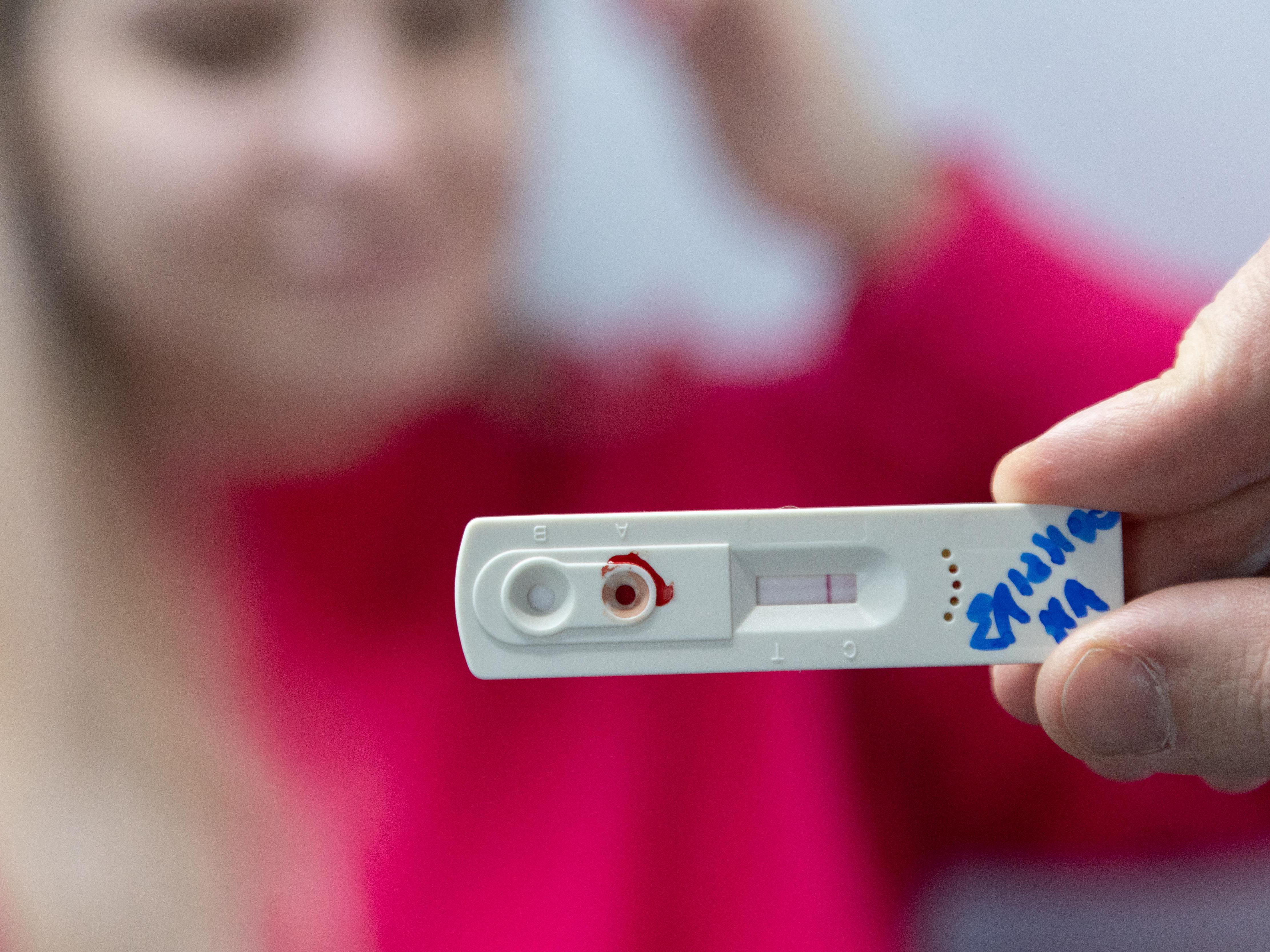
To place Katya in the oncology center, she needed a full battery of tests, including for HIV and hepatitis, which is a standard pre-operative minimum. On Friday, blood was drawn from Katya, and on Monday, her mother was called back: «The blood clotted; come redo it.» The girl redid the test, and already on Tuesday, Anna went to the children«s polyclinic for the results.
«They tell me: »Don«t worry, sit down. Katya has hepatitis C. But don»t worry, it«s treatable. Here, drink some water. You also have HIV,»« the child»s mother recounted the doctors« words.
No operation ultimately happened: at the oncology center, they said that such a course of lymph nodes is a classic symptom of HIV infection. If therapy helps, there will be no need to return to oncologists.
«The virus matched»: what the phylogenetic analysis showed
Anna began to find out where an 11-year-old child could have contracted such diseases. Rospotrebnadzor then launched an epidemiological investigation, considering all possible options.
Phylogenetic analysis in HIV testing is a study of viral genetic sequences in different people to determine how similar HIV strains are to each other and whether there is an epidemiological link between infection cases.
The first option was vertical transmission, from mother to child. It was ruled out immediately: Anna does not have HIV. Then the child was sent for examination by a gynecologist and a forensic medical expert.
The woman recalls this procedure with horror: the 11-year-old was mentally unprepared for such interventions. And when it was all over, Katya was very nervous and snapped at her mother a bit. According to Anna, after the examination, a PDN (juvenile affairs) officer sternly scolded the child for being upset and talking back to her mother: «Why are you talking to your mother like that? She cares about you, tries hard, and you behave like this!» — then turned and left.
«Katya had a tantrum right on the doorstep. February, frost, she»s standing without a hat, tears streaming, and I can«t calm her down. For forty minutes I worked as a psychologist, and on the way home I bought her a pastry — with hepatitis C, that»s not allowed, but I said: «Today it»s okay,«» Anna described that day with a trembling voice.
Then the sexual route was ruled out. Contact with drugs was also ruled out: both mother and daughter categorically deny any use. The girl had also never been a blood donor or recipient. The only option left was through blood, during medical procedures, and one hospitalization episode — the infectious diseases ward of Azov Central City Hospital.
The commission established that from July 14 to 15, 2024, Katya shared a room with an adult woman whose HIV infection was first laboratory-confirmed on July 26, 2024, and in whom antibodies to hepatitis C were found on August 7. Both patients received IV drips with Ringer«s solution, glucose, saline, and antibiotics on the same days, as well as intramuscular injections — administered by all four nurses of the ward, who were not assigned to specific rooms.
During the investigation, blood tests were taken from everyone who was in the hospital with Katya at the same time. Samples were sent to the Moscow reference center — the Central Research Institute of Epidemiology of Rospotrebnadzor, where molecular genetic analysis was conducted. The result: the HIV in the child and in the source patient «have high genetic proximity and form reliable common clusters on phylogenetic trees» — in simpler terms, the virus is the same.
During the same days, another HIV-infected patient was in the infectious diseases ward, but the analysis showed the child was not linked to her. This confirmed that the roommate was the source. Of the 17 patients who were in the ward with Katya and were examined, no one else was infected (one person refused the examination. — Ed. note).
Then all family members and ward medical staff were checked — no HIV, and no one is registered at the AIDS center. A similar analysis for hepatitis C could not be conducted physically, but the commission concluded that the diseases were transmitted from one patient.
Luer caps that were changed «as they pleased»
The Rospotrebnadzor commission also found gross violations in the infectious diseases ward. One of them was the reuse of disposable catheter caps.
According to medical regulations, a new sterile cap must be used each time a catheter is changed.
In the ward, they were washed, processed, and reused. According to the material report, sterile caps were not purchased for the ward in July 2024 at all.
In the prescription sheets, Rospotrebnadzor found no signatures, making it impossible to establish who exactly performed the procedure and when. There are also no records of catheter insertion, removal, or care, and no accounting for the disposal of disposable items — syringes, catheters, IV sets — was kept at all.
The commission found no rapid HIV tests or even pregnancy tests in the ward.
Nurses are not assigned to specific rooms or floors — each of the four, during their shift, could give IV drips or injections to any patient, including HIV-infected and the child.
According to Rospotrebnadzor, the staffing level for nurses at Azov Central City Hospital was 49.1%, and for doctors, 57.1%.
Hepatitis C was not reported. HIV might also have been unknown
Hepatitis C in the source patient was detected on August 7, 2024, after Katya had already been discharged. The hospital did not send an emergency notification about the hepatitis C case to Rospotrebnadzor, although it was legally required to do so. Then all contact patients would have had to be tested immediately, and Katya would have started treatment a year and a half earlier.
As for HIV, the hospital itself did not test the child for HIV upon admission to the infectious diseases ward. When Anna later reviewed her daughter«s medical records, she found a document that made her uneasy: it was a refusal by the mother to have blood drawn for HIV. Anna had never seen or signed this document — and she had not even been verbally informed that separate consent was needed.
«The word »refusal« is written in someone»s handwriting — not mine. And someone«s signature. Either a doctor»s, a nurse«s, or they tried to forge mine. I would never refuse a test. I»m that kind of person: the more thoroughly examined, the better. They«re drawing blood from a vein anyway, what difference does it make if it»s one more test or less?« the child»s mother explained her position to us.
A criminal case that they tried to bury
On February 12, 2026, Anna filed a request to open a criminal case with the Azov police department. In April, she received a refusal: «no crime elements.» Anna then appealed to the Azov inter-district prosecutor«s office, from where she received a response that the case had been sent back to the police for reconsideration. Only on June 1, after a personal meeting with the children»s rights commissioner of the Rostov Region, Tamara Shevchenko, did the investigation begin to move: the criminal case was finally opened on June 8 (according to Anna, the case is under the control of investigators from the Azov police department).
After talking with the investigator, Anna had a feeling that the investigation would drag on for years, because no one in their right mind would admit that they committed the crime. The woman understands this and does not demand that a specific medical worker be imprisoned:
«I want order to be established in the hospital. And I want compensation for the child for her ruined health and life.»
«Stage five is death within two months»
Since January 29, 2026, Katya has been taking antiretroviral therapy daily at the same time — the state provides her the medications for free. The girl«s viral load has already decreased, but the disease hasn»t gone away.
«We have stage three of five. Stage five is incurable AIDS, death within a short period. Therapy cannot be stopped for even a day, otherwise the drug will no longer work. And there aren»t many HIV drugs,« Anna explained to us.
At the time of examination, the girl«s HIV viral load was 3385 copies/ml, CD4 level was 21.1% (940 cells/ml). Diagnosis: already stage three.
Stage 1 — incubation. This is the time immediately after infection, when the virus is already in the body, but the body shows no signs of illness: no symptoms, no antibodies in tests. However, the person can already infect others.
Stage 2 — first manifestations. The body begins to «notice» the virus and react to it. Something like a cold may appear — fever, rash, swollen lymph nodes — or nothing at all. Also during this time, antibodies to HIV appear in the blood, so tests can already detect the infection.
Stage 3 — latent period. The virus continues to work, but does so slowly, and the immune system is still coping: it tries to replenish losses and produces more necessary cells. Often the only clue that something is wrong is enlarged lymph nodes in two or more places.
Stage 4 — other diseases appear. The immune system weakens because the virus strikes protective cells more strongly, and they become too few. As a result, the body resists infections worse and risks facing oncology. At this stage, secondary diseases develop — they become the main sign of the stage.
Stage 5 — terminal. Diseases that appeared due to weakened immunity can no longer be stopped — they develop irreversibly. The person dies within a few months.
With hepatitis C, it«s a different story: it is curable. But the drug compatible with HIV therapy, according to the mother, is only one — the British original costing 380,000 rubles. The Indian analog costs 60–70 thousand, but it is officially banned for children under 12. Katya will only turn 12 in December.
The family submitted an application to the «Circle of Good» fund in February, a month after the diagnosis; they were asked to wait six months and apply again.
A fund representative explained to a 161.RU correspondent that a child«s immune system can sometimes independently cope with the hepatitis C virus. Therapy is provided to all children six months after diagnosis.
«Before prescribing a fairly long specific therapy, doctors observe the child for some time, especially since the disease progresses extremely slowly,» the fund explained to us.
In September, the family will submit the application again.
If the original drug is still not provided, in the first quarter of next year, Anna will have to buy its analog at her own expense.
Katya knows everything about her illness
Katya attends a regular school. Only the class teacher and the school nurse know about the diagnosis, so the child can be excused from lessons when she needs to urgently give blood or when she feels unwell. Or, if the girl gets injured, she treats the wound herself. Katya also puts on plasters for scratches and cuts herself — she carries iodine, wipes, and band-aids with her, while daily headaches have become a familiar background.
«She knows what she»s sick with. She knows the consequences of not taking pills. She knows how long people live with and without therapy. She knows that when she grows up, she«ll need to warn her partner, how to get pregnant, how to give birth to a healthy child. She»s 11, and she absolutely knows all of this,« Anna told her daughter the truth on the very first day.
Katya lives with her grandmother and grandfather; Anna is constantly at work: she needs to support the family. Anna«s brother has always kept his distance in life: »don«t touch me, do what you want.» But when he read about HIV and learned that it«s for life, he became softer — sometimes he buys his niece juice, sometimes sweets.
The child«s father lives here in Azov. He and Anna were not married; the couple quarreled when she was five months pregnant. After a while, the man started paying alimony. When the woman thought her daughter had cancer, she wrote to him: she sent a discharge summary from the oncology center and asked whether he could help if a blood transfusion was needed.
«He said not to count on him,» Anna told us.
Later, he was called to give blood as part of the epidemiological investigation. According to the mother, he knew it was about his daughter«s health but did not send a single text message or call. A few weeks ago, an investigator interrogated him — about what, it is unknown.
«Mom, file for investigations»
When Anna learned the diagnosis and was deciding what to do — go public or stay silent — she asked her daughter.
«She»s 11. And she said: «Mom, there were other children there. If they infected me in the hospital, then they could have infected them too. Please, file for all investigations. I agree to go to interviews, give blood, go through all those unpleasant procedures. So they can find out if anyone else was infected,»« the child»s mother recalls.
Since the diagnosis, according to her, no one from Azov Central City Hospital has called Anna: neither the head physician nor the department head.
«The hospital has my phone number. When they need urgent blood tests for the investigation, they find me instantly. But now, when the Rospotrebnadzor report is signed and the causes of infection are established — silence. Apparently, just calling and apologizing is impossible,» the woman noted indignantly.
The only time Anna saw the head physician was when she came with the Ministry of Health commission to show where her daughter had been. He knew who was in front of him but walked past without saying a word, the victim«s mother recounted the events of that day.
According to the mother, one of the four nurses who worked in the summer of 2024 resigned in August 2025. And the head of the infectious diseases department said during interrogation that this could not have happened.
The only support from Azov medics is the help of a children«s polyclinic nurse. She gives advice and provides information about referrals to Rostov so that examinations can be done for free.
An administrative report has been filed against Azov Central City Hospital under the article «Violation of sanitary and epidemiological requirements for the operation of premises.» Against the head of the infectious diseases department — under the article «Violation of sanitary rules, threat to human health, and failure to implement anti-epidemic measures.» Another report is being prepared — «Violation of sanitary rules and quarantine during emergencies, threat of spread of dangerous diseases, or during restriction measures.»
Anna herself is now going through perhaps the most difficult period. When it all happened, her brain, in her own words, «just closed off this information»: she had to be strong, knock on doors, obtain medications, arrange disability status up to age 18. Now that the main things are done, the woman has been overwhelmed:
«If I»m not strong, she«ll break down. And now that it»s all behind us, I«ve relaxed. And now, probably, I feel bad mentally.»
Katya holds on: every day, she takes her medication at the same time and calls her mother after recess. Such a young girl already knows what lies ahead and what could happen if she doesn«t continue therapy…
Earlier, 161.RU reported that in the Rostov Region in 2025, compared to average rates, the incidence of rotavirus increased eightfold, hepatitis A by 2.6 times, acute hepatitis C by 30%, and Lyme disease by 25.9%. These are data from the Rospotrebnadzor report. The most new HIV cases in 2025 were detected in Rostov — 309. Then follow Shakhty (87 cases), Taganrog (64), and Novocherkassk (32).