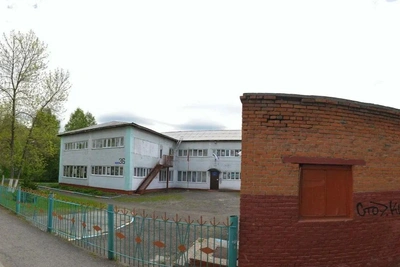
Zavolzhye Base Stations Protected from Grid Failures
The equipment can operate during planned or emergency power outages, ensuring mobile internet access for 36,000 residents.
Jan 25, 2026 0
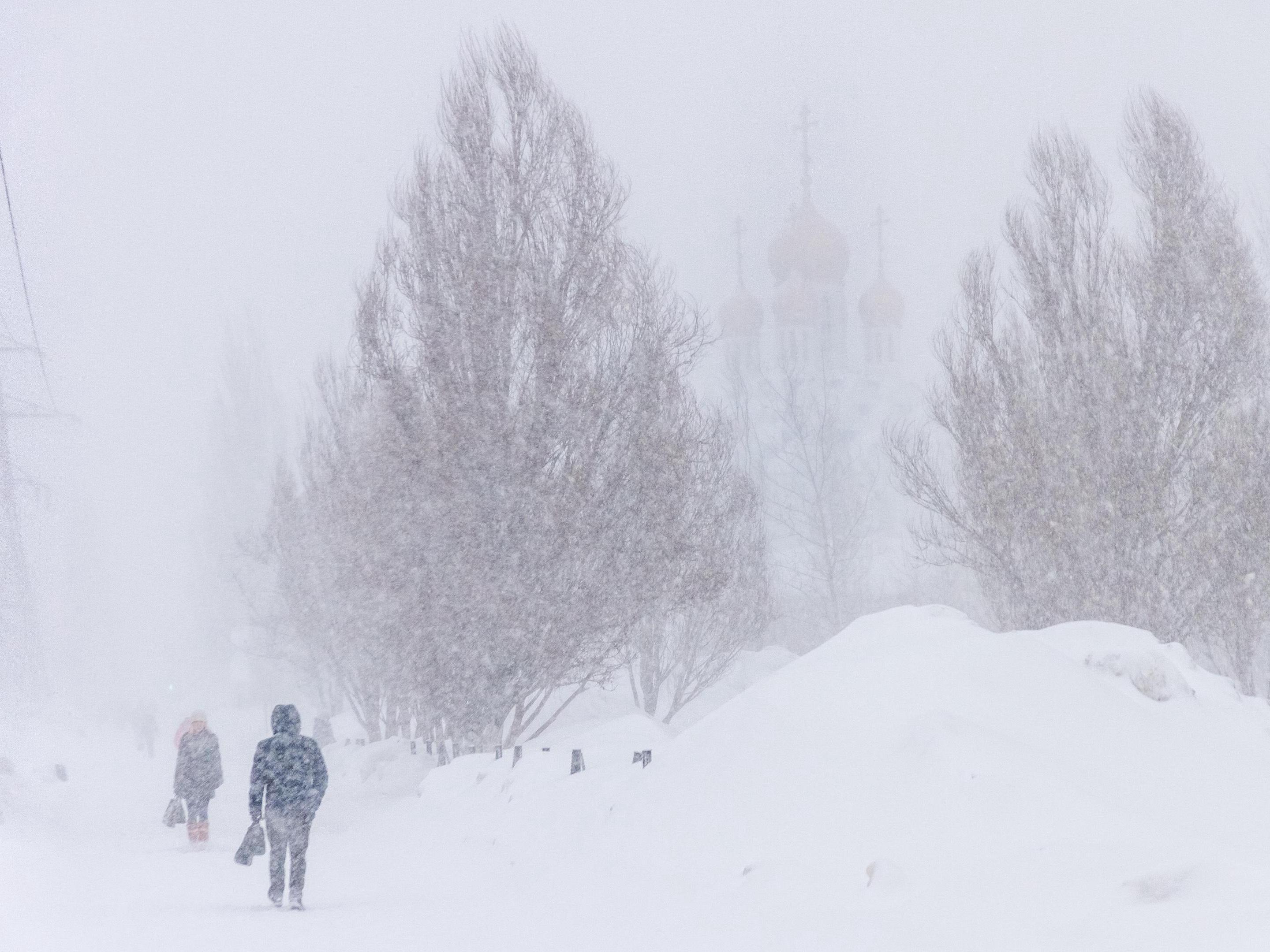

Telecom workers managed to complete the work before severe blizzards, when the risk of network breaks increases.
Source:
In Nizhny Novgorod Oblast, power supply equipment at telecom facilities has been modernized. The work was carried out in Zavolzhye, at base stations located in the Dzerzhinsky district. This is one of the most visited locations in the city — it houses the city hospital, Gagarin Park, the Palace of Culture, the Sports Center, a swimming pool, a ski base, and the Trinity Church.
At the base stations, battery packs and diesel generator sets were replaced. This means that even during planned or emergency power outages, 36,000 residents of Zavolzhye will retain access to mobile internet. Megafon engineers managed to complete the work before severe frosts and snowfalls, so that subscribers can use communication services regardless of the weather.
«February is ahead with its blizzards and black ice, which significantly increase the risk of wire breaks. Therefore, we have provided for such nuances as battery replacement, software updates, and frequency redistribution for more in-demand technologies. The network remains under 24/7 monitoring, and our technical specialists are ready to promptly handle situations in winter conditions,» commented Alexey Mikhailov, director of the operator in Nizhny Novgorod Oblast.
In Zavolzhye, as well as across Nizhny Novgorod Oblast as a whole, analysts record a significant increase in internet traffic consumption. Over the year, it has grown by 30%. In response to this, new base stations have been built in the city, covering the area of the railway station and bus station.
Also, a project to install telecom equipment at the Nizhny Novgorod Hydroelectric Power Plant was previously implemented. Communication facilities appeared, including in rooms 30 meters (98 feet) below the water level of the Volga River, so that digital services become available to employees whose workplaces «go» ten stories underwater.
Read more