Son of 'Enemy of the People' Who Became a Legendary Partisan
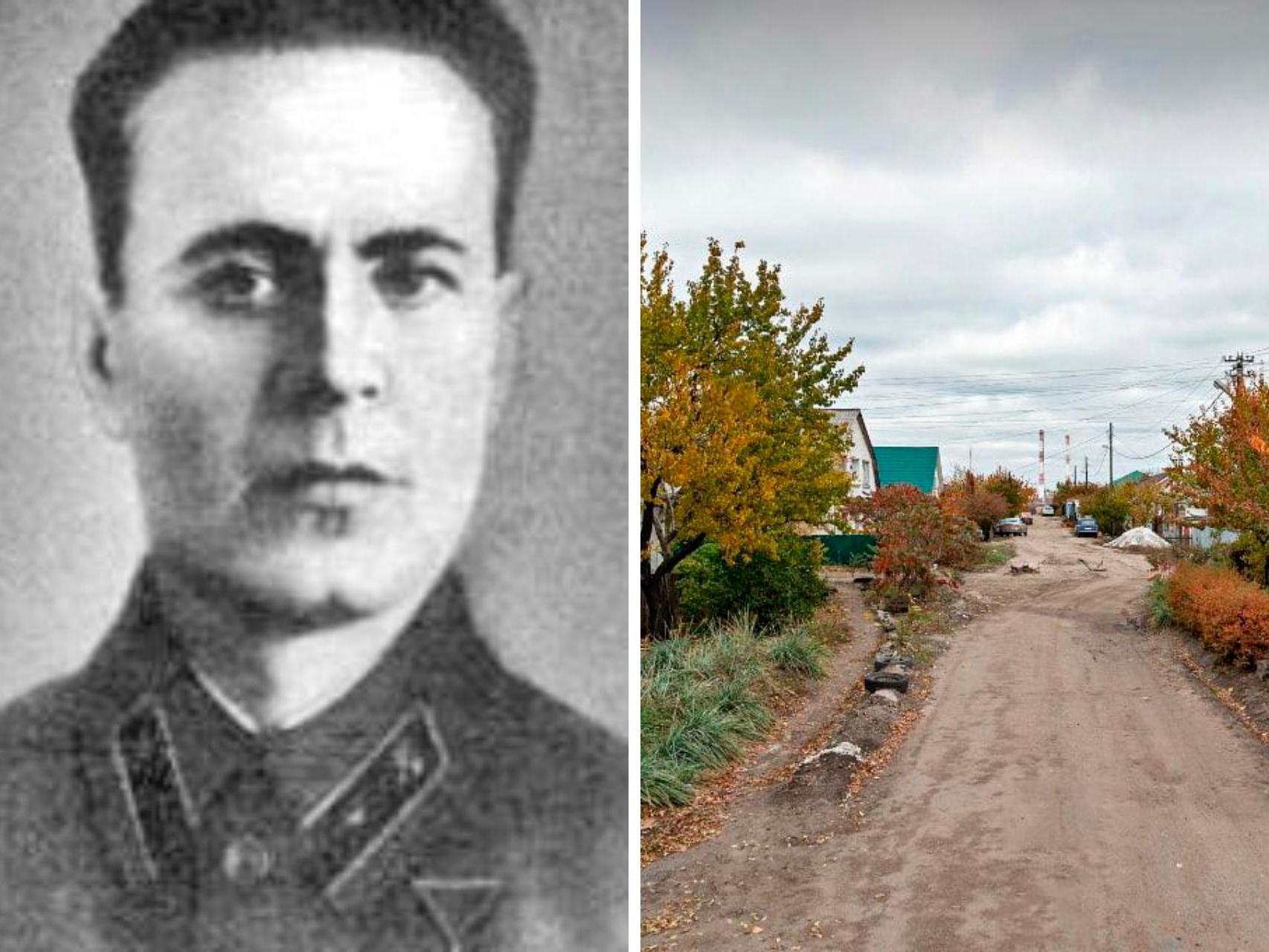

Konstantin Zaslonov and the street in Voronezh named after him
In the private sector of the Left Bank district of Voronezh lies Zaslonov Street. It bears the name of a man whose life — from a short, sturdy boy from Tver Governorate to a legendary partisan commander — became a symbol of unyielding will. Konstantin Zaslonov earned the hatred of enemies and the gratitude of descendants, managing in less than two years of war to inflict damage that was noticed in Wehrmacht headquarters. The Germans wanted to deal with him so badly that for his dead body they promised a reward of 80,000 marks or a factory in Germany. He went into the partisans from a family of «enemies of the people,» rose from depot chief to brigade commander, derailed 113 trains, and died covering his detachment. About who Konstantin Zaslonov was and why a street in Voronezh bears his name — in the next installment of the «Where Is This Street?» series.
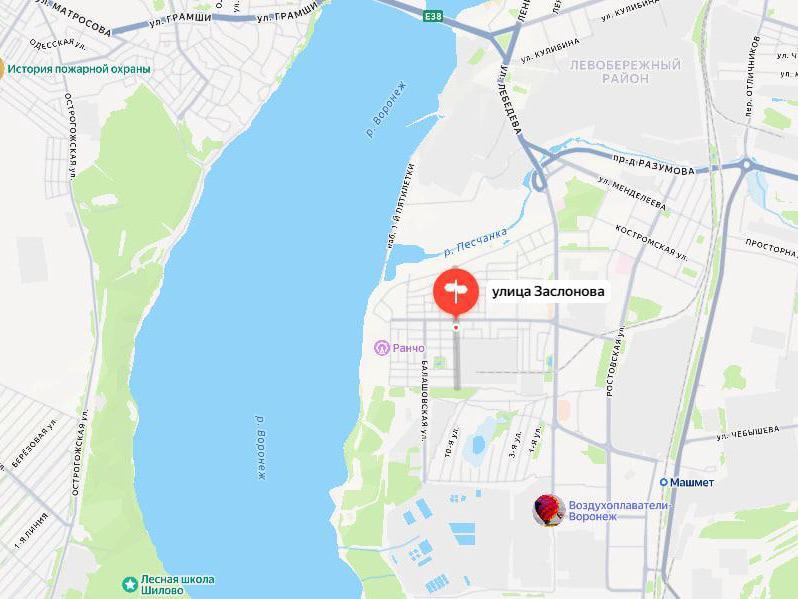
Zaslonov Street on the map of Voronezh
Son of an «Enemy of the People» and Future Avenger
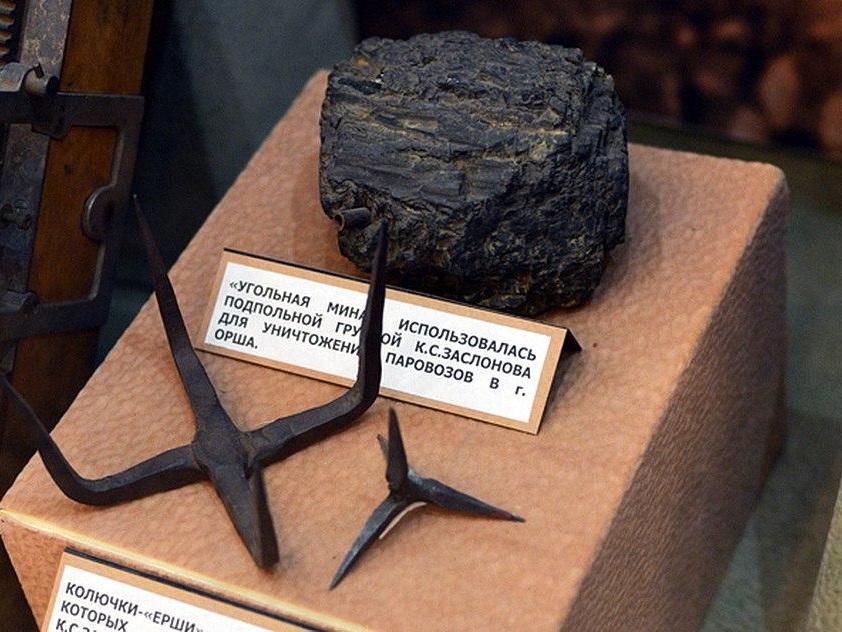
Coal mine used by partisans of Zaslonov«s group
Konstantin Sergeyevich Zaslonov was born on January 7, 1910 (by the old style — December 25, 1909) in the town of Ostashkov, Tver Governorate, into a worker«s family. From the age of 8, the boy herded cows for a wealthy peasant, then was an apprentice to a shoemaker. At 14, Kostya entered the unified labor school in Nevel, where he studied for three years.
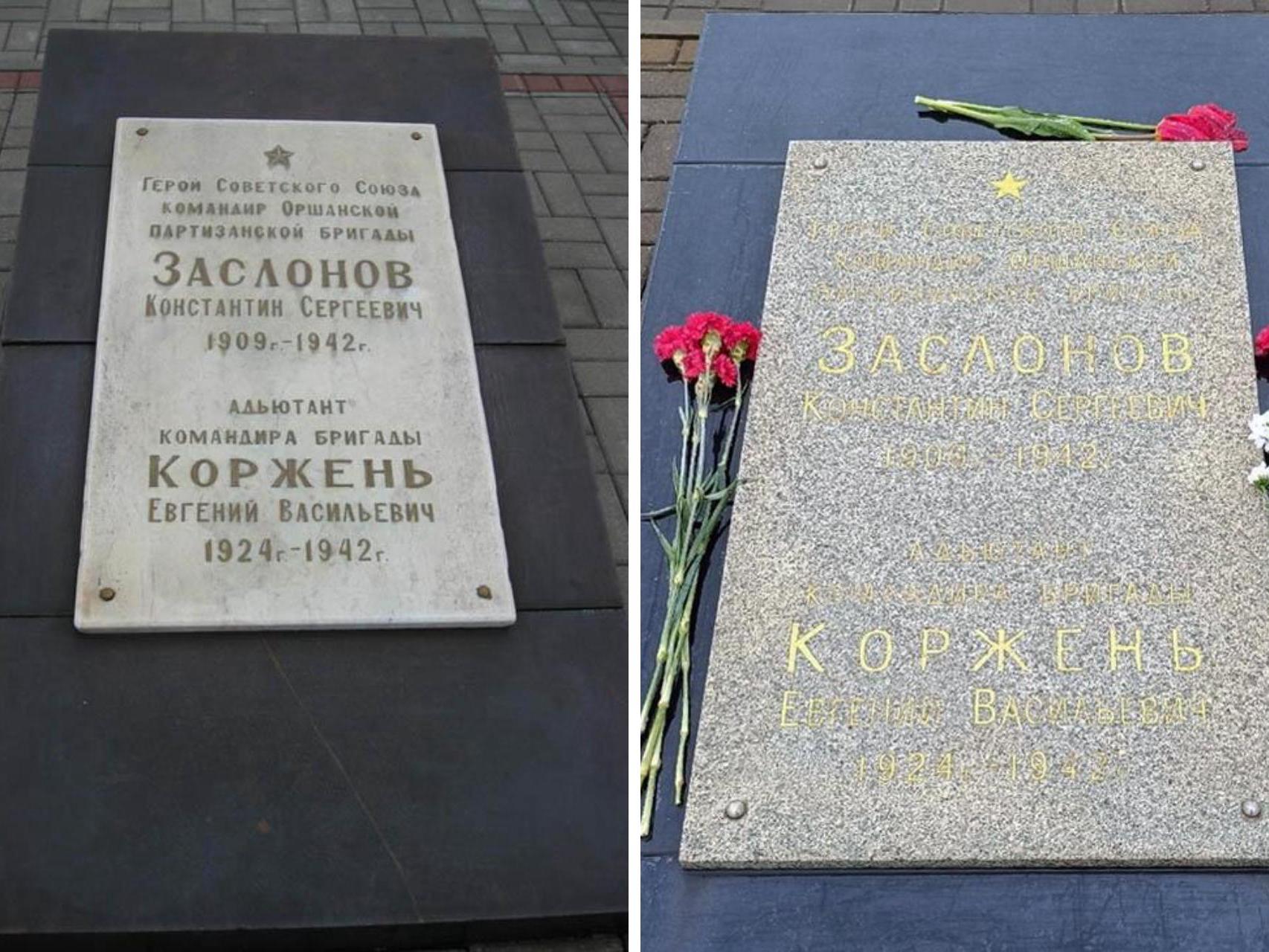
Memorial plaque (old and updated) at the burial site of Konstantin Zaslonov and his adjutant Yevgeny Korzhen
Once a teacher took the schoolchildren to a railway station, which they had to walk 45 kilometers to reach. Seeing the trains, the children forgot their fatigue. It was then that Konstantin Zaslonov decided to link his life with the railway.
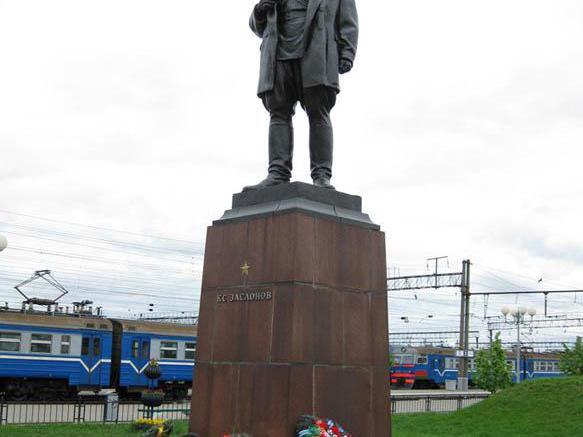
Monument at the grave of Konstantin Zaslonov
After school, he entered the Velikiye Luki Railway Vocational School, graduating in 1930. By that time, Konstantin had already married and, together with his wife, went on a Komsomol call to the Far East — to restore the depot at Vyazemskaya station near Khabarovsk.
In the 1930s, the Zaslonov family suffered a terrible blow: Konstantin«s father, two sisters, and brothers were »dekulakized« and exiled to the Kola Peninsula in Khibinogorsk. Zaslonov himself escaped repression, but a »stain« on his biography remained. Nevertheless, over five years, he rose from a metalworker to assistant chief of the Novosibirsk locomotive depot.
Colleagues respected Zaslonov for his professionalism and straightforwardness. He loved workers but could not stand drunkards and considered them the worst enemies of society. Elderly workers called him «Zaslonych» among themselves.
From 1937, Zaslonov headed the locomotive depot at Roslavl station, and from 1939 — the depot in Orsha. There the war found him.
Railway Partisan «Uncle Kostya»
When German troops approached Orsha, Zaslonov was evacuated to Moscow. But in October 1941, Konstantin wrote a letter to the People«s Commissar of Railways asking to be sent behind enemy lines:
«Our country is on fire. Life demands that every citizen in whom a patriot»s heart beats, who breathes and wants to breathe healthy Soviet air, should stand up in defense of our Motherland. I, Konstantin Sergeyevich Zaslonov, chief of the locomotive depot in Orsha of the Western Railway, request your permission to organize a partisan detachment and operate in the area from Yartsevo to Baranovichi in the zone of railway lines, stations, and other railway structures.«
The request was granted. Konstantin underwent brief training at a reconnaissance and sabotage school under the Western Front headquarters. In August–September 1941, he formed a sabotage detachment near Vyazma, and in October his group was sent behind enemy lines.
He settled in Orsha as the head of Russian locomotive crews. None of the Germans suspected that this short, sharp-eyed man with a slight smirk in his eyes was the organizer of sabotage that would soon paralyze railway transport.
Coal Mines and the Destruction of 93 Locomotives
Zaslonov created an underground group in the depot. Its members used «coal mines» — explosive devices disguised as coal. They were slipped into the tenders of locomotives, and when the coal reached the firebox, the mine exploded, disabling the locomotive.
The result was stunning: in three months, the underground fighters destroyed 93 German locomotives, organized more than a hundred train crashes, and damaged hundreds of cars and tank cars. The Germans could not understand what was happening, but eventually suspicion fell on Zaslonov.
In the spring of 1942, realizing he was about to be arrested, Konstantin and a group of 35 people left Orsha and joined a partisan detachment, which thanks to his authority quickly grew to seven hundred fighters.
The Germans placed a bounty on Zaslonov«s head: first — 5,000 marks, then added a gold watch. Later the sum grew to incredible proportions. The Hitlerites promised anyone who brought Zaslonov alive or delivered his body 80,000 marks or ownership of an entire factory in Germany.
The Last Battle
In the fall of 1942, the partisans received orders to move beyond the front line. Zaslonov sent the main part of the detachment to the front line, while he remained with several dozen fighters and the staff in the village of Kupovat in Vitebsk Oblast. On November 14, a large group of soldiers and officers from the so-called Russian National People«s Army (RNNA) — a paramilitary formation created by the Germans from prisoners of war — was supposed to join him.
But the plot was uncovered by a German inspection. Instead of defectors, two battalions of the RNNA loyal to the Germans were sent to the village of Kupovat.
On the morning of November 14, 1942, observers reported to Zaslonov that a large column of «nationalists» was moving toward them. He, confident that these were his long-awaited defectors, ordered not to shoot and to let everyone through.
When Zaslonov realized he had fallen into a trap, it was too late. Several partisans died in the battle, including Konstantin himself. He was 32 years old.
So that the Germans would not desecrate Zaslonov«s body, local residents hid it and later buried it in a common grave.
Years later, in 1947, the remains of Konstantin Zaslonov and his adjutant Yevgeny Korzhen were reburied with honors in the station square of Orsha.
Derailed 113 Trains and Destroyed 1,800 Soldiers
In eight months of active partisan warfare, Konstantin Zaslonov«s unit inflicted huge damage on the enemy. According to official data, from March to November 1942, the partisans derailed and blew up at stations 113 trains, destroyed 75 vehicles and motorcycles, as well as up to 1,800 German soldiers and their accomplices.
On March 7, 1943, Konstantin Sergeyevich Zaslonov was posthumously awarded the title of Hero of the Soviet Union. He was also awarded two Orders of Lenin (one posthumously) and the medal «For Labor Valor.»
Walking along Zaslonov Street, remember: on this land lives the memory of a man who became a living symbol of struggle.