Oleg Mozart: From Rescuer to Defendant
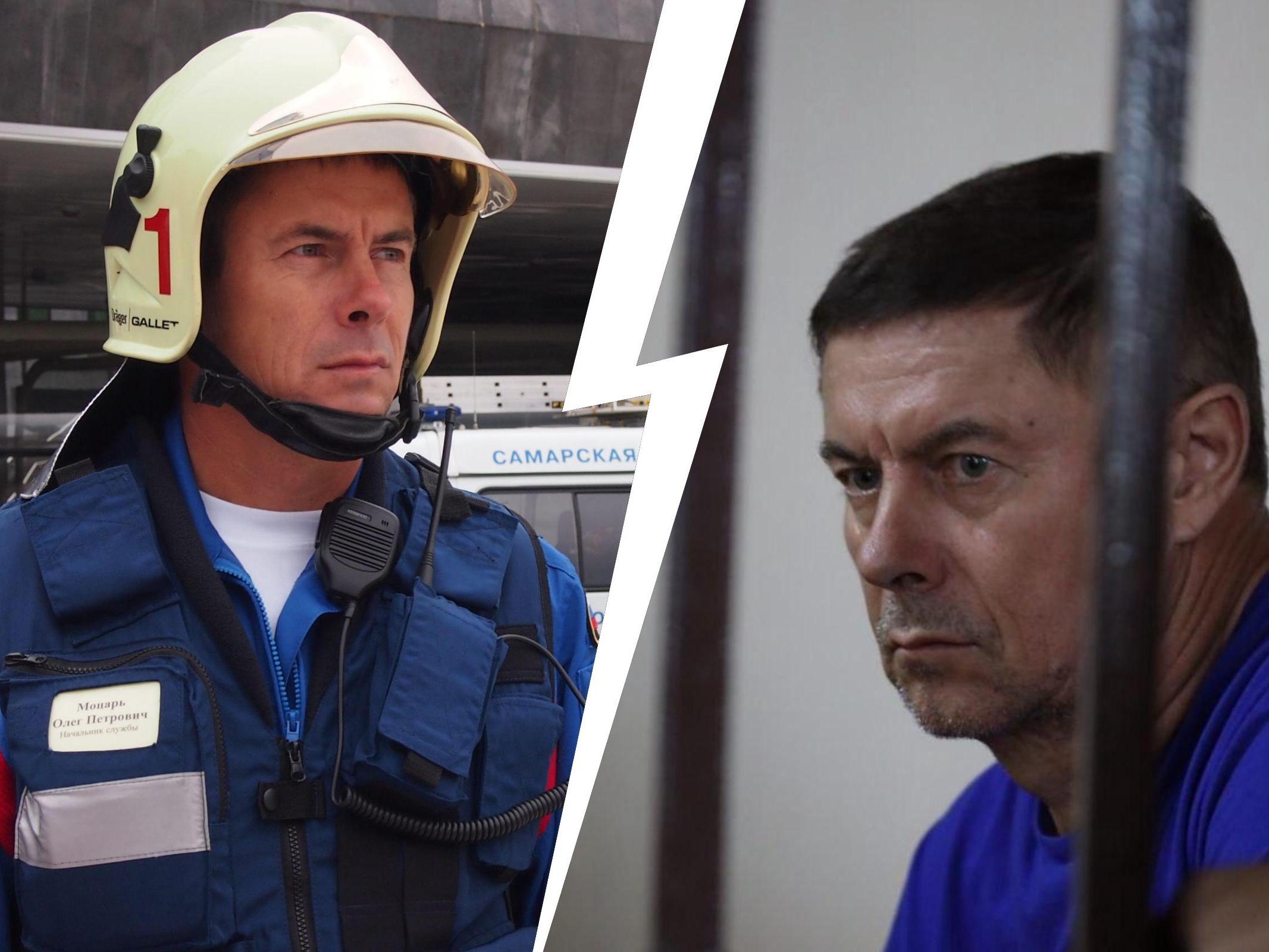

The journey of a Samara rescuer that ended with him under house arrest.
On the evening of June 16, 2026, rescuers from the Samara Region Search and Rescue Service were again working where ordinary people try not to go. A destroyed entrance of a residential building on XXII Party Congress Street. Twisted concrete slabs. Tangled wires. The smell of gas and smoke. People might be trapped under the rubble.
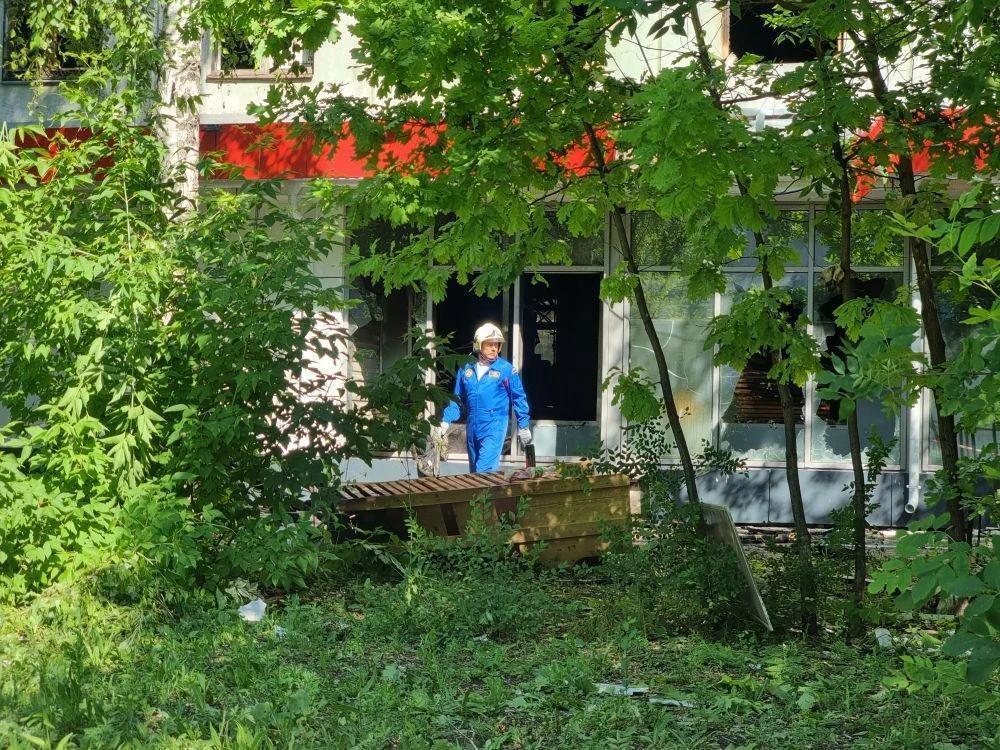
Oleg Mozart«s final call-out to the gas explosion on XXII Party Congress Street.
Such calls had long become routine for the service. Over three decades, its staff cleared debris after domestic gas explosions, searched for missing people in villages, extinguished wildfires, raised planes and ships from the Volga River, entered the Sok mines, inspected the sunken «Bulgaria», and worked after the «Nevsky Express» disaster. In many of these operations, service chief Oleg Mozart was alongside his subordinates.
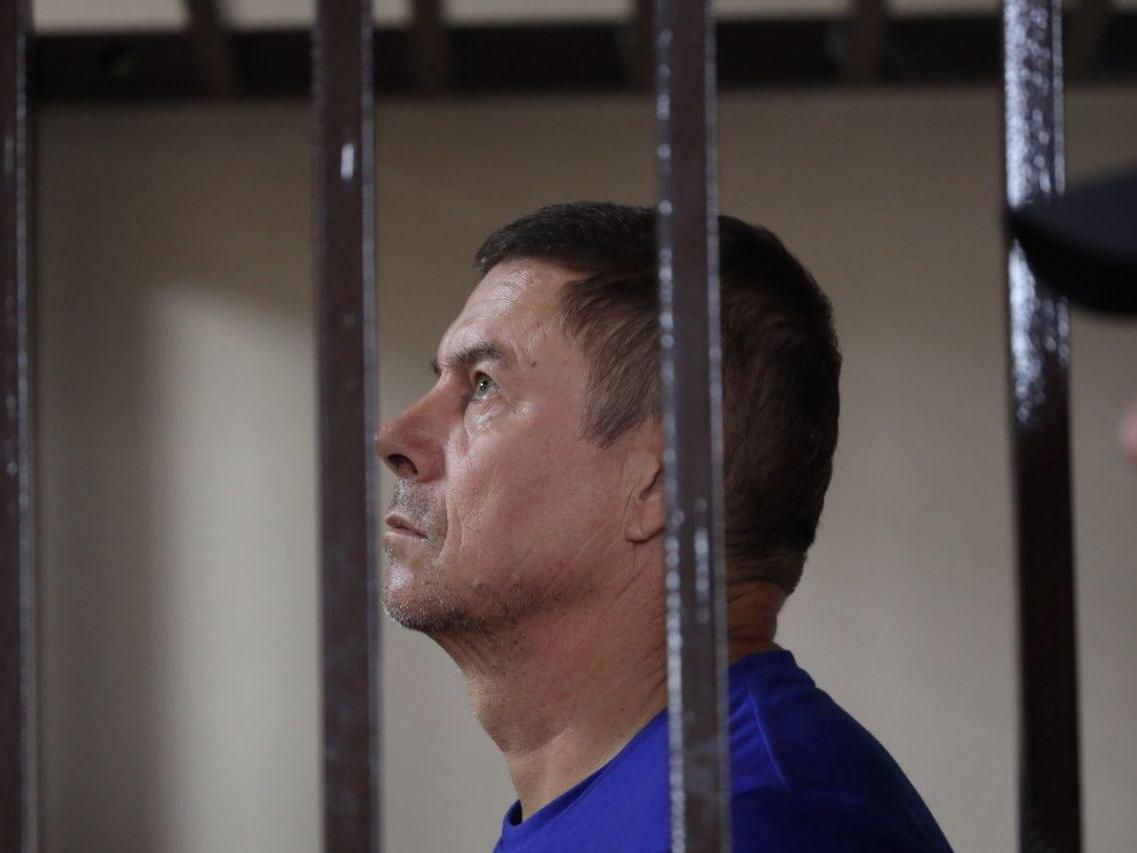
News of Mozart«s arrest came as a shock to many Samara residents.
For him, the call to XXII Party Congress Street was one of his last as head of the service. Ten days later, investigators from the Investigative Committee came to his office with searches. A few days later, the Leninsky District Court of Samara sent Mozart into custody on charges of abuse of office. The investigation alleges that service employees were illegally assigned to clean city beaches, work that should have been done by a commercial contractor. The preliminary damage was estimated at 53,000 rubles (approximately $590 at current exchange rates) — the cost of fuel used by a rescue boat. Mozart did not plead guilty, calling what was happening «human envy», and his defense stated that the rescuers acted voluntarily and in their free time.
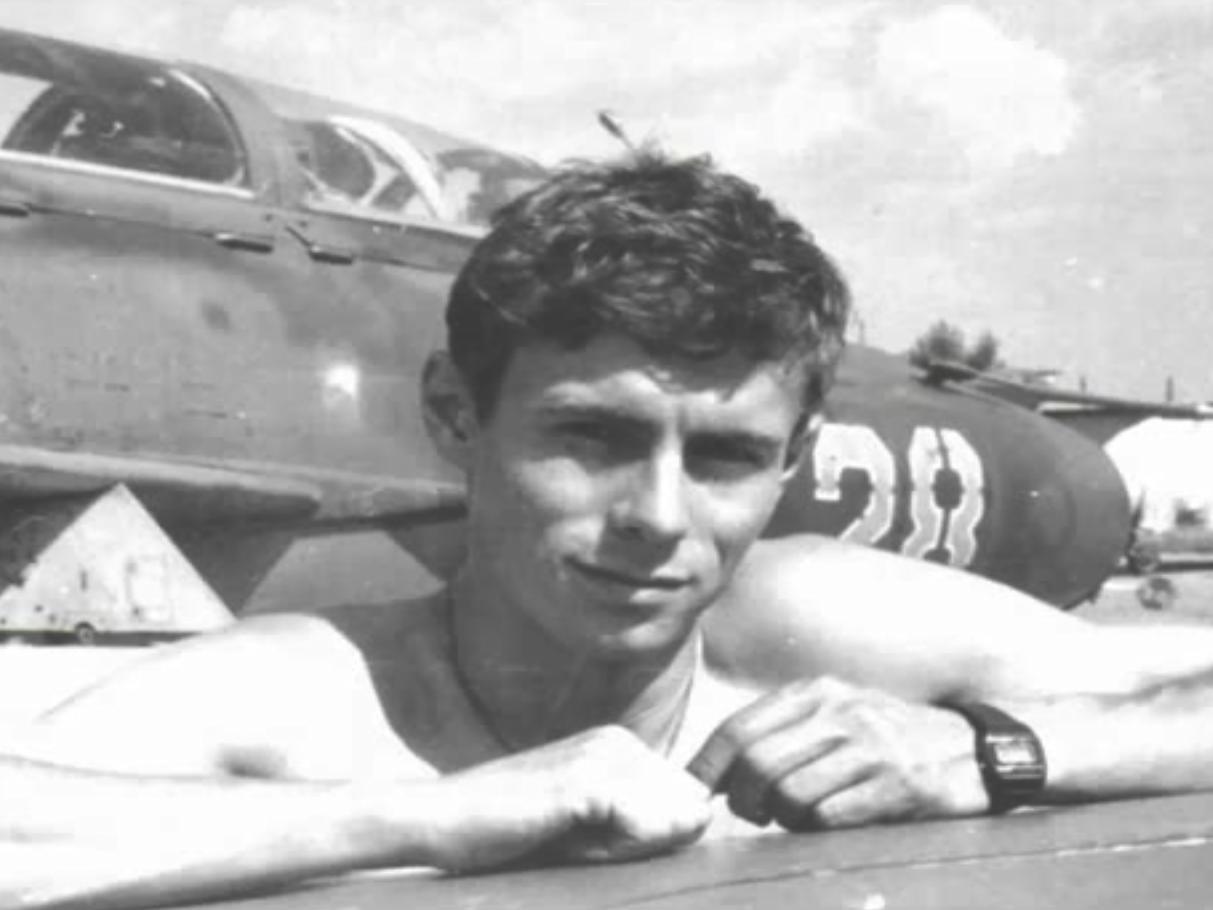
Oleg Mozart at an airfield during his aviation career.
Later, the Samara Regional Court reviewed the defense«s appeal and changed the preventive measure — instead of pre-trial detention, Oleg Mozart was placed under house arrest.
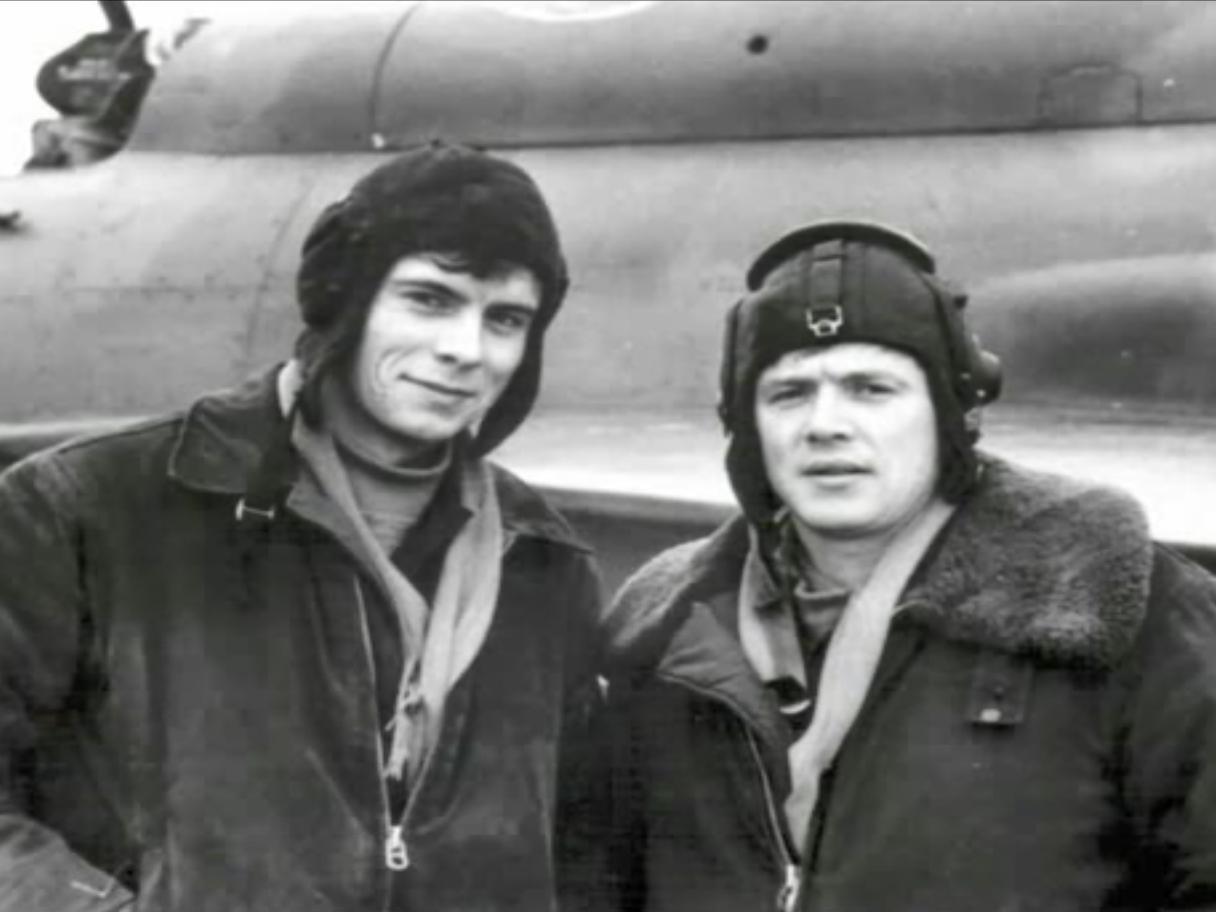
After the Soviet withdrawal in 1989, Mozart returned from Afghanistan.
For many Samara residents, this news came as a shock. For nearly thirty years, the name Mozart was associated with something else: rescue operations, fires, floods, searches for the missing, major emergencies covered by federal television channels.
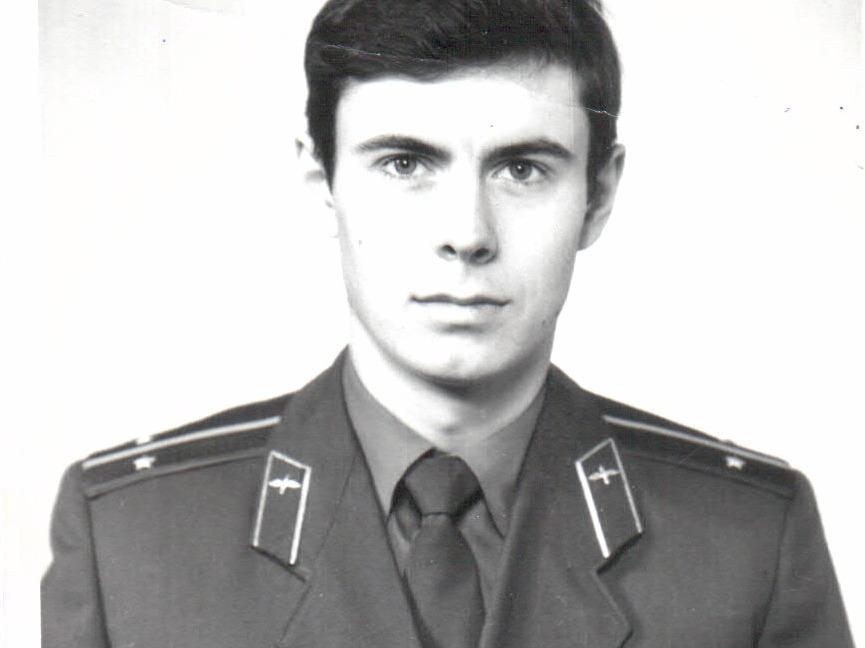
Captain Mozart left the Armed Forces in 1994 to start a new life.
His professional biography largely coincided with the history of the Samara Region Search and Rescue Service itself. When a new structure was created in August 1996, a different person was supposed to lead it. But in the end, it was Oleg Mozart who was offered the position. At the time, the staff consisted of just ten people, and the office was in a small basement on Kuibyshev Street. A few months later, the rescuers celebrated their first New Year there, and soon received their first serious call — a search for three people missing on the Volga. The operation ended without results, but it marked the beginning of a service that would eventually become one of the largest regional search-and-rescue structures in the country.
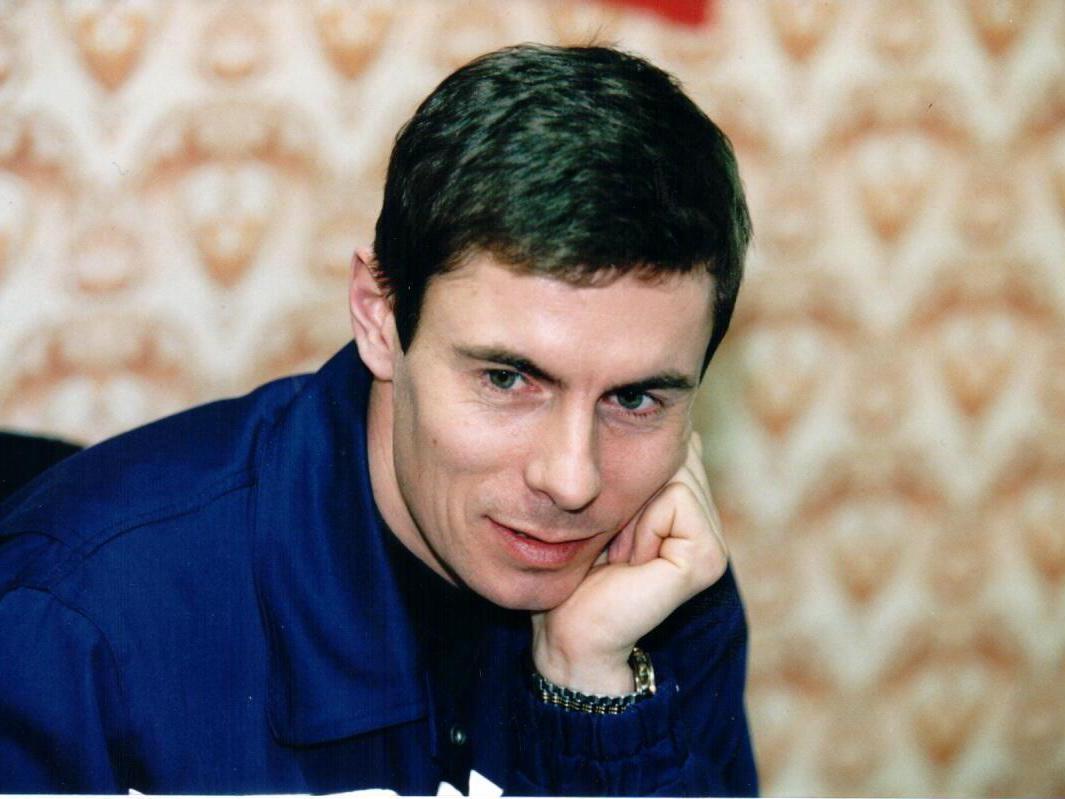
The Samara Region Search and Rescue Service was registered on August 16, 1996. Mozart was 30.
Over the following years, the small unit grew into a service with hundreds of employees, dozens of specialized departments, and modern equipment. Governors, ministers, and heads of main departments changed, the Ministry of Emergency Situations was reformed, but the head of the regional search-and-rescue service remained unchanged.
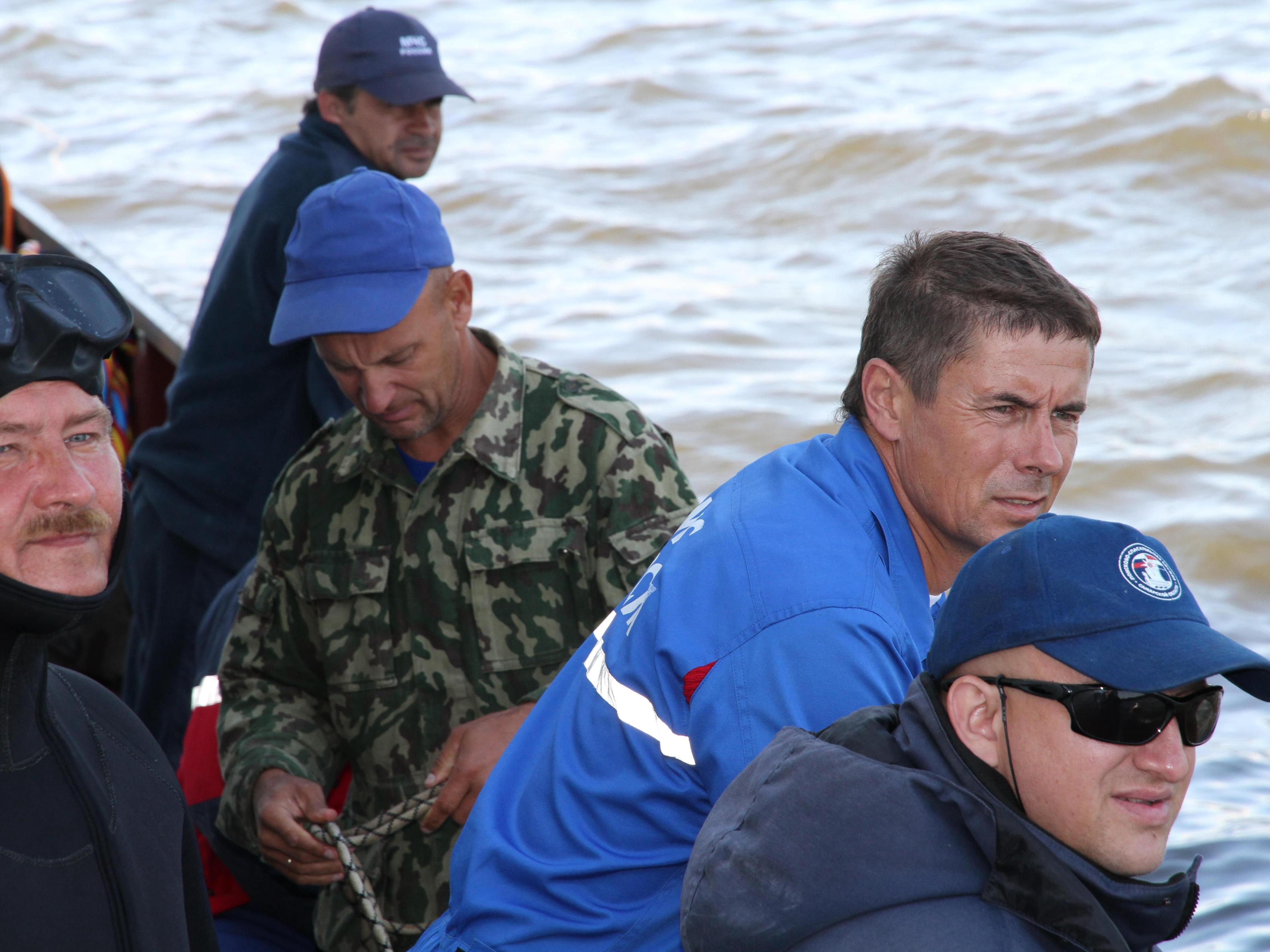
The Samara PSS became a state institution under the regional government.
Who is Oleg Mozart? How did a former military pilot end up leading the Samara rescue team? Why was his name associated for years with the region«s biggest emergencies? And how did a man awarded for saving lives become a defendant in a criminal case?
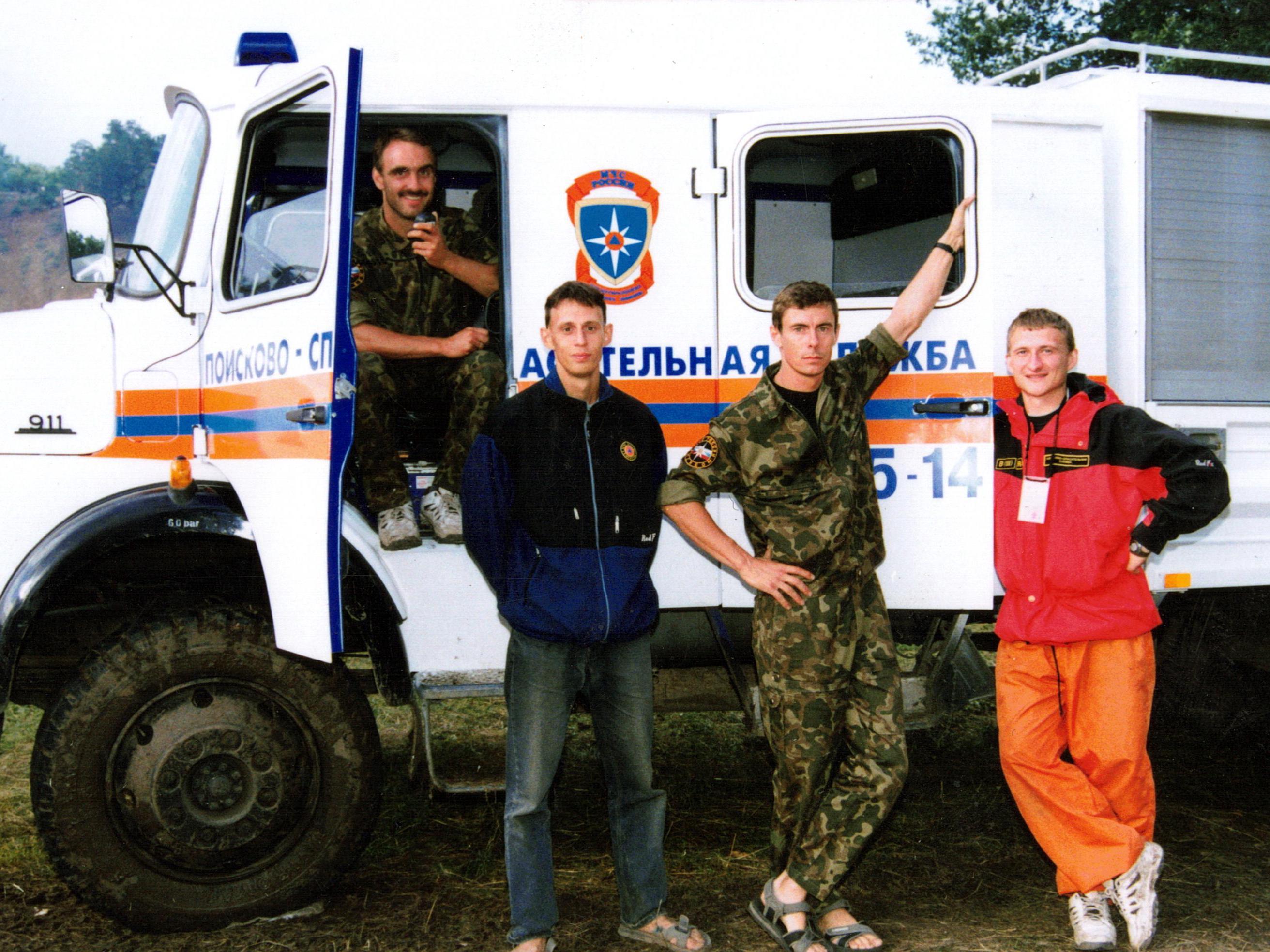
Providing security at the Grushinsky Festival, a bard song festival, in 1997.
To answer these questions, we need to go back nearly forty years — to Afghanistan.
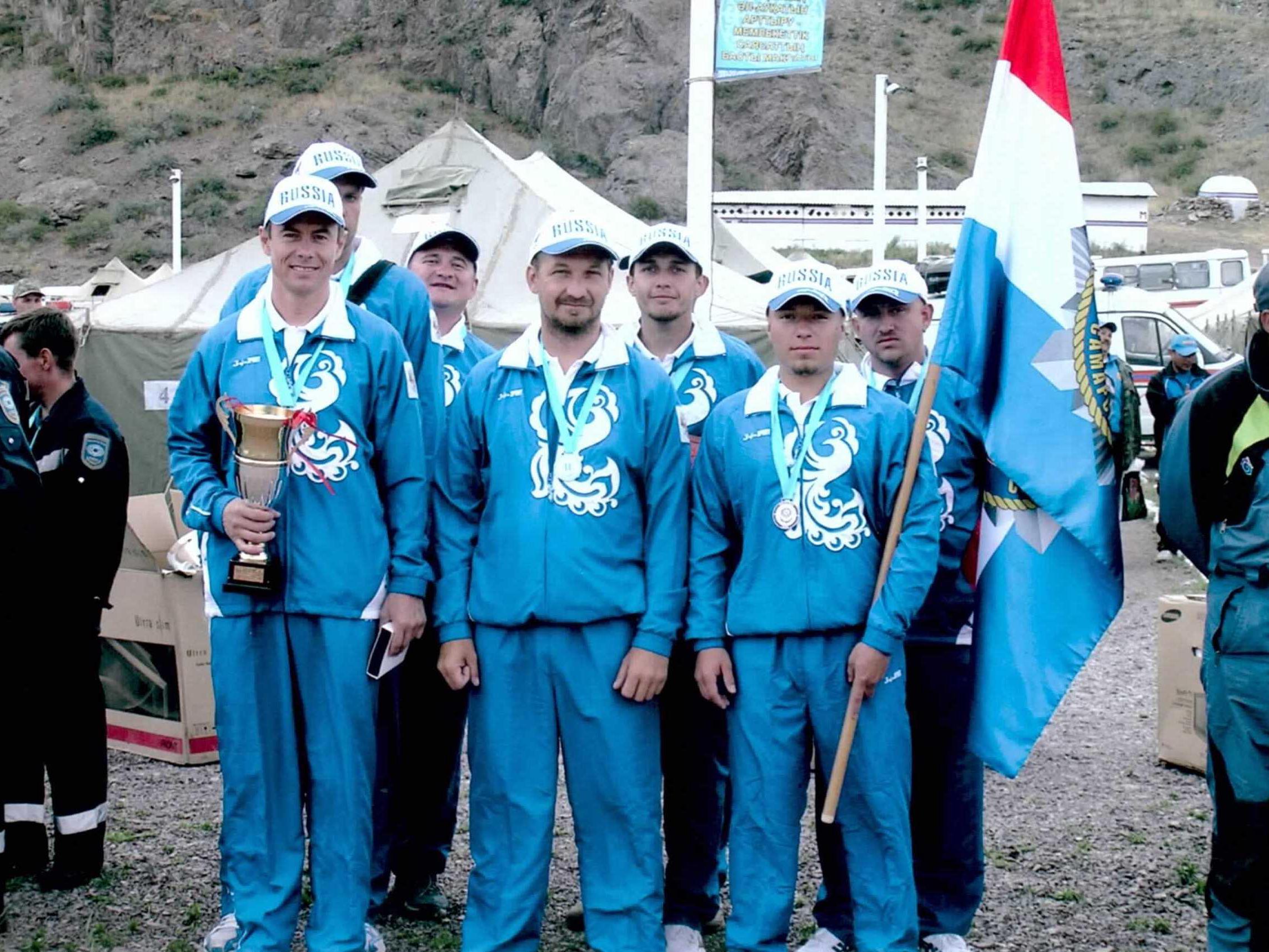
Kazspas competition in 2011.
The Boy Who Wanted to Fly
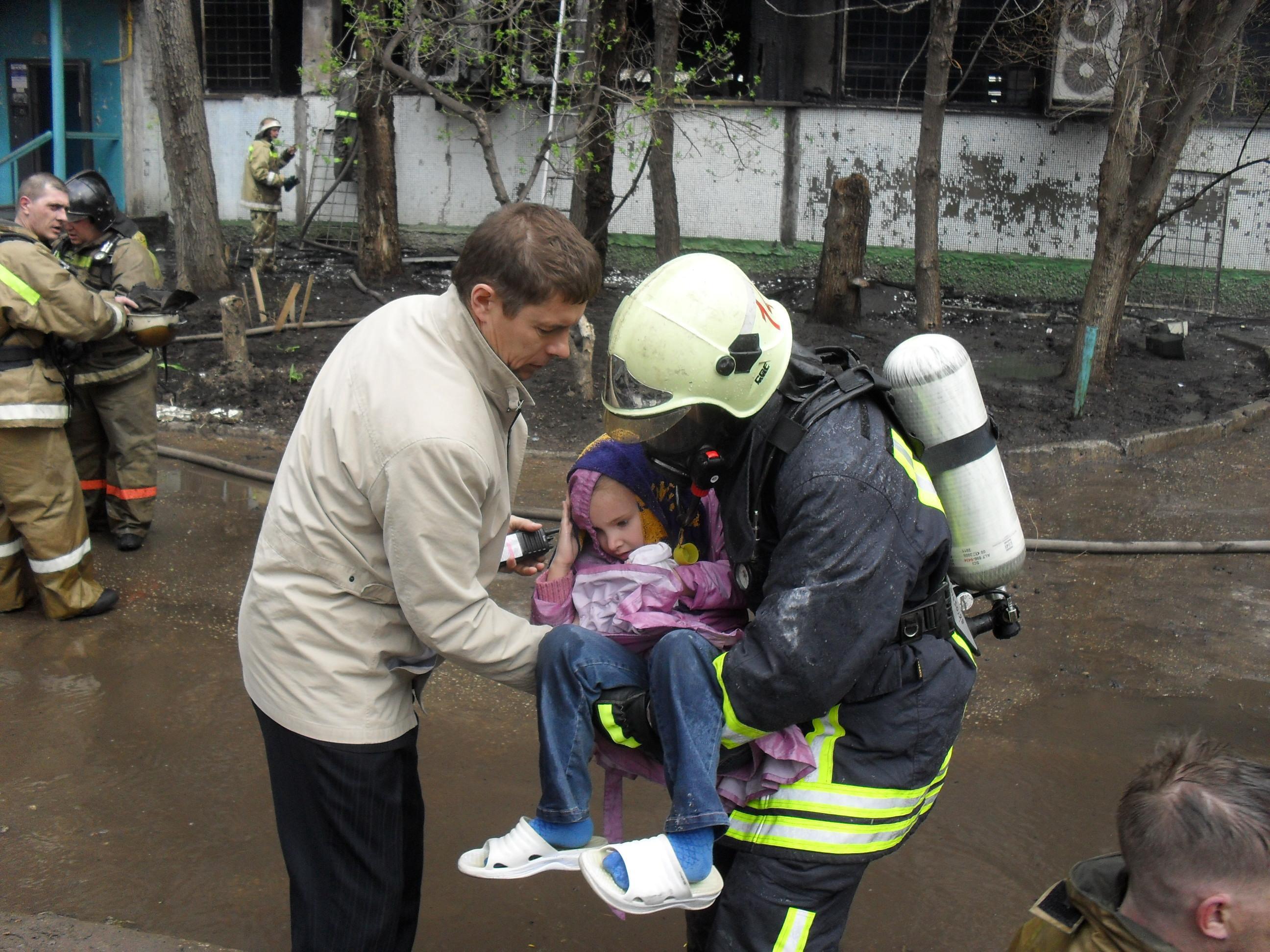
Mozart personally responded to the most difficult rescue operations.
Oleg Mozart was born in 1966 into the family of a military pilot. So the question of his future profession seemed not even up for discussion.
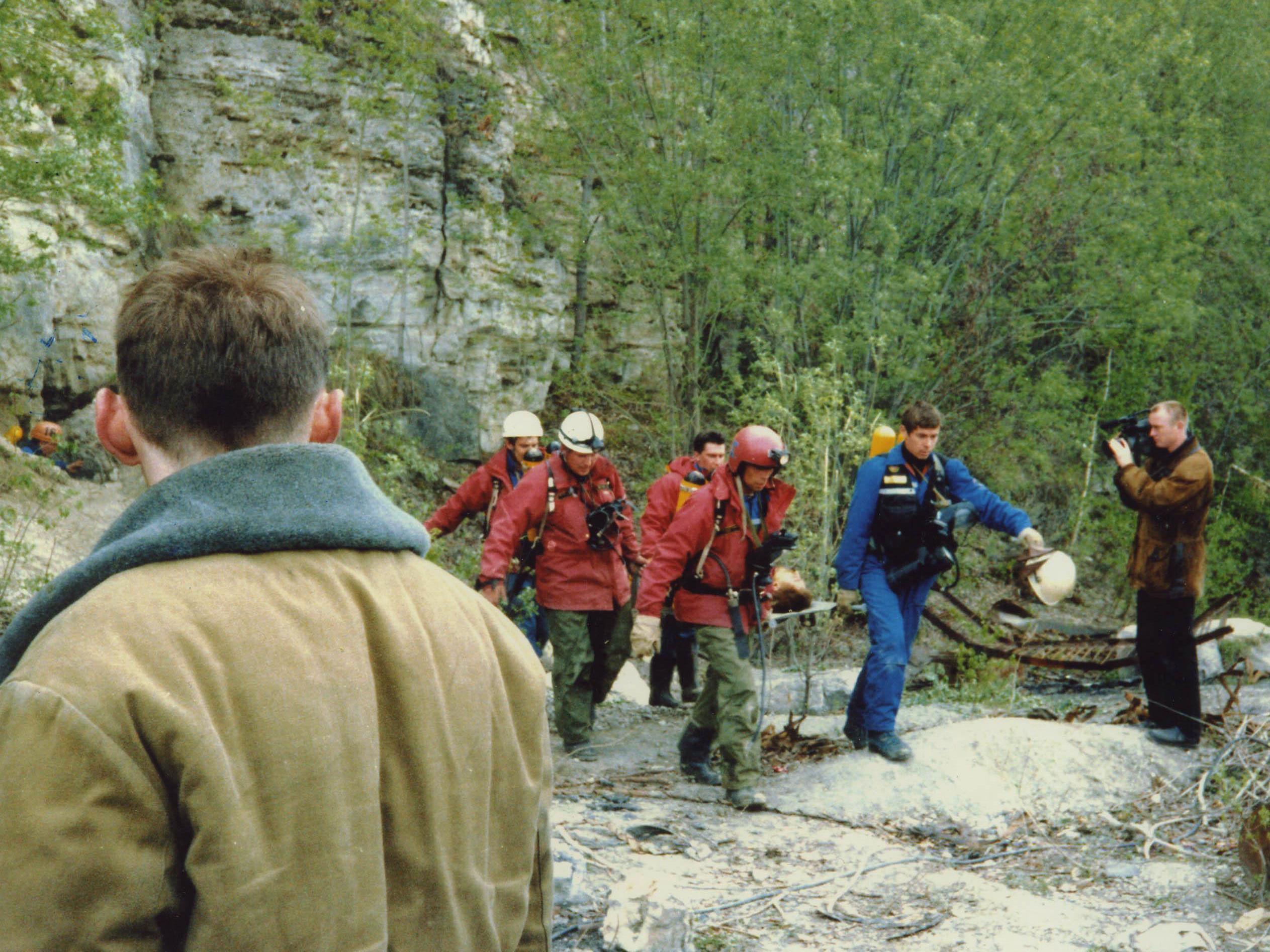
The Sok mines disaster in 1999 where seven people died.
«Naturally, I also sought to get into aviation,» he recalled many years later.
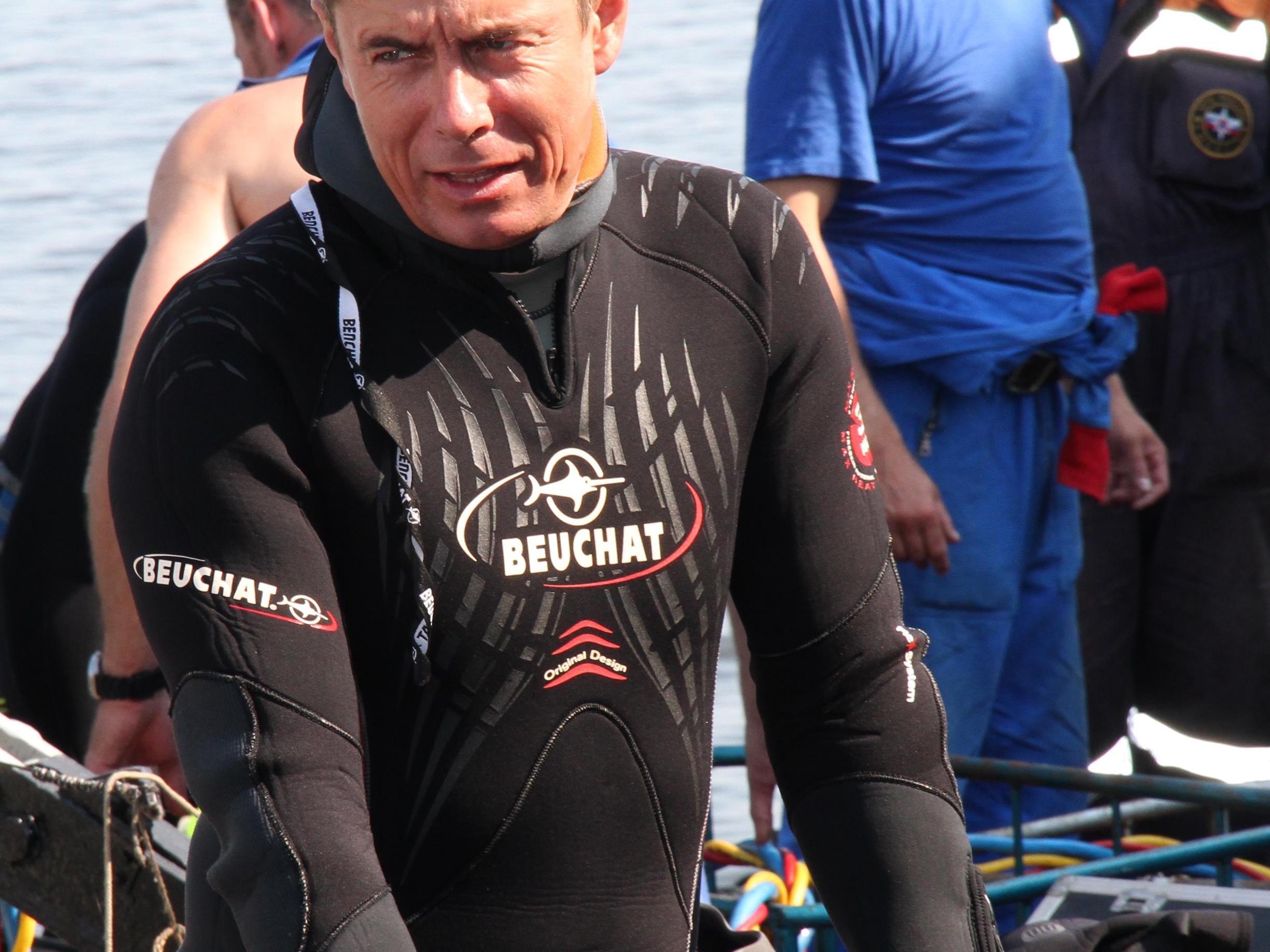
Oleg Mozart during the search for victims inside the sunken motor ship Bulgaria.
After school, Mozart entered the Kharkiv Higher Military Aviation Engineering School, where he graduated as a flight engineer. For a young officer, this meant not a desk job but constant work aboard a combat vehicle.
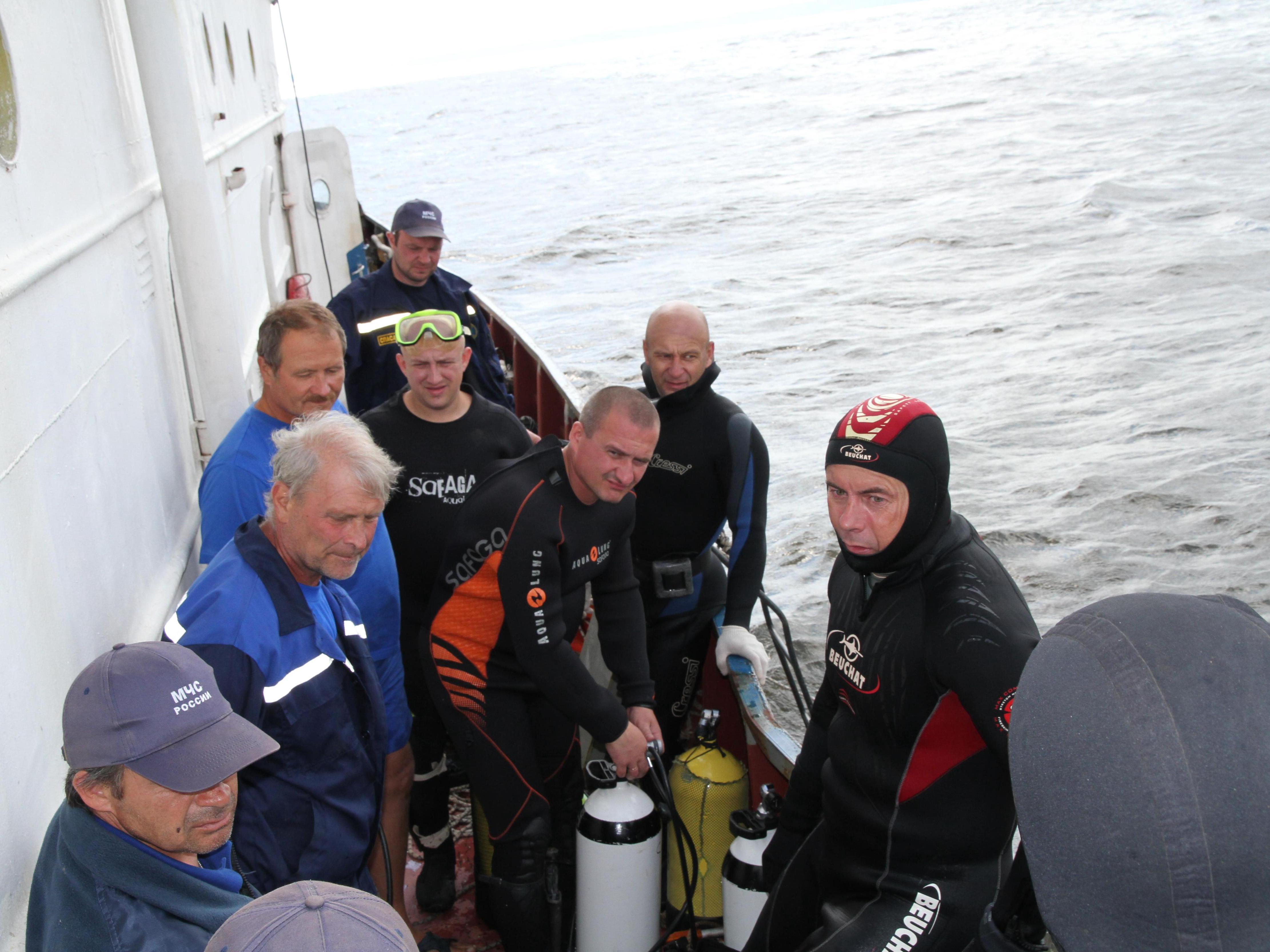
Years later, Mozart called the Bulgaria operation the most difficult of his life.
In 1987, Lieutenant Mozart was assigned as a flight technician on an Mi-24 attack helicopter. At the time, such a position almost automatically meant one thing — Afghanistan.
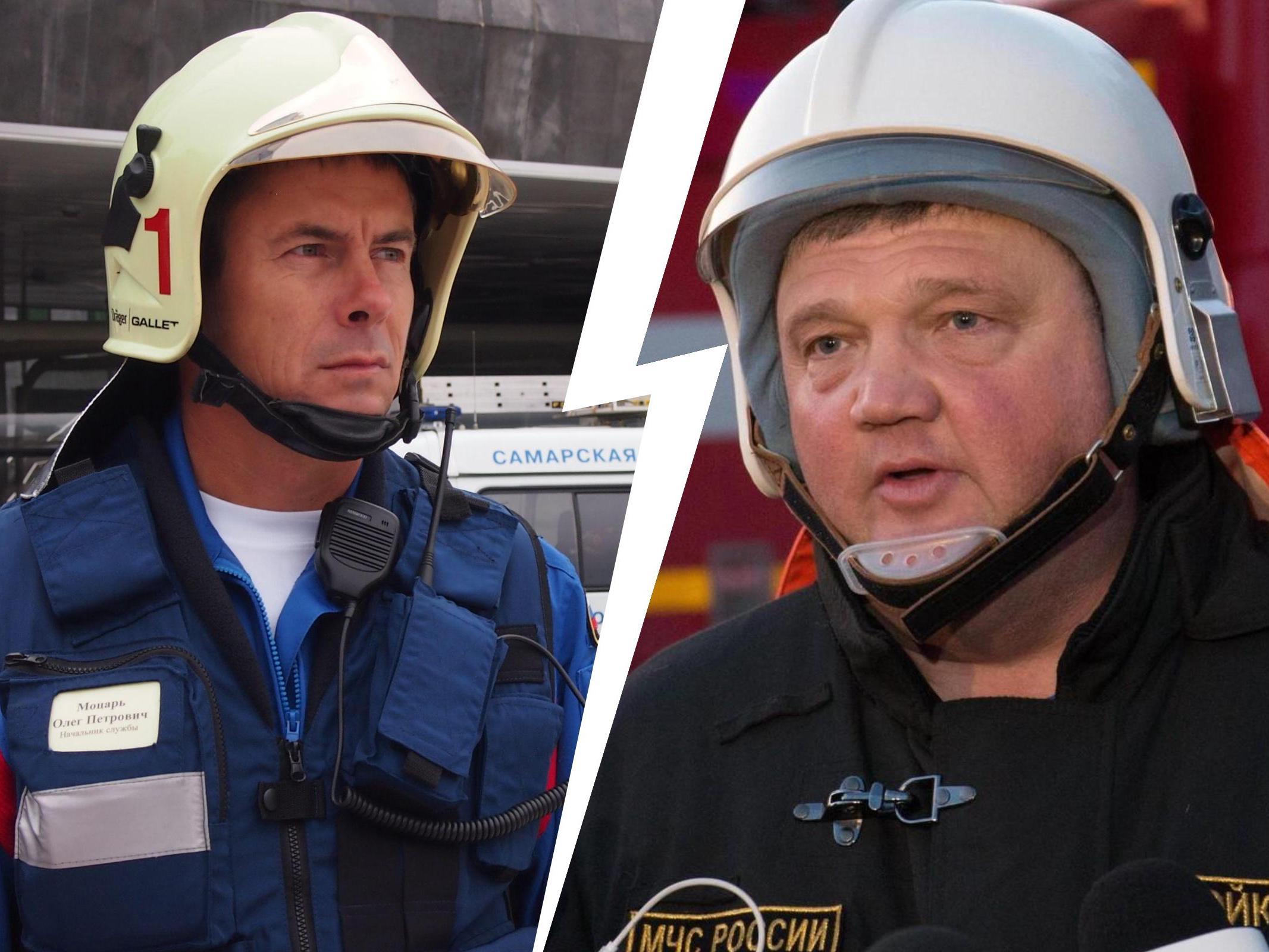
A prolonged conflict developed between Oleg Mozart and Oleg Boyko.
By then, the war had been going on for eight years. Soviet forces controlled major cities and airfields, but beyond them, combat clashes occurred almost daily. Il-76 and An-12 military transport aircraft brought people, ammunition, and equipment into the country. During takeoff and landing, they were particularly vulnerable. They were escorted by Mi-24 attack helicopters.
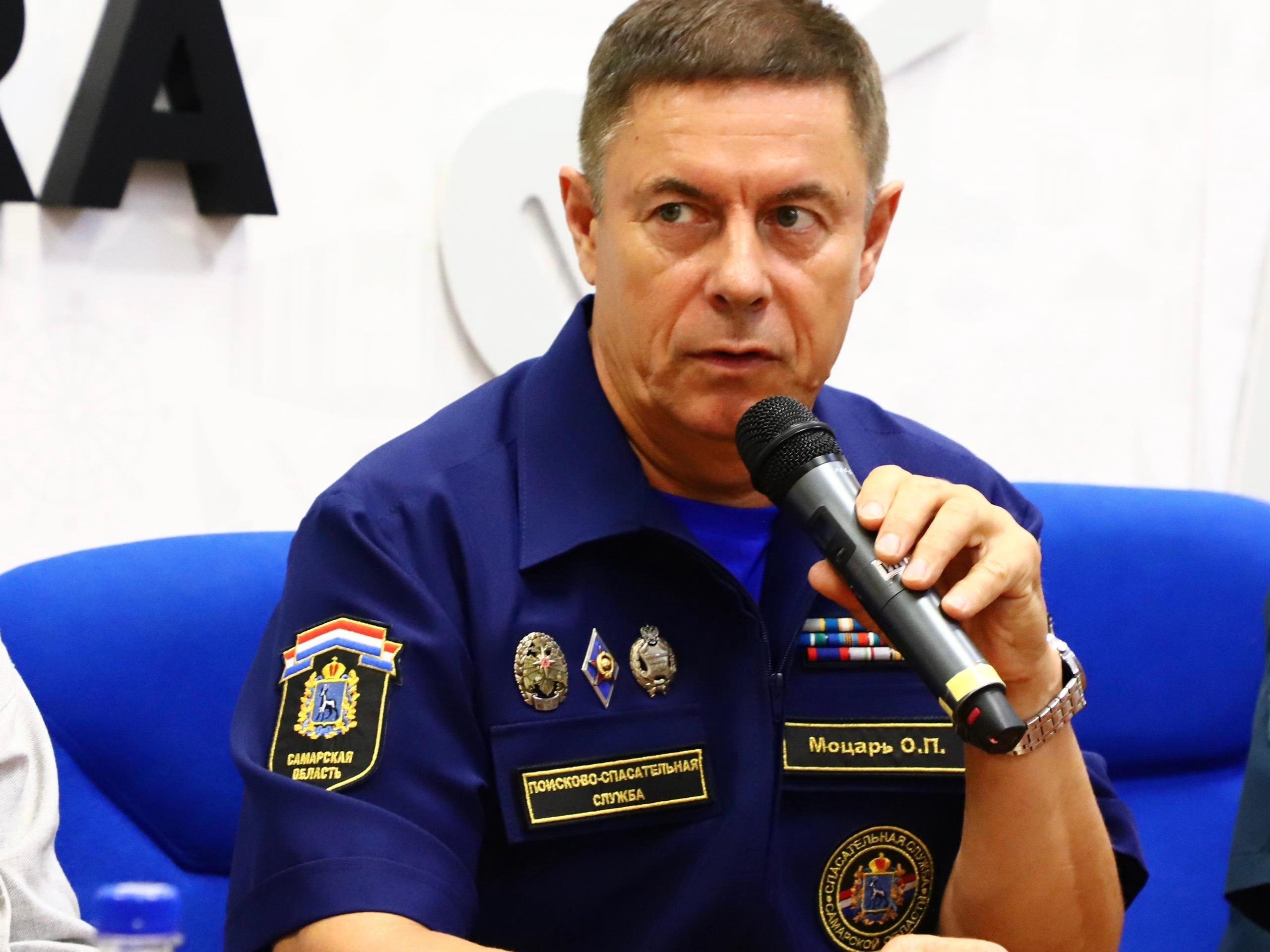
This was the first major public crisis in the biography of the rescue service chief.
That was the crew Oleg Mozart joined. In 1988, his unit was based in Kabul. Almost every day, the crew took to the air to cover transport aviation. According to Mozart, for a while they managed to return without serious damage.
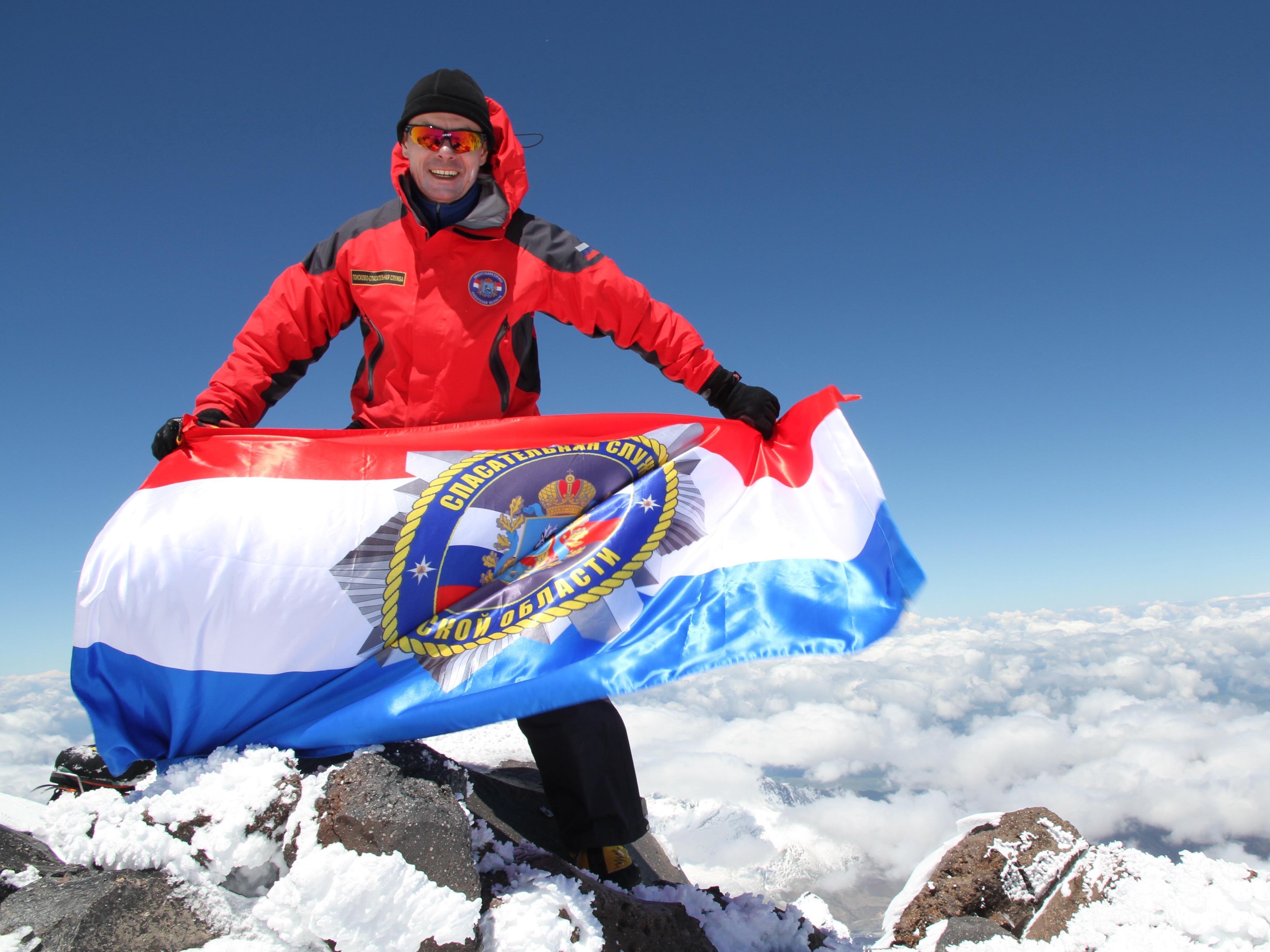
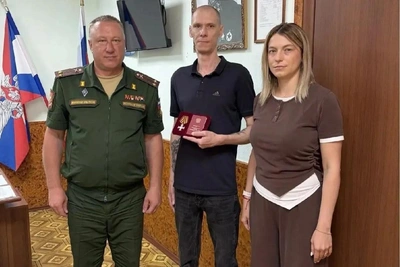
Mozart received regional awards including gubernatorial honors.
Everything changed during one operation about 250 kilometers from Kabul. A landing group was fighting in the mountains. Mi-8 helicopters were sent to them, while a flight of Mi-24s was to provide cover. During landing, one of the transport helicopters was damaged. Mozart«s crew landed nearby to pick up the soldiers. That was when their aircraft was hit by a burst from a DShK heavy machine gun.
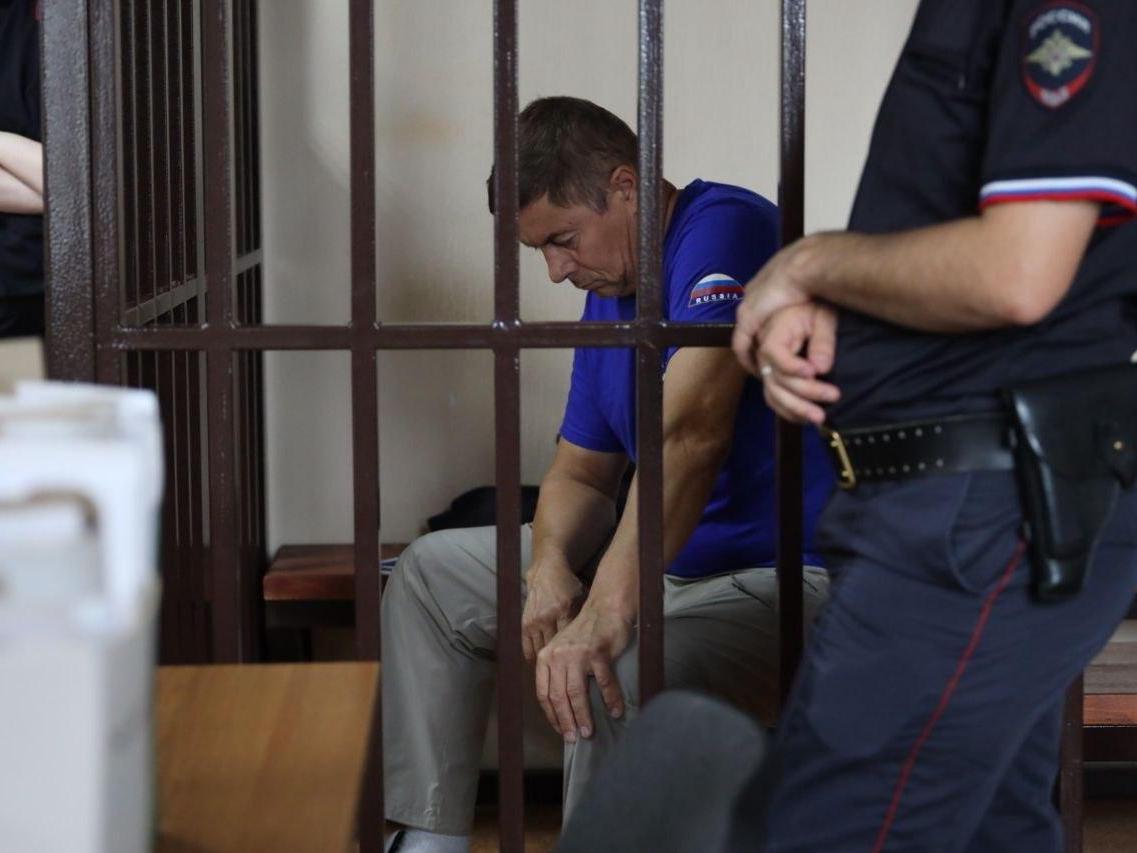
Oleg Mozart is charged with abuse of office.
«The tail rotor and tail boom were damaged. Everything was blown to pieces. Until help arrived, we fought off attacks together with the paratroopers,» Mozart recounted.
The crew survived.
In 1989, after the withdrawal of Soviet troops, he returned from Afghanistan. Later the aviation regiment was disbanded. Two years after that, the Soviet Union collapsed. By then, Mozart was already serving in Ukraine — as a senior instructor at a special training center for aviation rescuers and aircrew survival. Here, his work first directly connected to saving people. He taught others how to act in emergencies, survive after accidents, and help those in trouble.
In 1994, Captain Mozart retired from the Armed Forces. Like thousands of former officers, he faced a choice: he had to start life anew. He moved to Samara, where he became head of the search-and-rescue support for flights at the Bezymyanka airport, which belonged to the Aviakor aviation plant. The work was still aviation-related, but without the military uniform. His task was to organize crew rescue in case of aviation incidents.
However, this position was only a brief stop. In 1996, the Samara Region began creating a new structure — the regional search-and-rescue service. Initially, a director was already appointed, and Mozart came in as an ordinary candidate. Later the situation changed unexpectedly.
«I was told that the service already had a chief and a deputy. But then they offered me to lead the service myself. And I decided to give it a try,» he recalled.
On August 16, 1996, the Samara Region Search and Rescue Service (PSS) was registered. In practice, everything had to start from scratch. The first office was in a semi-basement of an old house on Kuibyshev Street, built in the 19th century. The staff was just ten people. There was a shortage of equipment, gear, and experience in civilian rescue work. But it was this small team that would create a system that years later would become one of Russia«s most professional regional services.
Mozart was only thirty at the time. He did not yet know that he would spend nearly three decades in that office, outlive several governors, dozens of major emergencies, thousands of saved lives, and at the end of his career become a defendant in a criminal case. But in the summer of 1996, all of that was still ahead. Ahead was the first rescue operation.
The First Rescue Operation Without Survivors
At that time, the service had no history of its own. It was written literally from the first call. It came on December 5, 1996. On the Volga, near Krasnaya Glinka, three people who were crossing to the right bank in a kayak went missing. Rescuers found only an empty boat and oars. The search lasted several days. Together with the relatives of the missing, they even took a diving boat out of winter storage and surveyed the Volga banks. Without result. Only a year later, about thirty kilometers downstream, a human skeleton was found. Forensic examination confirmed that the remains belonged to one of the missing.
The first operation of the new service ended without survivors. But it showed what PSS work would be like. Without loud headlines. Without a guaranteed happy ending. Sometimes rescuers arrive too late. Sometimes they are searching not for the living but for the dead. Sometimes the only result is the chance to return a person to their family and put an end to months of searching.
At the end of 1996, no one could have guessed that within a few years this small service would work on the country«s biggest disasters, and its employees would be sent where the count was not in tens but hundreds of human lives.
How the PSS Was Built
In the early years, the Samara Region Search and Rescue Service more closely resembled a small team of enthusiasts. Ten people. A few pieces of equipment.
But within a few years it became clear: such a structure was insufficient for the region. In 2002, a reform occurred that changed the service«s fate. After transformations in the Ministry of Emergency Situations system, regional search-and-rescue units were transferred to the jurisdiction of the Federation»s constituent entities. The Samara PSS became a state institution of the regional government. Along with the new status came new powers, funding, and responsibility.
For Oleg Mozart, this was an opportunity to build the service almost from scratch. He secured an increase in staff. Whereas before the PSS had only ten employees, after the reform the number grew to 35. Funds appeared for modern equipment, specialized machinery, and development of new directions.
The next turning point was 2005. After another reorganization of the federal Ministry of Emergency Situations, the regional service received the water rescue stations of the State Inspectorate for Small Vessels along with their personnel. In one day, the staff increased almost eightfold. From thirty-five people to two hundred and fifty-six. This was a very different organization.
«Part of the staff had to be fired and new ones hired, because among the previous employees there were many of advanced age. Almost the entire fleet of equipment was ninety percent worn out. Major repairs were needed. There was no time to be bored. We came home only to sleep,» Mozart later recalled.
Along with the people, the service also received serious problems. Worn-out boats. Outdated equipment. Premises that needed renovation. A shortage of modern machinery. In effect, the new structure had to be rebuilt in the course of daily work.
At the same time, the material base was changing. The PSS moved from the cramped basement to a former abandoned building on Bezymyanka. It had to be almost completely renovated: repairing rooms, equipping workshops, warehouses, classrooms, and storage for equipment. Over time, this base at 13a Novo-Vokzalny Dead End became the main headquarters of the Samara rescuers.
By the mid-2000s, the service bore little resemblance to the organization Mozart had taken over in 1996. The region had thirteen search-and-rescue units. Five were in municipalities, the rest in Samara. Specialized diving groups, dog handlers, climbers, and gas-and-smoke protectors appeared. Most employees held several specializations.
«A real rescuer must be a diver, a climber, and a driver,» Mozart said.
He himself did not become a desk chief. Even while leading several hundred employees, he continued to respond to the most difficult operations, work underwater, participate in searches, and personally direct rescue efforts. It was then that his management style became firmly established in the professional community. He built the service on military principles. Strict discipline, constant training, competitions, learning. Every major emergency was an exam, and every international championship a way to understand how Samara rescuers measured up to the best global practices. Later, this approach would allow the Samara Region PSS to regularly win all-Russian and international competitions. And Mozart himself would cease to be just the first head of the service. He became the man with whom the entire rescue system in the Samara Region was associated.
All the Major Disasters of the Samara Region
There are people whose biography can be read from their work record. Oleg Mozart«s biography can be read from the chronicle of emergencies.
February 1999. Samara. Fire in the regional police headquarters. Flames engulfed the upper floors of the Internal Affairs Directorate. Dozens of police officers died in the smoke. Rescuers worked for hours, clearing debris and leading people out of the burning building. The Search and Rescue Service was only a few years old. It was one of the first truly serious tests.
May 1999. Sok mines. Four students entered the underground workings, lit a fire, and died from carbon monoxide. A commercial rescue team was sent to find them. Three of its members also died. Seven people remained underground. It was the regional PSS rescuers who had to search for the bodies. Later Mozart recalled that visibility in the mines was zero. The rescuers moved forward literally by touch, unrolling a safety rope to find their way back. The search lasted two days.
November 2009. Tver Region. Derailment of the high-speed train «Nevsky Express». Although the tragedy occurred thousands of kilometers from Samara, among the first on the scene were Samara rescuers. Mozart later said that he and his colleagues ended up there almost by accident. But the accident quickly turned into routine work: Rescue. Carry out. Search.
July 2011. Kuibyshev Reservoir. The motor ship «Bulgaria». One of modern Russia«s worst disasters. The sunken vessel lay on its side. Inside were dozens of dead. Divers worked almost blind. Darkness. Narrow corridors. Severed cables. Furniture. Children»s belongings. Later Mozart called this operation the most difficult of his entire life.
June 2013. Chapayevsk. Ammunition depots began exploding. Thousands of residents were evacuated. Firefighters, military, Ministry of Emergency Situations personnel, and regional rescuers worked on site. This was not a pinpoint operation. It was the aftermath of a regional-scale emergency.
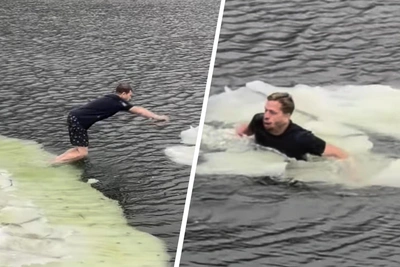
Summer. Almost every summer. Forest and island fires. The Volga islands were especially hard hit. Zelenenky Island could burn more than ten times in a single season. Not everyone could reach it. PSS rescuers not only extinguished fires but also transported firefighters, equipment, and people where conventional vehicles could not go.
Spring. Every spring. Floods. For most residents, these are just news on TV. For rescuers, it is days of work without days off. Flooded villages. Cut-off roads. Crossings. Evacuations. Delivery of food and medicine. Work starts before dawn and ends long after midnight.
September 2015. Explosion at the Toliattikauchuk plant. Again the search and rescue service. Again debris clearance. Searching for victims. Coordinating with firefighters. For residents, it was yet another big news story. For the PSS, it was just another working day.
November 2016. During the Parade of Memory, a Yak-52 plane crashed into the Tatianka River. It was the PSS rescuers who surveyed the riverbed, found the aircraft, and participated in the recovery operation. The work lasted several days.
April 2026. Syzran. The morning of April 22 began with sirens and explosions. The city was attacked by at least 11 drones. One struck a four-story residential building on Astrakhanskaya Street. The entrance collapsed — a pile of concrete, brick, and twisted rebar. Voices came from under the rubble. Rescuers from the PSS, Ministry of Emergency Situations, and Volga Rescue Center worked simultaneously — more than 300 people and 80 pieces of equipment. Rescuers pulled four people from the debris, including a child. They cleared rubble, searched for survivors, worked where ordinary people try not to go. As always.
June 2026. In Samara, a domestic gas explosion occurred in an apartment building on XXII Party Congress Street. Rescuers dismantled concrete structures, searched for people under the rubble. Mozart was again on site. It was one of the last major operations he participated in as service chief. A few days later, people came to his home not with news of a new emergency, but with searches.
Over thirty years of the regional Search and Rescue Service«s existence, virtually all the major tragedies of modern Samara Region have passed through it. Governors changed. Heads of the Ministry of Emergency Situations changed. Ministers changed. Governments changed. But whenever something truly terrible happened in the region, one surname invariably appeared in the operational reports. Mozart.
«Bulgaria»
On July 10, 2011, the motor ship «Bulgaria» sank in the Kuibyshev Reservoir. The tragedy claimed the lives of 122 people. For most Russians, it was one of the biggest news stories of that summer. For Samara rescuers, it was several days of work that many would remember for the rest of their lives.
One of those who descended inside the sunken vessel was the head of the Samara Region Search and Rescue Service, Oleg Mozart. A few months later, he would describe in detail for the first time what happened underwater. Without grand words. Without trying to impress. Simply as a man who was there.
«The work was so difficult that I had never encountered anything like it. On the »Bulgaria« it was pitch black. The ship lay on its side. The corridors were narrow. Debris of furniture, belongings, and other junk floated everywhere. Moving in total darkness, we had to make our way through all these obstacles.»
But the main danger was not even the debris. At any moment, a diver could lose his bearings. Get caught on equipment. Become entangled. Not find the exit.
«It required tremendous self-control and attention not to stay there ourselves.» And ahead, people remained. They had to be found. Raised. Give relatives the chance to bury their loved ones.
«And at the same time, we had to search for the dead. The work was heavy both morally and physically.»
Over years of service, Mozart participated in dozens of major operations. Worked after fires. After explosions. After railway disasters. Searched for people in mines. Cleared rubble. Raised planes from riverbeds. But it was the «Bulgaria» that years later he called the most difficult operation of his life.
Conflict with Boyko
For nearly twenty years, Oleg Mozart rarely made the news. People remembered the Search and Rescue Service«s work when disaster struck: fire, flood, crash, search for missing persons. Rescuers arrived, did their job, and again disappeared from the news cycle.
Everything changed in 2014–2015. And the reason was not an emergency. For the first time, the main event became the relationship between two agencies. On one side was the Samara Region Search and Rescue Service, which since 2002 had been subordinate to the regional government. On the other was the Main Directorate of the Russian Ministry of Emergency Situations for the Samara Region, a federal structure. Formally, both services were supposed to work together. In practice, a protracted conflict began between their leaders — Oleg Mozart and Oleg Boyko.
One of the first open episodes was a dispute over the Central Rescue Station on Volzhsky Prospekt near the brewery. Each side explained its rights to the facility differently. Mozart argued that the station had historically been transferred to the regional service after the reform of the State Inspectorate for Small Vessels and was needed primarily for saving lives. According to him, it was from here that hovercraft launched in winter, providing a crossing for residents of Rozhdestveno and enabling a quick response to incidents on the Volga. He emphasized that it was not about a fight for land or property.
«We don»t claim either water or land. We just want to save people,« Mozart said at a press conference in November 2015.
At the same time, he warned that if rescuers were deprived of access to water, response times would increase, which could cost human lives.
But the dispute quickly extended far beyond a single rescue station. In November 2015, the head of the Main Directorate of the Ministry of Emergency Situations for the Samara Region, Oleg Boyko, at a briefing on the swimming season, publicly stated that the head of the regional Search and Rescue Service should be dismissed. According to Boyko, inspections revealed violations in the operation of boats, and the rise in drownings indicated shortcomings in the service«s work. He also told journalists that he had already sent a letter to the governor requesting Mozart»s dismissal.
The response came a few days later. Mozart called his own press conference, although as he admitted, he had not planned to hold one. For nearly two hours, he systematically responded to each public accusation. He presented documents on the technical inspection of small vessels, rejected claims about the absence of life jackets, and explained the drowning statistics differently. According to him, the number of tragedies was directly linked not to the rescuers« work but to the weather. The hotter the summer, the more people went swimming — and the higher the number of incidents.
Mozart particularly focused on the tragedy of July 12, 2015, when two people died in a storm on the Volga. He claimed that the report of the incident reached rescuers about an hour and a half after it happened, no one could give the exact location, and the search continued until late at night. That same night, according to him, PSS employees saved another five people.
The climax of the press conference was a statement that no one had heard from him before. Mozart announced that he intended to file a lawsuit for the protection of honor, dignity, and business reputation, as he considered the accusations baseless. However, according to the open case file of courts of general jurisdiction, such a civil suit was not subsequently filed.
The conflict did not end there. It continued for many more years. From the outside, it seemed like a routine interagency dispute. Only years later would it become clear that this was the first serious public crisis in the biography of the head of the Search and Rescue Service. More than a decade remained before the criminal case.
The Man Who Was Honored Almost Every Year
For many years, Oleg Mozart was a man the state system held up as a model. Rescuer. Manager. A professional trusted with the most difficult operations. His biography is a long list of thanks, certificates, and departmental awards. Behind him — participation in rescue missions, work in extreme conditions, liquidation of major incidents.
Among the awards — insignia for combat merits, departmental thanks, state and regional honors. A special place is held by the story of the motor ship «Bulgaria» — one of modern Russia«s most tragic disasters. The rescue operation after the ship sank became a test for hundreds of specialists. For many participants, this event became the main professional experience of their lives. Mozart was also awarded the title »Honored Rescuer of the Russian Federation« and the badge »Honored Rescuer of the Samara Region« — one of the highest professional recognitions in the region.
In the region, his name was synonymous with someone who must always be where it is dangerous. He was honored. He was trusted. He was held up as an example. In the Samara Region, he also received regional distinctions, including gubernatorial awards. Until recently, his photo could appear alongside stories about rescued people, difficult call-outs, and professional duty.
Then came a sharp turn. A few months after the latest recognition — a different story. Searches. Investigative actions. A criminal case. The man the state had honored for years for helping others became a defendant. This contrast is one of the strongest questions in the entire story. How did a man with such a reputation end up at the center of a criminal case? Were there warning signs earlier? Or did the system, accustomed to rewarding its best employees, see the other side of this story too late?
The Investigation
And here the story returns to where it began. To the building on XXII Party Congress Street. To one of Oleg Mozart«s last call-outs as head of the Samara Region Search and Rescue Service.
At that time, he was still a man of his usual profession — someone who goes where it is dangerous. Someone who had for decades participated in rescue operations and led people for whom others« misfortune was part of the job. A few days later, his own life changed.
At the end of June 2026, searches were conducted at the Samara Region PSS. A criminal case for abuse of office was opened against the head of the service. According to the investigation, one episode involves work to clear the waters of Samara beaches in the summer of 2025. Investigators believe that PSS equipment and personnel were used for the work, although the contract was awarded to another contractor. The preliminary damage was estimated at 53,000 rubles (approximately $590 at current exchange rates) — the cost of fuel used by a rescue boat. Oleg Mozart does not admit guilt, and the defense insists on its position.
After his arrest, the Leninsky District Court of Samara sent the head of the PSS to pre-trial detention. Lawyers appealed the decision. Later, the Samara Regional Court reviewed the defense«s appeal and changed the preventive measure — instead of detention, Oleg Mozart was placed under house arrest. This was reported to 63.RU by lawyer Dmitry Kurmayev.
This decision is not the conclusion of the criminal case and does not imply a finding of innocence or guilt. The final assessment of the circumstances must be made by the court.