Fuel Crisis: Deputy Says Honesty Is Best Policy
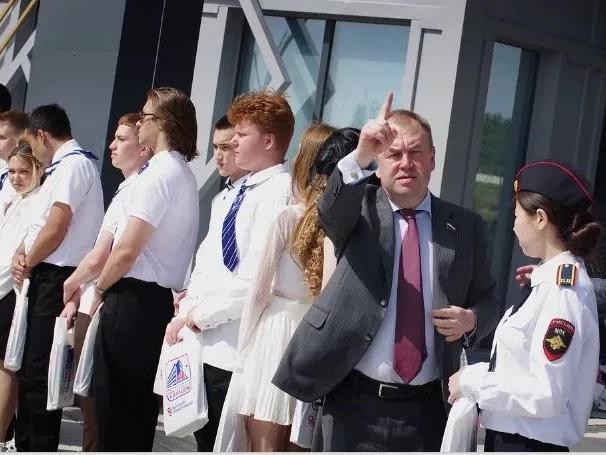

According to Stanislav Naumov, honesty is the best policy
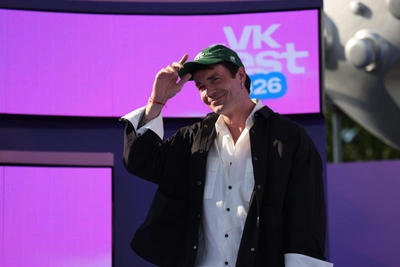
The issue of fuel availability, which is worrying many Russian motorists today, was one of the main topics of an interview with Stanislav Naumov. The parliamentarian shared his personal opinion during a working visit to the Southern Urals. Currently, the politician lives and works in Moscow most of the time. He flew to his hometown of Magnitogorsk specifically for the celebration of Metallurgist’s Day.
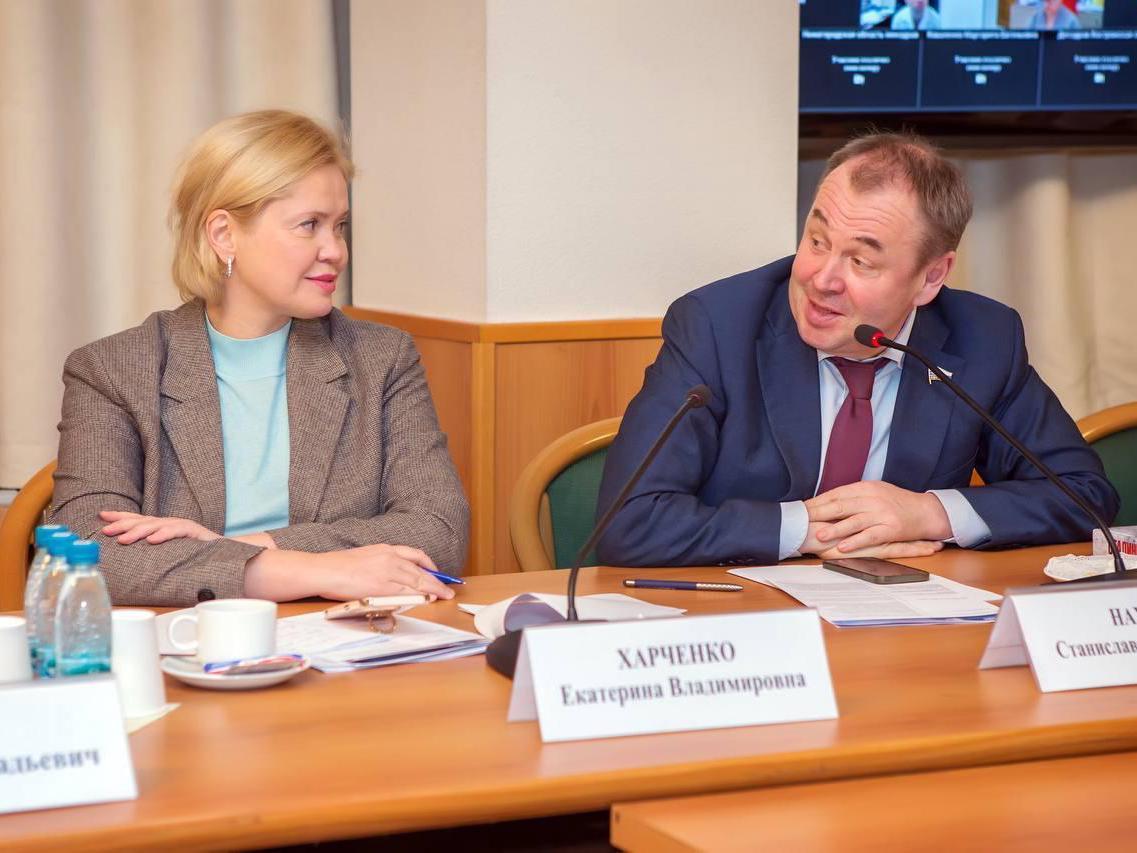
Stanislav Naumov: “There is no point in calming people down, because they themselves see the situation on the fuel market”
In the interview, the deputy spoke about what is really happening with the country’s fuel infrastructure and how to respond to technological challenges. Stanislav Naumov also touched on other socially important topics: phone scams, AI in education, and the ban on selling non-alcoholic energy drinks to minors.
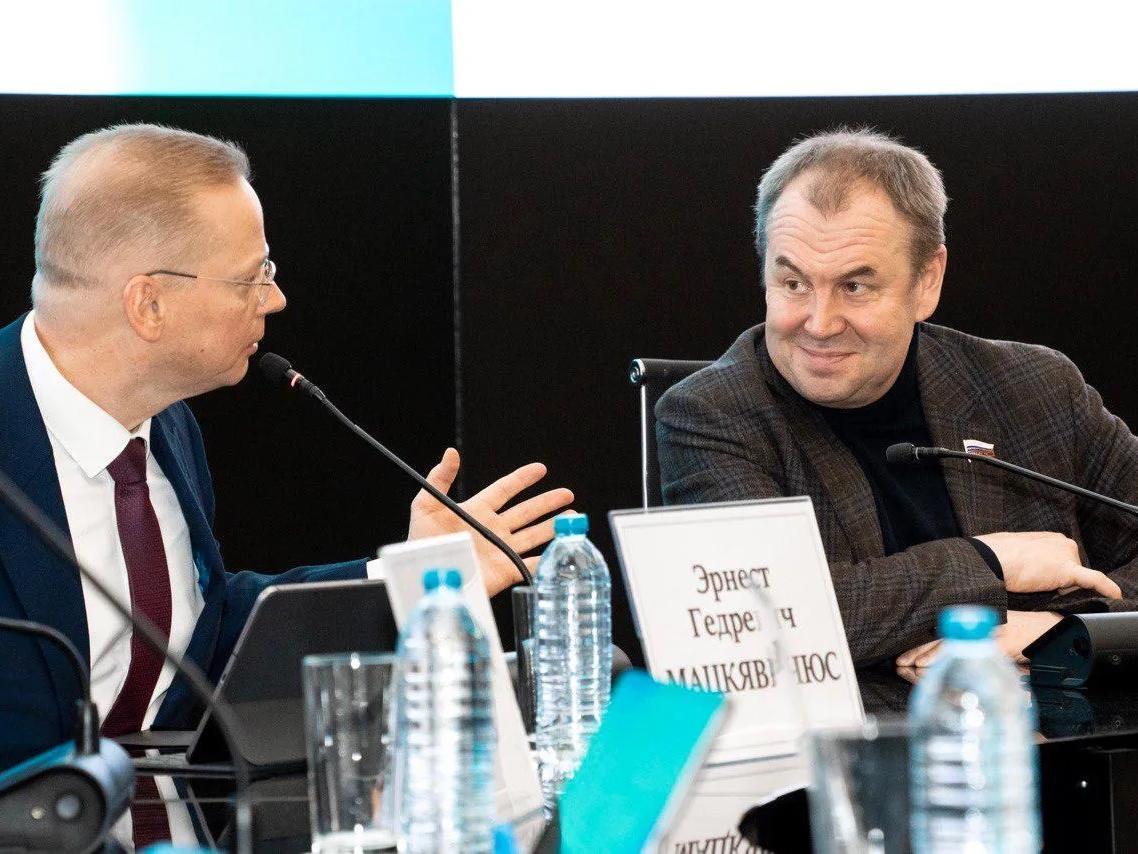
Stanislav Naumov: “Personally, I have started using public transport more often than my own car”
Stanislav Alexandrovich Naumov is a Russian statesman and politician, a deputy of the State Duma of the Russian Federation of the eighth convocation. Winner of the ‘Leaders of Russia — Politics’ competition (2020). He has received thanks from the President of the Russian Federation (2006 and 2011). He was awarded the medal ‘For Contribution to Eurasian Economic Integration’.
— What is your assessment of the current situation on the country’s fuel market?
— The situation is difficult. I used to work at the Ministry of Energy of the Russian Federation, and I understand what has happened now. The Americans are guiding Ukrainian drones with their satellites, leading them to their targets. I am saying this as it is.
— Are you deliberately avoiding reassuring rhetoric and openly speaking about technological vulnerabilities and problems with air defense?
— Politicians usually try to reassure, saying: “Don’t worry, it will be good again soon.” But then it only gets worse. I think honesty is the best policy. That is, you can calm people down, but there is no point: if a gas station is closed, people see it.
— If the infrastructure is damaged, why can’t it be restored quickly?
— The problem is a technological blockade. Key equipment is manufactured in the USA, European countries, and Japan, and its export is banned. There is, of course, parallel import, but you need to understand that bringing industrial units into the country to bypass sanctions is practically impossible.
— What way out do you see in this situation?
— Governors must set priorities when distributing fuel. At the top are emergency and social services: ambulance, police, firefighters. Also, we need to develop affordable and comfortable public transportation. And people must realize that things will never be as before. So it’s worth changing habits — walking more often or riding, for example, the tram. Today this is a reasonable and conscious alternative to a personal car. Personally, I myself have started using public transport more often than my own car.
— Another pressing topic that regularly appears in the news is phone scams. Every year, people give tens of billions of rubles (hundreds of millions of dollars at current rates) to fraudsters. What measures are being taken at the legislative level to protect residents?
— Recently I myself almost fell victim to such fraudsters. Out of curiosity, I clicked on an ad link, and immediately a flurry of calls and SMS started. I am a calm person, and I don’t have that much money to worry about. So when I realized they were scammers, I changed my password on Gosuslugi (the state services portal).
To protect citizens, we introduced a so-called cooling-off period of two days. These 48 hours give a person a chance to come to their senses, reduce panic, and help thwart the fraudsters’ attack.
— If we have to protect ourselves from digital fraudsters, the younger generation is getting acquainted with neural networks faster than us. Some Russian universities have even begun to cancel the writing and defense of graduation theses in order to test students’ real knowledge orally. How do you feel about the introduction of AI into education?
— The factor of someone doing work for you has always existed. Before the advent of neural networks, there were those who simply ordered the writing of theses and essays from outside authors. The problem, it seems to me, is not in the use of AI, but in how to present the result obtained from AI. I personally allow my students at early stages, about a year before starting work on their master’s thesis, to draft using artificial intelligence. This allows the student to understand the minimum program and establish an initial set of ideas. Then the students work with their academic supervisors and experts.
But often students abuse the capabilities of neural networks. That is why we have to develop new or recall time-tested ways of testing knowledge. Indeed, the oral exam should now be more important than written work.
— Another question concerning the younger generation: you oppose the ban on non-alcoholic energy drinks for minors. Why?
— Yes, I am really against it. Because I believe that any total bans hit both retail trade and manufacturers. After all, in absolutely any product, you can find both benefits and harm. And people themselves are able to figure out how to live, what to buy, what to cook. Regions are given the right to impose additional restrictions on the place and time of their sale, and it feels like they are now competing with each other: who imposes stricter bans. In my opinion, this is a dead-end path. We need not to ban, but to find equilibrium points that will take into account the interests of all market participants: business, manufacturers, and consumers themselves.
— Regarding your small homeland, what do you think about the further development of Magnitogorsk?
— I conducted an online survey of Magnitogorsk residents. More than 2,500 people took part and answered the question: what do they consider significant for themselves in terms of the approaching centenary? In first place in expectations for a long-term strategic perspective is the fifth bridge across the Ural River. In addition, we need to return to the project of a two-level interchange between Lenin Avenue and Zavenyagina Street.
Of course, it is necessary to control the budgeting of the multifunctional medical center.
I will add another instruction from the governor for the centenary. This is the new campus of the Nosov Magnitogorsk State Technical University.
Furthermore, I have prepared an amendment that imposes an excise tax on imported steel. This is done to protect the domestic market from various Chinese suppliers who are outright dumping. The introduction of the excise tax will ensure large volumes of domestic orders for our national producers. I note that you can directly ask me questions in my personal Telegram channel.
— Since you came to the Southern Urals to take part in Metallurgist’s Day in your hometown, taking this opportunity, what would you wish for Magnitogorsk and its residents?
— Magnitogorsk has always been famous for its indomitable spirit and labor traditions. First of all, I want to wish everyone safety. Protection from any threats. And, of course, that the upcoming centenary of Magnitka (the city’s nickname) is not just a show, but radically improves the quality of life in our city, in transport, ecology, and healthcare.