Artist who worked with Hollywood wants to become a Nizhny Novgorod local
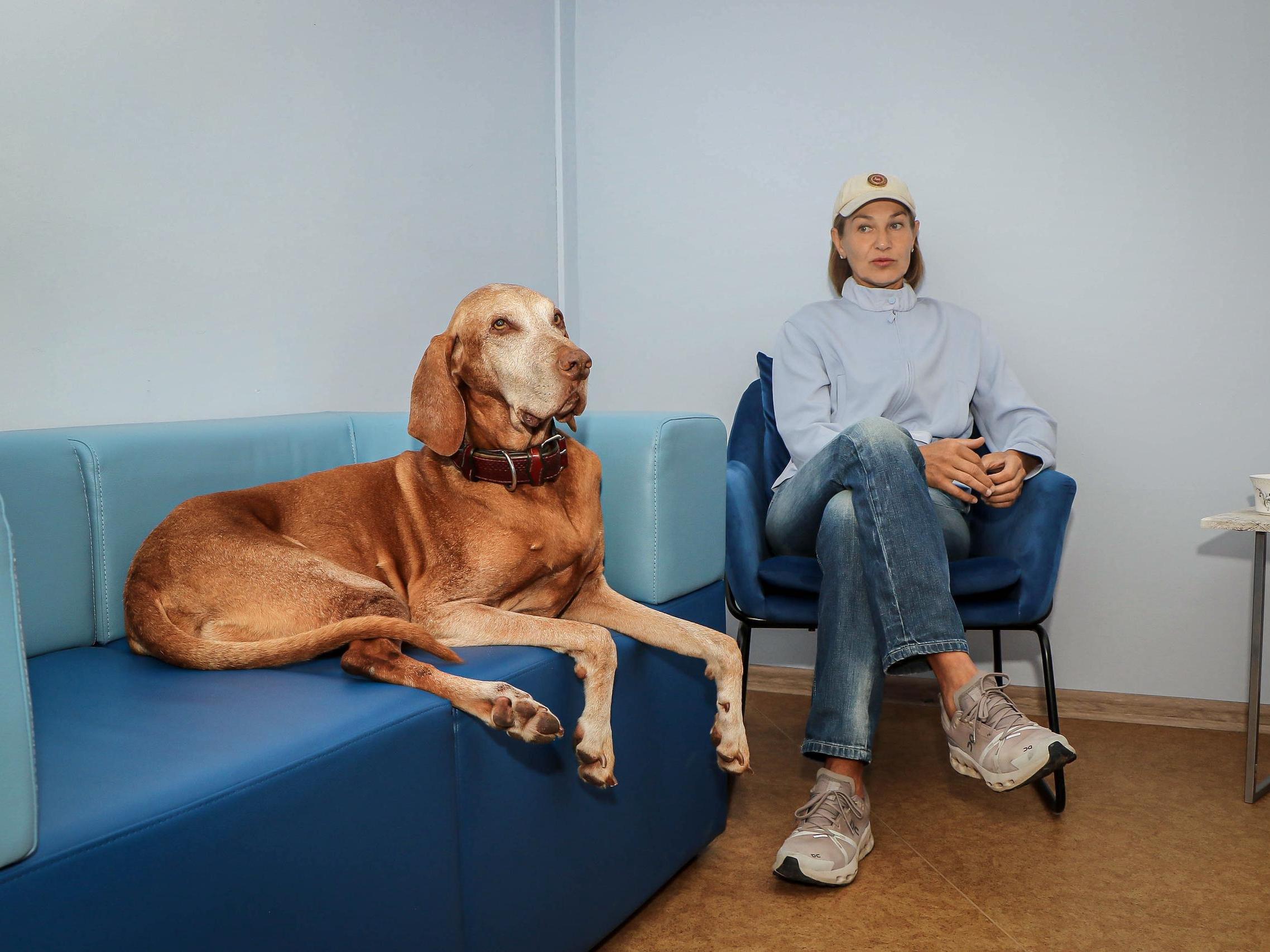

Natalya left Russia in the turbulent 1990s, lived in Germany for 35 years, worked at the legendary film studio that produced famous blockbusters, yet returned to her homeland. Moreover, she chose neither Moscow nor St. Petersburg, but a rural area of the Nizhny Novgorod region. NN.RU correspondents met with the returnee and found out why she decided to come back to Russia and what attracted her to our region.
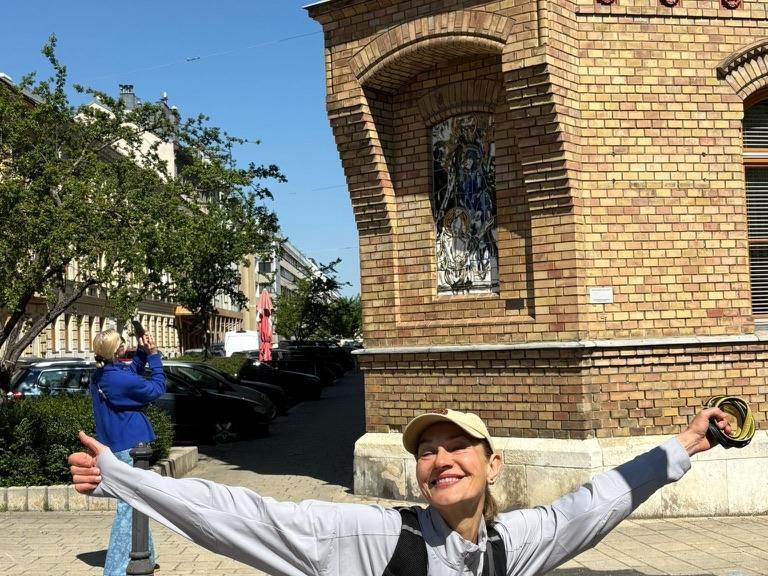
From Tambov to Germany
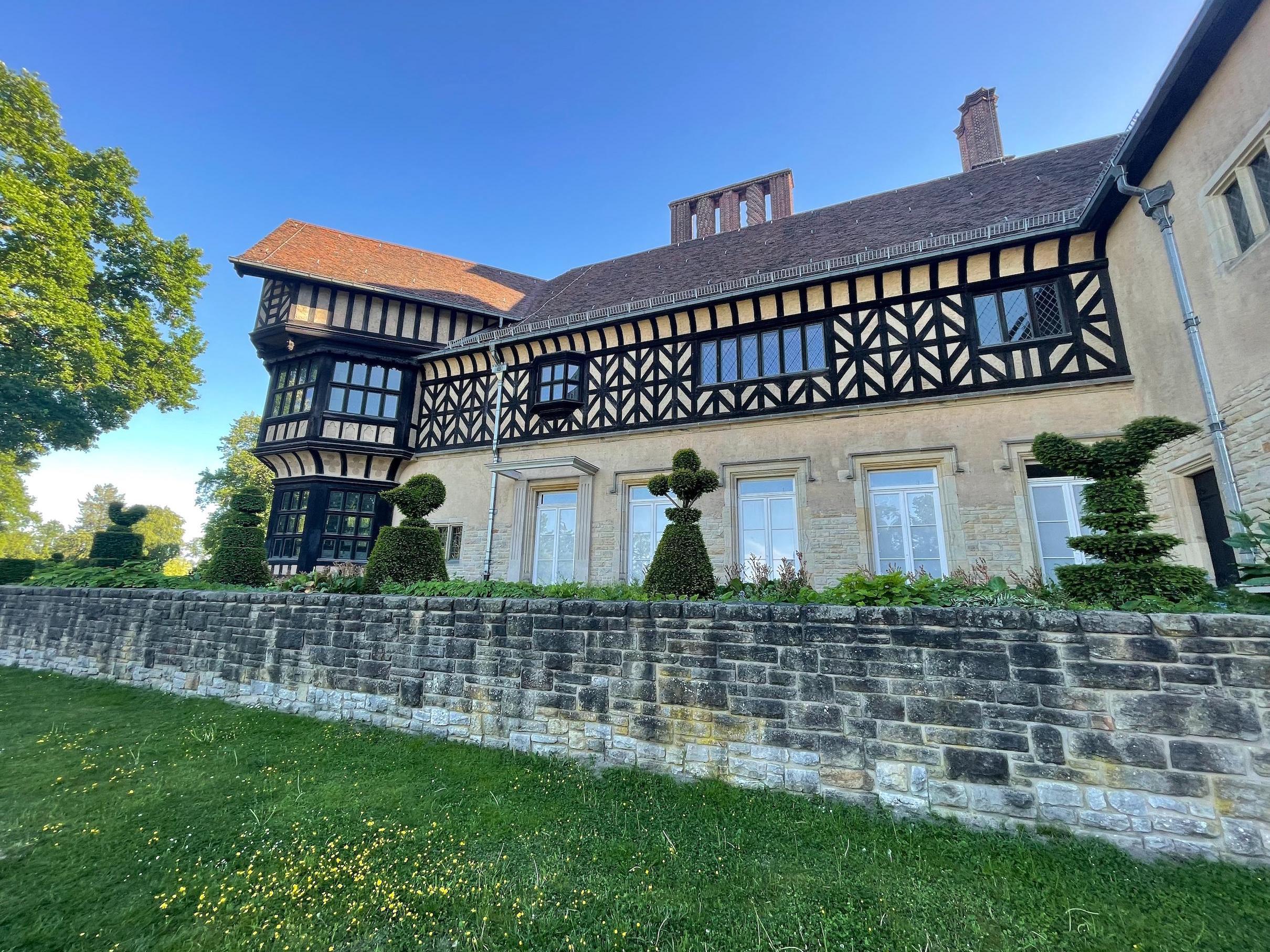
Our heroine is named Natalya; she was born in 1971 in the Tambov region. There were five children in the family, and she was the youngest. Her father was a veteran of the Great Patriotic War, served through the entire war, and after it lived for another nine years in Germany, in Potsdam – the very place where, decades later, his daughter would end up.
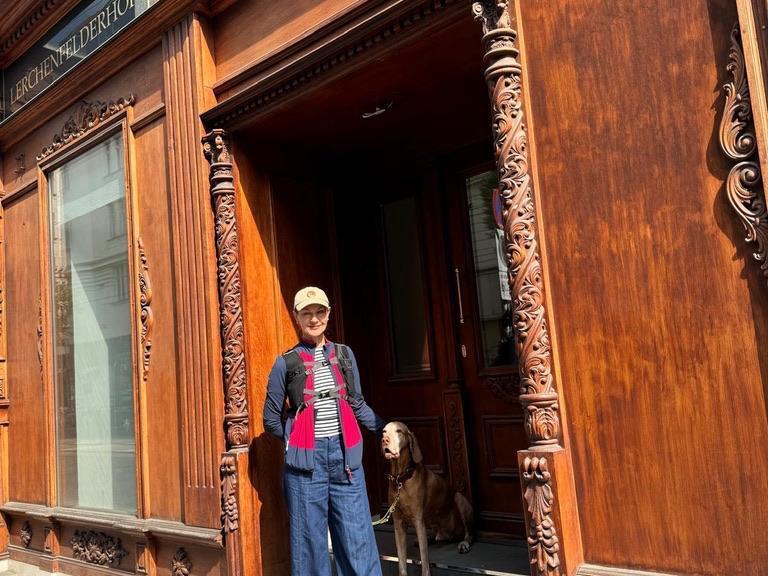
«At first I wanted to be a doctor,» Natalya recalls. «But in the end I became an artist. And medicine remained a hobby.»
In 1992 she graduated from an art school in Tambov. Outside, the Soviet Union was collapsing, with shootouts and gangland showdowns. The young artist was 21, and she understood clearly: she had to leave.
«It was all like Gangster Petersburg. Tambov and St. Petersburg were dividing the country, and it was very frightening there. There were several options for where to go, but I left for Germany. When I got to Europe, it was as if I had a second wind, and I thought: This is life, this is youth,» the heroine shares.
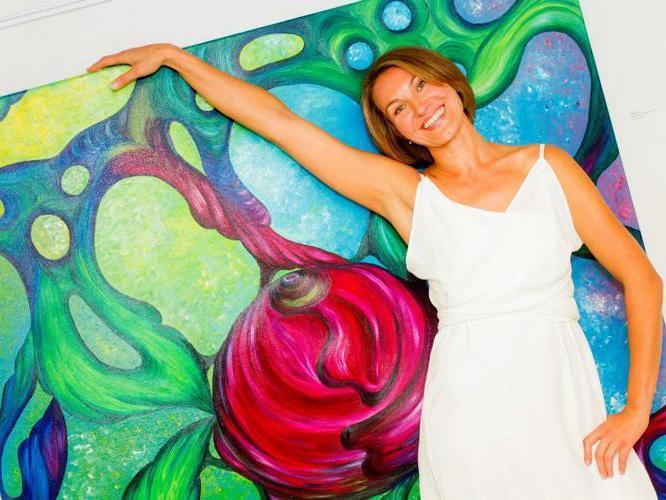
She did not know the language and had no connections; everything had to be started from scratch. Immediately after arriving, Natalya began working in a ceramics studio, painting dishes in the Gzhel and Khokhloma styles. The language came easily – she learned it with Germans and very quickly spoke without an accent.
East and West: two different Germanys
At first Natalya lived in East Germany, in the state of Brandenburg, near Berlin. She spent three years there but felt something was wrong.
«In East Germany, too, everything was beginning to crumble; there was more ruin there. I could not understand what was happening there. And the Germans were an incomprehensible nation to me; people always said that, well, the eastern ones are like this, and the western ones are different. And in the end I decided to move to West Germany, to Frankfurt am Main. And there my path of development as an artist began.»
In Frankfurt she met gallery owners, and solo exhibitions followed. Gradually her sisters moved there too.
And then came Berlin. Natalya moved to the capital in the early 2000s and was genuinely surprised: «When I arrived in Berlin, I walked down the street and heard only Russian speech. Everyone was speaking Russian. I thought: Am I really in Russia?»
In Berlin a new chapter of our heroine«s life began: she married an Italian, gave birth to a daughter, and worked in an artist»s house where creative evenings were held with the participation of Russian-speaking poets and artists from all over Europe.
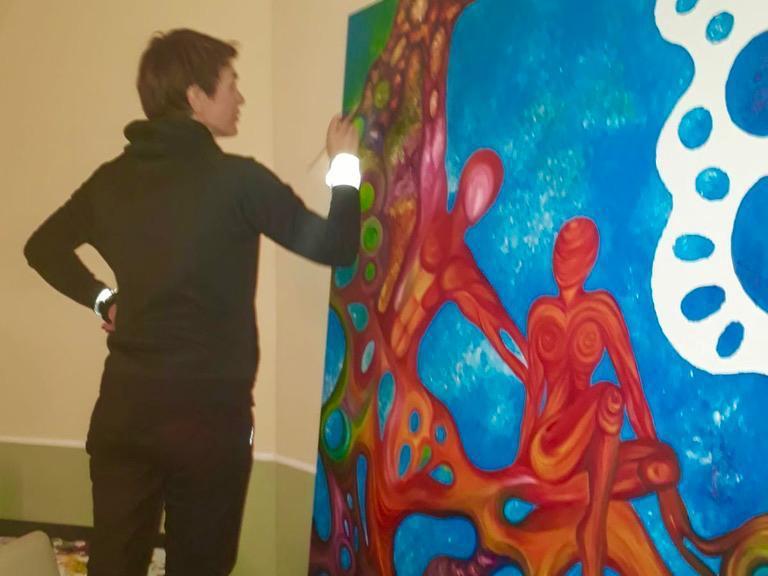
«It was a very interesting job,» she says. «Tourists came in the evening, and we painted live. There were all sorts of interesting personalities, creative evenings, poets, writers.»
«There is more order and more rules there»
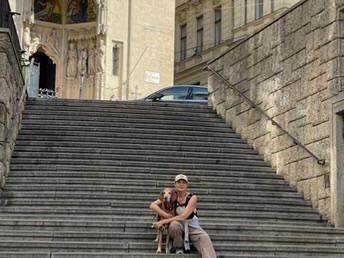
Natalya knows both Germans and Russians well. And she feels the difference between them keenly.
«Over 35 years I have come to know the German mentality very well. There is more order, more rules, and more distance between people. And I always lacked the openness and warmth I was used to in Russia.»
She recalls how, in the early days, the attitude of Germans at guests« homes shocked her: «You go to Germans, they sit and have dinner. They say: Wait, we will eat now, and you sit and wait. For me that was incomprehensible and alien. There are, of course, also deep people who understand history and treat Russians with respect.»
At the same time, Natalya notes that East Germans are completely different. The woman called them «pro-Russian.» She says many still come out on 9 May with slogans and play the Soviet anthem.
«I always wanted to return»
Despite a successful career, friends, and a settled life, homesickness never left her.
«From the moment I arrived, I always wanted to go back. Even my daughter still says: Mom, I only ever hear: We are leaving soon, we are leaving soon. And we never leave.»
But in Germany she was held back by the hotel business. In 2016 she moved to Potsdam and rented an old 14-room villa. She had a dream of turning it into an art object where each room would be designed by an artist.
«So that in each room the artist would not simply hang their paintings, but design it from the start – furniture, floor, walls – everything from A to Z.»
The Babelsberg studio and a meeting with Hollywood
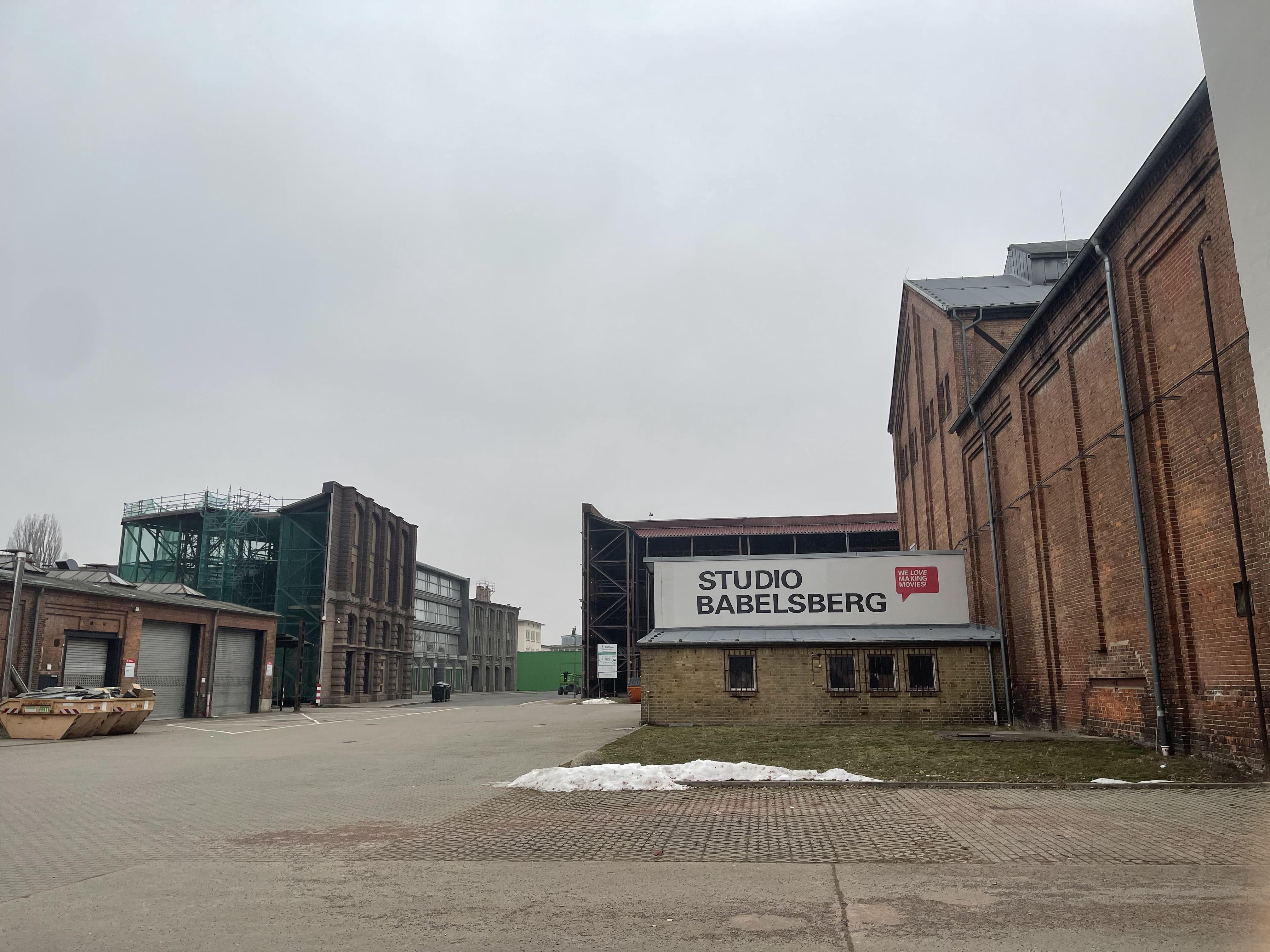
Alongside the hotel, Natalya works at the Babelsberg studio – one of the oldest and largest in Europe. It was there that the legendary The Matrix, The Pianist, and The Grand Budapest Hotel were filmed; Keanu Reeves, Johnny Depp, and Quentin Tarantino also worked there.
Natalya took part in creating sets for several major film projects. One of her latest works is Wild Things, a mini-series about the legendary illusionists Siegfried and Roy. The heroine worked on creating the sets for the series« filming.
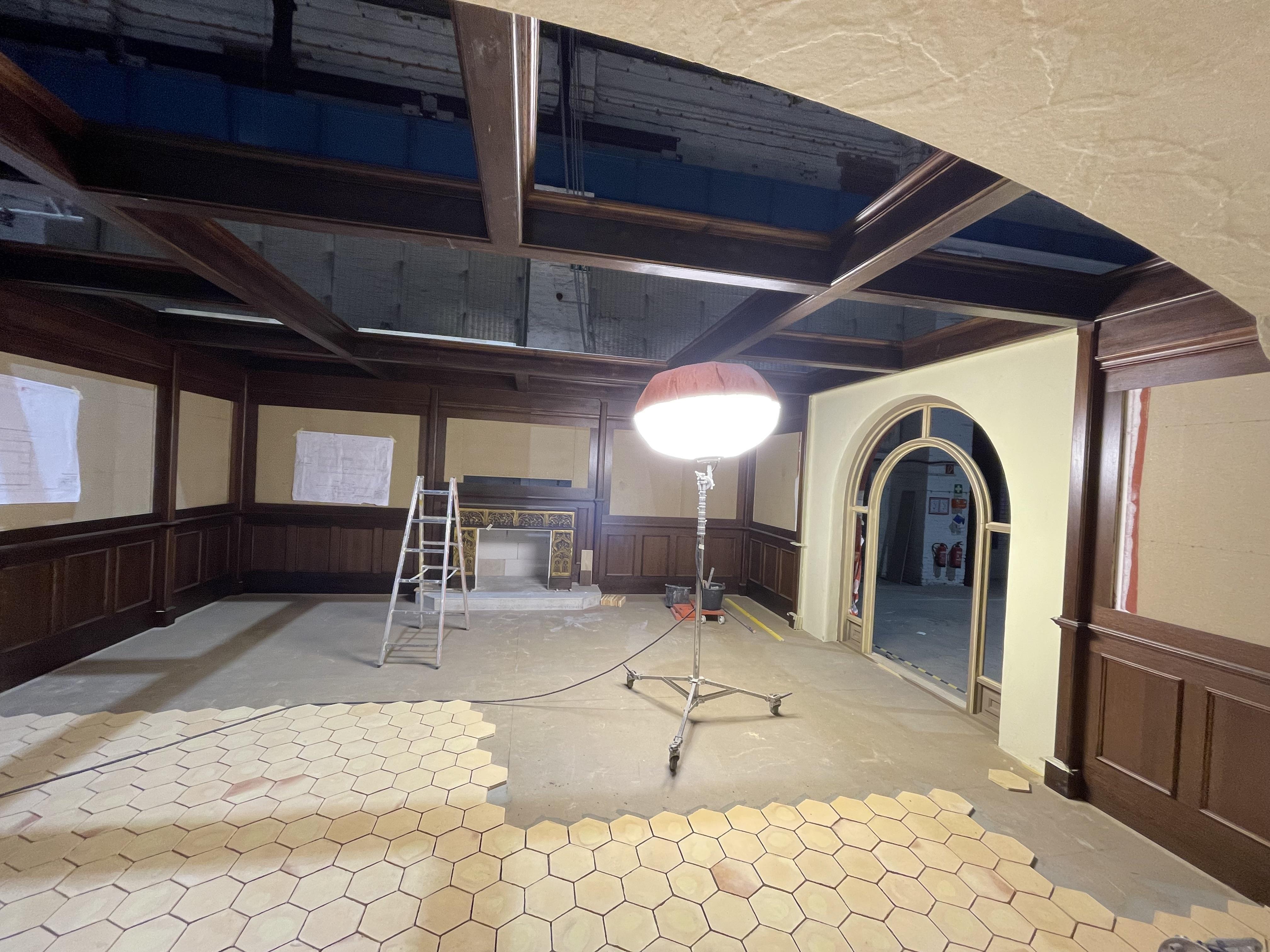
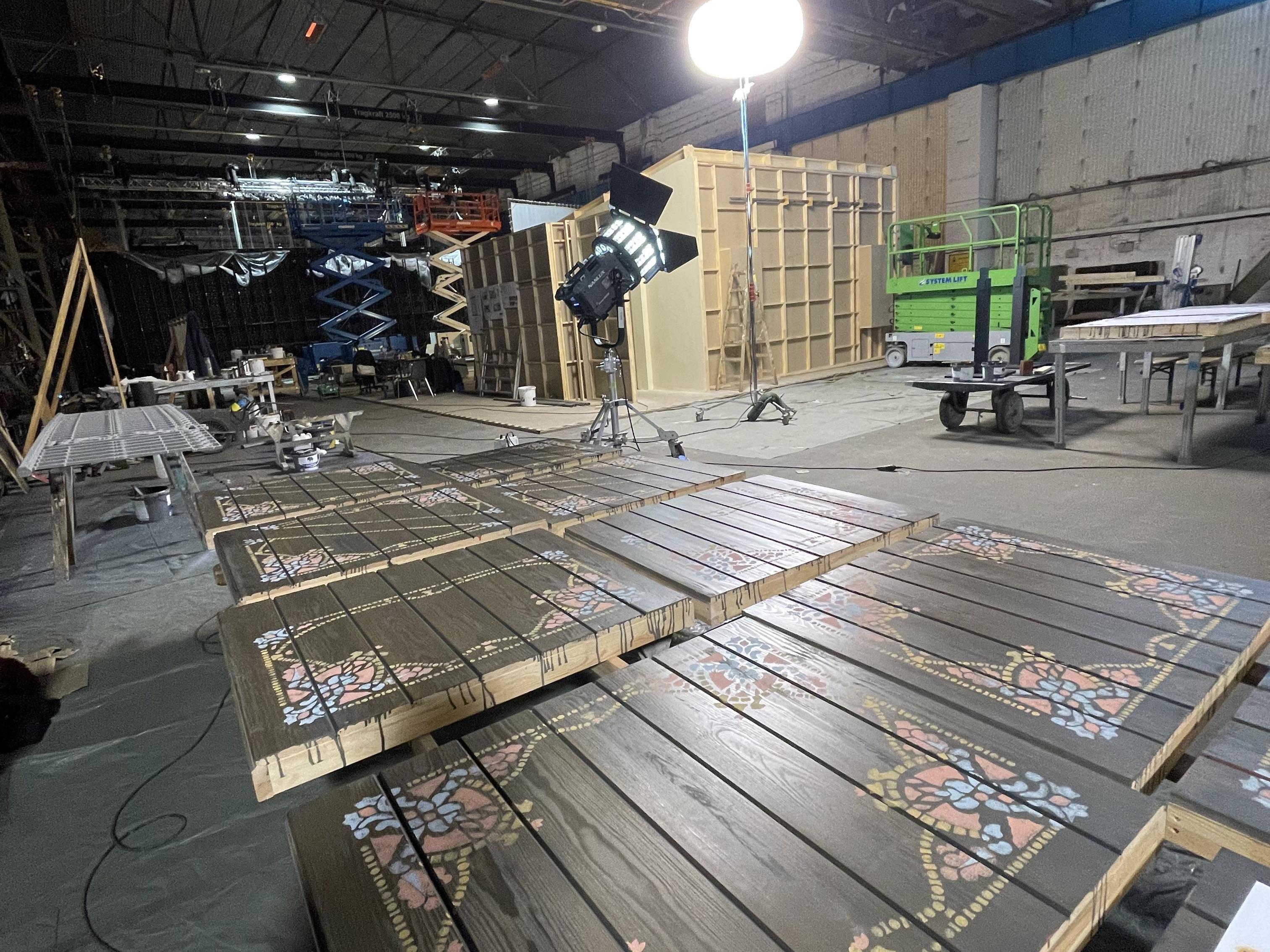
«When I went to my first project, I found it so interesting,» she recalls. «It is no longer just paintings. Huge objects are built there – living rooms, villas. Carpenters and welders work. And only at the end do artists come to paint everything. The studio there is huge factory hangars; trams used to be produced there, and now films are shot there.»
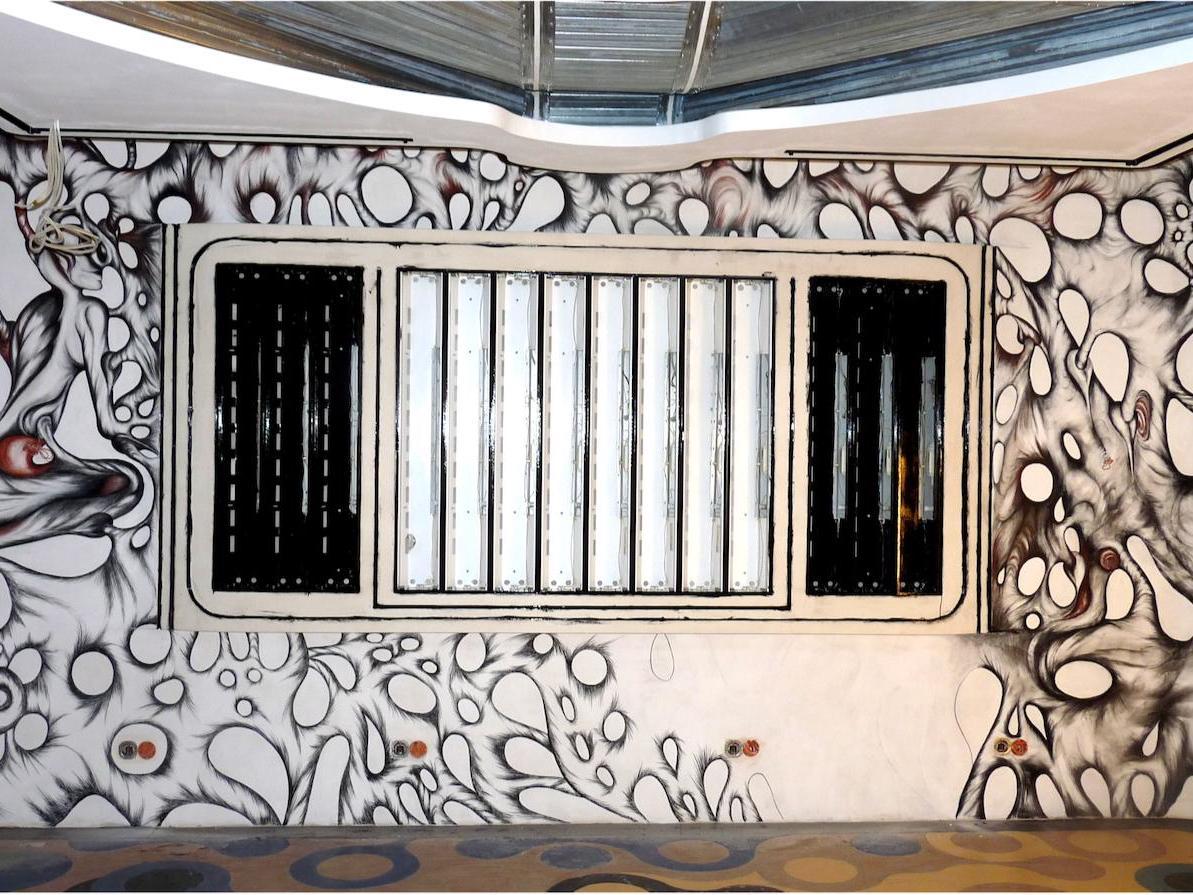
On set, Natalya as an artist prepared the sets: imitations of marble, brick, and concrete. She painted ceilings and walls. In the films all of it looked real.
The road home
When the pandemic came, the hotel business was frozen. She had to reformat: Natalya decided to rent out the rooms as apartments. The project of the unique art space paused on its own. Some time later Natalya realized the time had come. In 2024 she closed the hotel and began preparing to go to Russia.
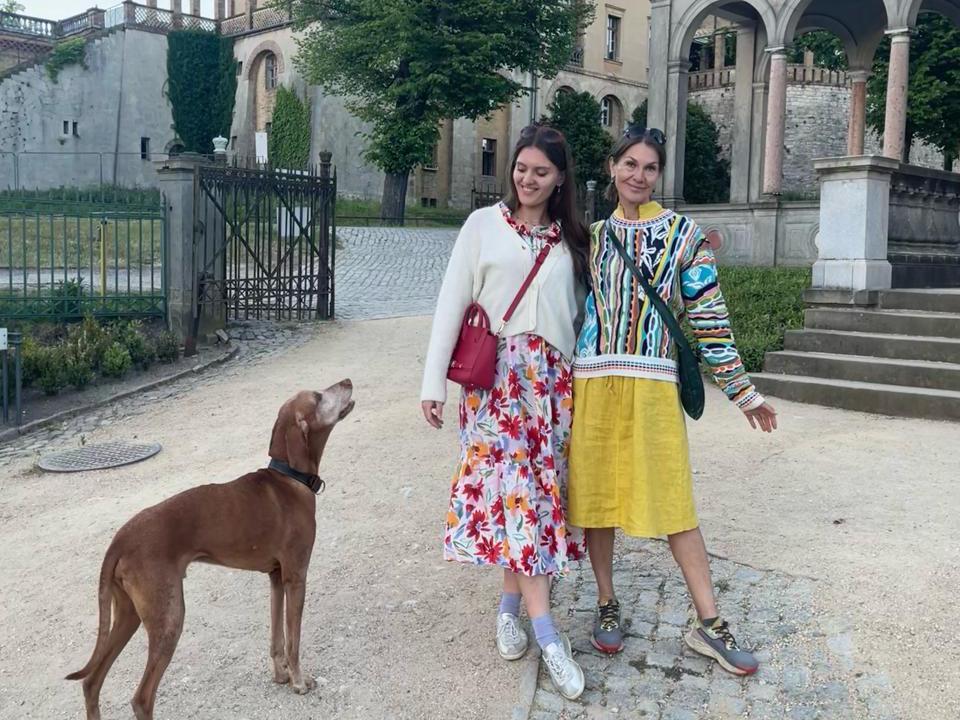
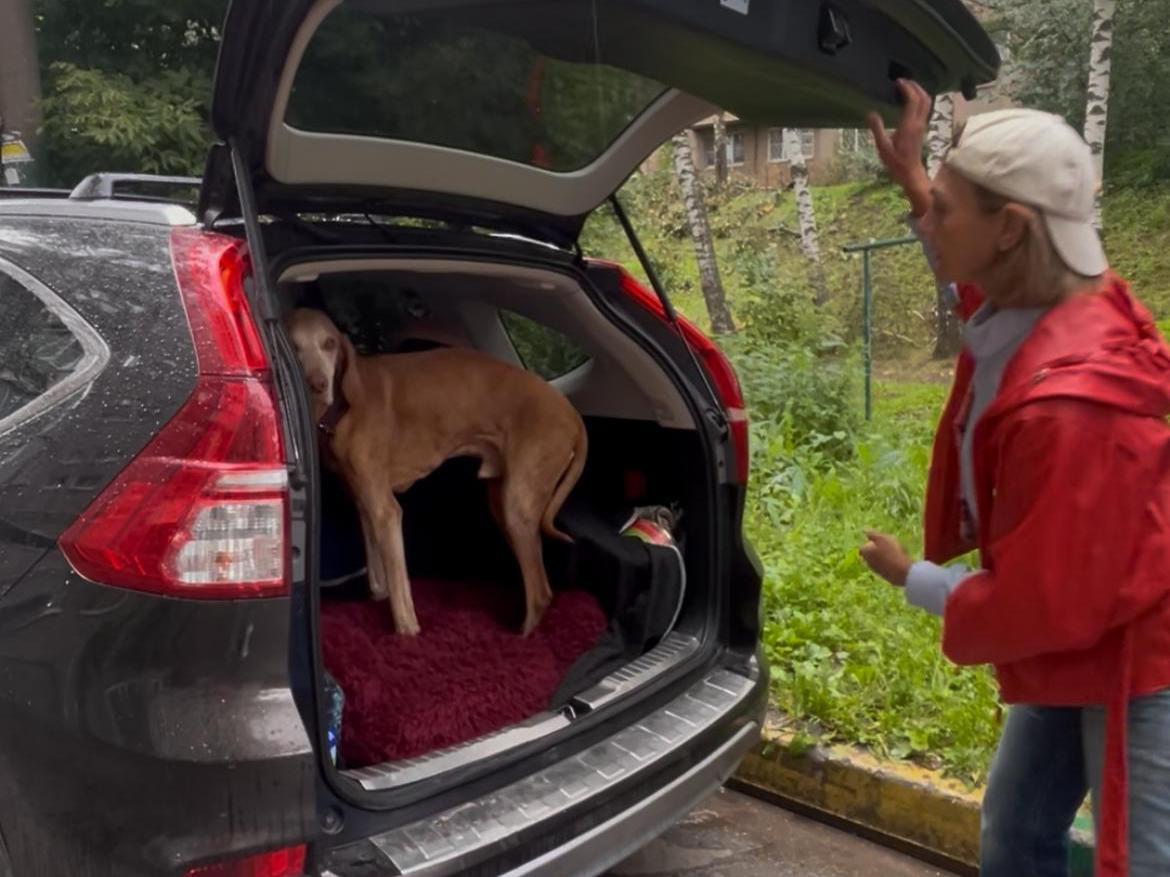
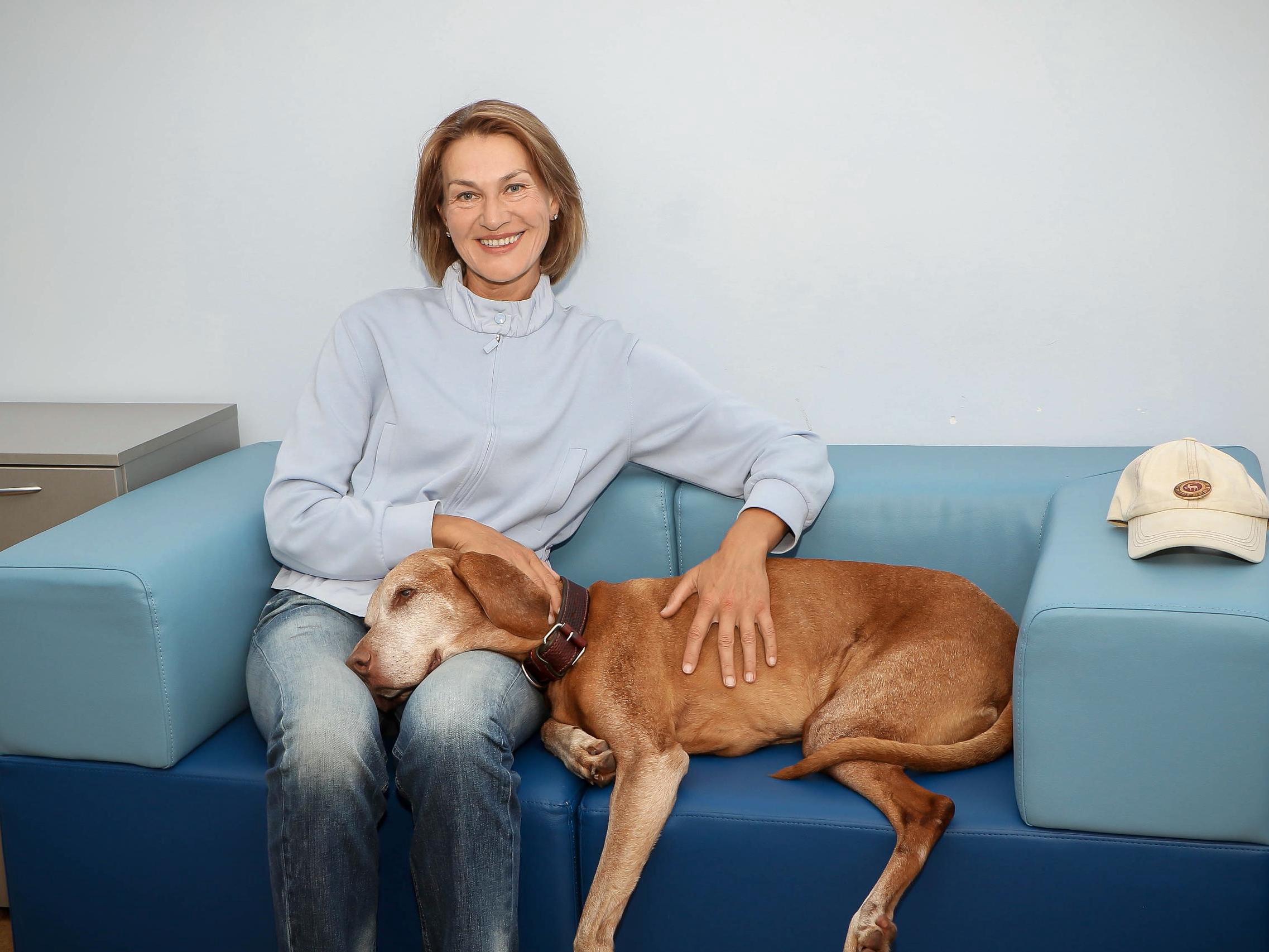
The woman loves road trips, and it is more convenient for her to travel between countries by car. Our heroine covered the journey from Germany to Russia by car. Her faithful companion, as before, was Charlie – a Hungarian Vizsla dog who accompanies his owner even to work.
Crossing the border in difficult times does not always go smoothly. On the way to her homeland, Natalya spent six hours in queues, and then was turned back because of two cans of dog food.
«There was a very nasty female border guard who said: Turn around, go back to European territory and throw the canned food away there. I stood for six hours, but nobody cares. Young border guards helped: they opened the barrier and let me through to the Poles without queuing. There I gave the canned food to people in the queue and everything worked out.»
After returning to Russia, Natalya looked at various regions. She has relatives in the Leningrad region, and she looked at the Tver and Vladimir regions. Several years ago the heroine visited the Volga capital, but at that time it did not impress her – everything was too grey and dreary.
«In 2024, when I came again, the city was simply unrecognizable. Old houses began to be restored, and a embankment was built. The country roads are also beautiful; one feels that the region has a master. I liked it very much here.»
Why the Nizhny Novgorod region specifically? Natalya explains this not only by the beauty of nature but also by history. She is interested in ancient culture, and she likes the symbolism of the confluence of the Oka and the Volga in our city.
«One has to start somewhere»
At first Natalya wanted to join a project to create a «German settlement» promoted by a blogger-returnee. But after arriving and meeting people, she changed her mind.
«I do not want to create a separate German settlement. It is more interesting to me to become part of existing Russian life and gather around me people close in spirit, regardless of where they came from.»
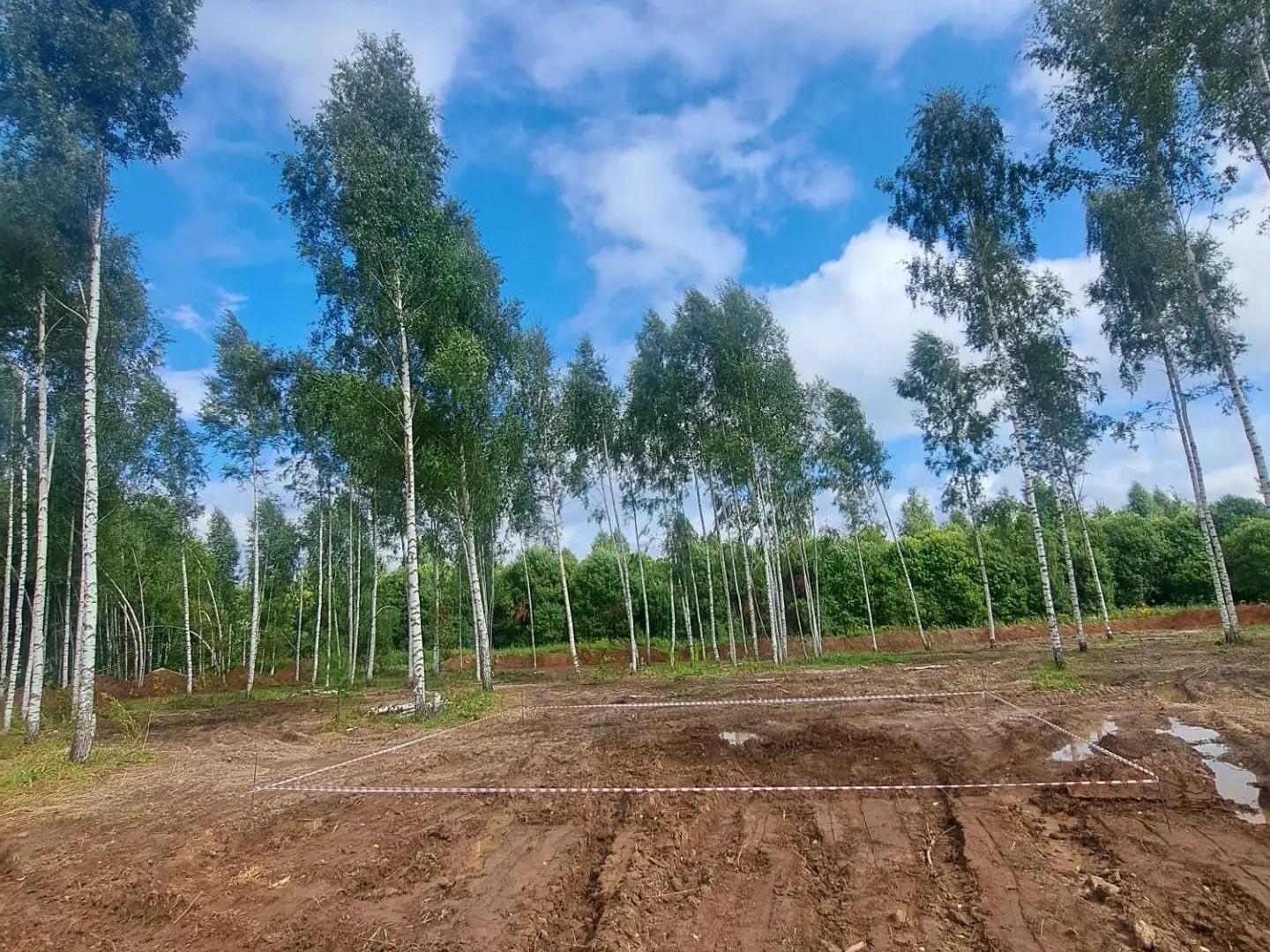
Natalya did things differently. She bought three hectares of land in Khmelyovaya Polyana in the Dalnekostantinovsky district, divided into 21 plots.
«I do not want to create a settlement with rigid regulations. I want a community of like-minded people to gradually form here: each with their own home and their own space, but with people nearby with whom it is interesting to communicate, create, and help each other.»
Of the three hectares, Natalya keeps one for her personal space: here will be her house, a bathhouse-guesthouse, a large workshop, a garden, and a recreation area. On another part of the land she plans two guest houses and a pond – a place for rest, meetings, and creativity. The remaining plots are intended for those who want to build their own home here, including people from Germany and other European countries.
«I want to help those who plan to move,» Natalya says. «Because without the language and without documents it is difficult to find yourself in Russia. Especially if you are German and do not speak Russian.»
For now Natalya has not moved to Russia permanently; in the autumn she will return to Germany to earn some money, and next spring she plans to return to bring her ideas to life.
Incidentally, during her life in Germany Natalya never obtained German citizenship – for that she would have had to give up her Russian passport.
«For me it was not even a reason for reflection – that I would ever give up Russian citizenship. I have relatives here. And anyway – people love their homeland more.»