Tula Hostess Shares Apple Recipes for Late Summer
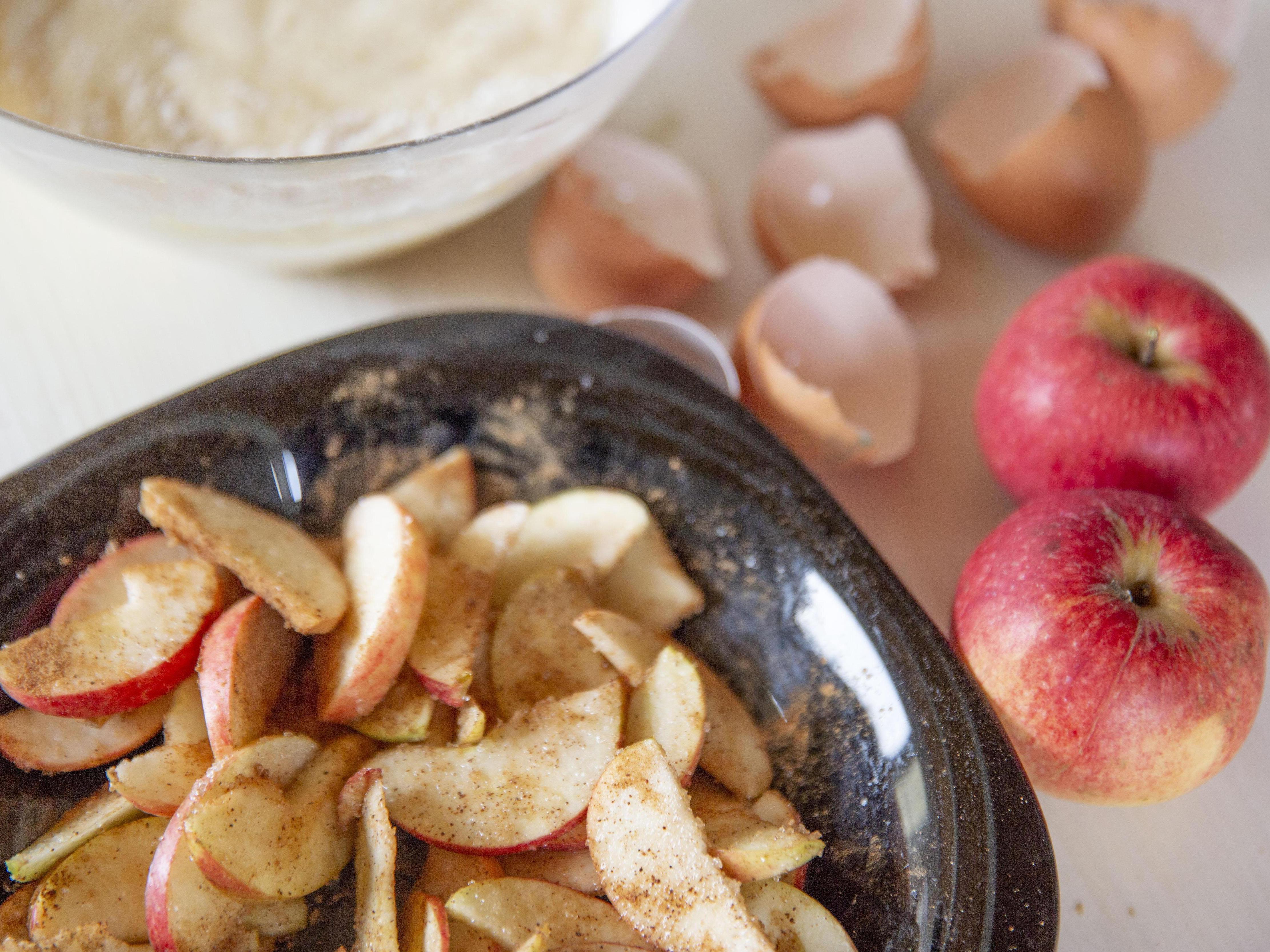

Summer is drawing to a close, and Tula«s orchards are already ripening with bountiful apple harvests. But what to do with them all? Cook, of course! And if the usual charlotte has grown tiresome, we»ve found a way for those who want to treat themselves to something new and surprise their guests.
Tula home cook Natalya shared with our editorial team her recipes for the most delicious apple dishes: desserts, one of which features honey for the upcoming Honey Spas. And one recipe — apple chutney, a sauce with an Indian twist.
Apple Gratin with Almonds and Orange Zest
A delicate crustless dessert: thin apple slices are covered with custard and baked under a crunchy almond crust. Instead of cognac — bright orange zest and a little apple juice, which add depth and freshness. Serve warm, with a scoop of vanilla ice cream or a spoonful of thick sour cream.
Yield: 4–6 servings.
Ingredients:
Apples, tart or sweet-tart varieties (Antonovka, Semerenko, Granny Smith) — 4–5 (about 600 g)
Egg yolks — 3
Sugar — 100 g (reserve 20 g for sprinkling)
Milk — 200 ml (about 7 fl oz)
Cream, 20–33% — 100 ml (about 3.4 fl oz) (or substitute full-fat milk)
Butter — 20 g for greasing the pan + 10 g for the custard (0.7 oz + 0.35 oz)
Apple juice (clear, no pulp) — 2 tbsp
Orange zest — 1 tbsp (finely grated, orange part only)
Vanilla extract — 1 tsp (or a packet of vanilla sugar)
Sliced almonds — 40 g (1.4 oz)
A pinch of salt
Step-by-step recipe:
1. Peel the apples, cut into quarters, and remove the cores. Slice thinly (2–3 mm). Sprinkle with 1 tbsp of apple juice and leave for 10 minutes to absorb the aroma.
In a saucepan, combine the milk, cream, half the sugar (50 g), and a pinch of salt. Heat over medium heat until the first bubbles appear; do not boil. In a bowl, whisk the yolks with the remaining sugar (30 g) until pale. Pour the hot milk mixture into the yolks in a thin stream, stirring constantly. Return everything to the saucepan and cook over low heat, stirring continuously with a spatula, for 3–4 minutes until the custard thickens to the consistency of runny sour cream. Remove from heat. Add the vanilla extract, 10 g of butter, the remaining 1 tbsp of apple juice, and the orange zest. Stir until smooth.
Preheat the oven to 180°C (350°F). Generously grease a baking dish (18–20 cm / 7–8 in diameter) with butter. Arrange the apple slices in an even layer or a pretty fan. Pour the hot custard over them — it should almost cover the apples. Sprinkle evenly with the sliced almonds and the remaining sugar (20 g) for a caramelized crust.
Place the dish in the preheated oven for 25–30 minutes. The top will turn golden brown, the custard will bubble at the edges, and the apples will become tender. If the almonds start to burn too soon, cover with foil.
Let the gratin cool for 5–10 minutes; it will settle slightly. Serve warm, spooning out portions. It pairs excellently with a scoop of vanilla ice cream or cold sour cream — the contrast of temperatures and textures makes the dessert even more interesting.
Points to note:
Apple variety. You definitely need tartness to balance the sweetness of the custard. If the apples are sweet, reduce the sugar in the custard by 10–15 g.
Custard. Do not overheat the yolks, or they will curdle. As soon as the custard begins to thicken, remove from heat immediately and stir vigorously. If lumps do form, strain through a sieve.
Zest. Use only the orange part of the peel, without the white pith, otherwise it will be bitter. The zest provides a bright aroma that perfectly replaces alcohol.
Almonds. The slices are needed for crunch. If unavailable, substitute coarsely chopped almonds, but slices are prettier and create a finer crust.
This gratin is an excellent autumn dessert that earns compliments at any festive table and contains not a drop of alcohol. The orange zest and apple juice make it fresh, while the almond crust adds a welcome crunch.
Honey Apple Upside-Down Cake with Walnuts
Yield: 20–22 cm (8–9 in) pan (6 servings).
Here honey works twice: in the caramel for the apple topping and in the batter for aroma and moisture. The cake turns out very juicy, with a rich honey flavor and a spicy note of cinnamon. The upside-down presentation makes it festive without any decorations. Instead of walnuts, you can use hazelnuts or almonds.
Ingredients:
For the honey caramel and topping:
Apples (sweet-tart, firm) — 3–4 (about 400 g / 14 oz)
Liquid honey — 3 heaping tbsp (about 80 g / 2.8 oz)
Butter — 40 g (1.4 oz)
Walnuts — a handful (30 g / 1 oz), coarsely chopped
A pinch of salt
Lemon juice — 1 tsp (to brush the apples to prevent browning)
For the batter:
Eggs — 2 large
Liquid honey — 2 tbsp (about 50 g / 1.8 oz)
Butter — 60 g (2 oz), melted and cooled
All-purpose flour — 120 g (1 cup)
Baking powder — 1 tsp, leveled
Ground cinnamon — ½ tsp
Salt — a small pinch
Optional: 1 tbsp sour cream or yogurt for extra moisture (I recommend adding it)
Step-by-step recipe:
Peel the apples, cut into quarters, and remove the cores. Cut into 1 cm (0.4 in) thick slices. Brush with lemon juice to prevent browning. Coarsely chop the nuts.
In a small saucepan or directly in the baking pan (if it has a thick bottom and is stovetop-safe), melt 40 g of butter with 3 tbsp of honey and a pinch of salt. Heat over medium heat, stirring, until the mixture is smooth and begins to bubble. Let it bubble for 1–2 minutes, stirring, so the caramel thickens slightly and develops a deeper flavor. If you cooked it in a saucepan, pour it into the baking pan, spreading evenly over the bottom.
Arrange the apple slices nicely over the hot caramel (you can do this in a circle, overlapping). Sprinkle with the chopped nuts.
Preheat the oven to 180°C (350°F). In a bowl, beat the eggs with 2 tbsp of honey until fluffy and pale (2–3 minutes with a mixer). Pour in the melted and cooled butter (60 g) and mix. If using sour cream, add it now. In a separate bowl, combine the flour, baking powder, cinnamon, and salt. Add the dry mixture to the wet and quickly mix the batter — it should be like thick sour cream, runny but not liquid.
Pour the batter over the apples and nuts, and smooth with a spatula. Place in the preheated oven for 30–35 minutes. Check doneness with a wooden skewer — it should come out dry from the center. The top of the cake will be golden.
Let the cake rest in the pan for 5–10 minutes (no longer, or the caramel will harden and stick). Run a knife around the edges. Cover the pan with a flat plate or dish and carefully but quickly invert. If a little caramel or apple sticks, it«s fine — you can put it back in place. The honey glaze and nuts will now be on top.
Serve warm or at room temperature. It«s self-sufficient, but you can add a scoop of vanilla ice cream or a spoonful of sour cream.
Points to note:
Honey. Use liquid honey with a delicate flavor (flower, linden). Buckwheat honey will be too strong and may taste bitter in the caramel.
Apples. They should be firm to hold their shape during baking. If the variety is very juicy, lightly dust the apples with starch (0.5 tsp) before arranging — this will bind excess juice.
Caramel. Don«t overcook it: as soon as the mixture begins to thicken and darken, remove it immediately. Honey burns faster than sugar.
Pan. A springform pan is best, lined with parchment on the bottom (then it definitely won«t stick). If the pan is not springform, make sure the caramel hasn»t glued the apples to the bottom — running a knife around the edges is essential.
Batter. Don«t overmix, or it will become rubbery. As soon as the flour is moistened — that»s enough.
This honey and apple cake is a true autumn classic in a new interpretation. It«s easy to make, and the result is impressive and very homey.
Apple Chutney with Raisins, Ginger, and Spices
Yield: about 3 jars of 0.25 L (ideal for sauce).
Instead of the usual sweet jam, you get a complex sauce with character. It combines the sweetness of apples and sugar, the pungency of ginger and garlic, the spiciness of cinnamon and cloves, and the tang of vinegar. Chutney stores beautifully, and its flavor only becomes richer over time.
Ingredients:
Apples, tart or sweet-tart varieties (Antonovka, Semerenko) — 1 kg (2.2 lb) (weight after peeling and coring)
Onion — 200 g (7 oz)
Garlic — 3 cloves
Fresh ginger — 30 g (1 oz) (a 4–5 cm / 1.5–2 in piece)
Dark raisins (seedless) — 100 g (3.5 oz)
Sugar — 200 g (7 oz) (brown is fine, but white works too)
Apple cider vinegar 6% — 200 ml (6.8 fl oz) (or 130 ml of 9% vinegar + 70 ml water)
Salt — 1 tsp
Ground cinnamon — 1 tsp
Ground cloves — ¼ tsp
Ground black pepper — ¼ tsp
Ground nutmeg — a pinch
A pinch of hot red pepper (optional)
Why it«s safe for storage:
The high sugar content (200 g per 1 kg of apples) and vinegar create an environment where bacteria cannot develop. Hot chutney is sealed in sterile jars and slowly cools under a blanket — that«s enough to ensure a seal and preservation without an additional water bath.
Step-by-step recipe:
Peel the apples, remove the cores, and cut into small cubes (about 1×1 cm). Chop the onion into the same small cubes. Peel the garlic and ginger, chop as finely as possible with a knife or grate. Rinse and dry the raisins.
In a heavy-bottomed pot, combine the apples, onion, garlic, ginger, and raisins. Pour in the vinegar, add the sugar and salt. Stir.
Bring the mixture to a boil over medium heat, then reduce the heat to low. Simmer, stirring occasionally, for 1–1.5 hours. The apples should completely break down, and the onion should become translucent and soft. The mixture will thicken, resembling a very thick jam. Stir more frequently toward the end to prevent burning. Doneness test: if you draw a spoon across the bottom, a clear trail remains that doesn«t immediately fill with liquid.
About 10 minutes before it«s done, add all the spices: cinnamon, cloves, black pepper, nutmeg, and, if desired, hot pepper. Mix well. Taste and adjust the balance: you might want to add a little more salt or sugar. Remember, the flavor should be distinctly sweet-and-sour with a spicy aftertaste.
Sterilize the jars (small ones, 200–250 ml, are most convenient) and lids in advance. Ladle the boiling chutney into the hot jars, filling them almost to the top, leaving about 0.5 cm of headspace. Immediately seal tightly with the sterile lids.
Turn the jars upside down, wrap them in a blanket, and leave to cool completely for a day. Then store in a cool, dark place. The chutney can be eaten right away, but it«s best to let it mature for at least 2–3 weeks — the spices will develop, and the flavor will become more balanced.
What to serve it with:
With cold roast beef, roast pork, or poultry.
With a cheese board (especially good with aged cheddar, Parmesan, or goat cheese).
As an accompaniment to pâtés and terrines.
Simply spread on fresh bread with butter.
Points to note:
Use specifically apple cider vinegar (natural, 6%) — it gives a softer fruity flavor than 9% table vinegar. If using 9%, be sure to dilute with water to avoid a harsh acidic kick.
The apple variety matters: Antonovka or Semerenko break down well and provide the necessary tartness. Sweet summer varieties will turn the chutney into a cloying mass.
Don«t shorten the cooking time: it»s the long simmering that melds the flavors and evaporates excess liquid, making the sauce stable for storage.
Sterility of jars and lids is essential. Since the chutney is sealed without an additional water bath, all utensils must be perfectly clean.
If you were looking for an unusual apple preserve, this chutney is a real find. It surprises guests and gives familiar dishes a completely new dimension.