Tula Honey Prices Rise After Harsh Winter

We explain what natural honey lovers should prepare for
The winter of 2026 in the Tula Region, as across all of Central Russia, was extremely cold. For many days in a row, temperatures dropped below -25°C (-13°F). This could not but affect agriculture — and while crops could survive thanks to winter varieties and livestock thanks to warm barns, what are beekeepers to do? Then came an unstable spring and summer — scorching heat alternating with torrential rain.
Should we expect a “honey crisis” this year, and how has the weather affected private producers of the healthy treat? We asked our acquaintance, farmer Arseny, who owns a large apiary with dozens of hives, to answer these questions.
Bees Died of Hunger
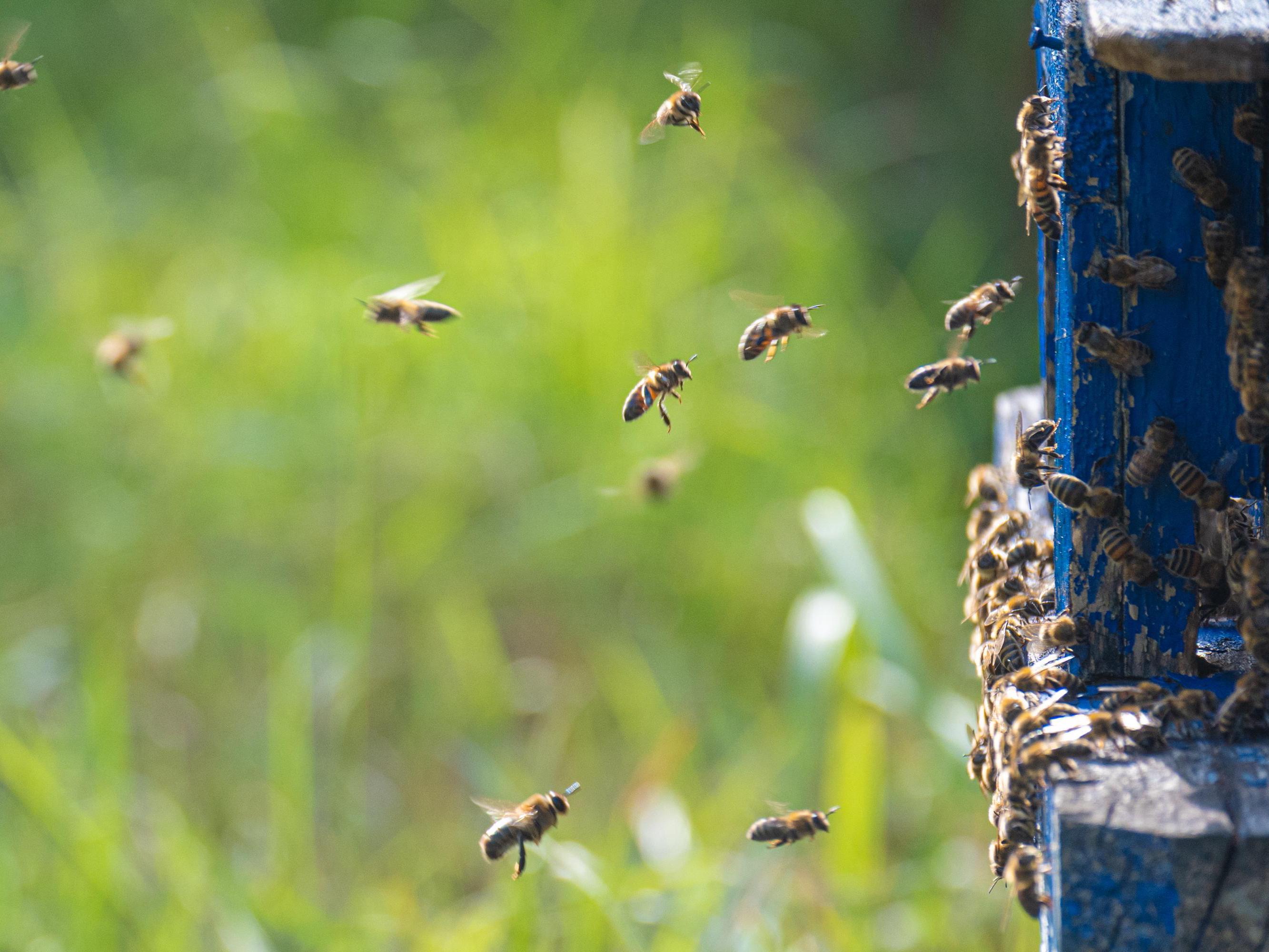
Bees are generally capable of surviving severe frosts. They have a naturally developed mechanism for such conditions: they cluster together and warm each other. But that is in the wild. In man-made apiaries, where bee survival depends on humans, things are different.
According to Arseny, bee mortality was quite high this year. Because far from all beekeepers prepared properly for the frosts. But that was not the only reason.
“There was high bee mortality in winter because, first, not all hives were ready for such frosts, and because of that the bees froze. Second, the winter was very snowy. Because of that, those bees whose hives were placed, for example, in outdoor shelters, were too active. Because the temperature there, due to the natural snow cover and warmth from the ground, was slightly higher than needed. The bees were more active and ate their winter reserves very quickly, ultimately simply dying of hunger. There are more such cases than deaths from frost alone,” Arseny says.
Arseny also noted that the problem of bee mortality is not limited to this. There are also diseases — every year bees get sick more often, and medicines hardly work anymore.
There Will Not Be Much Honey
According to our interviewee, there will be little honey for another reason — because of the crops.
“Early honey comes from winter crops. This winter, many crops, such as rapeseed, grew taller than necessary and simply began to rot under the snow. Because there was no necessary nourishment from the soil, the sprouts simply died, and then those fields were sown again. The same goes for meadow honey. Many meadows are now being plowed up not for meadow grasses or buckwheat, but for soybeans, potatoes and other crops. For bees, these are useless plants from which they cannot collect honey,” Arseny noted.
Linden trees produced a lot of sap this year — Tula residents may recall that at a certain point it was simply impossible to walk under the linden trees, as shoe soles stuck to the ground. But the bees did not collect nectar from the lindens.
The reason is simple — excess moisture. There was a lot of linden nectar, but its sugar concentration was lower than usual. And bees prefer to work with concentrated nectar.
Therefore, if this year you were counting on an abundance of linden, meadow or early honey, you should not get your hopes up.
Arseny also warned that because of the death of bees and plants, honey will become more expensive this year. Whereas previously a quality product sold for 800 rubles ($10) per liter, the price may now rise to 1,000 rubles ($13).
“Also, a lot of counterfeit has appeared. Honey is made from the remains of dead bees, and old frames are boiled down. Such honey will be sold for around 600–700 rubles ($8–$9), but it is a dangerous product. If you come across a dark, cloudy product with a bitter taste — do not buy it under any circumstances,” Arseny warned.
But even without taking counterfeit into account, it is worth remembering that not all honey is healthy in itself. For how to choose honey properly, see our material.